
Stop Potholes Early: Save Your Asphalt With Proven Tactics
Published on: April 17, 2026 | Last Updated: April 14, 2025
Written By: George Voss
Fixing potholes before they grow requires three main steps: find cracks fast, seal them tight, and keep water out. Inspect asphalt every 3-6 months, fill cracks wider than 1/4 inch immediately, and clear clogged drains to prevent freeze-thaw damage. These actions stop small flaws from becoming costly craters by blocking water penetration – the #1 cause of pavement failure.
This guide shows how to protect asphalt year-round. You’ll get data-driven methods for patching vs. full repairs, cost comparisons between emergency cold mix ($45/ton) and hot mix asphalt ($85/ton), and tips for extending pavement life 8-12 years. We cover drainage fixes, binder grades like PG 64-22 for cold climates, and how infrared heaters bond patches better than traditional methods.
Understanding Asphalt Pothole Prevention Basics
Halting potholes starts with knowing why roads fail. Two main culprits attack asphalt: natural forces and human activity. Fixing both stops small flaws from turning into costly craters.
Causes Of Pothole Formation in Asphalt
Asphalt fails through a mix of physics and friction. Spotting risk factors early cuts repair costs by up to 75% compared to full reconstruction.
Water Infiltration and Freeze-Thaw Cycles
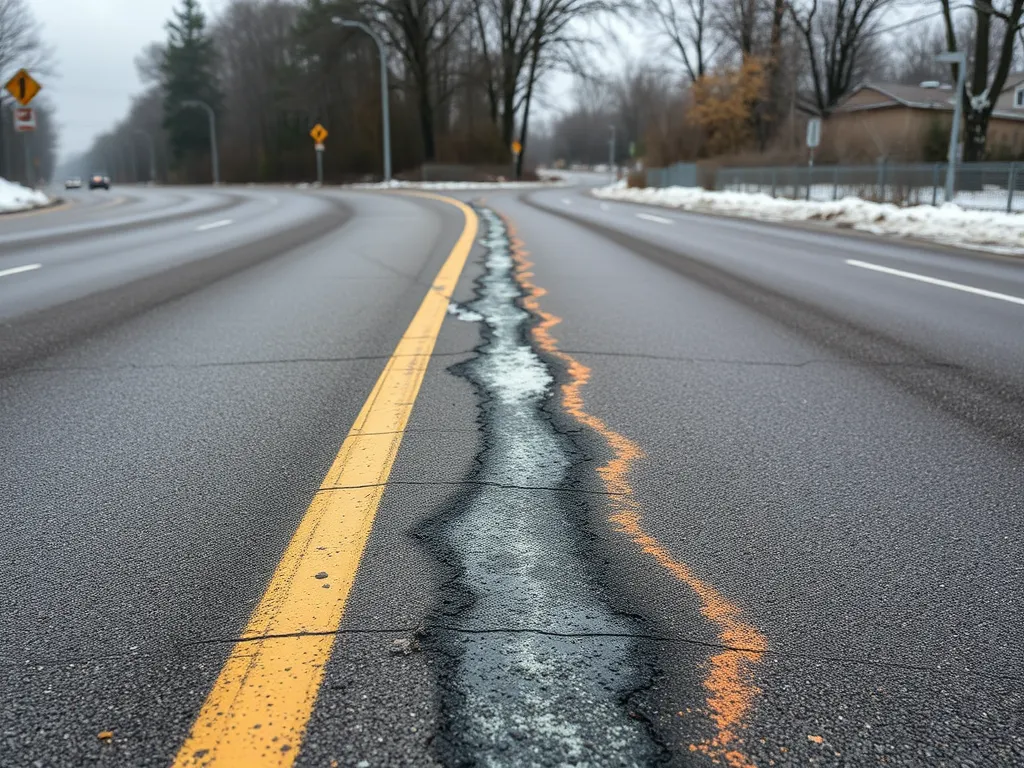
Water slips into cracks as thin as 1/8 inch. At 20°F, it grows 9% in volume, pushing pavement upward. Thaws create voids under slabs. Traffic smashes weak spots, forming potholes in 3-5 cycles. A single winter can turn hairline cracks into 12-inch-wide holes.
Traffic Stress on Asphalt Layers
An 18-wheeler applies 7,500 psi on tire contact zones. Daily pounding fatigues binders, causing alligator cracks. Roads handling 1,000+ trucks daily show structural harm 3x faster than residential paths. Unchecked, surface gaps grow downward, hitting base layers within 6 months.
Proactive Asphalt Maintenance Plans
Smart upkeep focuses on three actions: watch, shield, and redirect. Spending $1 on prevention avoids $6 in future fixes, says Federal Highway Administration data.
Regular Asphalt Surface Checks
Walk roads monthly with a Pavement Condition Index (PCI) chart. Use infrared scans to find hidden voids. Mark cracks using color-coded spray: red for gaps >1/2 inch, yellow for 1/4-1/2 inch. High-traffic zones need biweekly looks during thaw periods.
Timely Crack Sealing Work
Fill gaps within 48 hours of spotting. Hot-pour rubberized seals bond best at 375°F, lasting 5-7 years. For under 1/4 inch splits, liquid asphalt emulsions block moisture. Proper application stops 85% of potholes from forming.
Drainage System Upkeep
Clear ditches twice yearly – aim for 2% slope minimum. Install 6-inch corrugated pipes under sagging spots. Check catch basins after storms; standing water means clogs. Good flow cuts water harm by 60%.
Now that you know how to stop potholes at their start, let’s look at fixing those already causing trouble.
Durable Asphalt Pothole Fixing Tactics
Acting fast with right tactics stops minor flaws from growing into major road risks. Fix options split into two groups: quick patches for instant hazard control and long-lasting solutions for structural renewal.
Quick Fix Tactics for Asphalt
Short-term actions buy time until full repairs. Two common tactics work in most conditions.
Cold Mix Asphalt Patching
Bagged cold mix asphalt costs $25-$40 per 50lb sack. This sticky blend bonds with existing pavement at temps as low as 40°F. Workers tamp it into voids using hand tools, creating a temporary barrier against water intrusion. Lasts 3-6 months based on traffic load.
Spray-Injection Patch Systems
High-pressure spray rigs shoot aggregate and binder into voids at 200-300 psi. This method forms a hydraulic seal, blocking moisture better than cold patching. Costs run $100-$150 per ton installed. Municipalities favor this for road hazard mitigation during winter months.
Long-term Asphalt Structural Tactics
Full structural solutions tackle root causes. Three tactics dominate lasting pothole management.
Infrared Asphalt Tactics
Infrared units soften existing asphalt to 350°F, allowing blending of new material without cold joints. This tactic fixes 10-15 sq.ft. areas in 20 minutes. Costs average $3-$5 per sq.ft., lasting 5-8 years with no visible seams.
Full-Depth Tactics
Digging down 6-12 inches removes all damaged layers. Fresh hot mix asphalt (HMA) compacted at 300°F forms new road structure. Costs hit $50-$80 per sq.yd., but stops pothole recurrence for 10+ years in 90% of situations.
Hot Mix Asphalt Overlays
Adding 1.5-3 inch HMA layers costs $100-$150 per ton. This tactic works best when 30%+ of a road shows surfacing flaws. Properly installed overlays add 8-12 years of service life by sealing cracks and filling minor voids.
Choosing right tactics depends on damage size, traffic load, and local climate factors. Upcoming structural solutions show how to stop voids from forming in first place.
Asphalt-specific Pothole Prevention Techniques
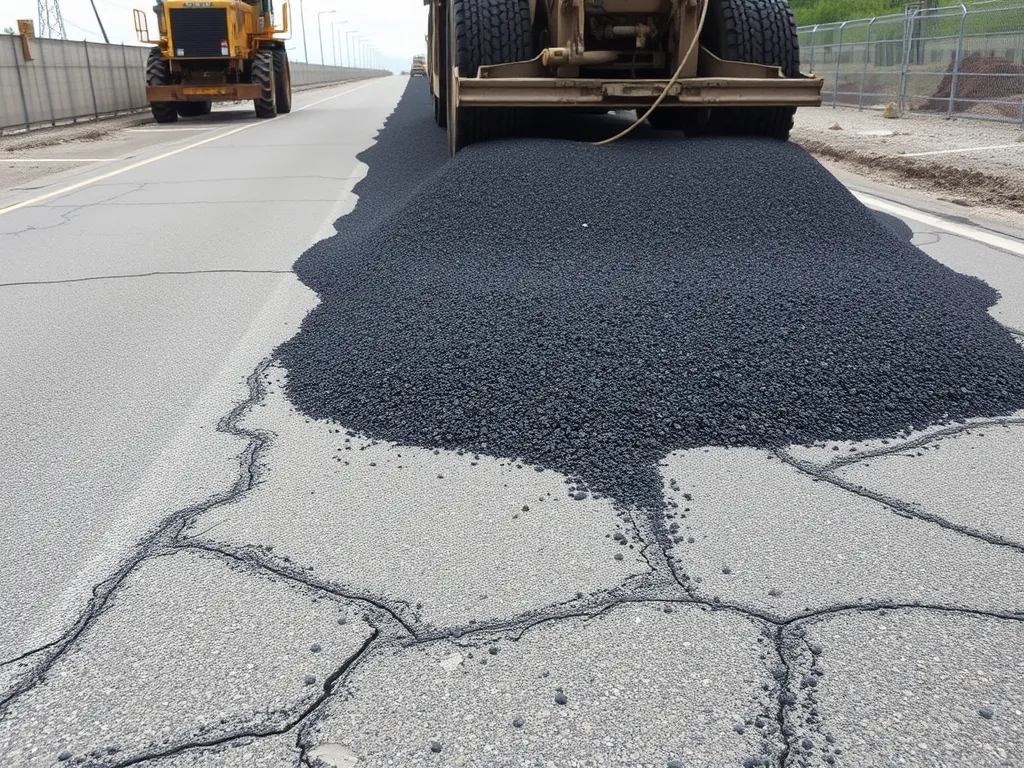
Stop potholes before they start with targeted asphalt care. Use surface shields and strong base builds to block cracks and breaks.
Surface Treatments for Asphalt Preservation
Guard the top layer to block water and wear. Two key methods keep asphalt intact for years.
Micro-Surfacing Applications
Spread a slurry mix (asphalt, stone, cement) to fill hairline cracks. Sets in 1 hour, lasts 5-7 years. Costs $1.50-$3 per sq ft. Works best when temps stay above 50°F. Blocks 90% of water seepage if used every 3 years.
Sealcoating Best Practices
Apply coal tar or asphalt-emulsion sealers every 2-3 years. Use spray rigs for even 1/8-inch coats. Cures in 4-8 hours. Cuts UV damage by 70% and fuel spills by 60%. Skip if cracks grow wider than 1/2 inch.
Structural Reinforcement Strategies
Build strong bases to handle heavy loads. Focus on binder picks and pack steps during installs.
Asphalt Binder Quality Selection
Pick PG-rated binders that match local temps. PG 64-22 works for zones with highs to 64°C and lows to -22°C. High-grade binders cut rut risk by 40% but cost 8-12% more per ton.
Proper Compaction During Installation
Roll hot asphalt to 92-95% density with vibratory plates. Check with nuclear gauges. Each 1% drop in density cuts road life by 10%. Aim for 175°F mix temps during rolls.
Smart build steps and grade picks shape long-term costs. Next, let’s break down budget plans for lasting pothole fixes.
Also See: Key Benefits Of Chemicals for Enhanced Compaction
Budgeting for Asphalt Pothole Management
Smart financial planning turns reactive fixes into proactive protection. Let’s break down how to allocate resources effectively while tackling pothole management head-on.
Cost Analysis Of Prevention Vs. Repair
Sealcoating 1,000 sq ft costs $1.50-$3.00, while fixing severe potholes runs $15-$50 per sq ft. Catching cracks early slashes long-term expenses by 75% compared to full-depth reconstruction. Municipal data shows every $1 spent on preventing potholes saves $6-$10 in emergency repairs.
Asphalt Calculator Integration for Material Planning
Use digital tools like our Asphalt Calculator to predict needs. Input square footage, base thickness (typically 4″-6″), and mix type (Hot Mix/Superpave). These tools cut material waste by 12%-18% through precise yield estimates. Example: 10’x20’ pothole requires 1.2 tons of HMA at 3” depth.
Long-Term Infrastructure Investment Strategies
Allocate 15%-20% of annual budgets to preservation treatments. Pair municipal bonds with federal programs like MAP-21 for funding. Cities like Toledo reduced pothole complaints by 40% using 5-year cyclical maintenance plans with $8-$12 per sq yd allocations.
Optimizing Asphalt Maintenance Budgets
Maximize impact by targeting vulnerable zones first. Focus on three key areas: traffic patterns, climate risks, and material performance.
Prioritizing High-Traffic Areas
Repair potholes in arterial roads within 72 hours – their 10,000+ daily vehicles cause rapid deterioration. Use traffic counters to identify lanes with 300+ trucks/day. Allocate 55%-60% of funds to these zones for maximum infrastructure maintenance ROI.
Seasonal Maintenance Scheduling
Time treatments with weather patterns: apply crack sealants at 50°F+ in fall before freeze-thaw cycles. Schedule infrared repairs for summer (95°F+ pavement temps boost bonding). Winter stockpiles need 200-300 tons of cold mix per 10 lane miles for emergency patches.
Smart budgeting sets the stage for greener methods – next we’ll explore eco-friendly fixes that align with fiscal responsibility.
Environmental Considerations in Asphalt Maintenance
Traditional methods for pothole management frequently generate excess waste or emit greenhouse gases. Modern approaches prioritize sustainability while maintaining structural integrity.
Eco-friendly Asphalt Solutions
Sustainable practices now play critical roles in preventing potholes. These methods minimize ecological impact without compromising performance, making them vital for long-term infrastructure maintenance.
Recycled Asphalt Product (RAP) Applications
RAP incorporates reclaimed material from old pavements into new mixes, typically containing 20-30% recycled content. Using RAP for pothole repairs cuts material costs by 15-25% while diverting 90 million tons of debris from landfills yearly. Blending RAP with virgin binder creates durable patches resistant to freeze-thaw cycles, directly addressing water-related pothole issues.
Low-Emission Repair Techniques
Infrared heaters or warm-mix technologies lower production temperatures by 50°F, reducing fuel use by 20%. Cold-in-place recycling emits 50% less CO₂ versus conventional methods. These processes generate fewer particulates during pothole fixes, improving air quality near work zones.
Implementing green strategies requires balancing ecological benefits with structural needs. Next, we’ll explore financial planning to support these sustainable systems.
FAQs: Strategies for Addressing Potholes Before They Worsen
What Proactive Measures Can Be Taken to Prevent Potholes From Forming?
Proactive measures include performing regular inspections of asphalt surfaces, timely sealing of cracks to prevent water infiltration, and ensuring proper drainage systems are maintained to redirect water away from the road surface.
How Often Should Asphalt Surfaces Be Inspected for Potential Pothole Issues?
Asphalt surfaces should ideally be inspected every 3-6 months, with more frequent checks (biweekly) in high-traffic areas or during thawing periods to identify and address cracks and other issues before they worsen.
What Types Of Materials Can Be Used for Emergency Patches to Control Potholes?
Emergency patches can be done using cold mix asphalt or spray-injection patch systems. Cold mix is useful for quick repairs in lower temperatures, while spray-injection methods provide a more durable seal against moisture infiltration.
Why is Proper Drainage Critical in Pothole Prevention?
Proper drainage is essential because it minimizes water accumulation on the surface and prevents water from infiltrating through cracks. Effective drainage systems can reduce water-related damage by up to 60%, significantly decreasing the likelihood of pothole formation.
How Does the Choice Of Asphalt Binder Affect Pothole Prevention and Repair?
The selection of asphalt binder impacts the road’s durability. Higher-quality binders, rated for specific temperature ranges, can enhance the pavement’s resistance to cracking and deformation, which in turn helps prevent potholes from developing.
What Seasonal Maintenance Practices Should Be Implemented for Asphalt Surfaces?
Seasonal maintenance should include applying crack sealants before freeze-thaw cycles in the fall, scheduling infrared repairs during warmer months, and ensuring adequate supply of cold mix asphalt for emergencies during winter months.
How Can Budgeting Effectively Contribute to Pothole Prevention Efforts?
By allocating a portion of the budget specifically for proactive maintenance such as sealing treatments and regular inspections, municipalities can significantly reduce overall repair costs compared to reactive measures. Investing in prevention pays off by saving up to $10 for every dollar spent on proactive strategies.
What Role Does Temperature Play in the Effectiveness Of Asphalt Maintenance Procedures?
Temperature affects the application of materials; for example, crack sealants are best applied when temperatures are above 50°F, while warm-mix techniques work best in warmer conditions. Proper timing ensures better adhesion and longevity of repairs.
Closing Thoughts
Addressing potholes before they worsen is vital for maintaining safe and durable asphalt surfaces. Frequent inspections, timely repairs, and effective maintenance strategies can prevent minor issues from escalating. Utilize approaches like proper drainage maintenance and regular crack sealing to safeguard asphalt investments.
Keep in mind that while temporary solutions exist, investing in permanent repairs yields long-term benefits, reducing overall costs and enhancing infrastructure longevity. Always consider eco-friendly options and prioritize high-traffic areas for maintenance to maximize efficiency.
For more insights and tools to assist in asphalt management, check out Asphalt Calculator USA.
Additional Resources for You:
- American Association of State Highway and Transportation Officials (AASHTO). (2008). Mechanistic-Empirical Pavement Design Guide (MEPDG). Washington, DC: AASHTO.
- Taking on potholes with new prevention and repair strategies | Center for Transportation Studies
- The Pothole Problem: Road Solutions and Driver Safety Strategies – Safety – Automotive Fleet
- How Can Potholes Be Prevented? – Keck & Wood Civil Engineers, Duluth, Fayetteville GA, Rock Hill, North Charleston SC
- Is there any driving strategy to help avoid potholes? – Quora

