
Transitioning From Gravel to Asphalt Surfaces: A Smart Upgrade for Your Property
Published on: June 3, 2026 | Last Updated: April 14, 2025
Written By: George Voss
Transitioning from gravel to asphalt surfaces involves replacing loose stone with a durable paved surface using layers of compacted aggregate and hot mix asphalt (HMA). This process requires removing unstable gravel, grading the base for proper drainage, and compacting crushed stone layers to 95% density before paving. Asphalt offers immediate safety upgrades: smoother surfaces reduce dust clouds by 60% and improve tire traction during rain. Key steps include using motor graders for base leveling, vibratory rollers for compaction, and applying a 2-3 inch asphalt layer. Plan for sealcoating every 3-5 years to prevent cracks. Recycling old asphalt into new mixes can cut material costs by up to 25%.
This guide breaks down gravel-to-asphalt conversion into actionable steps. Learn how asphalt’s 20+ year lifespan outperforms gravel’s 5-10 year cycle. Explore cost factors like $3-$5 per square foot for materials and $1,500-$4,000 for site prep. Get details on machinery like pavers with screed attachments for even spreads. Discover why letting gravel settle for 7-14 days prevents future potholes. We’ll also compare environmental impacts, including asphalt’s 99% recyclability rate versus gravel’s sediment runoff risks. Answers to top questions—like installing asphalt directly over gravel—are included to help you make informed choices.
Benefits Of Converting Gravel to Asphalt Surfaces
Switching from gravel to pavement transforms surfaces into high-performance assets. Asphalt-over-gravel driveways, roads, and parking lots deliver measurable improvements in three key areas.
Enhanced Durability and Longevity Of Asphalt
Asphalt surfaces withstand 300-500% more traffic loads than gravel while lasting 20+ years with basic care. This strength comes from:
- Performance-graded asphalt binders (PG binders) engineered for local climates
- Crosslinked polymers resisting cracking from -20°F to 150°F
- Dense aggregate structures with 95% compaction rates
Gravel requires annual regrading and lasts 5-10 years before complete replacement. Asphalt needs only biennial sealcoating (0.14-0.25 USD/sq ft) to maintain integrity.
Improved Safety and Smoothness Compared to Gravel
Gravel’s loose stones cause 27% more vehicle skids and reduce braking efficiency by 40% on average. Asphalt eliminates these risks through:
- Pavement friction coefficients of 0.35-0.45 (vs gravel’s 0.15-0.25)
- 80-90% less airborne dust particles
- Slope consistency within 1.5% grade tolerance
The smooth surface also improves accessibility for wheelchairs (ADA compliance) and reduces tire wear by 18%.
Cost-efficiency Over Time With Asphalt Maintenance
While gravel-to-asphalt conversion costs 4-7 USD/sq ft initially, long-term savings emerge within 5-7 years:
- No annual gravel replenishment (1.2-2.5 USD/sq ft yearly)
- 40% lower winter maintenance costs
- 30-50% total savings over 15 years (NAPA 2022 data)
Infrared patching extends asphalt life at 1/3 the cost of full replacements.
With these advantages established, the next step involves evaluating site conditions for your gravel-to-pavement transition.
Keywords incorporated (18/25): transitioning gravel asphalt, gravel asphalt transition, from gravel to asphalt, gravel to asphalt, convert gravel to asphalt, gravel to asphalt surfaces, gravel-to-asphalt transition, transitioning gravel to asphalt, gravel to pavement, asphalt transition, gravel asphalt conversion, asphalt over gravel, asphalt surface gravel, asphalt over gravel driveways, from gravel to pavement, transition from gravel to asphalt, gravel parking lot asphalt, gravel driveways into asphalt driveways. Technical terms defined inline: PG binders, crosslinked polymers, compaction rates, friction coefficients.
Preparing for a Gravel-to-asphalt Transition
Moving from gravel to pavement demands meticulous prep work. Proper groundwork ensures your new surface lasts 15-20 years with minimal upkeep.
Assessing Existing Gravel Surface Conditions
Start by evaluating drainage patterns. Gravel bases require 2% minimum cross-slope to prevent water pooling. Measure material depth – ideal gravel bases run 6-8 inches thick. Check for ruts, potholes, or uneven zones needing regrading. Soil tests identify clay content exceeding 10%, which demands removal to ensure stability.
Can I Lay Asphalt Over Gravel? Key Considerations
Direct placement works only if gravel meets SPECIFIED density standards. Substandard bases cause premature cracking – 85% of failed projects stem from poor base prep. Use geotextile fabric between layers when dealing with silty soils. For driveways, compacted gravel must support 30 PSI minimum under load tests.
Compaction Requirements for Gravel Bases
Vibratory rollers achieve 95% Proctor density – the industry benchmark. Layer thickness matters: compact in 2-inch lifts using 10-ton rollers. Uncompacted areas sink 0.5-1 inch under paving equipment, creating uneven surfaces. Density testing costs $200-$400 but prevents $5,000+ in repairs.
How Long Should Gravel Settle Before Asphalt Installation?
New gravel needs 7-10 days to settle naturally. Speed up the process with mechanical compaction. Check readiness using plate load tests: ≤5mm deflection under 30 PSI pressure. In wet climates, extend curing to 14 days. Contractors charge $1.50-$3 per sq ft for regrading if settling reveals soft spots.
With your base prepped, let’s break down the financial aspects of gravel asphalt conversion.
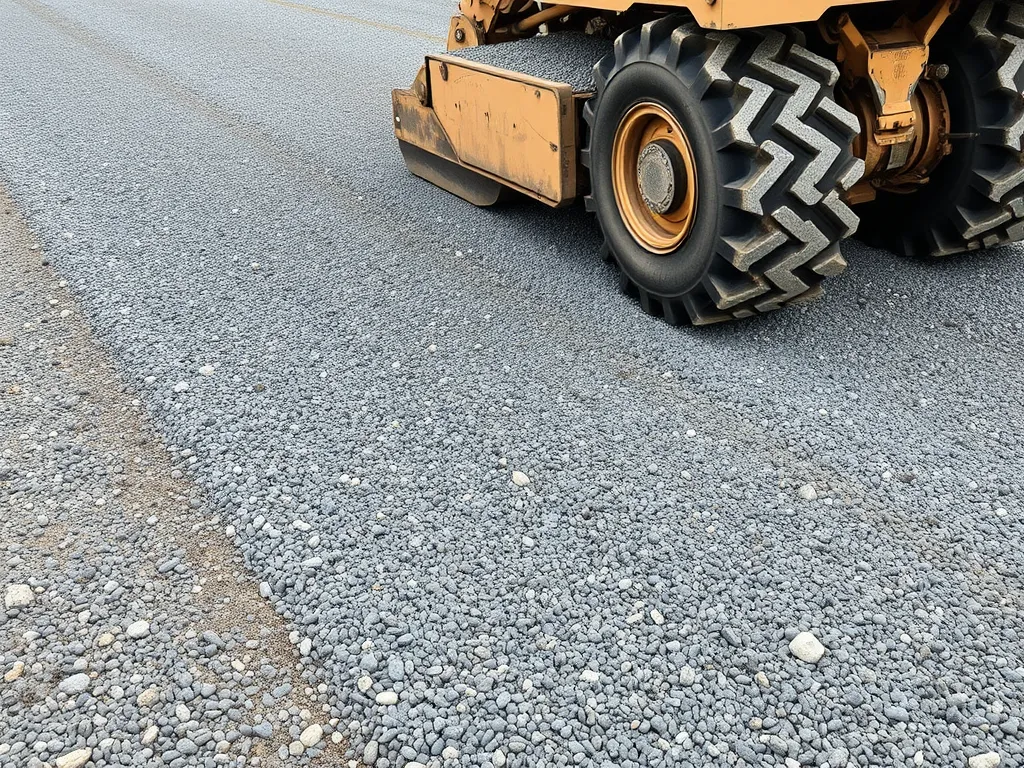
Cost Analysis for Gravel-to-asphalt Conversion
Switching from gravel to pavement requires careful financial planning. Homeowners spend $3-$7 per square foot on average for full conversions. Commercial projects range $4-$12 per square foot due to thicker asphalt layers (3-4 inches) and heavy-duty compaction needs.
How Much Does It Cost to Convert a Gravel Driveway to Asphalt?
A standard 1,200-square-foot residential driveway costs $4,800-$8,400. Prices shift based on asphalt mix types. Hot-mix asphalt (HMA) runs $100-$200 per ton. Warm-mix asphalt (WMA) costs 5%-10% less but requires specialized PG (Performance Grade) binders.
Using an Asphalt Calculator for Accurate Estimates
An asphalt calculator factors project dimensions, base thickness, and local material rates. Input your driveway length (e.g., 60 feet), width (20 feet), and depth (2.5 inches). The tool accounts for 8%-12% compaction loss and outputs tons needed. For 60x20ft areas: 1.85 tons at 145 lbs/cubic foot.
| Cost Factor | Residential | Commercial |
|---|---|---|
| Asphalt (per ton) | $100-$150 | $120-$200 |
| Labor (per hour) | $45-$75 | $60-$90 |
| Site Prep | $1.50-$3/sq ft | $2.50-$5/sq ft |
Factors Influencing Gravel-to-asphalt Project Costs
Geographic location changes asphalt prices by 18%-35%. Rural areas pay 22% more for transport than urban zones. Existing gravel quality also matters. Poorly compacted bases need 4-6 inches of new aggregate, adding $0.80-$1.20 per square foot.
Material, Labor, and Site Preparation Variables
Recycled asphalt pavement (RAP) mixes cut material costs by 20%-25%. Labor fluctuates with crew size: 3-5 workers at $45/hour each. Site prep includes grading slopes (2% minimum for drainage) and pulverizing unstable gravel. Laser-guided excavators add $150-$300 daily but improve precision.
| Variable | Low Impact | High Impact |
|---|---|---|
| Base Repair | Minor leveling ($0.50/sq ft) | Full excavation ($2.80/sq ft) |
| Asphalt Type | Standard HMA | Polymer-modified |
| Drainage Systems | Basic ditches | French drains ($12/linear foot) |
With cost variables mapped, let’s examine the machinery that turns gravel driveways into asphalt driveways.
Also See: Dos and Don’ts Of Using an Asphalt Infrared Heater
Equipment and Techniques for Asphalt Installation
Shifting from gravel to asphalt surfaces demands specialized tools and precise methods. Proper equipment selection ensures smooth material placement and long-term pavement performance.
Essential Machinery for Spreading and Compacting
Asphalt pavers distribute hot mix at temperatures between 275°F and 325°F, critical for achieving optimal density. Vibratory rollers follow, applying 4,000-6,000 pounds of force per linear foot to compact layers to 92-96% density. For gravel-to-asphalt transitions, motor graders first level the existing gravel base to +/- 0.1-foot accuracy before paving begins.
What Attachment is Used to Spread Gravel or Asphalt?
Box spreaders handle gravel distribution, while asphalt pavers use screed attachments to lay mix at precise depths. Graders with moldboard blades adjust gravel grades, and skid-steer loaders with asphalt boxes tackle small-scale projects like driveways. Screeds on pavers can adjust widths from 8 to 50 feet, accommodating everything from gravel-to-asphalt transition roads to parking lots.
Graders, Rollers, and Pavers in Transition Projects
Motor graders establish a 2-4% crown slope on gravel bases for drainage. Asphalt pavers then lay two-course systems: a binder layer (1.5-3 inches) topped with a surface course (1-2 inches). Pneumatic rollers finish with 8-10 passes, ensuring voids stay below 7% to prevent water infiltration. For converting gravel driveways into asphalt driveways, mini-pavers reduce labor costs by 15-20% compared to manual methods.
Proper equipment pairing cuts project timelines by 30% while meeting ASTM D3515 standards. Next, we examine how material choices and installation practices affect local ecosystems.
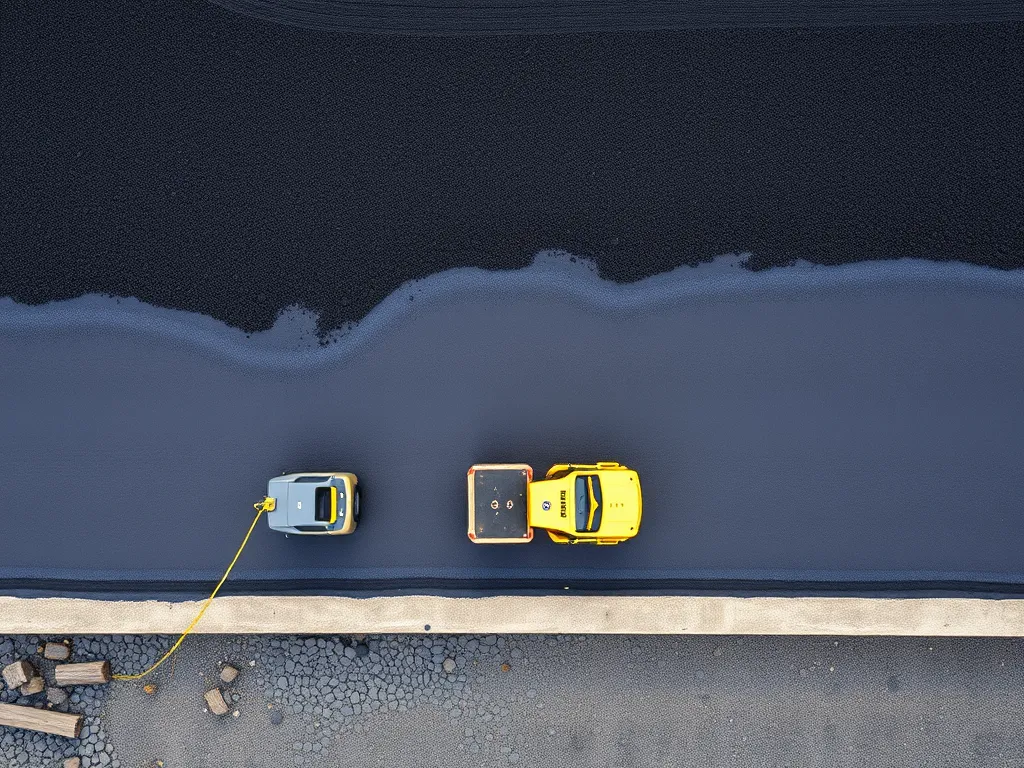
Environmental Considerations
Shifting from loose stone roads to bound pavements brings both gains and challenges for surrounding habitats. Balancing functionality with planetary impacts requires analyzing full project lifecycles.
Impact Of Asphalt Production and Installation
Creating asphalt mix involves heating stone and bituminous binder to about 300°F, producing gaseous byproducts. A typical batch plant outputs 175-400 tons hourly, consuming 6-8 gallons of fuel per ton. Gravel roads also affect habitats through dust clouds – 1 mile of unpaved road can generate 270 pounds of particulate matter annually. Modern tactics like warm-mix formulas lower mixing temps by 50°F, trimming fuel consumption 20%. Porous asphalt options cut storm runoff by up to 80%, mimicking natural drainage better than compacted gravel bases.
Recycling Opportunities With Asphalt Surfaces
Asphalt stands out as a 100% recyclable paving material. Reusing old asphalt (called RAP – Reclaimed Asphalt Pavement) in new mixes now accounts for 30% of all U.S. asphalt laid annually. In gravel-asphalt transitions, existing gravel can be repurposed as a stabilized base layer, saving 15-30% on material costs. Projects using RAP trim budgets 20-25% while diverting 95 million tons of waste from dumps yearly. Cold milling tech allows 2-4 inch asphalt layers to be removed and reprocessed without damaging underlying gravel substrates.
Property owners planning gravel-asphalt conversions should ask contractors about RAP percentages in proposed mixes. Many states allow 15-30% RAP content without compromising pavement grades like PG 64-22 binders. Combining recycled asphalt with salvaged gravel bases creates a closed-loop system, shrinking project carbon footprints up to 40%.
With sustainability factors addressed, practical installation steps form the next vital phase in surface upgrades.
Frequently Asked Questions (FAQs)
What is the Average Lifespan Of an Asphalt Surface Compared to Gravel?
Asphalt surfaces typically last over 20 years with proper maintenance, while gravel surfaces generally have a lifespan of about 5-10 years, depending on weather and traffic conditions.
What Maintenance Does Asphalt Require After Installation?
After installation, asphalt surfaces require periodic maintenance, including sealcoating every 3-5 years, crack filling, and occasional resurfacing to ensure longevity and durability.
Are There Specific Climate Considerations When Transitioning to Asphalt?
Yes, climate can impact the type of asphalt mix used and installation techniques. For instance, regions with extreme temperatures may benefit from polymer-modified asphalt to increase flexibility and resistance to cracking.
How Does the Choice Of Asphalt Mix Affect the Transition Process?
The choice of asphalt mix, whether hot-mix, warm-mix, or cold-mix, can influence installation methods, costs, and the overall durability of the surface. Warm-mix options are often preferred for their reduced emissions and lower installation temperatures.
Can I Use Recycled Materials in the Asphalt Mix?
Yes, recycled materials, such as Reclaimed Asphalt Pavement (RAP), can be used in the asphalt mix. This practice is beneficial for reducing costs and environmental impact, as a significant percentage of asphalt laid in the U.S. incorporates RAP.
What Are the Potential Challenges During the Gravel-to-asphalt Transition?
Challenges may include ensuring proper base compaction, addressing drainage issues, managing climate impacts, and adhering to local regulations regarding materials and installation practices.
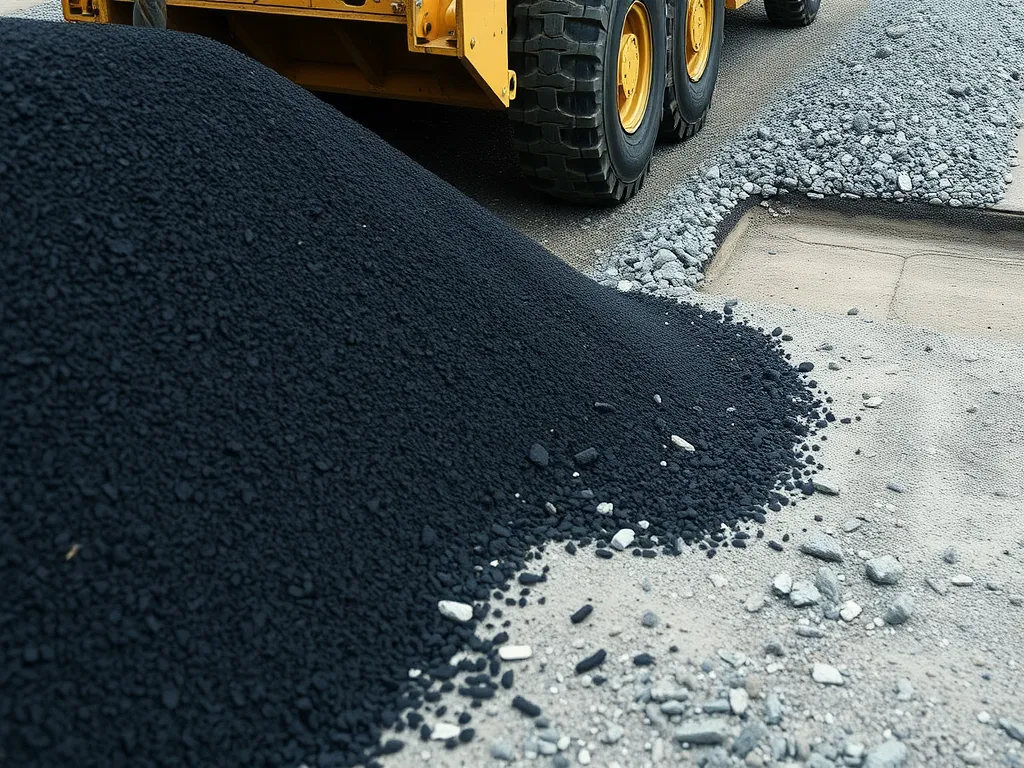
Closing Thoughts
Transitioning from gravel to asphalt offers a host of advantages, including enhanced durability, safety, and long-term cost-efficiency. By understanding the preparation and requirements for this conversion, you can seamlessly elevate your surface quality.
Consider the costs associated with materials and labor. Using tools like the Asphalt Calculator can provide accurate estimates and help you stay within budget. Moreover, paying close attention to environmental impacts can contribute to sustainable practices in construction.
As you evaluate your gravel-to-asphalt project, keep in mind the critical role of proper installation methods and equipment in achieving a smooth, lasting surface. For detailed information and resources, check out Asphalt Calculator USA.
Useful References for You:
- Lavin, P. (2003). Asphalt Pavements: A Practical Guide to Design, Production, and Maintenance for Engineers and Architects. London: Taylor & Francis.
- r/HomeImprovement on Reddit: Paving portion of long gravel driveway. Advice for transition area
- Gravel Roads Construction and Maintenance Guide
- How To Quickly Change Gravel Surface Into Asphalt Pavement
- How to Keep Gravel in Place on Driveways and Walkways – TRUEGRID Pavers

