
Where Does Asphalt Come From? Exploring Its Origins and Production
Published on: May 31, 2026 | Last Updated: April 14, 2025
Written By: George Voss
Asphalt comes from two sources: natural deposits and industrial oil refining. Natural asphalt forms when crude oil seeps to the surface and evaporates, leaving behind sticky pools like Trinidad’s 100-acre Pitch Lake. Over 90% of modern asphalt starts in oil refineries, where crude gets processed into bitumen – a thick petroleum binder. Workers mix this black glue with crushed stone, sand, or gravel to create the pavement that covers 94% of US roads.
This article explains how ancient tar pits connect to today’s highways. We’ll compare natural asphalt lakes to refinery-made materials, detail the step-by-step production process, and map global supply chains. You’ll learn why Venezuela’s Orinoco Belt fuels US roads, how 19th-century innovators improved paving methods, and why recycled asphalt now saves $2.1 billion annually in construction costs.
What Are the Raw Materials for Asphalt?
Asphalt forms from two main parts: sticky binders and strong mineral parts. Both parts start in distinct spots on our planet, mixing to build roads that last.
Petroleum Crude Oil: The Primary Source
Bitumen, asphalt’s glue-like part, starts as thick parts of raw oil. Oil refineries split crude using high heat (300-350°C) to pull out this black, gooey stuff. A normal oil drum (42 gallons) gives 40-45 gallons of bitumen. This stuff sticks rocks and sand into solid pavement. Grading systems like PG binders (short for “Performance Graded”) and Superpave mix designs control quality for roads in varying climates.
Aggregates and Additives
Aggregates—crushed rock, sand, or gravel—form 90-95% of asphalt mix. Sizes vary from 0.075mm sand to 25mm stones for compaction. Additives boost performance: polymers add flexibility in cold spots, anti-strip agents block water damage, and RAP (Reclaimed Asphalt Pavement) cuts virgin material use by 30%. A typical road mix runs 95% rock/sand and 5% bitumen. Mix formulas adjust for traffic loads, with interstate highways needing tougher rocks like granite or slag.
While modern roads depend on man-made mixes, natural deposits also play a role. Up next: how asphalt forms without human hands.
Natural Vs. Manufactured Asphalt Sources
Asphalt comes from two distinct pathways: natural deposits formed over millennia and modern refining processes. Both sources provide the sticky binder critical for roads, but their origins differ dramatically.
Natural Asphalt Deposits
Nature creates asphalt through crude oil seeps exposed to air and weathering. Over centuries, lighter oils evaporate, leaving dense bitumen mixed with sand or limestone.
Asphalt Lakes and Rock Asphalt
Venezuela’s Lake Guanaco holds 1.4 million tons of pure asphalt. Trinidad’s Pitch Lake spans 100 acres and replenishes itself at 12 tons daily. Rock asphalt forms when bitumen infiltrates porous stone – Utah’s Uinta Basin contains 25 million barrels of this material.
Historical Use of Natural Asphalt
Babylonians paved roads with rock asphalt in 625 BCE. Egyptians waterproofed mummy wrappings using bitumen from the Dead Sea. The 1870s saw Pennsylvania rock asphalt pave Philadelphia’s streets before petroleum-based alternatives dominated.
Manufactured Asphalt From Crude Oil
Today, 85% of asphalt comes from crude oil refining. A single barrel of oil yields 35-45 gallons of bitumen through precise temperature controls.
Refining Process and Bitumen Extraction
Refineries heat crude to 752°F in fractional distillation towers. Heavy vacuum gas oil undergoes vacuum distillation at 0.1 atm pressure to isolate bitumen. Additives like polymers or crumb rubber (5-15% by weight) enhance durability for specific climates.
From ancient seeps to modern refineries, asphalt’s dual origins fuel global infrastructure. Next, we’ll break down the step-by-step production methods turning these materials into paved surfaces.
How is Asphalt Produced?
Making asphalt turns raw stuff into road-ready mix. The process blends science, heat, and smart reuse.
Crude Oil Refining and Distillation
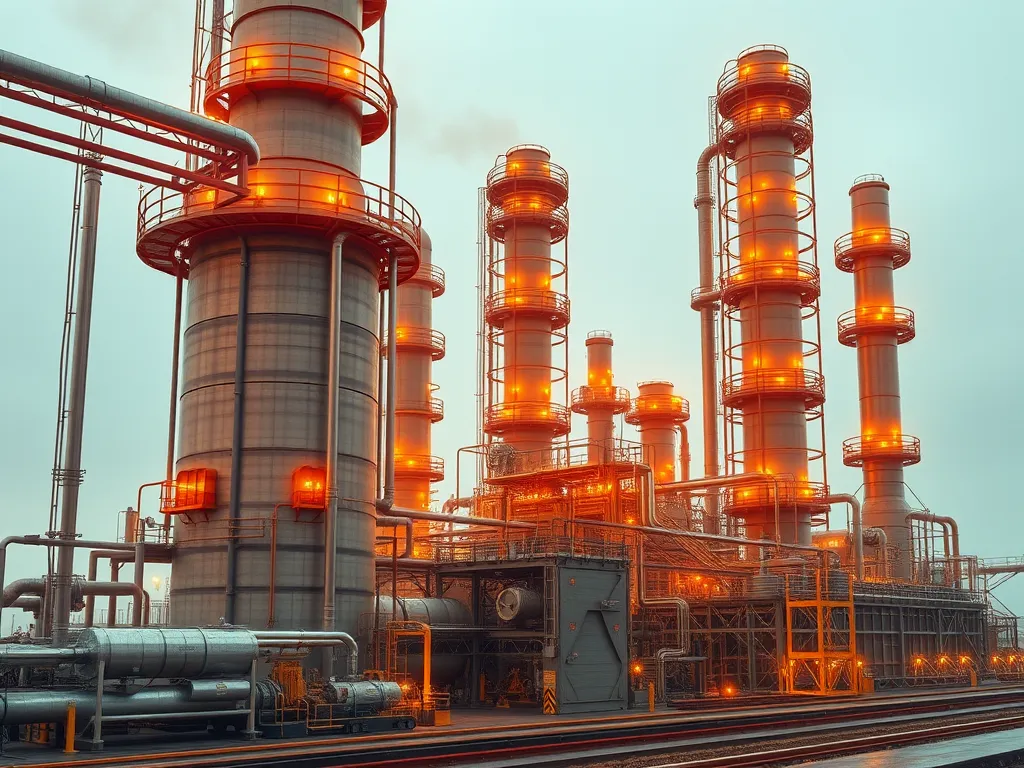
Asphalt starts with crude oil. Refineries heat oil in tall towers to split it. Lighter parts (gas, diesel) rise as vapor. Heavy tar-like bitumen sinks. This “vacuum distillation” step runs at 300-350°C. Only 5-10% of crude becomes bitumen – the black glue in asphalt.
Mixing Bitumen With Aggregates
Hot bitumen meets rocks next. Plants mix 5% bitumen with 95% crushed stone, sand, or gravel. Heat binds them at 150-190°C. Some plants add polymers or fibers for tough roads. PG binders (performance-graded) tailor mixes to local climates. Cold regions use softer grades; hot zones get harder ones.
Reclaimed Asphalt Pavement (RAP) Recycling
Old roads don’t die. Milled pavement gets new life as RAP. Plants grind up chunks, reheat them, and blend with fresh bitumen. Up to 30% RAP cuts need for new oil-based binder. The U.S. recycles 100 million tons yearly, saving 20-30% per project. RAP cuts mining for aggregates too – a win for quarries and landfills.
The path from oil wells and quarries leads to your street. But where do these raw parts come from globally? Let’s map asphalt’s roots.
Also See: How Long Does Asphalt Sealant Take to Dry? Learn More
Geographical Sources Of Asphalt
Asphalt sources span every continent, shaped by geology and energy infrastructure. Production hubs cluster near crude oil reserves or natural deposits, creating distinct global and regional supply chains.
Global Asphalt Production Regions
Over 90% of manufactured asphalt originates from petroleum-refining nations. The top five producers – China, the United States, Russia, Japan, and South Korea – collectively make 55% of global supply. Venezuela’s Orinoco Belt holds the largest natural asphalt reserves at 1.2 trillion barrels.
Major Bitumen-Exporting Countries
Bitumen exports flow primarily from nations with heavy crude oil or natural deposits:
| Country | Daily Exports (Barrels) | Key Locations |
|---|---|---|
| Venezuela | 300,000 | Orinoco Belt |
| Canada | 150,000 | Alberta Oil Sands |
| Saudi Arabia | 120,000 | Riyadh Refineries |
Russia and Iran follow closely, supplying European and Asian markets through ports like Novorossiysk and Bandar Abbas.
Asphalt Sources in the United States
The U.S. sources 95% of road asphalt domestically. Texas, California, and Oklahoma lead production, housing 32 of the nation’s 122 asphalt refineries. Annual output exceeds 400 million tons, enough to pave 2.5 million lane-miles.
Domestic Refineries and Natural Deposits
Key supply points blend manufactured and natural asphalt sources:
- Gulf Coast Refineries: ExxonMobil Baton Rouge and Valero Port Arthur process heavy Venezuelan/Mexican crude into PG 64-22 binder
- Natural Seeps: La Brea Tar Pits (Los Angeles) and Uinta Basin (Utah) provide rock asphalt for local projects
- Recycling Centers: 89 million tons of RAP reused yearly in mixes containing 20-50% recycled material
While modern production relies on refineries and global trade, asphalt’s story began millennia ago with ancient civilizations tapping natural seeps. The next section reveals how early innovators transformed sticky pits into paved roads.
Historical Development Of Asphalt
Asphalt’s story spans millennia, evolving from primitive sealants to engineered pavement. This journey reveals how humans transformed natural resources into modern infrastructure.
Early Use in Ancient Civilizations
Natural asphalt deposits served as the original asphalt source for early societies. Mesopotamians used rock asphalt from Hit (modern-day Iraq) around 3000 BCE for waterproofing baths and canals. The Egyptians applied mastic – a mix of bitumen, sand, and lime – to seal mummy tombs during mummification rituals.
- Babylon’s Processional Way (575 BCE): Paved with limestone blocks set in natural asphalt
- Dead Sea trade: Ancient Arabs sold asphalt lumps as “Jewish Tar” for $100/ton (adjusted)
- Roman roads: Used 10-15% bitumen mixes for waterproofing stone layers
The First Modern Asphalt Roads
19th-century engineers revolutionized roadbuilding by refining natural asphalt sources. The shift began with scientific studies on asphalt composition and compaction techniques.
World’s First Paved Asphalt Roads
Belgium’s Villette family pioneered modern asphalt roads in 1838 using Val-de-Travers deposits. Paris debuted the first large-scale project in 1852 – a 2km stretch on Rue Saint-Honoré. Workers heated Swiss rock asphalt to 302°F, then compacted it into 5-inch layers.
First Asphalt Road in America
Newark, New Jersey laid the U.S.’s first asphalt road in 1870 using Trinidad Lake asphalt. Crews mixed 27% lake bitumen with gravel, creating a durable 12-foot-wide roadway. The 1877 Pennsylvania Avenue project in Washington D.C. marked the first use of refined petroleum asphalt – 54,000 square yards laid at $1.75/square yard.
From ancient sealants to engineered pavements, asphalt’s origins shaped transportation history. Next, we’ll examine how modern production balances these traditions with environmental needs.
Environmental Considerations in Asphalt Production
Modern asphalt production prioritizes balancing material demands with ecological responsibility. Innovations target resource conservation and emission control without sacrificing pavement performance.
Recycling and Sustainable Practices
Reclaimed Asphalt Pavement (RAP) forms the backbone of recycling efforts. Over 99% of asphalt gets reused in new pavements, cutting material costs by up to 25%. Mixes now regularly contain 20-40% RAP, with some states allowing 50% in surface layers. Warm Mix Asphalt (WMA) technology slashes production temps to 250-275°F versus traditional 300-350°F, trimming fuel use by 20%.
LEED-certified projects gain points for recycled asphalt content. Plants increasingly use recycled engine oil bottoms as binder modifiers. This circular approach keeps 72 million tons of RAP from landfills annually.
Reducing Environmental Impact
New production methods tackle air quality concerns. Carbon capture systems at refineries now trap 50,000+ tons of CO₂ yearly. Porous asphalt pavements manage stormwater, allowing 400+ inches of rainfall per hour to infiltrate ground instead of overwhelming drains.
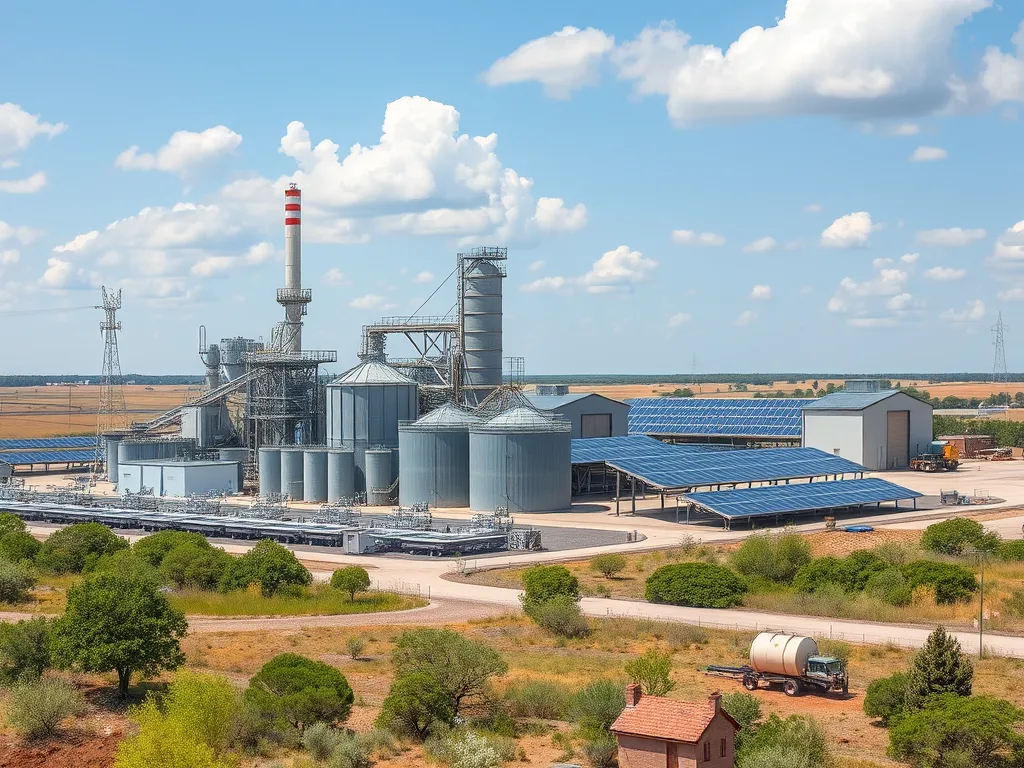
Low-emission plants employ baghouse filters capturing 99.9% of particulate matter. Additives like zeolites or Sasobit® let mixes compact at lower temps, reducing nitrous oxide output. Solar-powered asphalt facilities have emerged in Texas and California, cutting grid reliance by 40%.
These advancements reshape how we source and process asphalt materials. Regional geology and infrastructure needs further determine production methods, as explored next in global material origins.
FAQ: Common Questions About Asphalt Origins
Where Does Most Asphalt Come From?
Most asphalt is derived from petroleum refining, with the majority being produced in large oil-producing nations. Approximately 85% of asphalt currently in use is manufactured through this process, primarily in countries like China, the United States, Russia, and Japan.
Is Asphalt Found in Nature?
Yes, asphalt can be found in nature in two primary forms: natural asphalt lakes and rock asphalt. These deposits occur when crude oil seeps to the surface and undergoes evaporation, leaving behind a dense, sticky material that can be harnessed for various applications.
What is the Difference Between Asphalt and Bitumen?
The terms “asphalt” and “bitumen” are often used interchangeably, but they refer to slightly different things. Asphalt generally describes the composite material used in paving, which includes aggregates mixed with bitumen. Bitumen, on the other hand, is the viscous, black substance that acts as the binder in asphalt mixtures.
How Long Has Asphalt Been Used for Roads?
Asphalt has been used for road construction since ancient times. The first recorded use was by the Babylonians around 625 BCE to pave roads. Modern asphalt roads began appearing in the 19th century, with significant advancements made in paving techniques and materials leading to the asphalt we use today.
Closing Thoughts
Asphalt has a rich history and a complex origin that intertwines natural deposits and refined petroleum. From its role in ancient civilizations to modern road construction, understanding where asphalt comes from highlights its essential place in our infrastructure.
Raw materials, primarily petroleum crude oil, along with aggregates and additives, contribute to asphalt’s unique properties. Whether sourced from natural asphalt lakes or through sophisticated manufacturing processes, the transformation of crude oil into usable asphalt involves precise refining techniques and recycling methods that benefit both the economy and the environment.
With significant production regions around the globe and ongoing advancements in sustainable practices, asphalt continues to evolve. This ensures its relevance in an eco-conscious world. For more information and detailed insights, visit Asphalt Calculator USA.

