Top Myths About Asphalt Driveways: Separating Fact From Fiction
Published on: May 28, 2026 | Last Updated: April 14, 2025
Written By: George Voss
Asphalt driveways are a popular choice for homes nationwide, but widespread myths about their durability, maintenance, and environmental impact often lead to costly mistakes. From claims about short lifespans to weather limitations, these misconceptions can steer homeowners toward poor installation decisions or unnecessary repairs. This article tackles eight common asphalt myths head-on with data-driven facts and expert insights.
We’ll explore how modern asphalt lasts 15-30 years with basic care, why winter installations work with cold mix asphalt, and how small cracks impact structural integrity. You’ll learn the differences between commercial-grade PG 64-22 binder and residential mixes, discover why sealcoating matters within 6-12 months of installation, and see how recycled asphalt cuts costs by 20-30% while reducing landfill waste. Let’s debunk the fiction and reveal the science behind durable, sustainable driveways.
Introduction to Asphalt Driveway Myths
Asphalt driveways face many myths. These myths spread wrong ideas. Some claim they crack too fast or cost too much. Others say they harm the earth. These claims often come from old data or half-truths.
Wrong views lead to poor choices. Homeowners might skip care steps or pick worse options. Let’s clear up these myths. We’ll use facts from pros and new studies. This sets the record straight on lifespan, care needs, and eco-impact.
Ready to see the truth? We’ll tackle each myth head-on.
First up: why claims about short lifespan miss the mark.
Myth 1: Asphalt Driveways Have a Short Lifespan
Many homeowners avoid asphalt driveways due to rumors they degrade quickly. These asphalt driveway myths often stem from improper installation or neglected maintenance – not material flaws.
Reality: Proper Maintenance Ensures Decades Of Use
With routine care, asphalt driveways last 20-30 years. The National Asphalt Pavement Association confirms proper sealcoating every 3-5 years extends lifespan by blocking water penetration and UV damage. Three non-negotiable tasks:
- Fill cracks >⅛” wide within 48 hours
- Apply coal-tar emulsion sealant at 0.25 gal/sq yd
- Clean oil stains with trisodium phosphate solutions
PG (Performance-Graded) binders in modern mixes resist temperature extremes from -34°F to 230°F, preventing premature aging.
Comparing Asphalt Longevity to Concrete and Gravel
While concrete lasts 30-40 years, it cracks irreparably under freeze-thaw cycles. Asphalt’s flexibility prevents 83% of weather-related cracks (FHWA data). Gravel requires $300-$700/year in regrading and weed control. Cost per square foot over 20 years:
- Asphalt: $2.50-$4.50 initial + $0.12/year maintenance
- Concrete: $4-$10 initial + $0.30/year repairs
- Gravel: $1.50-$3 initial + $1.75/year upkeep
Asphalt’s 95% recycled rate also outperforms concrete’s 60% reuse capacity in sustainability.
While durability myths persist, another common asphalt driveway falsehood involves installation conditions. Let’s examine cold-weather capabilities.
Myth 2: Asphalt Cannot Be Installed in Cold Weather
One of the most persistent asphalt driveway myths claims installation fails in cold climates. While temperature affects paving, modern techniques defy this limitation.
Cold Mix Asphalt: A Winter-friendly Solution
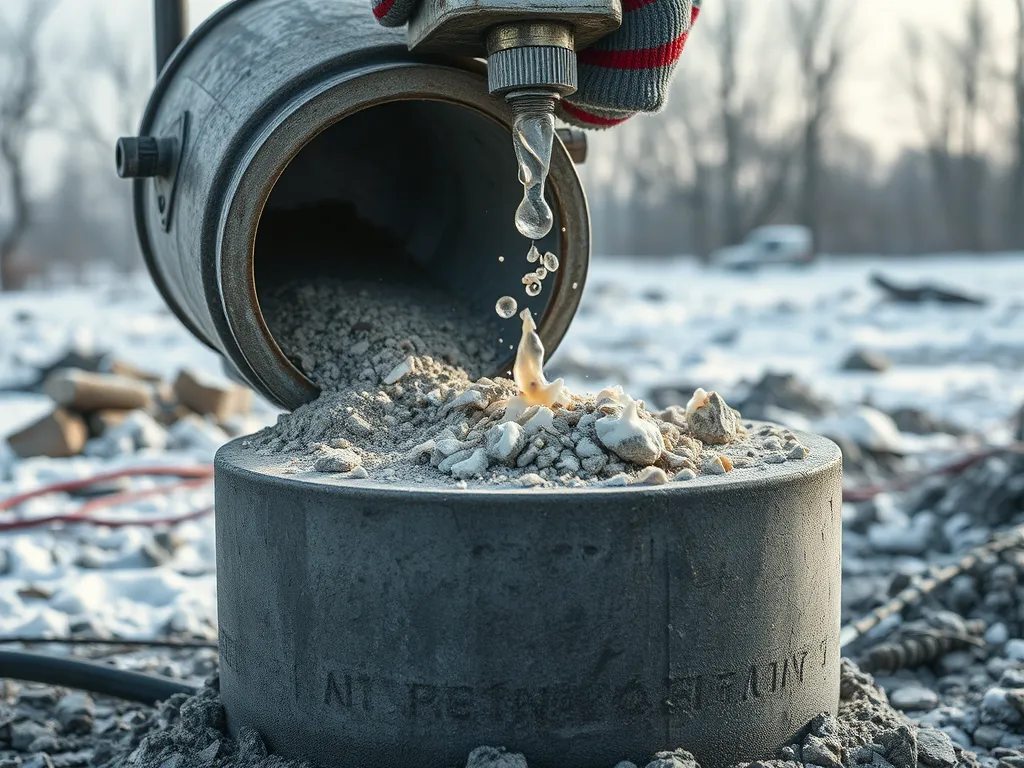
Contractors use cold mix asphalt for repairs and installations at temperatures as low as 20°F. This blend contains emulsified asphalt and specialty aggregates that bond without heat. Though less dense than hot mix, it provides temporary fixes until permanent repairs in warmer months. For winter potholes or edge repairs, cold mix costs $3-$5 per square foot versus $7-$12 for traditional methods.
Seasonal Installation Best Practices
Hot mix asphalt requires ground temps above 50°F for proper compaction. In colder months, pros use heated hauling trucks, thermal blankets, and additives like PG binders (performance-graded polymers) to extend working time. Proper rolling achieves 92-96% density – critical for preventing premature asphalt driveway issues like raveling or cracking. Timing matters: Schedule installations during midday warmth for optimal results.
While cold weather installation is manageable, ignoring small cracks creates bigger asphalt driveway problems. Let’s examine why prompt repairs matter.
Also See: Hot Mix Asphalt Temperature Guidelines: Key Practices
Myth 3: Small Cracks Don’t Require Immediate Attention
One of the most persistent asphalt driveway falsehoods claims hairline cracks are purely cosmetic. Left untreated, these tiny fissures become gateways for water infiltration and structural decline.
How Minor Cracks Lead to Structural Damage
Water seeping through cracks erodes the base layer within weeks. Freeze-thaw cycles widen gaps by 30-50% each winter, accelerating subgrade destabilization. Untreated cracks measuring just 1/8″ wide can create potholes requiring full-depth repairs costing $8-$12 per square foot within two years.
Cost-effective Crack Sealing Methods
Professional crack sealing using rubberized asphalt emulsion costs $0.50-$3 per linear foot. DIY options like pourable sealants work for cracks under 1/2″ wide. Routing and cleaning cracks before sealing extends repair lifespan to 3-5 years. Timely treatment prevents 75% of base failures according to National Asphalt Pavement Association data.
While crack management preserves driveway integrity, material quality determines long-term performance. Up next: why generic asphalt mixes aren’t suitable for every project.
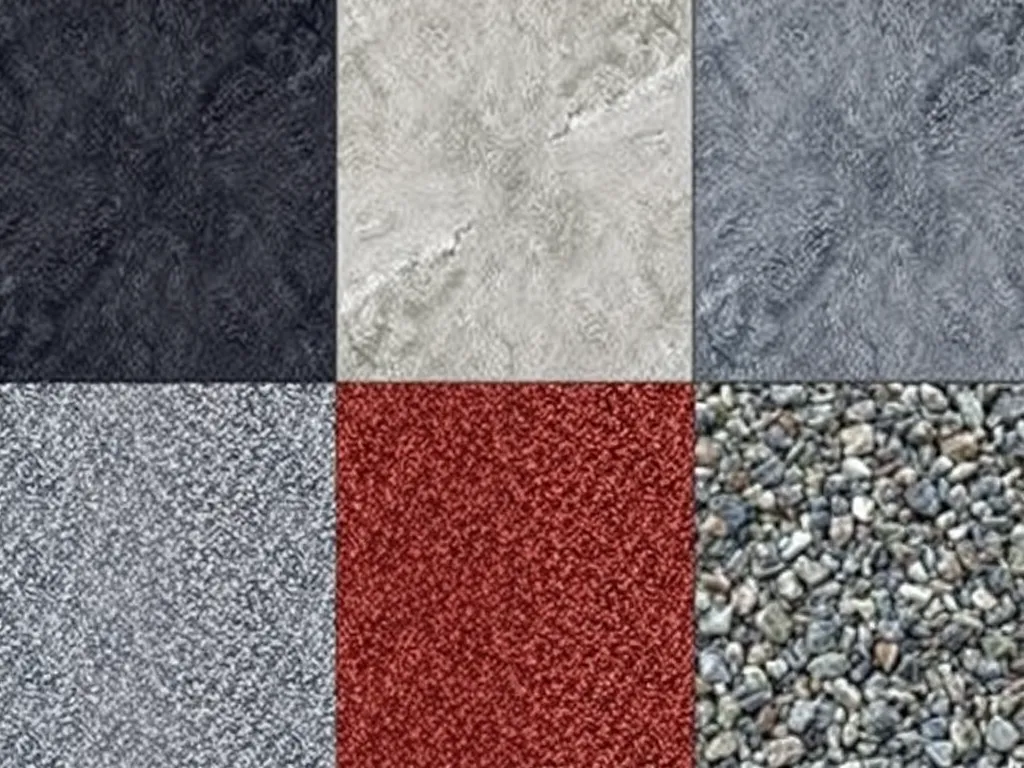
Myth 4: All Asphalt Mixes Are the Same
One of the most persistent myths about asphalt driveways claims every mix performs identically. In truth, composition varies widely based on use case, load requirements, and environmental factors.
Differences Between Commercial and Residential Grades
Commercial mixes prioritize heavy-duty performance. These blends incorporate larger aggregates (¾” to 1½”) with stiffer PG 64-22 binders to withstand trucks, machinery, and constant traffic. Residential mixes use smaller stones (⅜” to ½”) with softer PG 58-28 binders (polymeric-modified bitumen) for smoother surfaces better suited to passenger vehicles. Key distinctions:
- Binder Content: Commercial: 5-6% | Residential: 4.5-5.5%
- Compaction: Commercial requires 98% density vs. 95% for homes
- Base Layer: Commercial driveways need 8-12” crushed stone vs. 4-6” for residences
Choosing the Right Asphalt for Your Climate
Climate dictates binder selection. PG 58-28 binders dominate colder regions like Minnesota, remaining flexible down to -28°F to prevent thermal cracking. In southern states like Texas, PG 70-16 binders resist rutting in 160°F pavement temperatures. Mixes also integrate recycled asphalt pavement (RAP) differently:
- Northern Zones: Up to 20% RAP with warm-mix additives for winter installation
- Coastal Regions: Polymer-modified mixes combat salt corrosion
- High-Rain Areas: Open-graded friction courses improve drainage
Proper mix selection extends service life by 7-12 years compared to generic options.
While selecting the correct mix boosts durability, protecting your investment requires proactive care. Up next: why new driveways still need shielding from the elements.
Myth 5: New Asphalt Doesn’t Need Sealcoating
One of the most persistent asphalt driveway myths suggests fresh pavement requires no protective coating. This falsehood ignores the science behind pavement preservation.
The Critical Role Of Initial Sealcoating
Sealcoating acts like sunscreen for your driveway. Freshly laid asphalt contains binding oils that cure over time, leaving microscopic surface voids. Unsealed pavement absorbs UV radiation, accelerating oxidation rates by up to 300% compared to sealed surfaces. Water infiltration through these pores weakens the base layer—the #1 cause of premature cracking.
Quality sealants using PG 64-22 binders (designed for thermal stability between -22°F to 64°F) create a flexible barrier. This shields against:
- Gasoline/oil spills (prevents 85% of chemical breakdown)
- Freeze-thaw cycles (reduces crack formation by 40%)
- Surface raveling (stops aggregate loss during plowing)
Timing Your First Sealcoat Application
New driveways need 6-12 months to fully cure before sealing. Installations done in cooler months (below 50°F) might require waiting 18 months. Test readiness by sprinkling water—if it beads up, the pavement still contains volatile compounds.
Optimal application occurs when:
- Daytime temps exceed 50°F for 24+ hours
- No rain forecast for 48 hours post-application
- Pavement temps stay between 50°F-85°F
Premature sealing traps curing agents, creating soft spots. Delayed sealing allows UV damage to begin within 90 days of installation.
Proper care during the first year sets up your pavement for simpler upkeep—which brings us to the next misconception about maintenance demands.
Myth 6: Asphalt Driveways Are High-maintenance
Among asphalt driveway myths, few persist as stubbornly as the belief that these surfaces demand constant upkeep. Modern asphalt mixes require less routine care than most alternatives when properly installed.
Simple Upkeep for Long-term Performance
A well-built asphalt driveway needs only three core treatments: sealcoating every 3-5 years, prompt crack repairs, and seasonal debris removal. Polymer-modified sealants now extend protection cycles to 5+ years – far less frequent than concrete resealing schedules. Annual maintenance costs average $0.15-$0.25 per square foot, comparable to gravel upkeep without its constant regrading needs.
Essential Maintenance Tasks Demystified
| Task | Frequency | Key Benefit |
|---|---|---|
| Sealcoating | 3-5 years | Blocks oxidation, resists fuel spills |
| Crack Sealing | Within 6 months of forming | Prevents water infiltration |
| Surface Cleaning | Spring/Fall | Removes corrosive leaf litter |
| Drainage Check | After heavy storms | Averts base erosion |
Use rubberized crack filler for gaps under ½” and infrared patching for larger voids. Pressure washing stays optional – simple sweeping suffices for daily care.
While upkeep remains straightforward, surface changes like fading often raise questions. Let’s examine why color shifts don’t spell trouble for your pavement.
Myth 7: Discoloration Signals Asphalt Failure
Many think gray patches or fading black surfaces indicate structural flaws. This myth fuels unnecessary worry about asphalt driveway issues. Surface color shifts typically stem from normal aging – not catastrophic failure.
UV Exposure and Natural Weathering Effects
Sunlight triggers photo-oxidation in asphalt’s bitumen binder, causing gradual lightening from jet-black to charcoal. This process impacts appearance, not functionality. A study by the Asphalt Institute shows UV rays affect only the top 1/8″ layer, leaving the 2-3″ base intact. Seasonal shifts amplify this effect – winter salt residues or summer pollen can create temporary discoloration patterns.
Restoring Color Without Full Replacement
Professional sealcoating at $0.15-$0.25 per sq ft revitalizes color while adding UV protection. For stubborn stains, asphalt-specific cleaners (pH 7-10) remove oil spots without harming the surface. Thermal imaging scans (pricing: $150-$300) can confirm if color shifts mask actual damage – rare in driveways under 15 years old with proper care.
| Solution | Cost Range | Duration |
|---|---|---|
| Sealcoating | $0.15-$0.25/sq ft | 2-3 years |
| Full-depth repair | $3-$5/sq ft | 15+ years |
| Surface cleaning | $0.10-$0.30/sq ft | 1-2 years |
While surface shifts raise questions, worries about asphalt’s planetary impact warrant distinct scrutiny. Up next: sorting reality from fiction regarding asphalt driveway myths about sustainability.
Myth 8: Asphalt Driveways Harm the Environment
This persistent myth ignores modern asphalt’s eco-conscious advancements. Over 94% of asphalt removed during road projects gets reused in new pavement – a recycling rate higher than aluminum cans or newspapers.
Recycled Asphalt: A Sustainable Material
Reclaimed Asphalt Pavement (RAP) mixes crushed old asphalt with fresh binders to create durable new surfaces. The National Asphalt Pavement Association reports 149 million tons of RAP reused annually – enough to pave 650,000 football fields. Contractors save $2-$5 per square foot using recycled materials while keeping 73 million cubic yards of waste from landfills.
Energy Efficiency in Production and Installation
Warm-mix asphalt technologies let producers lower mixing temperatures from 300°F to 250°F, cutting fuel use by 20% and CO2 emissions by 15-20%. Porous asphalt installations reduce stormwater runoff by 80-100%, meeting EPA requirements for natural drainage systems. Modern plants recycle 99% of captured fumes through closed-loop systems.
While no construction material is perfectly green, asphalt outperforms concrete in lifecycle assessments. Up next: how these environmental benefits translate to cost savings without sacrificing quality.
Addressing Cost and Environmental Concerns
Two myths often cloud choices about asphalt driveways: cost links to poor quality and harm to nature. Let’s set the record straight.
Debunking “Cheap Asphalt Equals Low Quality”
Low cost doesn’t mean weak work. Asphalt prices range from $2-$5 per square foot based on mix design, not just price tags. PG (Performance Graded) binders and Superpave specs ensure strength at all price points. Proper base prep and 2-3 inch layers matter more than upfront cost. A $3/sq ft mix with skilled install beats a $5 option done poorly.
Eco-friendly Benefits Of Modern Asphalt
Today’s asphalt uses 95-100% recycled material (RAP). Warm-mix tech cuts plant temps by 50°F, slashing fumes. Porous asphalt lets rain soak in, reducing runoff by up to 80%. Old driveways get reused, not dumped – 90 million tons recycled yearly in the U.S. alone. New plant filters trap 99% of dust and gases.
With costs clarified and green gains proven, let’s tackle upkeep myths that trip up many owners.
Asphalt Driveway FAQs
What Are the Cons Of Asphalt Driveways?
While asphalt driveways are cost-effective and durable, they can develop issues such as cracking, fading, and softening in extreme heat. They also require regular maintenance, like sealcoating every few years, to prolong their lifespan and appearance. Additionally, in colder climates, asphalt may be susceptible to freeze-thaw damage.
What Damages Asphalt the Most?
Asphalt driveways are primarily damaged by water infiltration, UV exposure, and heavy traffic. Water can seep into cracks, causing the foundation to erode, while UV rays can degrade the asphalt binder, resulting in surface raveling. Oil and gasoline spills can also weaken the asphalt structure significantly.
What is the Life Expectancy Of an Asphalt Driveway?
With proper maintenance, an asphalt driveway can last between 15 to 30 years. Factors like the quality of the installation, the local climate, and how well the driveway is maintained all influence its longevity. Regular sealcoating every 3-5 years can significantly extend its lifespan.
What Should You Avoid on a New Asphalt Driveway?
After installing a new asphalt driveway, avoid parking heavy vehicles on it for at least 72 hours to allow proper curing. Additionally, refrain from using harsh chemicals, such as de-icing salts, that can damage the surface. Finally, avoid sealing the asphalt too soon; it should cure adequately first, generally taking between 6 to 12 months depending on conditions.
Closing Thoughts
Asphalt driveways are surrounded by misconceptions that can mislead homeowners. From lifespan to maintenance, many beliefs don’t reflect the realities of modern asphalt technology. Addressing these myths helps clarify the advantages of asphalt, including its longevity, cost-effectiveness, and environmentally friendly qualities.
With proper care, an asphalt driveway can last decades. Cold weather installations are feasible with cold mix asphalt, and minor cracks shouldn’t be ignored as they can lead to larger issues. Not all asphalt mixes are equal, so selecting the right one for your environment is critical.
Finally, sealcoating new asphalt is not just recommended; it plays a crucial role in maintaining your driveway’s integrity. Addressing discoloration and understanding the environmental benefits of recycled asphalt contribute to a well-rounded view of this paving option.
For more insights and detailed information about asphalt driveways, be sure to check out Asphalt Calculator USA.
Additional Resources for You:
- National Asphalt Pavement Association (NAPA, Industry Reports & Best Practices)
- The 4 Biggest Myths About Having an Asphalt Driveway – DC Paving & Sealcoating
- Debunking Common Asphalt Myths and Misconceptions
- The Many Myths of Asphalt Driveways – All Seasons Essex
- Debunking 5 Myths About Asphalt Pavement | Wayland Asphalt Contractor