
What Drill Bit Can Drill Asphalt Driveway?
Published on: April 17, 2026 | Last Updated: April 14, 2025
Written By: George Voss
Carbide-tipped masonry bits or diamond core bits drill asphalt driveways effectively. These tools withstand asphalt’s gritty mix of crushed stone and bitumen better than standard bits. Carbide edges stay sharp through repeated use, while diamond-coated cores handle holes up to 6 inches wide. Always pair with a hammer drill set to 500-800 RPM for clean results without cracks.
This guide answers seven critical questions for drilling asphalt. Learn which bit materials work for small repairs versus large projects. Get step-by-step instructions for drilling holes from 1/4” to 2” diameters. Compare hammer drill settings, core drilling methods for pipes, and eco-friendly waste disposal. We’ll also share where to buy quality bits and avoid common installation errors.
Can I Drill Into an Asphalt Driveway?
Drilling into asphalt driveways is possible with proper tools and techniques. Asphalt’s composition—a blend of crushed stone (aggregate) and sticky petroleum binder (bitumen)—makes it softer than concrete but still demands careful handling. Using incorrect equipment risks surface cracks or accelerated wear near drill points.
Feasibility Of Drilling Asphalt Driveways
Asphalt’s flexibility allows drilling without structural harm when done correctly. Prioritize bits that penetrate the aggregate matrix without tearing the bitumen binder. Carbide-tipped or masonry drill bits paired with hammer drills set to low-impact mode work best. Drill speeds below 500 RPM prevent overheating. Always check for underground utilities marked at 8-12 inches depth before starting.
Common Reasons for Drilling Asphalt Driveways
Property owners drill asphalt driveways for installing security lights, signage posts, or drainage grates requiring 1/4-inch to 2-inch holes. Contractors core-drill 4-inch samples to test pavement thickness (typically 2-3 inches for residential driveways) or extract material for recycling. Repair crews create access points for crack sealants or patching compounds, needing precise 3/8-inch openings.
Choosing the right drill bit for asphalt driveway projects depends on hole size, depth, and purpose. Let’s examine the top-performing options.
Types Of Drill Bits Suitable for Asphalt Driveways
Asphalt needs tough bits that cut through rock mix and tar. The right choice stops cracks, saves time, and keeps costs low. Let’s break down top picks for driveways.
Carbide-tipped Drill Bits for Asphalt
Carbide bits rule for asphalt jobs. The sharp tips grind through stone and tar without dulling fast. Use them with hammer drills for holes up to 1/2 inch wide. They cost $12-$35 but last 5x longer than standard bits.
Masonry Drill Bits and Their Suitability for Asphalt
Masonry bits work for small asphalt tasks. Made of hard steel, they drill 1/4”-3/8” holes but wear down quick. Avoid them for jobs needing more than 10 holes. At $5-$15, they’re a budget pick for one-time use.
Spade and Auger Bits for Larger Asphalt Holes
Need 2-inch holes for posts or pipes? Spade bits make flat cuts, while auger bits pull debris out fast. Run them slow (under 500 RPM) to stop asphalt from chipping. Pair with a heavy drill – these bits need strong torque.
Concrete Core Bits for Precision Drilling
Core bits slice clean circles up to 6 inches wide. Diamond edges cut through asphalt like butter, leaving smooth sides for pipes or drains. Rent one for $50/day – cheaper than buying a $200 bit for single jobs. Use water to cool the bit and cut dust.
Got your bit? Next up: master the drill steps to keep your driveway intact.
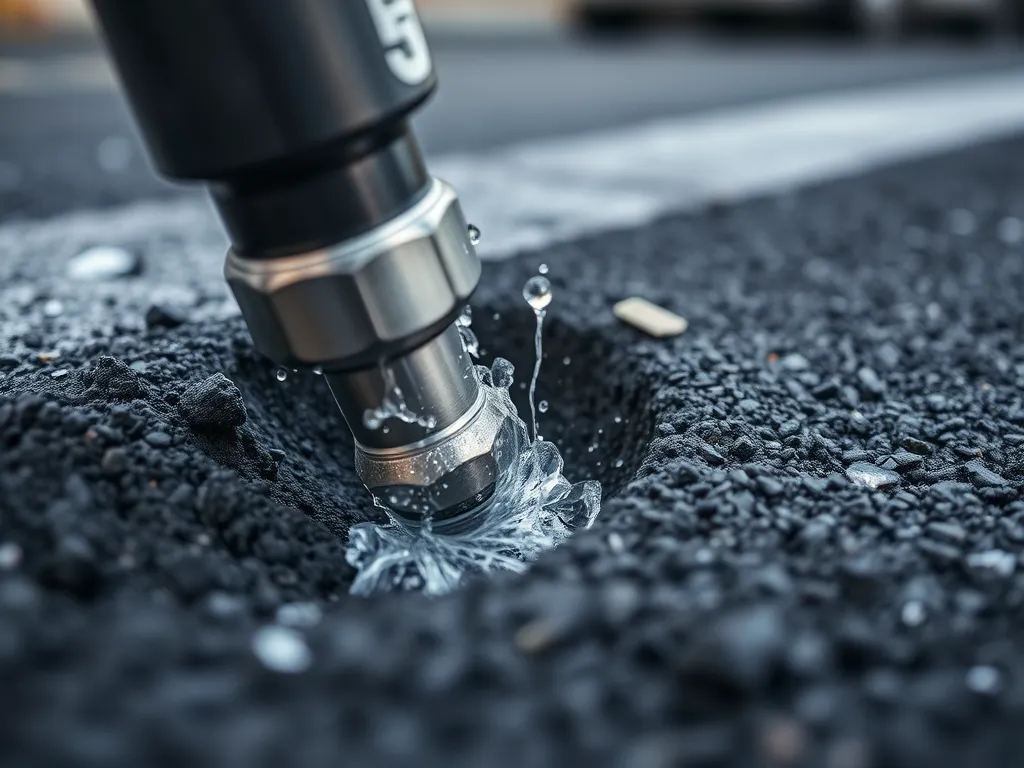
How to Drill Through an Asphalt Driveway
Drilling asphalt needs the right tools and steps. Follow these methods to make clean holes without cracks or damage. Use bits made for hard, gritty surfaces.
Step-by-step Guide for Drilling Asphalt
Start with a hammer drill set to rotary mode. Fit a carbide-tipped bit (1/4″ to 1/2″ for most jobs).
- Mark the spot with chalk or paint
- Wear gloves, goggles, and a dust mask
- Drill at low speed (300-500 RPM) to avoid heat
- Push firm, steady pressure—let the bit chew through
- Pull out every 10-15 seconds to clear dust
Stop if you smell burning—bit may overheat. Switch bits if progress stalls.
Preparing the Asphalt Surface for Drilling
Clean the area first. Sweep dirt or gravel. Check for buried lines or pipes under the driveway. Use a nail to make a pilot hole if needed.
- Spray water on the spot to keep dust down
- Secure loose asphalt chunks with patching mix
- Mark depth on the bit with tape to avoid over-drilling
New asphalt (under 1 year old) is softer. Drill slower to prevent tearing.
Cutting Holes in Asphalt Driveways: Techniques
For holes wider than 2″, use a spade bit or core drill. Core bits (4″-6″ size) cut clean circles for pipes or posts.
- Start with a small guide hole, then widen it
- Keep the drill upright—angled holes weaken edges
- Pour water into the hole to cool the bit and reduce dust
Seal holes after with cold patch or asphalt cement to block water.
Next, learn how to pick the best drill bit based on size, shape, and job needs.
Also See: How to Get Asphalt Off Tires Easily
Selecting the Best Drill Bit for Asphalt
Choosing the right tool requires matching bit specs to your project’s needs. Asphalt’s mix of aggregate and bitumen demands bits that handle abrasion while maintaining sharp edges.
Key Factors: Bit Material, Size, and Design
Carbide-tipped bits dominate asphalt drilling due to their tungsten-carbide edges. These withstand heat up to 1,000°F and outlast standard steel bits by 5-10x. Diamond-tipped core bits work for precision tasks like sensor installations or utility conduits. Masonry bits with spiral flute designs clear debris faster, reducing friction.
- Material: Carbide > diamond > high-speed steel
- Design: Spiral flutes prevent clogging; hexagonal shanks minimize slippage
- Durability: Carbide bits drill 50-100 holes in asphalt before needing replacement
Drill Bit Size Recommendations for Asphalt
Standard projects use 1/4” to 1” bits. Anchor installations often require 3/8” or 1/2” diameters. For drainage pipes or conduit, step up to 1.5”-6” core bits. Match bit width to fastener specs – oversized holes weaken structural grip.
- Small holes: 3/8” (security posts, signage)
- Medium holes: 1/2”-3/4” (lighting bases, utility markers)
- Large holes: 2”-4” (drainage, irrigation lines)
Run bits at 500-800 RPM for clean cuts. Use water cooling on holes deeper than 2” to prevent bitumen softening.
With the right bit specs locked down, tool settings become the next critical variable. Let’s examine how hammer drills optimize asphalt penetration.
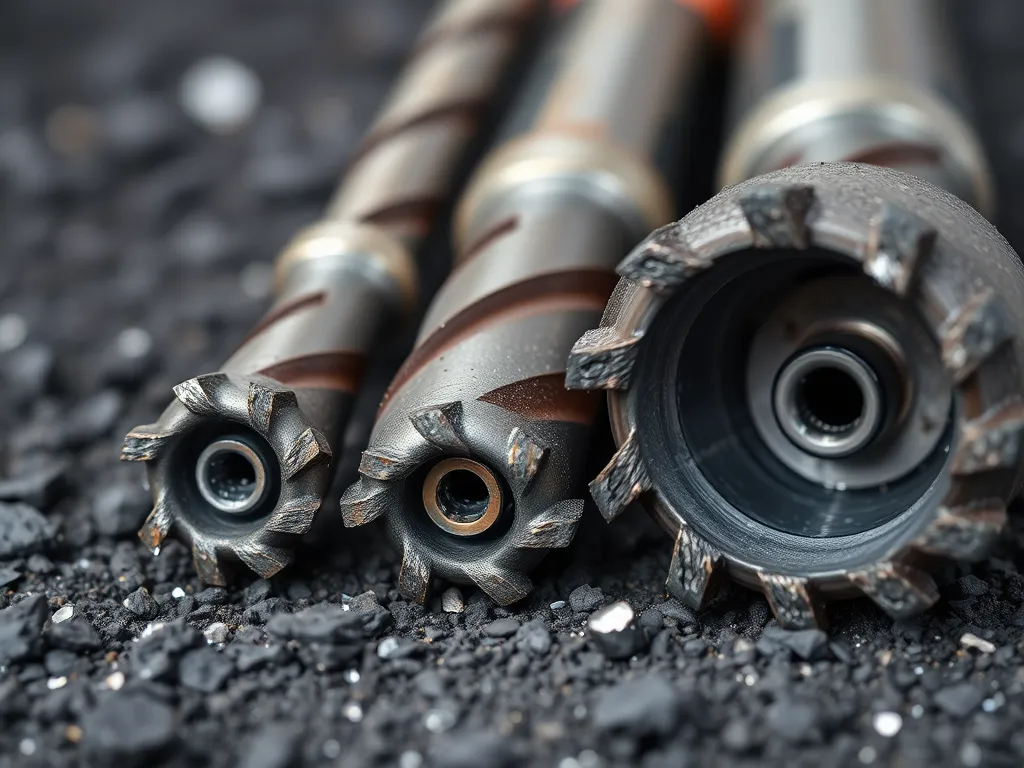
Using a Hammer Drill on Asphalt Driveways
Hammer drills deliver rapid impacts while rotating, making them ideal for penetrating dense asphalt surfaces. These tools work with carbide-tipped bits or masonry bits designed to handle the material’s abrasiveness.
Benefits Of Hammer Drills for Asphalt Drilling
Hammer drills generate up to 30,000 blows per minute (BPM), breaking through asphalt faster than standard drills. The hammering action reduces bit slippage, preventing surface cracks. Pair them with a 1/2-inch carbide-tipped drill bit for asphalt driveways to drill 2-inch-deep holes in under 15 seconds. Models with variable speed controls (0-1,200 RPM) allow adjustments based on asphalt thickness and aggregate size.
Adjusting Drill Settings for Asphalt Surfaces
Set the drill to hammer mode with a mid-range speed (800-1,000 RPM) for most asphalt mixes. Lower speeds (400-600 RPM) work better for aged or brittle asphalt to avoid chipping. For bits larger than 1 inch, increase torque settings to maintain consistent rotation. Always start with a pilot hole using a 1/4-inch drill bit for asphalt before scaling up to the final diameter.
Next, let’s explore core drilling techniques for projects requiring precise, clean holes in asphalt surfaces.
Core Drilling Through Asphalt
Core drilling creates clean, cylindrical holes in asphalt driveways for heavy-duty projects. This method uses rotating hollow bits to remove material while preserving surrounding surfaces. It’s ideal for tasks requiring precision and minimal disruption.
When to Use Core Drilling on Asphalt
Choose core drilling for holes wider than 4 inches or projects demanding exact depth control. Common uses include:
- Installing drainage pipes (6-inch diameter or larger)
- Embedding light poles or signage posts
- Sampling asphalt layers for thickness testing
Core drilling prevents jagged edges, reducing crack risks in aged or brittle driveways. It’s preferred over rotary hammer drills for depths exceeding 6 inches.
Core Bit Selection for Asphalt Driveways
Diamond-tipped core bits dominate asphalt drilling due to their 10-15x longer lifespan compared to carbide. Key specs:
- Segmented rim bits: Designed for wet drilling, these reduce dust and extend bit life
- Turbo rim bits: Dry-drilling models with faster cutting speeds (1-2 inches per minute)
- Bond strength: Medium-bond (40-50 concentration) diamonds balance speed and durability
Match bit sizes to project needs: 2-inch for anchor bolts, 6-inch for PVC conduits. Maintain 300-500 RPM to prevent overheating. Pair bits with 5-10 HP core drills for residential jobs.
Proper tool selection impacts both results and cost. Next, learn where to source high-performance asphalt bits and assess their quality for long-term durability.
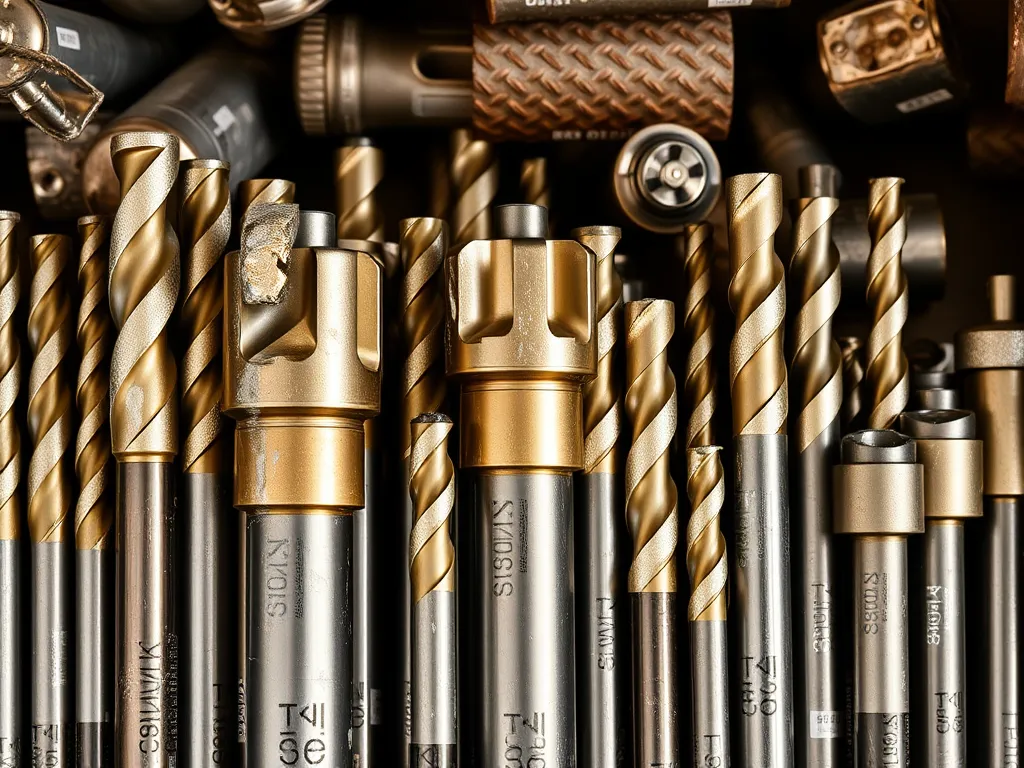
Finding the Right Drill Bit for Your Project
Choosing a drill bit for asphalt requires balancing availability, cost, and tool quality. Both local shops and digital platforms offer options, but knowing which fits your project saves time and cash.
Local Retailers Vs. Online Suppliers for Asphalt Bits
Local hardware chains like Home Depot or Ace Hardware stock common asphalt drill bits. Visiting lets you inspect tools physically—checking carbide tip sharpness or shank sturdiness. Staff can clarify if a 1/2″ masonry bit works for your driveway anchor job. Downside? Limited stock for specialty items like 4″ core bits.
Online suppliers (Amazon, ContractorSupply) provide broader options. Brands like Bosch or Makita offer industrial-grade bits with specs listed clearly. Bulk orders for big jobs may cut costs by 10-15%. Shipping delays can stall urgent tasks, though.
| Factor | Local Retailers | Online Suppliers |
|---|---|---|
| Speed | Same-day buy | 2-5 day shipping |
| Price | $12-$40 per bit | $10-$75 (bulk discounts) |
| Support | In-person guidance | Digital manuals |
Evaluating Drill Bit Quality for Asphalt
Not all bits last on tough asphalt. Prioritize tungsten carbide tips—they outlast standard steel by 3x. Look for a 135° split point design to avoid surface cracks. Brands like Diablo or Irwin label bits specifically for asphalt or masonry.
Check shank compatibility: SDS-plus shanks fit most hammer drills. A 3-flute spiral lifts debris fast, stopping bit clogging. High-quality 1/4″ to 1″ bits run $18-$55 but drill 50+ holes vs. budget options failing at 10-15.
With a solid bit sourced, think about how drilling impacts nearby areas and material waste. Up next: managing asphalt debris and sustainable practices.
Environmental Considerations When Drilling Asphalt
Drilling into asphalt driveways requires attention to sustainability. Proper tool selection and waste management reduce environmental impact while maintaining structural integrity.
Minimizing Asphalt Waste During Drilling
Use carbide-tipped or diamond-core drill bits for cleaner cuts. These tools create precise holes with 15-30% less debris compared to standard masonry bits. Set hammer drills to 1,500-2,000 RPM for optimal chip control. Apply steady pressure to avoid cracks that generate excess material. For larger projects, concrete core bits remove cylindrical sections intact, allowing reuse of extracted asphalt plugs.
| Drill Bit Type | Waste Reduction | Best Use Case |
|---|---|---|
| Carbide-Tipped | 20% less debris | Small holes (1/4″-1″) |
| Diamond Core | 35% less debris | Utility penetrations (2″-6″) |
Recycling Asphalt Debris Responsibly
Collect drilling dust and fragments for recycling. Asphalt ranks as North America’s most-recycled material, with 99% of millings reusable in new pavement. Local plants process debris at 300°F-350°F to bind with fresh bitumen. Check municipal guidelines—many regions mandate recycling for projects generating over 50 lbs of asphalt waste. Store debris in sealed containers to prevent wind dispersal.
Ready to troubleshoot common drilling challenges? The next section answers frequent questions about preventing cracks and optimizing drill performance.
FAQs: Drilling Asphalt Driveways
Can a Hammer Drill Damage Asphalt?
While hammer drills are designed for tough materials, using them incorrectly can indeed damage asphalt. It’s important to adjust the settings properly and avoid excessive pressure or speed, which can lead to cracking or chipping of the surface. Always start with a lower speed setting and ensure the drill bit is suitable for asphalt.
How to Avoid Cracks While Drilling Asphalt?
To prevent cracks, maintain a steady pressure while drilling and use the appropriate drill bit. Drilling at a lower RPM—between 300 and 500—can help minimize heat buildup and reduce the risk of damaging the asphalt. Additionally, consider using water to cool the bit during drilling, which can further help in preventing cracks.
Is Water Cooling Necessary for Asphalt Drilling?
Water cooling is not strictly necessary but is highly recommended, especially for deeper holes or when using larger bits. It helps keep the drill bit cool, reduces dust production, and minimizes the risk of softening the asphalt due to heat. If drilling holes larger than 1 inch or over 2 inches deep, using water can greatly improve results.
Closing Thoughts
Drilling into an asphalt driveway is entirely feasible with the right tools and techniques. Selecting the appropriate drill bit, such as carbide-tipped or masonry bits, can make a significant difference in achieving clean and precise holes. Remember that adjusting your drill settings and utilizing a hammer drill can further enhance the drilling process.
It’s crucial to source high-quality drill bits, whether from local retailers or online suppliers. Quality impacts not only the efficiency of the job but also the longevity of your asphalt surfaces. Don’t forget to consider eco-friendly practices to minimize waste during drilling, and ensure that any debris is recycled responsibly.
For more in-depth information on asphalt projects and tools, visit Asphalt Calculator USA. Your asphalt projects will benefit from reliable insights and resources.
Additional Resources for You:
- Yoder, E. J., & Witczak, M. W. (1975). Principles of Pavement Design (2nd ed.). New York, NY: Wiley.
- Diamond Drill Bits for Asphalt
- r/Tools on Reddit: Help! I need to drill some holes in some concrete/asphalt and I’m looking for some great bits.. I’ve been asking around but most folks say the ones that they find now are junk. I’m installing some bollards so i need some deep holes.
- Drill bit? – DoItYourself.com Community Forums
- How To Drill Into Concrete, Brick, and Asphalt

