Timely Asphalt Repairs and Resurfacing: Protect Your Pavement Before It’s Too Late
Published on: April 25, 2026 | Last Updated: April 14, 2025
Written By: George Voss
Timely asphalt repairs and resurfacing stop pavement damage before it spreads. Repairs fix cracks and potholes quickly, while resurfacing adds a fresh layer over worn asphalt. Both methods prevent minor issues from becoming major problems, saving up to 60% compared to full replacements. These processes protect driveways, parking lots, and roads from weather damage and heavy traffic wear.
This guide explains when to repair vs. resurface asphalt surfaces. Learn to spot early warning signs like edge raveling or standing water. Compare patching costs ($3-$5 per sq ft) to overlay prices ($2-$4 per sq ft). Discover maintenance techniques that extend pavement life by 10-15 years.
Why Timely Asphalt Fixing and Resurfacing Matter
Acting fast with asphalt fixes stops small flaws from growing. Ignoring cracks or surface flaws cuts a pavement’s lifespan by up to 40% according to National Asphalt Pavement Association data. Proactive work maintains structural integrity while saving cash long-term.
Extending Pavement Longevity
Bitumen binders oxidize when sun hits asphalt, causing brittleness. Applying crack fillers within 24 months of pavement installation blocks moisture intrusion. Annual sealcoating adds 5-8 years before resurfacing. Using PG 64-22 grade binders in hot climates fights rutting. A 2-inch overlay can revive aging lots for 10+ years if subbase stays intact.
Halting Safety Risks
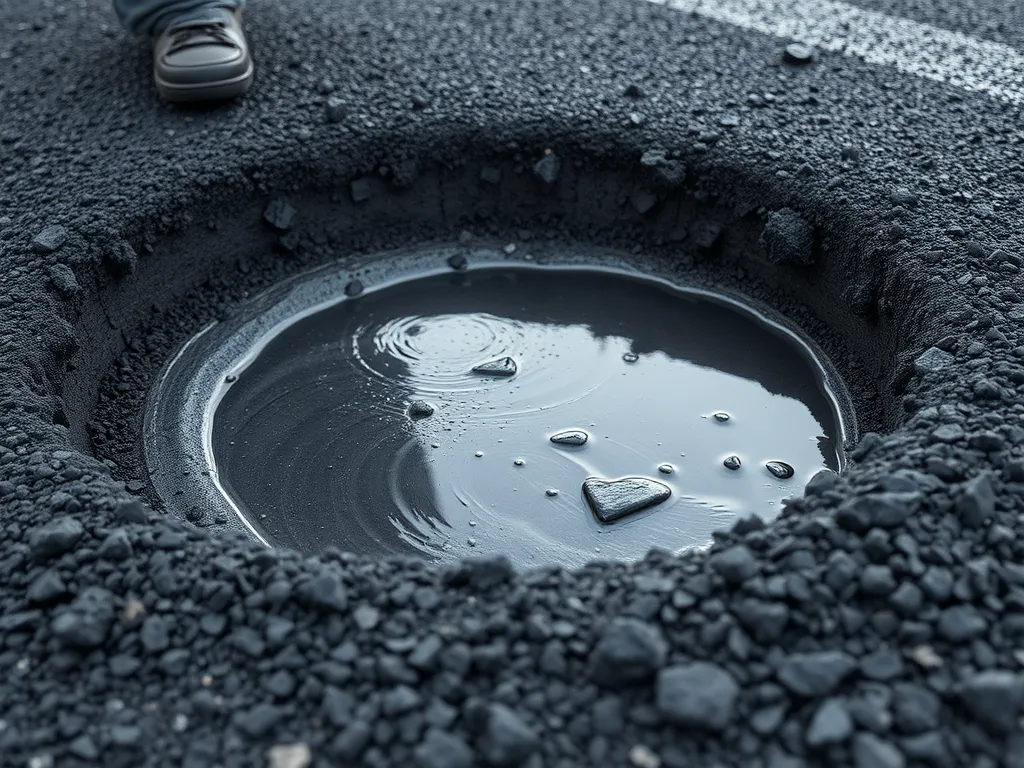
Unfixed potholes deeper than 1.5 inches trip pedestrians and damage car suspensions. Rainwater pooling in depressions raises hydroplaning risks by 27% (FHWA stats). Fast asphalt patching service work fixes hazards fast. Rough surfaces with raveling aggregate lower skid resistance – critical for parking garages needing 35+ BPN friction ratings. Timely fixes maintain ADA-compliant slopes under 5% cross-slope.
Bypassing Full Do-overs
Resurfacing costs $1.50-$3.00 per sq.ft. versus $5.00-$7.00 for full-depth replacement. Fixing 10% damaged lots costs 4x less than rebuilding. Budgets gain flexibility: $15k spent now on asphalt resurfacer materials avoids $60k rebuilds in 6-8 years. Contractors report 80% of clients avoid full replacements through annual infrared patching asphalt service plans.
Spotting flaws early starts with knowing what signals demand action – visible clues that guide smart choices.
Signs Your Asphalt Needs Immediate Attention
Catch issues early to save time and money. Spot these key signs that demand quick fixes.
Cracks and Alligator Cracking
Thin lines (1/4″ wide) let water seep in. Left alone, they grow into dense cracks shaped like alligator skin. This means base layers are failing. Use asphalt crack filler fast to stop more harm.
Edge Raveling and Surface Flaws
Crumbling edges or loose stones signal poor mix or weak support. Fix with asphalt patching service near me before gaps widen. Rough surfaces speed wear from tires and weather.
Potholes and Depressions
Holes deeper than 2″ wreck tires and trip walkers. Water pools here, breaking layers below. Cold patch asphalt buys time, but full-depth repair by asphalt resurfacing contractor stops recurrence.
Poor Drainage and Standing Water
Puddles lasting over 24 hours soften asphalt. Check slopes (1-2% grade needed) and drains. Reseal asphalt or add channels to move water off fast. Ignore this, and base soils turn to mush.
Fading Color and Exposed Substrate
Gray tones mean UV rays ate the binder. Visible stones show wear down to the base. Apply asphalt resurfacer now. Delaying lets rain seep into open spots, causing cracks.
Spot these red flags? Act now. Next, learn when to patch, resurface, or fully replace worn pavement.
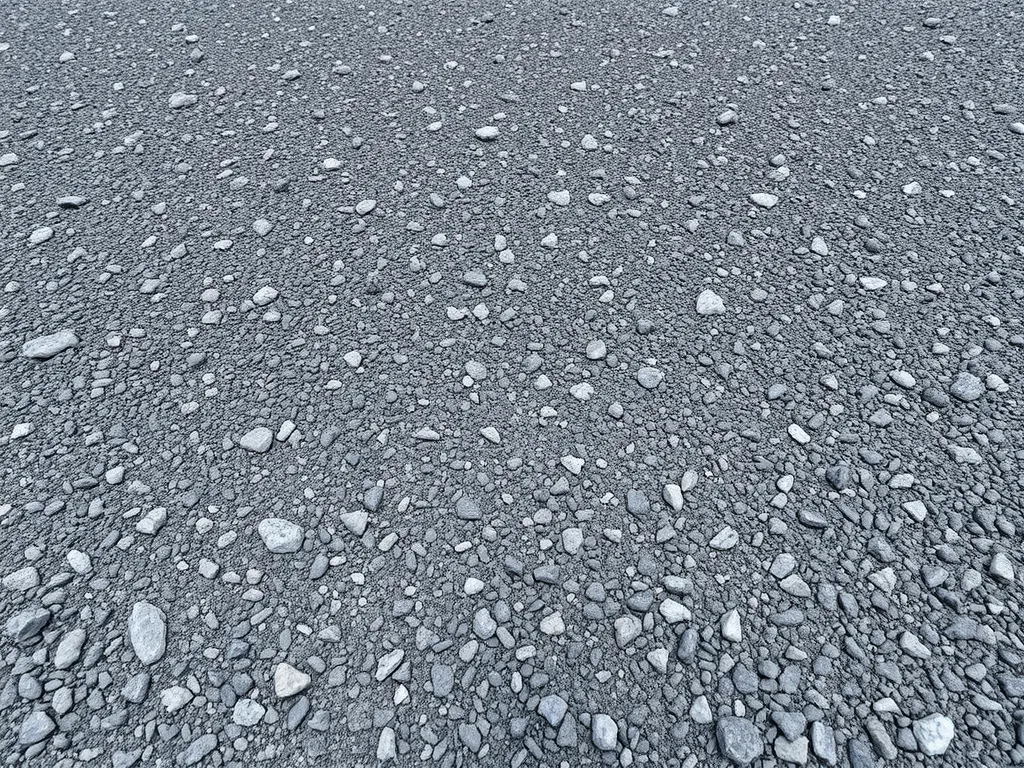
Timely Asphalt Repair Vs. Resurfacing Vs. Replacement
Knowing which solution fits your pavement’s condition prevents overspending while maximizing performance. Three options exist: quick fixes, surface renewals, or complete rebuilds.
When to Choose Asphalt Patching Services
Opt for asphalt patching service when dealing with isolated issues. These include potholes under 4 inches deep, minor edge raveling, or cracks under ½ inch wide. Cold patch repairs work for urgent fixes in freezing temperatures, while hot mix patches offer longer-lasting results above 50°F. Patching costs $2-$5 per square foot, making it ideal for localized damage covering less than 15% of the surface.
Benefits Of Asphalt Resurfacing Overlays
Asphalt resurfacing services restore ride quality without full reconstruction. Contractors mill the top 1-2 inches, then apply fresh hot mix over the stable base. Overlays fix widespread surface flaws like fading, minor rutting, or weathered binder. Resurfacing costs 30-50% less than replacement, extends pavement life by 8-12 years, and takes 1-3 days for driveways. Use PG 64-22 binder mixes in moderate climates for optimal flexibility.
Scenarios Requiring Full Asphalt Replacement
Full-depth replacement becomes necessary when base failures or severe structural damage exist. Signs include deep potholes (>6 inches), alligator cracking covering >30% of the surface, or standing water due to subgrade erosion. Replacement involves removing 6-8 inches of compromised layers, rebuilding the stone base, and compacting new lifts. Though costing $5-$8 per square foot, it’s the only fix for pavements beyond 20 years old with recurring issues.
Selecting the right strategy depends on defect severity, budget, and long-term goals. Up next: breaking down expenses for each option.
Also See: Innovations in Asphalt Pouring Technology: Recent Advances
Costs Of Timely Asphalt Repairs and Resurfacing
Acting fast on asphalt fixes saves money long-term. Small cracks fixed today prevent big bills tomorrow. Let’s break down what shapes repair costs and how to plan your budget.
Factors Affecting Asphalt Repair Service Pricing
Repair costs shift based on five key elements:
- Damage type: Cracks cost $0.50-$3 per linear foot. Potholes run $50-$300 each
- Project size: Jobs under 500 sq.ft. may have higher per-foot rates
- Materials: Hot mix asphalt costs 10-15% more than cold patch
- Labor rates: Crews charge $45-$75 per hour in most regions
- Site access: Tight spaces add 15-20% to total costs
Estimating Asphalt Resurfacing Costs
Resurfacing typically runs $3-$7 per square foot. A standard driveway (1,000 sq.ft.) costs $3,000-$7,000. Three items shape your quote:
| Component | Cost Range |
|---|---|
| Base prep | $0.50-$1.50/sq.ft. |
| New asphalt layer | $2-$4/sq.ft. |
| Compaction/Finish | $0.30-$1/sq.ft. |
Material and Labor Considerations
Top mixes like PG 64-22 binder grade cost $85-$110 per ton. Labor eats 30-40% of budgets. Permeable asphalt (allows water flow) adds 20% but cuts drainage costs. Always get 3 bids from local asphalt resurfacing contractors.
Smart planning now keeps roads smooth for 12-15 years. Next, let’s explore proven methods to restore worn surfaces.
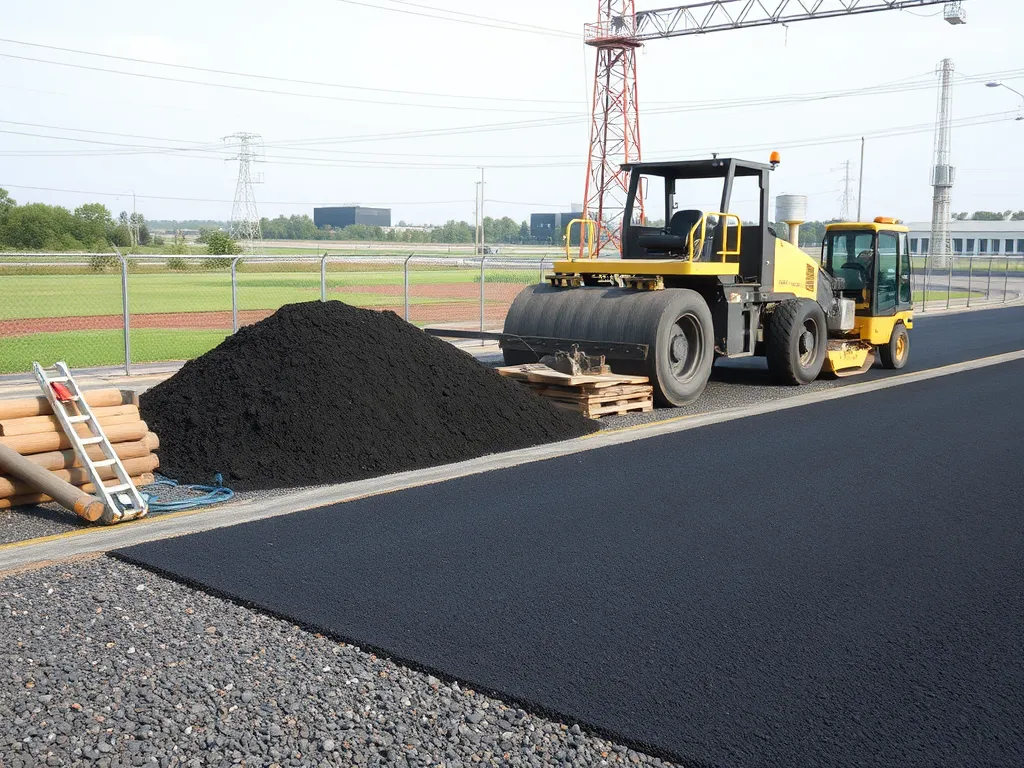
Methods for Effective Asphalt Restoration
Proactive asphalt upkeep calls for a mix of solutions that match specific damage types. From minor cracks to structural flaws, picking the right fix stops small issues from growing into costly rebuilds.
Sealcoating for Surface Protection
A coal-tar or asphalt-based sealcoat shields pavements from UV rays, oil spills, and water intrusion. Applied every 2-4 years, this $0.15–$0.25/sq ft treatment adds a dark finish while blocking oxidation. Contractors often pair it with crack filling for optimal results.
Cold Patch Asphalt for Quick Repairs
For urgent fixes in cold or wet conditions, cold patch mixes bond without heating. This asphalt patching service uses polymer-modified binders to fill potholes in 30 minutes. Compact it at 40°F or higher for a temporary fix lasting 6-12 months. Budget $10–$20 per 50 lb bag.
Asphalt Overlay Techniques
Adding a 1.5–2 inch layer over existing pavement refreshes surfaces with solid bases. Asphalt resurfacing contractors grind off 1-2 inches first to improve bonding. Overlays cost 30-40% less than full rebuilds but need 2+ inches of intact substrate.
Temperature and Curing Best Practices
Install overlays at 50–85°F for proper compaction. Rollers achieve 92-96% density, while curing takes 24-48 hours before traffic. Hot-mix asphalt cools at 25°F per hour—monitor with infrared thermometers.
Using Asphalt Rejuvenators
Bio-based or petroleum rejuvenators penetrate aged pavements, restoring flexibility in binders. Spray-on formulas (1-2 gallons per 100 sq ft) work best on surfaces with shallow cracks. Annual applications add 3-5 years to a pavement’s lifespan at $0.10–$0.30/sq ft.
Picking the right fix keeps pavements functional for years. But what happens after restoration? Up next: tactics to maintain asphalt post-repair.
Maintaining Asphalt After Repairs or Resurfacing
Proper upkeep preserves your investment after timely asphalt repairs or resurfacing. Follow these protocols to maximize pavement performance and lifespan.
Regular Inspection Schedules
Conduct visual checks every 90 days and after extreme weather events. Look for hairline cracks, edge raveling, or standing water. Professional asphalt repair companies recommend infrared thermography scans to detect subsurface voids invisible to the naked eye. Document findings with timestamps and geotagged photos for trend analysis.
Sealcoating Frequency and Benefits
Apply coal-tar or asphalt-based sealants every 24-36 months. This 2.5-3.5 mm layer blocks UV oxidation, reduces water infiltration by 85%, and resists oil spills. Properly sealed surfaces last 5-7 years longer than unsealed pavements, cutting future asphalt resurfacing costs by 30-50%. Schedule applications when temperatures stay above 50°F for 24 hours.
Addressing Minor Damage Promptly
Repair cracks under ¼” width within 14 days using rubberized crack fillers. For potholes smaller than 6″ diameter, use polymer-modified cold patch asphalt compounds that cure in 45 minutes. Delaying these fixes allows water penetration that can expand cracks 400% annually, requiring full-depth patching at $18-$25 per sq.ft. instead of $2-$5 for surface treatments.
Proactive maintenance directly impacts pavement economics. Next, we examine how environmental priorities shape modern asphalt resurfacing services.
Environmental Considerations in Asphalt Maintenance
Modern asphalt maintenance balances durability with ecological responsibility. Sustainable practices now play a critical role in preserving infrastructure while meeting environmental regulations.
Eco-friendly Repair Materials
Contractors increasingly use warm-mix asphalt (WMA) for repairs. WMA lowers production temperatures by 50-100°F compared to traditional hot-mix, cutting fuel use by 20% and slashing greenhouse gas emissions. Bio-based sealers made with plant-derived binders replace petroleum products, maintaining crack protection while reducing toxicity risks.
Permeable asphalt mixes allow water filtration at 5-7 gallons per minute per square foot, minimizing runoff during storm events. These materials work particularly well for timely asphalt repairs in parking lots and driveways, where drainage issues accelerate pavement deterioration.
Recycling Old Asphalt in Resurfacing
Reclaimed Asphalt Pavement (RAP) forms 20-30% of most resurfacing mixes. The U.S. recycles 90 million tons of RAP annually – enough to build 3,500 lane-miles of highway each year. Cold milling equipment strips worn surfaces at 15-35 feet per minute, feeding material directly into recycling plants.
| Recycling Benefit | Impact |
|---|---|
| Energy savings | 53% reduction vs virgin materials |
| Cost efficiency | $12-$18 per ton savings |
| Landfill diversion | 98% reuse rate for milled asphalt |
Infrared asphalt patching service methods fuse new material with existing pavement at 300°F, creating seamless repairs using 100% recycled components. This approach prevents waste during asphalt resurfacing services while maintaining structural integrity.
While environmental practices shape maintenance choices, property owners frequently ask about implementation logistics. Let’s examine common queries surrounding pavement preservation strategies.
FAQs: Timely Asphalt Repairs and Resurfacing
How Much Does Asphalt Resurfacing Cost?
The cost of asphalt resurfacing typically ranges from $3 to $7 per square foot. Various factors, including the size of the project and the condition of the existing pavement, will influence the final pricing.
How Often Should Asphalt Be Resurfaced?
On average, asphalt should be resurfaced every 8 to 15 years depending on factors such as climate, traffic levels, and overall maintenance practices. Regular inspections will help determine the optimum timing for resurfacing.
Is Asphalt Resurfacing Worth the Investment?
Yes, asphalt resurfacing is often considered a cost-effective investment as it extends the lifespan of the pavement by 8-12 years while typically costing 30-50% less than full replacement.
Can New Asphalt Be Applied Over Old Layers?
Yes, new asphalt can be applied over old layers provided the existing surface is in suitable condition. If the old layer has significant damage, then a full-depth replacement might be necessary to ensure structural integrity.
Closing Thoughts
Timely asphalt repairs and resurfacing are vital for maintaining the integrity and safety of your paved surfaces. Addressing signs of wear and damage promptly not only extends the lifespan of your asphalt but also prevents costly replacements down the road.
Investing in regular maintenance techniques, such as sealcoating and using cold patch asphalt, can yield substantial benefits. Remember, a well-maintained pavement not only improves aesthetics but also enhances safety for drivers and pedestrians alike.
For more information on maintaining your asphalt surfaces and to explore additional resources, check out Asphalt Calculator USA. Your pavement deserves the best care, and we’re here to help!
Useful References for You:
- Roberts, F. L., Kandhal, P. S., Brown, E. R., Lee, D. Y., & Kennedy, T. W. (1996). Hot Mix Asphalt Materials, Mixture Design, and Construction (2nd ed.). National Asphalt Pavement Association (NAPA).
- Asphalt Repair Ottawa | JND Paving Inc
- Asphalt Resurfacing & Patching — Stewart Brothers Inc. | Commercial Paving Contractor Atlanta Georgia
- How to Know When to Repair or Replace Asphalt | UNIQUE Paving Materials
- Asphalt Driveway Repair Cost in 2025 | Angi