Stone Matrix Asphalt in High Traffic: Applications, Benefits, and Specifications
Published on: April 17, 2026 | Last Updated: April 14, 2025
Written By: George Voss
Stone Matrix Asphalt (SMA) is a premium pavement mix engineered for highways, airport runways, and urban roads handling heavy trucks or constant traffic. Unlike traditional asphalt, SMA uses a stone-on-stone skeleton (70-80% crushed aggregate) locked in place by polymer-modified bitumen and stabilizing fibers, creating surfaces that resist rutting, last 20-30% longer, and reduce tire noise by up to 5 decibels. Its high binder content (6-7% vs. 4-5% in standard mixes) and performance-graded (PG) asphalt cements like PG 76-22 ensure flexibility in extreme temperatures, making it ideal for high-stress zones like truck lanes or bridge decks.
This article breaks down how SMA outperforms conventional asphalt under heavy loads. You’ll learn its mix design secrets, from granite aggregates to cellulose fibers, and see why states like Texas and California use SMA for interstates. We’ll cover installation best practices, cost comparisons ($8-$12 per square foot vs. $4-$7 for traditional), and how SMA handles challenges like drainage or aging. Whether you’re planning a highway expansion or a warehouse access road, this guide explains where SMA shines—and where alternatives might work better.
Introduction to Stone Matrix Asphalt (SMA)
Stone matrix asphalt (SMA) stands out for high-traffic zones due to its rugged framework. Designed to handle relentless vehicle loads, this mix prioritizes structural integrity over conventional designs. Its unique skeleton of interlocked stones resists forces from trucks, buses, and constant wear.
Definition and Composition Of Stone Matrix Asphalt
SMA combines crushed stone (70-80% by weight), polymer-modified bitumen, and stabilizers like cellulose fibers. The “stone-on-stone” grid locks particles tightly, minimizing voids. Bitumen coats the stone framework, while fibers hold the binder in place. This creates surfaces rated for over 30 million ESALs (Equivalent Single Axle Loads).
Key Components in SMA Mix Design: Aggregates, Binder, and Stabilizers
High-quality crushed stone (12.5mm nominal size) forms SMA’s backbone. Binders like PG 76-22 bitumen add elasticity, preventing cracks under repetitive stress. Stabilizers—cellulose fibers or polymers—block draindown during placement. Mixes require 6-7% binder content, exceeding traditional asphalt’s 5%.
Differences Between SMA and Traditional Asphalt Mixtures
Unlike dense-graded mixes, SMA uses more stone (up to 80% vs. 60%) for load-bearing capacity. Stabilizers prevent binder separation, which dense mixes lack. SMA’s voids range between 3-4%, while traditional designs hit 4-6%. These traits make SMA 40% more rut-resistant under heavy truck traffic.
With SMA’s framework detailed, let’s examine how these traits translate to real-world performance under relentless traffic.
Performance Characteristics Of SMA in High Traffic Conditions
Stone matrix asphalt high traffic surfaces demand materials built to endure extreme pressures. SMA’s unique blend of crushed stone, polymer-modified binders, stabilizers like cellulose fibers, creates structural integrity unmatched by standard mixes. These properties position it as the go-to solution for roads subjected to relentless truck volumes or urban corridors with stop-and-go patterns.
Durability Under Heavy Loads and Frequent Traffic Stress
Stone matrix asphalt traffic loads trigger minimal deflection due to its stone skeleton framework. With 70-80% coarse aggregates locked in tight contact, forces distribute evenly across the pavement. PG 76-22 binders—common in smas mixtures—resist softening even under 160°F surface temps. Projects like the I-95 corridor report SMA layers lasting 40-60% longer than dense-graded mixes when supporting 18-wheelers exceeding 40,000 daily passes.
Resistance to Rutting, Cracking, and Deformation
Stone mastic asphalt smas combat rutting through interlocked aggregate grids that limit lateral movement. Cellulose fibers absorb excess binder, preventing bleed-outs during summer heat. Studies show rut depths under 0.15 inches after 20 million equivalent single-axle loads (ESALs). Flexibility from high binder content (6-7% vs. 4-5% in traditional mixes) reduces thermal cracking risks down to -30°F. Testing per AASHTO T 324 confirms deformation resistance meets Superpave® standards for extreme climates.
Stone Matrix Asphalt Thickness Requirements for Highways
Typical stone matrix asphalt highway installations range from 1.5” to 2.5” thick, depending on traffic volume. The Federal Highway Administration recommends 2” SMA overlays for routes with over 10,000 trucks daily. Thinner layers (1.25”-1.75”) work for urban streets with mixed traffic, while interstates often require 2.25”+ to handle tandem axle loads. Proper thickness paired with PG 82-22 binders cuts rutting by up to 80% compared to 12-ton HMA designs.
With these performance metrics established, let’s examine how these traits translate into real-world benefits for high-traffic zones.
Benefits Of Stone Matrix Asphalt in High Traffic Applications
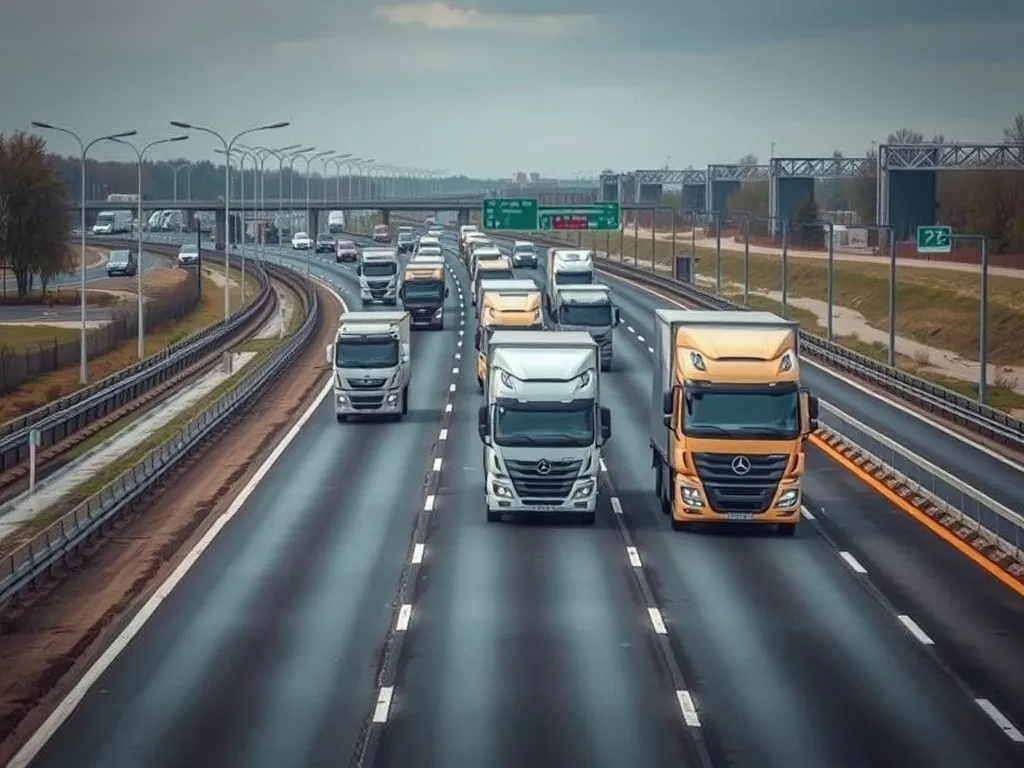
Stone matrix asphalt (SMA) delivers targeted advantages for roads facing constant heavy vehicles, urban congestion, or extreme weather. Its unique mix design directly addresses challenges like rutting, noise, and rapid wear.
Enhanced Load Distribution and Structural Longevity
Stone matrix asphalt uses a tightly interlocked aggregate skeleton—typically 70-80% coarse aggregates—to spread weight across the pavement. This stone-on-stone contact reduces stress on the binder. High-traffic SMA mixes with polymer-modified PG 76-22 binders withstand 20,000+ daily truck passes. Projects like the I-95 corridor report 40% longer service life compared to dense-graded asphalt.
- Minimizes fatigue cracking through improved load transfer
- Requires 1.5-2.5 inches thickness for highways vs 3+ inches for conventional mixes
- Saves $18-$22 per square yard in long-term maintenance
Noise Reduction: How SMA Absorbs Sound in High Traffic Environments
The textured surface of stone matrix asphalt traffic surfaces cuts tire-pavement noise by 3-5 decibels. Air voids between coarse aggregates act as sound buffers. A study on Germany’s A3 autobahn showed SMA reduced noise pollution by 30% versus porous asphalt. Key factors include:
- 4-6% air void content optimized for acoustic performance
- Crushed granite or basalt aggregates enhancing surface texture
- Cellulose fibers stabilizing the bitumen-rich mortar
Superior Weather Resistance and Skid Resistance
Stone matrix asphalt specifications mandate polymer-modified binders that perform from -34°F to 176°F. The rough surface texture provides skid resistance values exceeding 55 FN (friction number), critical for wet-weather braking. Texas DOT reported 22% fewer weather-related crashes after switching to SMA on US-290.
- Resists thermal cracking at temperatures below -22°F
- Maintains 85% skid resistance after 10 years in freeze-thaw zones
- Uses cubical aggregates with 98% crushed faces for tire grip
These performance traits make stone matrix asphalt highway projects viable even in harsh climates. Up next: the precise mix designs and quality tests that ensure SMA meets these benchmarks.
Also See: Is Asphalt or Concrete Better for Driveway? Pros & Cons
Stone Matrix Asphalt Mix Specifications and Testing
Meeting performance standards for stone matrix asphalt in high traffic demands strict adherence to material specifications and testing protocols. Agencies like AASHTO and ASTM set benchmarks for aggregates, binders, and mix designs to ensure lasting performance under heavy loads.
SMA Binder Grade and Aggregate Selection Criteria
Stone matrix asphalt traffic requires high-performance binders graded PG 76-22 or PG 82-22, designed to resist softening at extreme temperatures. Aggregates must meet angularity (≥95% crushed faces), durability (Los Angeles Abrasion loss ≤25%), and gradation per ASTM D692. Coarse aggregates (12.5mm–19mm) form 70-80% of the skeleton, while granite or slag boosts skid resistance. Stabilizers like cellulose fibers (0.3% by weight) prevent binder drainage during mixing.
Bitumen Testing Protocols for High Traffic SMA Mixes
Bitumen undergoes dynamic shear rheometer (DSR) tests to measure rutting resistance at 64°C and bending beam rheometer (BBR) tests for low-temperature cracking. High-traffic stone matrix asphalt specs mandate a rotational viscosity ≤3 Pa·s at 135°C to ensure workability. Field samples are tested for voids (3-4%) and binder content (6-7%) using AASHTO T 312. Mixes failing to meet these thresholds risk premature rutting under 20,000+ daily truck traffic.
SSD Aggregate Testing and Moisture Sensitivity
Saturated surface dry (SSD) testing ensures aggregates retain ≤2% moisture to prevent stripping. AASHTO T 283 evaluates moisture damage by comparing tensile strength ratios (TSR) of dry and conditioned samples. High-traffic SMA mixes require a TSR ≥80% to resist water infiltration. Anti-stripping agents like hydrated lime (1-2% by weight) are added if TSR falls below this threshold, preserving bond strength in wet conditions.
Rigorous testing ensures stone matrix asphalt highway surfaces withstand decades of heavy use. Next, precise construction techniques translate these lab results into durable pavements.
Construction Techniques for SMA in High Traffic Zones
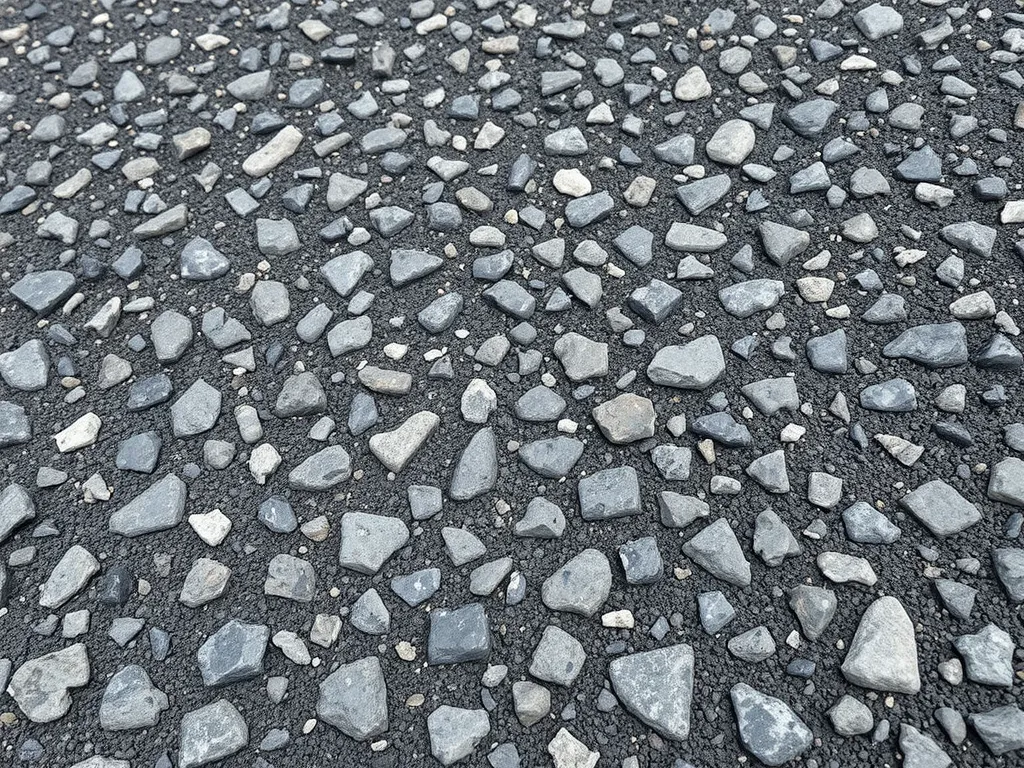
Proper installation of stone matrix asphalt in high traffic areas requires precision at every stage. From base preparation to final compaction, each step impacts performance under heavy loads.
Subgrade Preparation and Base Layer Best Practices
A stable foundation prevents premature failure in stone mastic asphalt (SMAs) pavements. Start with subgrade soil testing—California Bearing Ratio (CBR) values must exceed 8% for highways. Compact the subgrade to 95% maximum dry density using vibratory rollers. Install a 6-8 inch crushed stone base layer (gradation CA-6 or CA-7) with ≥ 98% compaction. For drainage, slope bases at 2% minimum to divert water from the SMA layer.
| Base Layer Component | Specification |
|---|---|
| Material | Crushed granite or recycled concrete aggregate |
| Thickness | 8-12 inches for highways |
| Density | ≥98% Proctor density |
Compaction Methods to Prevent Raveling and Ensure Density
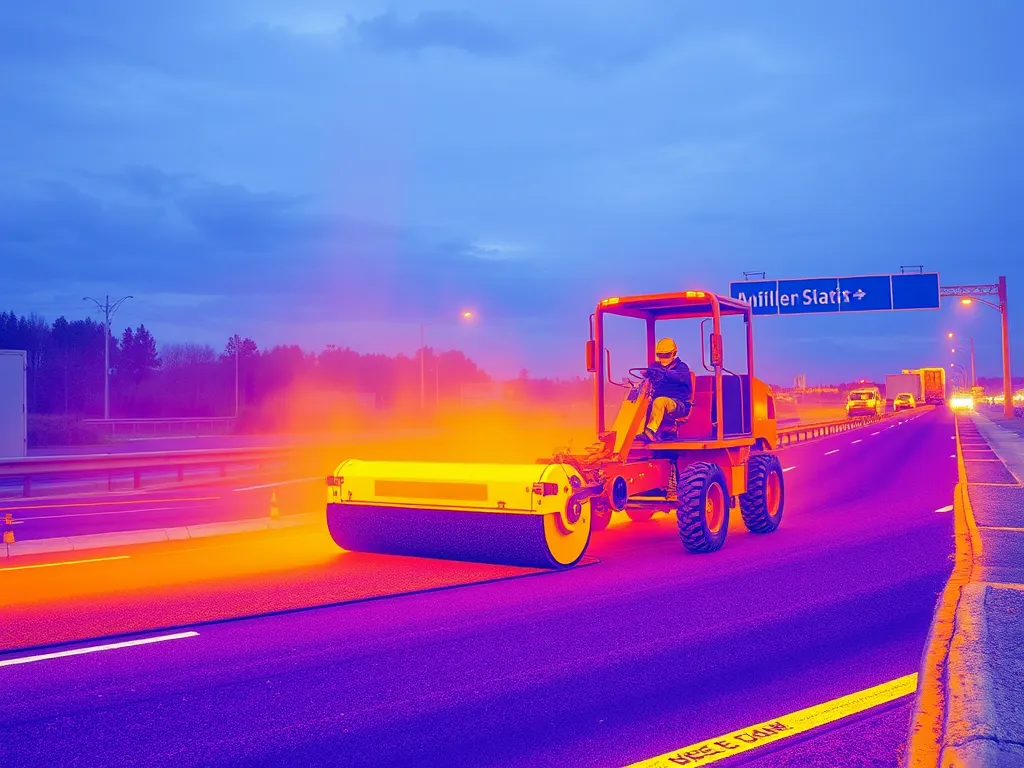
Stone matrix asphalt traffic surfaces demand 92-95% density to lock aggregates. Use two-stage compaction: Breakdown rolling begins at 280-320°F with 10-12 ton vibratory steel-wheel rollers (2 passes). Finish rolling at 220-250°F with pneumatic tire rollers (6-8 passes) achieves stone-on-stone contact. Avoid over-compaction—it squeezes binder upward, weakening the SMA mixture. Monitor voids with nuclear density gauges; target 3-4% air voids for optimal rut resistance.
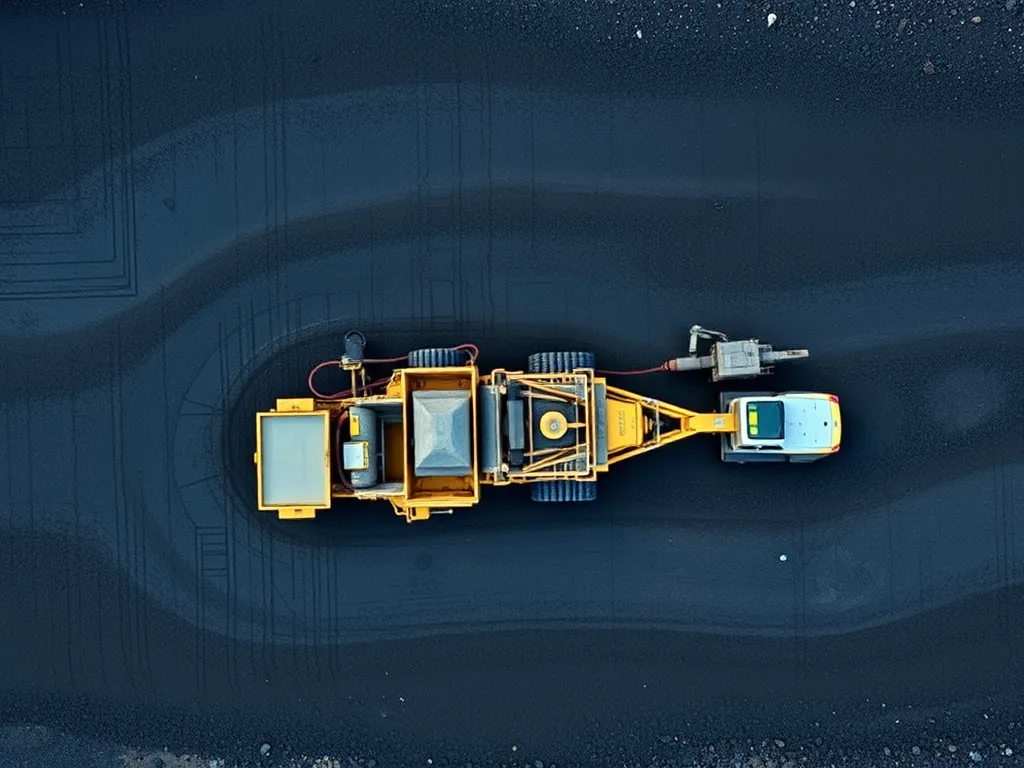
Critical Tools and Equipment for SMA Installation
Specialized machinery ensures stone matrix asphalt specifications are met:
- Material transfer vehicles (MTVs): Maintain mix temperature (290-330°F) and prevent segregation
- Paver screeds with variable frequency vibrators: Achieve initial 85-88% density
- Infrared thermography: Identify cold spots below 250°F that hinder bonding
Additives like cellulose fibers (0.3% by weight) require calibrated feeders to ensure uniform dispersion in the SMAs mixture.
Properly installed stone matrix asphalt highway surfaces handle 20,000+ daily ESALs (Equivalent Single Axle Loads). Up next: Where engineers deploy SMA for maximum impact in heavy traffic zones.
Common Applications Of SMA in High Traffic Environments
Stone matrix asphalt works best where roads face heavy use. Its strong build handles weight and wear better than standard mixes. Let’s look at where it’s used most.
Highways and Urban Roads With Heavy Vehicle Traffic
Highways with trucks and buses need tough surfaces. Stone matrix asphalt traffic mixes use 70-80% crushed stone for strength. PG 76-22 binder grades resist heat and cold swings. SMA lasts 30% longer than dense-graded asphalt under daily stress. Cities pick SMA for bus lanes and busy streets to cut repair stops.
Bridges, Interchanges, and Overpasses
Bridges need mixes that won’t crack under load shifts. SMA’s stone-on-stone grid locks in place, even with temp swings from -20°F to 120°F. Fiber stabilizers (like cellulose or polyester) stop binder drain-off on steep grades. Over 60% of U.S. states now use smas asphalt on bridge decks for better grip and less ice risk.
Airport Runways and Industrial Parking Facilities
Planes and forklifts demand flat, rut-proof surfaces. SMA specs call for 1.5-2 inch layers on runways, tested to FAA P-401 standards. Steel slag aggregates boost skid scores by 15% vs. limestone. Sites like ports use SMA for lots handling 18-wheelers – it bears 10,000+ axle loads with minimal wear over 15 years.
Next, let’s weigh SMA’s limits in high-traffic zones – from cost gaps to upkeep needs.

Limitations Of Stone Matrix Asphalt in High Traffic Use
While stone matrix asphalt high traffic applications boast strong performance, certain limitations demand attention. Project planners must weigh these factors against site-specific needs.
Permeability Challenges and Drainage Considerations
Stone matrix asphalt’s tight stone-on-stone structure limits water flow. With voids typically below 4%, SMA surfaces struggle to drain rainfall quickly. This can increase hydroplaning risks on highways during storms. Proper slope design (1.5-2% cross-slope) and subsurface drainage systems become critical for high traffic stone matrix asphalt installations. Some agencies pair SMA with porous base layers or slot drains to offset low permeability.
Aging Performance and Maintenance Requirements
Bitumen in SMA stiffens over time due to UV exposure and heavy truck loads. While SMA lasts 15-20 years—40% longer than conventional mixes—surface raveling can start after 12-15 years without upkeep. High traffic stone matrix asphalt roads need crack sealing every 5-7 years. Agencies using PG 76-22 or polymer-modified binders report slower aging rates, cutting long-term repair costs by up to 18%.
Cost Analysis: SMA Vs. Conventional Asphalt Mixes
Initial costs for stone matrix asphalt traffic projects run 20-30% higher than traditional hot-mix asphalt. A ton of SMA averages $95-$125 versus $70-$90 for standard mixes. This gap stems from higher binder content (6-7% vs. 4-5%), premium aggregates, and stabilizers like cellulose fibers. Yet lifecycle costs favor SMA—its 40% longer service life slashes reconstruction budgets. For highways carrying 10,000+ vehicles daily, SMA’s 20-year net savings often exceed $8 per square yard.
Up next: How SMA production balances performance goals with resource limits and sustainability targets.
Environmental Considerations for SMA Production
Stone matrix asphalt high traffic projects demand eco-conscious strategies. Producers now integrate recycled materials and energy-saving methods to meet sustainability goals without sacrificing performance.
Recycled Materials in SMA Mix Design
Modern SMA mixes incorporate up to 30% reclaimed asphalt pavement (RAP). This reduces virgin aggregate and bitumen use while maintaining stone matrix asphalt traffic asphalt durability. Some mixes blend recycled asphalt shingles (RAS) to replace 5-7% of binder content. Benefits include:
- Diverting 1.2M tons of waste from landfills annually
- Lowering CO₂ emissions by 15-20% per ton of SMA
- Meeting stone matrix asphalt specs for highways with PG 76-22 binder grades
Research shows SMA with RAP performs equally in rut resistance (≤ 4mm under 10M ESALs) compared to virgin mixes.
Energy Efficiency During Manufacturing and Paving
Warm-mix asphalt (WMA) technologies cut SMA production temps by 50°F (250-275°F vs. traditional 300-325°F). This yields:
- 20-25% fuel savings in drum plants
- Reduced VOC emissions by 30-50%
- Faster paving: 1.5-2 miles/day vs. 1 mile with hot mix
Infrared thermography ensures consistent heat during placement. Lower temps also reduce aggregate oxidation, preserving stone asphalt mixture integrity under 18-wheeler loads.
Up next: While SMA offers environmental gains, its limitations in drainage and long-term costs require careful analysis for high traffic stone matrix asphalt projects.
Frequently Asked Questions (FAQs)
What Are the Advantages Of SMA in High Traffic Applications?
Stone Matrix Asphalt provides numerous advantages in high traffic applications, including enhanced load distribution, reduced noise levels, improved weather resistance, and extended service life compared to traditional asphalt mixtures. Its unique design helps it withstand heavy loads and minimize repair needs.
What Problems Are Associated With Stone Matrix Asphalt?
Some challenges associated with Stone Matrix Asphalt include its permeability challenges, which can lead to drainage issues, and the need for regular maintenance to prevent aging-related deterioration. Additionally, the initial cost of SMA is often higher than that of conventional asphalt mixes.
Does SMA Effectively Reduce Noise in High Traffic Areas?
Yes, SMA is designed to absorb sound, and studies show it can reduce tire-pavement noise by 3-5 decibels. Its open-graded structure and the use of textured aggregates contribute to its sound-dampening capabilities, making it an excellent choice for busy urban settings.
Where is SMA Most Commonly Used for High Traffic Surfaces?
Stone Matrix Asphalt is commonly used in various high traffic environments, including highways, bridges, airport runways, and urban roads with significant heavy vehicle traffic. Its durability and performance make it suitable for areas requiring strong, long-lasting pavement solutions.
Closing Thoughts
Stone Matrix Asphalt (SMA) stands out for high traffic applications due to its impressive durability and performance. Its unique composition allows it to withstand heavy loads, resist deformation, and remain stable under constant stress. The resistance to rutting and cracking ensures a longer lifespan for road surfaces, significantly reducing maintenance tasks.
Moreover, SMA excels in noise reduction, making it an ideal choice for urban and busy highway environments. The mix design allows for optimized load distribution, enhancing structural integrity and longevity. Incorporating recycled materials not only supports sustainability but also enhances the overall performance of the asphalt.
While there are challenges related to permeability and aging, the benefits of using SMA in high traffic scenarios often outweigh these limitations. By investing in this technology, municipalities and construction firms can improve road quality and safety for all users.
For more information on Stone Matrix Asphalt and other asphalt-related topics, check out Asphalt Calculator USA.
Additional Resources for You:
- The Asphalt Institute. (2007). MS-4: The Asphalt Handbook. Lexington, KY: Asphalt Institute.
- Stone matrix asphalt yields longer road life in Colorado | Equipment World
- Stone Matrix Asphalt – Pavement Interactive
- Stone Mastic Asphalt
- Stone Matrix Asphalt Indian Experiences