Bitumen Production: How Crude Oil Becomes Road Material
Published on: August 7, 2026 | Last Updated: April 14, 2025
Written By: George Voss
Bitumen production turns crude oil into a thick, sticky binder used in 90% of paved roads. Made by heating petroleum to 300-350°C in distillation towers, it’s the glue that holds asphalt together—unlike asphalt itself, which mixes bitumen with crushed rock or sand. Key steps include vacuum distillation to remove lighter oils, blending with polymers for extreme weather resistance, and meeting strict PG (Performance Grade) specs for road safety. Over 100 million tons get made yearly, with China, the US, and Russia topping production charts. Modern plants cut sulfur emissions by 50% using scrubbers and capture 85% of VOCs (volatile organic compounds).
This article walks through how refineries make bitumen road-ready. We’ll show vacuum distillation units at work, explain why crude oil prices swing costs by $30/ton, and compare methods like solvent de-asphalting. You’ll see how modifiers boost cold-weather performance, why storage tanks keep bitumen at 160°C, and how Canada’s oil sands reshape global supply chains. Safety gear for workers and emission rules round out the guide.
Introduction to Bitumen and Its Role in Asphalt
Bitumen acts as asphalt’s backbone, binding stone and sand into road surfaces. Found in 95% of paved roads globally, this thick hydrocarbon mix transforms loose aggregates into a solid mass. Its capacity to flow under heat while staying rigid at room conditions makes it ideal for handling traffic loads.
What is Bitumen?
Bitumen forms naturally or through crude oil refinement. Classified as a noncrystalline solid or viscous liquid, its dark color and sticky texture stem from complex hydrocarbon chains. With a typical density of 1.01-1.06 g/cm³, it stays pliable across temperatures from -20°C to 60°C.
Definition and Key Characteristics
Bitumen is a petroleum-based substance classified by viscosity and penetration grades. Key traits include waterproofing ability, adhesion strength, and resistance to oxidizing agents. Its chemical makeup—80-85% carbon, 10-15% hydrogen, plus sulfur, oxygen, and nitrogen—dictates performance in asphalt bitumen production. Refineries adjust properties like ductility and softening point to match road climate needs.
Bitumen vs. Asphalt: Clarifying Terminology
Bitumen is not asphalt. Asphalt mixes 5-7% bitumen with 93-95% aggregates like crushed rock. Think of bitumen as glue holding pavement together. While bitumen production focuses on hydrocarbon refining, asphalt plants combine it with minerals. Confusion arises because British English uses “bitumen” for road surfaces, but in technical contexts, distinctions matter.
Grasping this distinction lays groundwork for analyzing its industrial applications. Up next: how refineries turn crude into this vital binder.
Primary Uses Of Bitumen in Asphalt Applications
Bitumen serves as the backbone for countless infrastructure projects. Its unique properties make it irreplaceable in modern construction. Over 90% of global bitumen production feeds asphalt needs, with the rest powering industrial uses.
Road Construction and Pavement
Bitumen binds aggregates in asphalt mixes, creating flexible pavements that withstand temperature shifts from -20°F to 160°F. Engineers select grades like PG 64-22 (common in northern states) based on climate-specific viscosity needs. The material’s adhesion prevents aggregate displacement under 18,000-pound truck axles, while its ductility resists cracking during freeze-thaw cycles. Modified bitumen mixes now incorporate polymers like SBS to boost rutting resistance by 40% in high-traffic zones.
Waterproofing and Industrial Applications
Bitumen’s waterproof traits shine in roofing membranes that last 20+ years. Refineries alter production methods to create oxidized bitumen with higher softening points (220°F+) for industrial use. This variant seals pipelines, tank bases, and bridge joints. Modified bitumen sheets with fiberglass reinforcement dominate 68% of the commercial roofing market. In soundproofing, bitumen-based composites reduce noise by 25 decibels when applied to automotive panels.
These diverse applications stem directly from choices made during bitumen production. Let’s examine how refineries turn crude into tailored bitumen grades.
Bitumen Production Process: Step-by-step Breakdown
Overview Of Bitumen Manufacturing
Bitumen starts as a thick part of crude oil. Workers pull it out using heat and pressure. Over 80% comes from oil, but some forms occur in nature. These rare types surface in lakes or rock layers.
Raw Material Sources: Crude Oil and Alternatives
Most bitumen forms from heavy crude oil. Venezuela’s Orinoco Belt and Canada’s oil sands hold big reserves. Non-oil sources like lake bitumen (Trinidad’s Pitch Lake) make up less than 5% of global supply.
Primary Production Methods
Two main steps turn crude into base bitumen. Each method targets the right thickness for roads or roofs.
Crude Oil Distillation Process
Heat crude oil to 300°C in a tall tower. Lighter parts (gasoline, diesel) rise and gas off. The dense residue sinks—this becomes bitumen. One barrel of crude yields 2-4 gallons of bitumen.
Vacuum Distillation Method
Thicker oil needs extra work. Workers boil residue under low pressure. This cuts the needed heat to 350°C. The result? Bitumen with 40-50 penetration grade for roads.
Secondary Processing Techniques
Raw bitumen gets tweaked for exact uses. Factories adjust hardness, stickiness, and heat tolerance.
Bitumen Refining and Blending
Blenders mix soft and hard grades. Add-ons like crumb rubber or sulfur boost strength. Tests check viscosity (ASTM D4402) and flash point (min 230°C) for safety.
Modification for Asphalt Grade Specifications
Polymer bits (SBS or EVA) make roads last longer. PG binders (Performance Graded) handle -40°C to 76°C. A PG 64-22 mix works in hot summers and cold winters.
These steps shape bitumen for roads, roofs, and more. Next, we’ll explore how plants scale these methods for global demand.
Also See: Stone Matrix Asphalt Design Features
Bitumen Production Plant Operations
Modern facilities handling bitumen manufacturing require specialized equipment to transform crude oil into pavement-grade material. These plants operate under strict thermal controls, processing up to 5,000 barrels daily while meeting global specifications like PG 64-22 or PEN 60/70.
Key Components Of a Production Facility
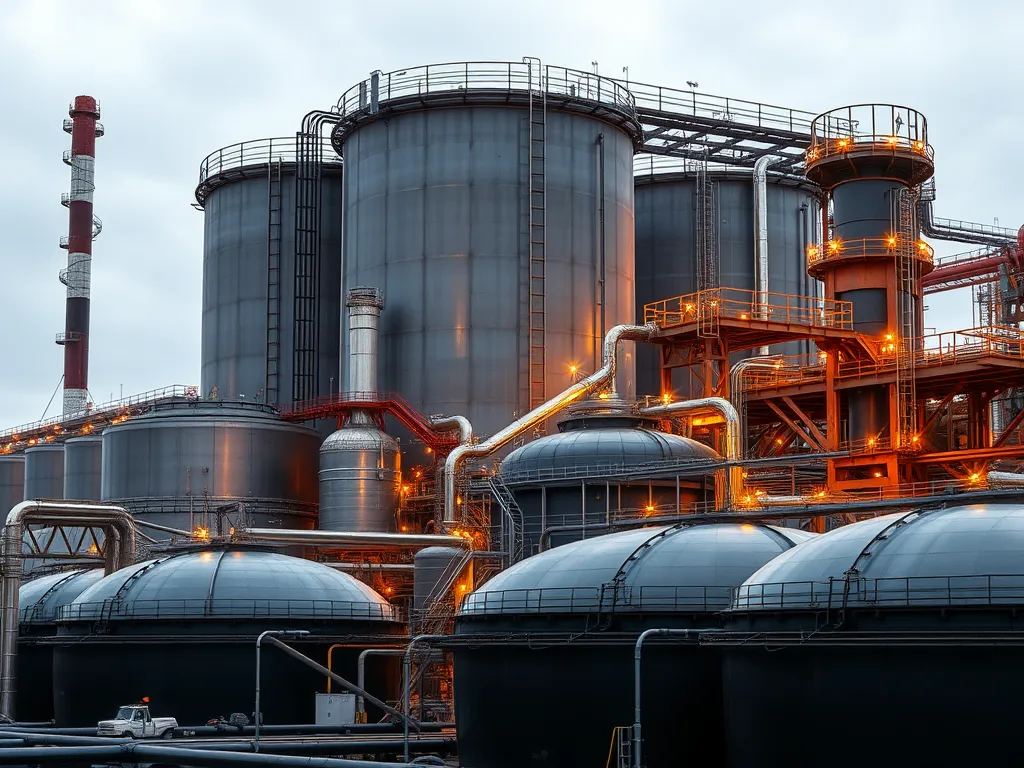
Core systems include storage tanks for crude feedstock, distillation towers for separation, and reactors for modifying viscosity. Blending units mix oxidized bitumen with polymers like SBS to achieve target elasticity. Emission scrubbers capture sulfur compounds, while 50,000-gallon silos store finished product at 150-160°C to maintain flow properties.
Bitumen Process Flow Diagram Explained
Standard flow paths split into three phases: feedstock prep, refining, stabilization. Sensors track temperatures within ±2°C during critical stages to prevent cracking. Closed-loop systems recycle 92-95% of process vapors, cutting volatile organic compound releases by 40% compared to older setups.
From Crude Oil Input to Final Product Storage
Heavy crude enters atmospheric distillation at 300-350°C, separating light fractions from residual. Vacuum distillation then processes this residue under 50-100 mmHg pressure, yielding 80-85% bitumen concentrate. Final blending adjusts penetration values between 40-300 dmm before pumping to insulated tanks. Rheology tests confirm compliance with AASHTO M 320 specs for rut resistance.
Efficient plant design enables production of 120-180 tons hourly, with energy use under 1.8 kWh per ton. These operational stages set the foundation for advanced processing methods covered next.
Bitumen Processing Methods and Technologies
Modern bitumen production relies on advanced techniques to meet precise performance specs. These methods determine viscosity, thermal stability, and bonding strength critical for asphalt mixes.
Thermal Cracking and Solvent De-asphalting
Thermal cracking breaks down heavy crude fractions under temperatures exceeding 400°C. This process converts residual oils into usable bitumen with controlled penetration values (typically 40-300 dmm). Solvent de-asphalting uses propane or butane to separate maltenes from asphaltenes, boosting yield by 15-20%. Both methods optimize feedstocks for varied climates—softer grades for cold regions, harder ones for high-traffic zones.
Pressure Aging Vessel (PAV) Applications
PAV testing simulates 5-10 years of field aging within 20 hours. Samples undergo 100°C heat under 2.07 MPa pressure to measure oxidative hardening. Results guide polymer modification ratios—like adding 3-5% SBS elastomers—ensuring PG grades (e.g., PG 64-22) resist rutting at 64°C or cracking at -22°C. This step directly links lab data to pavement lifespan predictions.
Quality Control in Bitumen Synthesis
Rigorous testing occurs at every phase:
| Test | Method | Spec Range |
|---|---|---|
| Penetration @25°C | ASTM D5 | 60-70 dmm |
| Softening Point | ASTM D36 | 46-54°C |
| Ductility @25°C | ASTM D113 | 100+ cm |
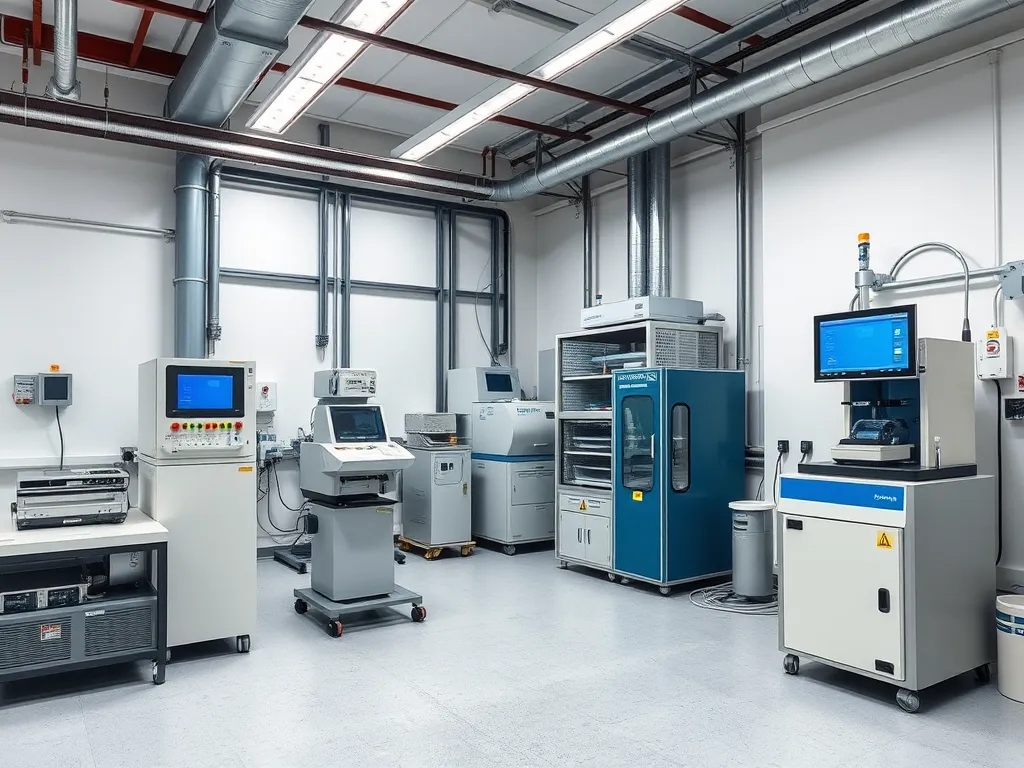
Infrared spectroscopy detects oxidation levels, while dynamic shear rheometers (DSR) verify elastic recovery in modified binders. Facilities must maintain ±2°C temp control during storage to prevent premature hardening.
Processing efficiency directly ties to material costs—next, we’ll explore how refining choices impact pricing per metric ton.
Cost Factors in Bitumen Manufacturing
Bitumen production costs swing based on material choices, energy demands, and refining intensity. These variables directly influence asphalt pricing for road projects and industrial uses.
Raw Material and Energy Input Costs
Crude oil accounts for 60-75% of total bitumen manufacturing expenses. Heavy, high-sulfur crudes like Venezuela’s Merey or Canada’s oil sands yield more bitumen but require extra processing. Prices fluctuate with global markets—a $10/barrel crude spike can raise bitumen costs by $25-$40 per metric ton. Energy-intensive distillation processes demand temperatures exceeding 300°C (572°F), adding $8-$15 per ton in fuel costs. Facilities using heat exchangers or waste heat recovery cut energy use by 12-18%.
- Heavy crude prices: $45-$65/barrel (2024 average)
- Natural gas costs for heating: $0.25-$0.40 per cubic meter
- Alternative sources (recycled asphalt, bio-bitumen) reduce raw material costs by up to 30%
Impact Of Refining Complexity on Pricing
Not all bitumen production methods cost the same. Vacuum distillation—the most common asphalt bitumen production process—adds $15-$30/ton versus basic atmospheric distillation. Modifications like polymer-blended grades for high-traffic roads escalate costs further:
- Penetration-grade bitumen: $320-$400/ton
- Polymer-modified bitumen (PMB): $550-$720/ton
- Crude-to-bitumen conversion rates affect margins—38% yield vs. 22% for lighter crudes
Secondary processing steps in the bitumen refining process, like air blowing or adding anti-strip agents, tack on $20-$45/ton. Facilities using Pressure Aging Vessels (PAVs) to simulate long-term durability spend 5-9% more on testing infrastructure.
These cost variables set the stage for examining bitumen’s molecular makeup—a key determinant of both performance and production economics.
Chemical Composition Of Bitumen
Bitumen’s performance in asphalt depends on its molecular makeup. This sticky black substance contains 80-85% carbon, 10-12% hydrogen, and up to 5% sulfur, nitrogen, and trace metals. These elements form complex hydrocarbons that dictate viscosity, adhesion, and temperature resistance during bitumen manufacturing.
Hydrocarbon Structure and Molecular Composition
Bitumen isn’t a single compound but a mix of high-molecular-weight hydrocarbons. Three primary components drive its behavior:
- Asphaltenes (15-25%): Rigid molecules giving rigidity
- Resins (18-30%): Sticky compounds enhancing adhesion
- Maltenes (55-70%): Oily fractions controlling flow properties
Production methods like vacuum distillation adjust these ratios. For paving-grade bitumen, refineries target 18-22% asphaltenes to balance stiffness and flexibility.
Understanding Bitumen’s Chemical Formula
While no single formula exists, bitumen’s hydrocarbons range from C5H12 (pentane) to C150+H200+ structures. During the bitumen refining process, heavy crude fractions yield molecules averaging 40-70 carbon atoms. Advanced testing like SARA analysis (Saturates, Aromatics, Resins, Asphaltenes) ensures batches meet PG binder specs for asphalt production.
The interplay between molecular weight and processing temperatures directly affects paving performance. Lower carbon chains (
Next, we’ll examine how these chemical traits influence emissions and sustainability in bitumen production.
Environmental Considerations in Bitumen Production
Bitumen production faces strict rules to cut harm to air, land, and water. Plants now use new tech and methods to meet global eco-standards while making top-grade asphalt binder.
Emissions Management and Mitigation
Bitumen making releases fumes and bits during heating. Modern plants trap these using closed-loop systems and real-time air checks. Filters catch 99% of particles over 10 microns before release.
Handling Volatile Organic Compounds (VOCs)
VOCs—light carbon chains that evaporate at high heat—are caught using three steps:
- Condenser tubes cool gases to -40°F, turning vapors to liquid
- Scrubbers spray solvents to dissolve leftover VOCs
- Thermal oxidizers burn traces at 1,500°F, hitting 95%+ cleanup rates
The EPA limits VOC leaks to 0.5% per ton of made bitumen. Sensors flag leaks fast for fixes.
Sustainable Practices in Refining
Bitumen plants now blend recycled asphalt (RAP) into new mixes, cutting virgin crude use by 30%. Other green steps:
- Bio-binders from farm waste replace 15-20% of oil-based bitumen
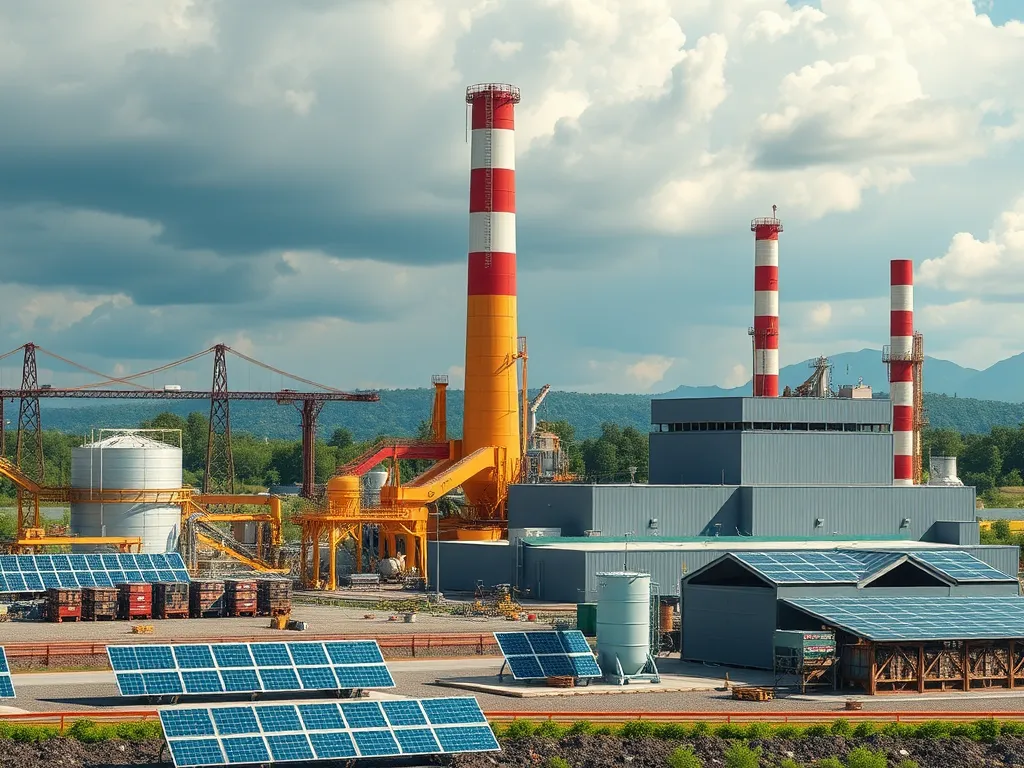
- Solar heat pre-warms crude, slashing furnace fuel burn by 18%
- Water loops reuse 80% of plant coolant, saving 2M gallons yearly per site
New “blue bitumen” tech captures CO2 from stacks, stores it deep underground. Trials cut plant carbon marks by 40%.
As rules tighten, plants blend smart tech with recycled goods to keep roads green. Next, we’ll break down the gear that keeps bitumen workers safe on site.
Safety Protocols in Bitumen Manufacturing
Bitumen production plants face high heat, fumes, and fire risks. Strict safety plans cut harm to workers and keep output steady. Key steps span gear for staff, safe storage rules, and spill controls.
Worker Protection Measures
Staff in asphalt bitumen production wear heat-proof suits, gloves, and face shields. Respirators filter fumes with sulfur and VOCs. Plants set air checks to track vapor levels under OSHA’s 5mg/m³ limit. Firms run drills for spill response and first aid for burns. New hires get 40+ hours on gear use, hazard signs, and emergency exits.
Proper Storage and Handling Procedures
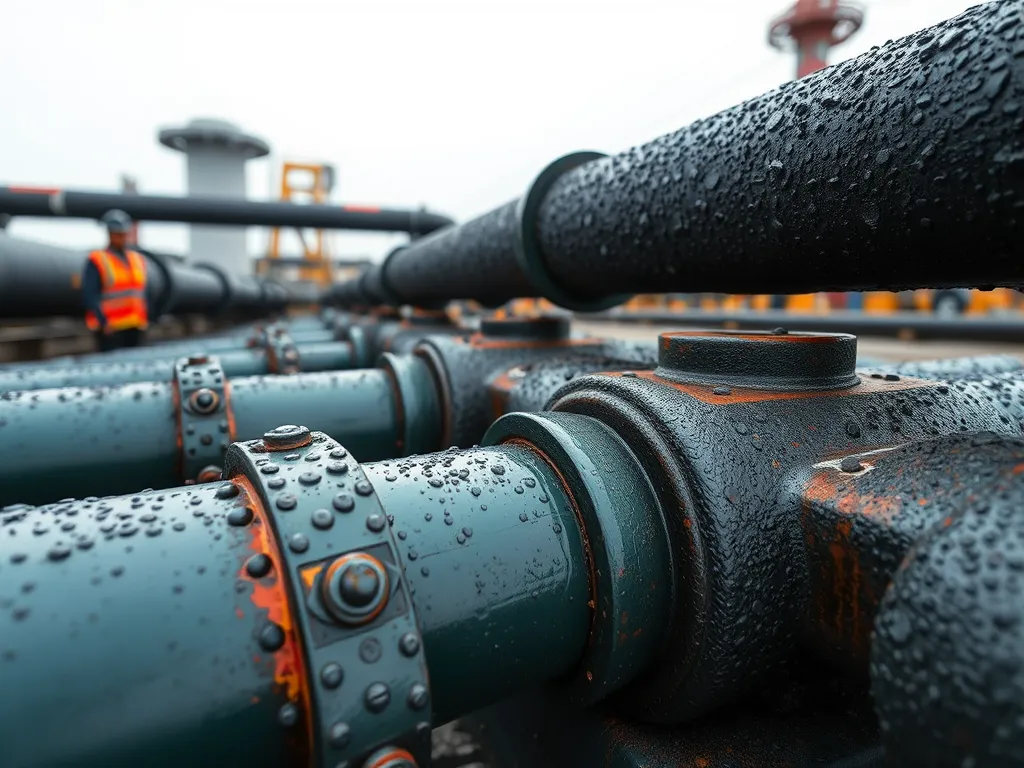
Hot bitumen sits in tanks kept at 150-180°C to stop solid clogs. Tanks have vents to ease pressure and stop leaks. Pumps move bitumen through steel pipes wrapped in heat tape. Tanker trucks load with care, using sealed valves and heat coils to hold 140°C during trips. Sites store bitumen away from sparks, as its fire point hits 205-250°C. Spill kits with sand and foam stand ready near storage zones.
With these steps in place, bitumen output meets both safety goals and road build specs. Up next: How global bitumen stats link to asphalt demand in key markets.
Global Bitumen Production Statistics
Global bitumen production exceeds 110 million metric tons annually, driven by infrastructure needs. Road construction absorbs 85% of output, with roofing and industrial uses claiming the rest. China, the U.S., and India lead output, but refining capabilities vary widely by region.
Regional Production Capacities
Six regions dominate asphalt-grade bitumen manufacturing:
- Asia-Pacific: Produces 45% of global supply. China’s refineries generate 16.8 million tons yearly, supporting its Belt and Road projects
- North America: U.S. facilities yield 28 million tons annually, prioritizing PG 64-22 binder grades for temperature-resistant pavements
- Middle East: Iran and Saudi Arabia export 12 million tons yearly, leveraging heavy crude reserves
- Europe: Germany and Russia focus on polymer-modified bitumen for high-stress roads
Market Demand Linked to Asphalt Industry
The asphalt sector’s 4.2% yearly growth directly fuels bitumen needs. Key drivers include:
- Highway expansions requiring 2.3 tons of bitumen per lane-mile
- Recycling mandates pushing demand for 30-50% RAP mixes
- Smart roads integrating conductive asphalt with specialty binders
India’s National Highways Authority alone will need 9 million tons by 2025 for ongoing projects. Emerging markets now adopt warm-mix asphalt technologies, cutting production temps by 54°F and reducing energy use.
Up next: We’ll unpack the chemical foundations that make bitumen ideal for paving and industrial uses.
Frequently Asked Questions (FAQ)
How is Bitumen Produced From Crude Oil?
Bitumen is produced by heating crude oil to separate its various components through distillation. This process typically involves both atmospheric and vacuum distillation methods to obtain the dense residues rich in hydrocarbons, which become bitumen. Once separated, additional refining techniques are applied to achieve the desired properties for various applications, including asphalt production.
What Determines Bitumen Quality for Asphalt?
Bitumen quality is determined by its physical and chemical properties, including penetration, softening point, ductility, and viscosity. These characteristics influence how well the bitumen will perform in different environmental conditions. Testing methods like the ASTM standards help ensure that the bitumen meets specific grading requirements to withstand traffic loads and temperature variations.
How Do Production Methods Affect Final Product Properties?
The methods used to produce bitumen, such as distillation processes, thermal cracking, and solvent extraction, significantly affect its properties. For example, the temperature and pressure conditions during distillation can influence the viscosity and softening point of the bitumen, ultimately impacting its performance in asphalt applications. Modification techniques, such as polymer blending, can also enhance the material’s resistance to aging and deformation.
What Are the Key Cost Drivers in Bitumen Manufacturing?
The principal cost drivers in bitumen manufacturing include the price of raw materials (mainly crude oil), energy consumption during the refining process, and the complexity of production methods. Fluctuations in crude oil prices can lead to significant variations in bitumen costs. Moreover, the sophistication of the refining process, such as the use of advanced technologies like vacuum distillation and polymer modifications, also contributes to overall production expenses.
Closing Thoughts
Bitumen production is a complex yet vital process in the asphalt industry. From the crude oil distillation to quality control measures, each step plays a crucial role in ensuring the performance and durability of asphalt applications. As the demand for high-quality road infrastructure continues to grow, understanding the intricacies of bitumen manufacturing becomes increasingly important.
Environmental considerations, including emissions management and sustainable refining practices, highlight the industry’s commitment to reducing ecological impact. Safety protocols safeguard workers while maintaining efficiency in production processes.
For further insights into bitumen production and related topics, be sure to visit Asphalt Calculator USA. Stay informed and engaged with the latest advancements in asphalt technology.
Additional Resources for You:
- Kett, I. (1999). Asphalt Materials and Mix Design Manual. Oxford: Elsevier Science.
- Bitumen Production Process – Nuroil Trading
- Bitumen production | Bitumen production process | asphalt production process | bitumen production | asphalt producti
- Bitumen Production – Bitumen Manufacturing Process in Details
- Bitumen – Wikipedia