Warm Mix Asphalt Technology: Paving the Way to Efficient Road Construction
Published on: November 6, 2026 | Last Updated: April 14, 2025
Written By: George Voss
Warm mix asphalt (WMA) technology produces paving materials at 20-40°F lower temperatures than traditional hot mix asphalt (HMA). This method uses additives like organic waxes, chemical surfactants, or foaming processes to create durable roads while cutting energy use by up to 35%. Contractors gain extended paving seasons, and projects emit 30% fewer greenhouse gases compared to HMA. Costs drop 15-20% due to reduced fuel consumption and faster construction times.
This article examines WMA’s production methods, temperature ranges, and industry standards. Learn how chemical additives improve binder performance and why foaming techniques reduce emissions. Compare WMA’s durability against HMA in heavy traffic areas and explore recycling potential for sustainable projects.
What is Warm Mix Asphalt?
Warm mix asphalt (WMA) represents a shift in road construction practices. This innovation lowers production temperatures while maintaining performance. Used globally since the 2000s, it now accounts for nearly 40% of U.S. asphalt pavements.
Definition and Core Components Of Warm Mix Asphalt
Warm mix asphalt refers to mixtures produced at 212°F–284°F, roughly 50°F–100°F cooler than traditional hot mix. Three elements define its composition:
- Aggregates: Crushed stone, sand, or gravel (90%-95% by weight)
- Bitumen: PG-graded binder (5%-10%) that binds aggregates
- Additives: Waxes, surfactants, or foaming agents enabling lower-temperature mixing
Techniques like foaming inject water into heated bitumen, creating expansion for better coating. Chemical additives modify surface tension, while organic options lower viscosity temporarily.
Primary Applications in Asphalt Pavement Construction
Warm mix asphalt technologies excel in scenarios requiring flexibility or emission control:
- Urban paving: Reduced fumes benefit schools, hospitals, or tunnels
- Long-distance hauling: Extended workability prevents premature cooling
- Cold-weather projects: Allows paving below 50°F with proper mix design
- Thick lifts: Suited for deep pavement layers due to extended compaction window
State DOTs frequently specify warm mix methods for highway overlays. Contractors report 20% faster project completion versus hot mix in temperature-sensitive zones.
With core concepts established, let’s examine how warm mix stacks up against conventional hot mix methods.
Warm Mix Asphalt Vs. Hot Mix Asphalt
While both warm mix asphalt (WMA) and hot mix asphalt (HMA) create durable pavements, their production methods and environmental impacts differ significantly. These differences affect everything from installation timelines to long-term infrastructure costs.
Key Differences in Production Temperatures
WMA technologies slash production temperatures by 50°F to 100°F compared to HMA. Traditional HMA requires heating to 300°F–350°F to coat aggregates with asphalt binder. WMA methods like foaming or chemical additives allow mixing at 212°F–275°F. This temperature asphalt reduction preserves binder quality while cutting energy use by 20%–35% per ton.
Performance and Durability Comparisons
Studies by the National Asphalt Pavement Association (NAPA) show warm mix asphalt pavements match HMA in rut resistance, fatigue life, and moisture susceptibility. A 2020 FHWA report found WMA roads had 8%–12% fewer cracks after five years compared to HMA counterparts. Proper compaction remains critical—contractors achieve 92%–96% density with WMA using standard rollers.
Emission and Energy Consumption Reductions
Lower temperatures directly reduce greenhouse gases. WMA asphalt production emits 15%–30% less CO2 and cuts nitrogen oxides (NOx) by 20%–50%. A typical 100,000-ton project using warm mix technology saves 45,000 gallons of diesel fuel. Worker exposure to harmful fumes drops by 65%–80%, per OSHA field measurements.
These environmental and operational efficiencies set the stage for exploring WMA’s advantages in diverse construction scenarios. Next, we’ll break down how lower heat requirements translate to cost savings and extended paving seasons.
Advantages Of Warm Mix Asphalt Technology
Warm mix asphalt technology delivers game-changing benefits for road construction. These methods cut costs, expand project timelines, and align with environmental goals while maintaining pavement performance.
Lower Production Temperatures and Energy Savings
Warm mix asphalt techniques slash production temperatures by 30–120°F compared to traditional hot mix. While hot mix requires 300–350°F, WMA is produced at 275°F or lower. This reduces fuel consumption by 20–35%, saving $1.50–$3 per ton. Lower heat also decreases CO₂ emissions by 15–30%, meeting stricter air quality regulations like the Clean Air Act.
Enhanced Paving Flexibility in Cooler Conditions
WMA can be placed at ambient temperatures as low as 40°F, versus 50°F for hot mix. This extends paving seasons by 2–4 weeks in northern states like Michigan or Minnesota. Contractors gain flexibility to work during cooler mornings or late fall, reducing rush-hour traffic disruptions. The reduced risk of thermal cracking ensures longer-lasting warm mix asphalt pavements.
Improved Worker Safety and Reduced Fume Exposure
Lower temperatures cut fume emissions by 50–70%, lowering exposure to volatile organic compounds (VOCs) and particulate matter. Workers report fewer respiratory issues and eye irritation, aligning with NIOSH safety standards. Sites using warm mix technology often see reduced need for respirators, streamlining operations during 10-hour shifts.
While warm mix asphalt technology provides clear benefits, it’s critical to examine scenarios where limitations might arise.
Also See: Bitumen in Highway Construction: Benefits & Uses
Disadvantages Of Warm Mix Asphalt Technology
While warm mix asphalt (WMA) offers significant environmental and operational benefits, it’s not without limitations. Contractors and engineers must weigh these challenges against project requirements.
Potential Challenges in Mix Design Consistency
Lower production temperatures—typically 50°F to 100°F cooler than hot mix asphalt (HMA)—impact binder-aggregate interactions. WMA additives like synthetic zeolites, organic waxes, or chemical surfactants require precise dosing to maintain PG binder performance. A 2021 NCHRP study found improper additive ratios can reduce rut resistance by up to 15% in warm mix asphalt pavements. Mix designs must align with Superpave specifications, demanding rigorous quality control during batching.
Seasonal temperature shifts further complicate mix consistency. Warm asphalt mix produced in humid climates may retain 0.5%–1.5% more moisture, risking stripping under heavy traffic. Labs often conduct modified Lottman tests (AASHTO T 283) to verify moisture susceptibility—a step not always required for HMA.
Limited Track Record in Heavy-duty Applications
Warm mix technology excels in residential roads and parking lots but faces scrutiny in high-stress environments. The Federal Highway Administration reports only 12% of interstate highway projects used WMA asphalt for full-depth paving as of 2023. Concerns linger about long-term durability under 50,000+ daily ESALs (equivalent single-axle loads).
Airport runways and port terminals pose additional hurdles. Warm mix asphalt methods must withstand extreme thermal gradients (-40°F to 150°F) and prolonged static loads. While early projects like Dallas/FortҺ International Airport’s 2018 taxiway retrofit show promise, most agencies require 10+ years of performance data before approving WMA for critical infrastructure.
These challenges highlight the need for tailored warm asphalt mix designs—a process blending material science with real-world validation. Next, we’ll break down the engineering principles that make warm mix asphalt technology work.

How Warm Mix Asphalt Works
Warm mix asphalt technology relies on precise temperature control and specialized additives to create durable pavements at reduced heat levels. These innovations allow crews to work faster while cutting energy use by up to 35% compared to traditional methods.
Temperature Range for Warm Mix Asphalt Production
Warm mix asphalt production occurs at 212°F–275°F, significantly cooler than hot mix asphalt’s 300°F–350°F range. Lower temperatures reduce fuel consumption by 20–40% during mixing and laydown. This range also extends paving seasons, allowing work in colder weather without compromising compaction.
Critical Additives in Warm Mix Asphalt Methods
Three primary additive categories enable warm mix asphalt’s performance. Each modifies bitumen properties to improve workability at reduced temperatures.
Organic Additives (e.g., Waxes)
Waxes like Sasobit lower bitumen viscosity when heated. At 185°F, they create a lubricating effect, improving aggregate coating. These additives boost mix stability and allow compaction at temperatures 54°F cooler than standard hot mix.
Chemical Additives (e.g., Surfactants)
Surfactants such as Evotherm form a water-based emulsion that reduces friction between particles. This lets crews achieve proper density at 50°F ambient temperatures. Mixes with surfactants often show better resistance to cracking due to enhanced binder-aggregate adhesion.
Foaming Techniques for Binder Expansion
Foaming injects 1–3% water into heated bitumen, creating a 5–10x volume increase. The expanded binder coats aggregates more effectively at 230°F–260°F. Methods like Astec Double Barrel Green systems can cut plant emissions by 60% using this approach.
While additives play a key role, production methods determine how these components interact during mixing. The next section examines specific techniques used in warm mix asphalt plants.
Warm Mix Asphalt Production Methods
Warm mix asphalt (WMA) production uses specialized techniques to lower mixing temperatures by 50–100°F compared to traditional hot mix asphalt. Three primary methods dominate the industry, each targeting binder viscosity reduction through unique approaches.
Foaming Technology for Temperature Reduction
Foaming technology injects small amounts of water (1–3% by weight) into hot asphalt binder at 280–320°F. This creates a steam explosion, expanding the binder volume by 5–10 times. The expanded “foamed” asphalt coats aggregates more effectively at 230–275°F. Plants using this method reduce fuel consumption by 20–35% and cut CO₂ emissions by 30% per ton. Common systems include Astec Double Barrel Green and Terex AquaBlack.
Chemical Additive Integration Processes
Chemical additives like surfactants or emulsifiers modify the binder’s surface tension. Products such as Evotherm DAT or Rediset WMX enable full aggregate coating at 250–300°F. Dosages range from 0.5–2% by binder weight. These additives improve workability for extended haul distances (up to 2 hours) and enhance moisture resistance in pavements. Over 15% of U.S. WMA projects now use chemical additives for high-traffic corridors.
Organic Additive Application Techniques
Organic additives like Fischer-Tropsch waxes (Sasobit) or fatty acid amides (Licomont BS 100) melt at 185–230°F, reducing binder viscosity. Added at 1–3% by weight, they allow compaction at temperatures as low as 175°F. Sasobit-modified mixes show 12–15% higher stiffness modulus in PG 64-22 binders. These additives extend paving seasons into cooler months (40°F ambient temperatures) while maintaining 98% density targets.
These production methods must align with ASTM D6372 and AASHTO R 35 specifications. Next, we examine how quality standards ensure performance across warm mix asphalt technologies.
Warm Mix Asphalt Specifications
Meeting precise specifications ensures warm mix asphalt pavements perform under traffic loads while maintaining environmental benefits. Rigorous standards govern production, placement, and testing of these materials.
Industry Standards and Compliance Requirements
Warm mix asphalt technologies must align with guidelines from bodies like AASHTO, ASTM, and state DOTs. Key standards include:
- AASHTO M 323 for mix design
- ASTM D3666 for quality control
- EPA emission thresholds (e.g., ≤0.25 lbs CO2/ton)
PG binders (performance-graded binders) in warm mix methods must retain viscosity below 275°F. Compliance checks verify reduced production temps (230-325°F vs. 300-350°F for hot mix) while meeting density targets of 92-96%.
Quality Assurance Testing Protocols
Three-stage testing validates warm mix asphalt construction integrity:
| Test Type | Method | Target Metric |
|---|---|---|
| Volumetric Analysis | AASHTO T 312 | 3-5% air voids |
| Moisture Resistance | AASHTO T 283 | ≥80% tensile strength ratio |
| Rutting Potential | Asphalt Pavement Analyzer | ≤5mm deformation |
Field tests use nuclear density gauges or infrared thermography to monitor compaction uniformity. WMA additives like surfactants or waxes require extra checks for coating efficiency via ignition furnace analysis.
Meeting these specs ensures warm mix tech delivers roads with 15-20 year lifespans. Next, let’s examine how upfront costs balance against long-term savings.
Cost Considerations for Warm Mix Asphalt Technology
Balancing upfront investments with lifecycle savings defines financial planning for warm mix asphalt projects. Contractors must evaluate both immediate expenses and multi-year returns when adopting this technology.
Initial Material and Equipment Costs
Warm mix asphalt techniques require additives or specialized equipment, increasing initial outlays. Organic waxes (like Sasobit) cost $3-$6 per ton, while chemical surfactants (Evotherm) range $6-$10 per ton. Foaming systems need $50,000-$200,000 retrofits for existing asphalt plants. Projects using warm mix asphalt pavements typically see 5-15% higher material costs compared to standard hot mix.
Long-term Operational Savings
Lower production temperatures (250-275°F vs 300-350°F for hot mix) cut fuel consumption by 20-35%. Extended haul distances—up to 75 miles without cooling—reduce trucking logistics. Fewer compaction passes (4-6 vs 8-10 for hot mix) lower equipment wear and labor hours. Lifecycle cost analyses show 10-30% maintenance savings over 20 years for warm mix asphalt pavements.
While cost factors shape project decisions, the environmental advantages of warm mix technology deliver equally compelling value.
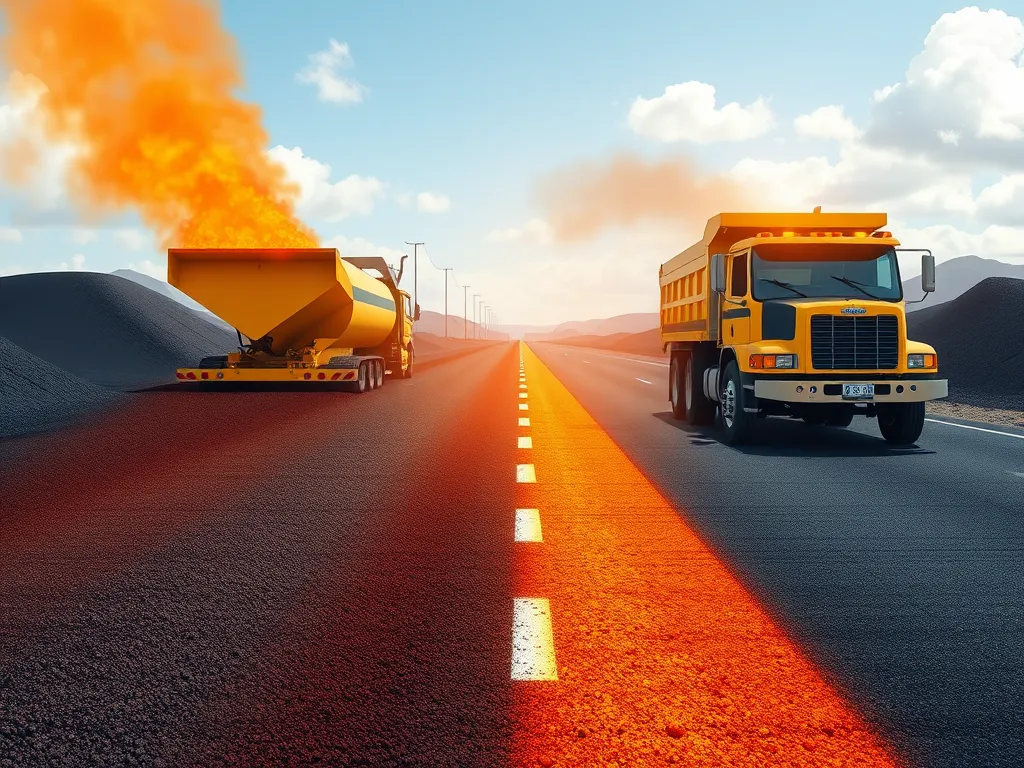
Environmental and Operational Benefits
Warm mix asphalt technology transforms road construction through measurable ecological and economic gains. Production at lower temperatures drives both emission cuts and fuel savings.
Reduction in Greenhouse Gas Emissions
Warm mix asphalt slashes CO2 output by 15-30% compared to hot mix methods. Lower heating temperatures (typically 230°F–300°F) reduce fossil fuel combustion in asphalt plants. A 2021 National Asphalt Pavement Association study found widespread WMA adoption could cut annual CO2 emissions by 50,000 tons in medium-sized states. Chemical additives like Evotherm and foaming techniques further minimize hydrocarbon releases during mixing.
| Mix Type | Production Temp (°F) | CO2 Emissions (lbs/ton) |
|---|---|---|
| Hot Mix Asphalt | 280–350 | 22–30 |
| Warm Mix Asphalt | 230–300 | 15–21 |
Lower Fuel Consumption During Production
Every 18°F drop in mix temperature reduces plant fuel use by 12%. WMA production at 250°F consumes 20-35% less diesel or natural gas than standard HMA batches. For a plant producing 200,000 tons annually, this equals 40,000–70,000 gallons in yearly fuel savings. Foaming technology – injecting water into bitumen to expand binder volume – allows lower temps without compromising pavement density or longevity.
The benefits of warm mix asphalt technologies extend beyond environmental metrics. Contractors report extended haul distances and faster project completion due to improved workability. Let’s examine how these innovations perform under real-world conditions in our next segment.
Frequently Asked Questions (FAQ)
How Does Warm Mix Asphalt Compare to Cold Mix Alternatives?
Warm mix asphalt (WMA) differs significantly from cold mix asphalt in terms of production techniques and performance. While cold mix is typically used for temporary repairs and is often applied at ambient temperatures without heating, WMA is produced at elevated temperatures (between 212°F and 284°F) with additives that enable lower production temperatures than hot mix asphalt. Consequently, WMA offers better durability and performance compared to cold mix, making it more suitable for long-term applications.
Can Warm Mix Asphalt Be Recycled Effectively?
Yes, warm mix asphalt is recyclable and can comfortably be reused in new asphalt mixtures. Similar to traditional hot mix asphalt, WMA can be incorporated into reclaimed asphalt pavement (RAP) systems. The use of additives and lower production temperatures can enhance the recycling process, helping preserve quality while maintaining the benefits of reduced emissions and energy consumption. Studies indicate that using reclaimed materials in WMA contributes to sustainable practices within the asphalt industry.
Closing Thoughts
Warm Mix Asphalt Technology represents a significant advancement in the field of pavement construction. By lowering production temperatures, it not only conserves energy but also enhances worker safety and paving flexibility. These benefits come together to create a more sustainable approach to asphalt use.
While there are some challenges, such as mix design consistency and a limited history in heavy-duty applications, the potential for reduced emissions and cost savings makes warm mix asphalt an appealing choice for many projects. Its ongoing adoption indicates a promising future for infrastructure development.
For more information on asphalt technology and calculators to assist with your projects, visit Asphalt Calculator USA.
Useful References for You:
- The Asphalt Institute (Technical Resources & Standards)
- Development and improvement of warm-mix asphalt technology
- Warm-Mix Asphalt – National Asphalt Pavement Association
- Warm Mix Asphalt Technologies and Research – WMA – Sustainability – Pavements – Federal Highway Administration
- Warm Mix Asphalt – EAPA