
Asphalt Refining: Processes, Equipment, and Applications
Published on: August 5, 2026 | Last Updated: April 14, 2025
Written By: George Voss
Asphalt refining turns crude oil into bitumen, the thick binder used in roads and roofs. Unlike gasoline refining, which extracts lighter fuels like diesel, this process focuses on heavy petroleum residues. Refineries use atmospheric distillation to boil crude oil at 300-350°C, separating bitumen from lighter components. Vacuum distillation then heats leftovers at lower pressures to avoid cracking. Hydroprocessing adds hydrogen to remove sulfur, boosting durability. The result binds 90% of U.S. pavements and seals 75% of commercial roofs.
This article explains how refineries make asphalt step-by-step. You’ll see how distillation columns and reactors work. Learn why solvent deasphalting creates high-grade pavement mixes. Discover how new tech like catalytic hydrocracking cuts energy use by 20%. We’ll also break down environmental rules pushing refineries to slash CO₂ emissions by 2030.
What is Asphalt Refining?
Asphalt refining transforms crude oil into specialized bitumen products for construction. This operation occurs within petroleum refineries, isolating heavy hydrocarbons through precise separation and treatment steps. The output forms the backbone of road surfaces, roofing materials, and waterproofing systems.
Definition and Core Principles
Asphalt refining extracts bitumen—a sticky, viscous binder—from crude oil. The process relies on fractional distillation, separating crude into components based on boiling points. Core principles include temperature control, pressure management, and material purity. Advanced plants use PG (Performance-Graded) specifications to meet road durability standards set by programs like Superpave, which optimizes pavement mixes for specific climates.
Key Objectives Of Asphalt Refining Operations
Refineries target three goals: yield optimization, performance enhancement, and emission reduction. High-quality output requires precise penetration grades (40-50 dmm) and viscosity levels (3,000-5,000 Poise at 60°C). Modern plants integrate rheology modifiers to improve thermal cracking resistance at -20°F. Environmental mandates drive sulfur content below 0.5%, cutting sulfur oxide emissions by 40% compared to legacy methods.
Next, let’s break down the specific steps and technologies that make these objectives achievable.
Asphalt Refining Processes and Methods
Turning crude oil into high-quality asphalt requires distinct physical and chemical steps. Each asphalt refining process tailors bitumen properties to match paving, roofing, or industrial needs.
Primary Asphalt Refining Techniques
Initial methods focus on isolating heavy fractions from crude oil. This forms the foundation for all asphalt refining operations.
Atmospheric Distillation
Crude oil heats to 300-350°C in distillation towers. Lighter components like gasoline vaporize, leaving thick residues called “long residuum.” This asphalt straight run processing yields basic paving-grade bitumen.
Vacuum Distillation
Long residuum moves to vacuum units operating below 0.1 bar pressure. Lower boiling points let heavy molecules split without cracking. Outputs include vacuum gas oil and hard asphalt for roofing shingles.
Hydroprocessing and Hydrocracking
Hydrogen gas and catalysts (nickel, tungsten) upgrade bitumen quality. Hydroprocessing strips sulfur, while hydrocracking breaks large molecules. This asphalt refining technology boosts durability for high-traffic roads.
Secondary Asphalt Refining Methods
Post-distillation steps adjust asphalt’s chemical makeup. These asphalt refining methods target specific performance traits like flexibility or aging resistance.
Solvent Deasphalting
Propane or butane solvents dissolve oily fractions from vacuum residuum. This asphalt oil refining step produces two streams: deasphalted oil (lubricants) and stiff binder for airport runways.
Thermal Cracking
Heating residues to 450-500°C fractures carbon bonds. Visbreaking (mild cracking) lowers viscosity for cold climates. Delayed coking makes porous coke and liquid asphalt for sealcoating.
Acid Treatment
Mixing bitumen with 90-98% sulfuric acid removes unstable compounds. Treated asphalt resists oxidation, ideal for waterproofing membranes. Units handle 5,000-10,000 barrels daily.
With primary and secondary asphalt refining processes covered, how do plants physically turn crude into pavement? Up next: tools and systems driving asphalt refineries.
Components Of an Asphalt Refining Unit
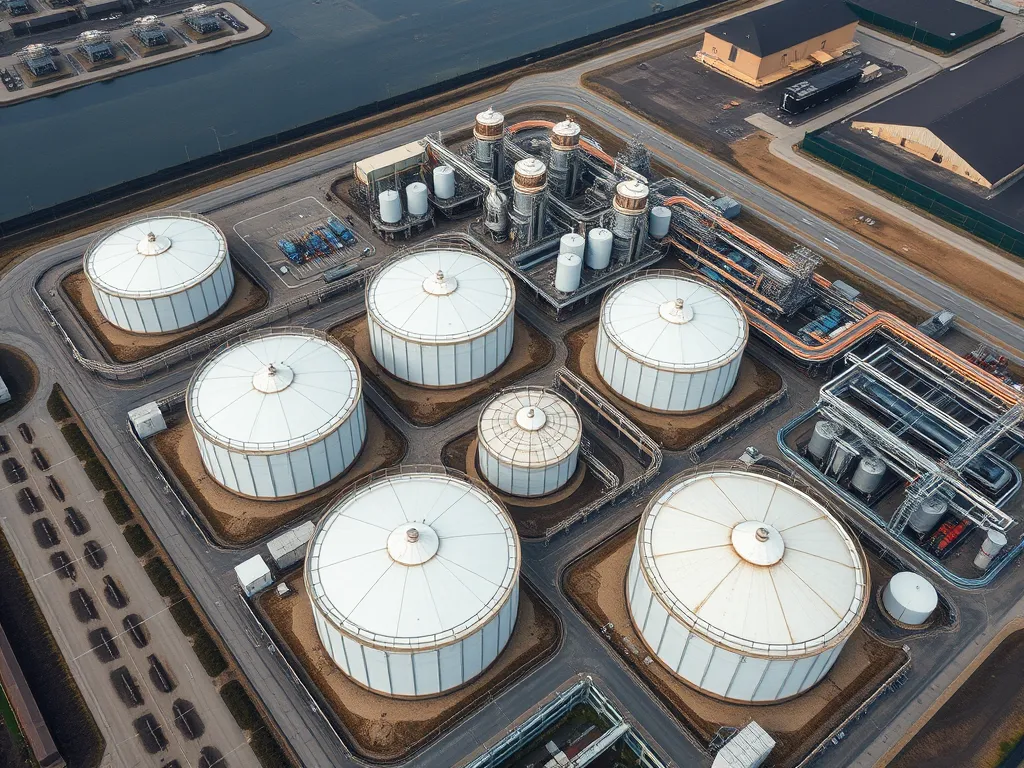
An asphalt refining unit houses critical machinery that transforms crude oil into high-quality asphalt. This setup forms part of a larger asphalt oil refining system, built to isolate bitumen-rich fractions and optimize pavement-grade output.
Essential Equipment in Asphalt Refineries
From distillation to filtration, asphalt refining equipment works in sync to split hydrocarbons and boost asphalt purity. Units vary by capacity, with large-scale plants processing up to 200,000 barrels daily.
Distillation Columns
Towering distillation columns split crude oil into fractions using heat. Atmospheric units run at 650°F–750°F, isolating heavy residues for asphalt oil refining. Vacuum variants cut boiling points by 50% to avoid thermal damage to bitumen molecules.
Reactors and Catalytic Systems
Hydroprocessing reactors upgrade asphalt quality by adding hydrogen. Catalytic beds containing cobalt or nickel remove sulfur, improving binder durability. This step adjusts PG (performance-graded) ratings for roads in hot or cold climates.
Filtration and Separation Equipment
Centrifuges and deasphalting units strip unwanted solids and light oils. Rotary drum filters with 10–50 micron screens clarify liquid asphalt, ensuring compliance with ASTM D6373 standards for paving mixes.
Role Of Technology in Modern Asphalt Refining Plants
Advanced asphalt refining technology now drives 20%–30% gains in output and sustainability. Automated process controls adjust temperatures within ±2°F, minimizing waste. Infrared sensors track viscosity in real time, flagging deviations before mix quality drops.
Many US asphalt refineries adopt solvent-free recycling systems. These units blend up to 30% reclaimed asphalt pavement (RAP) with virgin bitumen, cutting costs by $8–$15 per ton. Cloud-based monitoring links on-site units to remote labs, slashing downtime during asphalt production process audits.
With innovations pushing asphalt refining operations toward zero-waste targets, infrastructure planners gain access to higher-performing materials. Next, let’s look at how this output shapes roads, roofs, and industrial projects.
Also See: How to Level an Asphalt Driveway: A Simple DIY Guide
Applications Of Refined Asphalt
Refined asphalt serves multiple industries with tailored solutions. Advanced asphalt refining processes ensure material consistency for specific performance needs across sectors.
Road Construction and Asphalt Paving
Over 94% of paved roads in the U.S. use refined asphalt. The material’s viscosity—controlled during asphalt oil refining—determines its use in binder courses (PG 64-22) or surface layers (PG 76-16). Modern Superpave mix designs optimize aggregate-to-binder ratios, achieving rut resistance up to 5,000 psi. Refineries asphalt production supports 350 million tons of hot-mix asphalt annually for highways and streets.
Sealcoating and Pavement Preservation
Refined asphalt emulsion seals cracks under 0.5 inches wide, extending pavement life by 5-7 years. Coal-tar modified emulsions block 99% of UV radiation when applied at 0.15 gallons per square yard. Contractors spray or squeegee sealcoats at 50-70°F for optimal adhesion. Annual U.S. sealcoat demand exceeds 1.2 billion gallons, reducing repaving costs by 60% compared to full-depth reconstruction.
Industrial Uses in Roofing and Waterproofing
Asphalt refining units produce oxidized bitumen for 4-ply built-up roofing systems. Polymer-modified grades like APP (atactic polypropylene) withstand -40°F to 280°F temperatures. Refining asphalt for membranes involves blowing air through hot bitumen, raising softening points above 220°F. The U.S. roofing industry consumes 12 million tons of refined asphalt yearly, with 35% used in commercial waterproofing for parking decks and bridges.
These applications highlight how asphalt refining technology adapts raw materials for precision performance. Next, we’ll examine how refineries balance these outputs with ecological responsibility.
Environmental Impact Of Asphalt Refining
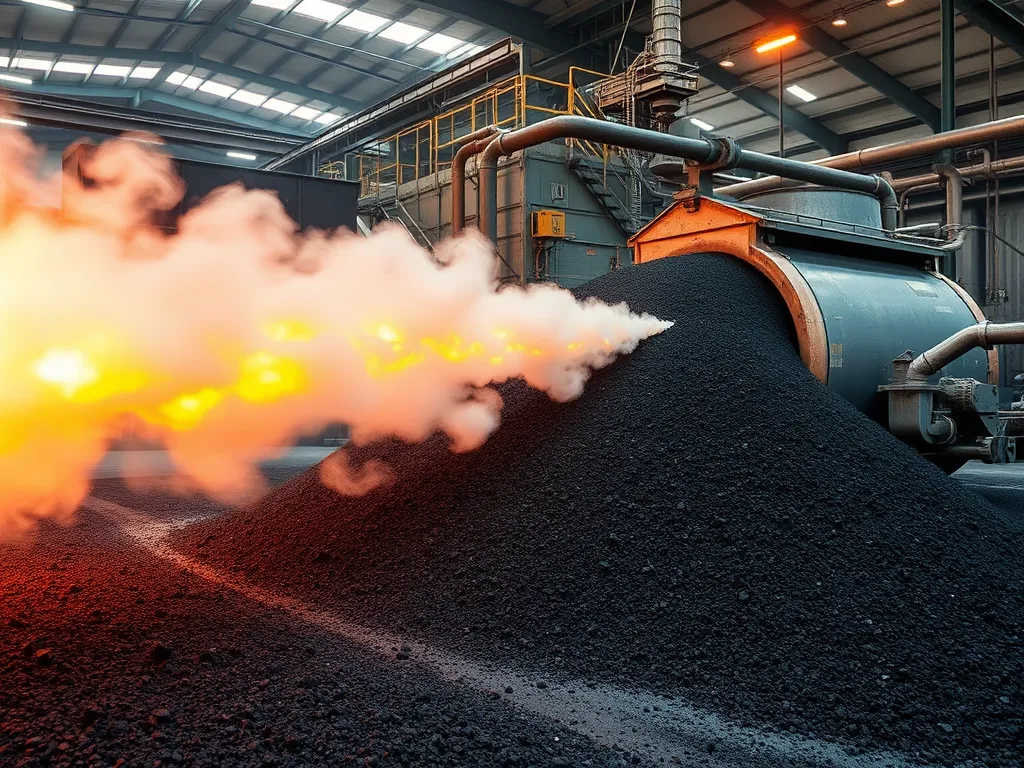
Refineries face rising pressure to balance output with eco-conscious practices. Modern plants now deploy systems targeting pollution control while boosting efficiency. Let’s break down key strategies reshaping the sector.
Reducing Emissions and Hazardous Byproducts
Refining operations generate fumes containing volatile organic compounds (VOCs) and particulate matter (PM2.5). To combat this, plants use electrostatic precipitators capturing 99% of particulates. Wet scrubbers neutralize sulfur oxides, cutting emissions by up to 80%. Hydrocracking units now yield 15% less CO2 versus older models.
Hazardous byproducts like spent catalysts get new life. Sulfur recovered during hydroprocessing gets sold for fertilizer production. Bitumen waste transforms into roofing sealants. These steps slash landfill contributions while generating revenue streams.
| Emission Type | Reduction Method | Efficiency |
|---|---|---|
| VOCs | Thermal oxidizers | 95% destroyed |
| PM2.5 | Baghouse filters | 99.9% captured |
| SOx | Flue gas desulfurization | 90% removed |
Sustainable Resource Management in Refineries
Refineries now prioritize circular systems. Over 90% of Reclaimed Asphalt Pavement (RAP) gets reused in new mixes, cutting virgin bitumen needs by 25%. Closed-loop water systems recycle 80% of process water, saving 2 million gallons monthly in mid-sized plants.
Energy recovery tech plays big roles. Heat from distillation columns preheats crude oil inputs, trimming fuel use by 18%. Solar-powered pumps and LED lighting lower grid reliance. Some U.S. plants report 30% drops in energy bills post-upgrades.
Looking beyond eco-compliance, refineries now drive green tech breakthroughs. Next, let’s tackle common queries about how these systems function in real-world settings.
Frequently Asked Questions (FAQ)
What is Asphalt Refining?
Asphalt refining is the process of converting crude oil into specialized bitumen products used for construction, primarily in road surfaces and roofing materials. It involves separating heavy hydrocarbons from crude oil through various physical and chemical methods.
How Does Asphalt Processing Work?
Asphalt processing involves several steps, including atmospheric and vacuum distillation to separate components based on their boiling points. Additional methods such as hydroprocessing help to upgrade the quality of the asphalt, making it suitable for specific applications.
What is the Difference Between Refining and Upgrading?
Refining typically refers to the overall process of transforming crude oil into various usable products, including bitumen. Upgrading, on the other hand, specifically pertains to enhancing the properties of the existing bitumen to meet performance standards and regulations.
Does Asphalt Rejuvenation Work Effectively?
Asphalt rejuvenation is an effective method used to restore the properties of aged asphalt pavements. By adding specific rejuvenators, the elasticity and durability of the asphalt can be improved, extending the pavement’s lifespan and reducing the need for costly repairs.
What Are the Benefits Of Using Reclaimed Asphalt Pavement (RAP)?
Using Reclaimed Asphalt Pavement (RAP) in new asphalt mixes provides several benefits, including reduced material costs, decreased environmental impact by minimizing waste, and conserving natural resources needed for virgin asphalt production. RAP can enhance the quality and performance of new asphalt mixtures when processed correctly.
How Does Technology Impact the Efficiency Of Asphalt Refineries?
Technology significantly enhances the efficiency of asphalt refineries by automating processes, optimizing temperatures, and monitoring quality in real-time. Innovations such as infrared sensors and advanced catalytic systems improve overall production efficiency, reduce waste, and ensure consistent material quality.
What Environmental Regulations Affect Asphalt Refining?
Asphalt refining operations must comply with various environmental regulations aimed at reducing emissions and promoting sustainable practices. This includes limits on volatile organic compounds (VOCs), sulfur oxides (SOx), and particulate matter (PM), along with requirements for emissions monitoring and control technologies.
How Does Asphalt Refining Contribute to Sustainable Practices?
Asphalt refining contributes to sustainability by implementing circular economy principles, such as reusing Reclaimed Asphalt Pavement (RAP), recycling process water, and utilizing energy recovery technologies. These practices help minimize waste, conserve resources, and reduce the ecological footprint of asphalt production.
Closing Thoughts
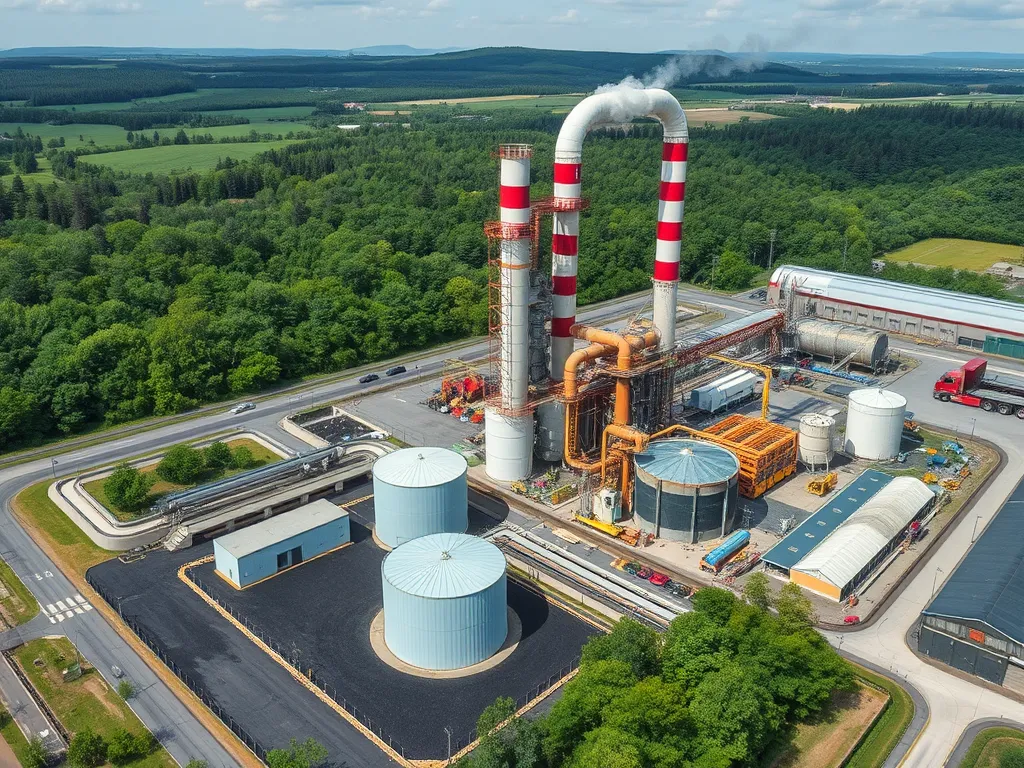
Asphalt refining is a vital process in the construction and infrastructure industry. It transforms raw materials into high-quality asphalt products that meet demanding standards. The refining processes—like atmospheric distillation and hydroprocessing—ensure that asphalt is durable and suitable for various applications, including road construction and roofing.
Not only does asphalt refining enhance performance, but it also supports sustainability by reducing waste and emissions. With a focus on advanced technology and eco-friendly practices, modern refineries are paving the way for a greener future.
For more information on asphalt and related topics, check out Asphalt Calculator USA.
Useful References for You:
- Lavin, P. (2003). Asphalt Pavements: A Practical Guide to Design, Production, and Maintenance for Engineers and Architects. London: Taylor & Francis.
- The Asphalt Manufacturing Process Explained
- Asphalt | McKinsey Energy Insights
- Asphalt Manufacturing in North America | ExxonMobil Asphalt
- What’s in Your Asphalt? | FHWA

