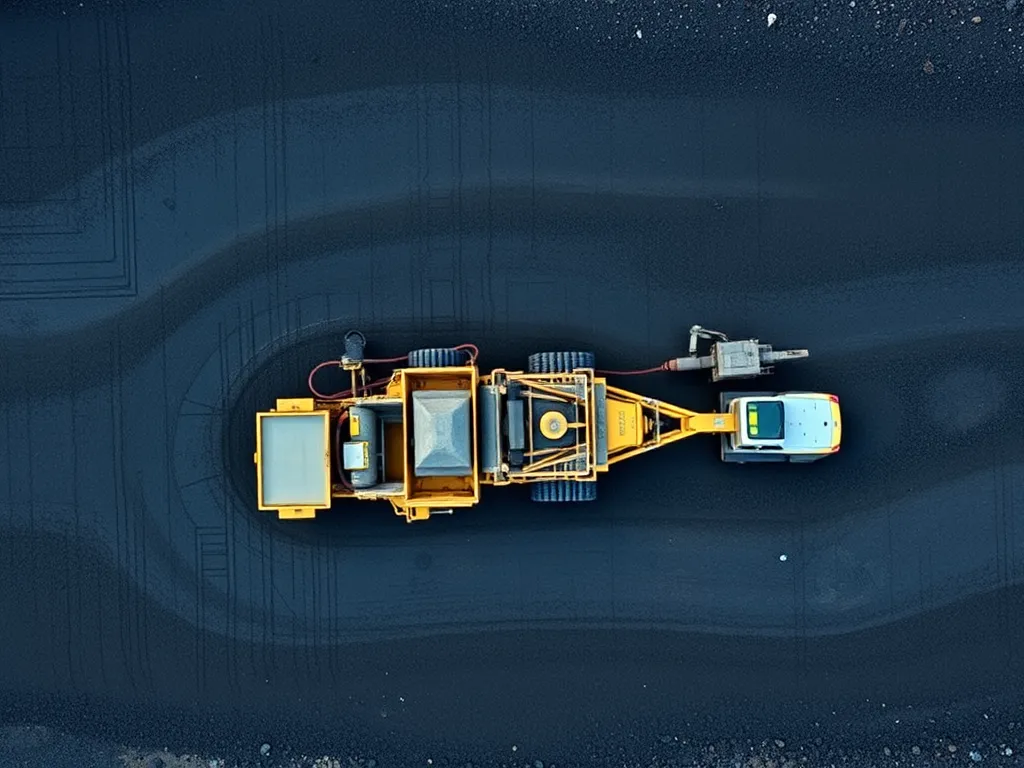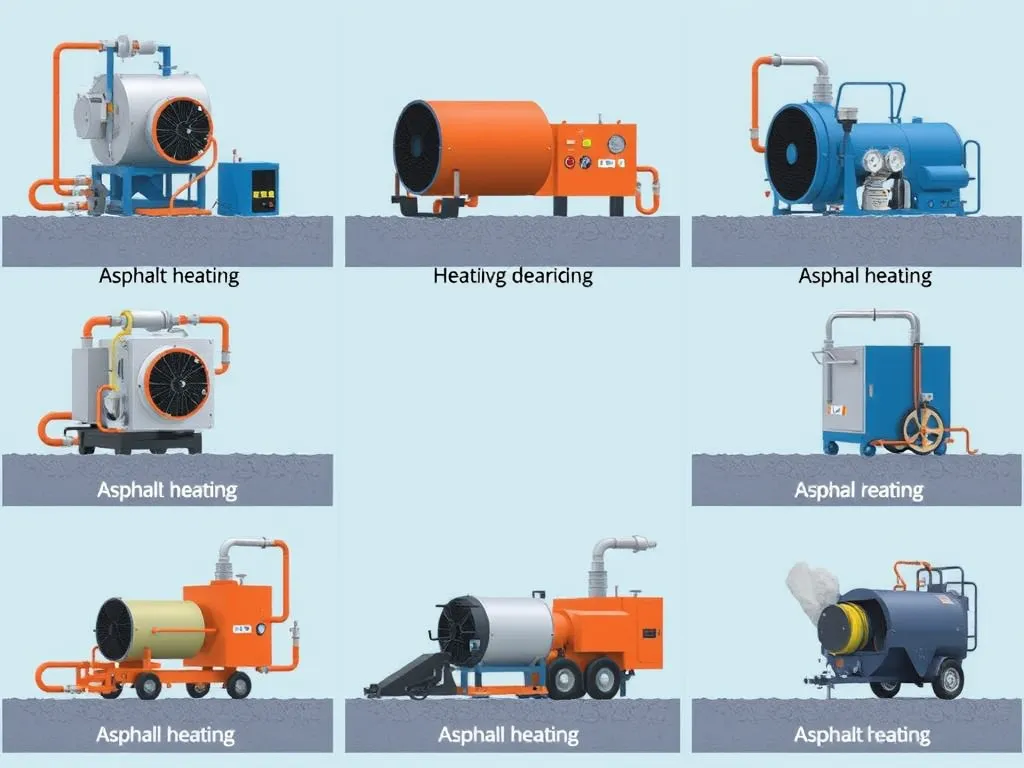
Hot Mix Asphalt Plant: Components, Process, and Considerations
Published on: October 26, 2026 | Last Updated: April 14, 2025
Written By: George Voss
A hot mix asphalt (HMA) plant is an industrial facility that produces paving material by heating and blending aggregates, bitumen binder, and additives at 300-350°F. These plants manufacture durable asphalt concrete for roads, highways, and parking lots. Two primary designs dominate the market: batch plants produce HMA in fixed batches (typically 4-5 tons each), while continuous plants operate nonstop. Core components include cold aggregate feeders, rotary dryers, mixing units, and storage silos. This guide explains production workflows, compares mobile and stationary models, and identifies top suppliers like Astec Industries and Linnhoff Technologies.
The article details how HMA plants function, from raw material handling to final mix storage. You’ll explore equipment specs (e.g., 60-400 TPH output ranges), cost factors ($250,000 for portable units to $5M for high-capacity stationary plants), and emission control systems like baghouse filters. Contractors will find comparisons between drum mix and batch plants, while project managers gain insights into location planning and operational safety protocols.
What is a Hot Mix Asphalt Plant?
Hot mix asphalt plants form the backbone of modern road construction. These facilities produce the material used for highways, parking lots, and driveways by combining heated aggregates with liquid bitumen. Output ranges from 100 to 400 tons per hour (TPH), depending on plant size.
Definition and Core Purpose
Hot mix asphalt plants manufacture HMA—a blend of 95% stone, sand, or gravel bonded with 5% bitumen. The process heats materials between 300°F and 350°F to create durable pavement. Plants operate seasonally, typically shutting down when temperatures drop below 50°F.
Key Components Of an Asphalt Mixing Plant
Every HMA plant relies on four core systems working in sync. Missing one could halt production.
Aggregate Feeders and Dryers
Cold feed bins sort raw materials by size before sending them to drum dryers. Dryers burn fuel like natural gas or diesel to remove moisture, ensuring optimal bonding. Modern plants recover up to 90% of dryer heat to cut energy costs.
Mixers and Silos
Rotating mixers coat heated aggregates with liquid bitumen for 30-60 seconds. Hot mix then moves to storage silos, which hold 100-300 tons to maintain temperature until trucks load. Insulated silos keep mixtures above 280°F for six hours.
Types Of Hot Mix Asphalt Plants
Two primary designs dominate the market, each suited for specific project needs.
Batch Mix Asphalt Plant vs. Continuous Mix Plant
Batch plants produce 200-400 TPH in fixed quantities, allowing precise mix customization. Continuous plants output non-stop, reaching 600 TPH for large highway jobs. Batch systems cost 15-20% more upfront but offer better quality control.
Mobile Hot Mix Plant and Portable Asphalt Plant
Mobile units mount on trailers for rapid relocation between sites. They produce 80-160 TPH—ideal for rural road repairs. Portable plants bolt onto foundations for semi-permanent use, delivering 140-250 TPH. Rental fees start at $15,000 monthly for mobile units.
Now that we’ve explored plant types, let’s break down how they turn raw materials into pavement-ready mix.
Hot Mix Asphalt Production Process
Making hot mix asphalt (HMA) demands precise steps. Each phase shapes the final pavement quality.
Step-by-step Workflow
From rock to road-ready mix, plants follow a tight chain of tasks. Let’s break it down.
Aggregate Preparation and Heating
Aggregates first pass through screens to sort by size. Belts then feed them into a dryer drum. Heaters blast the drum at 300-350°F to remove moisture. Dry stone must hit 0.5% moisture or less for strong bonds.
Asphalt Binder Integration
Liquid asphalt (PG 64-22 binder) pumps into the drum. Blades spin to coat each stone. Temp must stay at 300°F for full bond. Sensors track heat nonstop. Too cool? Binder won’t stick. Too hot? Binder burns.
Mixing and Storage
Mixer drums spin at 25-30 RPM for 30-60 sec. This ensures even coat. Hot mix drops into silos kept at 280-300°F. Silos hold mix for up to 72 hours. Belt systems load trucks fast to keep pace with road crews.
Quality Control in Asphalt Mix Plants
Plants run strict checks to meet ASTM D3515 specs. Gradation tests confirm 95% of stones pass the #8 sieve. Binder content must hit 5% ±0.3%. Temp logs prove heat stays in range.
Labs test samples every 100 tons. Nuclear gauges check density. Infrared guns scan for cold spots. Baghouses trap 99% of dust. Scrubbers cut VOC fumes by 50%.
Proper gear keeps this process smooth. Next, we break down the machines that make it all work.
Equipment Used in Asphalt Production Plants
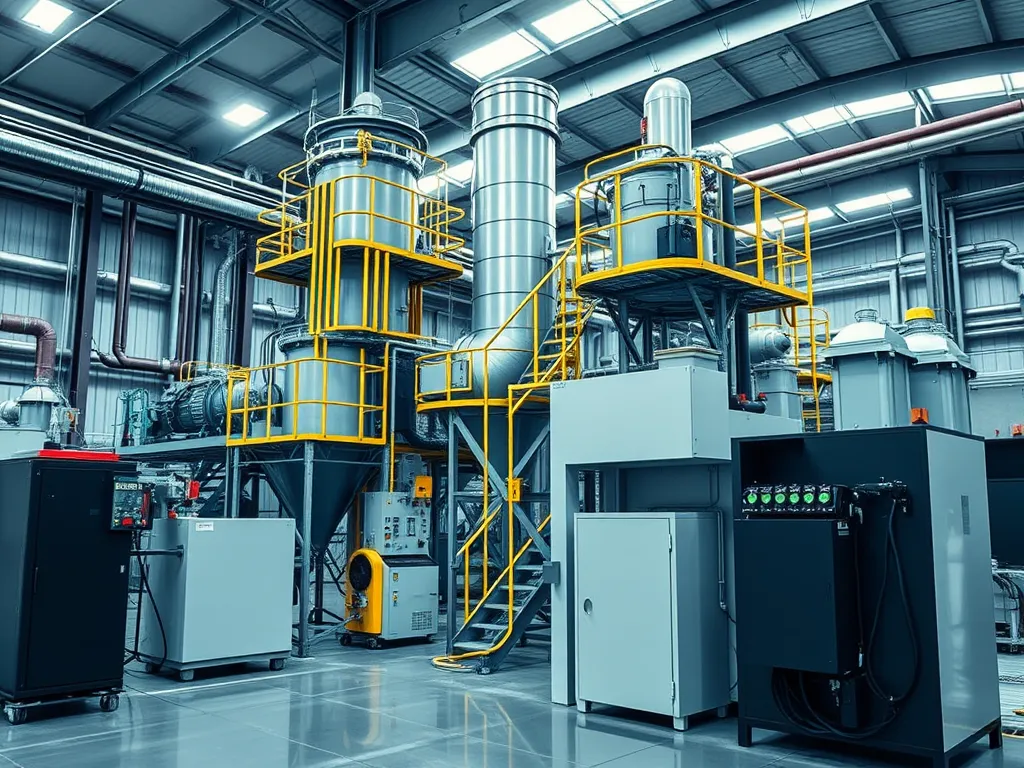
Hot mix asphalt plants rely on heavy-duty gear to make road-grade mixes. Each machine plays a set role in turning raw stone and binder into paving material.
Essential Machinery Overview
Core systems include mixers, dryers, and heat units. These work with belts, screens, and bins to move, sort, and blend parts.
Asphalt Mixing Machine Specifications
Mix units handle 100-400 tons per hour. Drum types run non-stop, while batch plants make set loads. Both heat stone to 300-350°F and mix with 5-7% PG binder. High-end models hit 95% mix speed with ±2% weight checks.
Burners, Screens, and Conveyors
Burners use gas, oil, or coal to hit target temps. Screens sort stone by size—common mesh grades are ½”, ¾”, and 1½”. Steel belts move 500-1,000 tons hourly, built to take heat and wear.
Differences Between HMA and Warm Mix Plants
HMA plants run hotter (300-350°F) than warm mix (225-275°F). Warm tech adds wax or foam to cut heat needs by 20-30%. Less fuel use means lower costs and fumes, but HMA still rules for heavy roads due to higher pack strength.
Plant specs shape long-term costs. Next, let’s break down what you’ll pay to set up and run these sites.
Also See: Importance Of Moisture Control in Asphalt Subgrades
Cost Analysis Of Hot Mix Asphalt Plants
Running a hot mix plant needs clear cost plans. Prices swing based on plant type, size, and tech used. Let’s break down key money factors.
Factors Influencing Pricing
Plant costs depend on output size, fuel type, and eco rules. Bigger plants with high-tonnage rates (200-400 TPH) cost more. Emission controls like baghouses add 10-15% to base prices. Fuel choice (gas, oil, coal) changes daily spend by up to 30%.
Initial Investment vs. Operational Costs
New asphalt batch plants cost $150k-$5M upfront. Stationary units need $500k+ for site prep. Daily runs burn $2k-$8k in fuel, labor, and repairs. Mobile hot mix plants cut site costs but need more upkeep.
Price Range for Mobile vs. Stationary Plants
Portable asphalt plants run $150k-$1M, fitting short jobs. Stationary asphalt mixing plants hit $1M-$5M, built for 20+ years. Mobile units save on setup but use 15% more fuel per ton. Batch mix plants cost 20% less than continuous types but make less mix per hour.
Smart buyers weigh project length and tonnage needs. Up next: noise, upkeep, and other hurdles in asphalt plant ops.
Disadvantages Of Asphalt Plants
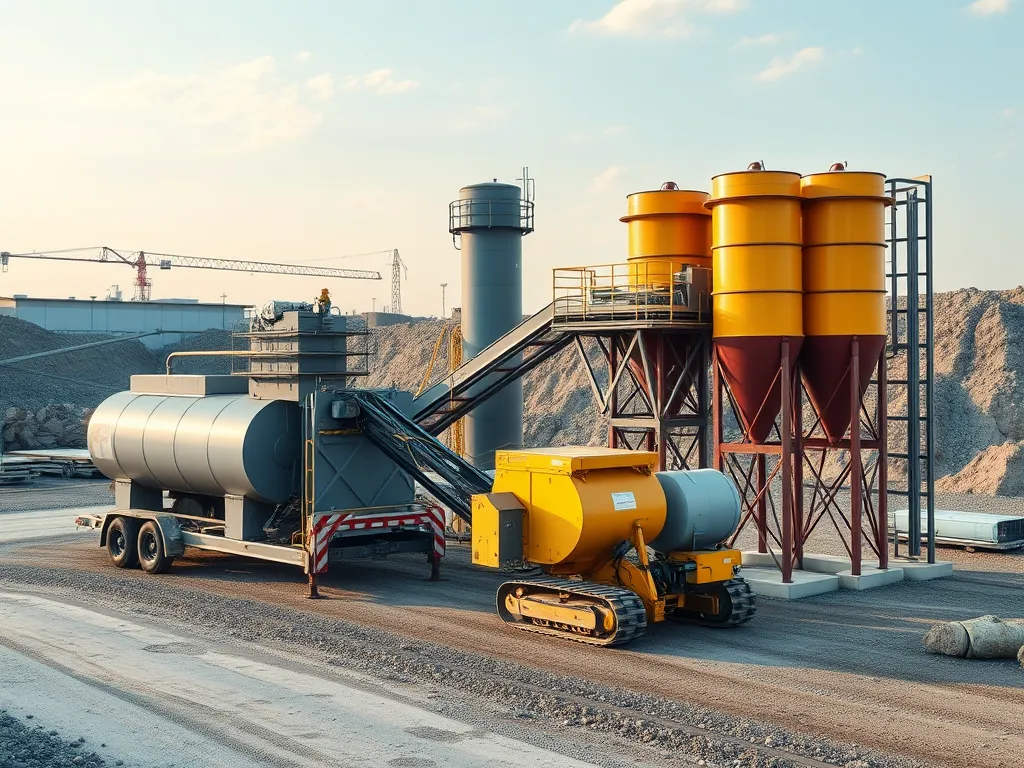
While hot mix asphalt plants deliver critical infrastructure materials, they present challenges operators and communities must address. Two key concerns involve noise during operation and the rigorous maintenance these industrial facilities demand.
Noise and Operational Challenges
Hot mix asphalt production generates sustained noise levels exceeding 85 decibels near primary equipment – equivalent to heavy highway traffic. Drum dryers, aggregate conveyors, and batch mixers contribute to this, with mobile hot mix plants often lacking permanent sound barriers. Batch plants face added disruption from cyclical loading/unloading, while continuous mix plants create constant background noise.
Operational hurdles include:
- Temperature control demands (±5°F tolerance for PG 64-22 binders)
- Fuel consumption rates (2.5-6 gallons/ton for liquid asphalt cement)
- Dust management from aggregate handling (EPA mandates <0.04 grains/dscf emissions)
Maintenance Requirements
Asphalt batch mixing plants require 15-20% of initial investment annually in upkeep. High-heat zones like drum flights wear out every 300-500 production hours. Screen decks in grading systems need replacement every 18 months with daily use.
Critical maintenance tasks:
- Burner nozzle cleaning (weekly for #2 oil or liquid propane systems)
- Mixer blade inspections (every 50,000 tons in counterflow plants)
- Baghouse filter replacements ($8,000-$15,000 per change for 300-ton plants)
Downtime risks increase in aging facilities – a 10-year-old hot mix asphalt mixing plant typically loses 12-18 production days/year to repairs.
These operational realities directly influence decisions about plant placement and technology upgrades – factors we’ll explore next regarding community safety considerations.
Safety and Proximity Concerns
Operating a hot mix asphalt plant involves strict protocols to manage risks. But for surrounding communities, proximity to such facilities raises valid questions about daily impacts.
Is It Safe to Live Near an Asphalt Plant?
Modern asphalt batch mixing plants follow OSHA standards to limit hazards. Still, long-term proximity demands scrutiny. Factors like plant size, output (tons/day), and pollution controls directly affect safety outcomes.
Air Quality and Health Considerations
During hot mix asphalt production, burning fuels and heating aggregates can release air pollutants. Key substances include:
- VOCs (volatile organic compounds) from bitumen, linked to respiratory irritation
- PM2.5 particles from dust, a lung health risk
- PAHs (polycyclic aromatic hydrocarbons), byproducts of high-temperature mixing
Plants built post-2010 typically install baghouses (fabric filters capturing 99% of particulates) and scrubbers to cut fumes. A 2020 study found HMA mixing plants using such tech had 45% lower PM2.5 output vs. older models. Zoning laws in many states mandate a 500-1,000 foot buffer between residential zones and high-capacity asphalt concrete plants.
Looking to balance production goals with community needs? Upcoming insights on locating facilities simplify this complex choice.
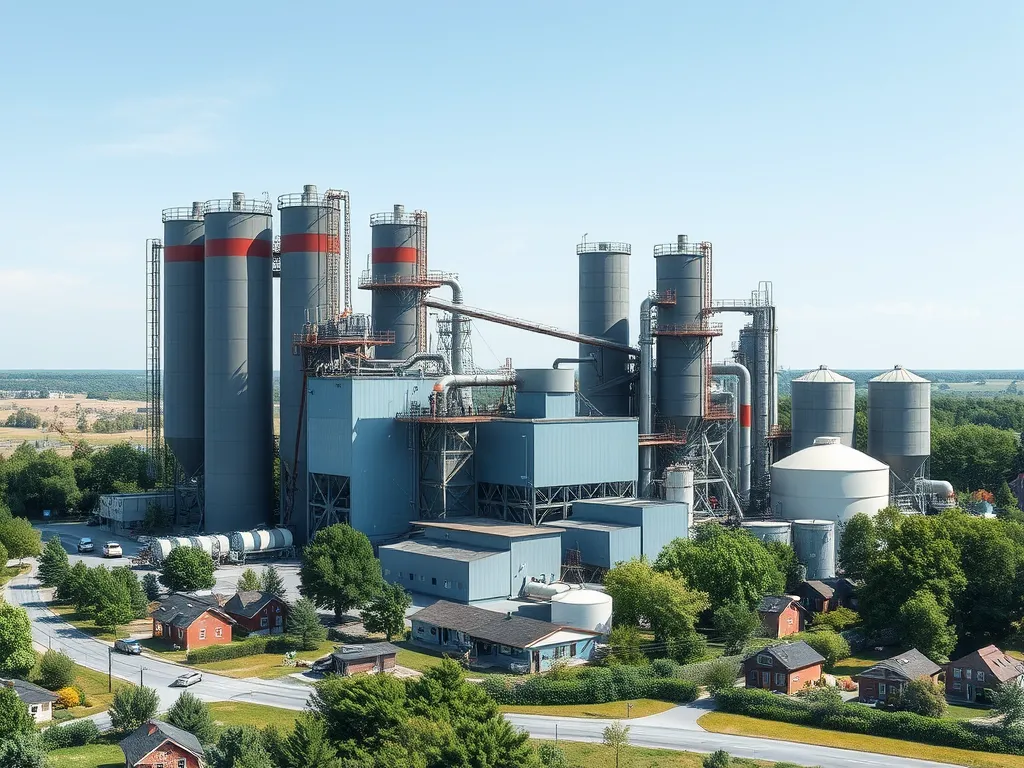
Locating and Purchasing Asphalt Plants
Finding the right hot mix asphalt plant requires balancing location needs, budget limits, and production demands. Whether sourcing materials for road construction or expanding operations, smart planning prevents costly mistakes.
How to Find a Hot Mix Asphalt Plant Near Me
Start by searching “asphalt plant near me” on Google Maps or industry platforms like Asphalt Contractor Magazine. Local road builders and state DOT offices often share lists of certified HMA plants. Verify permits through EPA databases to ensure compliance with air quality standards. For smaller projects, portable asphalt plants can be rented at $15,000–$30,000 monthly, reducing transport costs by up to 40%.
Guidelines for Buying an Asphalt Batch Mixing Plant
Evaluate asphalt plant specifications: production capacity (100–1,000 tons/hour), fuel type (diesel, natural gas), and mobility. Batch mix plants offer precise control over aggregate-to-binder ratios, ideal for custom mixes. Key specs include burner BTU ratings (25–80 million BTU), dust collection efficiency (95%+), and silo storage (100–400 tons). New stationary plants range from $1.2M–$5M; used mobile hot mix plants start at $500,000. Prioritize suppliers with 24/7 tech support and warranties covering drum motors, control systems, and screens.
With the right plant secured, the focus shifts to minimizing ecological effects while maintaining output.
Environmental Impact Of HMA Mixing Plants
Modern hot mix asphalt plants tackle environmental challenges head-on with advanced engineering. While producing 300-800 tons of material daily, these facilities deploy strategies to minimize ecological footprints without sacrificing output quality.
Emission Control Technologies
State-of-the-art HMA plants cut harmful emissions by 40-60% compared to older models. Baghouse filtration systems capture 99% of airborne particles through fabric filters, while wet scrubbers neutralize gases like sulfur oxides. Temperature-controlled burners maintain optimal combustion, reducing nitrogen oxide output by up to 30%.
Dust and Particulate Management
From aggregate handling to final loading, plants use multiple dust suppression layers:
| Method | Efficiency | Cost Impact |
|---|---|---|
| Enclosed conveyor belts | 85% reduction | $12-18/ton |
| Micro-mist sprayers | 72% reduction | $8-14/ton |
| Electrostatic precipitators | 94% reduction | $22-30/ton |
Sustainability in Asphalt Mixture Production
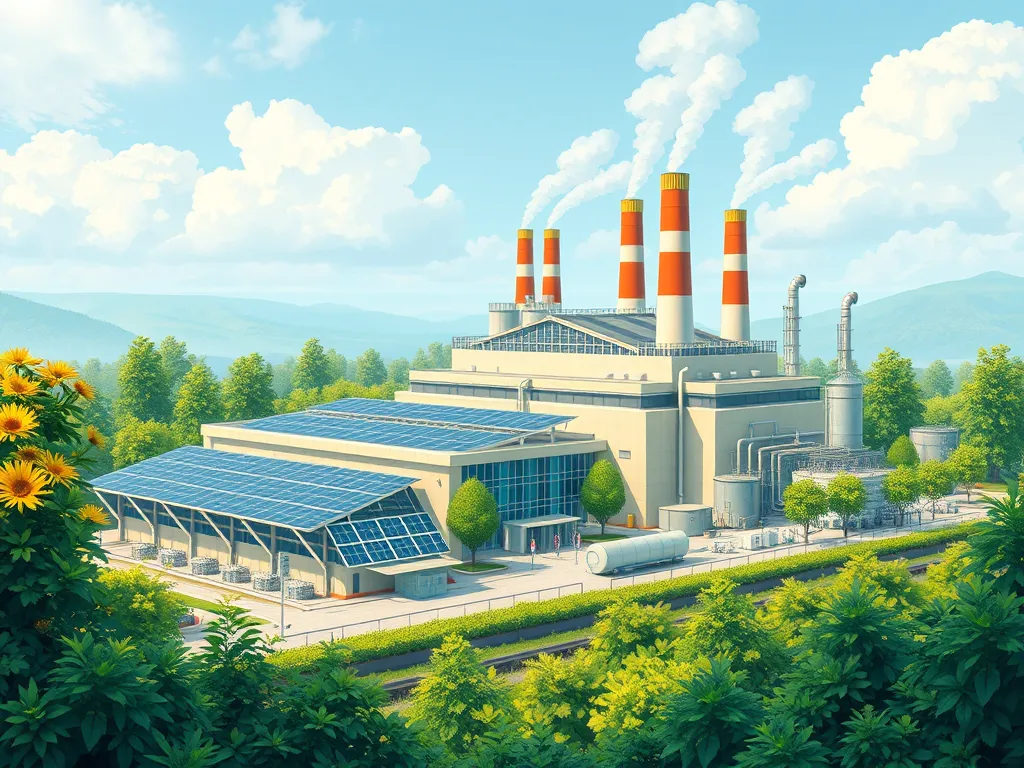
Leading asphalt batch plants now incorporate 30-50% reclaimed asphalt pavement (RAP) into mixes. High-RAP technologies paired with rejuvenators maintain PG binder performance while lowering virgin material needs by 1.2 million tons annually nationwide. Warm mix additives let plants drop production temps to 250-275°F, slashing fuel use by 20% and cutting CO₂ emissions by 35 metric tons per plant yearly.
New plants often achieve LEED credits through solar-powered components and closed-loop water systems. Some facilities reuse 95% of process heat, pushing energy costs below $3.50 per ton of mix.
These environmental upgrades directly influence community safety standards – a key factor explored next when evaluating plant proximity.
Frequently Asked Questions (FAQ)
What is the Typical Price Of an Asphalt Plant?
The price of a hot mix asphalt plant can vary significantly based on factors such as its type, size, and features. Generally, mobile plants range from $150,000 to $1 million, while stationary plants can cost between $1 million and $5 million depending on the specifications and capabilities.
How Does a Batch Mix Asphalt Plant Work?
A batch mix asphalt plant works by producing hot mix asphalt in fixed batches. The process involves heating aggregates, mixing them with liquid asphalt binder in a mixer, and then transferring the mixture to storage silos until it is needed. This method allows for precise control over the asphalt mix design and ensures consistent quality in each batch produced.
Can Portable Asphalt Plants Match Stationary Plant Output?
While portable asphalt plants are designed for mobility and flexibility, they typically have a lower output compared to stationary plants. Portable units usually produce about 80 to 160 tons per hour, whereas stationary plants can achieve output levels of up to 600 tons per hour. However, portable plants can be advantageous for small to medium projects where flexibility is needed.
What Environmental Protections Are in Place for Asphalt Plants?
Asphalt plants implement various technologies to minimize their environmental impact. This includes using baghouse filtration systems to capture airborne particles, wet scrubbers for gas neutralization, and adopting lower temperature production methods that reduce emissions. Additionally, many modern plants incorporate reclaimed asphalt pavement (RAP) and strive for sustainable practices to meet strict environmental regulations.
What Maintenance is Required for Hot Mix Asphalt Plants?
Regular maintenance for hot mix asphalt plants is crucial for efficient operation and longevity. Key maintenance tasks include inspecting and cleaning burner nozzles, checking mixer blades and screens, and replacing baghouse filters. Operators can expect to allocate about 15-20% of the initial investment annually for upkeep, with specific components needing replacements after a certain number of production hours.
How Can I Ensure the Quality Of Asphalt Produced at a Plant?
To ensure the quality of asphalt produced at a plant, operators should follow strict quality control measures including regular testing of aggregate gradation, monitoring binder content, and maintaining accurate temperature logs throughout the mixing process. Additionally, implementing real-time monitoring systems and adhering to ASTM standards can further enhance quality assurance.
Closing Thoughts
Hot mix asphalt plants are vital for efficient road construction and maintenance. Understanding their components, production process, and associated costs helps stakeholders make informed decisions. The type of plant, be it batch or continuous, directly affects both performance and expenditure.
It’s crucial to factor in environmental impacts as well. Innovative emission control technologies and sustainable practices are shaping the future of asphalt production, aiming to reduce health concerns for communities nearby.
For anyone looking to purchase or locate a hot mix asphalt plant, knowledge of machinery specifications and market prices is key. This ensures optimal operation while addressing operational challenges and safety standards.
For more information and resources, check out Asphalt Calculator USA.
Additional Resources for You:
- The Asphalt Institute. (2007). MS-4: The Asphalt Handbook. Lexington, KY: Asphalt Institute.
- 404 Hot Mix Asphalt Producers
- “Ammann Mixing Plants: Century-Long Expertise & Innovation “
- Asphalt plant – Wikipedia
- Hot Mix Asphalt | All States Materials Group