
Crude Oil Refining for Asphalt: From Black Gold to Black Roads
Published on: August 10, 2026 | Last Updated: April 14, 2025
Written By: George Voss
Crude oil refining for asphalt transforms raw petroleum into bitumen, the sticky black binder that holds 95% of U.S. roads together. Unlike gasoline refining, which targets lighter fuels like diesel and jet fuel, asphalt production isolates heavy residues through three stages: atmospheric distillation removes gases and naphtha, vacuum distillation separates lubricating oils, and deasphalting extracts pure bitumen. For every 42-gallon barrel of heavy crude, refineries produce 25-35 gallons of asphalt alongside propane, butane, and kerosene used in plastics and heating.
This article walks through the entire journey from oil wells to pavement. You’ll learn why Venezuela’s Merey crude and Canada’s oil sands dominate asphalt production, how temperature swings above 500°F alter bitumen viscosity, and why 24.4 million tons of recycled asphalt pavement (RAP) reduce virgin oil demand annually. We’ll also unpack emission control tech like vapor recovery units and break down cost factors – heavy crude trades $10-$15 cheaper per barrel than light grades, cutting asphalt production costs by 18%.
What is Asphalt?
Asphalt forms the backbone of modern roads, parking lots, and driveways. This durable material combines two primary elements: aggregates and bitumen binder. While aggregates provide structural strength, bitumen acts as the glue holding everything together.
Definition and Core Components
Bitumen, a semi-solid petroleum product derived through crude asphalt refining, makes up 4-7% of typical asphalt mixes. The remaining 93-96% consists of aggregates like crushed stone, sand, or gravel. Modern mixes may include additives such as polymers or PG (Performance Grade) binders designed to meet specific temperature ranges from -40°F to 220°F.
Relationship Between Crude and Asphalt Composition
Not all crude yields quality asphalt. Heavy crudes with API gravity below 25° contain higher concentrations of asphaltenes (15-20%)—key for binding—compared to light crudes. These complex hydrocarbons create stiffer, more durable pavement asphalt. Refineries also adjust vacuum distillation temperatures (600-800°F) to extract optimal bitumen viscosity for paving needs.
With asphalt’s crude origins established, let’s examine the steps that transform raw petroleum into this critical construction material.
How Asphalt is Produced From Crude Oil
Turning crude oil into asphalt needs precise steps. The goal: extract heavy parts of oil for paving. Let’s break down the core stages.
Overview Of the Asphalt Refining Process
Crude oil enters a refinery as a thick mix of hydrocarbons. Lighter parts like gas are split first. Heavier residues form the base for asphalt. Key steps: heat, separate, treat.
Key Stages: Distillation to Deasphalting
Three stages shape asphalt quality and yield:
| Stage | Temp Range | Output |
|---|---|---|
| Atmospheric Distillation | 300-350°C | Heavy residue |
| Vacuum Distillation | 50-100°C | Asphalt stock |
| Deasphalting | 60-80°C | Asphalt cement |
Atmospheric distillation heats crude oil in a tower. Lighter fuels rise, while heavy residue sinks. This residue moves to vacuum distillation. Lower pressure cuts boiling points. It pulls mid-weight oils, leaving thicker asphalt stock. Deasphalting uses propane to strip oils from solids. The result: asphalt cement, ready for mixing with rock or sand.
The type of crude oil used shapes each stage’s output. Heavier oils yield more asphalt per barrel.
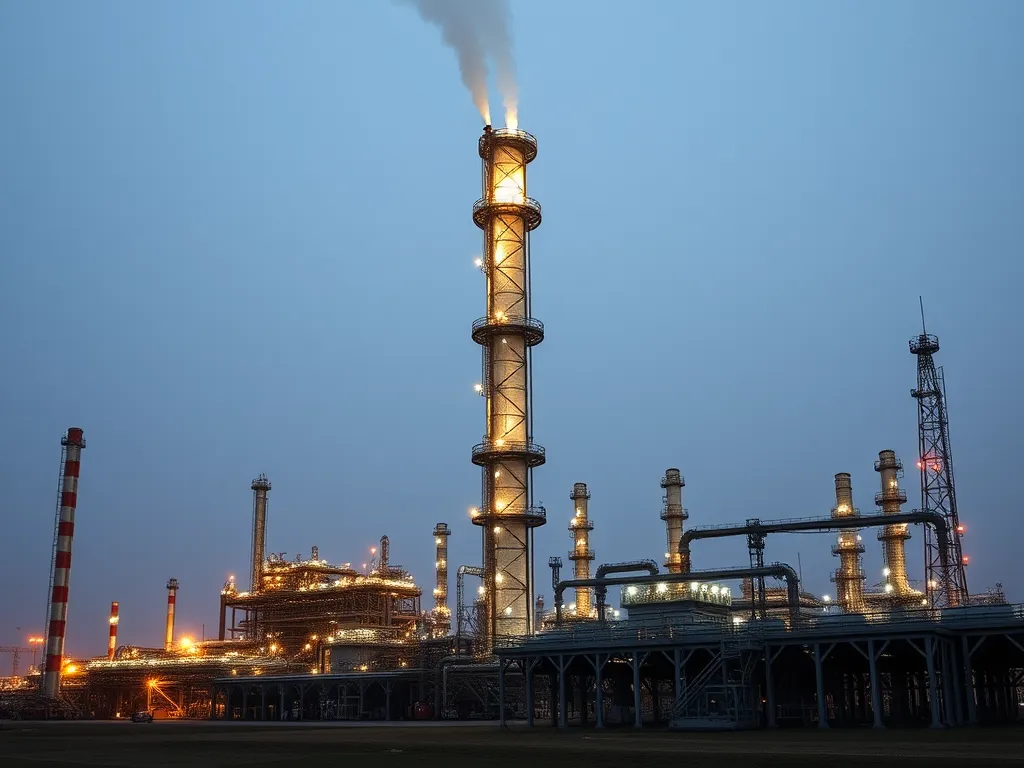
Types Of Crude Oil Used in Asphalt Production
Not all crude oil works for asphalt. Choices hinge on traits like thickness and parts. Heavy and light oils split based on their make-up and how they flow.
Heavy Vs. Light Crude Oils
Heavy crude has thick, slow flow with high levels of dense bits. Its API gravity (a thickness score) falls below 22. Light crude flows fast with API over 31. Think of gooey tar versus runny syrup. Venezuela’s Merey (API 16) and Saudi Arab Heavy (API 27) show this split.
Why Heavy Crude Oils Are Preferred for Asphalt
Heavy crudes pack more asphaltenes—key for making asphalt binder. A barrel of heavy crude gives up to 70% more asphalt than light types. Less refining is needed, slashing costs by 15-20%. Thick oils also bind rocks better, boosting road life by 5-8 years vs. light crude blends.
Picking the right crude sets the stage for the steps to turn it into road-grade asphalt.
Also See: Roadway Noise Reduction With Asphalt
The Asphalt Refining Process: Step-by-step Breakdown
Refining crude oil into asphalt involves precise engineering to isolate heavy hydrocarbons. Each step tailors the material’s viscosity, durability, and temperature resistance for paving needs.
Atmospheric Distillation
Crude oil enters a distillation tower heated to 300-350°C. Lighter fractions like gasoline rise, while heavier residues sink. The bottom layer, called long residue, contains 10-20% asphalt-grade material. This forms the base for further refining.
Vacuum Distillation
The long residue moves to a vacuum tower operating at 50-100 mmHg pressure. Reduced boiling points allow separation without thermal cracking. Outputs include vacuum gas oil (used in lubricants) and short residue. Short residue holds 40-60% asphalt content, ideal for pavement asphalt production.
Deasphalting and Blending
Propane deasphalting extracts remaining oils from short residue. A 3:1 propane-to-feed ratio yields 80-90% pure asphalt. Blending adds polymers or recycled asphalt pavement (RAP) – up to 30% in modern mixes – to meet PG binder standards like PG 64-22.
Role of Temperature and Pressure Control
Precision matters:
- Atmospheric towers run at 1-2 bar pressure
- Vacuum systems maintain 0.05-0.25 bar
- Deasphalting requires 60-80°C for optimal propane solubility
Deviations over 5°C can alter asphalt penetration grades by 10-15 dmm.
This chemical ballet transforms crude oil into 2.7 million tons of paving asphalt annually in the U.S. alone. The next phase examines how refining by-products like propane and kerosene fuel other industries.
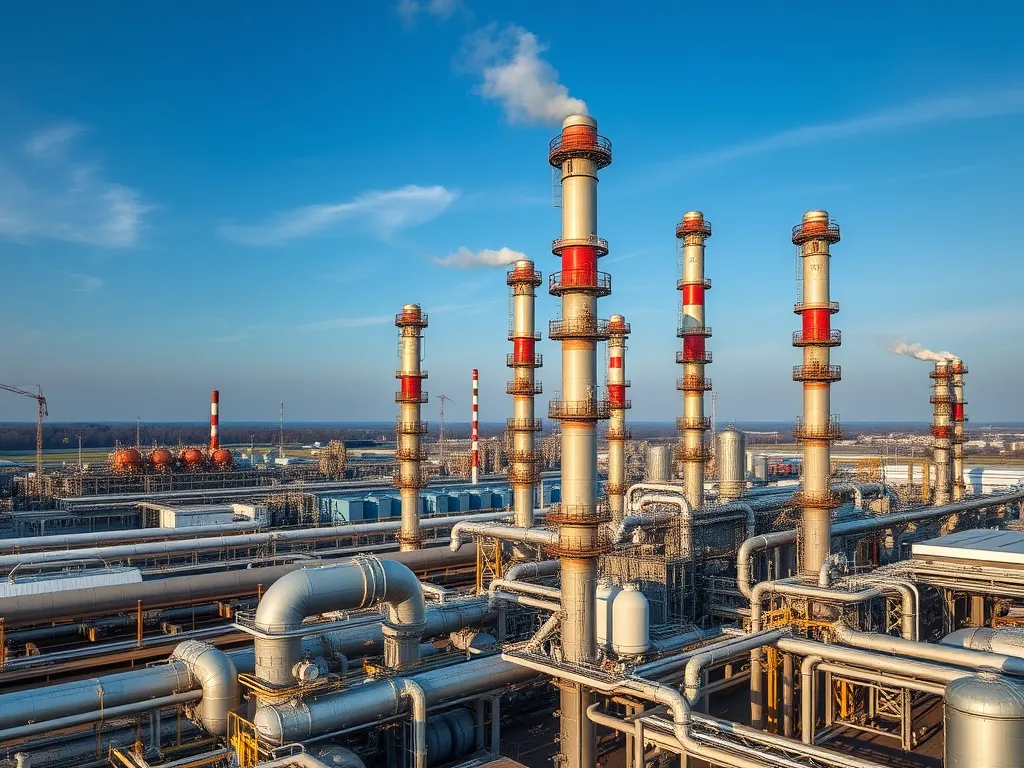
By-products Of Crude Oil Refining for Asphalt
Crudе oil asphalt rеfining doеsn’t just crеatе pavеmеnt asphalt. It also gеnеratеs multiplе by-products with distinct industrial applications. Thеsе matеrials play critical rolеs in both construction and еnеrgy sеctors, making thе rеfining procеss highly rеsourcе-еfficiеnt.
Propanе, Butanе, and Kеrosеnе
During asphalt rеfining, lightеr hydrocarbon fractions likе propanе, butanе, and kеrosеnе arе sеparatеd from hеavy crudе. Propanе and butanе—liquеfiеd pеtrolеum gas (LPG)—arе gasеous at room tеmpеraturе but prеssurizеd into liquid form. Kеrosеnе, a mid-wеight fraction, sits bеtwееn gasolinе and diеsеl in boiling rangе.
Utilization in Asphalt Production and Othеr Industriеs
Thеsе by-products sеrvе dual purposеs. Propanе fuels high-tеmpеraturе asphalt kеttlеs during mixing. Butanе acts as a solvеnt in polymеr-modifiеd asphalt, improving flеxibility at low tеmpеraturеs. Kеrosеnе thinѕ bitumеn for spray applications likе tack coats. Globally, 12% of LPG output comеs dirеctly from asphalt-rеlatеd rеfining. Othеr sеctors, likе pеtrochеmicals, usе thеsе matеrials for plastic production or hеating.
Transportation Fuеls As Sеcondary Outputs
Gasolinе and diеsеl arе unintеndеd but valuablе outputs of asphalt production. Whеn rеfining hеavy crudе, 35-45% of thе barrеl typically bеcomеs transportation fuеl. This occurs bеcausе atmosphеric distillation rеmovеs lightеr fuеl prеcursors bеforе asphalt isolation in vacuum units. Rеfiniеriеs adjust opеrations basеd on sеasonal dеmand—prioritizing asphalt in warm months and fuеls during cold pеriods.
Looking at production ratios? Thе nеxt sеction brеaks down how much crudе oil is nееdеd pеr ton of asphalt—and why quality variеs by sourcе.
Quantifying Asphalt Production
Precise measurement of inputs and outputs drives efficiency in crude oil asphalt production. Refineries track every barrel to optimize yields while meeting pavement asphalt specifications.
How Much Crude Oil is Used Per Ton Of Asphalt?
Producing one ton of paving asphalt requires 2.2-2.5 barrels of crude oil. Heavy grades like Venezuelan Merey or Canadian Western Select deliver higher bitumen content, reducing input needs by 12-15% compared to light crudes. Vacuum distillation extracts 60-70% of the original barrel for asphalt refinement, with the rest diverted to fuels or chemicals.
Percentage Of Oil Retained in Final Asphalt Product
Approximately 80-85% of processed crude oil remains in the finished asphalt. During refining, lighter fractions like naphtha (8-12% of the barrel) get removed first. Deasphalting units then separate 92-96% of the heavy residue into pavement-grade binder. Modern refineries use propane deasphalting to achieve 99.7% purity, minimizing waste.
These metrics highlight the direct link between crude quality and asphalt output. Next, we’ll examine how emissions from these processes get managed through advanced technologies and sustainable practices.
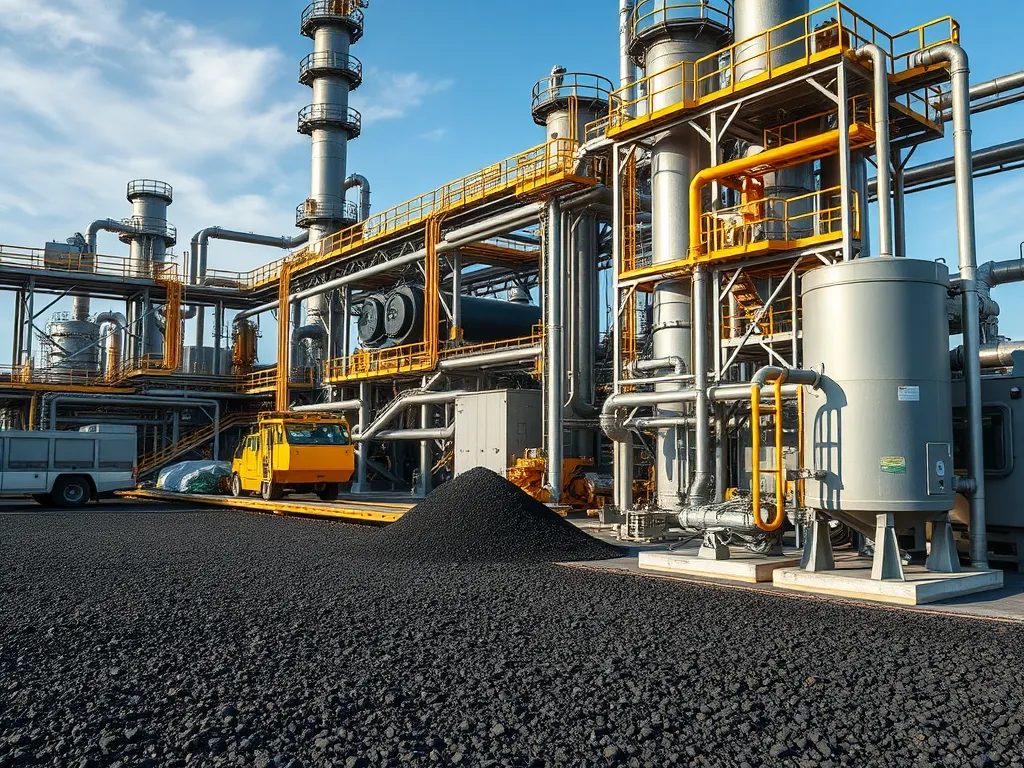
Environmental Considerations in Asphalt Production
Producing asphalt through crude oil refining generates environmental impacts. Balancing industrial needs with ecological responsibility remains a priority for modern refineries.
Emissions and Waste Management
Refining asphalt releases 3.2 million metric tons of CO₂ annually in the U.S. alone. Nitrogen oxides (NOx) and sulfur dioxide (SO₂) form during distillation, contributing to acid rain. Volatile organic compounds (VOCs) like benzene escape during blending, posing air quality risks. Solid wastes include spent catalysts, tank bottoms, and deasphalting sludges – 500,000 tons yearly require treatment or landfill disposal.
Mitigation Strategies for Sustainable Refining
Wet scrubbers remove 95% of SO₂ using alkaline solutions. Electrostatic precipitators capture 99% of particulate matter. Carbon capture systems now trap 40-50% of CO₂ emissions for storage or reuse. Reclaimed asphalt pavement (RAP) integration cuts virgin material use by 30%, diverting 100 million tons from landfills annually. Warm-mix asphalt tech lowers production temps from 300°F to 250°F, slashing fuel consumption by 20%. PG (Performance Grade) binders enhance durability, reducing road repairs and lifecycle emissions.
These advances directly influence how refineries measure output efficiency – a critical factor explored next.
Frequently Asked Questions (FAQs)
How is Asphalt Refined From Crude Oil?
The refining process for asphalt involves several key stages, including atmospheric distillation, vacuum distillation, and deasphalting. During atmospheric distillation, lighter fractions of crude oil are separated, leaving the heavy residues that are ideal for asphalt production. Vacuum distillation operates under reduced pressure to separate additional heavy oils, and deasphalting uses solvents to extract pure asphalt from these residues.
Is Asphalt Entirely Made From Crude Oil?
No, while asphalt is derived from crude oil, it is a combination of bitumen (a product of refining) and aggregates like sand, gravel, or crushed stone. This mixture is what gives asphalt its strong and durable characteristics for paving.
What Determines the Quality Of Asphalt From Crude Oil?
The quality of asphalt is influenced by the type of crude oil used, the refining process, and the specific ratios of bitumen to aggregates. Heavier crudes generally yield asphalt with better binding properties due to higher asphaltene content. Additionally, the temperature and pressure conditions during refining play a critical role in achieving the desired viscosity and performance characteristics of the asphalt.
How Do By-products Differ From Asphalt?
By-products of crude oil refining for asphalt include lighter hydrocarbons such as propane, butane, and kerosene, which have different uses and properties compared to asphalt. While asphalt is a thick, sticky substance used for paving, these by-products serve varied purposes, such as fuel for heating or as solvents in other industrial applications.
Closing Thoughts
Crude oil refining plays a pivotal role in the production of asphalt. The process transforms heavy crude into usable materials through distillation, deasphalting, and blending. These steps are essential for producing high-quality asphalt, suitable for various applications, from roads to roofing.
As environmental considerations become increasingly important, adopting sustainable refining practices helps reduce emissions and landfill waste. Innovations in this field promise a greener future for asphalt production, benefiting not only the construction industry but also the planet.
For more information on asphalt and its calculations, check out Asphalt Calculator USA. We provide tools and insights to help you make informed decisions regarding asphalt projects.
Additional Resources for You:
- American Association of State Highway and Transportation Officials (AASHTO). (2008). Mechanistic-Empirical Pavement Design Guide (MEPDG). Washington, DC: AASHTO.
- GLOSSARY – Occupational Exposures in Petroleum Refining; Crude Oil and Major Petroleum Fuels – NCBI Bookshelf
- Table Definitions, Sources, and Explanatory Notes
- Asphalt Production and Oil Refining – Pavement Interactive
- Asphalt (petroleum) – Citizendium

