Continuous Asphalt Production: How Modern Road Materials Get Made
Published on: November 3, 2026 | Last Updated: April 14, 2025
Written By: George Voss
Continuous asphalt production is a high-output method that creates pavement mixes 24/7 using rotating drum plants, differing from batch plants by feeding materials nonstop instead of in fixed amounts. This process combines dried aggregates like crushed stone with liquid asphalt binder (PG 64-22 grades are common) in a single heated drum, producing 200-800 tons of hot mix asphalt per hour for roads, parking lots, and repairs. Key advantages over batch production include 15-30% lower fuel costs, faster project timelines, and easier recycling of old pavement through reclaimed asphalt pavement (RAP) systems.
This article explains how continuous plants work step-by-step, lists core equipment like drum mixers and baghouse filters, and compares costs between batch and continuous models. You’ll learn why contractors choose continuous systems for highway megaprojects, how emission controls reduce VOC levels below 250 ppm, and what makes warm mix asphalt (WMA) production easier in these setups. We’ll also cover maintenance tips, troubleshooting mix temperature swings (±9°F tolerance), and safety guidelines for plants near residential zones.
What is Continuous Asphalt Production?
Continuous asphalt production refers to a method of creating asphalt mix without interruption. This approach allows non-stop material flow from start to finish, making it ideal for high-volume road projects lasting days or weeks.
Definition and Core Principles
In this system, aggregates and asphalt binders combine in a drum mixer that runs 24/7. Key principles include uniform material feeding, strict heat control (150-175°C), and instant quality adjustments. PG binders (performance-graded asphalt) mix with stone, sand, and up to 30% recycled asphalt pavement (RAP) during this flow. Drum mix plants dominate this sector due to their ability to handle 200-400 tons of mix hourly.
Comparison to Traditional Batch Methods
Batch plants make asphalt in fixed amounts—typically 4-6 tons per cycle—with pauses between loads. Continuous asphalt mixing skips these breaks, cutting idle time by 80%. This boosts output for projects needing 10,000+ tons daily. Batch units allow recipe swaps mid-job, while continuous systems prioritize speed and volume. Fuel costs drop 15% in continuous setups due to steady thermal management.
| Factor | Continuous | Batch |
|---|---|---|
| Output | 200-400 tons/hr | 100-250 tons/hr |
| RAP Use | Up to 50% | Up to 30% |
| Startup Cost | $2M+ | $1.5M |
Looking at how continuous systems function from start to finish shows why many opt for this approach in large-scale jobs.
Continuous Asphalt Production Process
Continuous asphalt production streamlines material creation through non-stop workflows. Unlike batch methods, materials feed into the system without interruption, ensuring steady output for large-scale projects like highways or airport runways.
Step-by-step Workflow
Four critical stages define continuous asphalt mix production. Each phase directly impacts material quality, energy use, and project timelines.
1. Aggregate Drying and Heating
Cold aggregates enter a rotating drum dryer heated to 300-350°F. Moisture content drops below 0.5% to ensure proper bonding. Drum mix plants use counterflow designs to boost heat transfer efficiency, cutting fuel use by 10-15% compared to parallel-flow systems.
2. Continuous Mixing with Asphalt Binder
Hot aggregates meet liquid asphalt binder (PG 64-22 or PG 76-22) in the drum mixer. Continuous asphalt plants maintain precise ratios—typically 5-7% binder by weight—via automated feed systems. Mixers achieve 95% coating efficiency in 45-60 seconds, critical for durable pavements.
3. Hot Mix Asphalt (HMA) Delivery
Fresh HMA exits the plant at 280-330°F into trucks with insulated beds. Temperature loss must stay below 25°F during transport to prevent premature cooling. GPS-tracked fleets ensure timely delivery, with most plants serving sites within 60 miles.
4. Warm Mix Asphalt (WMA) Integration
Modern continuous asphalt plants add WMA technologies like foaming kits or chemical additives. These lower mixing temperatures to 220-250°F, cutting fuel costs by 20% and slashing CO₂ emissions. WMA retains HMA performance while allowing longer haul distances.
Plant design directly shapes output capabilities. Next, we’ll break down the machinery driving continuous asphalt manufacture.
Types Of Asphalt Plants
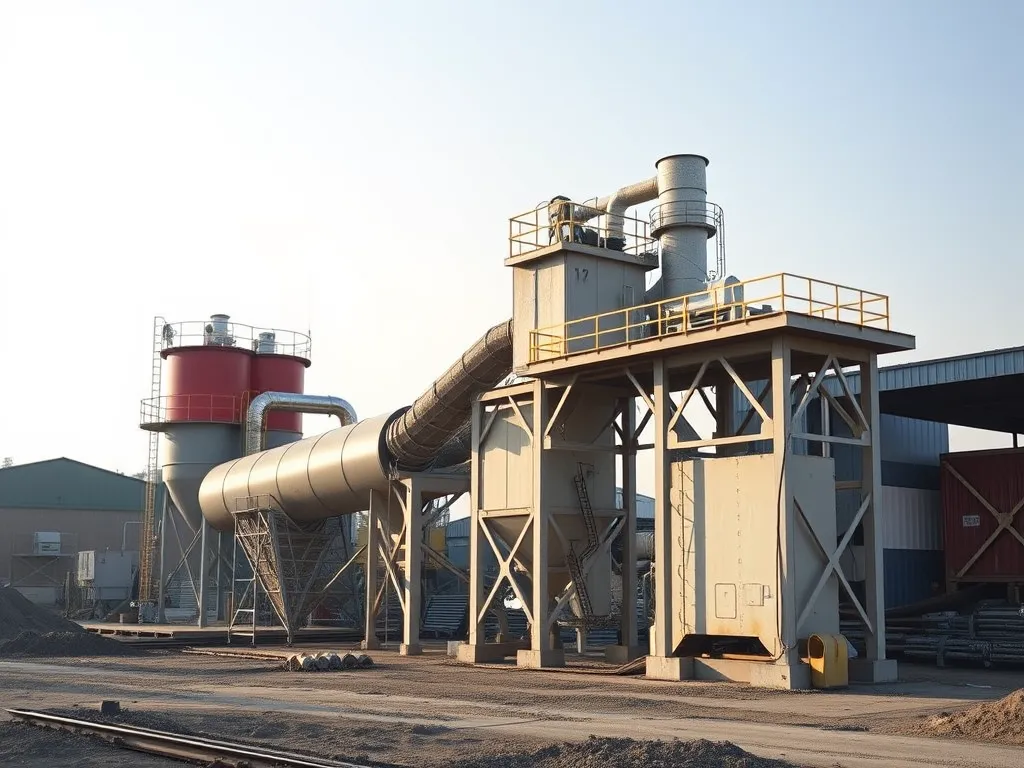
Two main styles shape how asphalt gets made. Each has its own way to mix, heat, and move materials. Choices depend on job size, mix needs, and budget limits.
Continuous Asphalt Plants
These plants work non-stop. Rocks and sand flow into a drum where heat and binder blend them. No stops mean more mix per hour – up to 800 tons. Best for big jobs like highways.
Drum Mix Plants
A single drum does both drying and mixing. Hot air flows the same way as the rocks (parallel flow). This cuts fuel use by 15-20% vs old batch plants. Drum mix plants handle 5-30% recycled asphalt (RAP) with ease.
Batch Asphalt Plants
These make asphalt in set batches. Each load gets weighed before mixing. Slower but lets crews tweak mixes between batches. Used when specs change often, like city roads with varied needs.
Key Differences in Operation
Continuous plants run steady heat (280-325°F). Batch plants cycle between heat and cool. Mix time? Continuous takes 90 seconds per ton. Batch needs 45 seconds just to weigh parts. Fuel costs run 10-18% higher in batch systems due to stop-start cycles.
Up next: The gear that keeps hot mix flowing. From dryers to grade checks, each part plays a role in smooth asphalt output.
Also See: Advantages Of Pneumatic Rollers in Asphalt Applications
Equipment for Continuous Asphalt Mix Production
Four key parts form the core of a continuous asphalt plant. Each plays a vital role in making top-grade mix at high speed.
Essential Components
These systems work in sync to heat, mix, and check asphalt non-stop. Let’s break down each piece.
Aggregate Dryers
Rotating drums blast heat up to 400°F to remove moisture from stone and sand. Dry mix (below 0.5% water) stops cracks and boosts bond strength. Modern dryers cut fuel use by 15% vs older models.
Continuous Drum Mixers
A single drum heats and blends materials in one flow. No stops mean higher output – some make 500+ tons per hour. These units handle up to 30% RAP (recycled asphalt) without losing pave strength.
Recycled Asphalt Processing Units
Shredders break old pave into ½-inch bits for reuse. Screens remove dirt, while belts feed RAP into the drum at set rates. Using RAP slashes costs by $3-$7 per ton vs new mix.
Quality Control Systems
Infrared sensors check mix heat within ±5°F. Computers track stone size and asphalt glue levels in real time. Auto-adjust systems keep every batch to strict DOT specs.
This gear keeps output steady and strong. Next, we’ll see how these systems lead to big gains in speed and savings.
Benefits Of Continuous Asphalt Manufacturing
Continuous asphalt plants change how roads get built. This method cuts waste, saves time, and works for jobs big or small. Let’s break down the top perks.
Enhanced Production Efficiency
No stops. No breaks. Continuous plants make mix non-stop, hitting 250-400 tons per hour. Batch plants pause between loads, losing up to 20% time. Drum mix units cut labor needs by half. Less downtime means more road laid daily.
Consistent Asphalt Mix Quality
Steady heat. Even mix. Sensors track temps and ratios in real time. PG 64-22 binder blends smooth with stone and sand. Tests show ±0.3% variation in binder content—tighter than batch methods. Fewer potholes. Longer road life.
Lower Energy Consumption
One drum does it all. Dry stone. Add binder. Mix. This slashes fuel use by 15-20% vs. batch dryers. Burners run lean with 98% heat reuse. Lower CO2—up to 12 tons less per day. Save $3.50 per ton in energy costs.
Scalability for Large Projects
Need 10,000 tons for a highway job? No sweat. Continuous plants scale up with extra crews and trucks. Add RAP (recycled asphalt) at 30% rate without slowing. Stockpile mix for night work. Handle airports, interstates, or city streets in one flow.
See how continuous stacks up against batch plants next. We’ll compare costs, speed, and which fits your job best.
Continuous Vs. Batch Asphalt Production
Choosing between continuous asphalt mixing and batch methods impacts project timelines, budgets, and final pavement performance. Each method serves distinct needs in asphalt mix production.
Operational Differences
Continuous asphalt plants operate 24/7 using a single drum for drying aggregates and blending bitumen. Materials flow nonstop from raw feed to finished hot mix asphalt (HMA). Batch plants heat aggregates in separate dryers, then mix precise quantities in batches. This stop-start cycle limits output to 150-300 tons per hour, while continuous systems reach 500+ tons hourly.
Cost Comparison
Continuous asphalt manufacture cuts labor costs by 30-40% through automation. Energy use drops 15-20% with integrated drum designs that recycle heat. Batch plants require multiple burners and silos, raising setup costs by 25% for small projects.
Batch Plant Cost Factors
| Factor | Batch Plant | Continuous Plant |
|---|---|---|
| Initial Setup | $800K-$1.5M | $1.2M-$2M |
| Energy Use | 6-8 gal fuel/ton | 4-6 gal fuel/ton |
| Labor | 5-7 workers/shift | 3-4 workers/shift |
Quality and Flexibility Trade-offs
Continuous asphalt production ensures uniform mix density (±0.5% tolerance) ideal for highways. Batch plants adjust recipes faster, swapping PG 64-22 binders for PG 76-16 in 15 minutes—useful for urban roads needing varied specifications. Recycling rates differ too: continuous systems handle 30-50% RAP (recycled asphalt pavement), while batch plants max at 20%.
Up next: A deep dive into long-term savings from continuous asphalt manufacturing, including fuel use and maintenance trends.
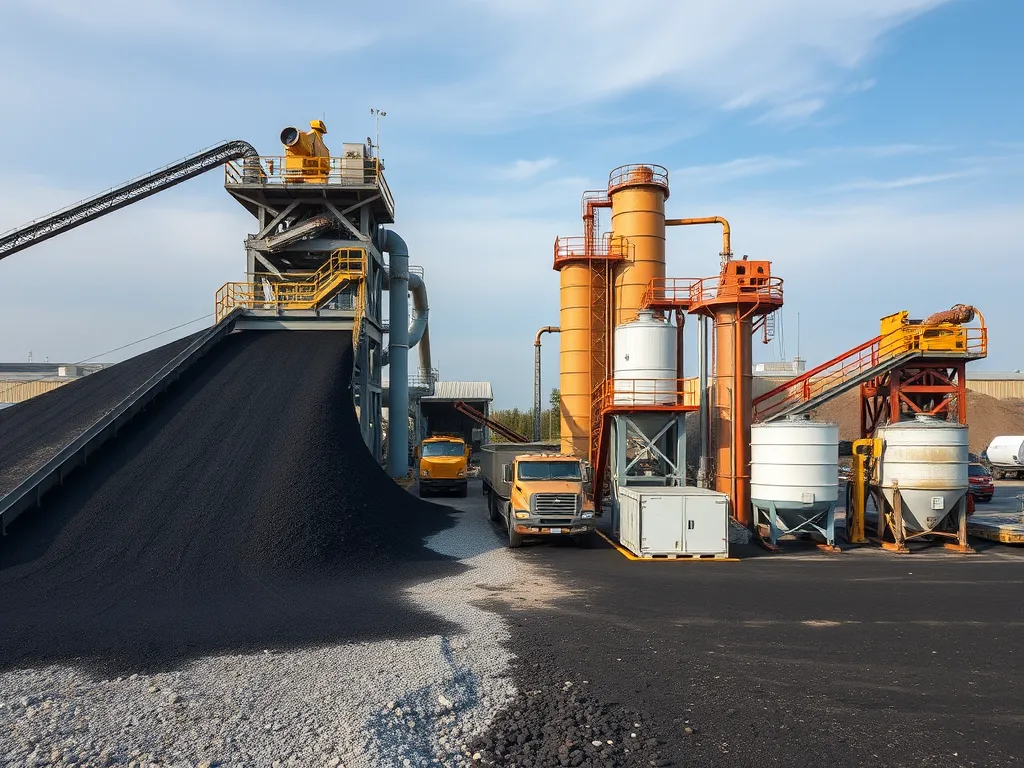
Cost Considerations for Continuous Asphalt Production
Continuous systems reshape budgeting strategies for road builders. While upfront investments weigh heavily, long-term gains often tip the scales toward modernized operations.
Initial Setup Costs
Deploying a continuous asphalt plant demands $1.5M-$3M for mid-sized setups. Drum mixers, aggregate dryers, and RAP (Recycled Asphalt Pavement) processing units drive 60-70% of expenses. Foundations, electrical grids, and storage silos tack on $200K-$500K. Batch plants might cost 15-20% less initially but lack integrated recycling tech.
Long-term Operational Savings
Non-stop production slashes labor needs by 40% versus batch methods. Drum mixers cut fuel use by 15-20% through streamlined drying-mixing cycles. Maintenance drops 30% with fewer moving parts—no batch tower components to service. Recycling systems trim material costs by up to 30% when blending RAP into fresh mixes. Over five years, these savings often offset setup costs entirely.
Balancing these financial factors sets the stage for another critical discussion: how continuous production impacts emissions and community relations. Up next, we’ll break down environmental trade-offs tied to this method.
Environmental and Community Impact
Continuous asphalt production affects ecosystems and neighborhoods differently than traditional batch methods. Modern plants now prioritize cleaner operations while maintaining high output for roads and infrastructure.
Emissions Reduction Strategies
Continuous asphalt plants cut airborne pollutants through advanced engineering. Baghouse filters capture 99% of particulate matter, while low-NOx burners slash nitrogen oxide emissions by 30-50%. Using RAP (Recycled Asphalt Pavement) in the asphalt mix production process reduces virgin material use, lowering CO2 output by 20% per ton of mix.
- Closed-loop systems minimize fugitive dust during aggregate drying
- Real-time emission monitors track sulfur dioxide and volatile organic compounds
- Bio-based asphalt binders replace 15-20% of petroleum-based bitumen in some mixes
Energy Efficiency Improvements
Drum mix plants in continuous asphalt manufacturing consume 12-18% less fuel per ton than batch plants. Heat recovery systems reuse exhaust gases to preheat aggregates, trimming energy use by 8-10 kWh per ton. Warm Mix Asphalt (WMA) technologies allow production at 250°F instead of 300°F, cutting fuel needs by 20%.
- Variable-frequency drives adjust motor speeds based on production demand
- Solar-powered components for lighting and control systems
- Insulated storage silos maintain mix temperature without reheating
Safety and Proximity Concerns
Continuous asphalt plants operate 24/7 near urban expansion zones. New facilities must follow EPA’s 40 CFR Part 60 standards for particulate emissions (0.04 grains/dscf) and OSHA’s 29 CFR 1926 safety protocols.
Living Near an Asphalt Plant
Residences within 1,000 feet of an asphalt factory report 70% fewer odor complaints since 2020 due to improved containment systems. Key mitigation measures include:
- 500-foot buffer zones with tree barriers
- Misting systems that suppress dust during loading
- Enclosed RAP processing units with negative air pressure
Modern plants now meet WHO air quality guidelines (PM2.5 under 12 μg/m³) through stack height optimizations and automated emission controls.
These operational upgrades set the stage for addressing production challenges – from mix consistency to equipment reliability.
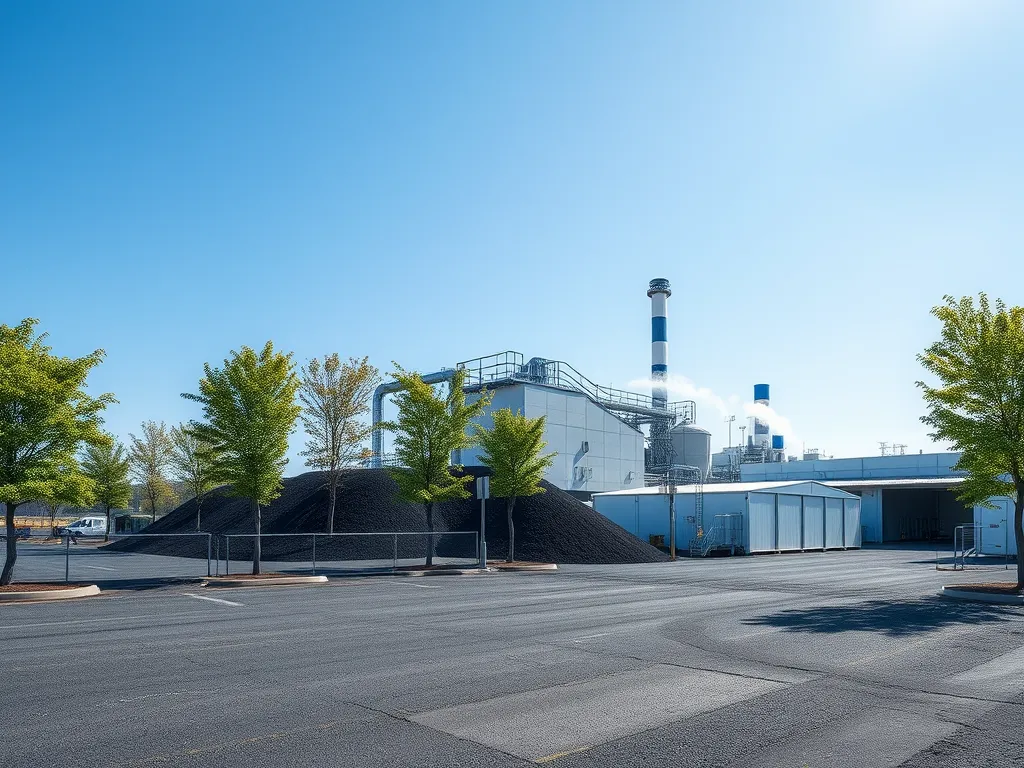
Troubleshooting Common Issues
Continuous asphalt production delivers efficiency but faces operational challenges. Proactive problem-solving keeps plants running at peak performance.
Inconsistent Mix Quality
Aggregate gradation errors cause 80% of mix inconsistencies in continuous asphalt plants. Variations exceeding 5% in rock size or binder content (PG 64-22 or PG 76-28) create weak spots. Real-time monitoring systems like NIR analyzers track material ratios every 45 seconds. For recycled asphalt pavement (RAP), limit content to 30% in drum mix plants to prevent binder degradation. Calibrate feeders weekly using ASTM D995 standards.
Equipment Maintenance Challenges
Drum mixers lose 20% efficiency if flight tips wear beyond 1/4-inch thickness. Replace liners every 80,000 tons in high-output asphalt factories. Conveyor belts misaligned by >3mm spill 2-5 tons hourly. Predictive maintenance sensors on bearings (1500-1800 RPM range) cut downtime by 40%. Schedule infrared scans every 500 operating hours to detect motor hotspots.
Temperature Control Problems
Hot mix asphalt (HMA) requires strict 280-325°F zones. A 15°F drop reduces density by 6%, risking premature cracking. Burner calibration drift causes 75% of temperature issues. Thermal imaging cameras pinpoint cold spots in drying drums within 8 minutes. For warm mix asphalt (WMA) production, maintain 220-250°F using foaming kits – this slashes fuel costs 12% versus HMA methods.
These solutions set the stage for evaluating cost factors in continuous asphalt manufacture. Let’s break down initial investments versus long-term savings.
Frequently Asked Questions
What is the Typical Output Capacity Of a Continuous Asphalt Plant?
Continuous asphalt plants typically achieve an output capacity ranging from 200 to 800 tons of asphalt mix per hour, depending on the specific model and setup.
How Does Continuous Asphalt Production Impact Road Longevity?
Continuous asphalt production is designed to create a uniform asphalt mix with precise binder ratios, resulting in improved adhesion and overall longevity, which can help extend the lifespan of roads and reduce maintenance costs.
Are There Any Specific Safety Regulations for Operating Continuous Asphalt Plants?
Yes, continuous asphalt plants must comply with safety regulations established by agencies such as OSHA and the EPA. These include standards for emissions control, worker safety, and equipment operation to ensure environmental and community safety.
Can Recycled Asphalt Pavement (RAP) Be Integrated Into Continuous Asphalt Production?
Absolutely! Continuous asphalt plants can accommodate up to 30-50% recycled asphalt pavement (RAP) in the mix, making them an environmentally friendly option by reducing the need for virgin materials.
What Maintenance Practices Are Recommended for Continuous Asphalt Plants?
Regular maintenance is crucial for continuous asphalt plants. This includes routine checks of mixers and dryers, calibration of equipment, and timely replacement of worn components such as flight tips and conveyor belts to maintain optimal efficiency and output.
How Do Environmental Regulations Affect Continuous Asphalt Production?
Environmental regulations can require continuous asphalt plants to implement emissions reduction technologies, monitor pollution levels, and adopt practices that minimize their carbon footprint, ultimately enhancing their sustainability efforts.
What Technologies Are Used to Monitor Mix Quality in Continuous Asphalt Production?
Continuous asphalt production employs advanced technologies such as infrared sensors, near-infrared (NIR) analyzers, and automated sampling systems to monitor temperature, binder content, and aggregate ratios in real-time, ensuring consistent mix quality.
What Role Does Automation Play in Continuous Asphalt Production?
Automation in continuous asphalt production helps streamline operations, reduce labor costs, and enhance consistency in mix quality. Automated systems manage material feed rates, monitor temperatures, and collect data for quality assurance, contributing to improved efficiency.
Closing Thoughts
Continuous asphalt production stands out for its efficiency and consistency. By enabling a steady flow of asphalt mix, it supports large-scale projects without compromising quality. This method reduces energy consumption and operational costs while achieving high-quality results.
The choice between continuous and batch production ultimately hinges on project needs, scale, and available resources. Continuous plants are ideal for high-volume demands and tight timelines, making them a popular option in today’s construction landscape.
For detailed insights on asphalt production and tools to optimize your projects, check out Asphalt Calculator USA.
Additional Resources for You:
- Yoder, E. J., & Witczak, M. W. (1975). Principles of Pavement Design (2nd ed.). New York, NY: Wiley.
- Batch Mix Asphalt Plant vs Continuous Asphalt Plant, which one fits
- What is Continuous and Batch Asphalt Plant? / Power Asphalt Plant
- Asphalt Drum Mix Plant For Continuous Production | DASWELL
- A Guide to Asphalt Production Plant Operation A Guide to Asphalt Production Plant Operation