What is Asphalt Concrete?
Published on: April 25, 2026 | Last Updated: April 14, 2025
Written By: George Voss
Asphalt concrete is a paving material made by mixing aggregates (crushed stone, sand, gravel) with bitumen, a sticky petroleum binder. Unlike regular concrete that uses cement, asphalt concrete relies on bitumen to bind materials, creating flexible, weather-resistant surfaces. Common types include hot mix (HMA), warm mix (WMA), and porous asphalt. It’s known for durability (15-20+ year lifespan), skid resistance, and noise reduction on roads.
This article explores how asphalt concrete works, from its basic ingredients to real-world uses. You’ll learn about mix designs tailored for climates like Arizona’s heat or Minnesota’s freeze-thaw cycles, cost ranges ($2-$5 per square foot installed), and innovations like recycled asphalt pavement (RAP). We’ll compare it to cement concrete, break down performance grades (PG binders), and explain why 94% of U.S. roads use this material.
Definition Of Asphalt Concrete
Asphalt concrete forms the top layer on 93% of U.S. paved roads. This mix binds crushed stone, sand, and gravel with asphalt cement to create smooth, tough surfaces.
What is Asphalt Concrete?
Asphalt concrete (AC) is a road-building material made of 90-95% stone and sand held together by 5-10% asphalt cement. Heat bonds these parts into a solid mass that handles heavy trucks and weather shifts.
Asphalt Concrete Explained Simply
Think of it like a rock cake glued with sticky black paste. The rocks give strength. The paste (asphalt cement) keeps them stuck. This mix is poured hot, then pressed flat to make roads, lots, or runways.
Key Terminology Clarification
Words like “asphalt” and “bitumen” often cause mix-ups. Asphalt cement refers only to the black glue. Asphalt concrete means the full rock-and-glue blend used for paving.
Asphalt Concrete vs. Asphalt Cement
Asphalt cement is just the binder – a thick, black oil. Asphalt concrete adds stones and sand. For example, roads use 5% asphalt cement and 95% stone in the final mix. PG binders (like PG 64-22) grade the cement’s heat range.
Up next: We break down how rock sizes, sand types, and binder grades shape asphalt concrete’s strength and cost.
Composition Of Asphalt Concrete
Asphalt concrete blends raw parts to form a tough road skin. Each piece plays a set role in strength, wear, and life span.
What is Asphalt Concrete Made Of?
Three core parts build this mix: binder, rocks, and extras. Their balance shapes how roads act under cars, trucks, and storms.
Primary Components: Binder, Aggregates, and Additives
- Binder: Black, sticky bitumen (5-10% of mix) glues rocks together
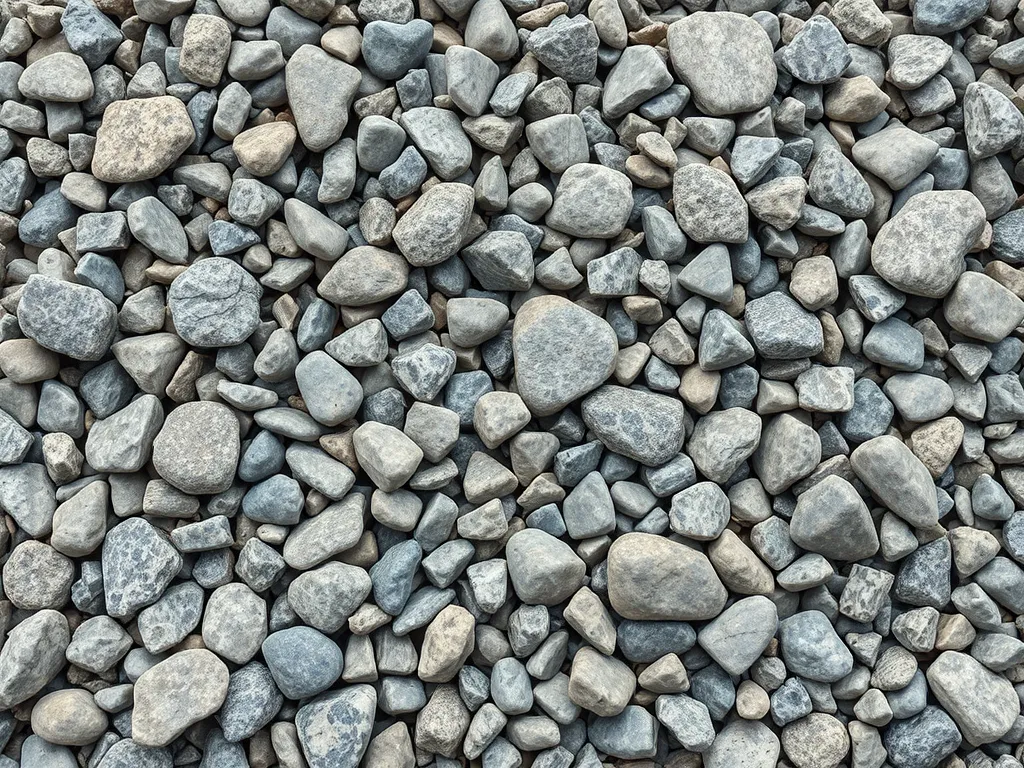
- Aggregates: Crushed stone, sand, gravel (90-95%) form the load frame
- Additives: Fibers, rubber, or wax boost heat hold, crack stop, or work time
Role Of Bitumen in Asphalt Concrete
Bitumen acts like glue that hardens when cool. PG binders (like PG 64-22) rate its heat range. In summer, it won’t melt below 64°C. In winter, it won’t crack till -22°C. Superpave specs match binder grades to local temps.
Aggregate Gradation and Quality
Rock size mix (gradation) locks pieces tight. Coarse stones bear weight. Fine sand fills gaps. Tests check for flat shapes (<15%), hard score (>95 LA abrasion), and clean dust (<1% clay). Bad rocks mean weak roads that rut or ravel fast.
Mix design sets the stage – next, we explore how types like HMA or SMA tweak this base for roads, runways, and rain control.
Types Of Asphalt Concrete
Asphalt concrete comes in multiple forms, each engineered for specific conditions. The mix design, production temperature, and aggregate structure vary to meet durability, cost, and environmental needs.
Hot Mix Asphalt (HMA)
Hot Mix Asphalt (HMA) is produced at 300°F–350°F. It combines aggregates with Performance Grade (PG) binders—asphalt cement graded for temperature resistance. HMA forms 90% of U.S. roadways due to its high density and strength under heavy traffic. It allows up to 30% recycled asphalt pavement (RAP), lowering material costs by $2–$5 per ton. Ideal for highways, HMA requires compaction within 24 hours for maximum durability.
Warm Mix Asphalt (WMA)
Warm Mix Asphalt (WMA) uses additives like waxes or foaming tech to lower production temps to 200°F–250°F. This cuts fuel use by 20–35% and greenhouse gases by 15–40%. WMA handles higher RAP content (up to 50%) and stays workable longer, making it suited for urban roads and cool-weather paving.
Cold Mix Asphalt
Cold mix uses emulsified bitumen that cures without heat. Applied at ambient temps, it’s a go-to for pothole repairs or rural roads. Though less durable than HMA (lasting 6–12 months), it costs 40–60% less per ton. Additives like lime improve stability in wet conditions.
Porous Asphalt Concrete
Porous asphalt features open-graded aggregates with 16–20% air voids. This design drains 3–5 gallons of water per square foot annually, reducing stormwater runoff by 75%. Used in parking lots and driveways, it minimizes flooding and meets EPA guidelines for permeable pavements.
Stone Mastic Asphalt (SMA)
Stone Mastic Asphalt (SMA) has a stone-on-stone skeleton filled with cellulose fibers or polymers. SMA resists rutting and lasts 30–50% longer than HMA under heavy trucks. With costs 20–30% higher per ton, it’s used for interstate highways and industrial zones.
Selecting the right type depends on climate, traffic, and budget. Next, we’ll compare asphalt concrete to alternative materials like Portland cement concrete.
Also See: Environmental Benefits Of Using Recycled Aggregates
Asphalt Concrete Vs. Other Materials
While asphalt concrete dominates road construction, its properties differ sharply from materials like standard concrete or pure asphalt. Knowing these distinctions clarifies why engineers choose specific mixes for projects.
Difference Between Asphalt Concrete and Concrete
Asphalt concrete combines aggregates with a bitumen binder, while standard concrete uses cement paste to bind sand and gravel. This fundamental distinction creates divergent performance traits. Cement-based concrete cures through hydration, forming a rigid structure. Asphalt concrete gains strength as bitumen cools and binds aggregates.
Strength and Flexibility Comparison
Portland cement concrete boasts higher compressive strength (3,000-5,000 PSI) but lacks flexibility. Asphalt concrete typically achieves 1,500-3,000 PSI but bends under load without cracking. This flexibility makes asphalt concrete better suited for freeze-thaw cycles or shifting soils. Rigid concrete slabs often require expansion joints to prevent stress fractures.
Asphalt Concrete Vs. Pure Asphalt
Pure asphalt refers to bitumen alone—the sticky black binder derived from crude oil. Asphalt concrete integrates this binder with graded stones and sand. While pure asphalt seals cracks or waterproofs surfaces, it lacks structural capacity. Adding aggregates transforms it into a load-bearing material capable of handling 18-wheel trucks or airport runways.
From highways to driveways, asphalt concrete’s tailored blends outperform alternatives in specific scenarios. Next, let’s examine where this material shines brightest across infrastructure projects.

Applications Of Asphalt Concrete
Asphalt concrete adapts to many structural needs, from daily traffic to harsh climatic conditions. Its flexibility and strength make it a top pick for surfacing projects requiring long-lasting results.
What is Asphalt Concrete Used for?
This material serves as a backbone for transportation infrastructure. Its uses span public roads, private property surfacing, and specialized systems built to tackle water runoff.
Road Construction and Highway Pavements
Over 90% of paved roads in the U.S. rely on asphalt concrete. PG (Performance Graded) binders allow mixes to handle heavy truck loads without rutting. Highways built with Superpave mix designs last 15-20 years with routine upkeep. Open-graded friction courses improve wet-weather traction, cutting accident risks by up to 45%.
Parking Lots and Driveways
Residential driveways typically use 2-3 inches of compacted asphalt concrete over a gravel base. Polymer-modified binders prevent cracks from freeze-thaw cycles. Commercial lots often apply stone matrix asphalt (SMA) layers, lasting 12-15 years at $2-$5 per square foot installed.
- Fast installation: Crews can lay 10,000 sq ft daily
- Low upkeep: Sealcoating every 3-5 years extends lifespan
Airport Runways
Airfields demand mixes that withstand Boeing 747 weights (up to 975,000 lbs). FAA specs require 18-inch thick asphalt concrete layers with Marshall Stability values above 1,800 lbs. High-density pavements resist jet blast erosion while staying smooth for safe landings.
Permeable Pavement Systems
Porous asphalt concrete contains 15-25% void spaces, draining 5 gallons of stormwater per square foot hourly. Ideal for parking lots in flood zones, it cuts runoff by 75% vs traditional pavements. A 6-inch base layer with 1.5-inch choker stone supports load-bearing while filtering pollutants.
From highways to hurricane-prone zones, asphalt concrete adjusts to project demands. Up next: how mix designs balance aggregates, bitumen, and climate factors for optimal performance.
Asphalt Concrete Mix Design
Mix design forms the core of asphalt concrete quality. It balances strength, cost, and lifespan by tweaking raw material ratios. Each blend must meet strict specs for target use.
Understanding the Mix Ratio
The mix ratio decides how well the pavement holds up. Too much binder makes soft roads. Too little leads to cracks. Get it right for smooth, long rides.
Optimal Aggregate-to-Binder Ratio
Most mixes use 95% stone, sand, or gravel (aggregate) and 5% asphalt binder. High-traffic roads may use 96% aggregate. Driveways drop to 93-94% for extra weatherproofing. Recycled asphalt pavement (RAP) can replace 20-30% of new binder, cutting costs by $8-$15 per ton.
Factors Influencing Mix Design
Weather, traffic, and material costs shape every mix. A desert highway mix won’t work in a snowy town. Budgets also steer choices—cheaper stone may save cash but wear out faster.
Climate and Traffic Load Considerations
Hot zones need stiff binders like PG 76-16 to resist rutting. Cold areas use softer PG 58-28 to avoid cracks. Highways handle 30+ million ESALs (truck loads), demanding 1.5-inch thick layers with tough granite. Local roads use thinner layers with cheaper limestone.
Nail the mix, and your road lasts decades. Next, let’s break down how time and wear impact this material.
Durability and Performance
Asphalt concrete stands out for its ability to withstand heavy use while maintaining structural integrity. This material’s lifespan directly impacts road safety and maintenance budgets, making durability a key focus for engineers and contractors.
How Long Does Asphalt Concrete Last?
Typical asphalt concrete surfaces last 15-20 years with proper maintenance. High-traffic highways may require resurfacing every 8-12 years due to constant vehicle loads exceeding 30,000 daily passes. Driveways in residential areas often exceed 20 years with minimal repairs.
Lifespan Under Different Conditions
Climate plays a major role. In freeze-thaw regions, repeated expansion from ice can shorten lifespan by 30-40% without proper drainage. UV exposure in hot climates softens bitumen, leading to rutting. Coastal areas face salt corrosion, accelerating surface raveling. Well-designed mixes with performance-graded (PG) binders tailored to local weather mitigate these effects.
Factors Affecting Strength and Longevity
Three elements determine asphalt concrete performance: mix design, installation quality, and upkeep. Aggregate gradation impacts load distribution—coarse aggregates handle heavy trucks, while fine fills voids for smoother surfaces. Binder viscosity affects temperature resistance; PG 76-22 binders outperform standard PG 64-28 in extreme heat. Compaction density during paving must reach 92-96% to prevent premature cracking. Sealcoating every 3-5 years blocks water infiltration, extending service life by up to 50%.
Durability ties directly to long-term costs—a topic explored next as we break down pricing and economic benefits.
Cost Considerations
Asphalt concrete costs shift based on region, project size, and material prices. Knowing these helps plan budgets for roads, driveways, or parking lots.
Price Of Asphalt Concrete
Prices range from $100-$150 per ton or $2-$5 per square foot. Hot mix asphalt (HMA) costs more but lasts longer. Warm mix (WMA) cuts fuel use by 20%, lowering costs. Cold mix suits quick fixes but needs more upkeep.
Cost per Ton/Square Foot
| Type | Cost per Ton | Cost per Sq. Ft. |
|---|---|---|
| HMA | $110-$160 | $3-$6 |
| WMA | $100-$140 | $2.50-$5 |
| Cold Mix | $50-$80 | $1.50-$3 |
| Porous | $120-$180 | $4-$8 |
Labor, site prep, and local rock/bitumen costs sway final prices. Additives like polymers add 10-15% but boost strength.
Economic Benefits Of Asphalt Roads
Asphalt roads cost 20-35% less upfront than concrete. They set faster, cutting labor hours. Roads reopen in hours, not days. Recycled asphalt (RAP) slashes material costs by up to 30%. Routine fixes like patching cost 5x less than full rebuilds. Over 30 years, asphalt’s lifecycle costs beat concrete by 40% in mild zones.
Beyond cost, asphalt’s green perks matter. Recycled blends trim waste and energy use—key for eco-focused jobs.

Environmental Impact
Asphalt concrete stands out for its eco-friendly attributes despite being a petroleum-based material. Modern techniques prioritize reducing its carbon footprint while maintaining structural integrity.
Recyclability Of Asphalt Concrete
Old asphalt pavement gets crushed into Recycled Asphalt Pavement (RAP) and reused in new mixes. The Federal Highway Administration states 95% of asphalt concrete from roads gets recycled—the highest rate of any construction material. RAP usage cuts material costs by up to 25% and slashes landfill waste. A 2023 EPA report showed recycling 90 million tons of RAP annually equals removing 12 million cars from roads for a year.
Recycled mixes perform as well as virgin materials when blended with fresh bitumen. States like California now allow 40-50% RAP in highway projects. Perpetual pavement designs enable repeated resurfacing without full reconstruction, extending service life beyond 30 years.
Energy Efficiency in Production
Warm Mix Asphalt (WMA) technology lowers production temps from 300°F-320°F to 212°F-275°F. This reduces fuel consumption by 20-40% during heating, as per National Asphalt Pavement Association data. Plants using foaming nozzles or chemical additives cut CO2 emissions by 15-30% versus traditional Hot Mix Asphalt.
Newer plants employ reclaimed heat systems and solar power. A 2022 study found WMA production emits 6.6 kg CO2 per ton versus HMA’s 9.8 kg. These advances make asphalt concrete 40% more energy-efficient than Portland cement concrete over its lifecycle.
With innovations lowering emissions and boosting reuse rates, asphalt concrete remains a leader in sustainable paving. Let’s explore common questions about its performance and maintenance next.
Frequently Asked Questions
Is Asphalt Concrete Stronger Than Regular Concrete?
While asphalt concrete and regular concrete serve different purposes, they have varying strengths. Asphalt concrete is designed to be flexible under load, making it less prone to cracking in freeze-thaw cycles, while regular concrete has a higher compressive strength. The choice between the two often depends on the specific application and environmental conditions.
Can Asphalt Concrete Be Repaired Easily?
Yes, asphalt concrete can be relatively easy to repair compared to rigid concrete. Potholes or cracks can be filled and patched without extensive machinery or complicated processes. Routine maintenance like surface sealing can also extend the lifespan of asphalt pavements and enhance their performance.
How Does Weather Affect Asphalt Concrete?
Weather plays a significant role in the performance of asphalt concrete. High temperatures can soften the bitumen, leading to rutting, while freezing temperatures can cause cracking if water seeps into the pavement and expands. Proper mix design and maintenance can mitigate these weather-related issues, ensuring durability across different climates.
Closing Thoughts
Asphalt concrete is a vital construction material, combining strength and flexibility ideal for various applications. Its unique composition of aggregates, bitumen, and additives ensures durable roadways, driveways, and airport runways. From hot mix to porous variants, asphalt concrete adapts to the needs of different climates and traffic loads.
Understanding the nuances between asphalt concrete and other materials, such as traditional concrete, highlights its benefits. The cost-effectiveness and environmental benefits of recycling asphalt further enhance its appeal in modern construction. Whether you’re a homeowner or a professional, knowing why to choose asphalt concrete can lead to more sustainable choices in paving and road construction.
For more detailed information and resources related to asphalt and construction, check out Asphalt Calculator USA.
Additional Resources for You:
- The Asphalt Institute. (2007). MS-4: The Asphalt Handbook. Lexington, KY: Asphalt Institute.
- r/civilengineering on Reddit: “Asphalt” vs “asphalt concrete”
- What is Asphalt Concrete? – Enright Aspahlt
- Key Differences Between Asphalt and Concrete | K&E Flatwork
- WHAT IS ASPHALT CONCRETE? – AMP Paving