Cold Mix Asphalt Plant: Components, Operations, and Key Considerations
Published on: November 8, 2026 | Last Updated: April 14, 2025
Written By: George Voss
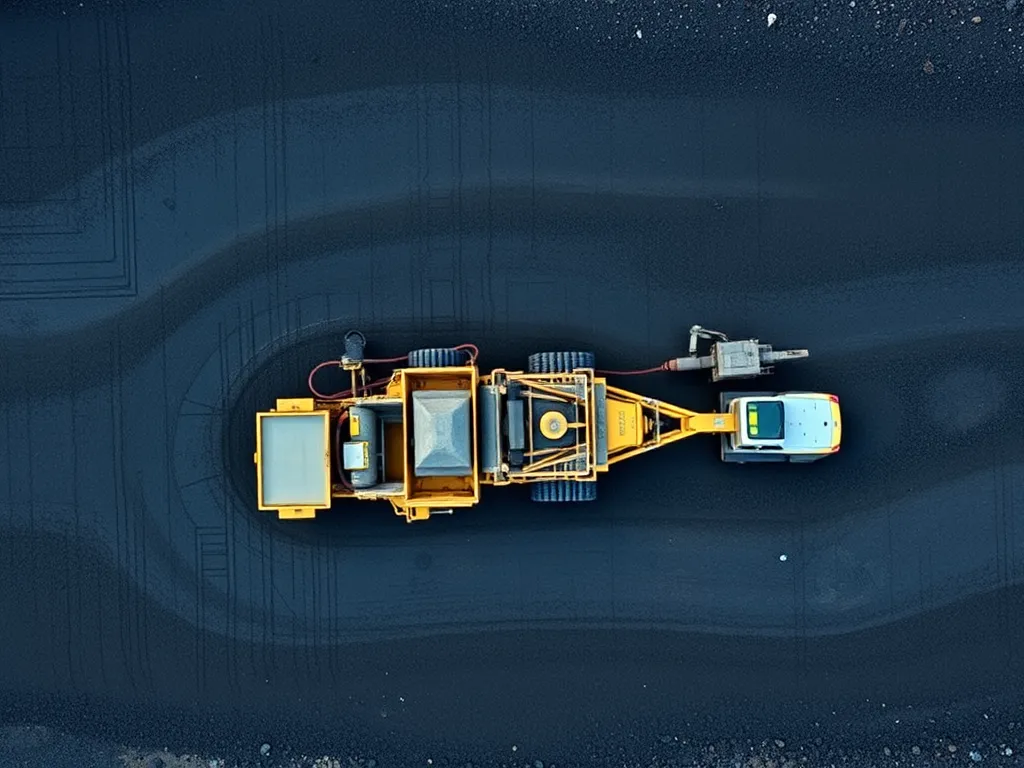
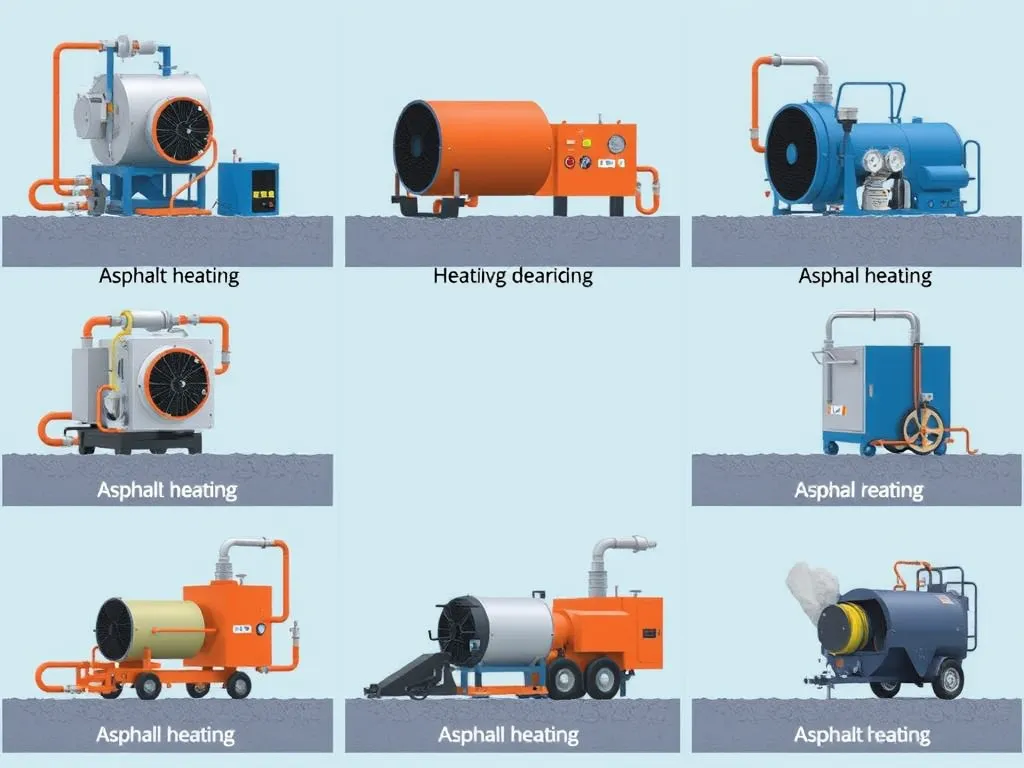
A cold mix asphalt plant produces asphalt without heating materials, combining aggregates like crushed stone with bitumen emulsion at ambient temperatures. Unlike hot mix plants requiring 300°F+ temperatures, these facilities skip heating, cutting energy use by 35-50%. Ideal for remote projects or temporary repairs, they come in portable, mobile, or stationary setups with outputs from 5 to 100 tons per hour. Suppliers like Wirtgen Group and Astec Industries offer models with automated controls, modular designs, and easy relocation options.
This article breaks down how cold mix plants operate, their core parts, and what to look for when buying one. We cover plant types, production steps, cost factors, and maintenance needs. Learn why cold mix works for pothole repairs or rural roads, how curing times impact projects, and where to find reliable equipment.
Understanding Cold Mix Asphalt Plants
Cold mix asphalt plants fill a unique role in road construction. These facilities create asphalt mixtures without high-temperature heating, making them ideal for remote projects or quick repairs.
What is a Cold Mix Asphalt Plant?
A cold mix asphalt plant combines aggregates and binders at ambient temperatures, typically between 60°F and 80°F. Unlike hot mix plants, it skips energy-intensive heating steps. Contractors favor these plants for small-scale jobs like pothole repairs or rural road projects. Portable cold mix asphalt plants dominate this space, offering setups that fit on trailers for rapid deployment.
What is Cold Mix Asphalt?
Cold mix asphalt blends unheated aggregates with emulsified or cutback asphalt binders. The emulsion contains bitumen suspended in water, allowing it to coat stones without heat. This material stays workable for weeks, making it a go-to for temporary fixes or low-traffic areas. Mixes achieve 1,500-3,000 psi compressive strength after curing, depending on binder grades like CSS-1h or CRS-2.
Core Components Of a Cold Mix Asphalt Production Plant
Key equipment drives efficiency in these plants:
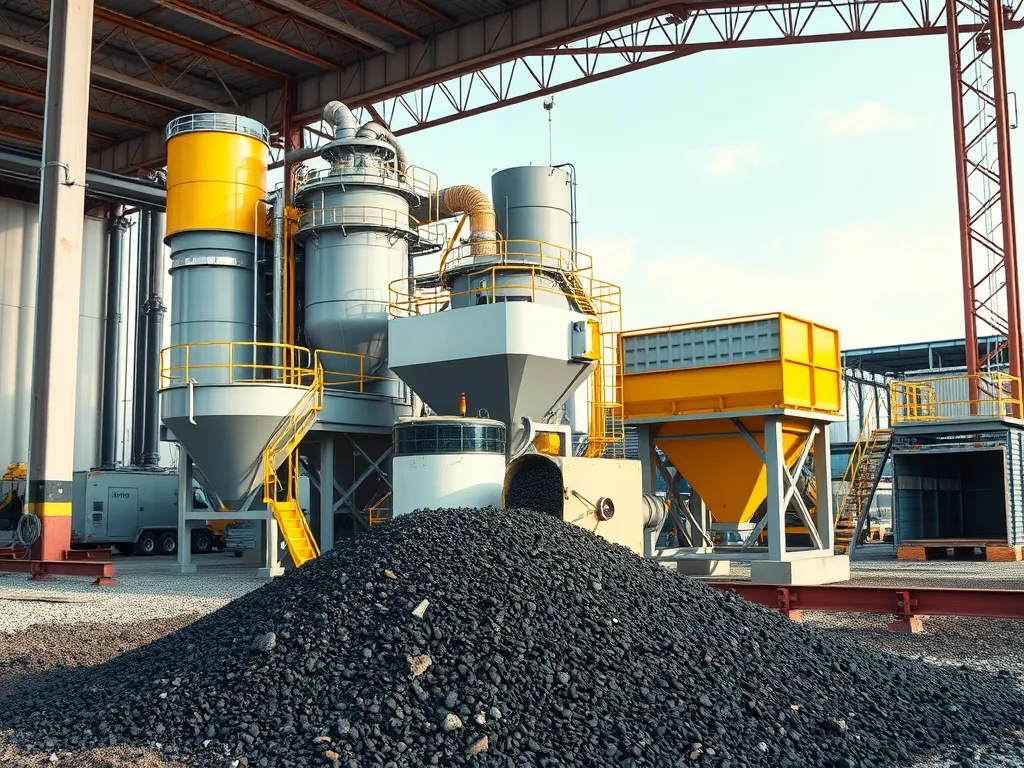
Aggregate bins: Store multiple stone sizes (typically 3/4″ to dust). Feed conveyors: Move materials to the mixer at 10-50 tons/hour rates. Pugmill mixer: Blends aggregates and binders in 30-60 second cycles. Bitumen tanks: Hold emulsified asphalt at 120-160°F to maintain flow. Control panel: Manages mix ratios with ±0.5% accuracy for consistent batches.
Mobile cold mix asphalt plants add wheels for job site mobility, while stationary models handle larger outputs up to 200 tons daily.
With the basics covered, let’s examine the different plant types available for various project scales.
Types Of Cold Mix Asphalt Plants
Cold mix asphalt production facilities come in three primary designs: portable, mobile, and stationary. Each serves distinct project scales, budgets, and operational demands. Flexibility, production volume, and setup requirements dictate which type fits specific repair jobs or large-scale construction.
Portable Cold Mix Asphalt Plants
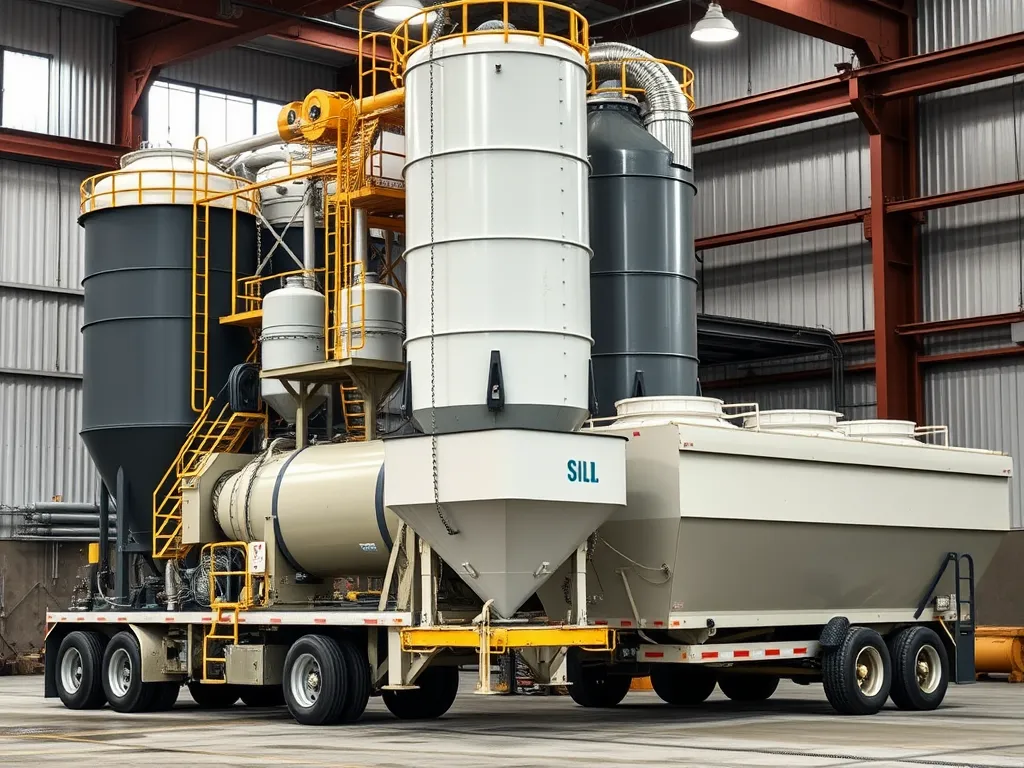
Portable cold mix asphalt plants feature compact, trailer-mounted designs for rapid deployment. Ideal for temporary projects or remote sites, these units produce 5-20 tons per hour. Contractors use them for pothole repairs, rural road maintenance, or emergency fixes. Brands like Wirtgen offer models with integrated bins for aggregates and binders. No permanent foundation needed—set up within hours on leveled ground. Costs range between $50,000-$150,000, depending on capacity. Suppliers often provide modular options for mixing emulsion-based or cutback asphalt.
Mobile Cold Mix Asphalt Plants
Mobile cold mix asphalt plants balance mobility with higher output, generating 20-50 tons hourly. Mounted on skids or shipping containers, they relocate without full disassembly. Municipalities favor these systems for recurring roadwork across multiple sites. Linnhoff’s mobile units include onboard generators and automated controls. Ideal for producing stockpile material during seasonal campaigns. Setup takes 1-2 days, with prices starting at $150,000. These plants support recycled asphalt pavement (RAP) integration, cutting material costs by up to 30%.
Stationary Cold Mix Asphalt Mixing Equipment
Stationary cold mix asphalt production plants handle large volumes—50-200 tons per hour—for urban road networks or highway projects. Permanent installations feature silos, conveyor belts, and computerized batching systems. Marini’s FM Series offers dual-shaft mixers for uniform coating of aggregates with bitumen emulsions. Initial investments exceed $500,000 but yield lower per-ton costs over time. These setups comply with strict DOT specifications, ensuring consistent mix quality. Suppliers like Ammann provide tailored layouts for integrating RAP up to 60%.
Selecting between portable, mobile, or stationary systems depends on project scope and budget. Next, let’s break down the step-by-step workflows that keep these plants running efficiently.
How Does a Cold Mix Asphalt Plant Work?
Cold mix asphalt plants create paving material at ambient temperatures, eliminating the need for heating aggregates or binders. This process saves energy while maintaining flexibility for small-scale projects or remote sites.
Step-by-step Production Process
Five stages define cold mix asphalt production:
- Aggregate Feeding: Graded stone (3/8” to ½” size) enters via conveyor belts or skip hoists
- Binder Addition: Liquid asphalt emulsion or cutback mixes with aggregates at 5-7% by weight
- Mixing: Twin-shaft pugmill blends materials for 15-30 seconds at 15-30 RPM
- Storage: Finished cold mix moves to stockpiles with 2-3% moisture retention
- Curing: Asphalt gains strength over 24-72 hours through water evaporation
Plants can integrate recycled asphalt pavement (RAP) up to 30% without compromising quality.
Role Of Aggregates and Binders in Cold Mix Production
Aggregates provide structural integrity. Crushed granite or limestone (95% of mix volume) must meet ASTM D692 standards for angularity and gradation. Binders like CSS-1h emulsion or MC-30 cutback asphalt coat particles, creating adhesion. Additives such as polymers or lime boost moisture resistance.
Particle size directly impacts compaction: fines (material passing #200 sieve) stay below 8% to prevent rutting. Binder viscosity ranges from 50-200 poise for proper workability.
Cold Mix Asphalt Plant Layout and Workflow
A typical plant spans 1,500-5,000 sq ft with three zones:
- Feeding Zone: 2-4 aggregate bins (10-50 ton capacity) feed into metering gates
- Mixing Zone: 1-3 yd³ batch mixer or continuous pugmill combines materials
- Output Zone: Radial stackers load trucks at 50-200 TPH rates
Portable cold mix asphalt plants use skid-mounted designs for rapid relocation. Mobile units add axles and hitches, enabling on-site mixing within 2 hours of setup.
Next, let’s examine how temperature control and mixing techniques impact the cold mix asphalt production process.
Also See: Essential Features Of High-quality Asphalt Smoothing Machines
Cold Mix Asphalt Production Process
Cold mix asphalt production skips the high-heat methods of traditional plants. Instead, it combines aggregates and asphalt emulsion at ambient temperatures. This method cuts energy use by up to 40% compared to hot mix plants.
Mixing Techniques and Equipment
Cold mix asphalt mixing plants rely on pug mills or drum mixers to blend materials. Portable cold mix asphalt plants often use batch systems, combining 3-5% asphalt emulsion with graded aggregates like crushed stone or gravel. Mobile cold mix asphalt plants add flexibility, using trailer-mounted mixers for on-site production. Key equipment includes:
| Component | Function |
|---|---|
| Aggregate Feeder | Precisely measures stone/sand |
| Emulsion Storage | Holds liquid binder at 50-70°F |
| Mixing Chamber | Blends materials for 30-60 seconds |
Quality Control in Cold Mix Asphalt Mixing Plants
Cold mix asphalt plant manufacturers enforce strict testing protocols. Marshall stability tests ensure mixes withstand 1,500-3,000 pounds of pressure. Moisture content stays below 2% to prevent curing delays. Suppliers use PG 64-22 or SS-1h emulsions for optimal adhesion. Daily checks on mixer blade wear (max 10% thickness loss) prevent uneven blending.
Storage and Transportation Of Cold Mix Asphalt
Cold mix asphalt remains workable for 6-8 months when stored in sealed silos or covered piles. Mobile cold mix asphalt plants transport material using live-bottom trailers, maintaining 50-70°F to avoid premature curing. For small projects, bags (50-100 lbs) simplify handling. Stockpiles taller than 8 feet risk compaction, requiring re-mixing before use.
With production and logistics covered, let’s break down the financial aspects of running these plants.
Cost Considerations for Cold Mix Asphalt Plant
Running a cold mix asphalt plant needs smart cost plans. Prices shift based on plant size, tech, and how you source parts. Let’s break down key money factors.
Factors Influencing Cold Mix Asphalt Plant Costs
Portable cold mix asphalt plants cost $50,000-$200,000. Big fixed plants hit $500,000+. Why the gap? Fuel type (diesel vs. electric), batch size (5-100 tons/hr), and gear like pug mills or drum mixers add up. Add $15,000-$30,000 for dust scrubbers to meet EPA rules. Cold mix asphalt plant suppliers may charge extra for quick parts or custom layouts.
Buying Vs. Renting Cold Mix Asphalt Gear
Rent mobile cold mix asphalt plants for $1,000-$5,000/month. Good for short jobs or testing new markets. Buy if you pave 10+ miles yearly. Loans for new plants run 5-10% APR over 5-7 years. Used gear cuts costs 40% but risks more fix bills. Lease-to-own deals blend both paths.
Budgeting for Fixes and Upkeep
Set aside 5-10% of plant cost yearly for care. Mixer blades wear out fast: $200-$800 each. Belt drives need oil swaps every 500 hours. Cold mix asphalt mixing equipment seals fail in freeze-thaw zones – budget $3,000-$8,000 yearly. Track motor temps and belt speeds to spot issues early.
Up next: See how cold mix stacks up against hot plants in build speed, cash flow, and job limits.
Cold Mix Vs. Hot Mix Asphalt Plants
Choosing between cold mix and hot mix asphalt plants depends on project needs, budget, and operational goals. Each system has distinct features that impact performance, costs, and application suitability.
Operational Differences and Efficiency
Cold mix asphalt plants operate at ambient temperatures, eliminating the need for heating aggregates or binders. This cuts fuel consumption by up to 40% compared to hot mix plants, which require temperatures between 300°F and 350°F. Portable cold mix asphalt plants use pug mills for blending materials, while hot mix facilities rely on energy-intensive drum dryers. Cold mix production skips drying steps, slashing setup time to under two hours versus 6-8 hours for hot mix systems.
- Energy use: Cold mix plants consume 0.2-0.3 gallons of fuel per ton vs. 1.5-2 gallons for hot mix
- Mobility: Mobile cold mix asphalt plants deploy faster for remote or temporary projects
- Output: Typical cold mix plants produce 50-150 tons per hour; hot mix reaches 200-400 tons
Cost Comparison: Initial Investment and Long-term Expenses
A new cold mix asphalt plant costs $50,000-$500,000, depending on size and portability. Hot mix plants start at $1 million and exceed $5 million for high-capacity models. Cold mix systems avoid burner and dryer costs, reducing upfront spending by 60-80%. Maintenance expenses also stay lower—yearly upkeep averages $8,000-$15,000 for cold mix versus $30,000-$75,000 for hot mix plants.
- Binder costs: Cold mix uses 4-6% emulsified asphalt vs. 5-7% PG-graded binders in hot mix
- Labor: Cold mix requires 2-3 workers vs. 4-6 for hot mix operations
- Storage: Cold mix stays workable for months; hot mix must be used within 2-4 hours
Disadvantages Of Cold Mix Asphalt
While cost-effective, cold mix asphalt has limitations tied to its production method. Curing times range from 3 days to 2 weeks, delaying traffic reopening on repaired roads. Load-bearing capacity maxes out at 5,000 ESALs (Equivalent Single Axle Loads), making cold mix unsuitable for highways or heavy industrial zones. Weather sensitivity also persists—rain can wash away uncured material, requiring additive treatments that raise costs by 10-15%.
- Durability: Lasts 3-7 years vs. 10-20 years for hot mix pavements
- Surface finish: Coarser texture compared to hot mix’s smooth compaction
- Temperature limits: Performance drops below 40°F or above 90°F
Proper maintenance practices help mitigate some drawbacks of cold mix asphalt plants. Let’s explore key strategies to keep equipment running smoothly.
Maintenance Of Cold Mix Asphalt Plants
Proper maintenance ensures cold mix asphalt plants operate at peak efficiency. Neglecting key checks shortens equipment life and increases repair costs by up to 35%.
Routine Checks for Cold Mix Asphalt Mixing Equipment
Daily inspections focus on high-wear components. Check aggregate feeders for blockages. Verify belt conveyors for tears or misalignment. Inspect mixing blades for cracks. Listen for unusual noises in motors or gearboxes.
| Component | Check Frequency | Key Tasks |
|---|---|---|
| Aggregate Bins | Daily | Clear debris, inspect gates |
| Mixing Unit | Weekly | Lubricate bearings, tighten bolts |
| Bitumen Spray System | Monthly | Test nozzles, check pump pressure |
Monitor hydraulic systems for leaks. Test emergency stop functions biweekly. Replace worn conveyor rollers within 48 hours to prevent belt damage.
Extending the Lifespan Of the Plant
Use PG 64-22 or PG 58-28 binders to reduce equipment strain. Train operators to avoid overloading mixers beyond 80% capacity. Upgrade to automated control panels for precise material ratios.
Apply anti-corrosion coatings to steel components in humid climates. Install infrared sensors to detect motor overheating. Rotate stockpiled aggregates weekly to prevent moisture buildup. Plants with these practices see 15-20% longer service life.
Portable cold mix asphalt plants benefit from monthly chassis inspections. Mobile cold mix asphalt plants require tire pressure checks every 200 operating hours.
Well-maintained cold mix asphalt mixing equipment supports consistent production. Next, we explore how these plants reduce environmental impact through energy efficiency and recycling.
Environmental Benefits Of Cold Mix Asphalt Plants
Cold mix asphalt plants stand out for their green perks. These sites cut harm to air, land, and cash spent on fuel. Let’s break down two key wins.
Lower Energy Consumption and Emissions
No heat means less power use. Cold mix plants skip the 300°F heating step hot mix plants need. This slashes energy needs by 50-75%. Less fuel burned cuts CO2 by up to 40% per ton. NOx and SO2 fumes drop too. How? Aggregates blend with binders like PG 64-22 or emulsified bitumen at air temps. No dryer drums. No stacks spewing smoke. Mobile cold mix asphalt plants add bonus gains—less truck haul time cuts diesel use.
- Uses 0.5-1.0 gallons of fuel per ton vs. 3-5 gallons for hot mix
- Emits 8-12 kg CO2 per ton vs. 20-25 kg for hot mix
- Works with solar or wind power for near-zero ops
Reduced Waste and Recyclability
Cold mix plants turn trash into pavement. They reuse 80-100% RAP (Reclaimed Asphalt Pavement). No need to toss old roads. Leftover mix stays good in stockpiles for months. Compare that to hot mix—scrap piles if not used in 4 hours. Key stats:
- 30% less job site waste vs. hot mix
- RAP cuts virgin aggregate needs by half
- Saves $15-$25 per ton with recycled stock
Cold asphalt mix plant suppliers now push “100% recycled” lines. Some plants even grind and reuse their own scrap. No dump fees. No lost cash.
Ready to pick the right gear? Next, we’ll tackle common questions on cure times, wet weather use, and best jobs for cold mix.
Frequently Asked Questions (FAQs)
How Long Does Cold Mix Asphalt Take to Harden?
Cold mix asphalt generally takes between 24 to 72 hours to cure, depending on environmental conditions such as temperature and humidity. During this time, the asphalt gains its strength and durability.
Can Cold Mix Asphalt Be Used in Wet Conditions?
Yes, cold mix asphalt can be applied in wet conditions, making it advantageous for emergency repairs. The emulsion in cold mix is designed to adhere to wet substrates, allowing for effective bonding even in moisture-laden environments.
What Are the Primary Applications Of Cold Mix Asphalt?
Cold mix asphalt is primarily used for pothole repairs, patching rural roads, and low-traffic areas. It’s also suitable for temporary roads and infrastructure fixes due to its ease of application and flexibility.
How Does Curing Time Affect Project Timelines?
The curing time of cold mix asphalt can impact project timelines, especially if immediate traffic reopening is needed. Understanding the curing process is essential for planning work schedules and informing stakeholders about expected downtime.
Final Thoughts
Cold mix asphalt plants offer a practical solution for various paving projects. Their flexibility, cost-efficiency, and reduced environmental impact make them an attractive choice for contractors. With advancements in technology, these plants can produce high-quality asphalt that meets diverse project demands.
Selecting the right cold mix asphalt plant hinges on your specific needs, including project size, location, and budget. Portable and mobile options provide convenience for smaller jobs, while stationary plants excel in larger, ongoing projects. Understanding the operational dynamics and maintenance requirements is vital for ensuring optimal performance and longevity.
For more information about cold mix asphalt plants and related resources, check out Asphalt Calculator USA.