
Why Edgers and Groovers Are Key to Flawless Asphalt Finishing
Published on: April 17, 2026 | Last Updated: April 14, 2025
Written By: George Voss
Edgers and groovers are specialized asphalt tools that shape pavement edges and cut strategic grooves. Edgers create crisp, defined edges along curbs or expansion joints, preventing edge raveling (loose aggregate) and weather damage. Groovers cut control joints into fresh asphalt, directing future cracks into planned paths while improving drainage and tire grip. Together, these tools boost durability by 20-35% compared to unfinished surfaces. Contractors use handheld edgers for small repairs and ride-on groovers for highway projects.
This article breaks down how these tools work, when to use them, and why they matter. Learn manual versus mechanical edging methods, groove depth standards (typically 25-33% of pavement thickness), and cost-saving benefits like reduced long-term repairs. We’ll compare tool types, from basic trowels to propane-heated groovers, and explain how precise finishing cuts material waste by up to 15%.
Understanding Asphalt Edgers and Their Role
Asphalt finishing tools shape both functionality and visual appeal of pavements. Among these, asphalt edgers stand out for refining boundaries and boosting structural performance.
What Are Asphalt Edgers?
Definition and Core Functionality
Asphalt edgers are tools that compact and mold pavement boundaries during final stages of installation. Built with steel blades or carbide tips, they form crisp lines along curbs, sidewalks, or expansion joints. This process locks aggregates in place, minimizing loose material at margins.
Primary Applications Of Edgers in Asphalt Finishing
Creating Defined Pavement Edges
Sharp edges improve load distribution, stopping asphalt layers from shifting under traffic. Contractors aim for a 45-60° angle on road margins, which optimizes water runoff and reduces stress on underlying layers.
Preventing Edge Raveling and Deterioration
Untrimmed asphalt crumbles over time due to oxidation and tire friction. By compacting margins to 92-96% density, edgers cut raveling risks by up to 40%. This adds 3-5 years to a pavement’s service life in high-traffic zones.
Essential Edging Techniques for Asphalt Surfaces
Manual vs. Mechanical Edging Methods
Hand tools like margin trowels work for driveways or patches under 50 sq.ft. Larger projects require gas-powered edgers with adjustable blades for consistent results. Mechanical units trim 300-500 linear feet hourly, saving 65% labor costs compared to manual work.
While asphalt edgers handle boundaries, groovers tackle surface patterns. Next, we’ll analyze how grooving tools manage cracks and improve traction.
Understanding Asphalt Groovers and Their Role
Groovers form a critical part of asphalt finishing tools, shaping surfaces to last. These instruments cut into pavement at specific points, managing stress and boosting function without compromising structural stability.
What Are Asphalt Groovers?
Asphalt groovers consist of motorized blades or manual tools that slice clean lines into fresh pavement. Operators control depth and direction during asphalt’s plastic state, typically within 30 minutes of laydown.
Definition and Core Functionality
A groover cuts channels in asphalt surfaces using heated blades or rotating heads. This process modifies pavement behavior by directing stress points. PG binders (performance-graded asphalt cement) influence tool selection, as harder binders require higher blade temperatures.
Primary Applications Of Groovers in Asphalt Finishing
From highways to parking lots, groovers solve two major pavement challenges: random cracking and water buildup. Proper grooving adds 5-7 years to surface life by tackling these issues head-on.
Forming Control Joints for Crack Management
Groovers create planned weak spots where cracks form predictably. AASHTO guidelines suggest spacing joints every 4-6 feet on roads handling heavy trucks. This spacing cuts repair costs by up to 40% compared to unguided crack patterns.
Enhancing Surface Drainage and Traction
Longitudinal grooves channel 15-20 gallons of water per minute away from tire contact zones. This drainage lowers hydroplaning risks by 60% on highways. Transverse grooves boost skid resistance, improving braking distances by 30% in wet conditions.
Essential Grooving Techniques for Asphalt Surfaces
Mastering grooving requires balancing material science with practical field skills. Timing matters most – cut too early, and asphalt may slump; too late, and blades wear prematurely.
Depth and Spacing Considerations
Blades typically sink 25-33% into pavement thickness. A 4-inch road layer gets 1-1.3-inch deep grooves. Spacing follows a simple rule: narrow for high traffic (4 feet), wider for parking (8 feet). Thermal movement rates dictate adjustments – cold regions need 10% tighter spacing than warm zones.
Looking ahead, tool selection directly impacts how grooving benefits translate to real-world performance. The right mix of blade types and cutting patterns forms our next focus.
Key Benefits Of Using Asphalt Finishing Tools in Paving Work
Tools for shaping and cutting asphalt bring distinct structural and visual gains to paving jobs. From controlling cracks to sharpening curb appeal, their impact lasts long after installation.
Improving Structural Integrity Of Asphalt Pavements
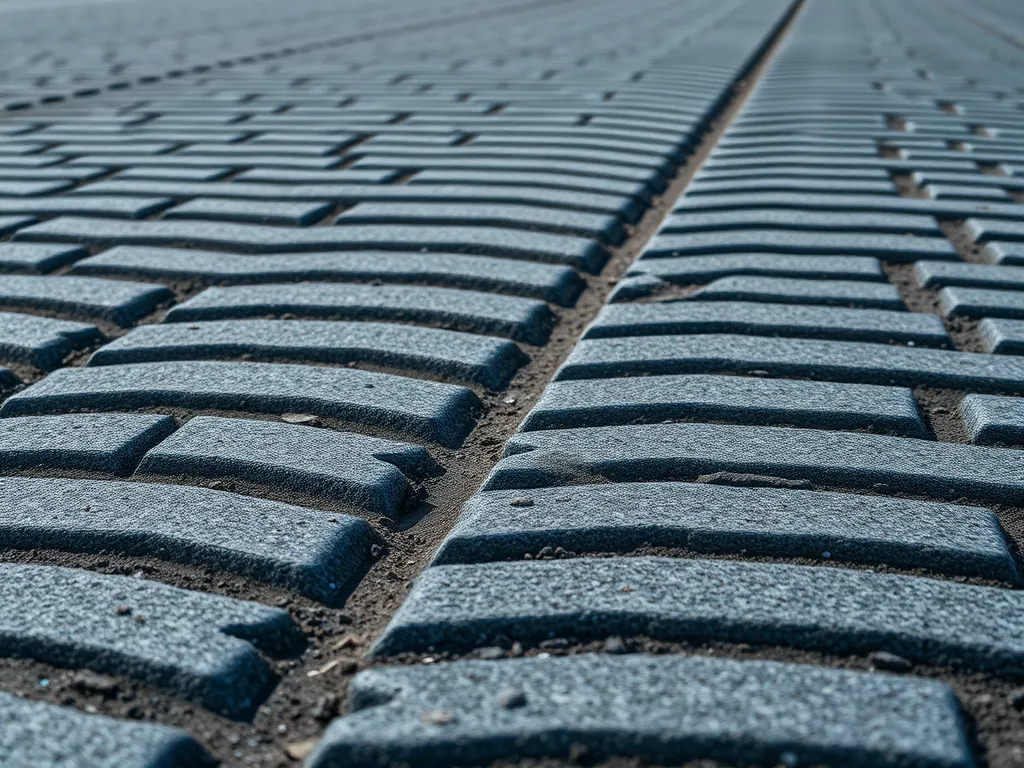
Grooving tools cut intentional lines that guide stress points. This stops cracks from spreading randomly, which keeps surfaces intact under heavy loads up to 20 tons per axle. Joints made at 10-15 foot intervals absorb shifts from temperature swings.
Reducing Random Cracking Through Strategic Grooving
Blades slicing 1-1.5 inches deep form relief joints. These gaps let slabs expand without buckling. A Texas DOT study found grooved highways had 37% fewer cracks over 5 years compared to ungrooved sections.
Boosting Visual Quality Of Finished Surfaces
Crisp borders and uniform patterns signal pro-level work. Contractors using manual or machine tools achieve sharp angles that define walkways, driveways, and road margins.
Creating Clean Lines and Professional Appearance
Rolling an asphalt edger along fresh mats compacts edges at 45-60° angles. This eliminates ragged borders that collect water and debris. Groovers add traction ribs or decorative scoring, improving both function and curb appeal.
Cutting Long-term Maintenance Costs
Surfaces lacking proper joints or borders fail faster. Strategic grooving and edging add 3-7 years to asphalt life by blocking common failure points.
Prolonging Pavement Lifespan with Joint and Border Plans
Water intrusion causes 80% of asphalt damage. Tight seams from grooving tools block moisture penetration. Borders compacted to 92% density resist crumbling, saving $4-$7 per square foot in repair costs over a decade.
With structural and cost perks clear, picking right asphalt finishing tools becomes vital. Next, we’ll break down options for varying job sizes and budgets.
Also See: Asphalt Installation Practices for Lasting Durability
Tool Selection for Optimal Asphalt Finishing
Choosing the right asphalt finishing tools directly impacts pavement performance and longevity. Edgers and groovers serve distinct roles but share a common goal: creating durable, functional surfaces that meet project specifications.
Types Of Edgers for Asphalt Applications
Edgers shape pavement edges while asphalt remains workable. Two main categories dominate the market:
Hand Tools vs. Power Edgers
- Hand edgers ($$15-$50): Steel blades for trimming edges on small repairs or tight spaces. Require physical effort but offer precision in detailed work.
- Power edgers ($$800-$2,500): Gas/electric units with adjustable guides. Cut 3-6 linear feet per minute, ideal for roads or parking lots exceeding 1,000 sq ft.
Hand tools suit DIY projects under 500 sq ft. Contractors tackling commercial jobs prefer power edgers for speed and uniform results.
Types Of Groovers for Asphalt Applications
Groovers create control joints that guide cracking patterns. Proper depth (typically ½” to 1”) and spacing (3-5x pavement thickness) prevent random fissures.
Handheld Groovers vs. Ride-On Equipment
- Handheld groovers: 12”-36” blades for sidewalks or driveways. Cut ¼” to 1” deep at $75-$300 per unit.
- Ride-on groovers: Hydraulic systems cutting 12-24 joints simultaneously. Handle 10,000+ sq ft daily, priced at $12,000-$45,000.
Handheld units work for residential repairs. Large-scale projects demand ride-on gear to maintain joint consistency across vast areas.
Factors Influencing Tool Choice
Three elements dictate whether crews pick hand tools or mechanized asphalt finishing equipment:
Project Scale, Budget, and Desired Finish Quality
- Scale: Hand tools manage 200-500 sq ft. Power tools process 2,000-8,000 sq ft daily.
- Budget: Rental costs range from $40/day (hand edger) to $300/day (ride-on groover).
- Finish quality: Power tools reduce human error, achieving 95-98% joint straightness versus 80-85% with manual methods.
High-traffic zones like highways need ride-on groovers for 20+ year lifespans. Neighborhood driveways perform well with hand tools at lower upfront costs.
Selecting asphalt finishing tools requires balancing technical needs with practical constraints. Next, we’ll examine how these choices affect environmental outcomes during pavement installation and beyond.
Environmental Advantages Of Precision Finishing
Edgers and groovers do more than shape asphalt surfaces—they boost eco-friendly construction. Precision tools cut excess material use while building pavements made to last decades.
Reducing Material Waste Through Accurate Edging
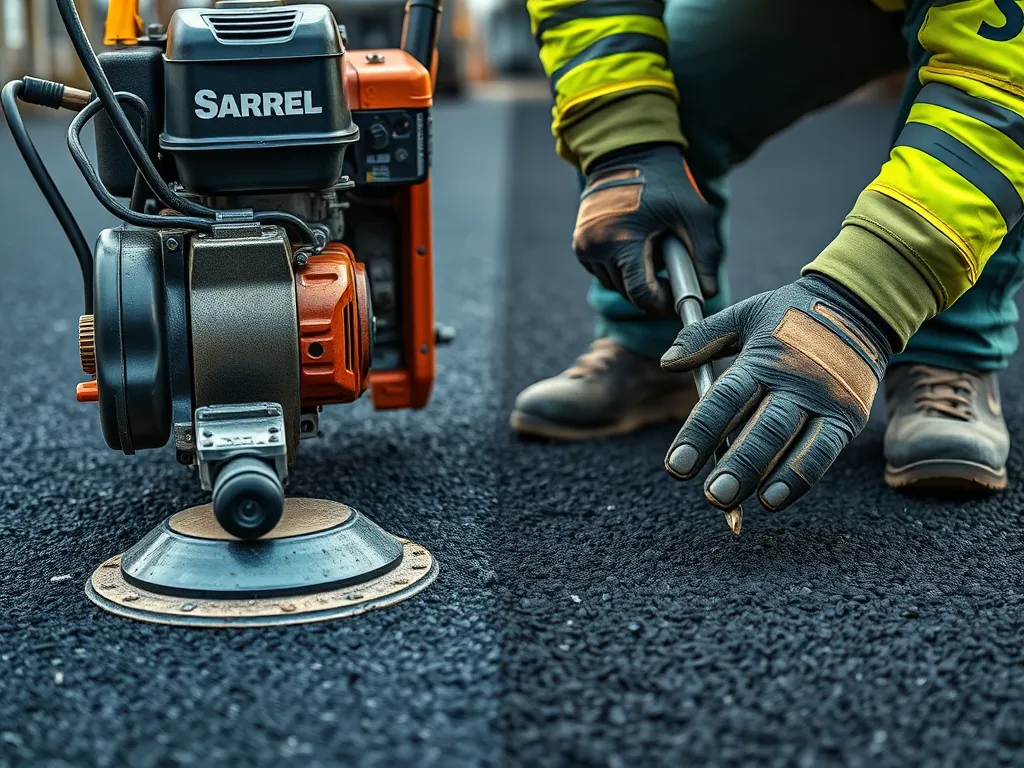
Sharp edges matter. Edgers trim overflow asphalt during placement, keeping widths exact. A 1-inch overpour across a 12-foot lane wastes 8 tons of mix per mile. Proper edging slashes this by 90%, saving $1,200+ in materials per project mile. Less waste means fewer quarry visits, conserving 150-200 lbs of aggregate per ton saved.
Lowering Carbon Footprint Via Extended Pavement Durability
Grooved pavements survive longer. Strategic joints cut random cracking by 40%, adding 5-8 years before major repairs. Each year of extended life avoids 12 metric tons of CO2 from reconstruction crews and haul trucks. Over 20 years, that’s 96 tons less emissions per lane mile—equal to planting 2,200 trees.
These green benefits pair with smart tool choices. Up next: matching edgers and groovers to your project’s needs.
Frequently Asked Questions
What is the Difference Between Edgers and Groovers in Asphalt Finishing?
Understanding Their Unique Functions
While both tools are essential in asphalt finishing, edgers focus on creating distinct and compacted edges along the pavement, ensuring a clean finish and preventing raveling. In contrast, groovers cut into the asphalt to create control joints that manage stress and direct crack formations, enhancing the surface’s durability and traction.
Why Should You Use Power Edgers Over Hand Tools?
Benefits of Mechanical Edging
Power edgers provide greater efficiency and uniformity compared to hand tools, making them ideal for larger projects. They can cover more surface area quickly, allowing for consistent edge formation, while reducing labor costs and minimizing the physical strain on workers.
How Do Edgers and Groovers Impact Asphalt Longevity?
Enhancing Durability and Lifespan
By establishing well-defined edges and control joints, both edgers and groovers help in managing water runoff and stress distribution on pavement. This proactive approach reduces the risk of premature wear and damage, potentially extending the lifespan of asphalt surfaces by several years.
Can You Use Edgers and Groovers on All Types Of Asphalt Applications?
Versatility of Tools
Yes, both edgers and groovers can be utilized for various applications, including residential driveways, commercial parking lots, and highway installations. Their design allows them to be effective on different pavement thicknesses and types, making them versatile tools for asphalt finishing.
What Maintenance is Required for Edgers and Groovers?
Ensuring Tool Longevity
Regular maintenance involves cleaning the blades and inspecting for wear and tear. For grooving tools, it’s essential to ensure that blades are sharp and free from any asphalt build-up, while edgers should be checked for proper blade alignment. Following manufacturer guidelines for care will prolong the tool’s life and effectiveness.
Closing Thoughts
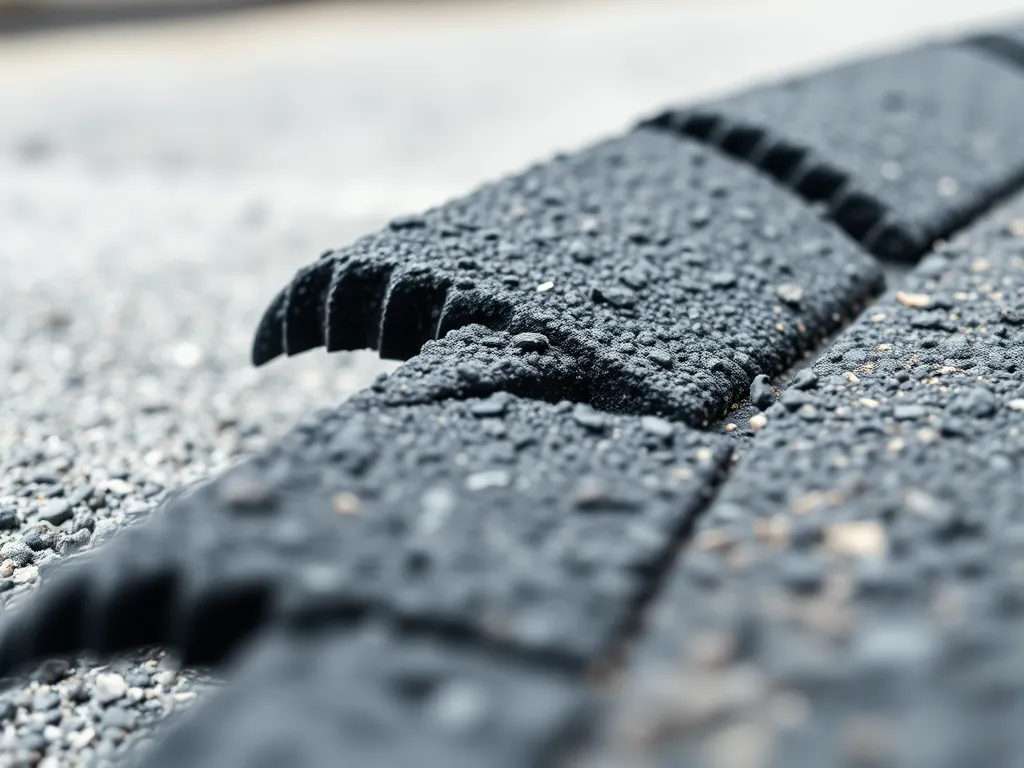
Edgers and groovers play a vital role in achieving high-quality asphalt finishes. Edgers define clean edges, preventing deterioration and enhancing the visual appeal of pavements. On the other hand, groovers create essential control joints, helping manage cracks and improve surface drainage.
By embracing these tools, contractors can elevate the structural integrity of asphalt surfaces while minimizing long-term maintenance costs. The right choice of edgers and groovers, whether manual or mechanical, can significantly impact the project’s overall quality.
For more resources and information on asphalt finishing techniques, visit Asphalt Calculator USA.
Useful References for You:
- Huang, Y. H. (2004). Pavement Analysis and Design (2nd ed.). Upper Saddle River, NJ: Pearson/Prentice Hall.
- Concrete Edgers and Groovers
- r/lawncare on Reddit: How to edge a lawn that is leading into horrendously eroding asphalt?
- Types of Edgers and Groovers
- Edgers & Groovers | Concrete-Texturing.com

