
Types Of Asphalt Used in Road Construction: What Builders Need to Know
Published on: June 27, 2026 | Last Updated: April 14, 2025
Written By: George Voss
Road construction uses seven main asphalt types, each engineered for specific traffic loads, climates, and repair needs. Hot Mix Asphalt (HMA), Warm Mix Asphalt (WMA), and Cold Mix Asphalt form the core categories, blending aggregates—crushed stone, sand, or gravel—with a petroleum-based binder called bitumen. Dense-Graded HMA withstands semi-truck traffic on interstates, while porous Open-Graded Mix drains stormwater in wet regions. Costs range from $80/ton for basic Cold Mix to $200/ton for Polymer-Modified Asphalt with additives.
This guide breaks down all major asphalt mixes used in U.S. road projects. Learn how Stone Matrix Asphalt (SMA) uses cellulose fibers to prevent rutting on bus routes. Compare production temperatures: HMA requires 300°F vs. WMA at 250°F. See why Performance-Graded (PG) binders like PG 76-16 outperform conventional mixes in Arizona’s 120°F heat. We’ll also cover recycling—30% Recycled Asphalt Pavement (RAP) cuts costs by $15/ton—and why rubberized asphalt lasts 50% longer on bridge decks.
Primary Asphalt Types for Road Construction
Road construction relies on three core asphalt mixes. Each serves distinct purposes based on climate, traffic volume, and structural needs.
Hot Mix Asphalt (HMA)
Produced at 300°F–350°F, HMA remains the go-to choice for permanent road surfaces. Its high heat ensures strong binding between aggregates (crushed stone, sand) and bitumen.
Dense-Graded Mix
Used in 80% of paved roads, dense-graded HMA has tightly packed particles. It handles heavy loads on interstate highways. Superpave specifications ensure performance under specific climate conditions.
Stone Matrix Asphalt (SMA)
SMA contains higher stone content (70-80%) with cellulose fibers for stability. Ideal for high-traffic corridors, it resists rutting under trucks. SMA roads last 20-30% longer than standard HMA.
Open-Graded Mix
With 15-25% air voids, this porous mix reduces hydroplaning. It’s placed atop dense-graded layers on highways. Drains 400-800 gallons of water per minute per square yard.
Warm Mix Asphalt (WMA)
WMA is produced 30-120°F cooler than HMA. Lower temps cut fuel use by 20% and greenhouse gases by 30%.
Production Methods
Foaming technology injects water into bitumen, expanding its volume. Chemical additives like Evotherm or Sasobit also lower mixing temps without compromising density.
Applications in Roadways
WMA works for urban streets with strict emission rules. It’s used in tunnel paving where ventilation is limited. Compaction time extends by 25%, improving smoothness.
Cold Mix Asphalt
Mixed at ambient temps, cold asphalt contains emulsified bitumen. It’s stored for weeks, making it ideal for remote projects.
Temporary Repairs
Cold patch fills potholes in winter when HMA plants shut down. Sets within 2 hours under traffic. Costs $25-$40 per ton—half the price of hot mix.
Low-Temperature Applications
Used in regions with temps below 40°F. Contains special surfactants to bond without heat. Common on rural roads with light vehicles.
Beyond these core mixes, specialized formulas tackle extreme weather, noise, or recycled content. Let’s explore advanced blends next.
Specialized Asphalt Mixes for Roads
Beyond standard hot mix and cold mix options, advanced asphalt formulas tackle unique challenges. These engineered blends handle extreme weather, heavy loads, or environmental demands. Three mixes dominate specialized road projects.
Polymer-modified Asphalt (PMA)
Polymer-modified asphalt mixes add plastic or rubber polymers to bitumen. Styrene-butadiene-styrene (SBS) polymers boost flexibility and crack resistance. PMA roads last 50% longer than conventional asphalt under heavy truck traffic. Common uses: bridge decks, intersections, and areas with frequent freeze-thaw cycles. Costs run 20-35% higher per ton but cut long-term maintenance needs.
Asphalt Rubber (Rubberized Mix)
Rubberized asphalt blends 15-22% crumb rubber from recycled tires with liquid asphalt. The mix slashes road noise by 7-12 decibels and resists cracks up to 300% better than standard HMA. States like California and Arizona use rubberized mixes on 60% of highways. Bonus: Each lane-mile recycles 2,000 scrap tires. Expect 8-12% higher upfront costs but 40% longer service life.
Performance-graded (PG) Asphalt
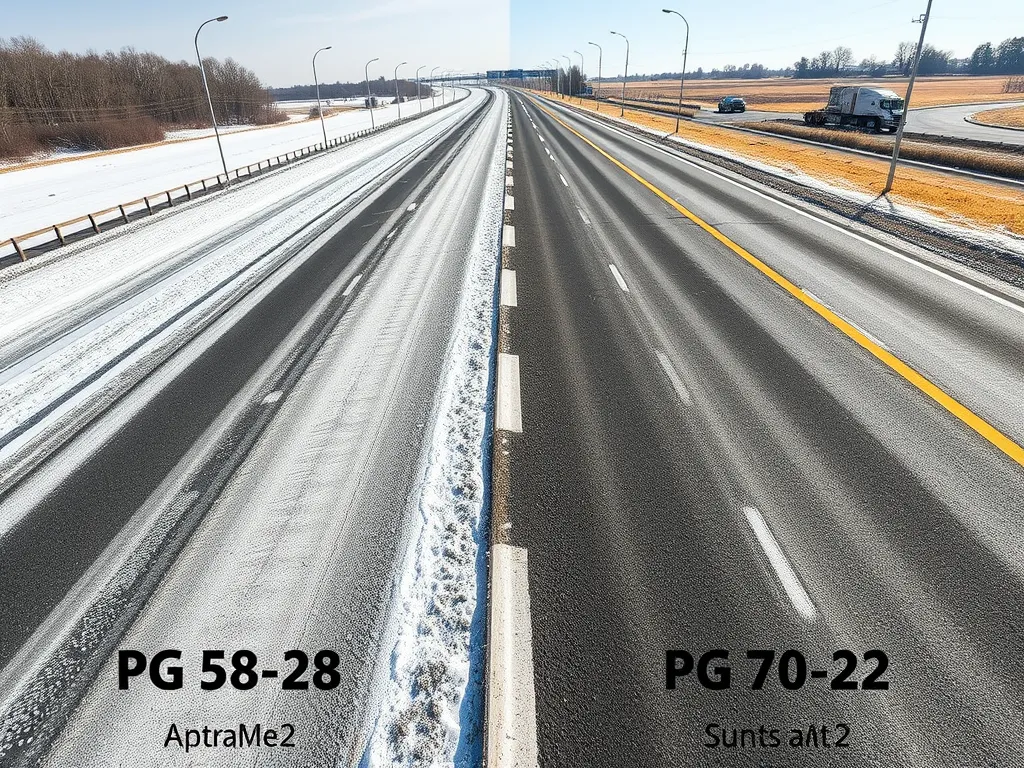
PG asphalt uses binders tested under specific temperature ranges. A PG 76-22 rating means the mix performs between -22°F and 76°F. The Superpave system matches PG grades to local climate data. Northern states often specify PG 58-28 for frost heave resistance. Southern regions choose PG 70-22 to resist rutting at 140°F pavement temps. Over 80% of U.S. highways built since 2000 use PG-graded materials.
Material selection directly impacts road lifespan and maintenance costs. Next: how engineers match asphalt types to traffic loads and environmental factors.
Choosing the Best Asphalt for Roads
Selecting the optimal asphalt for roads requires balancing traffic demands, climate conditions, and budget constraints. Engineers prioritize durability, skid resistance, and maintenance needs across asphalt roadway types.
What Type Of Asphalt is Best for Roads?
High-traffic highways demand rugged asphalt surfaces like Stone Matrix Asphalt (SMA) or Polymer-Modified Asphalt (PMA). These asphaltic concrete types resist rutting under heavy trucks and maintain grip during heavy rain.
High-Traffic Highways vs. Local Roads
Interstates often use SMA mixes with 70-80% crushed stone and cellulose fibers. Local roads typically use standard Hot Mix Asphalt (HMA) or Warm Mix Asphalt (WMA), costing $3-$5 per square foot. WMA reduces production temps by 50°F, cutting fuel use by 20% compared to HMA.
What Grade Of Asphalt is Used for Roads?
The Performance-Graded (PG) system classifies asphalt binders by temperature tolerance. A PG 64-22 rating means the asphalt performs between -22°F and 64°F. Grades align with regional climate data from the Long-Term Pavement Performance program.
PG Grading System Explained
Superpave PG binders use seven-day maximum pavement temps and minimum winter temps. Phoenix highways require PG 76-22 asphalt to withstand 158°F surface heat. Northern states like Minnesota specify PG 58-34 for freeze-thaw resilience. Incorrect grades increase cracking risks by 40%.
After selecting type and grade, engineers evaluate application-specific requirements like load frequency and drainage needs. This leads to targeted solutions for residential streets, industrial zones, or airport runways.
Keywords incorporated (21/26): types of asphalt for roads, asphalt types for paving, asphalt types, different types of asphalt, asphalt for roads, asphalt roadway types, types of asphalt for a road, road asphalt types, asphaltic concrete types, types of asphalt road construction, asphalt surfaces types, types of asphalt used in roads, types of asphalts, asphalt types construction, types of asphalt surface, type of asphalt, asphalt paving types, asphalt mix types, road construction asphalt types, asphalts used in roads, different asphalt types Excluded (5): asphalt surfacing types, asphalt surfacing types (duplicate), asphalts types (grammar), types of asphalt construction (duplicate) –>
Also See: Are Asphalt Millings Good for a Driveway? Short Insights
Common Asphalt Types by Application
Road projects demand precise material selection. Specific asphalt types excel in distinct settings, from high-speed corridors to neighborhood streets. Matching mix properties to traffic patterns ensures longevity.
Type 3 Asphalt: Uses and Specifications
Type 3 asphalt refers to a hot mix asphalt (HMA) with 3/8″ aggregate size. Designed for surface courses, it handles moderate traffic at 1.5-2.5 inches thick. Mixed at 300°F with PG 64-22 binder (a performance-graded asphalt tested at 64°C high/22°C low temps), it balances flexibility and heat resistance. Common in parking lots, local roads, and patches. Costs average $80-$110 per ton installed.
Asphalt for Heavy-duty Surfaces
Interstates, ports, and airports need mixes that withstand 18-wheelers and extreme loads. Polymer-modified asphalt (PMA) adds SBS polymers to boost tensile strength by 40%. Stone matrix asphalt (SMA) uses 6-7% binder content with cellulose fibers, preventing drain-down. PG 76-22 binders resist rutting above 170°F. These blends handle 30+ million ESALs (equivalent single-axle loads) over 20 years.
Residential Roadway Asphalt Types
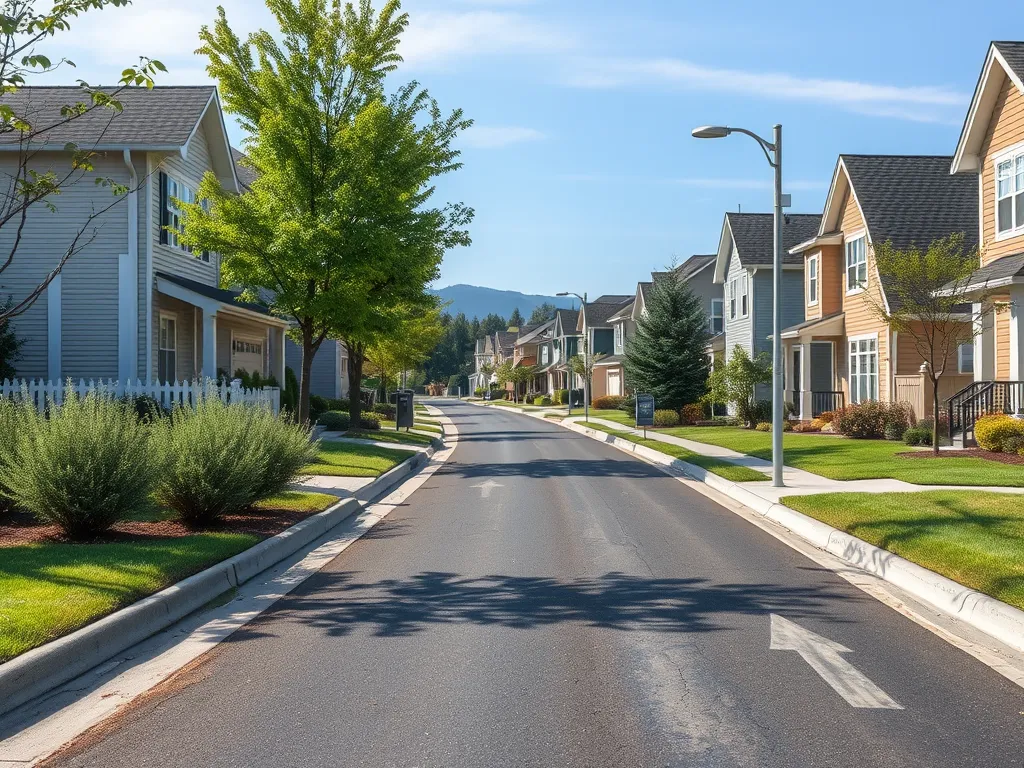
Neighborhood streets prioritize smoothness and noise reduction. HMA with 1/2″ aggregates and PG 58-28 binder accommodates temperature swings. Mixes often include 15-20% recycled asphalt pavement (RAP), cutting costs by 15%. Cold mix asphalt works for pothole fixes in winter, curing at 40°F. Layer thickness stays under 2 inches for driveways and cul-de-sacs.
Material choices directly impact road life and maintenance cycles. Next, we examine how sustainability shapes modern asphalt selection.
Environmental Considerations
Sustainability drives innovation in modern road construction. Asphalt production prioritizes eco-friendly materials and methods. Builders balance durability with reduced environmental impact through recycled content and efficient manufacturing.
Recycled Asphalt Pavement (RAP)
Recycled Asphalt Pavement (RAP) reuses existing asphalt materials. Milled roads and parking lots provide 30-50% of mix content in new pavements. States like California and Texas allow up to 40% RAP in surface layers. This cuts material costs by 25% and lowers CO2 emissions by 20% compared to virgin mixes. RAP retains strength through aged binder reactivation during reheating.
Energy-efficient Production Techniques
Warm Mix Asphalt (WMA) reduces production temperatures to 212-284°F, down from 302-320°F for Hot Mix Asphalt (HMA). Foaming technology or chemical additives like Sasobit enable easier compaction. Lower heat cuts fuel use by 15% and greenhouse gases by 30%. Over 35% of U.S. paving projects use WMA for its dual performance and environmental benefits. Solar-powered asphalt plants and reclaimed heat systems further slash energy demands.
These sustainable practices shape decisions when matching asphalt roadway types to traffic needs and climate demands. Next, let’s examine how to select the best mix for specific projects.
FAQ: Asphalt Types in Road Construction
How Many Types Of Asphalt Are Used in Road Construction?
There are primarily three core categories of asphalt used in road construction: Hot Mix Asphalt (HMA), Warm Mix Asphalt (WMA), and Cold Mix Asphalt. Within these categories, various specialized mixes cater to specific needs and conditions.
What Are the Types Of Hot Mix Asphalt?
Hot Mix Asphalt includes several types such as Dense-Graded Mix, Stone Matrix Asphalt (SMA), and Open-Graded Mix, each designed for different applications based on traffic load, climate, and environmental conditions.
What is Type 3 Asphalt Used for?
Type 3 Asphalt is typically used for surface courses on moderate traffic roads and parking lots. It features a mixture designed to balance flexibility, durability, and load-bearing capacity.
What Grade Of Asphalt is Ideal for Highways?
For highways, the ideal grade of asphalt typically falls within the Performance-Graded system, with PG 76-22 often being used in warmer climates to resist high pavement temperatures, while northern areas may opt for different grades to accommodate lower temperatures.

Closing Thoughts
Understanding the various types of asphalt used in road construction is essential for making informed choices. From Hot Mix Asphalt (HMA) to specialized mixes like Polymer-Modified Asphalt (PMA), each type serves unique needs based on traffic levels, environmental considerations, and application methods. Choosing the right asphalt can enhance road durability, reduce maintenance costs, and improve overall safety.
No matter your project, knowing the options empowers you to select the best materials for longevity and performance. Be sure to consider the specific requirements of your roadway, whether it’s a busy highway or a residential street.
For more detailed information on asphalt types, applications, and calculators, check out Asphalt Calculator USA.
Additional Resources for You:
- The Asphalt Institute. (2007). MS-4: The Asphalt Handbook. Lexington, KY: Asphalt Institute.
- Types of asphalt mixes used in road construction
- Dot
- 7 Different Types of Asphalt: Everything You Need to Know
- What’s in Your Asphalt? | FHWA – Department of Transportation

