
Asphalt Durability Enhancement: Build Roads That Last Decades, Not Years
Published on: June 30, 2026 | Last Updated: April 14, 2025
Written By: George Voss
Asphalt durability enhancement upgrades pavement surfaces to withstand heavy traffic, extreme weather, and daily wear. This process uses specialized materials like polymer-modified binders and construction methods such as geosynthetic interlayers. These strategies can extend pavement life from 12-15 years to over 20 years on interstate highways. The goal: create roads that resist rutting, block water damage, and prevent cracks before they start.
This article explains how to choose between techniques like rubberized asphalt (costing $85-$110 per ton) versus stone matrix asphalt ($75-$95 per ton). You’ll see how PG 76-22 performance-grade binders outlast standard asphalt in 100°F heat and why 1.5-inch overlays fail where 3-inch structural layers succeed. We break down cost comparisons, climate-specific solutions, and real-world results from state DOT projects.
Understanding Asphalt Durability Enhancement
Asphalt durability enhancement focuses on methods to improve pavement performance under demanding conditions. This field combines material science, engineering practices, and environmental adaptation to create roads that withstand traffic, weather, and time.
Definition and Core Objectives
Asphalt durability enhancement refers to technologies and strategies that boost road surface durability. Key methods include polymer-modified asphalt binders, recycled asphalt pavement (RAP) integration, and geosynthetic reinforcement. The primary goals are:
- Extend pavement lifespan from 15 to 20-30 years
- Minimize rutting (depth reductions >0.5 inches) and cracking (less than 10% surface area)
- Optimize lifecycle costs by cutting maintenance frequency by 30-40%
Importance Of Asphalt Longevity in Road Construction
With 94% of U.S. paved roads using asphalt, durability directly impacts infrastructure budgets. Heavy trucks cause 90% of pavement wear, while freeze-thaw cycles degrade 25% of northern U.S. roads annually. Enhanced asphalt pavements maintain a Present Serviceability Index (PSI) above 2.5 for 15+ years, delaying $100,000-per-lane-mile resurfacing costs. Durable roads also reduce traffic disruptions – a critical factor for highways handling 50,000+ vehicles daily.
These fundamentals set the stage for examining the material choices and engineering practices that directly impact pavement resilience.
Key Factors Influencing Asphalt Durability
Long-lasting asphalt pavements rely on precise engineering decisions. Four core elements determine whether roads withstand decades of heavy traffic or require frequent repairs.
Material Composition and Quality
High-grade aggregates and binders form the backbone of durable asphalt. Crushed stone with 95% fractured faces improves interlock, while PG 76-22 binders resist softening at 76°C. Recycled Asphalt Pavement (RAP) mixes up to 30% maintain structural integrity when processed below 325°F to prevent binder aging. Additives like hydrated lime (1-2% by weight) combat moisture damage in freeze-thaw zones.
Optimal Mix Design and Aggregate Gradation
The Superpave system tailors asphalt mixtures to local climate and traffic. Dense-graded mixes with 12.5mm nominal size aggregates balance stability and flexibility. Gap-graded stone matrix asphalt (SMA) uses 70-80% coarse aggregates for rut resistance. Key metrics:
| Gradation Type | Air Voids | VMA | Best For |
|---|---|---|---|
| Dense-Graded | 3-5% | 14-16% | High-speed roads |
| Open-Graded | 18-22% | N/A | Drainage layers |
| SMA | 3-4% | 17-19% | Heavy truck routes |
Construction Techniques and Compaction Practices
Proper installation prevents premature failures. Lay asphalt at 290-320°F for optimal workability. Achieve 92-96% density with eight vibratory roller passes. Infrared thermography scans detect temperature differentials exceeding 25°F – a leading cause of weak joints. Longitudinal joint density below 88% doubles edge cracking risk.
Environmental and Traffic Stress Resistance
Asphalt must endure -40°F winters and 150°F pavement temperatures. PG binder grades like PG 64-34 handle 64°C high-temperature performance and -34°C low-temperature flexibility. Traffic stress factors: • 18-kip ESALs (Equivalent Single Axle Loads) dictate structural design • TSR (Tensile Strength Ratio) above 80% prevents moisture-induced cracking • Wheel path rutting stays below 0.5 inches after 20 million load cycles
Mastering these factors creates pavements lasting 20+ years with under 10% surface deterioration. Next, explore how advanced modifications push performance beyond standard specifications.
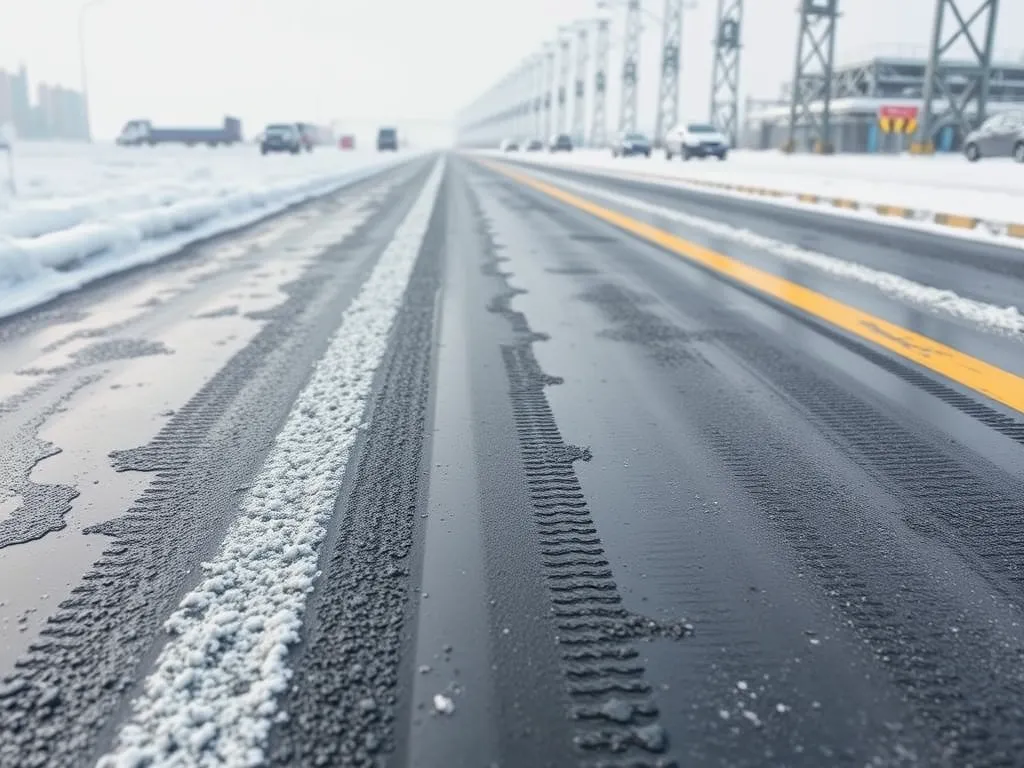
Proven Techniques for Asphalt Durability Improvement
Modern asphalt durability technologies combine material science with engineering innovations to combat wear. These methods target specific failure modes while adapting to traffic loads and weather extremes.
Advanced Material Modifications
Material upgrades form the foundation of asphalt surface enhancement. New binder formulations and aggregate blends boost strength at the molecular level.
Polymer-Modified Asphalt Binders
Adding polymers like SBS (styrene-butadiene-styrene) to PG binders (Performance Graded asphalt) increases elasticity. This mix resists rutting at 140°F and stays flexible below -22°F. Projects using polymer-modified binders report 40% fewer cracks over 7 years.
Rubberized Asphalt for Enhanced Flexibility
Crumb rubber from recycled tires (18-22% content by weight) creates asphalt with 300% greater strain tolerance. Ideal for freeze-thaw zones, rubberized mixes prevent thermal cracking while cutting road noise by 5 decibels. Arizona DOT saved $15,000 per lane mile using this method on I-10.
Structural Reinforcement Methods
Reinforcement systems add physical barriers against stress. These asphalt durability improvement technologies work beneath the surface to distribute loads.
Geosynthetic Interlayers for Crack Prevention
Polymer grids or fabric interlayers (6-12 oz/sq yd) placed between asphalt layers reduce reflective cracking by 60%. Texas SH 225 saw 8-year lifespan gains after installing polyester geogrids during overlays.
Fiber-Reinforced Asphalt Mixtures
Adding 0.3% cellulose or polyester fibers by mix weight improves tensile strength by 25%. Fibers create a 3D mesh that holds aggregates in place, ideal for high-traffic intersections. Milwaukee’s fiber-reinforced test sections showed 73% less rutting than standard asphalt.
Surface Treatment Technologies
Protective layers shield pavements from top-down damage. These asphalt surface durability solutions act as the first line of defense.
Microsurfacing for Wear Resistance
A polymer-modified emulsion slurry (3/8” thick) fills ruts and adds skid resistance. Microsurfacing extends pavement life 5-7 years at $1.50-$3.00/sq yd. PennDOT uses it biannually on 12% of state highways.
Sealcoating for Weather Protection
Coal-tar or asphalt-based sealants (3 gal/sq yd) block UV rays and water infiltration. Properly sealed lots last 25% longer, with reapplications every 2-3 years. Studies show sealcoating prevents 80% of oxidation-related aging.
While these methods significantly boost road pavement durability, their success depends on proper implementation. Next, we’ll examine how to maximize results through precise application and maintenance protocols.
Also See: Alternative Binder Materials for Asphalt: Eco-friendly Options
Benefits Of Asphalt Performance Enhancement
Enhancing asphalt durability transforms pavement performance across multiple metrics. These upgrades directly combat common failure modes while boosting economic returns on infrastructure investments.
Increased Resistance to Rutting and Cracking
Polymer-modified asphalt binders (like PG 76-22 grades) cut rut depths by 60% compared to conventional mixes. Rubberized asphalt additives improve flexibility, reducing thermal cracking by 35-50%. Geosynthetic interlayers block 90% of reflective cracks from reaching the surface layer.
| Enhancement | Rut Reduction | Crack Prevention |
|---|---|---|
| Standard Asphalt | 0% | 0% |
| PMB Mixes | 60% | 45% |
| Rubberized Asphalt | 40% | 50% |
Improved Load-bearing Capacity
Fiber-reinforced asphalt mixtures increase tensile strength by 40%, handling over 10,000 ESALs (Equivalent Single Axle Loads). Steel slag aggregates boost surface friction to 55 BPN (British Pendulum Number), outperforming limestone mixes at 42 BPN. These upgrades let pavements withstand truck traffic exceeding 3,000 vehicles/day without deformation.
Extended Pavement Service Life
Properly enhanced asphalt lasts 18-25 years versus 12-15 years for standard pavements. Microsurfacing treatments add 7-10 years to existing surfaces. Lifecycle cost analyses show every $1 spent on durability upgrades saves $4-6 in reconstruction expenses over 30 years.
Reduced Lifetime Maintenance Costs
Sealcoating every 3-5 years cuts oxidation damage by 75%, slashing pothole repairs by 60%. RAP (Recycled Asphalt Pavement) integration lowers material costs 20-30% while maintaining structural capacity. Agencies report 30-50% savings on maintenance budgets over 20 years with optimized durability strategies.
With these proven benefits established, the focus shifts to practical implementation methods. Next, explore step-by-step processes for applying durability enhancements during construction and maintenance operations.
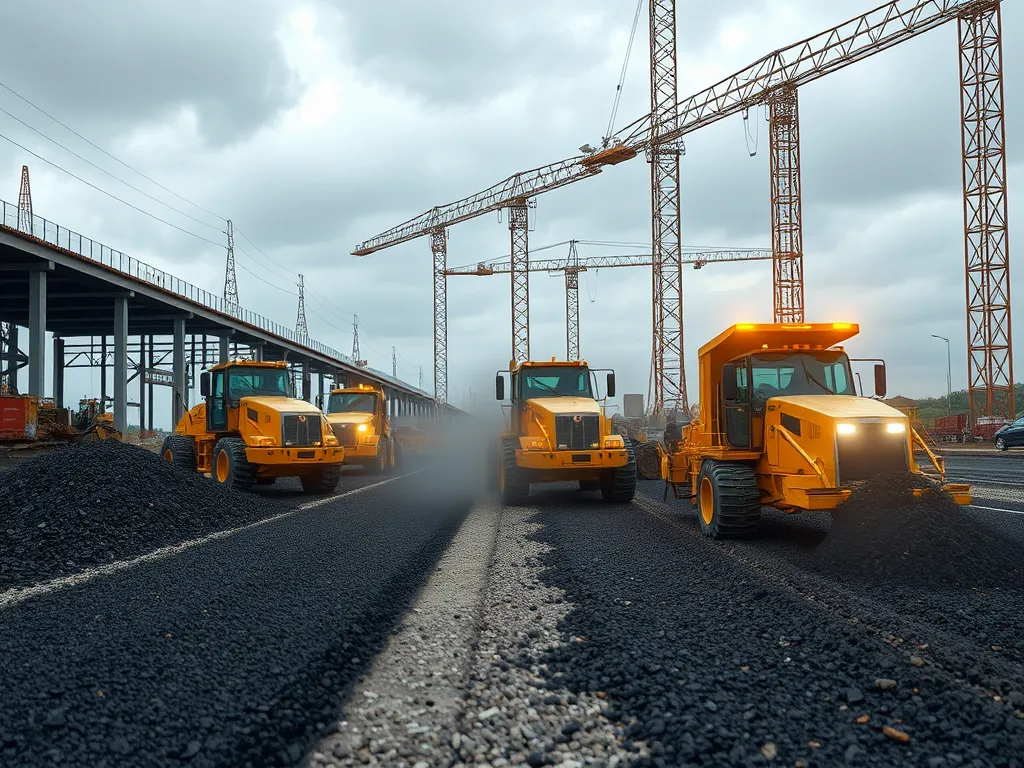
Implementing Asphalt Durability Improvements
Turning theories into lasting pavements requires precise execution. Proper methods ensure enhanced performance under traffic loads, freeze-thaw cycles, and UV exposure.
Step-by-step Application Process
Successful projects begin with surface prep. Remove debris, fix base flaws, and apply tack coats at 0.05-0.15 gallons per square yard. Mix designs integrate modifiers like styrene-butadiene-styrene (SBS) polymers at 3-7% by weight or crumb rubber at 15-22%. Lay hot-mix asphalt between 275°F and 325°F for optimal compaction. Geosynthetic interlayers need 12-inch overlaps to prevent crack reflection.
| Phase | Key Action | Specification |
|---|---|---|
| Mixing | Binder modification | PG 76-22 polymer grade |
| Paving | Mat thickness | 2-4 inches based on traffic |
| Curing | Traffic restriction | 24-48 hours |
Quality Control Measures During Installation
Nuclear density gauges verify 92-96% compaction within 30 minutes of rolling. Infrared thermography detects temperature differentials exceeding 25°F, which cause weak spots. Core samples tested for tensile strength ratios above 80% prevent moisture damage. Field labs check binder viscosity using rotational viscometers set at 275°F.
Contractors track roller passes via GPS mapping. Deviations beyond 3 passes per zone trigger recompaction. For rubberized mixes, on-site penetration tests ensure elasticity stays above 60% recovery.
Post-construction Maintenance Best Practices
Sealcoating every 3-5 years blocks UV oxidation, using coal-tar emulsions or latex-modified blends. Crack sealing with rubberized fillers prevents water infiltration in temps below 50°F. Drainage systems need biannual cleaning to avoid subsurface saturation. For rutting over 0.5 inches, mill-and-overlay with 1.5-inch SMA mixes restores structural integrity.
Thermal imaging surveys every 12 months detect voids under surfaces. Proactive fixes cut repair costs by up to 40% compared to reactive methods.
While proper implementation yields durable surfaces, technical challenges often arise when balancing budgets with performance needs.
Technical Challenges in Durability Enhancement
Boosting asphalt durability brings tough choices. Each method must solve real-world issues without creating new problems. Let’s break down the top hurdles teams face.
Balancing Cost Vs Performance Requirements
Stronger asphalt often costs more. PMA binders add $85-$110 per ton versus basic mixes at $65. High-end options like warm-mix tech cut fuel use but need pricey gear. Smart crews blend RAP (recycled asphalt) at 20-40% to save $12-$18 per ton while keeping strength. The sweet spot? Meet ASTM D946 specs without blowing budgets.
Compatibility Of Modification Technologies
Not all upgrades play nice together. Adding rubber to PMA can cause clumping if temps dip below 300°F. Some geosynthetics fail when layered over unmodified binders. Labs test mixes using PG grading (like PG 76-22) and DSR rheology checks. Failed combos show “phase separation” – visible chunks in the mix. Always trial new blends before full jobs.
Climate-specific Adaptation Strategies
Phoenix asphalt needs differ from Minneapolis roads. Hot zones demand PG 82-22 binders that resist rutting at 160°F. Cold areas use PG 58-28 for freeze-thaw toughness. Coastal jobs mix lime additives (1-2% by weight) to fight salt damage. Track local weather data – roads last 3-5 years longer when matched to 10-year climate trends.
These hurdles shape how we build better roads. Next, we’ll explore how eco-smart methods tackle both durability and green goals.
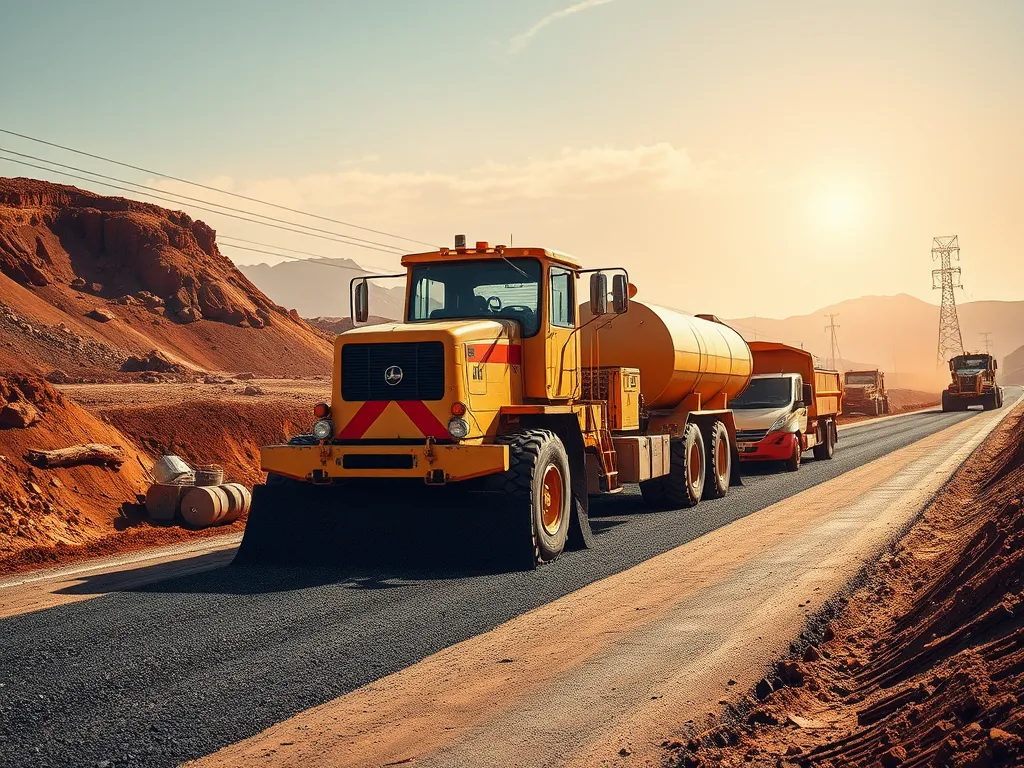
Environmental Considerations in Asphalt Enhancement
Balancing pavement performance with ecological responsibility shapes modern asphalt innovation. Cutting-edge methods now boost road durability while lowering environmental impact.
Use Of Recycled Asphalt Pavement (RAP)
Recycled Asphalt Pavement (RAP) mixes crushed old asphalt with fresh binders, creating robust surfaces. High RAP content (20-30%) reduces material costs by $8-12 per ton while maintaining structural integrity. Advanced rejuvenators reactivate aged binders, restoring flexibility to prevent cracks. State agencies report RAP-enhanced roads last 15-20 years with proper compaction. This method diverts 90 million tons of waste from landfills annually.
Eco-friendly Additives and Modifiers
Bio-based binders from vegetable oils or pine resins now replace 5-15% of petroleum-based bitumen. These additives improve thermal cracking resistance by 40% in freezing zones. Rubberized asphalt, blending 10-22% crumb rubber from tires, cuts road noise by 5 decibels and resists rutting at 120°F. Warm-mix technologies lower production temps to 250-275°F, cutting fuel use by 20% without sacrificing density.
New approaches combine recycled plastics (8-10% by weight) with polymer-modified binders, boosting wear resistance. Field tests show these mixes handle 30% heavier axle loads before showing deformation. Agencies prioritize these solutions in climate-action plans, aligning durability goals with emission targets.
With eco-enhanced asphalt proving its strength, focus shifts to practical application methods that maximize these benefits. Next, we explore step-by-step processes for implementing lasting improvements.
Frequently Asked Questions (FAQ)
How to Make Asphalt More Durable?
To enhance asphalt durability, consider using high-quality materials like polymer-modified binders, integrating recycled asphalt, and employing advanced construction techniques. Additionally, using surface treatments such as microsurfacing and sealcoating can significantly protect and extend the life of the pavement.
Can You Reinforce Existing Asphalt Pavements?
Yes, existing asphalt pavements can be reinforced. Techniques such as applying geosynthetic interlayers or fiber reinforcement can significantly improve the overall durability and resistance to cracking and rutting in existing pavement structures.
Is Overlaying New Asphalt Over Old Layers Effective?
Overlaying new asphalt over old layers can be effective if done properly. The existing surface must be thoroughly cleaned and prepared, and it’s often beneficial to include a bonding agent or tack coat to ensure proper adhesion. However, the effectiveness can depend on the condition of the old pavement and the materials used in the overlay.
Cost Considerations for Residential Driveway Projects
When considering durability enhancement for residential driveways, factors such as material choice, thickness of the asphalt layer, and potential modifications can affect the overall cost. While quality materials and techniques may involve a higher initial investment, they can lead to significant savings over time due to reduced maintenance needs and extended lifespan.
Closing Thoughts
Enhancing asphalt durability is essential for creating long-lasting pavements that withstand time and traffic. By focusing on factors like material composition, mix design, and construction techniques, you can significantly boost asphalt performance. Proven methods such as polymer-modified binders and geosynthetic interlayers not only improve resistance to cracking and rutting but also extend the service life of pavements.
Implementing these strategies requires careful planning and quality control, but the benefits are substantial, including lower maintenance costs and improved load-bearing capacity. The integration of recycled materials further promotes sustainability, aligning modern construction with eco-friendly practices.
For more in-depth information on asphalt durability enhancement and tools to aid your projects, check out Asphalt Calculator USA.
Additional Resources for You:
- Scientists develop method to enhance asphalt durability against weather damage and heavy traffic
- Asphalt Durability
- Enhanced Durability of Asphalt Pavements through Increased In-Place Pavement Density – Density – Asphalt – Pavement & Materials – Pavements – Federal Highway Administration
- Comprehensive assessment of the durability deterioration of asphalt pavement in salt environment: A literature review – ScienceDirect

