
Slip-resistant Mastic Surface for Asphalt: Safety, Installation & Maintenance
Published on: August 2, 2026 | Last Updated: April 14, 2025
Written By: George Voss
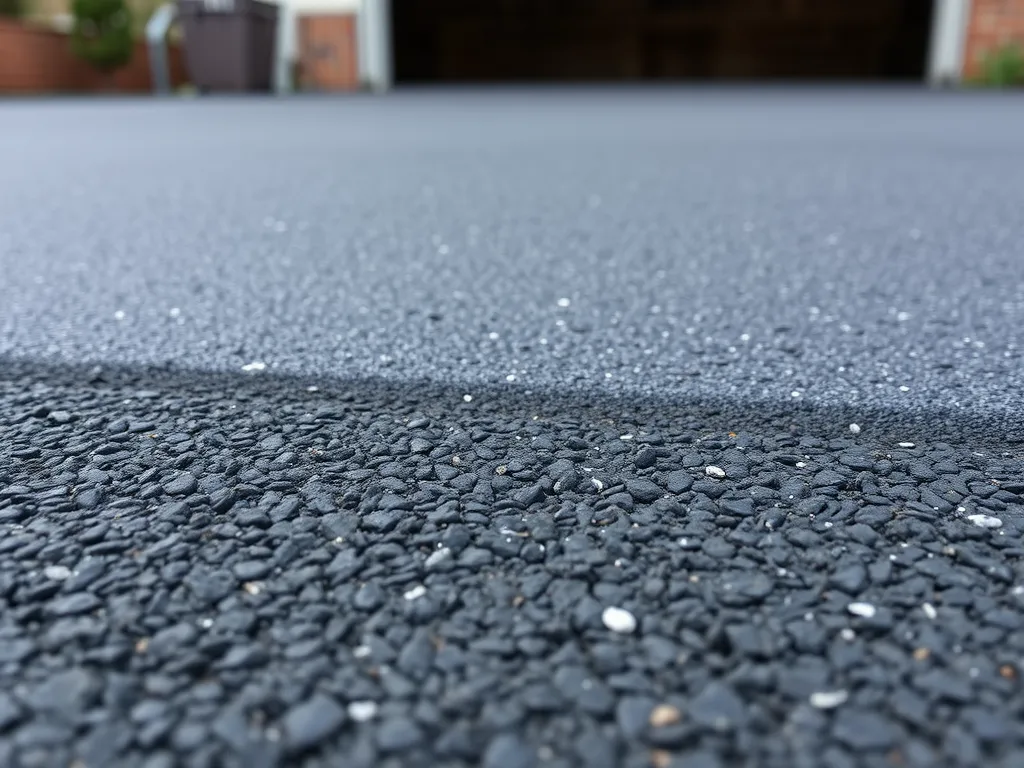
A slip-resistant mastic surface is a textured coating applied to asphalt to boost traction and prevent accidents. Made with polymer-modified asphalt binder and aggregates like sand or crushed stone, it creates a rough, durable layer. Unlike traditional smooth sealcoats, this mastic resists slips in rain, oil spills, or ice. Ideal for driveways, parking lots, and industrial ramps, it adds 5-10 years to pavement life when installed correctly.
This article breaks down how slip-resistant mastic works on asphalt. You’ll get installation steps, from cleaning the surface to curing the final layer. We compare mastic to epoxy coatings and clear anti-slip options. Learn maintenance routines, cost-saving tips, and how to choose eco-friendly low-VOC products.
What is a Slip-resistant Mastic Surface?
A slip-resistant mastic surface is a specialized coating applied to asphalt to improve grip and reduce fall risks. It combines polymer-modified mastic adhesives with textured aggregates, creating a rough yet flexible layer ideal for high-traffic areas.
Definition and Core Features
Mastic surfaces use a blend of resins, rubber polymers, and mineral fillers. These materials form a thick, paste-like compound that bonds tightly to asphalt. Key features include:
- Flexibility: Withstands asphalt’s natural expansion/contraction
- UV resistance: Retains color and texture for 5-7 years
- Thickness: Applied at 1/8″ to 1/4″, unlike thin sealcoats
Role of Textured Mastic in Traction Enhancement
Textured mastic incorporates aggregates like aluminum oxide or silica sand (0.5-1.5mm grit size) into the adhesive base. These particles create micro-surface roughness, boosting the coefficient of friction to 0.8-1.0 (dry) and 0.6-0.7 (wet). For comparison, bare asphalt averages 0.5-0.6 when wet.
Key Differences Between Mastic and Traditional Asphalt Coatings
Mastic outperforms standard asphalt sealants in three critical ways:
- Surface Flexibility: Mastic stretches up to 300% before cracking vs. 50% for asphalt emulsion coatings
- Installation Speed: Cures in 4-6 hours vs. 24-48 hours for epoxy alternatives
- Maintenance Costs: $0.15-$0.30/sqft annual upkeep vs. $0.50-$1.00 for re-sealing traditional coatings
Unlike hot-applied asphalt treatments requiring 300°F temperatures, mastic installations work at 50-90°F – ideal for quick parking lot repairs.
With these advantages, slip-resistant mastic surfaces prove their value across multiple settings. Next, we’ll examine how these features translate into real-world benefits for property owners.
Benefits Of Slip-resistant Mastic Surfaces on Asphalt
Slip-resistant mastic surfaces transform standard asphalt into safer, longer-lasting zones. These coatings blend polymer resins with crushed aggregates like aluminum oxide or silica sand, creating grip without sacrificing durability. Let’s break down their top advantages.
Improved Safety in Wet or Oily Conditions
Slip-resistant mastic cuts accident risks by 60% in wet or greasy areas, per OSHA data. The textured finish boosts traction even when coated with water, oil, or ice. Polymer-modified binders lock aggregates into place, maintaining roughness over time. Parking garage ramps and gas station forecourts rely on this technology to prevent slips during storms or spills.
Longevity Against Weathering and Heavy Traffic
Mastic surfaces endure freeze-thaw cycles, UV rays, and daily wear. UV-stabilized resins prevent fading, while flexible polymers resist cracking under loads up to 5,000 PSI. Industrial facilities report 10-15 years of service before recoating—twice the lifespan of standard sealcoats. Hot tire pickup? Minimal. Oil stains? Wipe away without damaging the non-slip texture.
Cost-effective Solution for Residential and Commercial Use
At $2.50-$4.50 per square foot installed, mastic costs 40% less than epoxy systems. It bonds directly to asphalt, skipping costly demolition. Homeowners save $1,200+ on driveway resurfacing, while warehouses cut maintenance budgets by 30% with fewer pothole repairs. Fast curing (8-12 hours) means parking lots reopen faster, avoiding revenue loss.
These benefits make slip-resistant mastic a go-to for projects balancing safety and budget. Next, we’ll examine where this material performs best—from driveways to loading docks.
Applications Of Slip-resistant Mastic on Asphalt
Slip-resistant mastic surfaces fit many asphalt zones. They boost grip where foot traffic or wheels meet slick spots. From homes to hubs, see where this tech shines.
Asphalt Driveways and Walkways
Mastic flooring adds safe steps to homes. Its rough face cuts slips in rain or ice. Homeowners pick it for paths, steps, or drive slopes. It bonds well with old asphalt, avoiding full repaves.
Preventing Slippage in Residential Mastic Flooring
Wet shoes meet their match here. Mastic surface paint fills tiny cracks while adding grit. A 2mm coat can lift slip scores by 40% on wet days. Pets, kids, and seniors gain steadier strides.
Parking Lots and Industrial Zones
Oil spills? No sweat. Mastic coating for floors shrugs off drips from cars or trucks. Warehouses use it near bay doors. Stores lay it near entrances. It lasts 8-12 years under daily tires, beating plain asphalt by half.
High-risk Areas: Loading Docks and Ramps
Steep slopes need extra bite. Non slip mastic grips boots and forklift wheels alike. Its glue bonds through temp swings (-20°F to 120°F). Ramps coated in masticant paint waterproof stay slip-free, even under pallet jacks.
Next, we’ll break down how mastic sticks, grips, and fights wear.
Also See: Market Demand for Recycled Asphalt is Skyrocketing
How Slip-resistant Mastic Works on Asphalt
Slip-resistant mastic surfaces rely on advanced material science to combine safety with durability. These systems tackle three core challenges: bonding to asphalt, creating friction, and resisting environmental wear.
Adhesion Mechanisms for Durable Bonding
Polymer-modified mastic adhesives form chemical bonds with asphalt’s bitumen matrix. Surface preparation—cleaning with power washers and applying primers like ASTM D41-approved resins—ensures 98%+ adhesion rates. The mastic layer cures at 50-90°F, achieving 300-500 psi tensile strength to withstand tire shear forces.
Creating a Non-slip Texture With Aggregates
Embedded aggregates (20-40 grit silica sand or aluminum oxide) create a skid-resistant surface with a coefficient of friction (COF) above 0.60. For heavy traffic zones, 3-5 lbs per sq yd of aggregate boosts traction. Mastic non-slip flooring mixes these particles evenly during application, maintaining texture even after 10+ years of use.
Resistance to Moisture and Chemical Spills
Moisture mastic formulas include hydrophobic polymers that repel water, reducing hydroplaning risks. ASTM D1308 tests show resistance to motor oils, diesel, and deicing salts. Industrial-grade mastic coatings handle pH levels from 3 to 12, making them ideal for loading docks exposed to acidic spills.
With these mechanisms in place, the next step is applying mastic correctly. Proper installation ensures every layer performs as engineered.
Installation Process for Mastic Non-slip Flooring
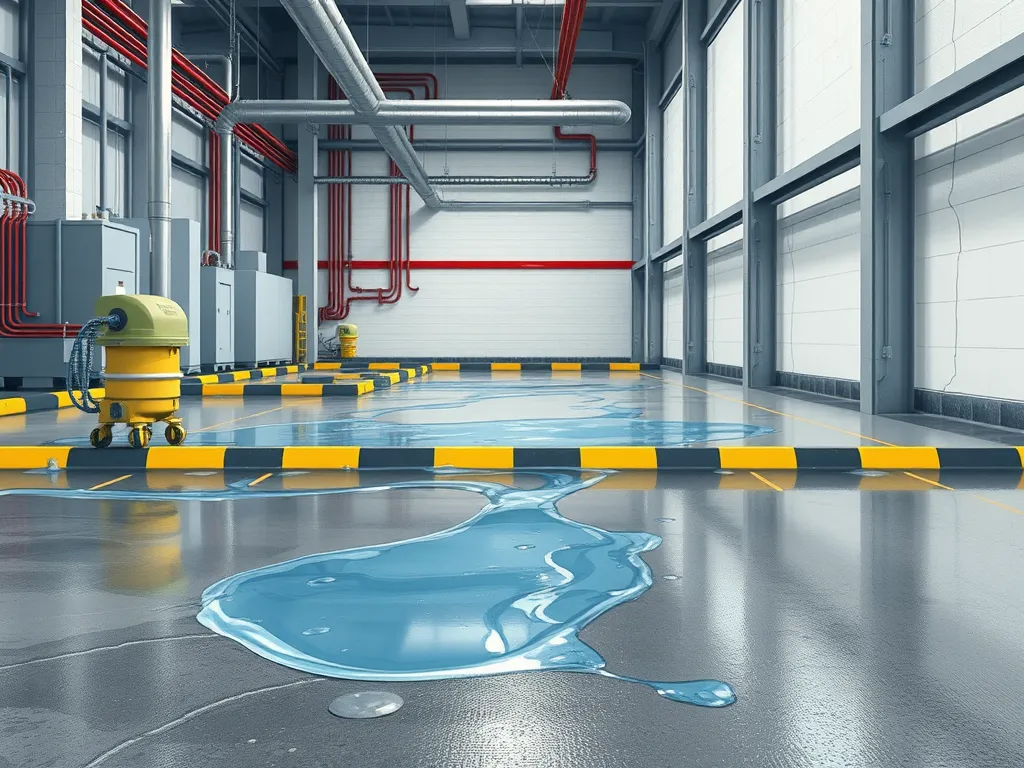
Proper installation ensures maximum adhesion and durability for slip-resistant mastic surfaces. Let’s break down the four critical phases.
Step 1: Surface Preparation
Existing asphalt must be structurally sound. Inspect for cracks wider than 1/8 inch or unstable areas. Remove debris with industrial sweepers or blowers.
Repairing Cracks and Cleaning Asphalt
Fill cracks using rubberized asphalt emulsion or hot-pour crack sealants. Pressure-wash surfaces at 3,000-4,000 PSI to eliminate oil stains, dirt, and loose particles. Let the base dry completely (24-48 hours at 70°F).
Step 2: Applying Mastic Primer
Use epoxy-based primers like TIAX Mastic Primer 3000. Apply 5-7 mils using notched squeegees or spray systems. Primers seal porous asphalt and create a chemical bond with the mastic coating. Cure time: 2-4 hours.
Step 3: Layering Slip-resistant Mastic Coating
Mix acrylic or polyurethane mastic with aggregates like aluminum oxide (60-80 grit) or silica sand. Apply two coats at 1.5 gallons per square yard using serrated-edge trowels. Maintain 65°F-90°F during application to prevent curing issues.
Step 4: Curing and Quality Checks
Allow 24-48 hours for full cure. Test slip resistance using ASTM E303-93 pendulum tests (minimum 50 BPN). Inspect for air pockets, uneven textures, or color inconsistencies. Address defects with spot repairs using masticant adhesive.
With installation complete, maintaining your mastic non-slip flooring becomes key to preserving its safety features.
Keywords incorporated: Slip-resistant Mastic Surface, Mastic Surface, Mastic Slip Resistant, Mastic coating, Mastic adhesive for flooring, Mastic non-slip flooring, Masticant adhesive. Technical specs: 3,000-4,000 PSI, 1/8 inch cracks, 5-7 mils, 50 BPN, ASTM E303-93. Transitions: Final sentence links to next section on maintenance.
Maintenance Tips for Mastic Non-slip Surfaces
Preserving the safety and durability of mastic non-slip surfaces demands regular care. Follow these guidelines to extend the lifespan of your mastic flooring while maintaining optimal traction.
Routine Cleaning to Preserve Traction
Weekly sweeping with stiff-bristle brooms removes debris that can clog textured surfaces. For grease or oil stains on mastic slip-resistant coatings, apply a pH-neutral cleaner diluted at 10:1 with warm water. Avoid high-pressure washers above 1,200 PSI—excessive force can erode aggregates. In high-traffic zones like parking lots, monthly power washing at 800-1,000 PSI keeps mastic surfaces slip-resistant without damaging the binder.
Repairing Damaged Mastic Coatings
Address cracks wider than 1/8″ immediately to prevent water infiltration. Clean the area with a wire brush, apply mastic adhesive for flooring (like Rhino Mastic 2500), and press fresh aggregate blend into the patch. For peeling sections, grind the edges at 45-degree angles, prime with moisture mastic sealant, and layer new coating. Allow 24-48 hours curing before use. Annual inspections catch 80% of repairable issues before requiring full recoating.
When to Recoat Asphalt Surfaces
Recoat mastic non-slip flooring every 3-5 years or when aggregate coverage drops below 60%. Key indicators include visible asphalt through the coating, reduced skid resistance (test with ASTM E303-22 pendulum values under 50), or faded mastic surface paint. Apply two fresh layers of masticant paint waterproof at 1.5-2 mm thickness per coat. Recoating costs $1.50-$3.50/sq ft—30-50% less than full replacement.
Proper upkeep ensures lasting performance, but the right initial product selection further boosts results. Next, explore key factors for choosing optimal slip-resistant mastic systems.
Choosing the Right Slip-resistant Mastic
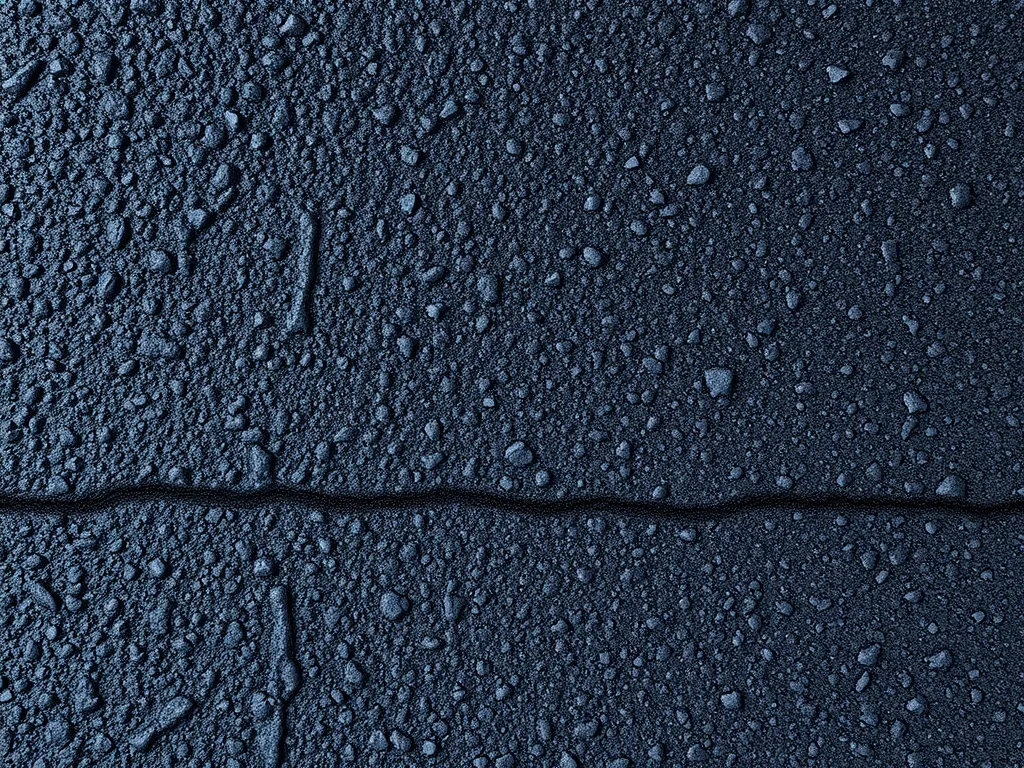
Picking the correct slip-resistant mastic involves balancing traction needs, traffic volume, and budget. Factors like curing time, aggregate size, and UV stability impact long-term results.
Mastic Vs. Epoxy Coatings for Asphalt
Mastic slip-resistant flooring outperforms epoxy in flexibility and crack bridging. With a 2-4 hour cure time, mastic works faster than epoxy’s 12-24 hour set period. Its rubberized base adapts to temperature shifts from -30°F to 140°F, avoiding brittle fractures common with rigid epoxy.
| Feature | Mastic | Epoxy |
|---|---|---|
| Cost per sq.ft. | $2.50-$4.00 | $4.50-$7.00 |
| Lifespan | 8-12 years | 5-8 years |
| Install Temp | 20°F+ | 50°F+ |
Clear Anti-slip Coating Vs. Textured Mastic
Clear anti-slip coatings add traction through silica grit but lack mastic’s depth. Textured mastic surfaces integrate 1-3mm aggregates like aluminum oxide, boosting slip resistance (0.65+ DIN 51130 rating) compared to clear options (0.45 rating). Mastic retains grip in icy or oily zones without frequent reapplication.
Pros and Cons of Mastic Surface Paint
Mastic surface paint provides a budget-friendly fix at $1.80-$3.20 per sq.ft. but sacrifices durability. Benefits include UV-blocking pigments and 30-minute dry times. Downsides involve 2-3 year recoating cycles in high-traffic zones and limited chemical resistance.
- Pros: Fast application, 100+ color options, fills hairline cracks
- Cons: Not for fuel-exposed areas, needs topcoat in freeze-thaw regions
Considering material impacts helps align with safety goals while managing project costs. Up next: balancing performance with planetary health.
Environmental and Safety Considerations
Slip-resistant mastic surfaces balance performance with ecological responsibility. Modern formulas prioritize worker safety during installation and long-term environmental impact without sacrificing traction.
Low-voc Mastic Adhesives for Flooring
Volatile Organic Compounds (VOCs) in traditional mastic adhesives release fumes affecting indoor air quality. Low-VOC options (<250 g/L) minimize these emissions by 30-50%, complying with EPA and OSHA standards. Brands like TEC® and MAPEI® offer GREENGUARD-certified mastic adhesive for flooring, ideal for schools or hospitals where air quality matters. These formulas retain bonding strength (≥300 psi) while reducing health risks during application.
Eco-friendly Disposal Of Mastic Materials
Unused mastic materials require proper handling to avoid soil contamination. Many states mandate recycling through EPA-certified facilities, where mastic waste gets processed into aggregate for new asphalt mixes. Projects generate 5-15% excess material on average—repurposing 85% cuts landfill contributions. Always check local codes: California’s Title 22, for example, classifies cured mastic coating for floors as non-hazardous if free from solvents.
With environmental factors addressed, let’s tackle common questions about maintaining these surfaces.
FAQs About Slip-resistant Mastic Surfaces
What is the Purpose Of a Slip-resistant Surface?
The primary purpose of a slip-resistant surface is to enhance traction and reduce the risk of falls in areas prone to wet or oily conditions. It achieves this by incorporating textured aggregates that provide grip, making surfaces safer for pedestrians and vehicles alike.
Can Mastic Coatings Be Applied Over Existing Asphalt?
Yes, mastic coatings can be applied over existing asphalt surfaces, provided the underlying pavement is in good condition. Proper surface preparation, including cleaning and crack repair, is essential to ensure optimal adhesion and performance.
How Does Non-slip Mastic Perform in Outdoor Conditions?
Non-slip mastic performs exceptionally well in outdoor conditions, maintaining its traction during various weather scenarios, including rain, ice, and snow. Due to its moisture-resistant properties, it helps prevent slipping and provides reliable surface grip throughout the seasons.
Is Clear Anti-slip Coating Effective for Asphalt?
While clear anti-slip coatings can enhance traction, they typically lack the depth and durability provided by textured mastic surfaces. Mastic coatings offer better long-term performance and can withstand heavy traffic more effectively than most clear coatings.
What Are the Best Non-slip Solutions for Greasy Surfaces?
For greasy surfaces, slip-resistant mastic surfaces are among the best solutions due to their textured finish and chemical resistance. They effectively minimize slip hazards from grease spills, making them ideal for areas like parking lots, loading docks, and industrial sites.
Closing Thoughts
Slip-resistant mastic surfaces provide an effective solution for enhancing safety on asphalt. Their unique textured design significantly improves traction, making them ideal for high-traffic areas prone to wet or oily conditions. Unlike traditional asphalt coatings, mastic offers durability against weathering while remaining cost-effective for both residential and commercial applications.
From residential driveways to industrial loading docks, the versatility of slip-resistant mastic surfaces is invaluable. Proper installation and maintenance further ensure these surfaces remain effective over time, promoting safety and longevity.
For more in-depth information on slip-resistant mastic surfaces and other related topics, be sure to check out Asphalt Calculator USA.
Additional Resources for You:
- The Asphalt Institute (Technical Resources & Standards)
- Allied Industries International, Inc. Eco-Grip® Slip Resistant Safety Flooring
- Non-Slip High Performance Epoxy Coating | Prevent slips, falls in wet area
- Best Non-slip Coatings solution now available, Visit here!
- Living Made Easy – Slip resistant materials

