
Asphalt Rutting Mitigation: Stop Road Damage Before It Starts
Published on: June 27, 2026 | Last Updated: April 14, 2025
Written By: George Voss
Asphalt rutting refers to permanent grooves or depressions in pavement caused by traffic loads, heat, or weak materials. This common road failure occurs when heavy vehicles compress poorly designed asphalt layers. Primary causes include oversized truck traffic, low-quality binders (like non-PG graded asphalt), uneven aggregate mixes, and improper compaction during installation. Prevention focuses on stronger materials, smarter designs, and precise construction—like using polymer-modified binders, optimizing layer thickness, and achieving 92-96% compaction density.
This article breaks down how to fight asphalt rutting at every stage. Learn why ruts form, how to measure depth with laser profiling or AASHTO T320 standards, and which repair methods work best. Explore cost-effective fixes like infrared patching ($8-$12 per sq ft) and long-term solutions like full-depth reconstruction. Get actionable strategies for mix design, subgrade prep, and eco-friendly additives to extend pavement life by 10-15 years.
Understanding Asphalt Rutting
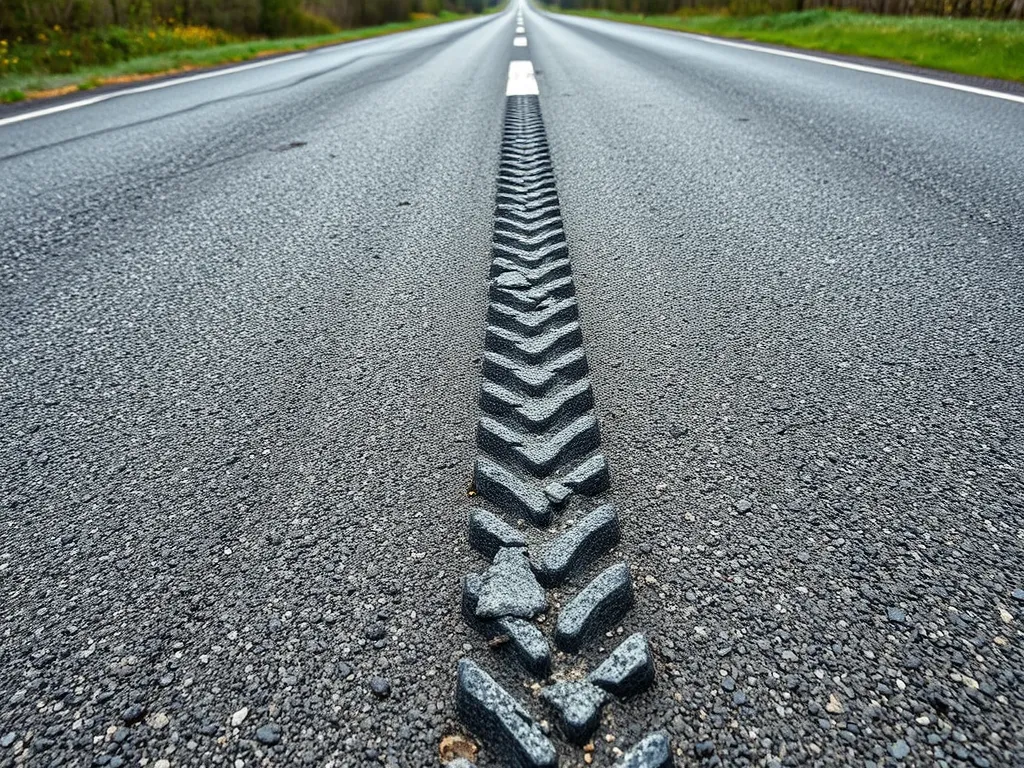
Rutting ranks among the most common asphalt pavement failures. This deformation creates linear depressions in wheel paths, compromising structural integrity. Left unchecked, ruts deepen, creating safety risks and requiring costly repairs.
What is Rutting in Asphalt Pavements?
Rutting appears as grooves or channels in asphalt, typically 0.5-2 inches deep. It develops gradually under repeated traffic loads, heat, or moisture. Severe cases exceed 3 inches, causing pooling water and hydroplaning hazards.
Primary Causes Of Asphalt Rutting
Four factors dominate rut formation. Addressing them early reduces long-term repair needs.
Heavy Traffic Loads and Volume
Trucks exert 8x more stress per axle than cars. Roads with 1,000+ daily truck passes rut 40% faster. Axle loads exceeding 34,000 lbs accelerate deformation, especially in summer heat. High-volume corridors require PG 76-22 binders for enhanced resistance.
Inadequate Material Composition (Aggregates, Binder)
Weak mixes crumble under pressure. Aggregates lacking angularity or with poor gradation shift laterally. Binders with low viscosity (PG 58-28) soften at 120°F. Optimal mixes use 95% crushed granite aggregates and polymer-modified binders, boosting rut resistance by 60%.
Environmental Factors (Temperature, Moisture)
Pavement temps above 140°F reduce asphalt stiffness by 80%. Freeze-thaw cycles erode subgrades, allowing upward moisture intrusion. Regions with 90°F+ summers see 3x more rutting than cooler zones. Drainage systems cutting water infiltration by 50% extend pavement life.
Poor Construction Practices
Low compaction (under 92% density) leaves air voids that collapse under loads. Paving below 275°F prevents proper bonding between layers. Subgrades compacted to 98% Proctor density reduce rut depth by 1.2 inches over 10 years.
Identifying these root causes sets the stage for targeted fixes. Next, precise measurement methods quantify rut severity, guiding repair decisions.
Measuring Asphalt Rutting
Tracking rut depth and form is vital for planning successful asphalt rutting solutions. Without exact data, fixes might miss structural flaws or fail to match a road’s load demands.
Standard Measurement Techniques
Industry norms outline tools and workflows to quantify rutting. This data shapes asphalt rut mitigation techniques, from surface patching to full-depth reconstruction.
AASHTO T320
AASHTO T320 (Hamburg Wheel-Track Test) simulates traffic on asphalt samples. A steel wheel cycles 20,000 times at 120°F, pushing into a slab. Rut depth over 12.5mm flags poor mix stability. This test spots weak binders or aggregate blends before paving starts.
Laser Profiling and 3D Scanning
Laser systems map rut depth within ±1mm accuracy. 3D scanners add cross-slope and width data, spotting drainage risks. Agencies like Caltrans pair this with traffic stats to rank roads needing asphalt rutting remediation. High-resolution scans cut repair costs by 15-20% through precise material calculations.
Field Manual Inspections
Teams use a straightedge or depth rod for spot checks. ASTM E1703 allows up to 0.5-inch rutting in low-speed zones. Manual checks work for rural roads but lack granularity for highways. Still, they’re a fast way to flag urgent asphalt rutting fixes.
Combining lab tests, scanning, and boots-on-ground data builds a full view of rutting. This triad informs which mitigation options asphalt rutting demands—whether additives, milling, or subgrade work. Up next: how ignoring ruts impacts safety and infrastructure.
Effects Of Unaddressed Asphalt Rutting
Ignoring rutted pavement triggers problems ranging from minor inconveniences to system-wide failures. Left unchecked, these depressions evolve into costly liabilities impacting users and surrounding ecosystems.
Safety Hazards
Ruts exceeding 0.5 inches depth compromise vehicle stability. Drivers face heightened risks during routine travel, particularly under wet conditions.
Hydroplaning Risks
Water pooling in ruts creates hydroplaning zones. Tires lose contact with pavement at speeds exceeding 35 mph, doubling stopping distances. Over 5,700 weather-related crashes yearly stem from poor road conditions like rut-induced flooding.
Increased Vehicle Wear
Steering through rutted zones strains suspension systems. Misaligned wheels cause tires to degrade 30% faster. Fleet operators report up to $1,200 yearly per vehicle in premature repairs when driving rut-dominated routes.
Infrastructure Damage
Ruts act as entry points for destructive elements. Structural integrity crumbles when moisture penetrates compromised layers.
Accelerated Pavement Deterioration
Rut bases experience 300% higher stress concentrations versus smooth surfaces. This leads to alligator cracking, potholes, and base failures. Repairs delayed by two years can quadruple rehabilitation costs due to subgrade contamination.
Drainage Issues and Water Pollution
Deformed pavement disrupts runoff patterns. Standing water erodes shoulders while carrying sediment into storm drains. The EPA links 40% of urban runoff pollution to road surface particulates swept from degraded pavements.
With these consequences mounting, focusing on proven asphalt rutting solutions becomes non-negotiable. Next, we’ll break down techniques to fix ruts while restoring pavement performance.
Also See: Best Practices for Snow and Ice Management on Asphalt
Asphalt Rutting Mitigation Methods
Addressing asphalt rutting requires targeted strategies that combine advanced materials with structural upgrades. These methods tackle deformation at its source, ensuring pavements withstand traffic and environmental stress.
Material-based Solutions
Material innovations directly combat rutting by boosting mix durability. Three key approaches dominate modern asphalt engineering.
Polymer-Modified Binders
Polymer-modified binders like PG 76-22 (Performance Graded) increase asphalt’s heat resistance. Adding 3-7% SBS polymers to bitumen reduces rutting by 40-60% in high-traffic zones. Though costs rise $15-$25 per ton, lifespan gains cut long-term maintenance by half.
Crumb Rubber Additives
Crumb rubber from recycled tires enhances mix elasticity. Blending 10-15% rubber by weight lowers rut depth formation by 30% while diverting 12 million tires annually from landfills. This method aligns with eco-friendly asphalt rutting remedies gaining traction nationwide.
High-Quality Aggregate Selection
Angular crushed stone with 95% fracture faces resists shifting under loads. Aggregates scoring under 20% on the LA Abrasion test prevent breakdown, critical for highways carrying 1,000+ trucks daily. Proper gradation (e.g., 19mm nominal size) ensures interlock, a core asphalt rut mitigation technique.
Structural Enhancements
Stronger pavement systems distribute weight effectively, minimizing subgrade stress. Two structural upgrades prove most effective.
Thicker Pavement Layers
Increasing base layers from 4” to 6” cuts rutting rates by 35% on arterial roads. AASHTO Guide for Design of Pavement Structures recommends 150mm minimum thickness for truck routes. While initial costs climb $3-$5 per sq ft, thicker layers delay asphalt rutting repair needs by 8-12 years.
Improved Subgrade Preparation
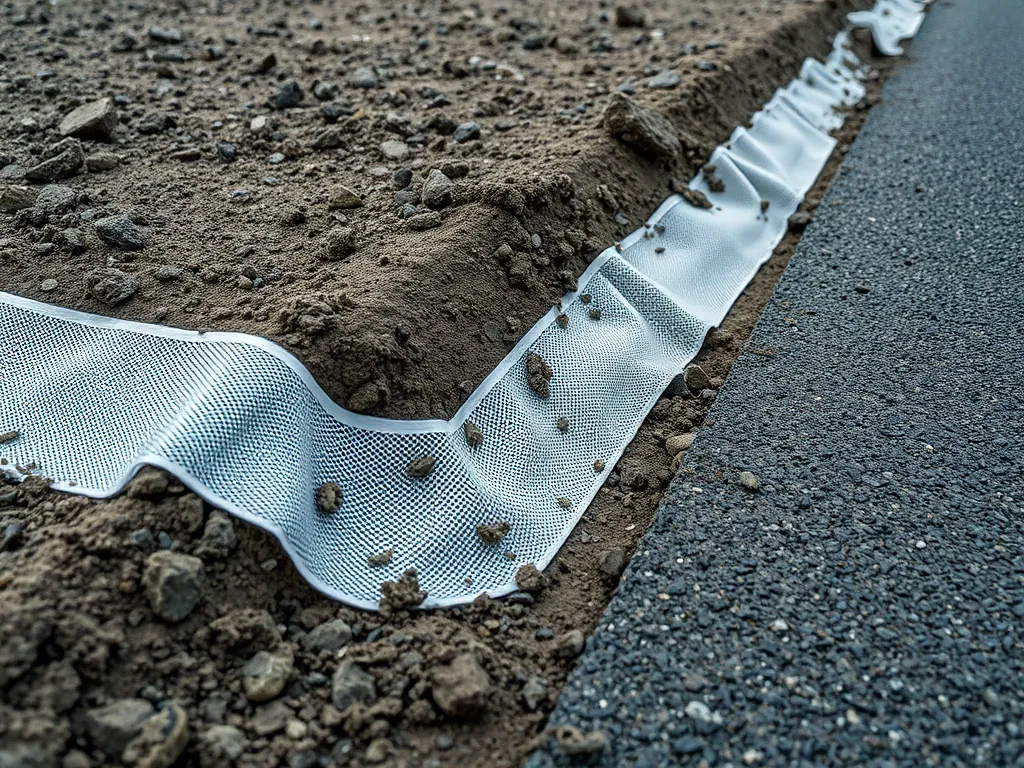
Compacting subgrades to 95% Proctor density prevents shifting under asphalt. Geotextile fabrics add $0.50-$1.00 per sq ft but boost load-bearing capacity by 70%, making them vital for weak soils. Proper drainage slopes (2% minimum) further protect against moisture-induced rutting.
Combining material upgrades with structural changes creates lasting asphalt rutting fixes. Next, let’s explore repair tactics for existing ruts—from surface patches to full-depth reconstruction.
Asphalt Rutting Repair Techniques
When ruts form, fast action stops worse harm. Two paths exist: fix just the top or dig deep. Pick based on rut depth, traffic needs, and cash on hand.
Surface-level Repairs
Shallow ruts (under 1 inch) get quick fixes. These cost less but need more upkeep. Use them when base layers stay strong.
Milling and Overlays
Grind off bad asphalt with milling gear. Lay 1-2 inches of fresh HMA. Costs $2-5 per sq ft. Works best for ruts from poor mix or weak top layer. Bonds to sound base below.
Infrared Asphalt Repair
Heat softens old asphalt (300°F+) so crews can rake and re-compact. No seams. Takes 30 mins per patch. Saves 40% vs full replace. Good for small zones like bus stops.
Deep Rut Remediation
Ruts over 2 inches point to base fails. Fixes here last longer but cost more. Needs gear like backhoes and rollers.
Full-Depth Reconstruction
Dig out all bad layers (up to 18 inches). Fix subgrade, then lay new HMA. Costs $8-12 per sq ft. Slashes rut return by 80% in truck lanes.
Hot Mix Asphalt (HMA) Patching
Cut out ruts, fill with PG 64-22 binder HMA. Pack tight to 95% density. Add lime to base if wet. Lasts 7-10 years in freeze zones. Use where ruts dip 3+ inches.
While these fixes mend ruts, stopping them first saves cash. Next, learn key steps to keep asphalt firm under wheels.
Best Practices for Asphalt Rutting Prevention
Effective asphalt rut mitigation starts with smart mix design and strict construction protocols. These strategies form the backbone of long-lasting pavements resistant to deformation under stress.
Optimal Mix Design
A well-engineered asphalt mix combats rutting at the molecular level. Focus on binder performance and aggregate structure to build inherent stability.
Balanced Binder Content
PG (Performance Graded) binders—like PG 76-22—must be calibrated to local climate and traffic. Aim for 4.5%-6% binder by weight. Excess bitumen causes shoving; too little creates brittle pavements prone to cracking. Polymer-modified binders boost rut resistance by 30-50% compared to conventional options.
Aggregate Gradation Control
Superpave mix designs enforce strict gradation limits to maximize stone-on-stone contact. Use angular crushed aggregates with ≤ 0.5% flat/elongated particles. Target a dense-graded structure passing sieve sizes like #4 (4.75mm) and #200 (75µm) within AASHTO M323 specs. This reduces voids in mineral aggregate (VMA) below 15%, locking layers into place.
Construction Quality Assurance
Even elite mixes fail without precise execution. Monitor two factors critical to rutting prevention: compaction and temperature.
Proper Compaction Techniques
Achieve 92-96% density using steel-wheel (10-12 ton) and pneumatic rollers (500 kPa tire pressure). Complete breakdown rolling before mix temps drop below 275°F. Three to five passes typically yield air voids under 8%—the threshold for rut-prone pavements.
Temperature Management During Paving
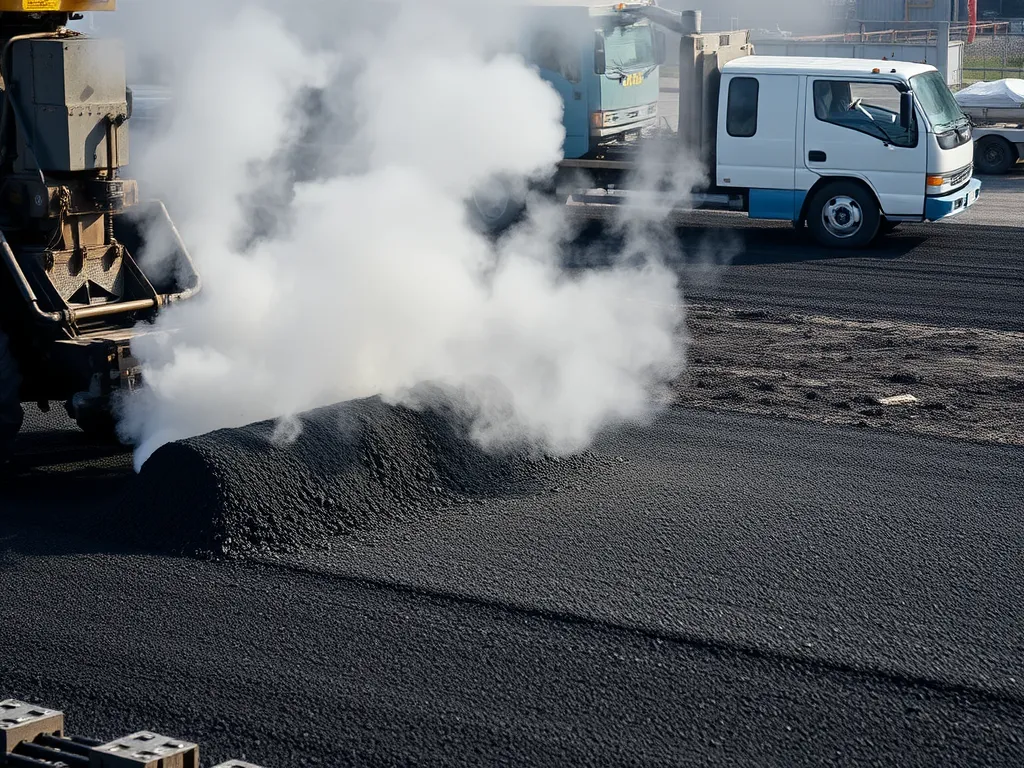
Lay hot mix asphalt (HMA) between 280°F and 325°F. Use infrared thermometers to spot cold zones below 265°F, which increase voids by 2-3%. Trucks must maintain mix above 300°F during transport. Delays beyond 30 minutes post-discharge risk thermal segregation, a key trigger for future rutting.
While these methods tackle immediate rutting risks, pairing them with eco-conscious choices amplifies long-term pavement performance. Let’s explore sustainable options next.
Environmental Considerations in Rutting Mitigation
Balancing pavement performance with ecological responsibility requires strategic choices. Sustainable materials lower environmental impact while boosting resistance to deformation under stress.
Sustainable Material Choices
Using recycled components minimizes resource extraction. These options improve structural integrity while meeting green building standards.
Recycled Asphalt Pavement (RAP)
RAP integrates reclaimed pavement into new mixes, cutting virgin binder use by 20-30%. Blending 30% RAP with polymer-modified binders enhances rut resistance. Projects using RAP report 15-25% lower costs compared to conventional mixes.
Eco-Friendly Additives
Bio-based polymers like lignin replace petroleum-derived binders. Warm mix additives enable production temps 30-50°F lower, slashing fuel consumption. These modifiers maintain mix workability while reducing CO₂ emissions by up to 35% during paving.
Reducing Carbon Footprint
Efficient repair methods shrink energy use. Targeted interventions focus on high-impact zones without full pavement replacement.
Energy-Efficient Repair Methods
Infrared thermal recycling heats existing pavement to 300°F for seamless repairs, using 40% less fuel than milling. Cold in-place recycling treats ruts by pulverizing worn layers, blending them with emulsified binders, and compacting on-site. This process cuts truck trips by 70%, lowering particulate emissions.
Combining recycled materials with low-energy methods creates durable surfaces while protecting ecosystems. Let’s examine how these strategies integrate with long-term pavement management systems.
FAQ: Asphalt Rutting Mitigation
How Do You Fix Asphalt Rutting?
To fix asphalt rutting, options include surface-level repairs like milling and overlays, or infrared asphalt repair for shallow ruts. For deeper ruts, full-depth reconstruction is recommended, which involves removing all layers down to the subgrade and replacing them with new hot mix asphalt.
What is an Anti-rutting Additive?
An anti-rutting additive is a substance mixed with asphalt to improve its resistance to deformation and rutting under heavy traffic loads. Common examples include polymer-modified binders and crumb rubber additives, which enhance the elasticity and strength of the asphalt mixture.
What Two Factors Prevent Rutting in Pavements?
The two main factors that prevent rutting in pavements are the proper selection of high-quality materials, such as polymer-modified binders and well-graded aggregates, and effective construction practices, including achieving adequate compaction and proper layer thickness during installation.
How is Rutting Measured Accurately?
Rutting is measured accurately using standard methods like the AASHTO T320 (Hamburg Wheel-Track Test) or advanced techniques such as laser profiling and 3D scanning. These methods provide precise measurements of rut depth, ensuring accurate assessment for maintenance and repair planning.
Closing Thoughts
Mitigating asphalt rutting is vital for maintaining safe and functional roadways. Various causes—including heavy traffic, material quality, and environmental impacts—contribute to rutting issues. Effective measurement techniques, such as AASHTO T320 and laser profiling, ensure accurate assessments.
Repair methods like milling, infrared asphalt repair, and full-depth reconstruction help restore affected surfaces. To prevent rutting, focus on optimal mix designs and construction quality assurance. Sustainable practices, including the use of recycled asphalt, further support environmental goals while enhancing pavement performance.
Stay informed about the latest mitigation strategies and technical details. For more information and resources, visit Asphalt Calculator USA.
Useful References for You:
- Yoder, E. J., & Witczak, M. W. (1975). Principles of Pavement Design (2nd ed.). New York, NY: Wiley.
- Il-asphalt
- Rutting – Pavement Interactive
- Improving the rutting resistance of asphalt pavement modified with the carbon nanotubes additive – ScienceDirect
- A review on solutions for improving rutting resistance of asphalt pavement and test methods – ScienceDirect

