Warm Mix Asphalt Additives: Cutting Temperatures, Boosting Efficiency
Published on: August 2, 2026 | Last Updated: April 14, 2025
Written By: George Voss
Warm mix asphalt additives are materials that let crews produce asphalt at 50-100°F lower temperatures than traditional hot mix methods. These additives—foaming agents, organic waxes, or chemical packages—modify the asphalt binder’s viscosity, allowing easier mixing and compaction. They slash fuel use by 20-35%, reduce greenhouse gas emissions, and enable colder weather paving. Unlike hot mix asphalt (300-350°F), warm mix operates at 250-275°F while meeting the same ASTM D6372 performance standards.
This article explains how warm mix additives work in asphalt plants and paving sites. You’ll learn about temperature specifications per AASHTO guidelines, cost comparisons with hot mix, and additives like Sasobit® wax or Astec foam systems. We’ll analyze durability data, environmental impacts (including CO₂ reductions up to 30%), and real-world case studies from state DOT projects. FAQs address common concerns about winter paving limits and mix design validation.
Introduction to Warm Mix Asphalt Technology
Warm mix asphalt technology revolutionizes traditional paving by lowering production temperatures by 30-100°F compared to hot mix asphalt. This innovation uses specialized warm mix asphalt additives to achieve workability at 250-275°F instead of 300-350°F. The process maintains pavement quality while slashing energy use and emissions.
Key to this method are additives like synthetic zeolites, organic waxes, or chemical surfactants. These warm asphalt additives modify binder viscosity, allowing easier aggregate coating at reduced heat. Projects using warm mix solutions report up to 35% lower fuel consumption and 20% faster cooling times for earlier traffic reopening.
Industry adoption grew after the 2002 National Asphalt Pavement Association (NAPA) trials. Today, 40% of U.S. asphalt plants employ warm mix technology, aided by ASTM D6372 and AASHTO R 35 standards. The Federal Highway Administration now mandates warm asphalt techniques for all federally funded highway projects.
Let’s examine how these additives transform raw materials into high-performance pavements.
Composition and Key Ingredients Of Warm Mix Asphalt
Warm mix asphalt uses the same base parts as hot mix: stone, sand, gravel (aggregates), and sticky binder (bitumen). The twist? Additives cut heat needs. These parts form 90-95% of the mix by weight. Bitumen makes up 4-7%, with additives taking 0.1-3%.
Primary Components in Warm Mix Asphalt
Aggregates give strength. They range from dense-graded stone (3/4″ size) to fine sand. Bitumen (PG 64-22 or PG 58-28) coats the stone at lower temps. Additives like wax or liquid chemicals let the mix flow better when warm. Some states require 15-25% recycled asphalt (RAP) in warm mixes.
Role Of Additives in Mixture Formulation
Warm mix additives act in three ways: lower binder thickness, make stone coat easier, or trap air in the mix. Foaming agents add 1-2% water to create tiny bubbles. This cuts mixing temps by 30-50°F. Organic waxes (Sasobit, Aspha-min) harden as they cool, locking stones in place. Chemical packs (Evotherm) use surfactants to let binder spread thin at 250°F vs 300°F for hot mix.
Plant data shows additives trim fuel use by 20-35%. They also let crews pave in cold air (down to 40°F) with no cracks. With the mix formula set, the next step nails down exact heat levels for safe, strong roads.

Temperature Range and Production Specifications
Warm mix asphalt additives transform production by lowering heat demands. This shift impacts mixing, laying, and quality outcomes. Precise temperature control ensures binder activation and pavement durability.
Optimal Mixing and Compaction Temperatures
Warm mix asphalt technology slashes production heat by 50–100°F compared to hot mix methods. Mixing commonly occurs at 212–284°F, while compaction stays above 175°F. Additives like Evotherm or Sasobit modify bitumen viscosity, enabling workability at reduced heat. Lower temps cut fuel use by 20–35% and curb CO₂ emissions by 30% during plant operations.
Industry Standards and Compliance Requirements
AASHTO M 332 and ASTM D3666 govern warm mix asphalt additives. These specs mandate testing for rutting resistance (≥ 500 cycles/mm), tensile strength ratios (≥ 80%), and viscosity at 275°F. NAPA’s Quality Improvement Program (QIP) audits additive dosages—typically 0.5–3% by binder weight—to ensure mix consistency. Compliance guarantees pavement meets PG binder grades while reducing fuming hazards for crews.
Meeting these targets not only aligns with EPA emissions guidelines but also sets the stage for evaluating performance gains. Next, let’s examine how lower temps translate into measurable benefits for contractors and communities.
Also See: Physics Of Driveway Cracking: Understand the Causes
Benefits Of Warm Mix Asphalt Additives
Warm mix asphalt additives transform paving projects by cutting energy use while boosting performance. These modifiers allow production at lower temperatures, creating economic and operational gains across road construction.
Energy Efficiency and Cost Savings
Producing warm asphalt mixes at 250–275°F cuts fuel consumption by 20–35% compared to hot mix asphalt (300°F+). Lower temperatures trim plant energy costs by $2–$5 per ton. Contractors gain flexibility to extend paving seasons into cooler months, avoiding project delays. Reduced burner fuel also slashes CO2 emissions by 15–30%, aligning with EPA sustainability targets.
Improved Workability and Paving Performance
Warm mix asphalt additives like Evotherm DAT or Sasobit HT extend mix workability by 45–60 minutes. This allows longer haul distances and smoother placement. Lower heat reduces thermal segregation, ensuring consistent density during compaction. Field tests show warm asphalt mixes achieve 92–95% of maximum theoretical density, matching hot mix durability. Rut resistance improves by 10–15% in PG 64-22 binders modified with chemical additives.
The right warm mix asphalt additive depends on project specs, climate, and material availability. Next, explore the types of additives shaping modern asphalt solutions.

Types Of Warm Mix Asphalt Additives
Warm mix asphalt additives fall into three main categories: foaming agents, organic additives, and chemical additives. Each type modifies asphalt binder properties to allow lower production temperatures while maintaining pavement performance. Let’s break down the technologies reshaping warm asphalt techniques.
Foaming Agents and Technologies
Foaming processes inject water or steam into heated asphalt binder, creating tiny air bubbles that temporarily increase mix workability. This method reduces viscosity at 230-290°F, roughly 50-100°F cooler than traditional hot mix asphalt.
Water-Based Foaming Processes
Systems like Astec Green Systems or Wirtgen WLB 10 use precise water injection (1-3% by weight) into 320°F asphalt binder. The rapid expansion creates a foamed binder that coats aggregates more efficiently. Key specs include foam half-life (12-18 seconds) and expansion ratio (8-15x).
Advantages of Foamed Asphalt
- Cuts plant fuel use by 20-35% compared to hot mix
- Allows longer haul distances due to slower cooling
- Enables cold-weather paving down to 40°F ambient temps
Organic Additives
These warm mix asphalt modifiers lower binder viscosity through physical changes. Sasobit and Aspha-Min are common brands, typically dosed at 0.8-3% by binder weight.
Wax-Based Additives and Their Functions
Synthetic paraffin waxes melt between 185-212°F, creating a lubricating effect. They reduce mixing temps by 18-54°F while increasing stiffness at service temperatures. Testing shows 12-15% improved resistance to rutting in wax-modified warm asphalt mixes.
Chemical Additives
Surfactant-based warm mix asphalt additives work by altering binder chemistry. Products like Evotherm or Rediset use 0.5-2% additive rates to enable mixing at 250-275°F.
Surfactants and Rheology Modifiers
These compounds reduce surface tension between asphalt and aggregates. Some formulations include amines or fatty acids that act as compaction aids. Third-party studies show 7-9% higher density in pavements using chemical warm mix asphalt solutions versus untreated mixes.
With multiple additive options available, engineers must evaluate which warm mix technology aligns with project specs and climate demands. Next, we’ll compare how these innovations stack up against conventional hot mix methods.
Warm Mix Vs. Hot Mix Asphalt: Key Differences
Warm mix asphalt technology cuts production temps by up to 100°F compared to traditional hot mix methods. This shift impacts both installation methods and long-term road performance. Additives play a vital role in bridging gaps in workability and structural integrity at lower heat levels.
Temperature Requirements and Energy Use Comparison
Hot mix asphalt (HMA) needs temps between 300-350°F for mixing and compaction. Warm mix asphalt additives slash this range to 200-250°F. Lower temps cut fuel consumption by 20-35% during production. Plants using warm asphalt solutions report 15% less CO₂ output per ton. Foaming agents or wax-based additives allow bitumen to coat aggregates fully without high heat, maintaining mix quality while saving 1-2 gallons of diesel per ton.
Performance and Durability Considerations
Warm asphalt mixes match or surpass HMA in rutting resistance when using proper additives. Modifiers like surfactants boost binder-aggregate adhesion, fighting moisture damage. Field data shows warm mix asphalt mixtures achieve 95% density post-compaction, meeting AASHTO T 312 standards. Cold weather paving gains traction with warm mix technology—additives allow compaction at 50°F ambient temps without cracking risks.
Up next: Balancing innovation with practicality, warm mix asphalt additives also bring unique challenges for paving teams.
Challenges and Limitations Of Warm Mix Asphalt
Warm mix asphalt additives solve key issues but face real-world hurdles. These challenges shape how crews use the tech on roads and lots.
Potential Durability Concerns
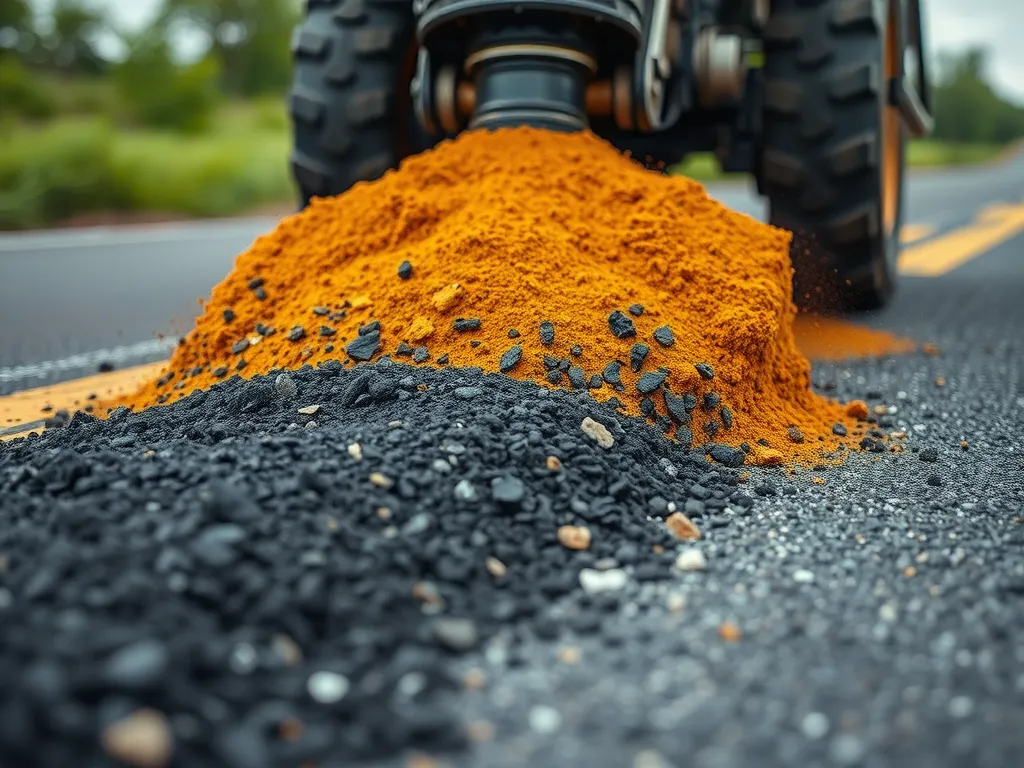
Some warm asphalt mixes show faster wear than hot mix in high-stress zones. Tests reveal 10-15% lower rut resistance at temps above 104°F. Moisture damage risks rise if foaming agents disrupt binder-aggregate bonds. States like Texas now mandate Hamburg wheel tracking tests for warm mix asphalt mixtures used in wet climates.
Compatibility With Traditional Paving Equipment
Older pavers and rollers built for hot mix struggle with warm mix’s lower heat. Screed plates may cool too fast, causing uneven mat texture. Plants using warm mix asphalt additives often need new nozzles for foam or wax injection. Drum mixers require temp controls within ±15°F to keep warm asphalt asphalt base stable during discharge.
These factors push crews to adapt methods while keeping costs in check. Next, we explore how warm mix tech still drives green gains despite these limits.
Environmental Impact and Sustainability Benefits
Warm mix asphalt additives cut harm to our planet. They let plants make roads at lower heat. This shift slashes fumes and saves resources.
Reduced Greenhouse Gas Emissions
Warm mix tech cuts CO2 by 15-30% vs hot mix. Lower heat (230-300°F vs 300-350°F) means less fuel burned. Plants using warm mix additives report 20% lower nitrous oxide. Carbon footprints shrink as plants meet EPA Tier 4 rules.
| Emission Type | Hot Mix | Warm Mix |
|---|---|---|
| CO2 (lbs/ton) | 30-35 | 21-25 |
| Fuel Use (gal/ton) | 0.45 | 0.33 |
| VOCs (ppm) | 400-600 | 150-300 |
Lower Fuel Consumption and Worker Safety
Plants save 15-20% fuel with warm mix additives. Crews face less risk from fumes and burns. NIOSH found 60% drop in worker exposure to PAHs (polycyclic aromatic hydrocarbons) at warm mix sites. Lower temps (50-100°F cooler) let crews work longer in heat with fewer breaks.
States like Texas and Ohio saw 18% lower injury rates on warm mix jobs. OSHA reports link warm tech to safer air quality near paving zones. Trucks haul warm mix farther (up to 75 miles) without cooling issues – cutting trips.
Next, we explore how these green gains translate to real roads. From highways to cold zones, warm mix solutions prove their worth.
Applications in Modern Asphalt Paving
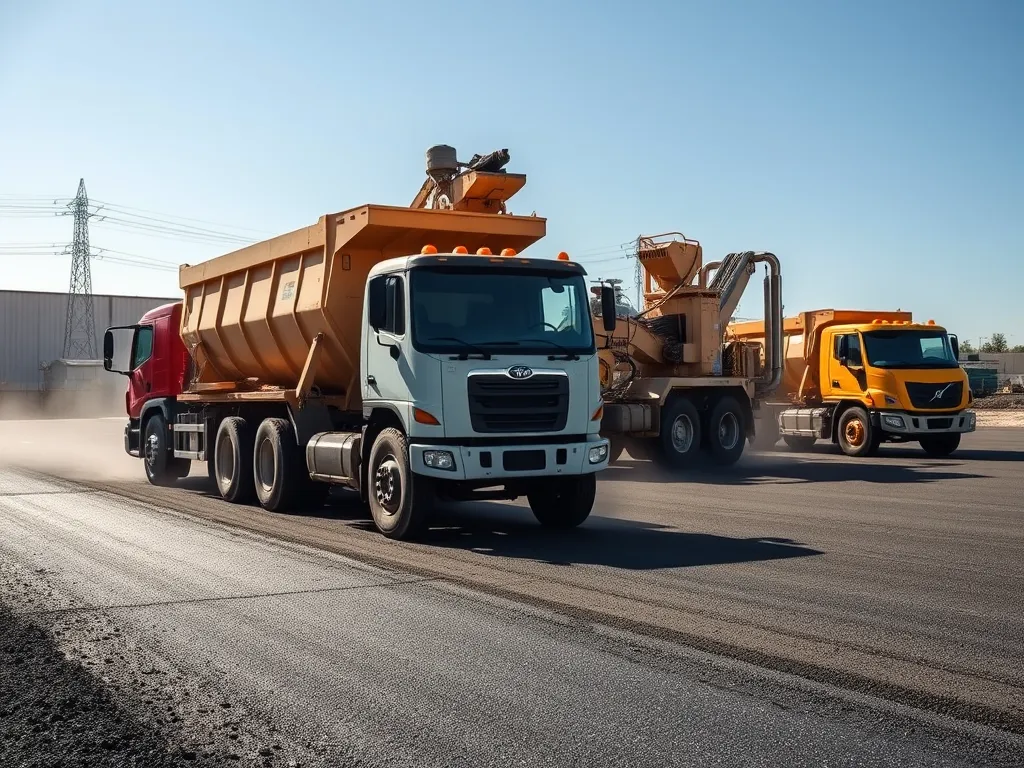
Warm mix asphalt additives now shape how crews build roads. These agents let plants make mix at 50°F lower than hot mix. This cuts fuel use by 35% and lets trucks haul mix up to 75 miles more. Big jobs like I-35 in Texas and Route 66 updates use warm mix to meet tight deadlines. City streets, highways, and air strips all gain from this tech.
Road Construction Projects Using Warm Mix Solutions
Warm mix shines in large-scale road builds. Crews lay mix faster as it stays soft longer. Foaming tech cuts plant temps to 250°F, slashing CO2 by 15%. Jobs with strict noise rules, like night work near homes, pick warm mix for low fumes. States like Cali and Colorado save up to $8 per ton with these asphalt warm mix additives.
Specialized Uses in Cold Weather Paving
Cold zones need warm mix to pave when temps drop. Warm mix lets crews work down to 40°F, a 20°F boost over hot mix. Additives like wax-based agents stop mix from setting too fast. This helps in states like Maine and jobs in Canada where cold cuts the paving season short. It also cuts risk of cracks from quick cool-downs.
As more teams choose warm mix, new questions come up on how to best use it in tough cases.
Frequently Asked Questions (FAQs)
What Are Warm Mix Asphalt Chemical Additives?
Warm mix asphalt chemical additives are substances incorporated into the asphalt mixture to lower the required production temperature. These can include surfactants and rheology modifiers that enhance the workability and application of the asphalt at lower heat without compromising performance.
What is the Disadvantage Of Warm Mix Asphalt?
One potential disadvantage of warm mix asphalt is that some mixtures can exhibit reduced durability in high-stress environments compared to hot mix asphalt. Under certain conditions, warm mix may also be more susceptible to moisture damage if not properly formulated.
How Does Warm Mix Composition Differ From Traditional Asphalt?
Warm mix asphalt uses similar base materials as traditional hot mix asphalt, such as aggregates and bitumen, but incorporates additives designed to lower mixing temperatures. This allows for easier handling and application while maintaining the required performance characteristics.
What Temperature Range is Ideal for Warm Mix Production?
The ideal temperature range for warm mix asphalt production typically falls between 250°F to 275°F, which is significantly lower than the 300°F to 350°F range required for hot mix asphalt. This reduction in temperature not only conserves energy but also minimizes emissions.
How Do Specifications Ensure Quality in Warm Mix Asphalt?
Quality in warm mix asphalt is ensured through adherence to industry specifications such as AASHTO M 332 and ASTM D3666, which set testing standards for properties like rutting resistance and viscosity. These specifications ensure that warm mix asphalt meets performance criteria similar to hot mix asphalt.
Warm Mix Vs. Hot Mix: Which is More Cost-effective?
Warm mix asphalt is often more cost-effective due to reduced energy consumption during production, which can lead to lower operational costs. Additionally, the ability to pave in colder temperatures can help avoid project delays, further enhancing cost savings.
What Are Common Additives Used in Warm Mix Technology?
Common additives in warm mix asphalt technology include foaming agents, organic waxes like Sasobit, and chemical additives such as Evotherm. These materials help to modify the viscosity of the asphalt, enabling lower temperature applications without sacrificing performance.
Can Warm Mix Asphalt Be Used in All Weather Conditions?
While warm mix asphalt performs well in a variety of weather conditions, it is particularly advantageous in cooler temperatures, where traditional hot mix may not be feasible. Warm mix can be used effectively even in temperatures as low as 40°F, making it a versatile option for many paving projects.
Closing Thoughts
Warm mix asphalt additives play a vital role in modern paving technology. By enabling lower temperature production and improved mix workability, these additives contribute to resource efficiency and environmental sustainability. They not only foster cost savings but also enhance pavement performance and longevity.
From foaming agents to organic and chemical additives, each type has unique benefits that cater to diverse paving needs. Understanding their implications helps paving professionals make informed decisions for projects, whether in hot or cold weather conditions.
To explore more about asphalt mixing, paving techniques, and other related topics, check out Asphalt Calculator USA. Your go-to source for all things asphalt.
Additional Resources for You:
- Huang, Y. H. (2004). Pavement Analysis and Design (2nd ed.). Upper Saddle River, NJ: Pearson/Prentice Hall.
- Asphalt Additives Market Size, Trends, Growth, Scope & Forecast
- Asphalt Additives Market Size & Growth Report to 2033
- Warm Mix Additives for Asphalt – Frequently Asked Questions – Sripath Technologies, LLC
- Asphalt Additives Market Size Report, 2022-2027