
Bridge Deck Asphalt Waterproofing: Methods, Costs &Amp; Key Considerations
Published on: July 19, 2026 | Last Updated: April 14, 2025
Written By: George Voss
Bridge deck asphalt waterproofing is a protective layer applied to bridge surfaces to block water from damaging concrete and steel supports. It uses asphalt combined with materials like rubberized membranes, liquid coatings, or spray sealers to create a moisture barrier. Unlike standard road asphalt, these systems prioritize flexibility and chemical resistance to handle temperature shifts and heavy traffic. Proper waterproofing prevents corrosion, extends bridge life by 15-25 years, and cuts repair costs by up to 40%.
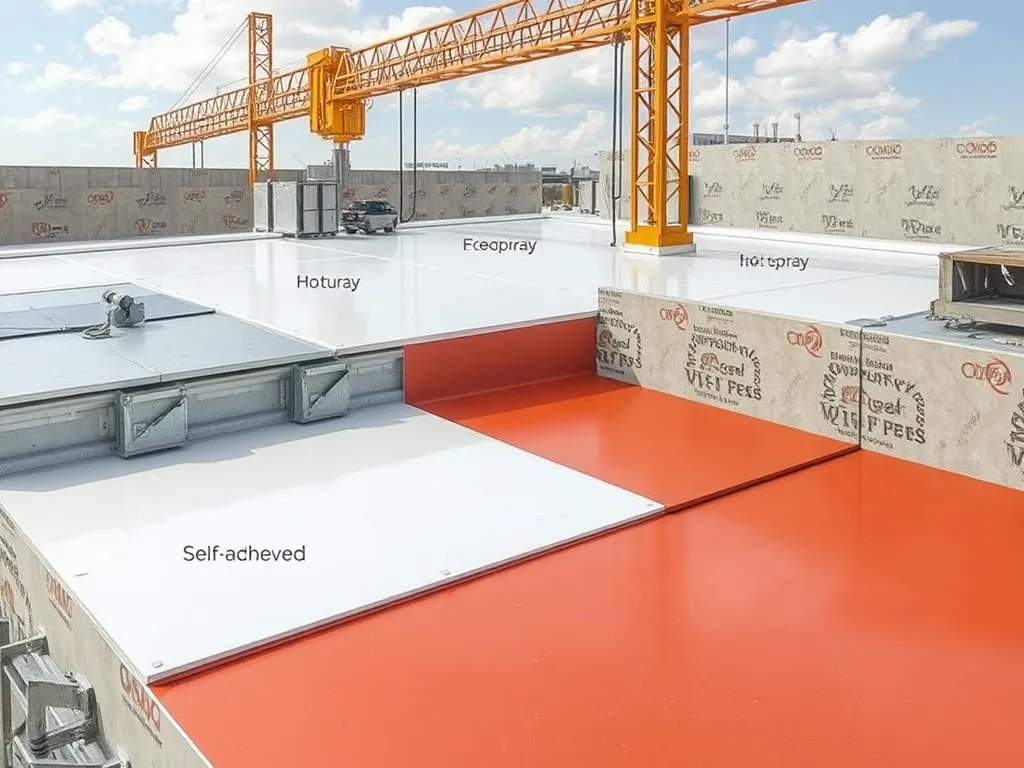
This guide explains how to protect bridge decks effectively. Compare methods like self-adhered membranes ($4.50-$7.00/sq ft installed) versus hot-sprayed asphalt ($1.80-$3.50/sq ft). Learn why coastal areas need salt-resistant coatings while freeze-thaw zones require crack-resistant membranes. Get cost breakdowns, lifespan data, and tips for matching materials to traffic loads or climate challenges.
Contents
- Understanding Bridge Deck Asphalt Waterproofing
- Key Benefits Of Asphalt Waterproofing for Bridge Decks
- Best Asphalt Waterproofing Methods for Bridge Decks
- Factors Affecting Waterproofing Method Selection
- Cost Analysis Of Bridge Deck Asphalt Waterproofing
- Common Problems From Inadequate Waterproofing
- Environmental Considerations
- Frequently Asked Questions (FAQ)
- Closing Thoughts
- Useful References for You:
Understanding Bridge Deck Asphalt Waterproofing
Bridge deck asphalt waterproofing stops water from penetrating concrete surfaces beneath pavement layers. This protection directly impacts structural integrity, safety, and maintenance cycles for bridges exposed to rain, snow, or road salts.
What is Bridge Deck Waterproofing?
Bridge deck waterproofing involves applying specialized materials between the concrete deck and asphalt overlay. These systems—like asphalt waterproofing membranes or spray-applied coatings—create a seamless barrier. Bitumen-based products, elastomeric membranes, or cold-applied liquid layers block moisture while bonding to both concrete and asphalt layers. Proper installation prevents freeze-thaw damage, chloride intrusion, and rebar corrosion, extending service life by 15-20 years.
Can Asphalt Be Waterproofed?
Yes, asphalt can be waterproofed using techniques tailored for bridge decks. Hot-sprayed asphalt systems melt polymer-modified bitumen at 350°F, forming a 120-200 mil impermeable layer. Liquid-applied asphalt waterproofing coatings with SBS or APP polymers achieve 0.001 inches/day permeability rates when cured. Critical steps include surface priming, crack sealing, and slope correction (1-2% minimum) to avoid ponding. Membrane seams require heat welding or solvent bonding for full adhesion—any gaps risk delamination under traffic loads exceeding 10,000 psi.
Choosing the right asphalt waterproofing system depends on deck condition, traffic patterns, and climate. Next, let’s explore how these methods deliver measurable benefits for infrastructure longevity and cost management.
Key Benefits Of Asphalt Waterproofing for Bridge Decks
Bridge deck waterproofing using specialized asphalt products shields infrastructure from water damage while boosting performance. Three core benefits define its value in modern construction projects.
Extended Pavement Lifespan
Water infiltration causes 80% of bridge deck deterioration. Asphalt waterproofing membranes block moisture penetration into concrete substructures. This prevents freeze-thaw damage, thermal cracking, and aggregate erosion. Properly installed systems extend surface life by 20-30 years compared to unsealed decks. Modified bitumen membranes with polymer additives offer superior flexibility, resisting cracks under heavy traffic loads.
Corrosion Prevention
Steel reinforcement corrosion costs U.S. states over $15 billion yearly. Waterproof bridge deck systems create impermeable barriers against chloride ions from de-icing salts. Testing shows elastomeric liquid membranes reduce corrosion rates by up to 70% in coastal environments. Hot-sprayed asphalt systems with coal-tar epoxy provide <2% water absorption rates, meeting ASTM D6083 standards for bridge waterproof insulation.
Reduced Maintenance Costs
Early waterproofing cuts long-term repair expenses by $15-30 per sq.ft. over 20 years. Spray-applied sealers need reapplication only every 8-12 years versus 3-5 years for traditional methods. New York DOT reports 40% lower lifecycle costs on bridges using polymer-modified asphalt concrete waterproofing membranes. Combined with recycled material integration, these systems slash budget outlays while meeting AASHTO load-bearing specs.
With these benefits in mind, selecting the right combination of materials proves vital. Next, we’ll break down the most effective asphalt waterproofing systems for different bridge conditions.
Best Asphalt Waterproofing Methods for Bridge Decks
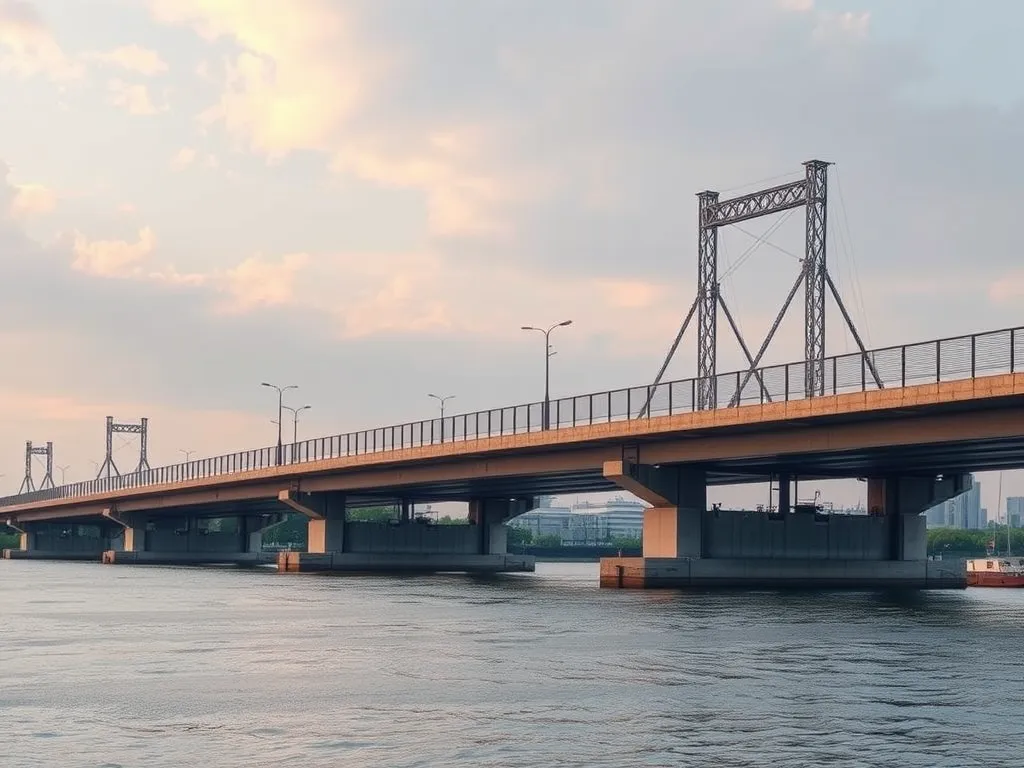
Bridge deck waterproofing requires methods designed to block moisture while withstanding traffic loads. Five proven systems dominate modern bridge construction.
Asphalt Waterproofing Membranes
Membranes form physical barriers between the concrete deck and overlaying asphalt. Two types deliver reliable results:
Self-Adhered Waterproofing Membranes
Pre-fabricated sheets combine polymer-modified bitumen with peel-off backings. Installed at 125-150 mil thickness, they bond tightly to concrete under pressure. Costs range from $2.40-$3.80 per sq ft. Common in high-traffic zones due to puncture resistance.
Elastomeric Liquid Membranes
Liquid rubberized coatings cure into seamless sheets. Spray- or roller-applied at 60-90 mil dry thickness, they fill cracks up to 1/8″. Cure times vary from 4-24 hours. Budget-friendly at $1.20-$2.10 per sq ft. Ideal for curved surfaces.
| Membrane Type | Thickness | Cost/Sq Ft | Best For |
|---|---|---|---|
| Self-Adhered | 125-150 mil | $2.40-$3.80 | Heavy traffic |
| Elastomeric | 60-90 mil | $1.20-$2.10 | Complex shapes |
Asphalt Waterproofing Coatings
Polymer-modified bitumen coatings provide thin, flexible layers. Cold-applied products like methyl methacrylate (MMA) offer 20+ year service lives. Used with reinforcing fabrics, they block chlorides while permitting vapor transmission. Coverage: 1 gallon per 50-75 sq ft.
Hot-sprayed Asphalt Systems
Heated to 300-350°F, oxidized bitumen bonds with concrete via mechanical interlock. Installed at 180-220 mil thickness, these systems handle extreme temperature swings. Requires specialized equipment, pushing labor costs to $4-$6 per sq ft.
Spray-applied Sealers
Fast-setting silicones or polyurethanes penetrate pores up to 0.5 mm deep. Cure within 2 hours, allowing same-day paving. Coverage rates reach 300-400 sq ft per gallon. Costs: $0.80-$1.50 per sq ft. Limited to low-volume bridges due to lower load tolerance.
While these methods differ in cost and performance, all require precise surface prep. Next, we’ll explore how environmental factors, traffic volumes, and budgets influence system selection.
Also See: Role Of Hand Tools in Asphalt Work: Their Importance
Factors Affecting Waterproofing Method Selection
Choosing the right bridge deck waterproofing system requires balancing multiple factors. Climate, traffic demands, and project timelines all shape decisions. Let’s break down three critical elements.
Environmental Conditions
Temperature swings, moisture levels, and chemical exposure dictate material choices. In freeze-thaw zones, elastomeric liquid membranes handle thermal expansion better than rigid coatings. Coastal areas with salt spray demand asphalt waterproofing membranes rated for chloride resistance—look for ASTM D6944 compliance. Arid regions favor spray-applied sealers that block UV damage without cracking.
Load-bearing Requirements
Heavy truck traffic demands systems that resist shear stress. Hot-sprayed asphalt systems with 60-70% polymer-modified bitumen withstand pressures up to 1,200 PSI. For lightweight pedestrian bridges, asphalt waterproofing coatings like coal-tar emulsions provide sufficient protection at lower costs. Always verify AASHTO HB-17 standards for load ratings.
Installation Speed and Complexity
Bridge closures cost $5,000-$15,000 daily, pushing crews toward faster methods. Self-adhered membranes install in 40-60 sq ft/hour versus 25-35 sq ft/hour for liquid-applied systems. Spray-applied asphalt waterproofing requires specialized equipment but covers large decks in one pass. Factor in cure times—epoxy-based coatings add 8-12 hours before asphalt layers can be laid.
| Method | Install Speed | Cure Time | Ideal For |
|---|---|---|---|
| Self-Adhered Membranes | Fast (40-60 sq ft/hr) | 0 hours | Urban bridges |
| Liquid Membranes | Moderate (25-35 sq ft/hr) | 4-6 hours | Complex geometries |
| Hot-Spray Systems | Rapid (100+ sq ft/hr) | 1-2 hours | Rural highways |
With these factors mapped, the next step is crunching numbers. Let’s examine cost trade-offs between materials, labor, and long-term savings.
Cost Analysis Of Bridge Deck Asphalt Waterproofing
Selecting the right waterproofing system requires balancing upfront expenses with performance. Let’s break down costs for materials, labor, and long-term savings.
Material Costs (Membranes Vs. Coatings Vs. Spray Systems)
Asphalt waterproofing membranes dominate bridge projects, averaging $2.50–$4.50 per sq.ft. Self-adhered sheets cost less ($2.50–$3.50) but need precise seams. Elastomeric liquid membranes run higher ($3.80–$4.50) due to crack-bridging polymers. Coatings like asphalt emulsions or acrylics range $1.20–$2.80 per sq.ft., while spray-applied sealers hit $3.50–$6.00 with added aggregate layers. Thickness matters: 60-mil membranes last longer than 40-mil but add 15% material costs.
| Method | Cost per sq.ft. | Key Factor |
|---|---|---|
| Membranes | $2.50–$4.50 | Seam integrity |
| Coatings | $1.20–$2.80 | Reapplication cycles |
| Spray systems | $3.50–$6.00 | Aggregate layers |
Labor and Installation Expenses
Membrane installation demands skilled crews for surface prep and seam welding, adding $3–$6 per sq.ft. Coatings require fewer workers but multiple passes, averaging $1.50–$3.00. Hot-sprayed asphalt systems need specialized equipment, pushing labor to $4–$8. Weather delays or complex deck shapes can spike costs by 20%. Labor typically makes up 40–60% of total project budgets.
Long-term Cost Savings
A $50,000 membrane system can prevent $200,000+ in deck repairs over 20 years. Spray systems last 25+ years with 5-year reseal cycles, while coatings need touch-ups every 3–4 years. Proper asphalt waterproofing cuts chloride-induced corrosion by 80%, extending bridge service life to 75+ years. Every $1 spent on quality waterproofing saves $4 in future rehabilitation.
| Method | Lifespan | Maintenance Cycle |
|---|---|---|
| Membranes | 20–25 yrs | 10 yrs |
| Coatings | 12–15 yrs | 3–4 yrs |
| Spray systems | 25+ yrs | 5 yrs |
Choosing the right asphalt waterproofing system impacts more than budgets—it determines how bridges withstand wear. Next, let’s examine what happens when waterproofing falls short.
Common Problems From Inadequate Waterproofing
Failing to properly waterproof bridge deck asphalt leads to structural issues that escalate repair costs. These problems accelerate wear, reduce load capacity, and create safety risks. Let’s break down the three most frequent failures.
Concrete Degradation
Water seepage through cracks in asphalt layers triggers freeze-thaw cycles within bridge deck concrete. This process expands ice by 9%, fracturing concrete from within. Chemical contaminants like road salts speed up alkali-silica reactions, causing map cracking. Unchecked, this degrades structural integrity, requiring full-depth concrete repairs costing $75-$150 per square foot.
Steel Reinforcement Corrosion
When moisture penetrates asphalt waterproofing systems, it reaches steel rebar embedded in concrete. Chlorides from de-icing agents accelerate rust formation, which expands up to 6x its original volume. This pressure spalls concrete surfaces, exposing more steel to corrosion. A single corroded rebar joint can reduce load capacity by 15% within 5 years.
Surface Cracking and Potholes
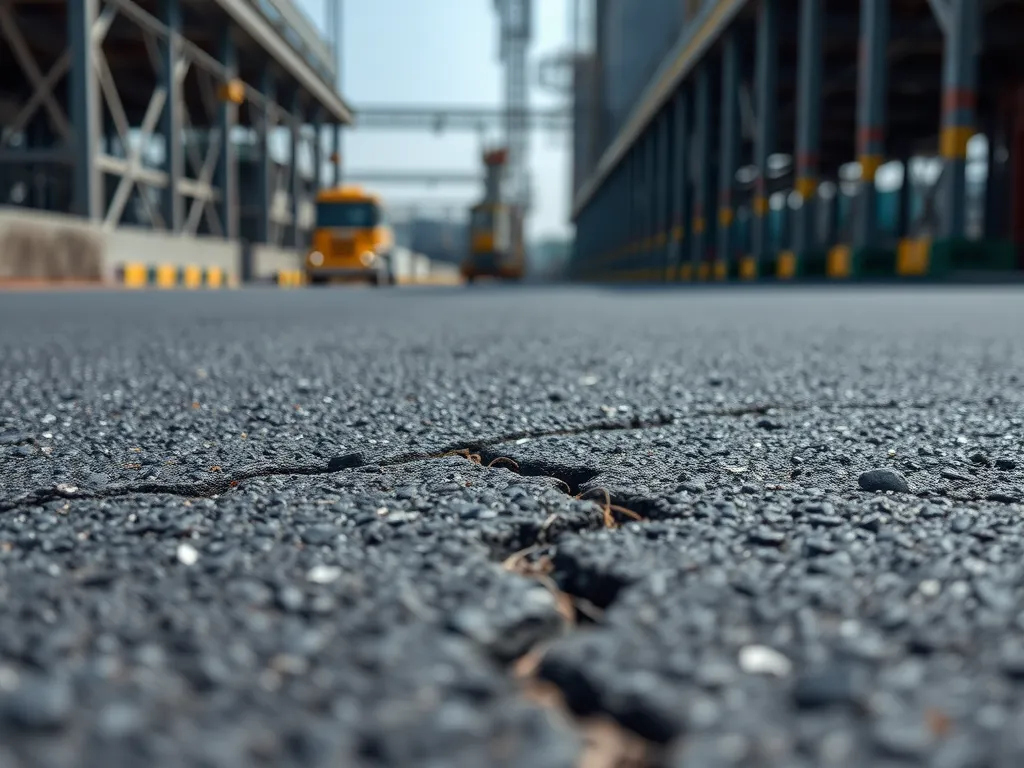
Water trapped beneath asphalt layers weakens the bond between pavement and bridge deck. Thermal shifts create reflective cracks, while hydraulic pressure from traffic loads erodes sublayers. These voids collapse into potholes—some growing 12+ inches wide in one winter season. Emergency pothole patching costs 3x more than preventive asphalt waterproofing coatings.
Proper asphalt waterproofing stops these issues before they start. Next, we’ll explore eco-friendly solutions that protect bridges while meeting sustainability goals.
Up next: How modern asphalt waterproofing products balance durability with environmental responsibility.
Environmental Considerations
Bridge deck asphalt waterproofing must balance strength with green practices. New methods cut harm to air, soil, and water while keeping roads safe.
Eco-friendly Asphalt Waterproofing Products
Low-VOC sprays and plant-based binders now lead the market. SBS-modified asphalt (styrene-butadiene-styrene) blends rubber for flexible, long-life seals. Polyurethane coatings cure fast, slashing job site fumes by 40-60% versus coal-tar options. Some states mandate these products to meet EPA stormwater rules. LEED-certified jobs often use cool-pave tech, which reflects heat to curb urban temps by 3-5°F.
Recycled Material Integration
Crushed old pavement (RAP) fills 20-30% of new bridge deck mixes, saving $8-$12 per ton. Rubber from used tires boosts crack resistance in membranes by 15%. Fly ash—a coal plant byproduct—locks moisture out of asphalt layers. These steps trim landfill waste and cut CO2 from mining new rock. Tests show bridges with 25% RAP last as long as virgin asphalt but cost 18% less over 20 years.
Smart green picks protect bridges and budgets. Next, let’s break down what these choices cost upfront—and save long-term.
Frequently Asked Questions (FAQ)
What is the Disadvantage Of Membrane Waterproofing?
Membrane waterproofing, while effective, can have disadvantages such as potential vulnerabilities at seams and joints, which may lead to leaks if not installed correctly. Additionally, certain membrane types may also require specialized installation procedures and materials, which can increase overall project costs and time.
How Does Concrete Deck Waterproofing Work With Asphalt Layers?
Concrete deck waterproofing involves applying a barrier, like a waterproof membrane or coating, directly onto the concrete surface before laying asphalt. This barrier prevents moisture from seeping into the concrete beneath the asphalt layer, protecting it from potential damage due to freeze-thaw cycles, saline intrusion, and other environmental factors.
What is Type 10 Waterproofing?
Type 10 waterproofing refers to a classification of waterproofing methods typically involving specific products or systems designed for use in bridge deck applications. It usually focuses on robust systems that provide exceptional resistance to water penetration, salt damage, and other destructive elements, ensuring long-term protection for structural integrity.
Closing Thoughts
Bridge deck asphalt waterproofing is vital for maintaining the integrity and longevity of bridge structures. By implementing effective waterproofing methods, you can significantly enhance the lifespan of the pavement, prevent corrosion, and reduce maintenance costs. Choosing the right technique depends on several factors, including environmental conditions and load-bearing requirements.
Whether you opt for membranes, coatings, or spray systems, prioritizing quality materials will yield better long-term outcomes. Remember, investing in proper waterproofing today safeguards your bridge for years to come, ultimately saving costs associated with repairs and replacements.
For further information and resources on asphalt-related topics, check out Asphalt Calculator USA.
Useful References for You:
- Yoder, E. J., & Witczak, M. W. (1975). Principles of Pavement Design (2nd ed.). New York, NY: Wiley.
- ELIMINATOR® bridge deck waterproofing membrane | GCP Applied Technologies
- BRIDGE DECK ASPHALT CONCRETE PAVEMENT …
- 5 Common Mistakes (and 8 Best Practices) for Bridge Deck Membranes
- Bridge Waterproofing – CRAFCO

