
Why Does Asphalt Crack? Causes, Types, and Solutions
Published on: June 5, 2026 | Last Updated: April 14, 2025
Written By: George Voss
Asphalt cracks form when stress exceeds pavement strength – triggered by temperature swings, heavy loads, weak bases, or aging. Weather shifts cause expansion/contraction cycles. Trucks pound weak spots. Poor compaction leaves air pockets. Oxidation from UV rays dries out binders over time. Prevention starts with proper installation and sealcoating every 2-3 years. Repair ranges from $1.50/ft crack filler to $8.50/sf overlays.
This guide explains eight crack patterns from edge splits to alligator webs. We’ll break down how freeze-thaw cycles create potholes and why summer heat softens pavement. You’ll learn repair methods like infrared patching (300-500°F heating) and full-depth replacements. We cover cost-effective maintenance schedules, material upgrades like polymer-modified PG 64-22 binders, and how drainage fixes stop water damage. Let’s fix those cracks.
Primary Causes Of Asphalt Cracking
Asphalt cracks form through predictable failure patterns tied to four core factors. Recognizing these triggers helps property owners address issues before pavements degrade.
Weather and Temperature Extremes
Daily and seasonal shifts strain asphalt’s structural limits. Thermal stress accounts for 63% of weather-related pavement damage according to Federal Highway Administration data.
Thermal Expansion/Contraction
Asphalt expands 0.000018 inches per degree Fahrenheit temperature rise. Repeated swelling/shrinking creates tension cracks – often linear splits parallel to joints.
Freeze-Thaw Cycles
Water seeps into tiny voids, freezes at 32°F, and expands by 9%. This “ice jacking” effect lifts surfaces, creating spiderweb cracks during spring thaws.
Summer Heat Softening
PG 64-22 binders soften at 140°F+ temperatures. Heavy loads on pliable asphalt leave permanent ruts and crevices.
2. Traffic and Load Stress
Every 18,000-pound truck axle applies 9,600 psi pressure – 16x more than passenger vehicles. Unreinforced pavements fail rapidly under excess loads.
Heavy Vehicle Impact
Delivery trucks and garbage rigs compress asphalt edges. Parking lot entrances show 38% more cracks than interior zones per NAPA studies.
Repeated Pressure on Weak Spots
Thin base layers (under 4 inches) develop fatigue cracks after 5-7 years. Loads concentrate on compromised areas, accelerating alligator cracking.
3. Material and Installation Flaws
Subpar construction accounts for 27% of premature asphalt failures. Three critical missteps doom pavements from day one.
Poor Base Preparation
Uncompacted soil settles unevenly. Just 1 inch of base movement creates reflection cracks through 3-inch asphalt layers.
Low-Quality Asphalt Mix
Aggregates with high sand content (over 15%) lack structural cohesion. Binder shortages below 5.3% weight cause rapid raveling.
Improper Compaction
Roller passes below 145°F leave 7-12% air voids – prime zones for water penetration and oxidation damage.
4. Aging and Oxidation
Asphalt loses flexibility as volatile oils evaporate. Unsealed surfaces degrade 2.5x faster than maintained ones.
UV Ray Damage
Solar radiation breaks hydrocarbon chains. After 5 years, unshielded pavements show 40% higher crack density.
Loss of Binder Flexibility
Oxidized bitumen becomes brittle, shrinking 0.25 inches per 10 feet annually. This creates block cracks resembling dried mud patterns.
While these factors explain why asphalt cracks form, identifying specific crack types determines the best repair approach…
Common Types Of Asphalt Cracks
Different stress factors produce distinct crack patterns. Identifying these helps diagnose underlying issues before they escalate.
Longitudinal Cracks
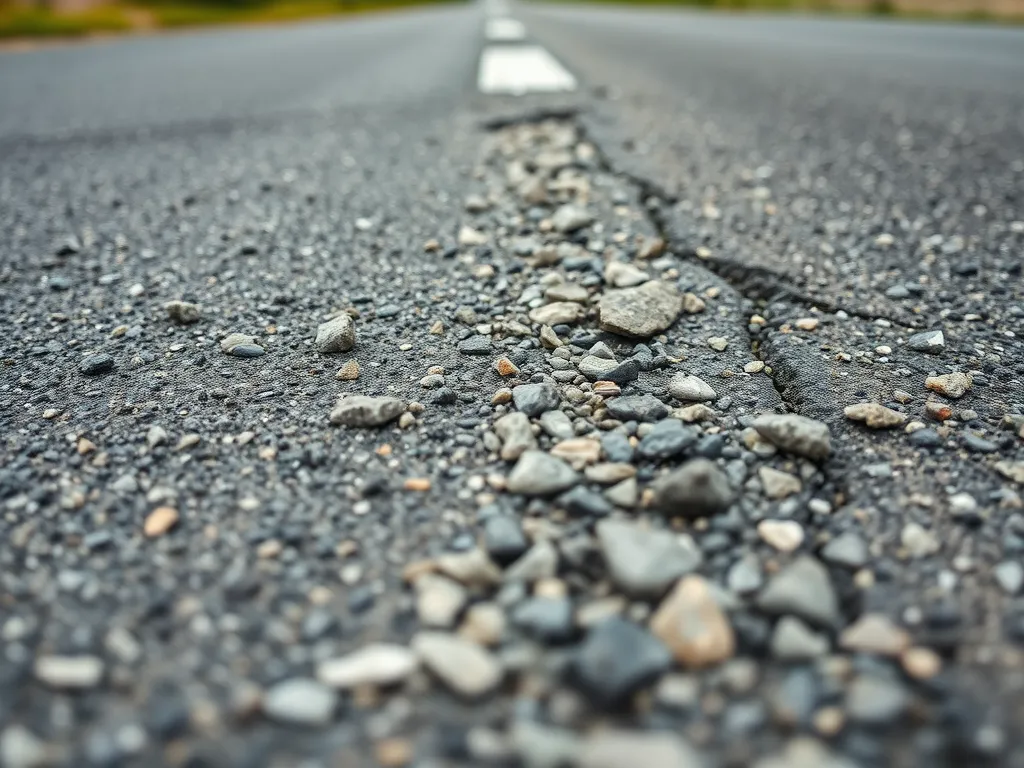
Running parallel to the pavement’s centerline, longitudinal cracks form from temperature-induced contraction or weak joints during installation. Heavy trucks worsen these splits over time, creating channels for water seepage.
Transverse Cracks
Perpendicular to traffic flow, transverse cracks stem from thermal shrinkage during cold snaps. Poorly mixed binders or insufficient compaction during paving accelerate their development.
Edge Cracks
Found within 2 feet of pavement edges, these result from eroded base support or poor drainage. Soil erosion beneath the edges allows repeated flexing under vehicle weight, splitting the surface.
Alligator (Fatigue) Cracks
Resembling reptile scales, interconnected alligator cracks signal structural failure. Weak subgrades, thin pavement layers, or overloaded traffic flex the surface until fatigue fractures emerge.
Block Cracks
Large rectangular patterns (≥1 ft²) indicate binder shrinkage from prolonged UV exposure. Low-quality bitumen oxidizes faster, losing flexibility needed to resist thermal movement.
Reflection Cracks
Mirroring joints or fissures in underlying concrete layers, reflection cracks occur when new asphalt overlays shift over rigid bases. Movement from temperature cycles breaks the bond between layers.
Slippage Cracks
Half-moon shaped gaps form when fresh asphalt fails to bond with older layers. Causes include inadequate tack coats, surface contamination, or rapid cooling during installation.
Raveling and Surface Degradation
Loose gravel patches emerge when binders degrade, releasing stone aggregates. Oxidation from UV rays or chemical spills weakens bitumen’s grip, letting traffic peel off surface material.
Spotting these patterns early informs targeted fixes. Next, let’s explore how proactive measures reduce formation risks.
Prevention Strategies
Stopping cracks before they start requires strategic planning at every phase – from initial installation to daily wear management. Let’s break down critical defense tactics.
Proper Installation Practices
Flawed construction creates weak points where cracks thrive. Two elements make or break pavement longevity.
Base Layer Preparation
A 6-8 inch compacted base of crushed stone provides critical support. Achieve 95% Proctor density through mechanical compaction – anything less allows shifting that triggers alligator cracks. Proper slope (1-2% grade) prevents water pooling at edges.
Quality Material Selection
PG 64-22 binders outperform standard asphalt in temperature swings. Polymer-modified mixes add flexibility, resisting thermal cracks in -20°F winters and 120°F summers. Verify supplier mix designs meet AASHTO M323 standards.
Routine Maintenance
Like changing your car’s oil, asphalt needs scheduled care to avoid breakdowns. Sealcoating and crack sealing form the frontline defense.
Sealcoating Frequency
Apply coal-tar emulsion every 24 months on driveways, 36 months on roads. This 3mm protective layer blocks UV rays causing oxidation cracks and reduces water absorption by 75%.
Crack Sealing Techniques
Clean cracks with air compressors before filling. Use rubberized asphalt emulsion for cracks under ½”. For wider gaps, install backer rod and pour hot-applied sealant rated for -30°F to 160°F flexibility.
Traffic Management
Heavy loads and poor weight distribution accelerate pavement fatigue. Smart traffic control adds years to asphalt life.
Weight Distribution Planning
Design parking lots for 9,000 lb axle loads – standard for delivery trucks. Install wheel stops 18″ from edges to prevent concentrated stress points. Use geogrid reinforcement under frequent turning areas.
Edge Support Reinforcement
Concrete curbs with #4 rebar reduce edge cracks by 40%. For roads without curbs, extend asphalt 6″ beyond shoulder lines and compact subgrade to 98% Proctor density.
While prevention drastically reduces cracking risks, existing damage demands specific repair approaches. Let’s examine proven methods for restoring cracked surfaces.
Also See: Asphalt Pavement Lifecycle Cost Analysis: Overview
Repair Methods for Cracked Asphalt
Addressing cracks quickly prevents water intrusion and structural decay. Choose repair tactics based on crack width, depth, and pavement condition.
Small Crack Solutions
Hairline fractures under ½ inch wide need immediate sealing to block moisture. Delaying repairs lets small issues escalate into costly problems.
Asphalt Crack Fillers
Rubberized fillers work for ¼” to ½” cracks. Applied with pour pots or caulk guns, they flex with temperature shifts. Costs average $0.15-$0.30 per linear foot. Clean debris first using wire brushes or air compressors.
Liquid Sealants
Polymer-modified asphalt emulsion seals cracks up to 1/8” wide. Spray-applied treatments create waterproof barriers. Ideal for surface-level aging cracks caused by UV exposure or binder oxidation.
Major Damage Repair
Cracks wider than 1 inch signal base failures. These require excavation and material replacement to restore load-bearing capacity.
Pothole Patching
Use “throw-and-go” cold mix for temporary fixes. Semi-permanent repairs involve cutting clean edges, adding aggregate base, and compacting hot asphalt. Costs range from $25-$100 per pothole.
Full-Depth Replacement
Remove 6-8 inches of damaged asphalt and subbase for severe alligator cracking. Replace with graded stone base and fresh hot mix. Lasts 8-12 years but costs $8-$15 per square foot.
Professional Refinishing Options
Large-scale damage demands advanced techniques. Contractors use infrared heaters or new asphalt layers to rebuild surfaces.
Overlay Installation
Adding 1.5-2 inches of new asphalt over existing pavement fixes widespread cracks. Requires milling uneven areas first. Priced at $3-$7 per square foot.
Infrared Asphalt Repair
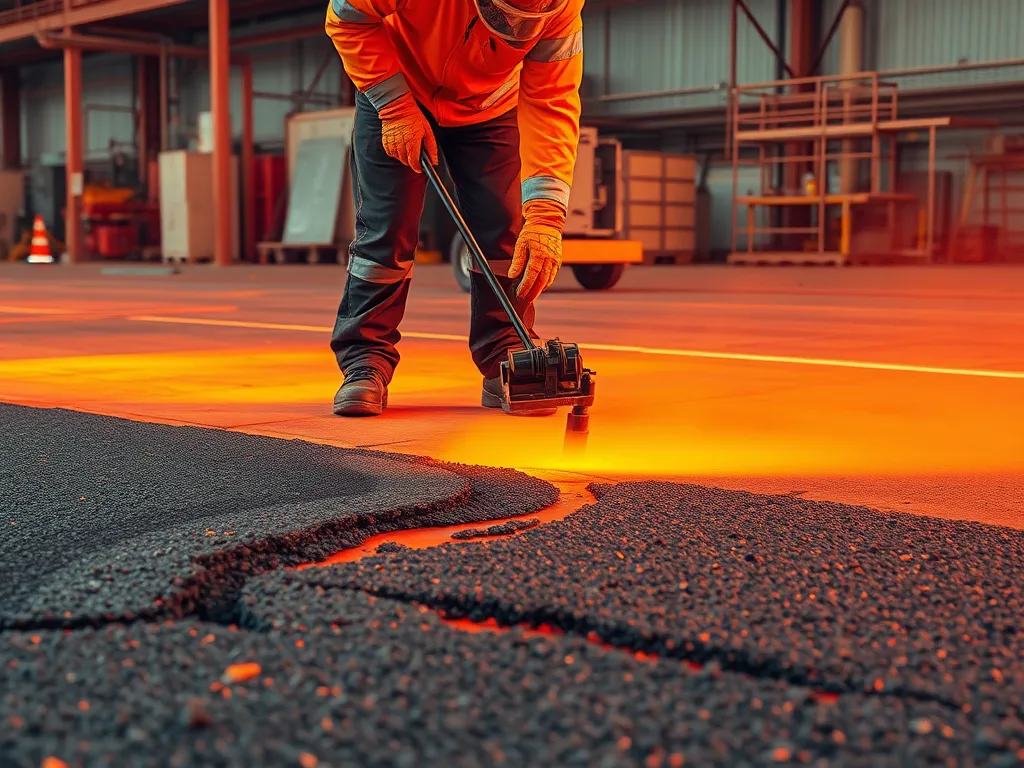
Heating damaged areas to 300°F recycles 90-100% of existing material. Blends fresh binder into softened asphalt for seamless repairs. Eliminates cold joints that cause future cracks.
While proper repairs extend pavement life, environmental factors like water seepage and temperature swings continually test asphalt’s resilience.
Environmental Impact on Asphalt Durability
While temperature shifts and heavy traffic strain asphalt, environmental factors accelerate cracking through hidden chemical and biological attacks. These silent stressors compromise pavement integrity year-round.
1. Moisture Infiltration Effects
Water seeps into asphalt through surface voids as small as 1mm. Freeze-thaw cycles expand this moisture by 9%, generating hydrostatic pressure that fractures binders. Saturated base layers lose 40-75% load-bearing capacity, triggering alligator cracks. Poor drainage systems worsen erosion, washing away fines from aggregate mixes.
2. Chemical Exposure Risks
Gasoline, oil spills, and road salts (like calcium chloride) dissolve asphalt cement’s molecular bonds. A single quart of motor oil can degrade 12 sq.ft. of pavement through hydrocarbon penetration. De-icing agents lower asphalt’s freezing point, creating brittle zones prone to block cracks. Industrial areas face accelerated oxidation from acid rain with pH levels below 4.3.
3. Root Intrusion Issues
Tree roots from species like silver maple exert 150-300 PSI pressure as they grow beneath pavements. This upward thrust causes serpentine cracks along root pathways. Roots also absorb 50+ gallons of groundwater daily, destabilizing subgrades. A 4-inch diameter tree can lift asphalt 2-3 inches within three years, forming hazardous uneven surfaces.
These environmental threats demand proactive defenses. Next, we’ll break down targeted solutions for existing damage—from hairline fractures to structural failures.
FAQs About Asphalt Cracking
How Do You Keep Asphalt From Cracking?
To prevent asphalt cracking, ensure proper installation practices are followed, such as using high-quality materials and preparing a solid base. Routine maintenance like sealcoating every 2-3 years and timely crack sealing is crucial. Additionally, managing traffic loads effectively helps in reducing stress on the pavement.
Is It Normal for Asphalt to Crack?
Yes, some cracking is expected as asphalt ages and endures environmental stressors. However, severe or widespread cracking indicates underlying issues that need to be addressed promptly to prevent further damage.
Why Do Asphalt Streets Develop Cracks?
Asphalt streets develop cracks due to a combination of factors, including weather conditions (temperature fluctuations and moisture), heavy traffic and load stress, material quality, and the effects of aging and oxidation. Proper maintenance can help mitigate these issues over time.
What Causes Sudden Asphalt Cracking?
Sudden asphalt cracking can be caused by extreme temperature changes, significant changes in moisture levels, or unexpected heavy loads on the pavement. These factors can induce rapid stress that the asphalt cannot withstand, leading to cracking.
How to Repair Large Driveway Cracks?
For large driveway cracks, start by cleaning out the crack, then use a rubberized asphalt crack filler for cracks less than 1 inch wide. For wider cracks, consider installing a backer rod or filling with hot-applied sealant. If the damage is extensive, full-depth replacement or overlay may be the best solution.
Closing Thoughts
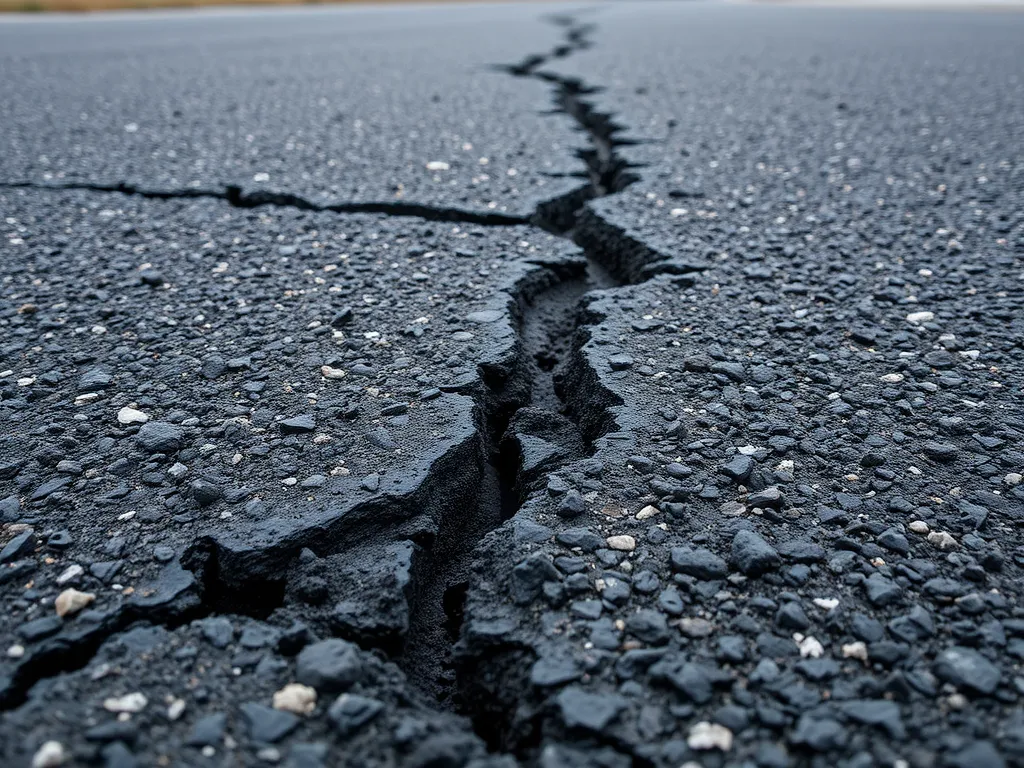
Asphalt cracking is a complex issue influenced by multiple factors, including environmental conditions, traffic stress, material quality, and aging. Understanding these causes empowers you to take proactive steps in asphalt maintenance, ensuring longer lasting, smoother surfaces.
Implementing proper installation practices, routine maintenance, and timely repairs can significantly reduce the risk of cracks and extend the lifespan of your pavement. Always pay attention to the common types of cracks, so you can identify them early and choose the right repair method.
For further insights, tools, and detailed resources on asphalt care, check out Asphalt Calculator USA. Your pavement deserves the best protection, and we’re here to help!
Additional Resources for You:
- Transportation Research Board (TRB, Peer-Reviewed Research & Circulars)
- Understanding asphalt pavement distresses – five distresses explained – Asphalt magazine
- everyday life – Why does asphalt crack along painted lines? – Physics Stack Exchange
- Why do they make roads out of asphalt if it gets cracked and potholes so easily? – Quora
- 7 Types of Asphalt Cracking and Their Causes – Superior Aggregates

