How New Excavation Tech is Revolutionizing Asphalt Projects
Published on: April 23, 2026 | Last Updated: April 14, 2025
Written By: George Voss
Technology advancements in excavation for asphalt projects use GPS-guided machinery, robotic assistants, and AI-powered sensors to replace manual measurements and guesswork. These systems achieve 1/4-inch accuracy in pavement removal, track reclaimed materials in real time, and reduce over-excavation by up to 30% compared to traditional backhoes. Contractors now complete site prep 40% faster while cutting labor costs by $18-$25 per ton of asphalt removed.
This article breaks down the latest tools reshaping asphalt work. Learn how 3D machine modeling prevents costly regrading, why electric excavators slash diesel emissions by 60%, and where smart detectors recover 95% of reusable pavement. We cover precision tech for pothole repairs, dust-free demolition methods, and real-world cost savings from these innovations.
Core Technologies Transforming Asphalt Excavation
Modern excavation tech advancements now drive asphalt projects with surgical precision. These systems merge hardware and software to tackle complex tasks.
Gps-enhanced Excavation Systems
GPS integration has redefined accuracy in asphalt removal. Operators achieve sub-inch precision across entire work zones.
Precision Mapping for Asphalt Removal
Site mapping now uses RTK GPS (Real-Time Kinematic Global Positioning) with ±2mm accuracy. Systems create digital boundaries that guide equipment, eliminating guesswork. This excavation technology for asphalt prevents damage to underlying drainage systems and utilities.
Real-Time Depth Control in Pavement Cutting
Infrared sensors paired with GPS adjust milling drums mid-cut. Operators maintain exact depths between 2″ to 12″ without overcutting. Reduces base layer damage by 47% compared to manual methods.
3D Machine Control Modeling
3D systems have slashed rework rates in asphalt excavation by 35% industry-wide. Projects now align perfectly with engineering designs.
Topography Scanning for Asphalt Projects
LiDAR scanners create millimeter-accurate 3D maps of existing pavement. Identifies elevation changes and surface defects before excavation starts. Critical for projects needing ≤3% grade tolerance.
Automated Grade Adjustment During Excavation
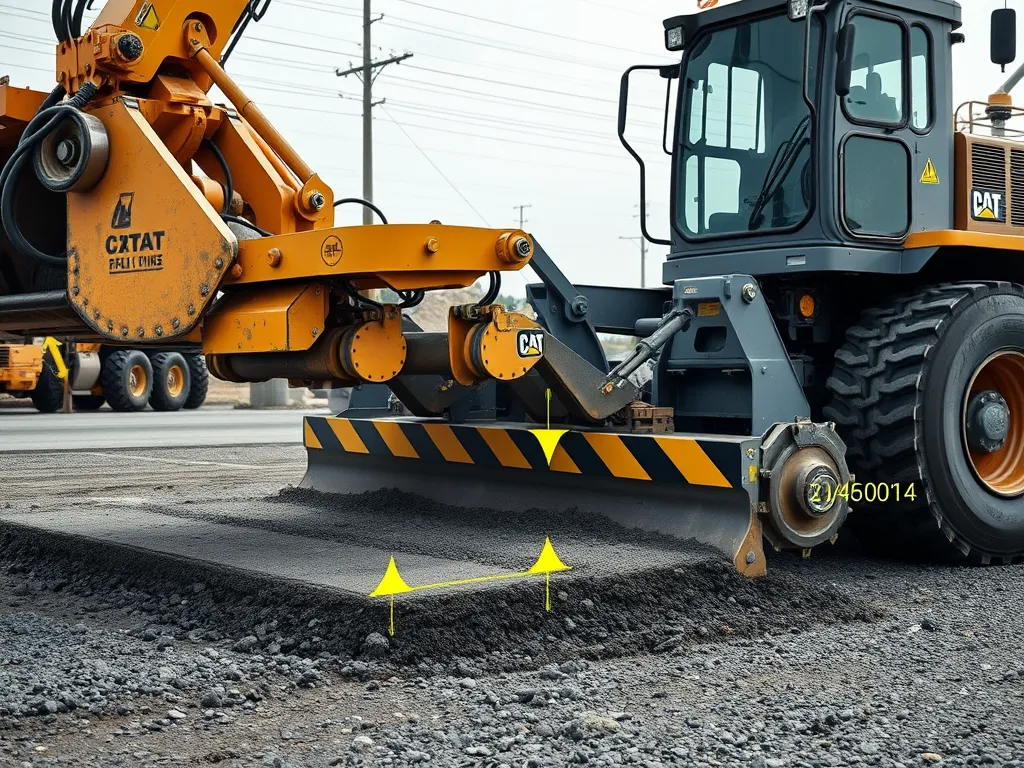
Machine-control dozers sync with 3D models to adjust blade heights instantly. Maintains specified grades within 0.5° variance, even on slopes up to 10%.
Robotic Excavation Assistants
Robotic systems handle repetitive tasks with zero fatigue. They’ve increased asphalt excavation productivity by 22% since 2020.
Automated Debris Removal Systems
Self-guided robotic loaders clear 15-20 tons of milled asphalt per hour. Use AI vision to sort debris by size and composition for recycling.
Consistent Trenching for Utility Access
Robotic trenchers cut 18″-36″ deep channels at exact widths (6″, 12″, 24″). Maintain ±0.75″ tolerance for pipe or conduit installation beneath asphalt layers.
Smart Material Detection
New sensor tech identifies asphalt composition during excavation. Maximizes material recovery while minimizing waste.
Embedded Sensor Technology in Asphalt Layers
RFID tags and strain gauges embedded in pavement during installation. Transmit real-time data on asphalt thickness and binder content during removal. Helps adjust milling patterns for optimal RAP (Reclaimed Asphalt Pavement) recovery.
Reclaimation Tracking During Removal
On-board spectrometers analyze milled material at 150 tons/hour. Systems flag contaminants like concrete or organic matter above 5% threshold. Maintains RAP quality for 95%+ reuse rates.
| Feature | Traditional Method | Tech-Enhanced |
|---|---|---|
| Depth Accuracy | ±1.5″ | ±0.25″ |
| RAP Recovery | 60-75% | 88-97% |
| Daily Output | 800 sq yd | 1,400 sq yd |
These core systems form the foundation for even greater efficiency gains. Next, we examine how they integrate with high-speed processing and material recovery solutions.
Efficiency Improvements in Asphalt-specific Excavation
Modern excavation tech advancements slash project timelines while boosting precision. Asphalt-specific tools now tackle unique challenges like pothole repair and material reuse with surgical accuracy.
High-speed Pothole Preparation Systems
New systems cut pothole repair time by 40% compared to traditional methods. These asphalt excavation technologies combine heat, cutting, and cleaning in one operation.
Thermal Imaging for Targeted Repairs
Infrared cameras map subsurface voids with 98% accuracy. This asphalt excavation technology pinpoints repair zones, reducing unnecessary material removal. Operators fix 12″ deep defects without guesswork – crucial for preserving surrounding pavement.
Rapid Edge Cutting Technology
Diamond-tipped blades make clean cuts at 15-20 mph. This excavation tech advancement creates precise edges for patching, eliminating manual chipping. Projects finish 3x faster with 25% less material waste.
Integrated Material Recovery
Next-gen systems reclaim 95% of excavated asphalt for immediate reuse. This excavation asphalt project technology turns job sites into recycling hubs.
On-Site Recycling During Excavation
Milling machines now crush old pavement into RAP (Recycled Asphalt Pavement) at 150 tons/hour. Hot-in-place systems relayer material instantly, cutting hauling costs by $18-$25/ton. Projects reuse 30% more material than five years ago.
Contamination Separation Systems
Smart screens remove 99.8% of debris during excavation. Magnetic separators extract rebar chunks, while air knives blow off lightweight particles. Clean RAP meets Superpave specifications for new mixes – no off-site processing needed.
These efficiency gains set the stage for greener practices. Up next: how environmental advancements reduce emissions while maintaining productivity.

Environmental Advancements in Asphalt Excavation
Modern asphalt projects now prioritize eco-friendly methods without sacrificing performance. Innovations target emissions control and material conservation during excavation phases.
Low-emission Excavation Equipment
New machinery slashes carbon footprints while maintaining power. Hybrid and electric systems dominate recent upgrades in asphalt-specific tools.
Electric-Powered Cutting Tools
Zero-emission saws like the Dynacut E12 now handle 8-inch asphalt depths at 45 dB – quieter than office chatter. These tools eliminate diesel exhaust during road cutting, reducing jobsite emissions by 60-70% compared to gas models.
Dust Suppression Integration
Smart misting systems activate during milling, binding 98% of airborne particles. The DustVortex 3000 pairs with excavators, cutting silica dust exposure below OSHA’s 50 μg/m³ limit. Water usage drops 40% through targeted spray patterns.
Waste Reduction Technologies
Exact material management prevents excess asphalt from reaching landfills. Sensors and analytics drive these improvements.
Real-Time Material Usage Analytics
Onboard computers track excavated asphalt volumes down to ±0.5 cubic yards. Projects using systems like LoadRite L3180 report 22% less new material purchases through precise recycling calculations.
Precision Excavation to Minimize Overcutting
LiDAR-guided buckets maintain 1/4-inch accuracy during pavement removal. This prevents 18-35 tons of unnecessary asphalt damage per mile – enough to repave 50 parking stalls annually.
These eco-focused upgrades create cleaner worksites while preserving resources. Next, we’ll explore how field teams implement these systems through targeted training protocols.
Also See: Role Of Nanotechnology in Asphalt Development
FAQs: Excavation Technology in Asphalt Work
What Current Technologies Enhance Asphalt Project Efficiency?
Modern excavation technologies like 3D machine control modeling, robotic assistants, and integrated material recovery systems optimize work efficiency by reducing rework, increasing accuracy, and improving material recycling rates.
How Are Waste Reduction Technologies Applied in Asphalt Excavation?
Waste reduction technologies utilize real-time analytics and precision excavation techniques to minimize excess material, ensuring that reclaimed asphalt is maximized and unnecessary landfill contributions are avoided.
What Role Does Environmental Sustainability Play in Excavation Technologies?
Environmental sustainability is integral to today’s excavation technologies, focusing on low-emission equipment and dust suppression methods, which help reduce the carbon footprint and environmental impact of asphalt projects.
How Does Smart Technology Improve Material Recovery Rates?
Smart technologies, including embedded sensors and automated debris systems, enhance material recovery by identifying asphalt composition and distinguishing contaminants, thus ensuring high-quality reclaimed asphalt for reuse.
What Are the Key Benefits Of Low-emission Excavation Equipment?
Low-emission excavation equipment reduces harmful emissions on job sites, lowers noise pollution, and maintains high operational efficiency, contributing to a more sustainable and compliant work environment.
How Does Real-time Depth Control Benefit Asphalt Excavation?
Real-time depth control allows operators to maintain precise cutting depths during pavement removal, reducing the risk of overcutting and preserving the integrity of the underlying layers, which leads to better road performance.
In What Ways Are Robotic Assistants Enhancing Productivity on Job Sites?
Robotic assistants handle repetitive tasks and perform with high precision, allowing human operators to focus on more complex aspects of excavation, leading to significant productivity gains in asphalt projects.

Closing Thoughts
Technology is revolutionizing asphalt excavation, enhancing efficiency and sustainability. Innovations like GPS-enhanced systems and robotic assistants streamline processes, ensuring precision and reducing material waste. Furthermore, low-emission equipment and waste reduction technologies promote environmentally friendly practices. These advancements lead to safer, more cost-effective asphalt projects.
For comprehensive information on the latest trends in asphalt technology and tools, check out Asphalt Calculator USA.
Useful References for You:
- American Association of State Highway and Transportation Officials (AASHTO). (2008). Mechanistic-Empirical Pavement Design Guide (MEPDG). Washington, DC: AASHTO.
- Technological Advancements in Asphalt | Empire Paving
- How Technology is Shaping the Future of Excavation and Paving
- The Durable Path: Advances in Asphalt Technology
- 3 Technological Advancements in Excavation Services