Using Soil Stabilization Agents in Asphalt Applications
Published on: July 19, 2026 | Last Updated: April 14, 2025
Written By: George Voss
Soil stabilization agents boost soil strength and durability for asphalt projects. These materials—like polymers, lime, or cement—modify weak soils to create stable road foundations. Unlike costly soil replacement, stabilization improves existing ground conditions. It increases load capacity by 15-30%, prevents water damage, and reduces erosion risks. Engineers use these agents in highways, parking lots, and slopes to extend pavement lifespan by 20+ years.
This guide explains how soil stabilization works in asphalt construction. You’ll learn key methods like chemical treatments and mechanical compaction. See how these agents cut project costs by up to 40% compared to traditional fixes. We detail application steps from soil testing to curing, explore real-world road uses, and compare eco-friendly options. FAQs address cost-effective solutions and top chemicals like fly ash or sodium silicate.
Soil Stabilization Agents: Overview for Asphalt Projects
Soil stabilization agents transform weak or unstable ground into reliable foundations for asphalt pavements. These additives modify soil properties to meet engineering requirements, ensuring roads withstand traffic loads and environmental stress.
What Are Soil Stabilization Agents?
Soil stabilization agents (efecto estabilizador del suelo) are materials blended with native soil to improve strength, density, or water resistance. Common examples include polymers, lime, fly ash, and cement. Polymer-based agents like acrylics or styrene-butadiene create flexible bonds between soil particles. Lime reacts chemically with clay soils to reduce plasticity. These additives convert soft, erodible soil into stabilized subgrades capable of supporting asphalt layers.
Role Of Soil Stabilization in Asphalt Infrastructure
Unstable subgrades cause 70% of pavement failures, from potholes to rutting. Stabilization agents prevent these issues by enhancing soil load-bearing capacity (CBR values increase 200-400%) and blocking water infiltration. For example, a 6-inch stabilized base can replace 12 inches of untreated aggregate, cutting material costs by 40-60%.
Linking Soil Stabilization to Road Longevity
Properly stabilized soils extend asphalt lifespan by 30% or more. A Texas A&M study found polymer-treated subgrades reduced road maintenance costs by $18,000 per mile annually. Stabilization minimizes differential settlement and shear failure risks, critical for highways with 20+ ton truck traffic. It also prevents frost heave in cold climates by controlling moisture migration.
Up next: Key methods for applying these agents, from chemical injections to advanced polymer blends.
Key Methods Of Soil Stabilization for Asphalt
Three core techniques dominate modern soil stabilization for road projects: chemical modification, mechanical processing, polymer integration. Each method targets specific weaknesses in subgrade soils to boost performance under pavement layers.
Chemical Soil Stabilization
Chemical agents transform unstable soils through reactions that bind particles or reduce water sensitivity. This process turns marginal soils into reliable foundations for asphalt pavements.
Common Soil Stabilization Chemicals (e.g., Polymers, Lime)
Lime remains widely used for clay-rich soils, cutting plasticity by up to 35%. Polymer emulsions like styrene-butadiene boost cohesion in sandy soils. Cement kiln dust stabilizes silty materials, while fly ash improves workability.
| Chemical | Best For | Cost/Ton |
|---|---|---|
| Hydrated Lime | Expansive Clays | $80-$120 |
| Liquid Polymers | Sandy Soils | $150-$300 |
| Portland Cement | Low-Plasticity Soils | $110-$160 |
How Chemical Agents Enhance Asphalt Base Layers
Lime-treated soils exhibit 50% less swell potential, preventing pavement heaving. Cement-modified bases achieve 400-600 PSI strength, distributing truck loads effectively. Polymer cross-linking creates moisture barriers, protecting against freeze-thaw damage.
Mechanical Stabilization Techniques
Physical methods rely on equipment rather than materials to improve soil structure. These techniques work best combined with chemical treatments for multi-layered benefits.
Compaction and Grading for Road Foundations
Vibratory rollers achieve 95% Proctor density in granular soils. Proper grading ensures 2% cross-slope drainage, minimizing water pooling under pavement. Geogrids reinforce weak zones, boosting bearing capacity by 70% in test cases.
Polymer-based Soil Stabilization Agents
Polymer technologies revolutionized soil modification, offering flexibility traditional methods lack. These liquid additives work within hours versus weeks needed for lime curing.
Benefits of Polymer-Modified Agents in Asphalt
Polymer-treated soils maintain 90% strength under prolonged wet conditions. They permit thinner base layers – up to 30% reduction – while meeting FHWA standards. Cationic emulsions bond tightly to negative soil charges, creating semi-permanent stabilization.
Selecting the right stabilization strategy depends on soil test results, traffic projections, budget constraints. Up next: quantifying performance gains through proven benefits of soil stabilization agents.
Benefits Of Soil Stabilization Agents in Asphalt
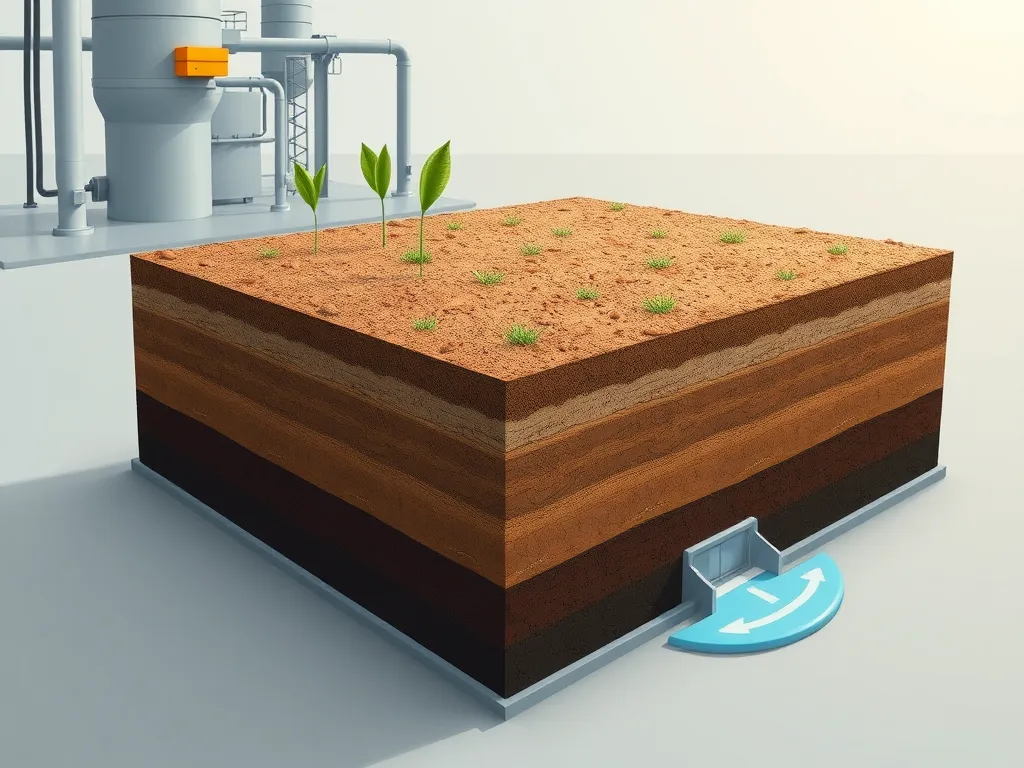
Using soil stabilization agents transforms weak soils into robust foundations for asphalt pavements. These agents address critical weaknesses in road bases, ensuring long-term performance under traffic and weather stress.
Improved Load-bearing Capacity for Roads
Soil stabilization agents like lime, cement, or polymer-based blends increase soil strength by binding particles. This creates a rigid base layer that distributes heavy axle loads evenly. Treated soils show California Bearing Ratio (CBR) improvements of 200-300%, allowing roads to handle over 10,000 daily truck passes without rutting. Highway projects using polymer-modified agents report 40% fewer cracks in asphalt layers within the first five years.
Enhanced Moisture Resistance in Subgrades
Water weakens untreated soils, but stabilization additives like ionic soil stabilizers or asphalt emulsions create hydrophobic barriers. These reduce water infiltration by up to 90% in clay-rich subgrades. A Texas DOT study found polymer-treated bases maintained 98% density after 12 months of heavy rainfall, versus 76% in untreated sections. This moisture control prevents frost heave in cold climates and swelling in arid regions.
Reduction Of Erosion and Shear Failure Risks
Stabilized soils resist erosion from wind, rain, or traffic vibrations. Polymer agents form flexible matrices that boost shear strength by 15-20 psi, critical for slopes near roadways. In Colorado’s mountainous routes, slope stabilization with geosynthetic-reinforced soils cut landslide repairs by $8 million annually. The process also minimizes dust generation on unpaved shoulders by 70%.
Cost-effective Alternative to Soil Replacement
Replacing poor-quality soil costs $25-$50 per cubic yard, while stabilization averages $8-$15 per yard. Agents let crews reuse 90-100% of onsite material, slashing trucking needs. A Florida airport project saved $2.3 million by treating existing clay instead of importing 12,000 tons of aggregate. Maintenance cycles also extend from 3-5 years to 10-15 years with proper stabilization.
With these advantages, soil stabilization agents prove vital for durable asphalt infrastructure. Up next: how to apply these solutions through precise field-tested methods.
Also See: How is Asphalt Made? A Simple Overview Of the Process
Procedures for Applying Soil Stabilization Agents
Proper application of soil stabilization agents ensures road bases meet asphalt requirements. Let’s break down the steps from site prep to final compaction.
Site Preparation and Soil Testing
Clear debris and grade the site to expose the subgrade. Run tests like ASTM D4318 for plasticity index and ASTM D698 for moisture-density relations. Measure pH levels and clay content to pick compatible agents. For example, lime works best with clay-heavy soils (pH 12+), while polymers suit sandy or silty subgrades. Testing prevents costly mismatches between agents and soil types.
Mixing Agents With Native Soil
Spread agents evenly using calibrated spreaders. Reclaimer-stabilizers or rotary mixers blend materials at depths of 6-12 inches. Polymer-based formulas require precise water ratios (often 5-10% by weight) to activate bonding. Check moisture during mixing—optimum levels range from 12-18% for most soils. A well-mixed base boosts CBR (California Bearing Ratio) by 200-400%, creating stronger asphalt foundations.
| Mixing Method | Best For | Equipment |
|---|---|---|
| Dry Injection | Lime, cement | Pneumatic spreaders |
| Slurry Mixing | Polymers, bitumen emulsions | Tankers with spray bars |
| Mechanical Blending | Fly ash, kiln dust | Rotary tillers |
Curing and Compaction for Asphalt Readiness
Let treated soil cure 24-72 hours. Lime-stabilized bases need longer curing (up to 7 days) for pozzolanic reactions. Compact layers in 6-inch lifts using vibratory rollers. Target 95% Proctor density to minimize voids. Test with nuclear density gauges—values below 90% risk asphalt rutting. Properly cured and compacted bases withstand loads exceeding 12,000 psi, matching asphalt’s structural demands.
These steps create bases ready for asphalt layers. Next, we’ll explore how stabilized soils perform in highways, parking lots, and slopes.
Applications in Asphalt Infrastructure
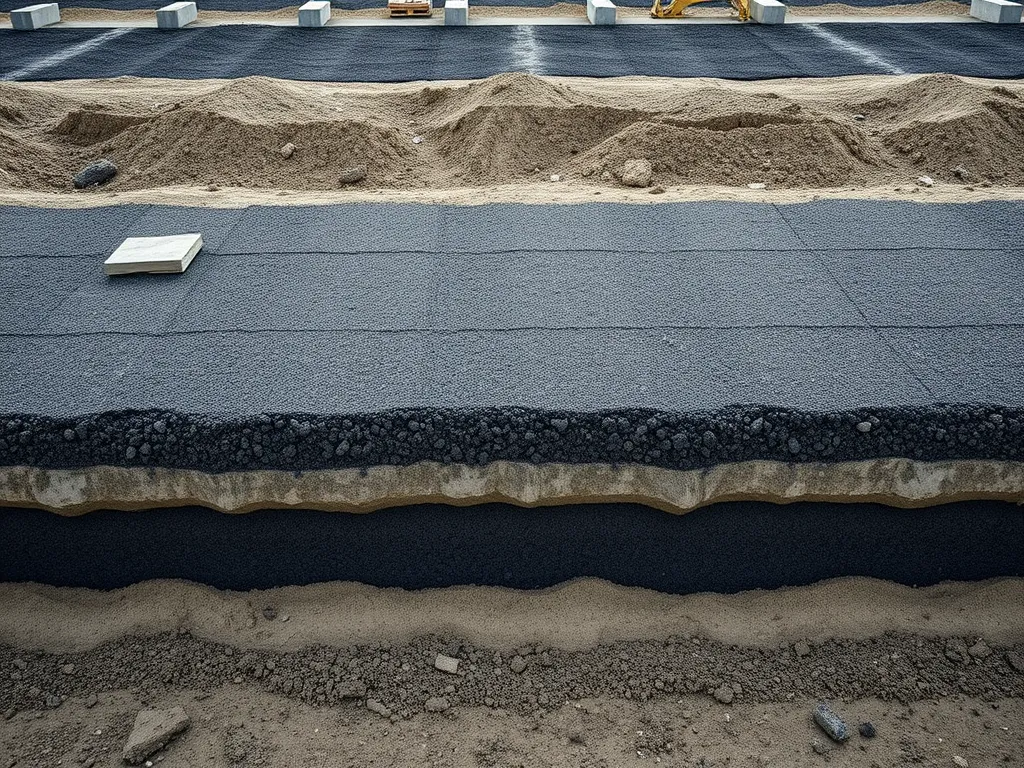
Soil stabilization agents transform weak ground into strong foundations for asphalt structures. These solutions adapt to varied project needs, from heavy-traffic highways to commercial parking lots. Explore three core applications where stabilization makes roads last longer.
Highway and Roadway Construction
Highways demand subgrades that withstand 18,000+ daily truck passes. Soil stabilization agents like lime or road stabilization products with polymer binders increase California Bearing Ratio (CBR) values by 200-400%. Contractors inject 4-6% lime into clay-rich soils to cut plasticity index scores below 20, preventing asphalt rutting. Polymer-modified agents create flexible bases, reducing reflective cracking by 35% in freeze-thaw zones. The Federal Highway Administration reports stabilized bases slash highway maintenance costs by $18 per square yard over 20 years.
Parking Lot Subgrade Stabilization
Parking lots face repeated static loads from parked vehicles, causing subgrade settlement. Soil stabilization chemicals like ionic compounds or portland cement mixed at 5-10% dry weight boost unconfined compressive strength to 300 psi. This prevents potholes under asphalt layers thinner than 3 inches. A Texas mall project saved $2.4 million using fly ash stabilization instead of importing aggregate. Polymer-based agents also block moisture intrusion, keeping asphalt bond strength above 90% even with 15% soil moisture content.
Slope Stabilization Along Roadways
Steep embankments near roads require shear strengths exceeding 1,500 psf to prevent landslides. Soil stabilization additives like polyacrylamides or hydraulic binders increase slope stability by 40%. In Colorado’s I-70 corridor, crews sprayed lignosulfonate-based agents on 12:1 slopes, achieving 28-day cohesion values of 1,200 psf. Combined with geogrids, these treatments let engineers build roads on slopes up to 45 degrees without costly retaining walls. Erosion rates drop below 0.5 tons/acre/year when using cellulose-reinforced stabilization mixes.
While these methods enhance asphalt performance, project budgets dictate which soil stabilization technologies fit best. Next, we’ll break down cost factors for chemical versus mechanical approaches.
Cost Considerations for Soil Stabilization
Balancing budget with performance remains critical when selecting soil stabilization methods. Costs depend on multiple variables, from material choices to site conditions. Let’s break down key factors driving expenses.
Factors Influencing Project Costs
Soil type tops the list. Clay-rich soils often require more polymer-based agents or lime (5-10% by weight) to achieve stability, raising costs by $1.50-$3 per square foot. Sandy soils might need less product but tighter compaction. Project size also matters: large-scale road stabilization projects benefit from bulk pricing on chemicals like fly ash or road stabilization products, cutting per-unit costs by up to 20%.
Labor and equipment play roles too. Mechanical stabilization methods like grading or vibro-compaction demand heavy machinery, costing $120-$200 per hour. Chemical stabilization reduces machinery time but requires skilled workers for precise mixing ratios. Permitting or environmental compliance fees can add $500-$2,000 depending on local regulations.
Comparing Stabilization Vs. Traditional Methods
Replacing unstable soil with imported gravel or crushed rock costs $15-$40 per cubic yard, plus hauling fees. Stabilizing existing soil with polymers or lime slashes this by 40-60%. For example, treating 1,000 sq.yd of subgrade with cementitious additives averages $4,800, while full replacement exceeds $12,000.
| Method | Cost per sq.yd | Time | Durability |
|---|---|---|---|
| Soil Replacement | $12-$25 | 7-14 days | 10-15 years |
| Polymer Stabilization | $6-$14 | 2-5 days | 20+ years |
| Lime Treatment | $8-$18 | 3-7 days | 15-25 years |
Polymer-modified agents offer longer-lasting results, minimizing future repair cycles. Projects with tight timelines or limited budgets increasingly opt for stabilization technologies over traditional fixes.
While upfront savings drive decisions, long-term benefits of soil stabilization—like reduced erosion or higher load-bearing capacity—compound returns. Next, we’ll explore how these methods impact ecosystems during implementation.
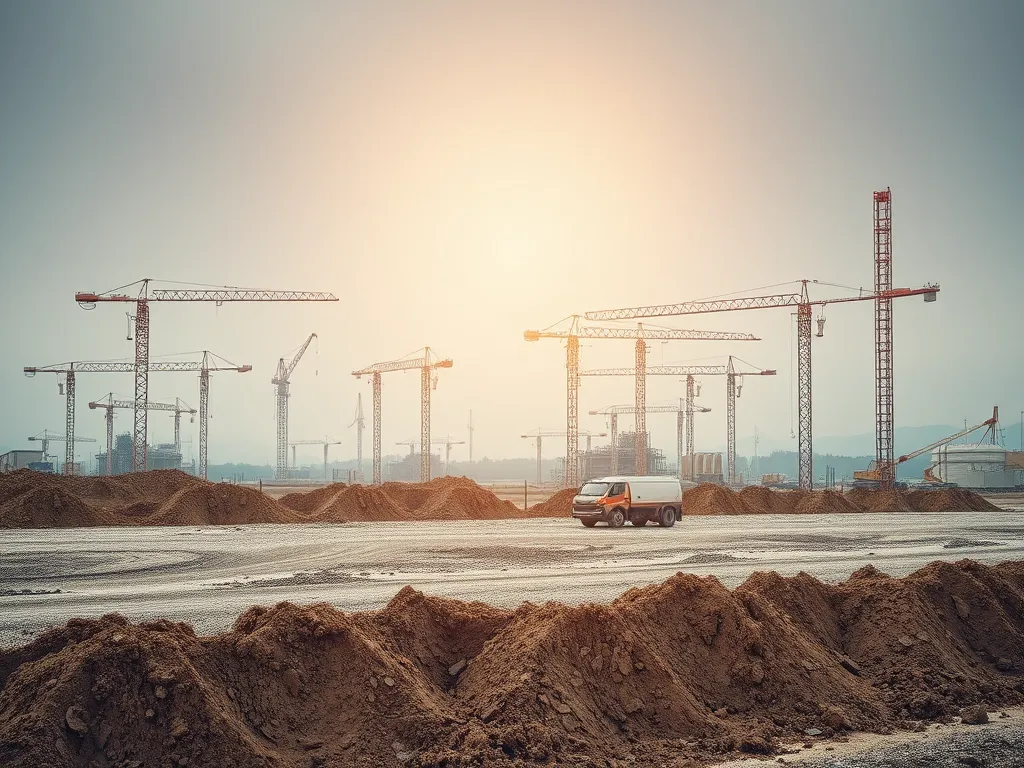
Environmental Impact Of Soil Stabilization Agents
Soil stabilization technologies balance infrastructure needs with ecological responsibility. Choosing the right method affects carbon footprint, resource use, and local ecosystems.
Sustainability Of Chemical Vs. Mechanical Methods
Chemical agents like lime or polymers reduce CO2 emissions by 15-30% compared to mechanical methods requiring heavy machinery. Lime stabilization emits 0.8 tons of CO2 per ton applied, while mechanical compaction relies on fuel-intensive equipment. Polymer-based soil stabilization agents cut material waste by reusing 90-95% of native soil, eliminating hauling needs for replacement fill.
| Method | CO2 Emissions | Energy Use | Soil Reuse Rate |
|---|---|---|---|
| Chemical (Lime) | 0.8 tons/ton | Low | 85% |
| Mechanical | 1.2 tons/ton | High | 70% |
Mitigating Ecological Disruption
Soil stabilization additives prevent topsoil removal, preserving habitats. Fly ash or polymer-modified agents reduce erosion risks by 40% in slope stabilization projects. Low-pH stabilizers like calcium chloride protect groundwater, while biodegradable polymers break down without toxic residues.
Road stabilization products such as EnviroKleen® or TerraLoc® bind soil particles tightly, reducing sediment runoff into waterways by up to 60%. This preserves aquatic ecosystems during asphalt construction.
Balancing ecological benefits with project viability requires analyzing stabilization methods. Up next: navigating limitations to ensure long-term success.
Limitations and Challenges
While using soil stabilization agents offers clear benefits for asphalt projects, certain constraints require careful planning. Project teams must balance performance goals with practical realities tied to materials, budgets, and environmental factors.
Temporary Vs. Permanent Stabilization Trade-offs
Soil stabilization agents vary widely in lifespan. Lime or cement-based additives often deliver permanent results but demand higher upfront costs (up to $15 per square yard). Temporary solutions like chlorides or non-polymer binders cost less ($3-$7 per square yard) but degrade within 3-5 years under heavy traffic. For roads needing decades of service, polymer-modified agents strike a balance – lasting 10+ years while resisting moisture-driven breakdown.
Material Compatibility Issues
Not all soil stabilization agents work with every soil type. Clay-rich subgrades react poorly with sodium-based additives, while sandy soils may reject lime treatments. Polymers excel in granular soils but fail in high-plasticity clays without extra geotextiles. Lab tests like ASTM D6276 determine optimal agent-soil pairings. Field pH levels also matter: acidic soils (pH <5) reduce cement’s binding power by 30-50%, requiring pre-treatment with fly ash.
Next, let’s address common questions about selecting and testing soil stabilization agents for asphalt-ready subgrades.
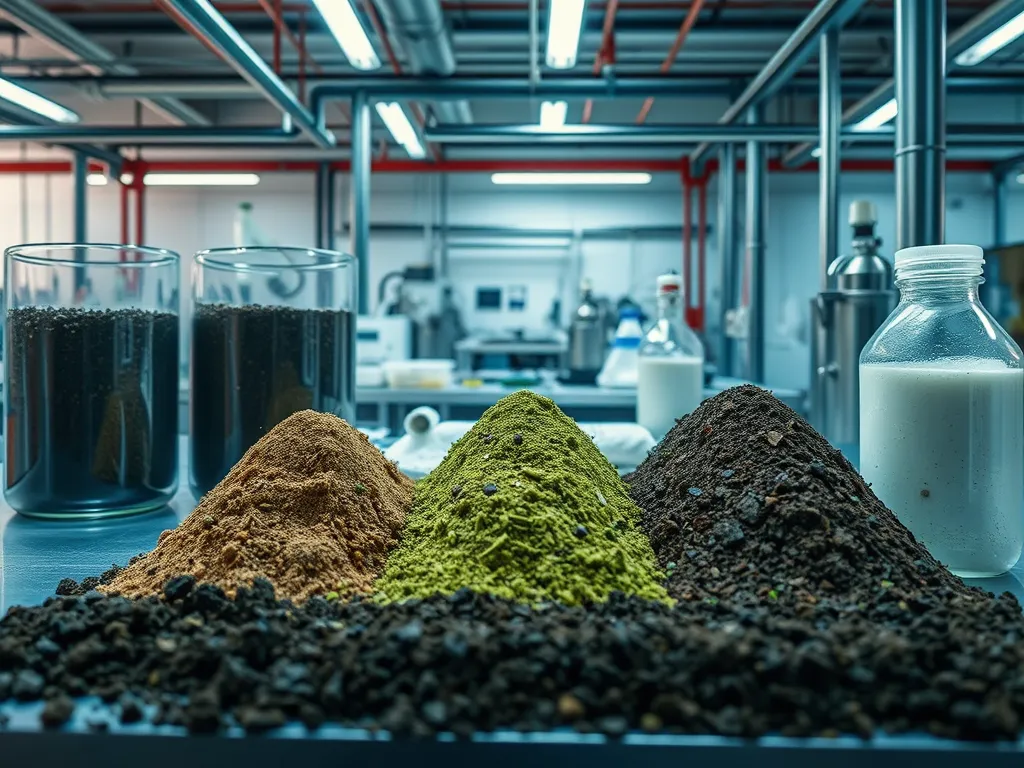
FAQ: Soil Stabilization Agents in Asphalt
When Should Soil Stabilization Be Used for Roads?
Soil stabilization should be considered for roads that experience poor load-bearing performance, exhibit signs of erosion or settling, or have a history of maintenance issues. It’s particularly beneficial in areas with challenging soil conditions, such as clay-rich or silty subgrades, where the natural soil structure can fail under heavy traffic loads or adverse weather conditions.
What Are the Cheapest Methods for Road Stabilization?
The most cost-effective methods for road stabilization typically include chemical stabilization using lime or cement, as these options can enhance the properties of existing soils without the need for complete replacement. Utilizing locally available materials and minimizing transport costs further enhances affordability.
How Do Polymers Improve Soil Stabilization?
Polymers improve soil stabilization by creating flexible bonds between soil particles, which enhances their cohesion and reduces water permeability. This results in improved shear strength, durability under traffic loads, and resistance to environmental effects such as moisture infiltration and freeze-thaw cycles.
What Are Common Road Stabilization Chemicals?
Common road stabilization chemicals include hydrated lime, Portland cement, fly ash, and various synthetic polymers. Each chemical has its specific applications: lime is effective for clay-heavy soils, whereas polymers offer enhanced flexibility and are often used in sandy or silty soils.
Closing Thoughts
Utilizing soil stabilization agents is a transformative approach in asphalt applications. These agents significantly enhance the durability and functionality of road infrastructures, providing essential benefits like improved load-bearing capacity and moisture resistance. Whether through chemical alternatives, mechanical methods, or innovative polymer-based agents, each technique plays a crucial role in optimizing asphalt performance.
As the industry evolves, understanding the cost implications and environmental impact becomes vital. Adopting effective soil stabilization strategies can lead to sustainable construction practices while reducing overall project costs.
For more in-depth insights and tools related to asphalt engineering and calculations, visit Asphalt Calculator USA. Gain access to valuable resources that support your asphalt projects.
Additional Resources for You:
- Lavin, P. (2003). Asphalt Pavements: A Practical Guide to Design, Production, and Maintenance for Engineers and Architects. London: Taylor & Francis.
- Soil Stabilization Methods and Materials – Mintek Resources
- Soil Stabilization: The Ultimate Guide to Soils and Soil Stabilization
- Soil Stabilisation: Methods & Products | Tensar
- Pros and Cons of Different Soil Stabilizers