
Mastic Asphalt Flooring: A Complete Guide to Installation, Benefits, and Care
Published on: July 16, 2026 | Last Updated: April 14, 2025
Written By: George Voss
Mastic asphalt flooring is a seamless, heat-applied surface made of limestone aggregates, bitumen (a petroleum-based binder), and mineral fillers. Unlike concrete or tiles, it’s poured at 410°F–446°F, creating a solid, waterproof layer that resists cracks and lasts 20–50 years. Popular for driveways, factory floors, and flat roofs, it requires professional installation but needs minimal upkeep once set. Its slip-resistant texture and flexibility make it ideal for high-traffic areas.
This guide breaks down how mastic asphalt works, from its raw materials to final finishes. Explore installation steps, cost comparisons with epoxy or vinyl flooring, and tips to fix minor scratches. We’ll also cover its eco-friendly perks, like using 30% recycled content, and why it’s a top pick for wet environments like pool decks or industrial kitchens.
Contents
- What is Mastic Asphalt Flooring?
- Properties Of Mastic Asphalt Flooring
- Installation Process Of Mastic Asphalt Flooring
- Key Benefits Of Mastic Asphalt Flooring Solutions
- Mastic Asphalt Vs. Alternative Flooring Systems
- Cost Analysis Of Mastic Asphalt Flooring
- Maintenance and Repair Guidelines
- Sustainability Of Mastic Asphalt Flooring
- Frequently Asked Questions (FAQs)
- Final Summary and Recommendations
- Additional Resources for You:
What is Mastic Asphalt Flooring?
Mastic asphalt flooring is a seamless surfacing material made from heated mixtures of limestone aggregates, bitumen, and specialized additives. Used since the 1800s, it creates watertight, durable floors for both indoor and outdoor spaces.
Definition and Composition
This flooring type combines 70-75% crushed limestone with 25-30% bitumen binder. The mix gets heated to 210°C (410°F) until molten, then poured directly onto prepared substrates. Unlike standard asphalt, mastic asphalt contains finely graded aggregates for smoother finishes.
Key Materials in Mastic Asphalt Flooring Systems
- Limestone aggregates: 2-5mm particles create dense, crack-resistant surfaces
- Penetration-grade bitumen: Binds materials while allowing slight flexibility
- Pigments: Iron oxide additives produce terracotta, gray, or black tones
- Thermoplastic polymers: Boost heat resistance up to 80°C (176°F)
Optional additives like crushed sand or cork granules enhance slip resistance or thermal insulation. These materials let installers tailor mixes for specific needs – marbled floors in museums or textured athletics flooring in gyms.
With its unique blend of raw materials, mastic asphalt flooring adapts to residential driveways, factory floors, and everything between. Next, we’ll examine how these components translate into real-world performance.
Properties Of Mastic Asphalt Flooring
Mastic asphalt flooring delivers performance through unique physical traits. These properties make it a top pick for architects, contractors, and property owners.
Durability and Longevity
Mastic asphalt floors last 20-50 years with minimal upkeep. The blend of limestone powder, bitumen, and aggregates creates a dense, non-porous surface. Resists heavy foot traffic, chemical spills (pH 1-14), and thermal shocks from -20°C to 120°C. Unlike epoxy or acrylic flooring, it won’t chip or delaminate under stress.
| Material | Average Lifespan |
|---|---|
| Mastic Asphalt | 20-50 years |
| Concrete | 15-25 years |
| Resilient Sheet Flooring | 10-20 years |
Optimal Thickness for Different Applications
Thickness impacts load capacity and wear resistance. Residential spaces use 10-15mm layers. Industrial settings need 20-25mm to handle forklifts or machinery. BS EN 13813 standards specify 15-20mm for commercial zones like retail stores or gyms.
| Application | Recommended Thickness |
|---|---|
| Residential | 10-15mm |
| Commercial | 15-20mm |
| Industrial | 20-25mm |
Design Flexibility and Aesthetic Options
Mastic asphalt flooring isn’t just functional—it’s stylish. Pigments and aggregates like quartz or marble chips create custom looks. Choose from terrazzo-like speckles, solid hues, or geometric patterns. The material stays workable for 30 minutes post-pouring, allowing intricate designs.
Marbled and Seamless Finishes
Marbled floors mix colored aggregates into the asphalt matrix before curing. Achieve swirls, veins, or speckled effects without joints. Seamless installation eliminates grout lines, reducing dirt traps. Ideal for hospitals, labs, or modern homes seeking sleek aesthetics.
With these properties covered, let’s break down how mastic asphalt flooring installation transforms raw materials into lasting surfaces.

Installation Process Of Mastic Asphalt Flooring
Proper techniques ensure mastic asphalt flooring systems perform optimally for decades. From surface prep to final curing, each step impacts durability.
Preparation Requirements
Substrates must be clean, dry, and structurally sound. Remove debris, grease, or loose particles. Check moisture content below 5% using a moisture meter. Prime concrete bases with bitumen emulsion to enhance bonding.
Essential Tools for Floor Laying
Specialized equipment ensures precise installation:
| Tools | Specifications | Purpose |
|---|---|---|
| Propane torch | 400-500°F flame | Heating mastic |
| Steel trowel | 12″ blade | Spreading mix |
| Roller compactor | 50-100 kg | Compacting layers |
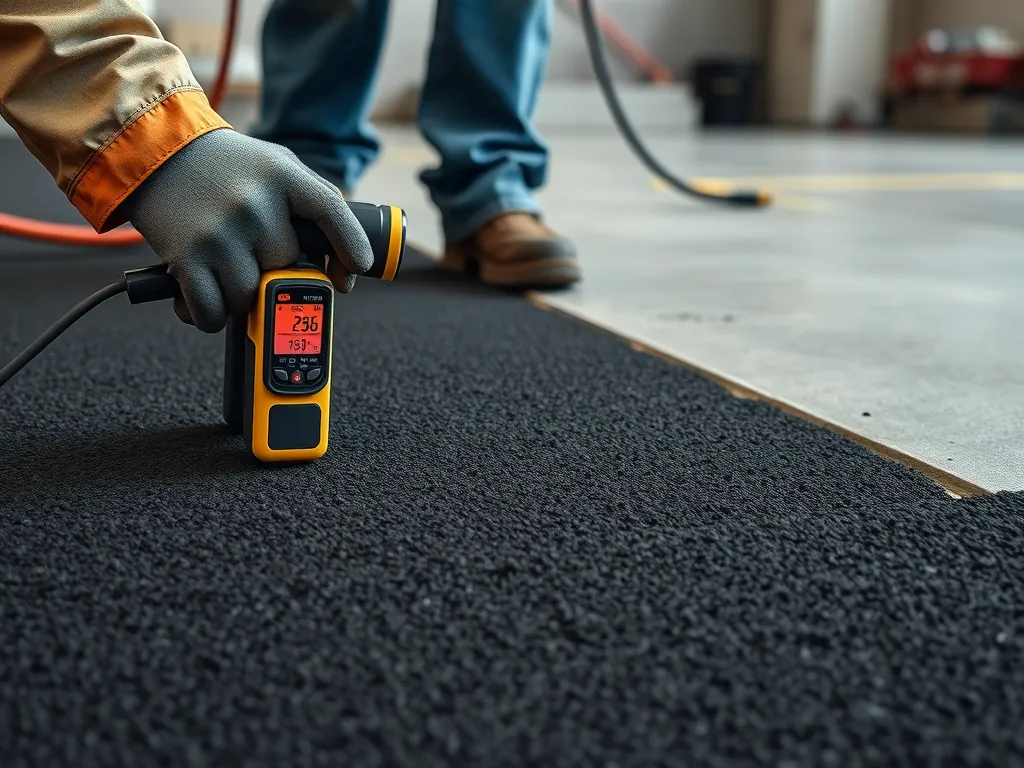
| Infrared thermometer | Up to 300°C | Monitoring mix temp |
Step-by-step Installation Guide
Heat mastic asphalt to 180-220°C until pliable. Pour onto the substrate in 10-15mm layers. Spread with steel trowels, working backward to avoid stepping on fresh material. Compact each layer before adding the next. Repeat until reaching the desired thickness (typically 20-30mm).
Tips for Installing Asphalt Flooring in Residential Spaces
Maintain room temperatures between 15-25°C during installation. Divide large rooms into 3m x 3m sections using expansion joints. Use colored aggregates or terrazzo chips for marbled floor designs. Seal edges with silicone to prevent water ingress.
Curing Time and Post-installation Care
Mastic asphalt floors require 24-48 hours to cure fully. Avoid foot traffic for 12 hours. Post-curing, sweep daily with soft bristles. Clean spills using pH-neutral cleaners. Apply protective wax coatings every 3-5 years to maintain slip resistance.
With proper installation complete, explore how these floors deliver unmatched performance in high-traffic zones.
Also See: Environmental Impact Of Asphalt: Key Facts
Key Benefits Of Mastic Asphalt Flooring Solutions
Mastic asphalt floors stand out for their blend of strength and smart design. They solve common issues found in homes, schools, and work sites.
Slip Resistance and Safety Features
Mastic asphalt flooring offers slip scores up to R11 under DIN 51130 tests. Textured finishes add grip even when wet. This makes it a top pick for pools, labs, and steps. Aggregates like limestone boost traction without rough edges.
Chemical and Heat Resistance
Bitumen in mastic asphalt floors blocks oils, acids, and fuels. It handles temps from -20°F to 140°F without cracks. Labs, garages, and kitchens use it for spill safety. Heat from gear or tools won’t melt the surface.
Noise Reduction and Thermal Efficiency
Mastic asphalt floors cut noise by 18-22 dB—key for flats and schools. Its dense build stops sound leaks. Thermal conductivity of 0.5 W/mK keeps rooms warm. Pair with underfloor heat for 15% lower bills in cold zones.
With these perks, how does mastic asphalt stack up against options like hot melt or acrylic? Let’s break down the facts.
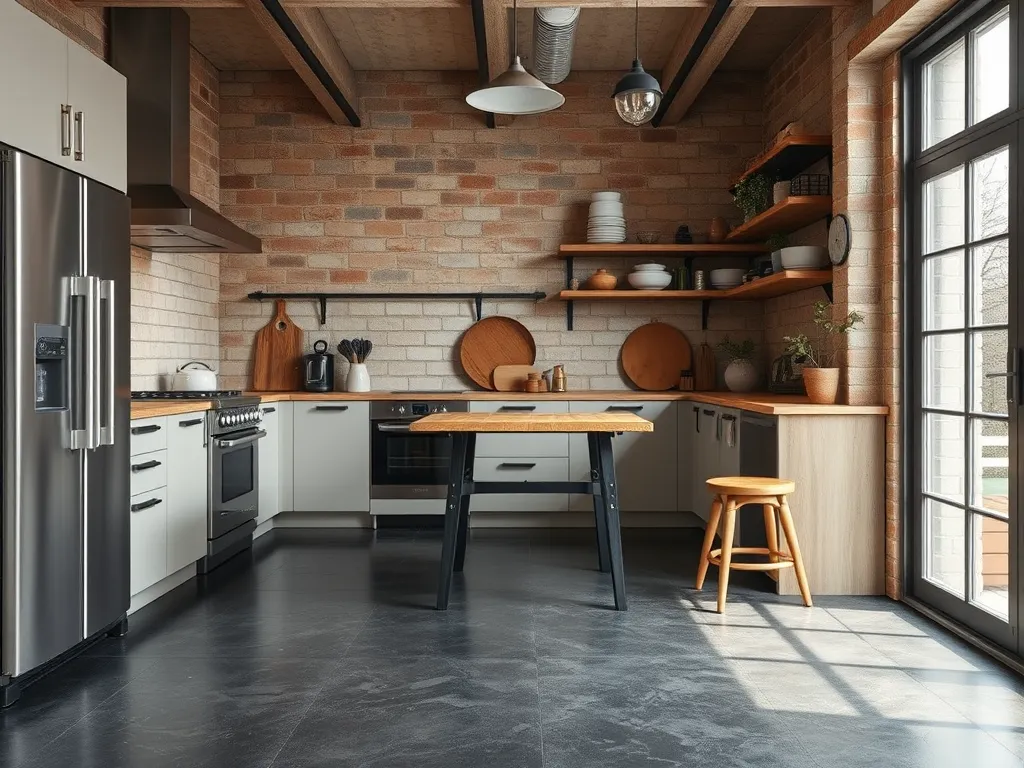
Mastic Asphalt Vs. Alternative Flooring Systems
Choosing the right flooring system requires evaluating performance, installation methods, and long-term value. Mastic asphalt stands apart from hot melt asphalt, acrylic, and resilient sheet options in critical ways.
Comparison With Hot Melt Asphalt Flooring
Both systems use heated asphalt but differ in composition and application. Mastic asphalt flooring mixes limestone aggregate with high-grade bitumen, heated to 200°C (392°F) for workability. It’s poured and hand-troweled into place, creating a seamless, marbled floor. Hot melt asphalt, typically applied at 160°C (320°F), uses polymer-modified binders sprayed in layers. This method leaves a textured surface prone to faster wear in high-traffic zones.
Mastic asphalt floors excel in thickness—10-15mm versus hot melt’s 3-5mm. The added density resists indentation from heavy equipment, making it ideal for factories or warehouses. Repair costs run 30-40% lower over 20 years due to reduced cracking.
Contrast With Acrylic and Resilient Sheet Flooring
Acrylic flooring relies on liquid resin applied in thin, UV-stable coats. While cost-effective for retail spaces, it lacks mastic asphalt’s heat resistance—acrylic softens at 50°C (122°F), versus asphalt’s 100°C (212°F) threshold. Resilient sheet flooring (vinyl, linoleum) uses pre-formed rolls with visible seams. These joints trap dirt and degrade near moisture, unlike mastic asphalt’s watertight seal.
Mastic asphalt flooring solutions provide 2-3x better noise reduction than acrylic or vinyl. Tests show 25dB sound absorption in warehouses, cutting echo without added underlay. Thermal conductivity (0.17 W/mK) also retains heat 40% better than sheet flooring, slashing energy bills in heated spaces.
With performance differences impacting project costs, let’s break down pricing factors for mastic asphalt floors.
Cost Analysis Of Mastic Asphalt Flooring
Mastic asphalt floors offer long-term value, but upfront costs vary based on project specs. Let’s break down pricing structures and variables affecting your budget.
Price Per M2 and Project Budgeting
Material costs for mastic asphalt flooring typically range from $50 to $100 per square meter. Thicker layers (15mm+) or decorative marbled finishes push prices toward the higher end. Labor adds another $30-$50/m², as trained specialists use heated screeds and trowels for precise application.
- Residential projects: A 50m² driveway averages $4,000-$7,500
- Commercial spaces: Warehouse floors (1,000m²+) often cost $65-$90/m² with bulk discounts
Budget 10-15% extra for site prep, waste removal, or custom aggregates. Compared to acrylic flooring systems needing frequent replacements, mastic asphalt floors last 25+ years with minimal upkeep—saving 60-80% on lifecycle costs.
Factors Influencing Laying Costs
Four key elements determine final expenses for mastic asphalt flooring solutions:
- Thickness: 10mm layers suit homes, while 15-20mm is standard for heavy-traffic zones
- Design complexity: Seamless marbled patterns require 20-30% more labor time than solid colors
- Location: Remote job sites beyond 100 miles from suppliers add 8-12% transport fees
- Subfloor condition: Leveling uneven concrete slabs increases prep work by 2-3 days
Specialized tools like infrared thermometers ensure proper mix temperatures (180-220°C), affecting material performance. Always request itemized quotes from certified contractors.
Next, let’s examine best practices to maintain your mastic asphalt floors once they’re laid.
Maintenance and Repair Guidelines
Proper upkeep keeps mastic asphalt floors looking new for decades. Though known for toughness, routine care prevents wear in high-traffic zones. Focus on cleaning methods tailored to its unique surface paired with timely repairs to maintain performance.
Cleaning Best Practices
Daily sweeping removes grit that could scratch the floor. For deeper cleaning, mix pH-neutral cleaner with warm water—steer clear of acidic or alkaline products. Mop in circular motions, then rinse thoroughly to prevent residue buildup.
Stubborn stains? Use mild detergent on affected spots. Never resort to steel wool or harsh scrubbing pads. In commercial settings with heavy foot traffic, weekly deep cleans may be needed to maintain slip resistance.
Refinishing and Surface Restoration
Even robust surfaces show wear over time. Minor scratches? Lightly sand the area using 120-grit paper, then blend with matching mastic material. For widespread damage, diamond grinding removes 2-3mm of the top layer before installing fresh asphalt.
Polished marbled floors need specialized care. Professionals often use polymer-modified sealers to restore shine without altering the decorative pattern. Budget $15-$30 per m² for resurfacing, depending on design complexity.
These maintenance strategies not only prolong your floor’s life but also support eco-friendly practices—setting up the next section on sustainability.
Sustainability Of Mastic Asphalt Flooring
Mastic asphalt floors score high in green builds. Their make-up and long life cut harm to the earth. Let’s break down why.
Use Of Renewable Materials
This floor type uses natural stone, lime, and bitumen. Bitumen, a sticky binder, can be reused from old roads. Up to 30% recycled bitumen blends into new mixes. This cuts need for new oil-based goods. Some systems add plant-based resins to boost green perks.
| Material | % Recycled Content | Source |
|---|---|---|
| Bitumen | 25-30% | Reclaimed roads |
| Aggregates | 60-70% | Crushed stone |
Environmental Impact Considerations
Mastic asphalt floors last 25+ years, slashing how often you replace them. They’re 95% recyclable – old floors become new roads or paths. CO2 output is 40% less than acrylic floors. Low VOC levels mean cleaner air during install. No toxic leaks occur in water systems due to sealed surfaces.
After seeing its earth-friendly traits, let’s tackle key questions on use and care.
Frequently Asked Questions (FAQs)
Is Mastic Asphalt Flooring Suitable for Residential Use?
Yes, mastic asphalt flooring is suitable for residential use. Its durability, slip resistance, and design flexibility make it an excellent choice for various residential applications such as driveways, garages, and even indoor spaces.
How Does Installation Compare to Other Flooring Systems?
Installation of mastic asphalt flooring is generally more complex than some other flooring systems due to the need for specialized equipment and skilled professionals. However, it often results in longer-lasting and more durable surfaces compared to alternatives like vinyl or laminate flooring.
What Are the Long-term Maintenance Costs?
Long-term maintenance costs for mastic asphalt flooring are relatively low. With minimal upkeep, such as regular cleaning and occasional refinishing, you can expect to maintain the floor without significant expense. Most users find that these costs are significantly less than those associated with alternative flooring types that require more frequent replacement or repair.
Can Existing Floors Be Overlaid With Mastic Asphalt?
Yes, existing floors can often be overlaid with mastic asphalt, provided the underlying surface is stable and properly prepared. It’s essential to ensure that the original surface is clean, dry, and can support the added weight of the mastic asphalt to achieve optimal results.
Final Summary and Recommendations
Mastic asphalt flooring stands out for its durability, versatility, and aesthetic appeal. Ideal for both residential and commercial spaces, this flooring solution combines robust performance with a sleek look. Its unique composition allows for marbled and seamless finishes, making it a popular choice for venues where style and function are equally important.
Installation requires careful preparation and specific tools, but following the recommended steps ensures a successful outcome. Post-installation care, including proper curing, enhances longevity. Regular maintenance and refinishing can help preserve the floor’s appearance and performance over time.
Notably, the sustainability aspect of mastic asphalt flooring is significant. Using renewable materials reduces environmental impact while delivering high-quality flooring solutions. The cost-effectiveness, combined with low maintenance needs, makes mastic asphalt a smart choice for many projects.
For more information on mastic asphalt flooring and other asphalt solutions, check out Asphalt Calculator USA.

