Tools for Achieving an Even Asphalt Surface: Your Guide to Smooth Results
Published on: May 12, 2026 | Last Updated: April 14, 2025
Written By: George Voss
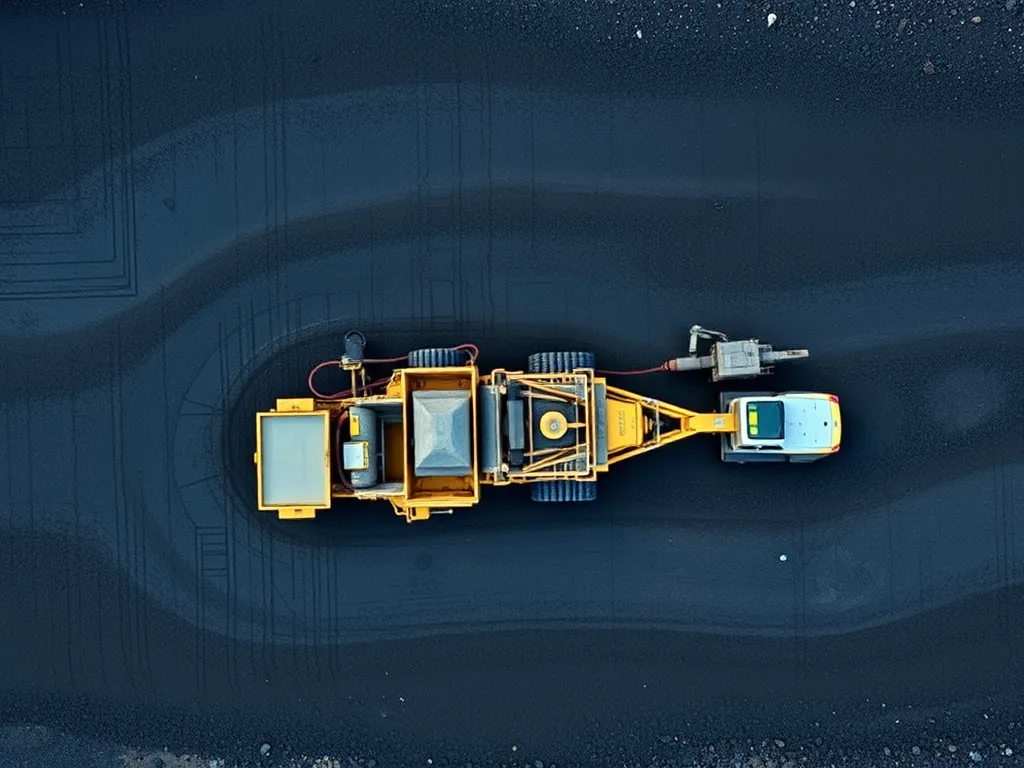
Tools for achieving an even asphalt surface include hand tools and powered equipment designed to spread, level, and compact hot mix asphalt (HMA). Hand tools like asphalt rakes and steel screed bars handle small repairs and edges. Powered machines such as vibratory plate compactors and asphalt rollers tackle driveways and roads. The right choice depends on project size: hand tools cost $200-$800, while heavy equipment rentals range from $1,500 to $250,000 for pavers with integrated screeds.
This guide covers core leveling tools from basic rakes to industrial pavers. Learn proper techniques for base prep, material distribution, and achieving 92-96% density with compaction. Compare costs, efficiency rates, and eco-friendly practices like using 30-50% recycled asphalt. Get clarity on safety standards, tool maintenance, and matching equipment to project scale.
Why an Even Asphalt Surface Matters
A level asphalt surface directly affects performance, safety, and lifespan. Uneven pavement creates weak spots that degrade faster under traffic loads and weather changes. Proper tools for asphalt paving ensure consistent material distribution and compaction, forming a stable structure from base to finish.
Durability and Longevity Of Asphalt
Uneven surfaces allow water to pool, accelerating cracks and potholes. Asphalt leveling equipment like vibratory plate compactors and steel screed bars lock aggregates into place, boosting density to 92-98% of theoretical maximum density (TMD). This prevents premature failures like raveling or thermal cracking. Projects using asphalt pavers with integrated screeds report 15-20% longer lifespan compared to hand-spread surfaces.
Safety and Aesthetic Benefits
Pavement smoothness impacts traction and visual appeal. A 0.5-inch elevation difference can increase hydroplaning risks by 18% during storms. Tools for even asphalt, such as bull floats or asphalt spreader machines, create uniform textures with skid resistance values above 35 BPN (British Pendulum Number). Leveled surfaces also reduce trip hazards and reflect light evenly, enhancing nighttime visibility. For commercial properties, smooth asphalt raises curb appeal and can boost property values by up to 7%.
Now that we’ve covered the “why,” the next step explores the “how” – specific tools for paving asphalt that deliver these results.
Core Tools &Amp; Equipment for Asphalt Leveling
Precision tools and heavy machinery form the backbone of smooth asphalt surfaces. Selecting the right asphalt leveling equipment ensures proper material distribution, compaction, and finish quality.
Hand Tools for Precision Leveling
Small-scale projects and detail work rely on manual asphalt leveler tools. These devices correct minor inconsistencies before compaction.
Asphalt Rake (Willis Rake)
This 36″-wide tool with angled steel tines ($45-$85) drags hot mix into low spots. Its serrated edge cuts ridges during initial spreading for faster leveling.
Hand Tamper
A 10-15 lb steel plate ($50-$150) manually compacts edges and patches. Delivers 150-300 PSI force to eliminate air pockets near obstacles.
Steel Screed Bars
8′-16′ rigid bars ($120-$400) bridge gaps between forms. Workers pull them in zigzag motions to create flat surfaces before roller compaction.
Bull Floats
Magnesium blades (4′-14′ widths, $200-$600) refine texture. Pushed across fresh asphalt, they embed aggregates and seal surface voids.
Powered Equipment for Large-scale Leveling
Commercial projects use mechanical asphalt leveling machines to handle high-volume paving efficiently.
Vibratory Plate Compactor
Gas-powered plates (12″-24″ wide, $800-$3,500) deliver 3,000-5,000 lbs of force. Ideal for driveways – reduces 4″ lifts to 2.5″ with 90% density.
Asphalt Roller Compactor
Drum rollers (5-15 tons, $25,000-$150,000) achieve 92-98% density. Dual-drum models with 60″-84″ widths compact 1,000+ sq ft/hour.
Asphalt Paver with Integrated Screed
Self-propelled units ($150,000-$500,000) lay 8′-30′ wide mats at 0.5″-6″ depths. Heated screeds maintain 275°F+ for seamless material flow.
Asphalt Spreader Machine
Box spreaders ($8,000-$40,000) distribute 10-12 tons/hour. Adjustable strike-off blades control thickness within ±1/8″ for parking lots.
Proper technique with these tools for paving asphalt sets the stage for success. Next, we’ll break down the critical steps to transform equipment use into lasting results.
Key Steps to Achieve a Smooth Asphalt Surface
Proper technique paired with the right tools determines success when creating flat, durable asphalt surfaces. Follow these steps to avoid bumps, cracks, or uneven wear.
Preparing the Base Layer
A stable base prevents shifting under traffic loads. Use motor graders or box blades to level the subgrade, then compact with a vibratory roller (95% Proctor density minimum). Laser-guided equipment like GPS graders ensures ±3mm accuracy. Tack coats applied at 0.05-0.15 gal/yd² boost adhesion between layers.
Applying and Distributing Asphalt
Asphalt pavers with heated screed plates spread mix at 275-325°F. Adjust screed height to match design thickness (typically 2-4 inches). For smaller patches, use asphalt rakes or lute bars to manually distribute material. Maintain a steady feed rate to prevent gaps or overlaps that cause unevenness.
Compacting for Proper Density
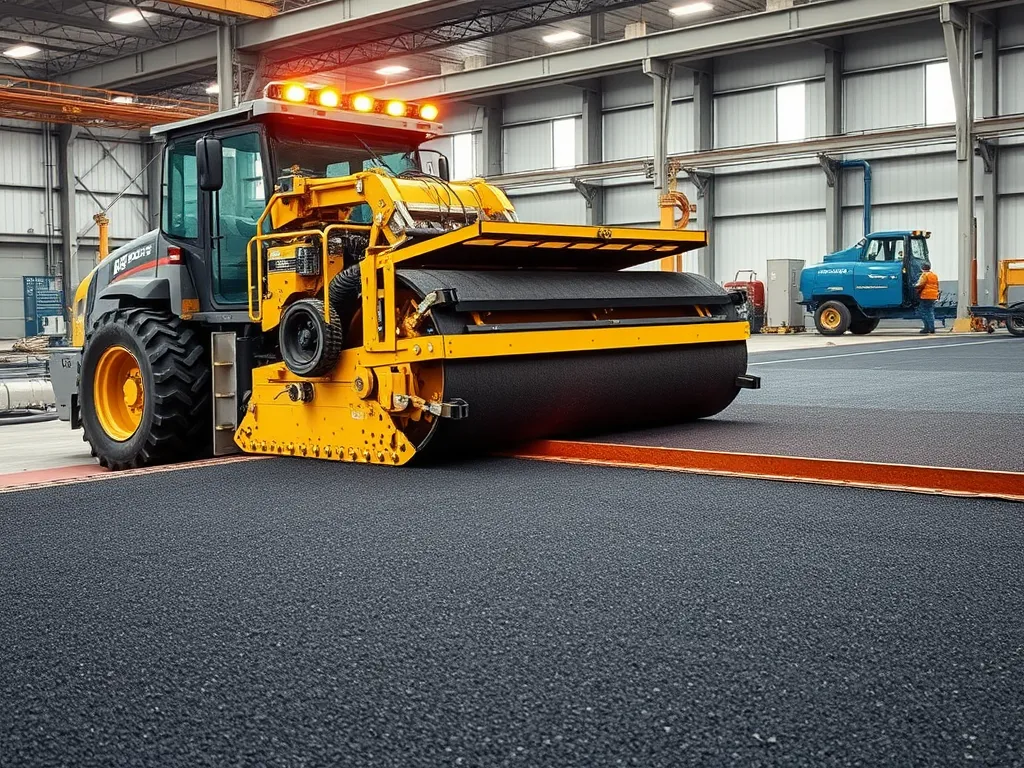
Target 92-96% density to lock aggregates. Start with a vibratory plate compactor (5,000-10,000 lbs force) near edges. Follow with a 10-ton double-drum roller, making 4-8 passes at 3-5 mph. Check with nuclear density gauges—under-compacted areas sink, over-compacted zones crack.
Final Smoothing and Finishing
Bull floats remove roller marks, while steel trowels add a 1/8-inch finish layer. For textured surfaces, drag brooms at 45° angles. Laser profilers scan for deviations exceeding 3mm—grind high spots, fill lows with polymer-modified asphalt. Seal joints with 150°F hot rubberized crack filler.
With the surface prepped and leveled, the next phase explores how eco-friendly methods reduce environmental impact without sacrificing smoothness.
Also See: 5 Asphalt Application Techniques for Safety
Environmental Considerations in Asphalt Leveling
Tools and methods used during asphalt paving impact surrounding habitats. Choosing sustainable options supports long-term infrastructure without harming natural systems.
Eco-friendly Compaction Practices
Modern vibratory plate compactors and asphalt rollers now run on hybrid power or low-fuel tech. For instance, CAT’s CB1.7 series rollers cut fuel consumption by 18% while maintaining 95% compaction rates. Using GPS-guided pavers optimizes material spread, trimming excess by up to 12%. This lowers carbon output without sacrificing surface uniformity.
Recyclable Asphalt Materials
Reclaimed asphalt pavement (RAP) mixes with virgin aggregates using milling machines like Wirtgen W 200i. High-RAP blends (up to 40%) work with polymer-modified PG 64-22 binders for durable surfaces. Recycling cuts project costs by $8–$15 per ton and diverts 72 million tons of asphalt from landfills annually.
| RAP Percentage | Cost Savings | CO2 Reduction |
|---|---|---|
| 30% | $10/ton | 15% |
| 40% | $14/ton | 22% |
Minimizing Waste During Paving
Asphalt rakes and spreader machines adjust material flow in real-time, reducing over-application by 9–14%. Infrared heaters fix uneven joints, reusing 100% of existing layers. Thermal cameras on screeds detect temperature gaps, preventing cold spots that cause cracks. Such tools slash on-site waste to under 3% per project.
Optimizing tool selection and processes not only supports smooth surfaces but also aligns with green construction standards. Up next: common questions about specific tools and their roles in asphalt projects.

Frequently Asked Questions
What is the Best Way to Ensure an Even Asphalt Surface?
The best way to ensure an even asphalt surface is to use a combination of precision hand tools and powered equipment during the application and compaction processes. Following proper techniques in preparation, material distribution, and real-time adjustments will significantly enhance surface uniformity.
How Does Temperature Affect Asphalt Leveling Tools?
Temperature plays a crucial role in the performance of asphalt leveling tools. Asphalt should be laid at temperatures between 275°F and 325°F for optimal workability. Colder temperatures can lead to premature cooling, making it difficult to achieve a smooth finish. Monitoring temperatures with tools like thermal cameras helps identify cooling spots that may affect surface quality.
Can I Use Recycled Asphalt Materials for My Project?
Yes, you can use recycled asphalt materials, such as reclaimed asphalt pavement (RAP), to improve sustainability in your project. Using RAP not only cuts costs but also contributes to environmental conservation by reducing landfill waste. Make sure to mix RAP with virgin aggregates correctly to maintain surface durability.
What Maintenance Do Asphalt Leveling Tools Require?
Asphalt leveling tools require regular maintenance to ensure optimal performance. Hand tools should be cleaned after each use to prevent asphalt buildup, while powered equipment needs routine checks on engines, compaction plates, and screeds to ensure everything is functioning correctly. Periodic calibration of devices like nuclear density gauges is also essential for accurate assessments during paving.
How Can I Prevent Uneven Wear on My Asphalt Surface?
To prevent uneven wear on your asphalt surface, it’s important to ensure proper drainage, apply materials at correct thickness, and maintain consistent compaction throughout the paving process. Regular inspections and maintenance, like sealing cracks and applying sealants, can also help extend the life and appearance of your asphalt surface.
Final Summary: Tools for Optimal Asphalt Surfaces
Achieving an even asphalt surface is key to durability, safety, and visual appeal. Utilizing the right tools is crucial for effective asphalt leveling.
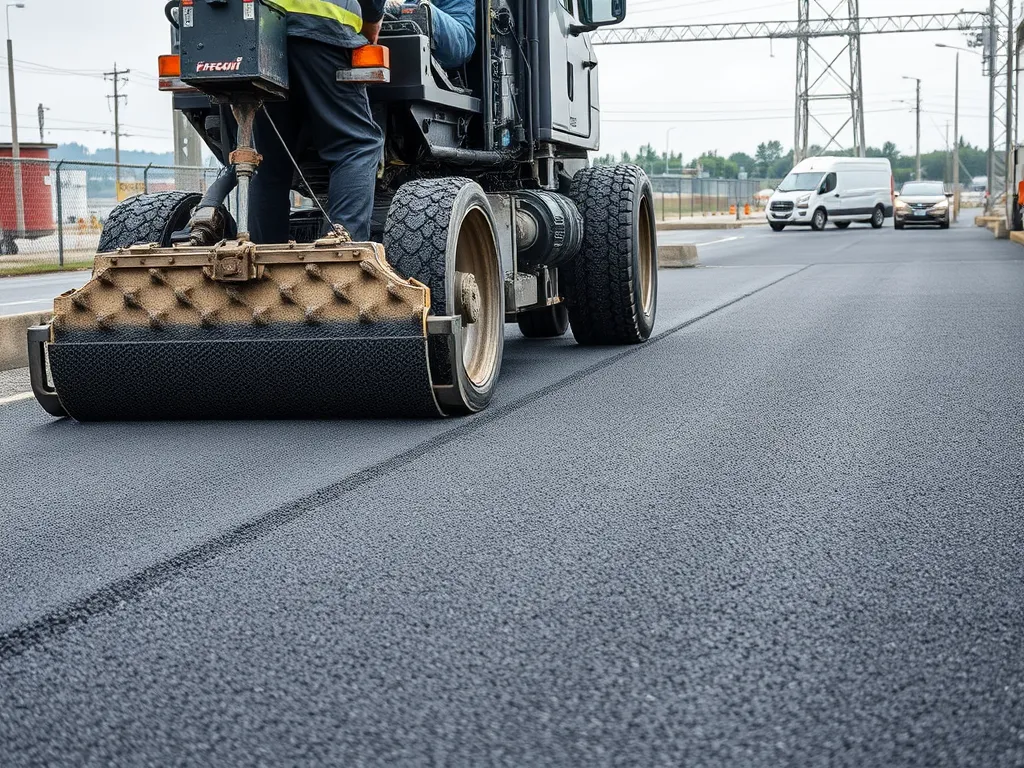
Hand tools like the asphalt rake, hand tamper, and steel screed bars are essential for precise work. For larger projects, powered equipment such as vibratory plate compactors and asphalt paver machines ensure efficiency and accuracy.
Key steps include preparing the base layer, applying asphalt evenly, compacting for density, and final smoothing. Integrating eco-friendly practices and recyclable materials also minimizes waste and supports sustainable paving.
For more information on asphalt tools and techniques, visit Asphalt Calculator USA.
Additional Resources for You:
- Kett, I. (1999). Asphalt Materials and Mix Design Manual. Oxford: Elsevier Science.
- Guide To Paving Tools & Paving Equipment For Construction Site
- Asphalt Pavement Construction – Asphalt Institute
- Asphalt Surface Preparation Tools & Equipment
- Top 6 Equipment & Tools for Paving Asphalt Maintenance, Striping, & Parking Lot Maintenance