Mobile Asphalt Plant: Complete Guide to Portable Production
Published on: November 11, 2026 | Last Updated: April 14, 2025
Written By: George Voss
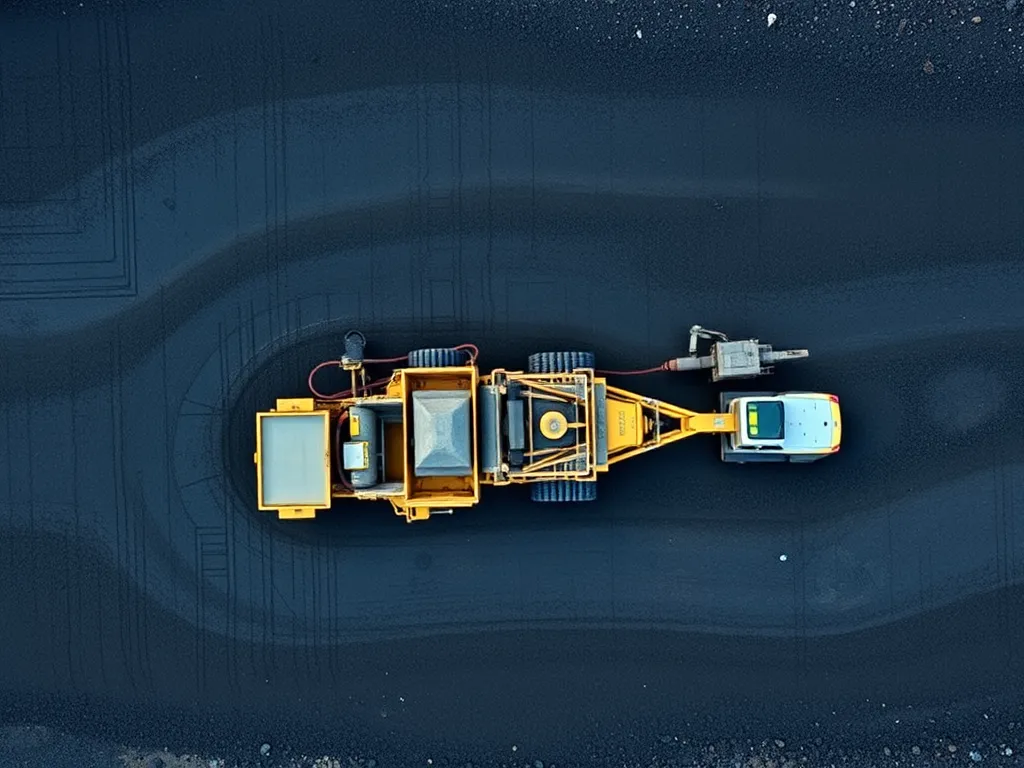
A mobile asphalt plant is a portable system that produces hot mix asphalt (HMA) directly at job sites. Unlike stationary plants, these units can be moved between projects, cutting material transport costs by up to 40%. Available in 20-160 TPH (tons per hour) capacities, mobile plants cost between $150,000 for small models to $1.2 million for high-output setups. They require 1-2 acres for operation and typically need 3-5 crew members.
This guide explains mobile asphalt plant components like cold feed systems and drying drums. Compare drum mix vs batch plants, review costs for new and used equipment, and learn environmental features like emission controls. Get tips on evaluating suppliers and financing options.
What is a Mobile Asphalt Plant?
A mobile asphalt plant is a compact, movable setup used to make hot mix asphalt on-site. Built for jobs that need fast moves or short-term use, it cuts haul costs by working close to paving sites. These plants serve road fixes, small jobs, or spots far from fixed plants.
Definition and Core Purpose
This gear makes asphalt mix where it’s needed. Its main goal? Skip long hauls from big plants. Projects like rural roads or city repairs gain from lower truck fees and fresh mixes. Units can shift in days, not weeks, saving time and cash.
Key Components Of a Mobile Asphalt Mixing Plant
Four main parts turn raw stuff into paved roads. Each plays a key role in speed, quality, and ease of use.
Cold Feed System
Holds rocks, sand, and grit. Belts move these into the dryer. Bins split sizes for even flow. Errors here cause poor mix grades.
Drying Drum or Burner
Heats mix to 300°F, zaps moisture. Burners use diesel or gas. Dry stuff sticks to bitumen better. Hot air flows through the drum for full heat spread.
Mixing Unit
Where rocks meet hot bitumen. Spins non-stop in drum plants. Batch types stop and go. Both blend till coated. Temp checks keep the mix workable.
Control Panel
Brains of the plant. Touch screens set mix specs, track temps, and log data. Alarms flag low heat or jammed belts. New units link to phones for remote checks.
With these parts in sync, mobile plants pump out 100-400 tons per day. Up next: how raw stone turns into smooth blacktop, step by step.
How Mobile Asphalt Plants Work
Mobile asphalt plants turn raw stone and binder into hot mix asphalt (HMA) at job sites. These units pack full production power into trailers or skids. Let’s break down how they make road-ready mix.
Step-by-step Production Process
From rock to pavement, mobile plants handle all steps in under an hour. Each stage uses smart design to fit tight spaces while hitting mix specs.
Aggregate Feeding and Screening
Loaders dump stone into cold feed bins. Belts carry rock to screens that sort it by size—like 3/8” or 1” grades. Screened stone moves to the next stage. Missized bits get rejected to keep mix quality tight.
Drying and Heating Process
Stone enters a spinning drum fired to 300°F. Burners run on diesel, gas, or oil. Heat burns off moisture so binder sticks better. Dry rock exits the drum ready for coating.
| Drum Spec | Typical Range |
|---|---|
| Temp | 275-325°F |
| Fuel Use | 5-7 gal/ton |
| Spin Speed | 8-12 RPM |
Bitumen Injection and Mixing
Hot rock meets liquid bitumen in the mixer. Pumps spray binder at 150-180°F. Blades churn the blend for 30-45 seconds. This coats each stone fully. Mix ratios vary but often use 5% bitumen by weight.
Hot Mix Storage and Discharge
Fresh HMA drops into a heated silo. It stays at 275-300°F until trucks load it. Mobile plants can store 50-200 tons based on size. Discharge gates open to fill haulers fast—up to 200 tons per hour.
This process lets crews make asphalt where it’s needed, cutting truck trips. Next, we’ll compare mobile plant types to match your job needs.
Types Of Mobile Asphalt Plants
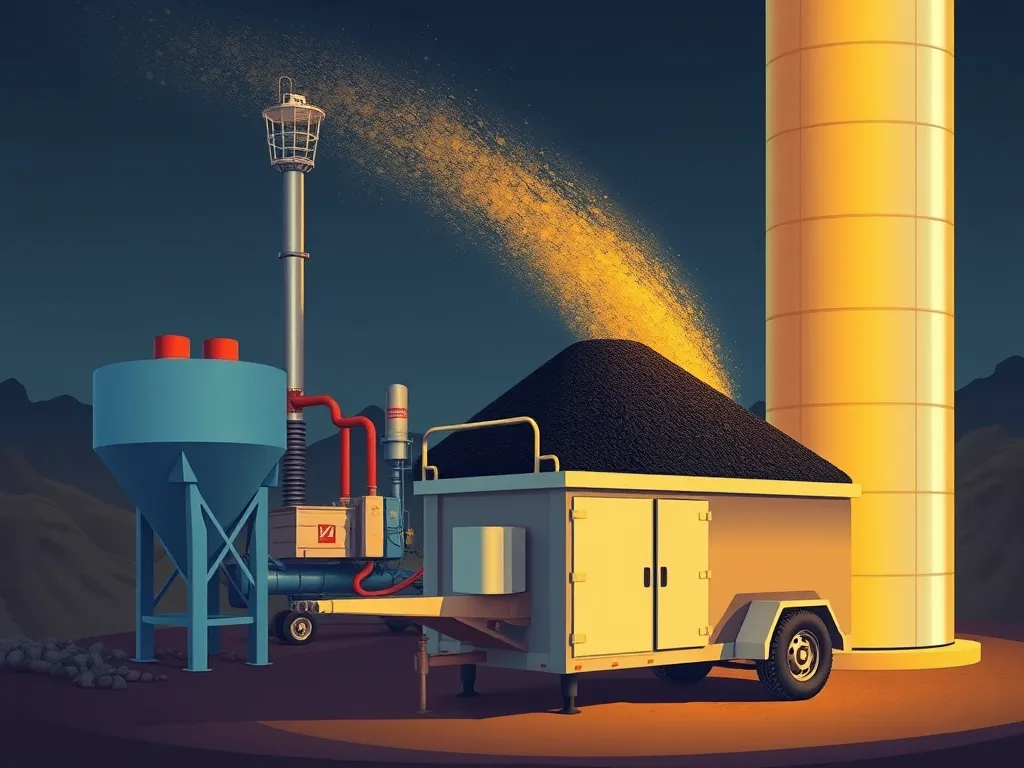
Mobile asphalt plants come in four main types. Each serves unique job needs. Let’s break down their specs and best uses.
Drum Mix Vs. Batch Mix Plants
Drum mix plants blend non-stop. They dry rock and mix bitumen in one drum. Output hits 160-200 tons per hour (TPH). Batch mix plants work in cycles. They weigh each batch for exact mix designs. These hit 80-120 TPH. Drum types suit big road jobs. Batch types fit precise paving like airports.
Trailer-mounted Mobile Asphalt Plants
Built on wheels for fast moves. Hook to a truck and go. Sets up in 3-5 days. Needs 1-2 acres of flat ground. Common in rural road jobs. Top pick for jobs that shift sites every 6-12 months.
Skid-mounted Portable Asphalt Plants
Bolted to steel frames. Move via flatbed trucks. Handle rough ground better than trailer types. Takes 7-10 days to install. Lasts 15+ years with care. Used for mid-size jobs like parking lots. Some models add RAP (recycled asphalt) up to 30%.
Mini Mobile Asphalt Plants
Compact units for tight spots. Makes 20-40 TPH. Fits on half an acre. Costs $150k-$400k new. Ideal for pothole fixes or driveways. Weighs under 30 tons. Runs on diesel or gas. Easy to pack and store between jobs.
Picking the right plant type shapes your job’s speed and cost. Next, see how mobile units stack up against fixed plants in key areas like output and site needs.
Also See: Crack Sealing Process: Protect Your Pavement
Mobile Vs. Stationary Asphalt Plants
Portable asphalt plants and fixed facilities serve the same core function but differ in operation. Choosing between them depends on project needs, budgets, and timelines.
Flexibility and Relocation Advantages
A mobile asphalt mixing plant can be moved within days using standard haul trucks. Trailers with hydraulic legs allow rapid setup on uneven terrain. This makes portable asphalt plants ideal for projects requiring multiple site shifts, like highway repairs across counties. Stationary plants need permanent foundations and lose 15-20% of mix heat during long hauls.
Output Capacity Comparison
Mobile asphalt drum plants produce 60-160 tons per hour (TPH), while stationary plants reach 300+ TPH. Newer portable asphalt batching plants now achieve 200 TPH using parallel drum designs. For projects needing 3,000+ tons daily, stationary units remain unmatched. But 82% of road repairs require less than 1,500 tons per day – well within mobile plant limits.
Project Suitability
Mini mobile asphalt plants excel at patching potholes or maintaining rural roads. Full-sized portable asphalt mixing plants handle airport runways or subdivision streets. Fixed plants dominate mega-projects like interstates. A mobile hot mix plant cuts transport costs by 40% when job sites sit beyond 30 miles from stationary facilities.
Cost factors become critical when matching plant types to project scales. Let’s break down pricing structures for portable production setups.
Mobile Asphalt Plant Cost Analysis
Mobile plants cut job site costs by eliminating long hauls. Prices swing based on size, age, and tech specs. New units cost more upfront but save over time through fuel gains and lower transport fees.
Price Range for New and Used Equipment
New mobile asphalt plants start at $150,000. Top-tier models hit $2M. Used gear costs 30-50% less but may need parts or upgrades.
Small Mobile Asphalt Plant Pricing
Mini plants (20-40 TPH) run $150k-$500k new. Used units begin at $80k. These fit rural roads, driveways, or patch jobs. Brands like Lintec & Atlas offer compact designs.
Mid-Sized Portable Asphalt Batching Plant Costs
Mid plants (60-120 TPH) range $500k-$1.2M new. Ideal for highway fixes or mall lots. Used models drop to $300k-$800k. Look for Ammann or Benninghoven builds.
Factors Influencing Total Investment
Beyond base price, three factors shape costs: output speed, fuel burn rates, and tech levels. High-tech models cost more but slash labor needs.
Production Capacity (TPH)
Plants making 160+ tons per hour cost 25-40% more than 80 TPH units. Match your daily mix needs (300-500 tons?) to avoid overspending on unused power.
Fuel Use and Auto Systems
Gas burners use 20% more fuel than oil models. Smart controls add $50k-$100k but let 1-2 workers run the plant vs 3-5. Brands like Marini pack auto grade checks.
With costs mapped, let’s break down what makes small plants thrive in tight spaces.
Key Features Of Small Mobile Asphalt Plants
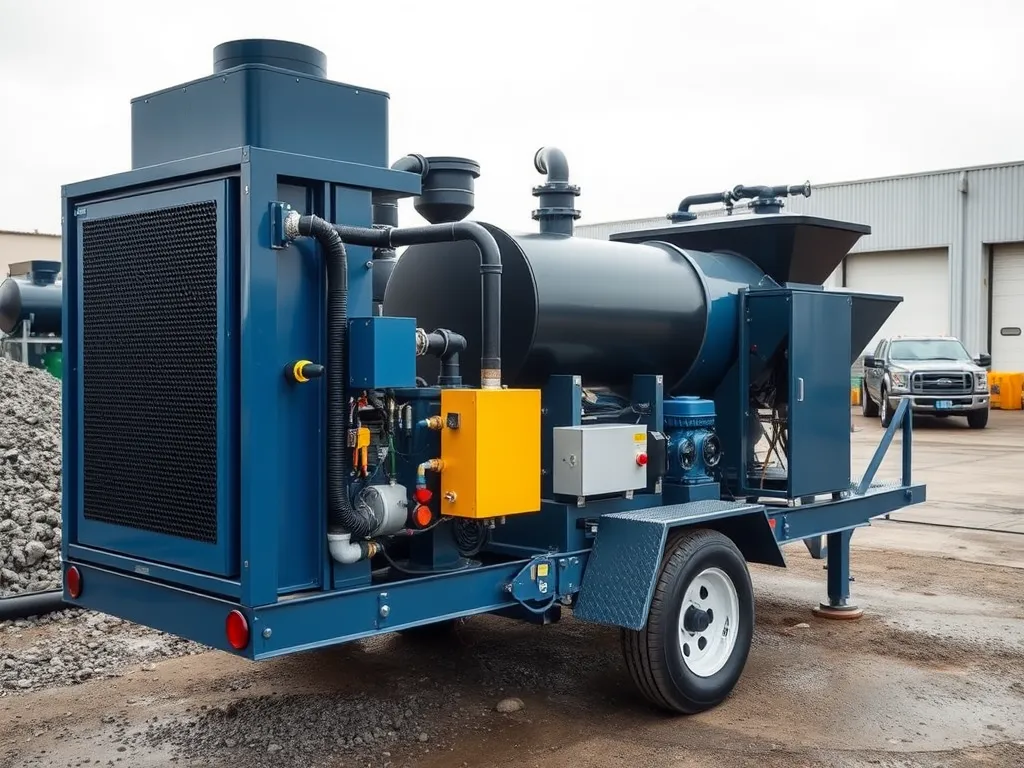
Small mobile asphalt plants pack powerful features into space-efficient designs. These units excel in scenarios where traditional plants can’t operate, offering unique benefits for road projects with tight parameters.
Compact Design for Limited Spaces
A typical small mobile asphalt plant occupies 40% less space than stationary models. Units like the mini mobile asphalt plant often measure under 15 meters in length, with foldable conveyors and stacked components. This makes them viable for urban road repairs or highway patching projects where workspace shrinks to 500-800 sq. meters. Manufacturers prioritize vertical integration, placing cold feed bins, drum mixers, and control cabins in tight configurations without sacrificing 60-80 TPH output.
Rapid Setup and Teardown
Modern portable asphalt batching plants deploy in 12-24 hours versus weeks for fixed installations. Skid-mounted modules with pre-wired electrical systems and quick-connect hoses slash labor needs. Operators report full production within 48 hours of arrival at sites—critical for emergency repairs or short-duration contracts. Teardown takes under 8 hours, letting crews move plants 3-5x faster than relocating stationary setups.
Adaptability to Remote Job Sites
Mobile asphalt drum plants thrive 50+ miles from urban centers. All-terriage trailer systems handle rough access roads, while onboard generators support off-grid power. Plants can switch between diesel, natural gas, or recycled oil fuels based on local availability. This eliminates hauling hot mix asphalt long distances—a cost that typically adds $15-$25 per ton. Units process regionally sourced aggregates, cutting material transport by 80% for mountain or rural projects.
With these capabilities, small mobile asphalt plants reshape how crews approach paving logistics. Next, let’s examine what’s needed to keep them running smoothly at any location.
Operational Requirements
Running a mobile asphalt plant demands strict planning. Factors span physical space, human resources, and strict material rules. Ignoring any can halt production.
Site Preparation and Space Needs
A mobile asphalt mixing plant needs at minimum 200×150 ft of level ground. Compact soil or gravel bases work best. Avoid soft spots that risk equipment tilt. Clear access roads for trucks hauling aggregates or hot mix asphalt must stay free of obstructions. Sites need drainage slopes (1-2%) to avoid water pooling under the drum or storage silos.
Labor and Staffing Considerations
Four to six workers typically run a portable asphalt plant. Shifts last 8-12 hours during peak projects. Training on safety protocols for high-temperature operations (300-325°F mixes) is mandatory. Staff must hold certifications like OSHA 30-Hour for construction sites.
Roles: Operators and Laborers
- Plant Operator: Manages the control panel, adjusts mix formulas, monitors PG binder (performance-graded asphalt cement) injection rates
- Quality Technician: Tests samples for gradation, temperature, and Marshall stability
- Labor Crew: Handles aggregate loading, removes jammed materials, performs daily drum cleaning
Material Quality Standards
Mobile asphalt plants must follow ASTM D3515 or AASHTO M 156 rules. Aggregates require washing if dust content tops 3%. Bitumen tanks maintain 285-320°F to avoid viscosity issues. Up to 30% RAP (recycled asphalt pavement) works in mobile drum asphalt plants with extra burners for heating aged binder.
Balancing space, staff, and mix specs forms the backbone of portable asphalt production. Next, weighing pros and cons shows why this balance matters.
Pros and Cons Of Mobile Asphalt Production
Mobile asphalt plants offer unique benefits but face specific constraints. Weighing these factors ensures the right fit for project needs.
Advantages Of Portable Asphalt Mixing Plants
Portable asphalt plants excel in scenarios requiring agility and localized production. Two critical benefits drive their popularity.
Reduced Transportation Costs
Deploying a mobile asphalt plant within 25 miles of a job site slashes hauling fees by 15-30%. Fuel savings add up quickly for projects needing 500+ tons daily. CO2 emissions drop proportionally, aligning with green construction goals. Operators report $8-$12 saved per ton compared to stationary plant supply chains.
On-Demand Asphalt Production
Portable asphalt batching plants make 2-5 tons per batch, matching real-time demand. Adjust mix designs on-site using RAP (Recycled Asphalt Pavement) or WMA (Warm Mix Asphalt) additives. This prevents material waste from temperature drops during long hauls. Projects with changing specs benefit most – think rural road repairs or parking lot resurfacing.
Limitations to Consider
While versatile, mobile drum asphalt plants have operational ceilings. Evaluate these constraints against project timelines.
Lower Output vs. Stationary Plants
Mobile hot mix plants produce 20-160 tons per hour (TPH), while stationary plants exceed 400 TPH. Paving a 10-mile highway lane requires ~18,000 tons – a 160-TPH mobile unit needs 112+ hours, versus 45 hours for a 400-TPH fixed plant. For urban roadworks or small subdivisions, the trade-off favors mobility over speed.
Next, examine how modern mobile asphalt recycling plants tackle emissions while maintaining production efficiency.
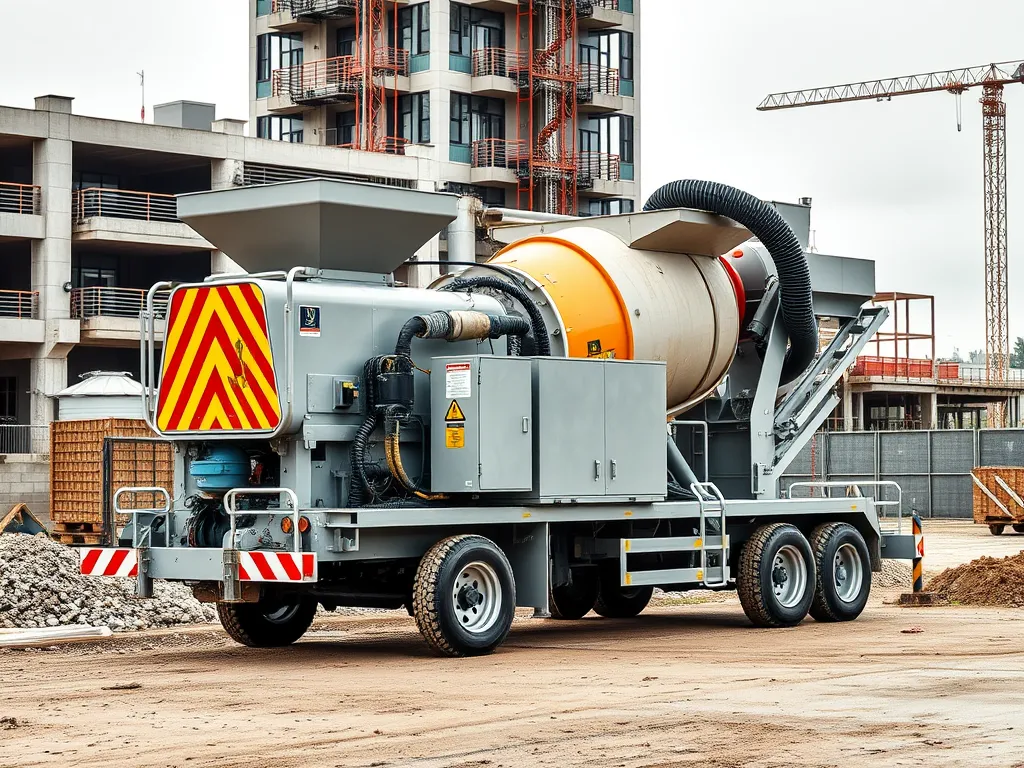
Environmental Considerations
Mobile asphalt plants balance productivity with eco-friendly operations. Modern designs integrate features addressing emissions, noise, and material reuse without sacrificing performance.
Emission Control Systems
Advanced mobile asphalt mixing plants deploy baghouse filters capturing 95%+ of particulate matter (PM2.5/PM10). Many models add catalytic converters to cut nitrogen oxides (NOx) by 40-60% versus older systems. Wet scrubbers in trailer-mounted units neutralize sulfur dioxide emissions using lime slurry injection. Tier 4 Final diesel engines lower fuel-based carbon output by 15-20%.
Noise Reduction Measures
Portable asphalt plants use insulated steel panels cutting operational noise to 75 dB(A) at 15 meters. Skid-mounted units feature acoustic enclosures for generators and burners, reducing high-frequency sounds by 20-30 dB(A). Variable frequency drives (VFDs) on motors eliminate abrupt startups, while counterflow drum designs minimize “white noise” from aggregate tumbling.
Recycling Capabilities
Mobile asphalt batching plants process 30-50% recycled asphalt pavement (RAP) without compromising mix quality. Integrated RAP feeders preheat material to 250°F, ensuring proper binder activation. This cuts virgin aggregate demand by 35% and lowers CO2 emissions by 1.2 tons per 100 tons produced. Plants with dual-drum systems achieve 50% RAP integration at 300 TPH output.
Mobile Asphalt Recycling Plant Options
Specialized units like the Astec Double Barrel® mixer handle 100-200 TPH RAP throughput. Parallel systems separate virgin and recycled material heating, preventing thermal degradation. Look for plants with RAP star feeders and infrared temperature sensors maintaining mix consistency within ±5°F. Portable asphalt recycling plants typically reduce material costs by $15-$20/ton versus all-virgin production.
With emissions managed and resources optimized, the next step involves evaluating cost structures. Smart purchasing decisions align financial goals with these environmental safeguards.
Purchasing Considerations
Selecting the right mobile asphalt plant requires weighing financial factors, equipment specs, and vendor reliability. Smart choices here directly affect project timelines and profitability.
New Vs. Used Mobile Asphalt Plants
New plants range from $300,000 for mini units to $2.5M+ for high-capacity models. These come with full warranties (typically 1-3 years) and latest tech like RAP (Recycled Asphalt Pavement) integration. Used mobile asphalt plants cost 40-60% less but may need $50,000-$200,000 in upgrades. Opt for used if facing tight CAPEX limits or short-term projects. Always inspect burner systems and mixing blades for wear.
Financing and Leasing Options
Leasing cuts upfront costs to 10-15% of plant price, with monthly payments starting at $4,000 for small mobile asphalt plants. Loans through equipment lenders offer 5-7% interest rates over 5-10 years. Consider OPEX impacts: leased portable asphalt batching plants may cost $12-$18 per ton produced. Negotiate lease-to-own clauses for long-term flexibility.
Evaluating Supplier Credibility
Verify ISO 9001 certification and 10+ years in mobile asphalt plant production. Top mobile asphalt plant manufacturers provide 24/7 remote diagnostics and regional parts warehouses. Request client references for similar projects—road builders handling 50,000+ tons annually demand reliable hot mix supply.
| Supplier Check | Key Metrics |
|---|---|
| Service Network | ≥5 U.S. service centers |
| Lead Time | <30 days for critical components |
| Warranty | ≥12 months on drum systems |
Next, let’s address common queries about operating these systems efficiently.
Frequently Asked Questions (FAQ)
How Much Does a Portable Asphalt Plant Cost?
The cost of a portable asphalt plant varies widely based on size, capacity, and manufacturer. Prices can range from approximately $150,000 for smaller units to over $2 million for high-capacity models.
Where Can I Find a Mobile Asphalt Plant Near Me?
You can find mobile asphalt plants through various manufacturers, local distributors, or online marketplace platforms. Researching specific manufacturers may also help in locating their authorized dealers or sales representatives in your area.
What Are the Features Of a Small Mobile Asphalt Plant?
Small mobile asphalt plants feature a compact design suitable for limited spaces, rapid setup and teardown capabilities, and adaptability to remote job sites. They typically maintain a production capacity of 20-40 tons per hour.
What is the Price Range for Mobile Asphalt Plants?
Mobile asphalt plants can be relatively affordable compared to traditional stationary units. New models range from $150,000 for smaller plants to upwards of $2 million for larger, more advanced systems. Used plants can reduce costs significantly, often being 30-50% less than new units.
What Roles Exist in Mobile Asphalt Plant Operations?
Operations typically involve multiple roles, including a plant operator who manages the control panel, a quality technician who tests asphalt samples, and a labor crew responsible for loading aggregates and maintaining equipment.
What Are the Key Advantages Of Using Mobile Asphalt Plants?
Mobile asphalt plants offer flexibility for relocation, reduced transportation costs, and on-demand production capabilities. They can be set up closer to the job site, minimizing haul fees and enabling immediate production as needed.
What Are the Environmental Benefits Of Mobile Asphalt Plants?
Modern mobile asphalt plants often include emission control systems to minimize pollutants and noise reduction features. Many also incorporate recycling capabilities to use Recycled Asphalt Pavement (RAP), which can significantly lower material costs and reduce environmental impact.
How Do I Maintain a Mobile Asphalt Plant?
Regular maintenance involves routine checks on key components like burners, mixing blades, and control systems, along with scheduled cleaning of the plant. Following the manufacturer’s maintenance guidelines ensures optimum performance and longevity.
Can I Finance or Lease a Portable Asphalt Plant?
Yes, financing and leasing options are available for both new and used mobile asphalt plants. Leasing can significantly reduce initial costs, while financing allows you to spread payments over time. It’s advisable to compare rates and terms from various lenders.
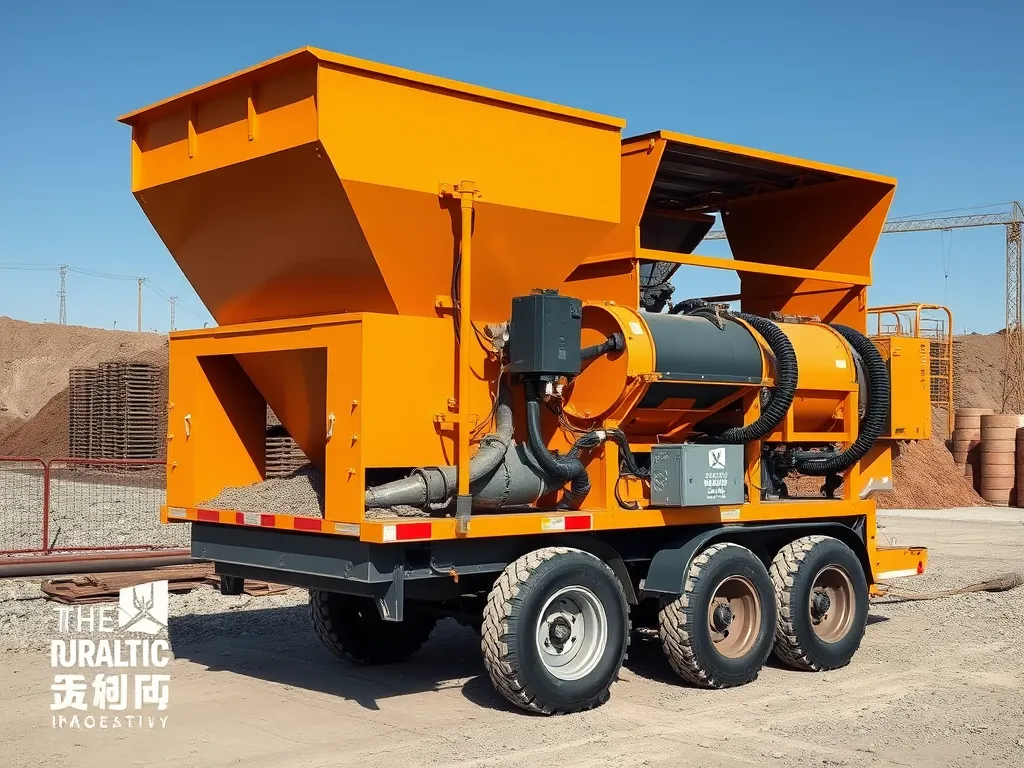
Final Summary
Mobile asphalt plants offer flexibility and efficiency, making them an excellent choice for road construction and repair. These versatile units allow for on-site production, significantly reducing transportation costs and enhancing project timelines.
Key considerations include the type of plant—drum mix, batch mix, or mini versions—as well as operational needs such as site preparation and staffing. Environmental factors are also critical, with features for emission control and recycling capabilities adding to their appeal.
When evaluating options, factor in the total cost, which varies based on production capacity, fuel efficiency, and automation. Assessing supplier credibility and exploring financing options can further streamline the purchasing process.
For more information and detailed insights on mobile asphalt plants, visit Asphalt Calculator USA.