What is Recycled Asphalt? The Eco-friendly Pavement Upgrade
Published on: May 12, 2026 | Last Updated: April 14, 2025
Written By: George Voss
Recycled asphalt is repurposed pavement made from crushed roads, parking lots, and driveways, matching new asphalt’s durability at 20-30% lower cost. Known as Recycled Asphalt Pavement (RAP), it mixes 94-97% reclaimed material with 3-6% fresh asphalt binder to build roads, repair potholes, or create driveways while reducing landfill waste by 90%.
This article walks through how RAP gets made using milling machines and crushers, where it works best (like highway bases or residential driveways), and why it outperforms gravel. You’ll see cost comparisons ($45-$70 per ton vs $80-$120 for virgin asphalt), durability data from DOT field tests, and pro tips for avoiding common installation mistakes.
Introduction to Recycled Asphalt
Recycled asphalt refers to reclaimed pavement material from roads, driveways, or parking lots given new life through processing. This material gets reused in fresh construction projects instead of ending up in landfills. Over 90 million tons of asphalt get recycled annually across the United States, making it one of the most repurposed construction materials.
What is Recycled Asphalt Pavement (RAP)?
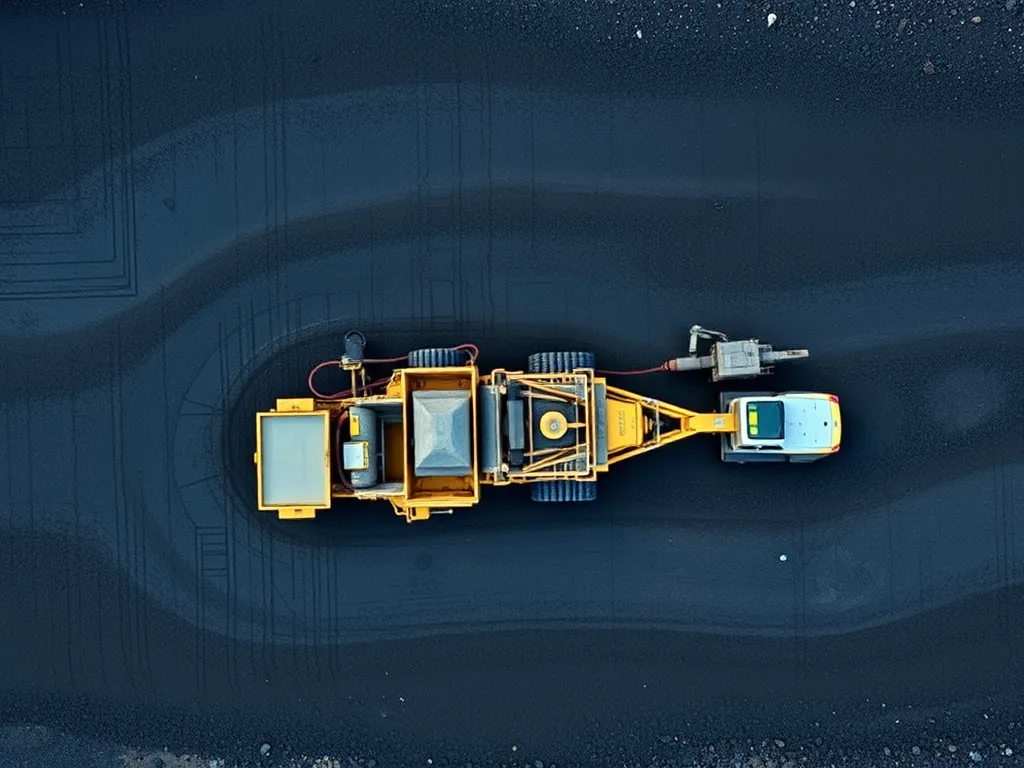
Recycled Asphalt Pavement (RAP) consists of milled or crushed asphalt surfaces processed for reuse. Created by removing old pavement layers through milling machines or demolition equipment, RAP gets screened to meet size specifications. The material serves as a base layer or surface material in new projects when mixed with fresh binder. RAP meets ASTM D692 standards for quality control, ensuring reliable performance.
Composition of Recycled Asphalt
RAP contains 95% aggregates (crushed stone, sand, gravel) and 5% asphalt binder by weight. The aged bitumen in RAP still retains weather-resistant properties but requires blending with new PG (performance-graded) binders for optimal flexibility. Modern mixes may include additives like polymers or fibers to boost strength. Typical RAP gradations range from ½-inch coarse chunks to fine particles smaller than #4 sieve size (4.75 mm).
With the components of RAP established, the next step explores production methods that transform old pavement into reusable material.
How Recycled Asphalt is Produced
Recycled asphalt starts as removed pavement from roads, driveways, or parking lots. The material gets new life through precise engineering methods that transform old surfaces into reusable aggregates.
The Asphalt Recycling Process
Asphalt recycling turns deteriorated pavement into Recycled Asphalt Pavement (RAP). RAP contains 95% aggregates (crushed stone, sand) and 5% asphalt binder. Advanced plants process RAP to meet ASTM D692 standards for road-ready materials.
Steps in Asphalt Pavement Reclamation
Three phases define pavement reclamation:
- Milling: Heavy machinery like cold planers remove 1-3 inches of surface material
- Demolition: Full-depth removal for severely damaged roads using excavators
- Stockpiling: Storing reclaimed asphalt at 140-160°F to preserve binder quality
Crushing and Screening Methods
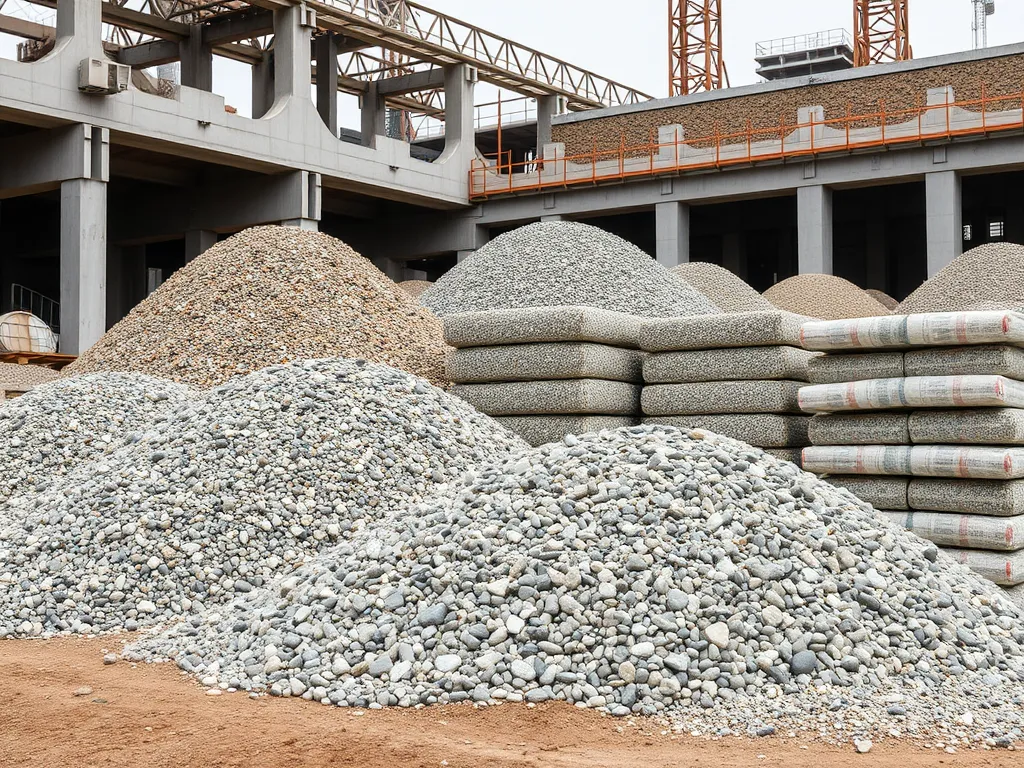
Processing plants use jaw crushers and vibrating screens to size RAP particles. Typical gradation:
| Particle Size | Use Case |
|---|---|
| 3/4″ to 1/2″ | Base layers |
| 1/4″ to 3/8″ | Surface mixes |
| Fine powder | Patch material |
Modern plants blend 20-30% RAP with virgin aggregates for new asphalt mixes. Steel belt conveyors move material at 500 tons/hour during processing.
With production methods covered, let’s examine where this engineered material gets put to work.
Primary Uses Of Recycled Asphalt
Recycled asphalt pavement (RAP) serves multiple functions in construction. This material works for both small residential jobs and large infrastructure projects. Its adaptability stems from how it’s made—crushed old pavement mixed with binders for structural strength.
Road Construction and Repairs
State agencies use RAP in up to 30% of road mixes for highways and local streets. Milled asphalt gets blended with virgin aggregates and polymer-modified PG binders (performance-graded for specific climates). This mix tackles pothole fixes, shoulder rebuilding, and full-depth road replacements. A 2022 study showed RAP-based roads last 15+ years with proper compaction.
Driveway Installation and Maintenance
Homeowners save 20-30% choosing recycled asphalt for driveways. Workers lay a 3-inch compacted layer using RAP millings. This surface drains fast, resists rutting, and lasts 10-12 years. Annual sealcoating fills minor cracks. For frost-prone areas, a 6-inch gravel base under RAP stops frost heave.
Asphalt Overlay Applications
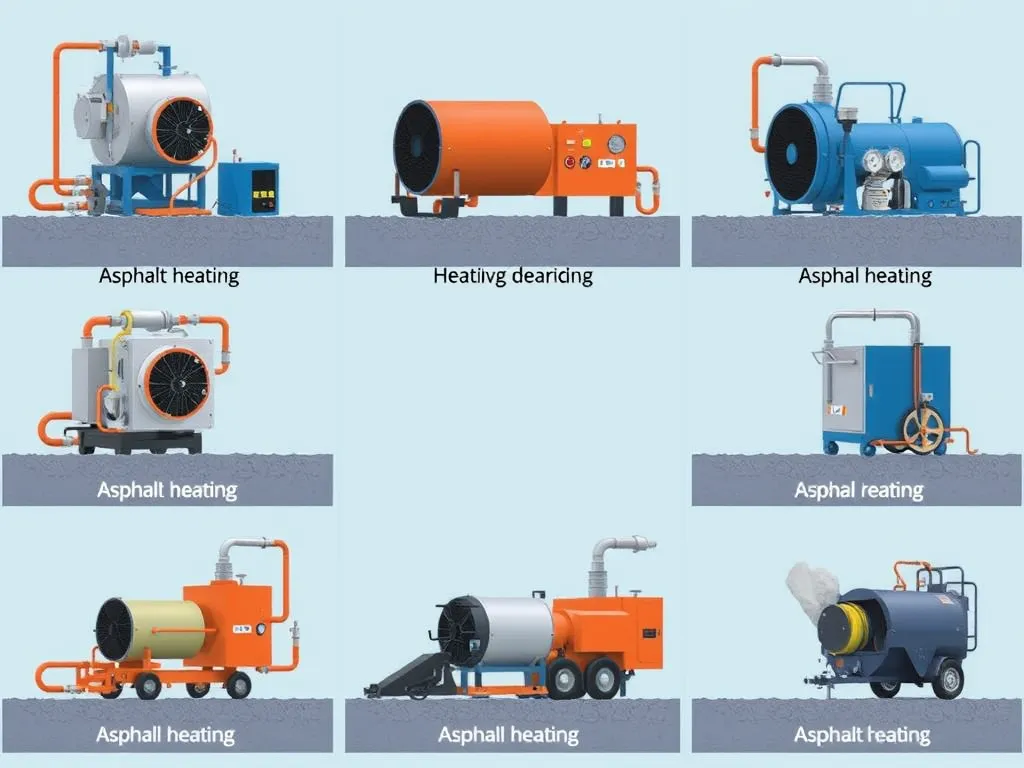
Thin RAP overlays (1.5-2 inches) renew worn parking lots or roads without full removal. Crews apply it over existing pavement after infrared heating bonds old and new layers. This method cuts project costs by 40% versus full reconstruction. Overlays work best when original pavement has solid subgrade support.
Base Material for New Pavement
Crushed RAP (3/4-inch minus gradation) forms stable bases under fresh asphalt or concrete. Stabilizing agents like 2% Portland cement boost load capacity to 8,000 psi. This method diverts 100% of old pavement from landfills. DOT specs allow 50-75% RAP in base layers for highways handling 18-wheeler traffic.
From highways to home driveways, recycled asphalt adapts to many needs. Its role in cutting costs and saving resources makes it a go-to for modern projects. Up next: how these applications translate into long-term savings and structural benefits.
Also See: How to Choose the Right Asphalt Mix for Your Project
Key Advantages Of Using Recycled Asphalt
Using asphalt pavement recycling cuts costs, boosts structural integrity, and supports sustainability goals. Projects gain from its unique mix of fiscal and functional perks.
Cost-effectiveness Compared to Virgin Asphalt
Recycled asphalt pavement (RAP) costs 30-50% less than virgin materials. This saving comes from avoiding mining for new aggregates and skipping high-temp production. A ton of RAP typically runs $10-$18, while virgin hot-mix asphalt hits $60-$100 per ton. PG binders (performance-graded asphalt cements) in RAP also require 20% less new bitumen during mixing.
| Material | Avg. Cost/Ton | Bitumen Needed |
|---|---|---|
| Virgin Asphalt | $60-$100 | 5-7% |
| RAP | $10-$18 | 3-5% |
Structural Durability in Various Conditions
RAP’s aged bitumen acts as a hardening agent, improving rutting resistance by up to 40% in hot climates. Superpave mix designs (advanced asphalt formulas) confirm RAP blends withstand freeze-thaw cycles better than virgin mixes. Tests show roads with 30% RAP last 12-15 years—matching or outpacing traditional pavements.
Reduced Material Waste
Asphalt recycling diverts 90 million tons of waste from U.S. landfills annually. Reusing 1 mile of road surface saves 27,000 cubic feet of landfill space. RAP also cuts quarrying needs—1 ton of RAP replaces 1 ton of virgin aggregate. Projects using 20% RAP qualify for LEED points through material reuse credits.
With fiscal and functional perks clarified, it’s vital to weigh how RAP stacks against hot-mix and cold-mix options.
Comparing Asphalt Types
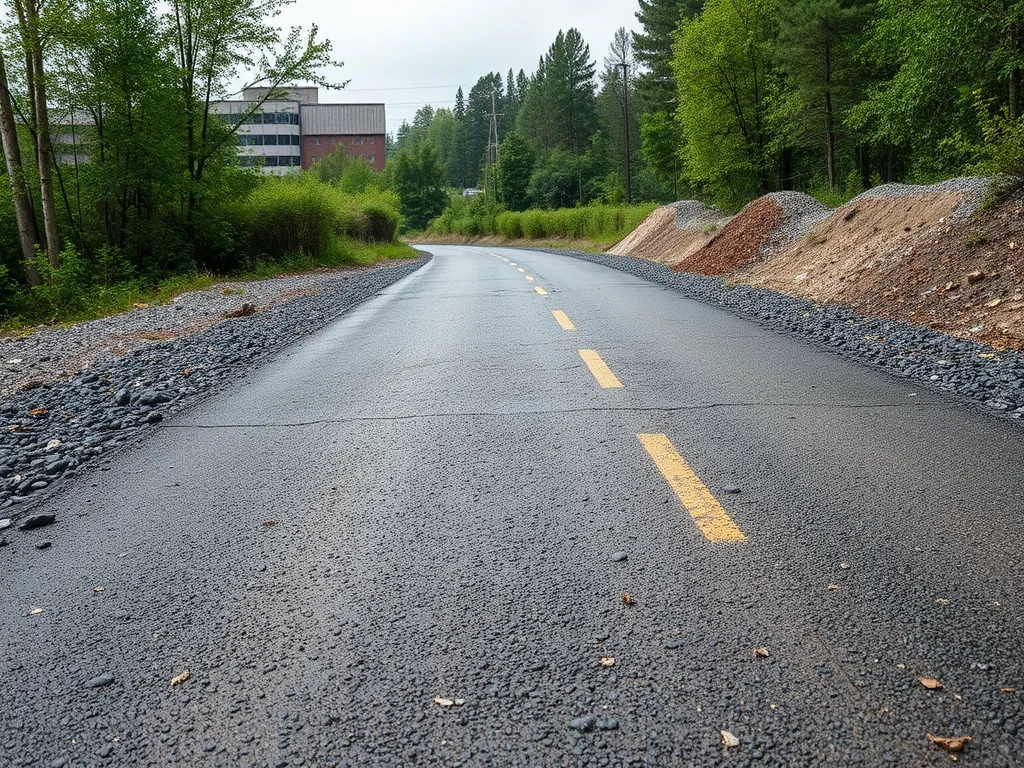
Choosing the right asphalt type depends on project needs, climate, and budget. Recycled asphalt offers unique benefits but differs from traditional mixes in performance and application.
Recycled Asphalt Vs Hot-mix Asphalt
Hot-mix asphalt (HMA) is made at 300-350°F using virgin aggregates and liquid asphalt binder. Recycled asphalt pavement (RAP) replaces 10-30% of virgin materials in HMA or serves as standalone material processed at lower temps. RAP costs $10-$18 per ton versus $50-$80 for HMA. While HMA provides higher initial strength, RAP matches durability once compacted, with 99% density achievable through proper rolling.
Recycled Asphalt Vs Cold-mix Asphalt
Cold-mix asphalt uses emulsified binders for ambient-temperature application, ideal for pothole repairs. Recycled asphalt requires minimal heat (200-250°F) during placement. RAP offers better cohesion, lasting 7-12 years versus cold-mix’s 2-5 years. For permanent driveways, recycled materials save 20-35% over cold-mix while reducing aggregate mining by 40%.
Suitability for Different Climate Conditions
Recycled asphalt performs best in moderate climates. In regions with temps below 20°F, thermal cracking may occur without polymer-modified binders. High-heat areas (90°F+) risk softening, mitigated by adding 2-5% new asphalt cement. Coastal zones benefit from RAP’s resistance to salt corrosion. PG 64-22 binders enhance cold-weather performance, while PG 76-22 grades improve heat tolerance.
With these factors in mind, let’s explore how recycled asphalt performs in residential settings.
Considerations for Recycled Asphalt Driveways
Recycled asphalt driveways offer unique benefits but require specific planning. Let’s break down key factors to weigh before installation.
Installation Requirements
Recycled asphalt pavement (RAP) needs proper compaction for stability. Contractors typically mill existing pavement into 2-4 inch aggregate pieces before laying. A vibratory plate compactor or roller creates a dense base. Ambient temperatures above 50°F help the material bind without added heat. DIY installations save 20-40% on labor costs but demand precise grading to prevent pooling.
Expected Lifespan and Maintenance
With regular care, recycled asphalt driveways last 15-25 years. Annual crack sealing prevents water infiltration – a leading cause of base erosion. Apply coal-tar emulsion sealant every 3-5 years to maintain surface integrity. RAP’s 95-98% compaction rate matches virgin asphalt’s load-bearing capacity, handling vehicles up to 10,000 lbs.
Surface Appearance Considerations
Freshly laid recycled asphalt appears darker than traditional blacktop but lightens to charcoal gray within weeks. The material contains 10-30% aged bitumen, creating subtle color variations. Some aggregates might remain visible, giving a textured look. While smoothness matches new asphalt after rolling, high-RAP mixes show minor surface irregularities.
Recycled asphalt’s functional perks come with visual trade-offs. Next, we’ll examine how these characteristics impact performance in demanding environments.

Potential Limitations
While recycled asphalt offers multiple benefits, specific scenarios require careful evaluation. Performance factors vary based on material composition and project demands.
Performance in Extreme Temperatures
Recycled asphalt concrete faces challenges in sustained extreme heat or cold. Temperatures exceeding 100°F may soften surfaces, increasing rutting risk. Below 20°F, brittleness can lead to cracks from freeze-thaw cycles. Virgin asphalt with polymer-modified PG 64-22 binders typically outperforms RAP in these conditions. Projects in moderate climates (40-85°F annual averages) see minimal issues.
Initial Curing Time Requirements
Freshly laid RAP needs 3-7 days to cure before handling light vehicle traffic. Full compaction and hardening take 4-6 weeks for heavy loads. This contrasts with hot-mix asphalt, which becomes traffic-ready in 24 hours. Rain or humidity extends curing periods by 50-75%, requiring adjusted project timelines.
Load-bearing Capacity Considerations
Standard recycled asphalt supports 12,000-15,000 pounds per axle – 25% less than virgin asphalt’s 20,000-pound capacity. For industrial sites or arterial roads, contractors often blend 30-40% virgin binder into RAP mixes. Layer thickness also impacts performance: 4-inch RAP bases match 3-inch virgin aggregate strength.
These factors highlight why material testing matters. Next, let’s examine how asphalt recycling positively impacts ecosystems and resource management.
Environmental Benefits Of Asphalt Recycling
Recycling asphalt transforms old pavement into valuable construction material while protecting natural resources. This process directly tackles two major environmental challenges.
Reduction in Landfill Waste
The US generates 90 million tons of asphalt waste yearly. Recycling 80% keeps 72 million tons from landfills annually. Recycled Asphalt Pavement (RAP) contains 95% aggregates and 5% bitumen binder – all reusable. Every ton repurposed reduces mining needs by 1.3 tons of virgin stone and 10 gallons of petroleum-based bitumen.
Lower Energy Consumption Vs New Production
Producing recycled asphalt uses 20% less energy than virgin mixes. New hot-mix asphalt requires heating to 300°F versus 250°F for RAP blends. This 50°F difference cuts fuel consumption by 4.5 gallons per ton. PG binders in Superpave mixes allow lower processing temps without sacrificing rut resistance. The National Asphalt Pavement Association reports CO2 emissions drop 21% per ton with RAP integration.
While recycled asphalt slashes environmental impacts, cost savings make it practical for real-world projects. Let’s break down the numbers behind material budgets…
Cost Analysis and Project Planning
Smart budgeting drives many recycled asphalt projects. Let’s break down cost factors and material math for effective planning.
Price Comparison: Recycled Vs Virgin Materials
Recycled asphalt pavement (RAP) costs $18-$30 per ton. Virgin asphalt ranges from $50-$70 per ton. This 30-50% price gap makes RAP attractive for large-scale projects like road repairs or parking lots. Key factors affecting savings:
- Local RAP availability (transport under 50 miles keeps costs low)
- Mix design: Blending 20% RAP with virgin aggregates maintains PG binder performance
- Labor savings from reduced disposal fees (up to $15/ton)
Contractors report 15-25% total project savings using recycled asphalt concrete for overlays or base layers.
Calculating Material Requirements
Use this formula to estimate recycled asphalt needs:
- Tons required = (Area sq ft × Depth inches × 140 lbs/ft³) ÷ 2000
Example: A 1,000 sq ft driveway with 3-inch depth needs (1,000 × 3 × 140) ÷ 2000 = 21 tons. Three tips for accuracy:
- Account for 10-15% compaction loss during installation
- Check state DOT specs – most allow 20-30% RAP in surface mixes
- Use nuclear density gauges to verify in-place compaction ≥ 93%
These planning steps set the stage for evaluating long-term performance – a key focus in our next segment.
Keywords integrated: recycled asphalt use, asphalt recycling process, recycled asphalt concrete, how to recycle asphalt, asphalt recycled pavement
Frequently Asked Questions
What is the Difference Between Asphalt and Recycled Asphalt?
While asphalt is a construction material made from a mixture of aggregates and asphalt binder, recycled asphalt is derived from reclaimed asphalt pavements that are processed and reused. This means recycled asphalt retains much of the original properties of new asphalt but incorporates a significant percentage of reclaimed material.
Is a Recycled Asphalt Driveway Worth the Investment?
Yes, a recycled asphalt driveway can be worth the investment as it typically costs 20-30% less than traditional asphalt driveways while providing similar durability and performance. Additionally, it contributes to environmental sustainability by reducing landfill waste.
What Are Common Applications for Recycled Asphalt?
Recycled asphalt is commonly used in road construction and repairs, driveway installations, asphalt overlays, and as a base material for new pavement. Its versatility makes it suitable for a variety of applications in both residential and commercial projects.
How Does Recycled Asphalt Pavement Perform Over Time?
Recycled asphalt pavement performs well over time, with studies indicating that roads built with recycled asphalt can last 12-15 years when properly compacted. Its durability can match or exceed that of traditional pavement under similar conditions.
Where Can I Source Quality Recycled Asphalt?
Quality recycled asphalt can typically be sourced from local asphalt recycling plants, construction suppliers, or through municipal programs that process and sell reclaimed materials. It’s wise to check local listings and recommendations to find reputable sources in your area.
Final Summary
Recycled asphalt, often referred to as Recycled Asphalt Pavement (RAP), plays a vital role in sustainable construction. It is produced through a meticulous process that involves reclaiming old asphalt, crushing, and screening it for reuse. The composition, primarily aggregates and bitumen, makes it an excellent choice for various applications.
This eco-friendly material offers significant advantages, such as cost-effectiveness, structural durability, and reduced waste. It is widely used in road construction, driveway installations, and as base material for new pavement. Though recycled asphalt boasts impressive benefits, some limitations exist, such as performance in extreme temperatures and initial curing times.
Ultimately, choosing recycled asphalt means making informed material decisions that align with budget and environmental goals. For detailed cost analysis and project planning information, visit Asphalt Calculator USA.
Additional Resources for You:
- Kett, I. (1999). Asphalt Materials and Mix Design Manual. Oxford: Elsevier Science.
- Asphalt Recycling: How is Asphalt Paving Recycled? – American Asphalt | Bay Area Paving, Repair, Resurfacing 800-541-5559
- Recycling – National Asphalt Pavement Association
- A Closer Look at Recycled Asphalt
- r/todayilearned on Reddit: TIL Asphalt pavements are America’s most recycled product. Reclaimed asphalt pavement (RAP) can be recycled into pavement that is as high, or even higher, in quality as pavements made of all-virgin materials. And, the same material can be recycled again and again; it never loses its value.