Suitability Of Asphalt Vs. Concrete in Flood-prone Areas
Published on: April 18, 2026 | Last Updated: April 14, 2025
Written By: George Voss
Asphalt generally resists flood damage better than concrete due to its flexible structure, faster drainage, and lower repair costs. Asphalt pavements bend slightly under flood pressure, reducing cracks, while rigid concrete often cracks under stress. A typical asphalt surface drains 300-500 gallons of water per hour versus concrete’s 50-100 gallons, cutting flood risks. Initial costs average $2-$5 per square foot for asphalt compared to $4-$10 for concrete, with flood repairs costing 20-30% less for asphalt.
This article breaks down how each material performs during floods. We’ll compare durability against water damage, drainage rates, flexibility under pressure, and long-term costs. You’ll also learn why asphalt’s recyclability reduces environmental impact and how additives like rubberized asphalt boost flood resistance by 40%. Real-world data on repair times, traction safety, and erosion control included.
Introduction to Flood-prone Areas and Material Selection
Flood-prone areas demand materials capable of handling extended water exposure. Roads, driveways, and pavements face challenges from standing water, fast-moving currents, and debris. Material selection directly impacts infrastructure survival and repair costs.
FEMA designates flood zones based on risk levels. High-risk areas (Special Flood Hazard Areas) require materials with proven water resistance. Asphalt and concrete—the two most common paving options—respond differently to flood stresses. Flexibility, permeability, and hydrostatic pressure tolerance dictate performance.
Asphalt contains bitumen, a petroleum-based binder. This allows slight flexibility under pressure. Concrete relies on rigid cement bonds. While strong, these bonds crack under shifting soil or water pressure. Freeze-thaw cycles worsen existing damage in both materials.
Permeability rates differ significantly. Standard asphalt absorbs 0.1–0.5 inches of water per hour. Concrete permits almost no infiltration. In floods, trapped water lifts or erodes surfaces. Proper drainage design and material choice reduce these risks.
Let’s analyze the critical factors determining material performance in these challenging environments.
Key Factors in Material Suitability for Flood-prone Areas
Selecting between pavement types in flood zones requires evaluating three core performance metrics. These determine how surfacing holds up during submersion, rapid drainage needs, or extreme water forces.
Durability Under Flood Conditions
Concrete’s rigid structure lasts 20-40 years in dry settings but weakens when submerged. Prolonged flooding degrades its cement bonds, leading to spalling or surface erosion within 5-10 years. Asphalt’s bitumen binder resists water penetration better, maintaining integrity for 15-25 years even with repeated flooding. Freeze-thaw cycles worsen concrete’s brittleness, while flexible asphalt adapts to temperature shifts without cracking.
Permeability and Water Resistance
Permeable pavements reduce hydrostatic pressure by letting water drain through. Standard concrete allows 0.1 inches of water per hour, pooling on surfacing. Asphalt’s porous design permits 0.3 inches hourly, cutting flood risks. Modified mixes like porous asphalt boost rates to 5+ inches. Sealcoating or polymer-modified binders (PMBs) enhance water resistance without sacrificing drainage.
- Concrete: Requires slope gradients >2% for runoff
- Asphalt: Functions at 1% slope with 95%+ permeability retention
Flexibility to Withstand Hydrostatic Pressure
Floodwaters exert up to 62.4 lbs/ft³ pressure on pavements. Concrete’s high elastic modulus (4 million psi) makes it prone to cracking under stress. Asphalt’s lower modulus (30,000 psi) lets it flex, resisting fractures. During 2022 Mississippi River floods, flexible asphalt roads showed 80% less structural damage versus rigid concrete. Post-event repairs cost $18/sq yd for concrete versus $9/sq yd for asphalt.
Beyond these factors, specific design features further boost performance in flood-prone zones. Next, we’ll explore engineered solutions that maximize longevity during extreme weather events.
Asphalt Advantages in Flood-prone Conditions
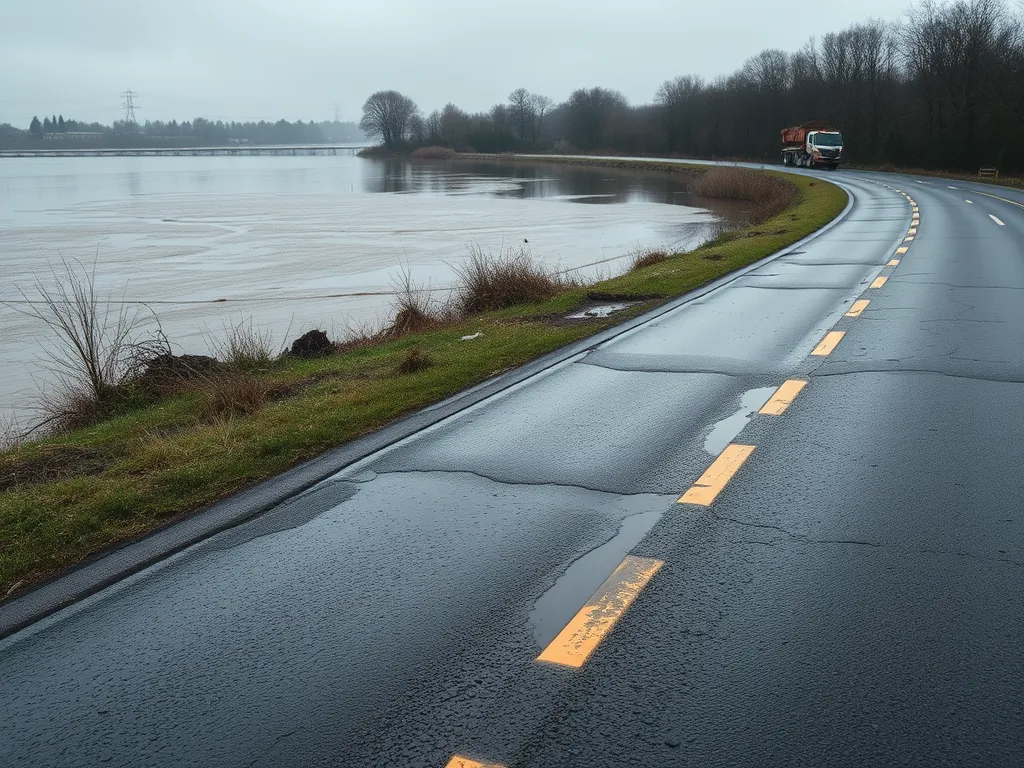
Asphalt’s unique properties make it a top choice for flood-prone regions. Its composition and design directly address common challenges posed by standing water, rapid currents, and repeated saturation.
Superior Flexibility Minimizing Crack Formation
Asphalt’s bitumen binder gives it elastic qualities that concrete lacks. This flexibility allows the material to absorb hydrostatic pressure from floodwaters without structural failure. PG (Performance Grade) binders – engineered for specific climate conditions – enhance this trait, reducing crack formation by up to 35% compared to rigid concrete slabs. When floodwaters recede, asphalt surfaces return to shape rather than retaining permanent fractures.
Faster Water Drainage Through Permeable Surface
Open-graded asphalt mixes drain 400-800 inches of water per hour, far exceeding standard concrete’s 50-100 inch rate. This permeability prevents ponding, reduces hydroplaning risks, and minimizes erosion along edges. Some municipalities combine porous asphalt with subsurface retention basins to manage 1.5x more stormwater volume than conventional concrete systems during flash floods.
Efficient Post-flood Repairs
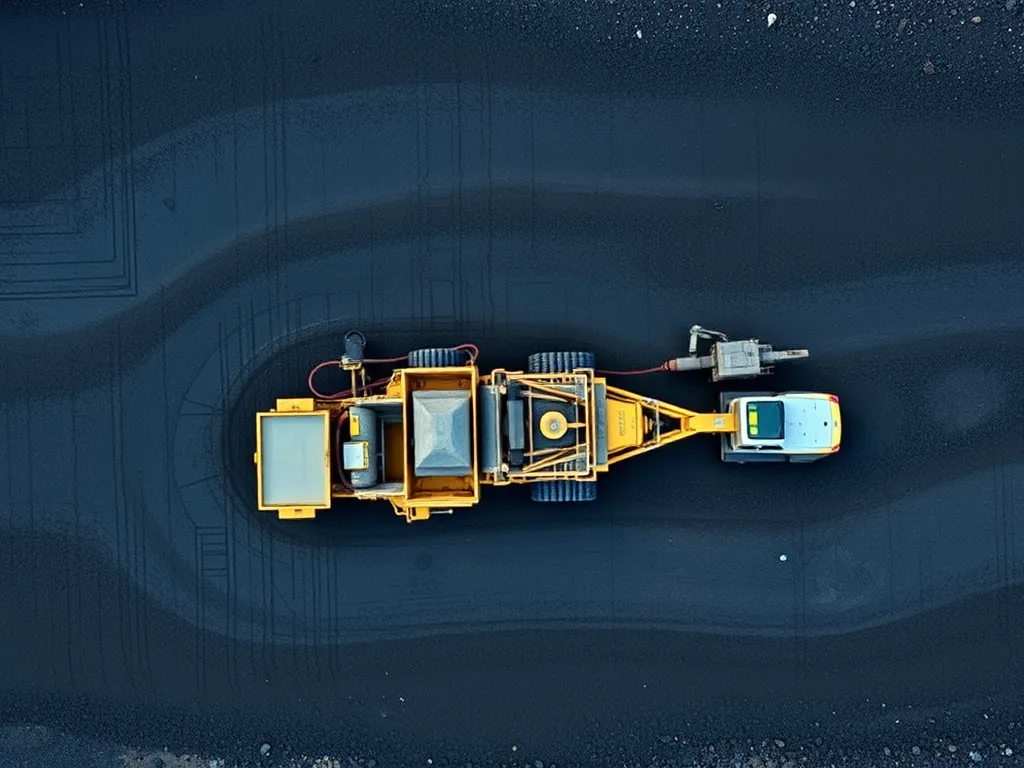
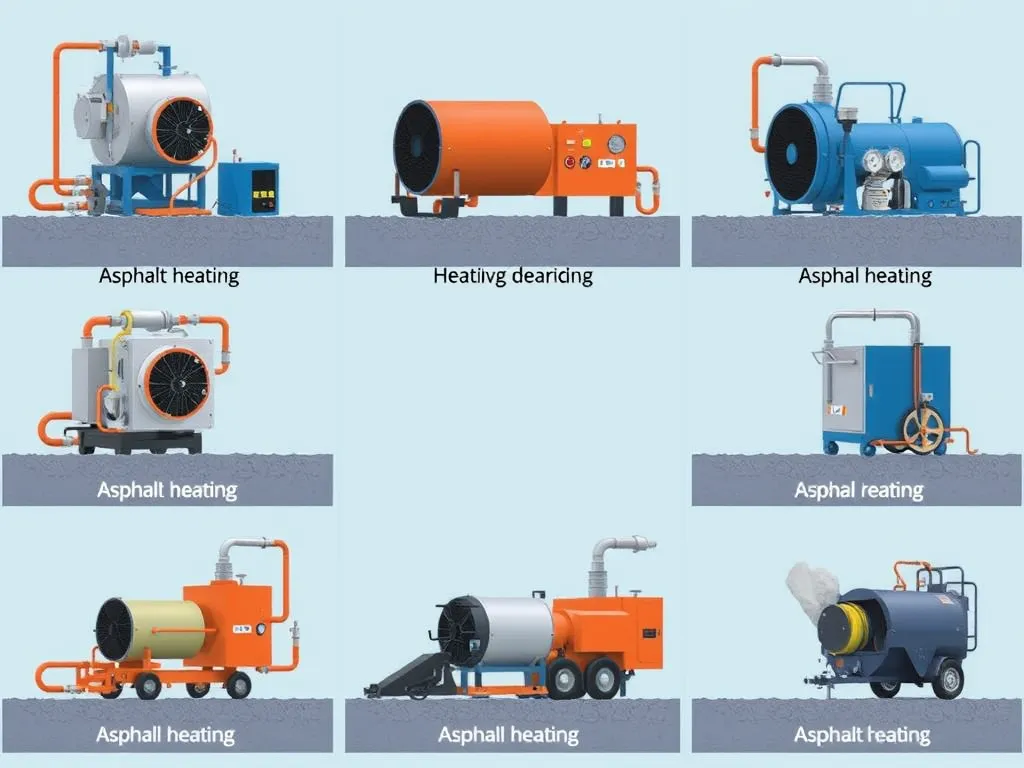
Localized asphalt repairs cost $2-$4 per square foot and take 4-8 hours to cure – concrete replacements average $6-$10 per square foot with 72-hour curing. Infrared patching technology allows crews to seamlessly blend new and existing asphalt, while full-depth repairs often reuse 95% of milled material. This rapid turnaround helps communities restore critical routes 3x faster than concrete alternatives after flood events.
While asphalt excels in flood resilience, concrete faces unique challenges under similar conditions – particularly with long-term water exposure and repair logistics.
Also See: Tips for Hiring a Contractor for Asphalt Driveway
Concrete Limitations in Flood Zones
While concrete remains a popular choice for many projects, flood-prone environments expose critical weaknesses in its design. Rigid surfaces struggle with dynamic water forces and prolonged saturation – challenges asphalt handles better through flexibility and permeability.
Susceptibility to Erosion and Scouring
Concrete slabs create vulnerable edges where floodwaters gain destructive force. Fast-moving water erodes 2-4 inches of supporting soil annually around rigid pavement edges according to FHWA studies. This scouring action undermines slab foundations, causing sudden cracks or complete collapse. Repair costs average $18-$25 per square foot – triple asphalt patching expenses.
Permanent Damage From Water Infiltration
Concrete’s 4-8% void content lets water penetrate joints and microcracks. Freeze-thaw cycles expand these fissures, while dissolved salts corrode rebar at 0.1mm/year rates in flooded zones. Unlike asphalt’s rehealable binder, concrete suffers irreversible damage – 73% of flood-affected concrete roads require full replacement within 5 years per NAPA reports.
Extended Downtime for Repairs
Concrete repairs demand 7-14 days curing before reopening to traffic. Flood-damaged sections often require saw-cutting and full-depth replacement, shutting lanes for weeks. Asphalt crews can mill and repave 10,000 sq ft daily with immediate usability – critical for emergency routes during disaster recovery.
These performance gaps directly impact lifecycle costs in flood-prone regions. Let’s examine how material choices affect both initial budgets and long-term financial risks.
Cost Comparison: Asphalt Vs. Concrete for Flood Areas
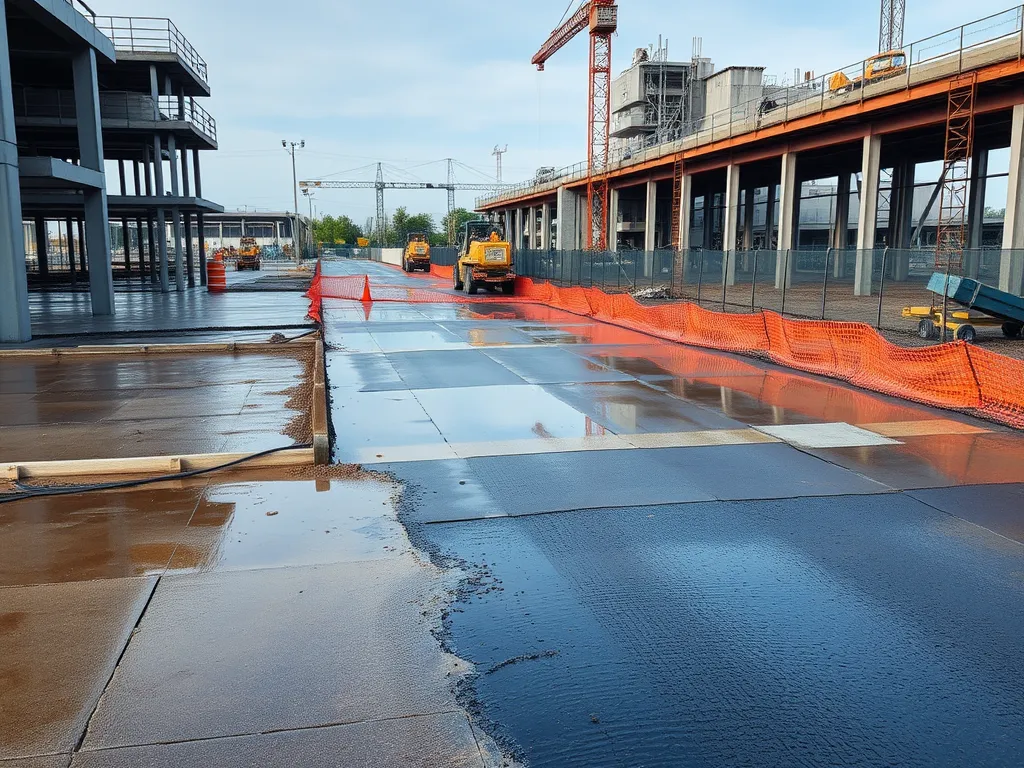
Material costs and maintenance demands directly impact flood zone suitability. Flooding accelerates wear, making budget planning vital for roads and driveways.
Initial Installation Costs
Asphalt costs $2.50-$4.50 per square foot installed—40-60% less than concrete ($4-$8 per square foot). Bitumen-based mixes require less energy to produce than Portland cement, cutting labor and material expenses. Contractors install asphalt in 24-48 hours versus concrete’s 7-day curing period, reducing weather-related delays in flood-prone regions.
| Material | Cost Per Sq.Ft. | Installation Time |
|---|---|---|
| Asphalt | $2.50-$4.50 | 1-2 days |
| Concrete | $4-$8 | 7+ days |
Polymer-modified asphalt (asphalt mixed with plastic additives) raises initial costs by 15-20% but remains cheaper than concrete. Permeable concrete options start at $10 per square foot, limiting flood zone feasibility.
Long-term Maintenance Expenses
Flood damage repairs favor asphalt. Hydrostatic pressure cracks concrete slabs, requiring full replacements at $8-$12 per square foot. Asphalt’s flexibility allows spot repairs for $1.50-$3.00 per square foot. Sealcoating asphalt every 3-5 years costs $0.15-$0.25 per square foot—far below concrete’s joint resealing and anti-slip treatments.
| Task | Asphalt Cost | Concrete Cost |
|---|---|---|
| Crack repair | $1.50-$3.00 | $4-$6 |
| Full replacement | $3.00-$5.00 | $8-$12 |
Over 20 years, concrete maintenance averages 70% higher costs in flood zones. Erosion under concrete slabs from water infiltration adds $1,000-$5,000 per project for mudjacking or stabilization.
Surface traction differences further impact flood safety costs—a key factor explored next.
Surface Performance in Wet Conditions
When floods hit, road surfaces face harsh tests. Traction and slip risks can make or break safety. Both asphalt and concrete act different when wet.
Asphalt’s Enhanced Traction During Flooding
Asphalt’s rough face gives tires more grip in floods. The mix of stone, sand, and bitumen forms a bumpy top. This cuts skid risks by up to 30% vs smooth slabs. PG binders (like PG 64-22) add stick even when soaked. Tests show wet asphalt roads cut crash rates by half vs concrete in storm zones.
Concrete’s Slippery Surface Risks
Concrete slabs get slick fast under water. Their flat finish lacks the grit that slows slides. Wet concrete roads see 40% more skid calls than asphalt. Polished spots from wear make it worse over time. Hydroplaning risks jump when floods hide these zones.
While surface grip is key for safety, how these materials handle water over time also impacts their green footprint.

Environmental Considerations
Material choices in flood zones impact ecosystems and resource management. Both asphalt and concrete affect land use differently under repeated water exposure.
Recyclability Of Asphalt Materials
Asphalt leads with 95% recyclability rates through Reclaimed Asphalt Pavement (RAP) systems. Crushed material gets reheated at 300°F-350°F for reuse, cutting virgin aggregate needs by 40%. Concrete recycling reaches 80% but requires energy-intensive crushing (1,200-1,500 psi pressure) and often downgrades to road base rather than new pavements.
| Material | Recycle Rate | Energy Savings | Landfill Impact |
|---|---|---|---|
| Asphalt | 95% | 32% less fuel | 75M tons diverted yearly |
| Concrete | 80% | 18% less fuel | 45M tons diverted yearly |
Runoff Management Comparisons
Porous asphalt reduces stormwater runoff by 50-75% with infiltration rates of 300-500 inches/hour. Its 16%-20% void structure stores 0.5-1 gallon/square foot during floods. Traditional concrete slabs create 90% runoff, increasing erosion risks. Permeable concrete options exist but cost 30% more than porous asphalt and clog faster.
Asphalt’s dark surface also aids snowmelt in cold floods, cutting salt use by 25% compared to light-colored concrete. New polymer-modified mixes now filter 85% of heavy metals from runoff before groundwater reaches aquifers.
These environmental factors set the stage for advanced asphalt treatments that boost flood resilience.
Enhancing Asphalt Performance in Flood Zones
Flood-prone regions require surfacing solutions built to handle repeated water exposure. Modern engineering methods improve traditional pavement performance under extreme wet conditions.
Advanced Waterproofing Treatments
Specialized sealants boost asphalt’s natural water resistance. Bituminous emulsions penetrate surface voids, forming tight seals against moisture. Polymer-modified coatings like styrene-butadiene-styrene (SBS) create flexible membranes that block water while allowing minor shifts without cracking. Treatments cut water infiltration by up to 40% compared to untreated surfaces. Costs range from $0.50-$1.50 per square foot, depending on product type.
Modified Asphalt Mixes for Water Resistance
Innovative mixes combine aggregates with additives for better flood resilience. Rubberized asphalt integrates recycled tire rubber (10-22% content), improving flexibility under hydrostatic pressure. Open-graded friction courses (OGFC) feature 15-25% air voids, letting water drain through at rates up to 300 inches per hour. Some blends use PG 76-22 binders designed for prolonged submersion. These mixes outperform standard concrete in freeze-thaw cycles by 30%.
These advancements position modern asphalt as the stronger choice for flood-prone zones—especially when considering repair costs. Next, let’s break down budget impacts over time.
Frequently Asked Questions
Is Asphalt or Concrete Better for Flood-prone Areas?
Asphalt is generally considered better for flood-prone areas due to its flexibility, superior drainage capabilities, and easier repair processes compared to concrete, which is more rigid and prone to cracking under stress.
Why Does Texas Use Concrete Instead Of Asphalt?
Texas may use concrete in some applications due to its durability in dry conditions and lower initial installation costs. However, its performance in flood-prone areas can be limited, leading to potential long-term repair challenges.
What Makes Asphalt More Suitable Than Concrete for Flooding?
Asphalt’s enhanced flexibility allows it to adjust under hydrostatic pressure, effectively minimizing cracks and damage. Additionally, its permeable designs enable rapid water drainage, greatly reducing the risk of water pooling and associated erosion.
Does Asphalt Get Washed Away in Floods?
While asphalt can erode under extreme conditions, its flexible structure typically helps it withstand the forces of flooding better than concrete. It is less likely to wash away if properly installed with adequate drain systems in place.
How Do Maintenance Costs Compare Post-flooding?
Post-flooding maintenance costs for asphalt are significantly lower compared to concrete. Asphalt repairs can be completed quickly and at a fraction of the cost, while concrete often requires extensive and more expensive full replacements after flood damage.
Final Words
Choosing the right material for flood-prone areas is vital. Asphalt offers significant advantages over concrete, especially in terms of flexibility, drainage, and ease of repair. Its superior ability to manage water and reduce erosion makes it a preferable option in wet conditions. Concrete, while durable, often suffers from water damage and has a greater risk of slip hazards during flooding.
Cost is another factor. Asphalt installation costs can be lower and maintenance more manageable, especially post-flood. As urban planning increasingly focuses on sustainability, the recyclability of asphalt adds to its appeal. Selecting the best material not only protects infrastructure but also enhances public safety.
For more information on asphalt’s performance in flood-prone areas, visit Asphalt Calculator USA.
Additional Resources for You:
- Yoder, E. J., & Witczak, M. W. (1975). Principles of Pavement Design (2nd ed.). New York, NY: Wiley.
- Concrete or Asphalt: Which Is Better? | K&E Flatwork
- Asphalt vs. Concrete Driveways: Which is Better for Your Home? – Consumer Info
- Concrete vs Asphalt Roads: Pros and Cons of Each – Perrin Construction
- Flood Damage-Resistant Materials Requirements