Sealcoating Vs Resurfacing: Protect or Repair Your Asphalt Driveway?
Published on: April 11, 2026 | Last Updated: April 14, 2025
Written By: George Voss
Sealcoating and resurfacing are two asphalt maintenance methods with distinct purposes. Sealcoating applies a protective coal-tar or asphalt-emulsion layer (1.5-2 mm thick) to shield against UV rays, oil spills, and water penetration. Resurfacing installs a new 1.5-2 inch asphalt layer over existing pavement to fix cracks and restore structural integrity. Sealcoating costs $0.15-$0.25 per square foot and is used for surface protection. Resurfacing costs $1.50-$3.00 per square foot and addresses deeper damage. Choose sealcoating for minor wear like fading or small cracks. Opt for resurfacing when dealing with potholes, alligator cracks, or drainage issues.
This article explains how to pick between these options for your driveway. We compare materials like polymer-modified sealants vs hot-mix asphalt aggregates. Explore cost differences based on labor, square footage, and climate impacts. Learn why sealcoating lasts 2-3 years versus resurfacing’s 8-12 year lifespan. Get actionable tips to identify early damage signs and avoid costly asphalt replacement.
Understanding Sealcoating and Resurfacing for Asphalt
Both methods boost asphalt life but work at different levels. Let’s break them down.
What is Sealcoating?
Sealcoating spreads a thin layer (1/8 inch) over asphalt. Made of coal tar or asphalt-based emulsions, it shields surfaces from wear. Think of it as sunscreen for driveways.
Purpose and Applications of Asphalt Sealcoating
It stops water seepage, blocks UV rays, and hides minor flaws. Use it every 2-3 years on driveways with small cracks or fading. Works best as a shield, not a fix for deep damage. Costs $0.15-$0.25 per sq ft.
What is Asphalt Resurfacing?
Resurfacing adds a fresh asphalt layer (1.5-2 inches) over worn pavement. Uses hot mix asphalt (HMA) with PG 64-22 binders. Tackles structural issues sealcoating can’t fix.
Purpose and Applications of Asphalt Resurfacing
Repairs cracks deeper than 1/4 inch, fixes drainage issues, or levels uneven surfaces. Ideal for driveways with base layers still intact. Costs $2-$5 per sq ft and lasts 8-15 years.
Knowing when to use each method depends on your asphalt’s state. Next, we’ll compare their core differences head-to-head.
Key Differences Between Sealcoating and Resurfacing
Sealcoating vs resurfacing serve distinct roles in asphalt care. Let’s break down their core contrasts.
Primary Purpose and Functionality
Sealcoating shields asphalt. It blocks water, sun rays, and oil spills. Resurfacing fixes worn layers. It adds a fresh asphalt coat (1.5-2 inches thick) over damaged bases. One prevents harm. The other repairs it.
Application on Driveways: Scope and Limits
Sealcoating works for driveways with mild wear. Use it if cracks are thin (less than ¼ inch). Resurfacing handles deeper cracks, potholes, or uneven surfaces. But if the base layer fails, neither works—full replacement is needed.
Materials and Methods Used
Sealcoating uses liquid mixes: coal tar or asphalt emulsion. Applied by spray, brush, or squeegee. Resurfacing needs hot mix asphalt (HMA) with PG 64-22 binder. Spread via paver machines, then compacted with rollers.
Cost Check: Sealcoating Vs Resurfacing
| Method | Cost per Sq.Ft | Avg Driveway (500 sq.ft) |
|---|---|---|
| Sealcoating | $0.15-$0.25 | $75-$125 |
| Resurfacing | $1.50-$3.00 | $750-$1,500 |
Lifespan: How Long Each Lasts
Sealcoating lasts 2-3 years. Resurfacing holds 8-15 years, based on traffic and climate. Both need care—sealcoating every 2 years, resurfaced driveways need crack fills yearly.
Now, let’s weigh the pros and cons of each method for your driveway needs.
Pros and Cons Of Sealcoating Asphalt Driveways
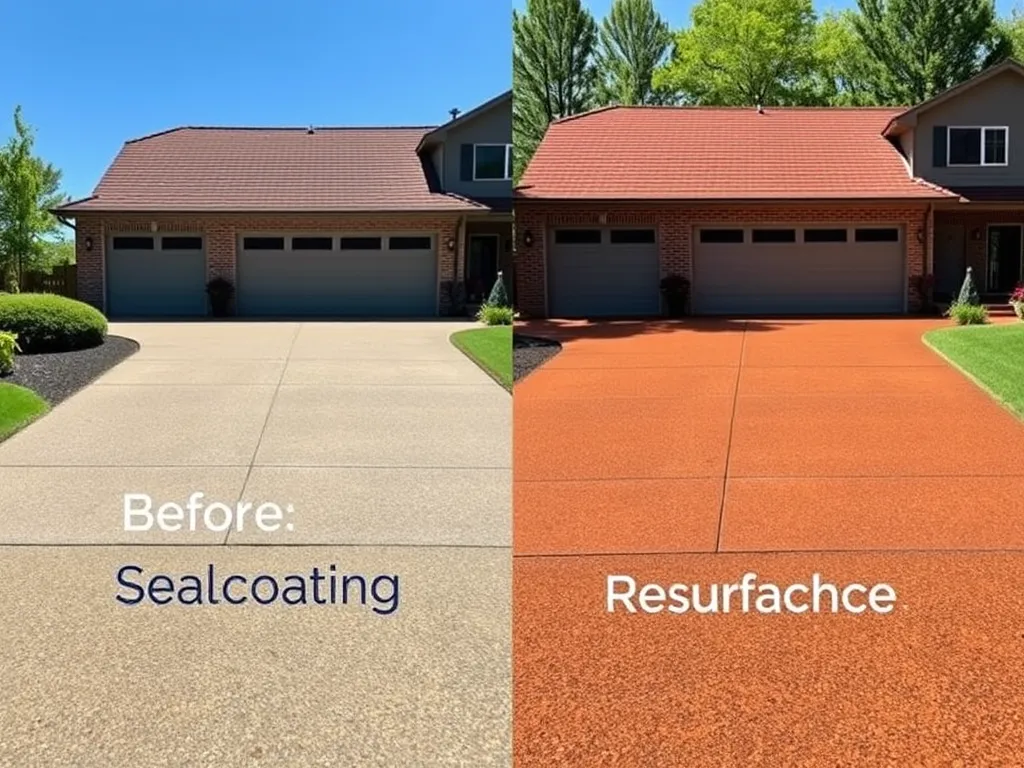
Sealcoating serves as a maintenance tool for asphalt surfaces, but it’s not a fix for every driveway issue. Let’s break down its strengths and weaknesses in the sealcoating vs resurfacing debate.
Advantages Of Sealcoating
Sealcoating costs $0.15–$0.25 per sq.ft., making it 80–90% cheaper than resurfacing. This thin protective layer uses asphalt binder or coal tar to block UV rays, slowing oxidation that causes cracks. It also repels water, reducing freeze-thaw damage in colder climates. Fresh sealant restores a jet-black finish, boosting curb appeal with minimal downtime—driveways cure in 12–24 hours.
Disadvantages Of Sealcoating
Sealcoating won’t repair cracks wider than ¼ inch or fix structural issues like potholes. The coating lasts 2–4 years, requiring reapplication every 24–36 months. Coal tar sealants contain polycyclic aromatic hydrocarbons (PAHs), which some states restrict due to environmental risks. Improper application can trap moisture beneath the seal, accelerating asphalt degradation.
Sealcoating works best for surface-level protection, but deeper damage demands stronger solutions. Next, let’s explore when resurfacing becomes the smarter choice for driveways.
Also See: Innovations in Bitumen Additives for Road Construction
Pros and Cons Of Resurfacing Asphalt Driveways
Resurfacing (also called asphalt overlay) adds a fresh 1.5″-2″ layer of asphalt over existing pavement. It bridges moderate cracks, restores smoothness, and extends driveway life by 8-15 years. But how does it stack up against sealcoating in real-world applications?
Advantages Of Resurfacing
Resurfacing tackles issues sealcoating can’t fix. It repairs alligator cracking, minor base shifts, and surface irregularities deeper than ¼”. Costs average $3-$7 per square foot—far less than full replacement ($8-$15). The process takes 1-2 days and reuses your existing base layer, cutting material waste by 40% compared to new installations.
Resurfaced driveways gain UV and water resistance from fresh asphalt mixes containing polymer-modified binders. This creates a uniform surface that lasts 2-3 times longer than sealcoating alone. It also increases curb appeal: a jet-black finish hides stains and patch repairs.
Disadvantages Of Resurfacing
Resurfacing fails if your driveway has severe base damage, drainage issues, or utility cuts. Adding 2″ of asphalt may raise the surface level, creating trip hazards near garage entries or sidewalks. Costs run 10x higher than sealcoating ($0.15-$0.25 per sq ft), making it overkill for minor oxidation or hairline cracks.
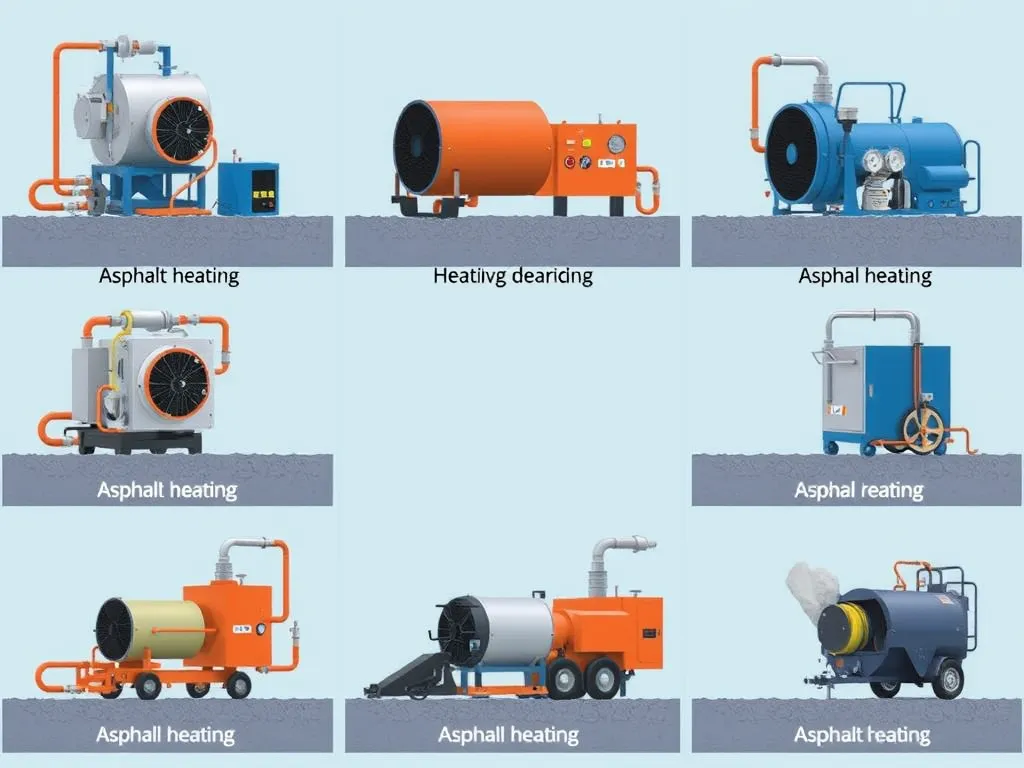
Poorly compacted overlays develop ruts under heavy vehicles. The new layer also bonds to existing asphalt—if your driveway has uneven settling, defects resurface within 1-2 years. Unlike sealcoating, resurfacing requires professional equipment like infrared heaters and asphalt pavers.
Understanding these tradeoffs helps determine whether resurfacing suits your driveway’s condition—or if sealcoating provides sufficient protection. Next, we’ll break down scenarios where each solution excels.
When to Choose Sealcoating for Your Driveway
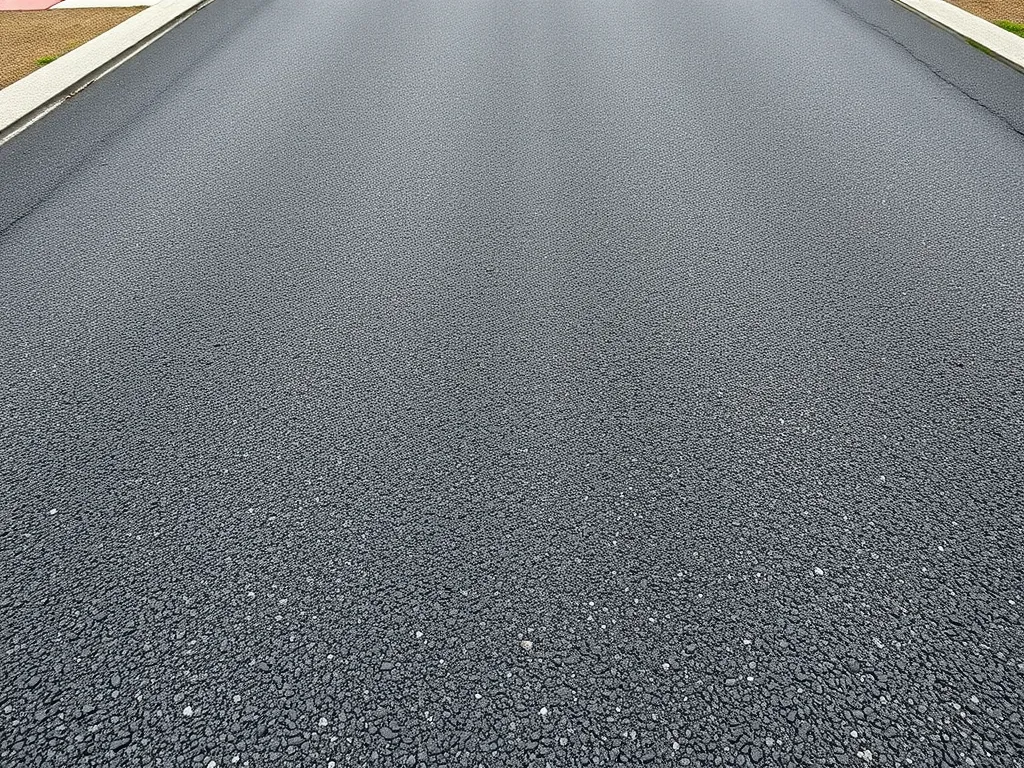
Sealcoating works best for driveways needing surface-level care, not structural fixes. It acts like sunscreen for asphalt, blocking UV rays, water, and chemicals that break down the binder (bitumen). Use it when damage hasn’t reached the base layers.
Signs Your Asphalt Needs Sealcoating
Look for these indicators that sealcoating is the right choice:
- Fading color: Grayish tones replace the original black, signaling binder erosion.
- Hairline cracks (less than ¼ inch wide): These haven’t penetrated the asphalt base yet.
- Rough texture: Aggregate exposure due to surface wear.
Sealcoating fills minor cracks, restores flexibility, and slows aging. It won’t fix potholes, alligator cracks, or sinking areas.
Preventative Maintenance Scenarios
Apply sealcoating every 2-3 years to extend driveway life. Key times include:
- After installing new asphalt (wait 6-12 months for curing).
- Following crack repairs or patching to lock fixes in place.
- Before winter to shield against freeze-thaw cycles.
Sealcoating costs $0.15-$0.25 per square foot, making it budget-friendly for routine care. It blocks 80% of UV damage and reduces water absorption by 50%, per National Asphalt Pavement Association data.
If your driveway shows deeper issues like potholes or uneven surfaces, resurfacing may be necessary.
When to Choose Resurfacing for Your Driveway
Resurfacing becomes the go-to solution when asphalt damage moves past surface-level wear. This process involves laying a fresh 1.5-2 inch asphalt layer over existing pavement – a mid-level repair between sealcoating and full replacement.
Signs Your Asphalt Needs Resurfacing
Watch for these red flags: spiderweb-like alligator cracks covering 25%+ of the surface, potholes deeper than 2 inches, or standing water pooling in multiple areas. Faded asphalt with exposed aggregates and raveling (loose stones) also signals structural decline. Sealcoating can’t fix these – they require material replacement.
Addressing Structural Damage
Resurfacing tackles three core issues sealcoating can’t: base layer failure, surface deformation exceeding 1/2 inch depth, and severe oxidation. Contractors mill damaged areas, apply tack coat binder (PG 64-22 grade), then compact hot mix asphalt at 300°F. Costs range $3-$7 per square foot depending on regional material prices and labor rates.
While sealcoating vs resurfacing driveway decisions often hinge on budget, remember: patching 5+ cracks or filling 3+ potholes typically costs more than resurfacing. For driveways over 8 years old with widespread damage, overlaying fresh asphalt proves more cost-effective long-term.
With repair scope and material choices clarified, let’s break down the financial aspects of seal coating vs resurfacing in the next section.
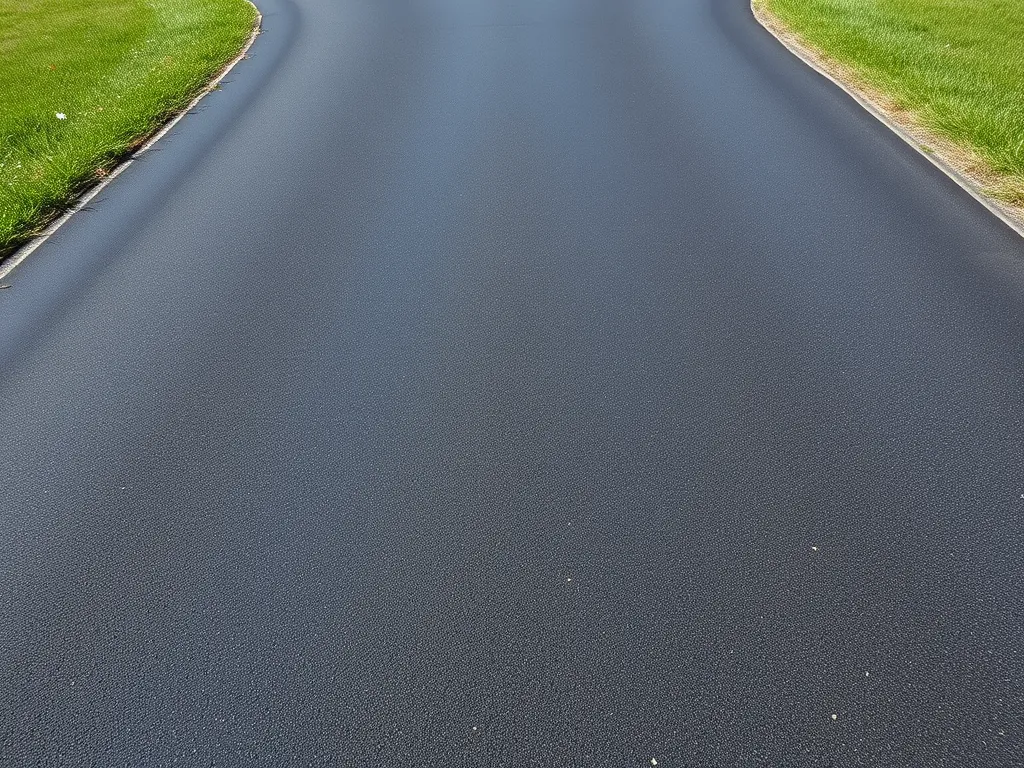
Cost Analysis: Sealcoating Vs Resurfacing
Budget planning requires grasping the financial differences between these two methods. Prices vary based on project specifics, materials, labor, and site conditions.
Factors Influencing Sealcoating Costs
Sealcoating typically runs $0.14–$0.25 per square foot. For a standard 1,500 sq.ft. driveway, expect $210–$375. Key variables include:
- Driveway size: Larger surfaces need more material.
- Material type: Coal-tar sealer ($20–$35 per 5-gallon pail) costs more than asphalt emulsion ($15–$25).
- Labor rates: Regional differences impact pricing—contractors charge $50–$75 hourly in most zones.
- Prep work: Fixing cracks or cleaning debris adds $0.05–$0.10 per sq.ft.
- Frequency: Reapplying every 2–3 years cumulatively affects long-term budgets.
Factors Influencing Resurfacing Costs
Resurfacing costs $3–$7 per sq.ft., totaling $4,500–$10,500 for 1,500 sq.ft. Variables include:
- Layer thickness: Adding 1.5–2 inches of new asphalt requires more binder.
- Material composition: High-quality mixes with polymer-modified binders boost costs by 15–20%.
- Labor intensity: Pavers, rollers, and crews drive up expenses—installation takes 1–3 days.
- Base repairs: Fixing subsurface issues like potholes or drainage adds $1–$3 per sq.ft.
- Geographic location: Crushed stone prices range from $12–$18 per ton in Texas vs $18–$25 in New York.
While costs steer decisions, longevity plays just as big a role in planning. Next, we’ll break down how long each method protects your pavement.
Lifespan and Durability
When weighing sealcoating vs resurfacing, how long each method lasts plays a key role. Both protect driveways but work at different levels.
How Often Should You Sealcoat?
Sealcoating shields asphalt every 2-3 years. Sun, rain, and cars wear down the top layer. Fresh sealant blocks UV rays and slows cracks. Use coal tar emulsion (a common sealant) for best grip. Skip it if your drive has deep splits or base flaws – sealcoating can’t fix those.
How Long Does Resurfaced Asphalt Last?
Resurfacing adds a new 1.5-2 inch layer over old asphalt. Done right, it lasts 8-15 years. The key? A solid base. Freeze-thaw cycles or poor drainage cut this span. Resurfaced driveways outlast sealcoated ones 3-to-1 but cost 5x more per sq.ft.
Proper care after treatment keeps your pick working longer. Let’s explore how to guard your sealed or resurfaced drive.
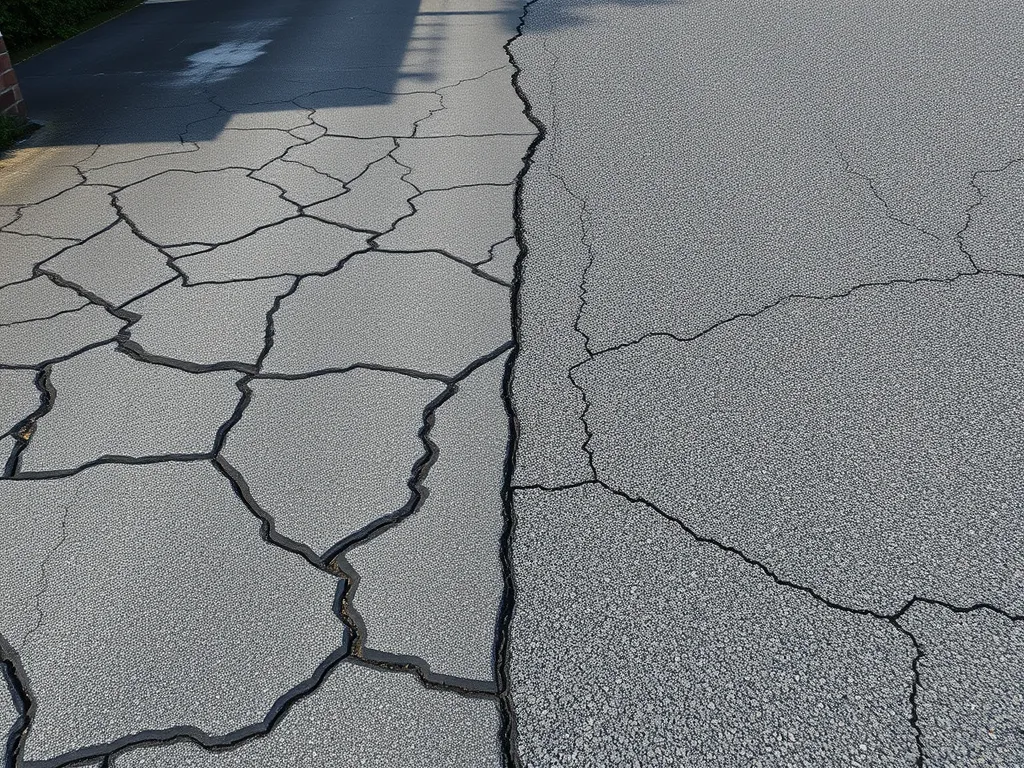
Maintenance Tips After Sealcoating or Resurfacing
Preserve newly treated asphalt driveways with targeted care strategies. Proper upkeep varies between sealcoating vs resurfacing, requiring distinct approaches to maximize results.
Protecting Your Investment
Newly seal-coated driveways need 24-48 hours to cure. Avoid parking vehicles or placing heavy objects during this period. Use gentle cleaning methods – power washers exceeding 1,500 PSI can strip fresh sealant. For resurfaced driveways, wait 3-5 days before regular use. Address cracks wider than 1/4″ quickly with rubberized filler to prevent water infiltration.
Apply these measures for both methods:
- Clear debris weekly with stiff-bristle brooms ($10-$25 at hardware stores)
- Use asphalt-safe deicers like calcium chloride ($0.70/lb) instead of rock salt
- Reapply sealant every 2-3 years at $0.15-$0.25 per square foot
Environmental Considerations
Traditional sealcoat formulas contain coal tar – a potential pollutant linked to PAH contamination. Many states now mandate low-VOC alternatives like asphalt emulsion sealers. Resurfacing projects can incorporate 15-30% recycled asphalt pavement (RAP), reducing virgin material use by 2-3 tons per 1,000 sq ft.
Eco-conscious options:
- Bio-based sealers with soybean oil binders ($0.30-$0.40/sq ft)
- Permeable resurfacing mixes allowing 300-800 inches/hour drainage
- Night applications during cooler temperatures to limit VOC emissions
Proper care extends pavement life by 5-8 years. For common queries about sealcoating vs resurfacing methods, explore our FAQ section next.
Sealcoating Vs Resurfacing: Frequently Asked Questions (FAQs)
Is Sealcoating the Same As Resurfacing?
No, sealcoating and resurfacing are not the same. Sealcoating is a protective layer applied to existing asphalt surfaces to guard against wear and weathering, while resurfacing involves adding a new layer of asphalt to repair deeper damage and improve the overall integrity of the pavement.
Should I Seal or Resurface My Driveway?
This decision depends on the condition of your driveway. Sealcoating is suitable for minor surface wear and superficial cracks, while resurfacing is recommended for more severe damage such as deep cracks, potholes, or significant wear that has affected the driveway’s structure.
What Are the Disadvantages Of Sealcoating?
Some disadvantages of sealcoating include its inability to repair deep cracks or structural damage, a limited lifespan of 2-4 years before reapplication is needed, and potential environmental concerns due to the chemicals used in certain sealants. Additionally, improper application can lead to moisture being trapped under the sealant, which can cause faster deterioration of the asphalt.
Closing Thoughts
Choosing between sealcoating and resurfacing depends on the specific condition of your asphalt driveway and your maintenance goals. Sealcoating is ideal for protective measures, enhancing appearance and preventing damage from weather and UV rays. In contrast, resurfacing addresses more serious issues like structural damage, providing a thicker layer to restore and extend the lifespan of your pavement.
Evaluate factors such as the condition of your asphalt, budget constraints, and how much time you can dedicate to maintenance. Both methods offer distinct advantages and considerations, but knowing when to apply each can lead to better long-term results.
For more detailed information and tools to assist with your asphalt needs, visit Asphalt Calculator USA.