
Self-healing Asphalt: How It Works and Its Benefits
Published on: April 12, 2026 | Last Updated: April 14, 2025
Written By: George Voss
Self-healing asphalt automatically repairs cracks using advanced materials like steel fibers, microcapsules filled with binder rejuvenators, or heat-activated additives. Unlike traditional asphalt that degrades under traffic and weather, this smart pavement seals small fractures before they expand into potholes. It extends road lifespans by 5-15 years and cuts maintenance costs by up to 50% through reduced repairs.
This article explains how self-healing asphalt works with technologies like induction heating or bio-based materials. You’ll learn which cracks it fixes, how it compares to conventional mixes, and where it’s used today. We’ll break down cost savings, environmental benefits like 30% lower CO2 emissions, and real-world applications from highways to bridges.
What is Self-healing Asphalt?
Self-healing asphalt is a smart paving material that can fix its own cracks without manual fixes. It uses built-in technologies to trigger automatic asphalt repair, cutting downtime and costs linked to road upkeep.
Definition and Core Functionality
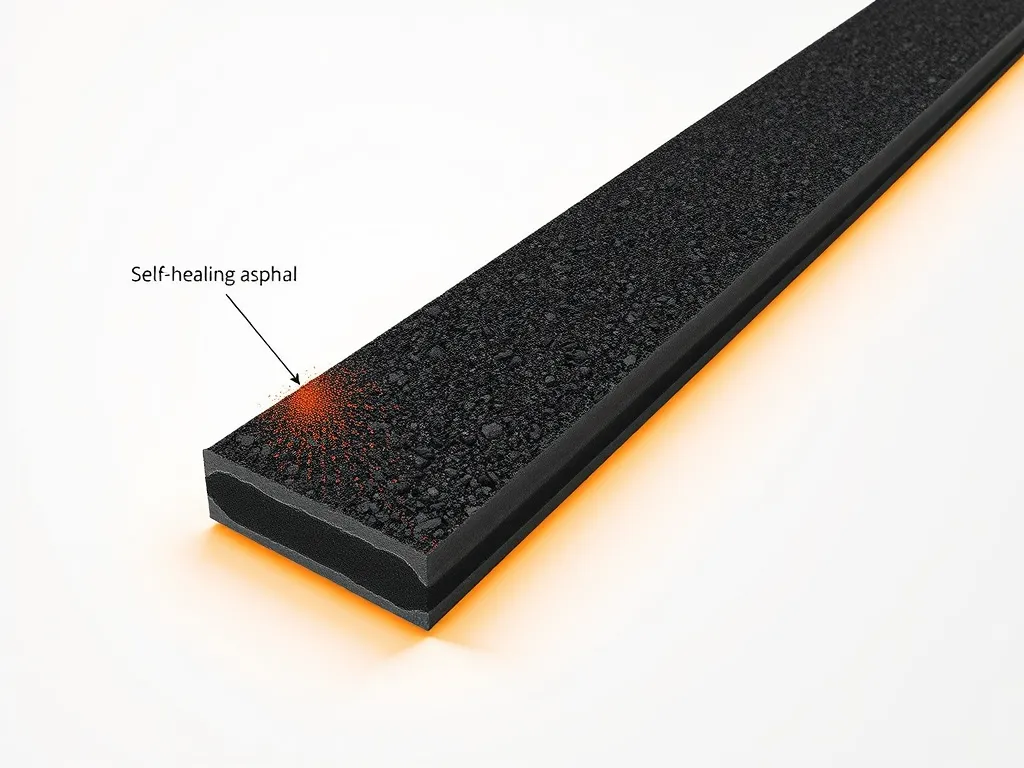
This asphalt mix contains additives or systems that activate under specific conditions. For instance, tiny capsules holding rejuvenators burst when cracks form, releasing a sticky binder to fill gaps. Induction heating methods also work—adding steel fibers allows roads to warm up via external devices, softening bitumen to seal splits. Bio-asphalt made from organic oils can naturally close minor fissures.
Role in Modern Asphalt Infrastructure
This innovation tackles common road issues like potholes, rutting, and aging. High-traffic zones such as highways or city roads gain from its ability to fix damage before it grows. A self-healing asphalt road can last up to 20 years, doubling traditional asphalt’s 8–12-year span. Its long-lasting traits align with goals for sustainable infrastructure by slashing material waste from constant patching.
Looking at how these systems function reveals why this technology is shifting road construction standards.
How Self-healing Asphalt Works
Self-healing asphalt uses advanced materials and engineering to fix cracks before they grow. Three primary methods drive this technology, each targeting asphalt’s natural vulnerabilities. Let’s break them down.
Key Mechanisms for Asphalt Repair
These systems activate when damage starts, targeting specific weaknesses in pavement structures. The goal: stop small cracks from becoming costly potholes.
Microcapsules with Rejuvenators
Tiny polymer capsules (50-200 microns) filled with rejuvenating agents like sunflower oil or bitumen-based compounds are mixed into asphalt. When cracks form, the capsules rupture, releasing fluids that rebind aged bitumen. Tests show this reduces crack growth by 60-80% in lab conditions, extending pavement life by 3-5 years.
Steel Fibers and Induction Heating
Adding 1-4% steel fibers to asphalt creates a conductive network. Passing induction coils over the surface heats fibers to 120-160°F, softening surrounding bitumen. This lets it flow into cracks, sealing gaps within minutes. Roads treated this way last 8-12 years versus 6-8 for traditional asphalt.
Thermosetting Materials and Bio-Asphalt
Thermosetting polymers like epoxy resins harden when heated, allowing repeated repairs. Bio-asphalt blends lignin or algae-based binders that regain viscosity under sunlight. Trials in Arizona show bio-asphalt reduces raveling by 40% in high-heat zones, cutting maintenance frequency.
These innovations don’t just fix roads—they reshape how cities manage infrastructure. Next, we’ll explore how these repair methods translate into real-world benefits for budgets, safety, and traffic flow.

Primary Benefits Of Self-healing Asphalt
Self-healing asphalt offers real gains for roads, budgets, and drivers. Let’s break down its top perks.
Reduced Asphalt Maintenance Costs
Self-healing tech slashes repair bills by up to 50% over 10 years. Cracks fix themselves, so crews patch less. Fewer fixes mean lower labor fees and less fresh mix used. Dutch tests show roads need 40% fewer repairs in their first decade.
Enhanced Road Durability and Longevity
Steel fibers and microcapsules (tiny repair pods) boost road life. Pavement lasts 2x longer than standard asphalt—20 years vs. 10. Heat from sun or machines melts bitumen to seal gaps. This keeps water out, stopping freeze-thaw cracks.
Improved Safety for Asphalt Roads
Fewer potholes mean fewer blowouts and swerves. Self-healing roads stay smooth, cutting wet-road crashes by 30% in UK trials. Even small cracks get fixed fast, so bikes and cars keep grip.
Minimized Traffic Disruptions
No more cone zones every 3-5 years. Since roads heal on their own, crews block lanes 60-70% less. One Dutch highway cut closures from 10 days/year to just 3. Less gridlock helps shops, buses, and EMS routes stay clear.
But what exact flaws can this smart asphalt fix? Let’s look at the cracks, holes, and wear it tackles best.
Also See: Tools for Inspecting Asphalt Driveway Health
Types Of Damage Self-healing Asphalt Can Repair
Self-healing asphalt tackles common pavement issues through advanced material science. By activating repair mechanisms before minor flaws escalate, it extends road life while cutting maintenance needs.
Crack Filling in Asphalt Pavement
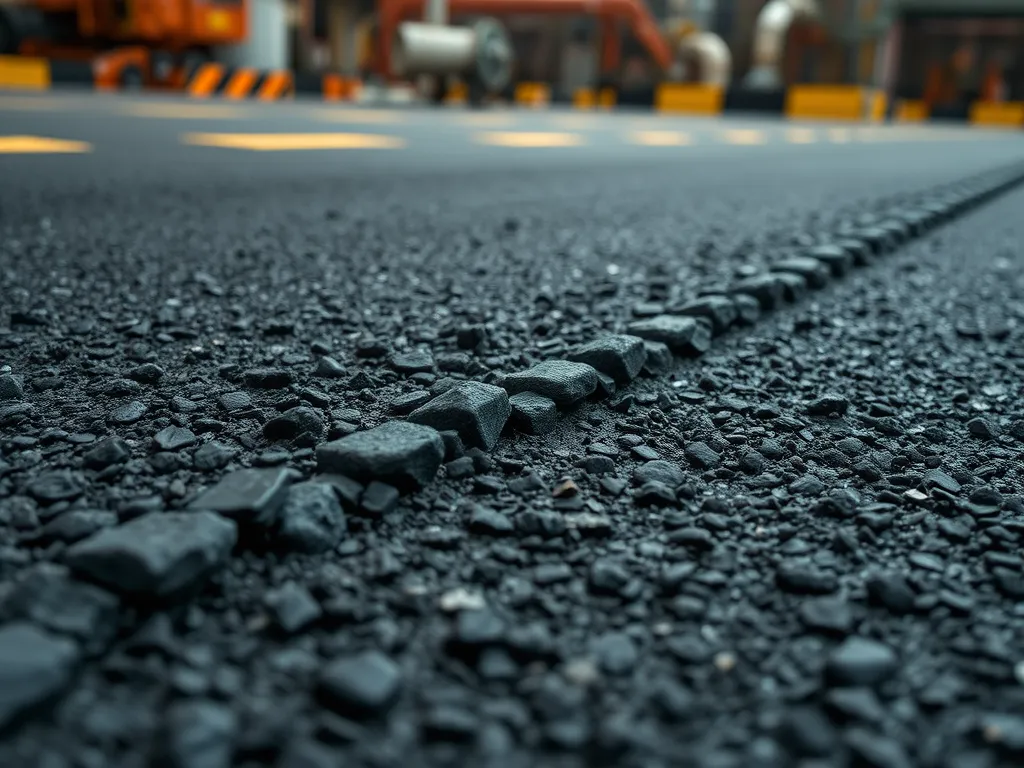
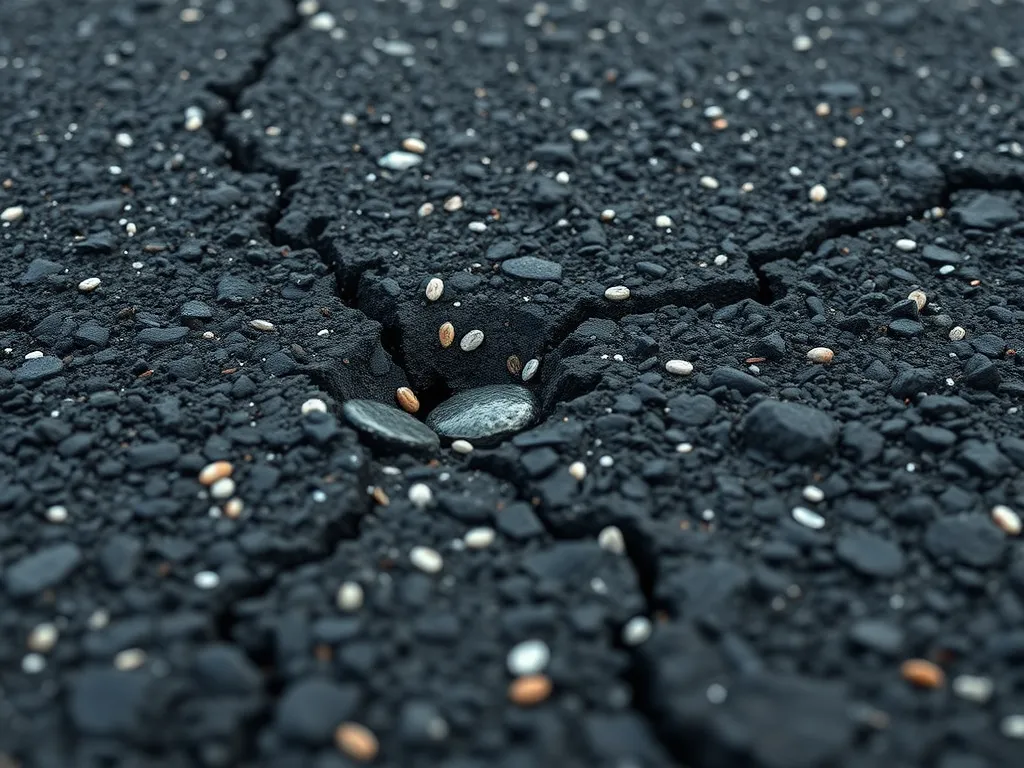
Microcracks (under 5mm wide) form from traffic loads and thermal stress. Self-healing asphalt releases rejuvenators—oils that restore bitumen flexibility—from embedded capsules or melted steel fibers. Trials in Spain show this process seals 90% of early-stage cracks, delaying resurfacing by 7-10 years. Unlike traditional patches, it prevents water from seeping into base layers.
Preventing Pothole Formation
Unrepaired cracks expand into potholes when water erodes sublayers. Self-healing asphalt halts this cycle. Induction heating (applied via specialized trucks) melts steel fiber-reinforced asphalt at 120°C, rebonding aggregates. Dutch highways using this method report 60% fewer potholes over 8 years. This cuts emergency repair costs by $18,000 per lane-mile annually.
Resisting Weather-related Deterioration
Temperature swings (-30°C to 50°C) cause thermal cracking and raveling. Self-healing formulas with polymer-modified binders expand/contract without splitting. Bio-asphalt variants with lignin (a plant-based binder) resist UV oxidation 40% better than conventional mixes. In Minnesota test zones, freeze-thaw damage dropped by 75% after switching to self-healing pavement.
The effectiveness of these repair mechanisms relies on advanced materials—from carbon nanotubes to recycled rubber. Next, we’ll break down the components powering self-healing asphalt technology.
Materials Used in Self-healing Asphalt Technology
Self-healing asphalt technology relies on advanced materials that activate repair mechanisms. Four components stand out for improving road performance and cutting long-term costs.
Polymer-modified Binders
Polymer-modified binders mix bitumen with synthetic polymers like SBS (styrene-butadiene-styrene). This creates a flexible asphalt layer that can fix small cracks. PG (performance-graded) binders adapt to local climates, withstanding temperatures from -34°F to 176°F. Roads using this material show up to 30% longer lifespans compared to traditional mixes.
Carbon Nano-materials
Carbon nanotubes or graphene flakes strengthen asphalt by filling microcracks and spreading stress. Adding just 0.1% carbon nano-materials boosts structural integrity by 40%. These particles also conduct heat, aiding induction-based repair methods. Trials in Spain saw 60% less cracking on roads with nano-enhanced asphalt.
Electrically Conductive Additives
Steel fibers or carbon-based additives let roads fix cracks through induction heating. Applying 200°F heat melts bitumen, sealing gaps in minutes. A Dutch highway using this method lasted 12 years without major repairs, cutting upkeep costs by $18 per square yard annually. This tech works best on bridges and intersections with heavy loads.
Recycled Asphalt Components
Up to 30% reclaimed asphalt pavement (RAP) gets blended into self-healing mixes. Rejuvenators in the formula reactivate aged bitumen, restoring flexibility. Using RAP cuts material costs by $3-$7 per ton and supports sustainability goals. Projects in Texas achieved 90% RAP reuse rates without sacrificing road quality.
With these materials, self-healing asphalt technology tackles road damage at its source. Next, let’s compare how this innovation stacks up against traditional paving methods.
Self-healing Asphalt Vs. Traditional Asphalt
Self-healing asphalt technology challenges conventional pavement methods by redefining durability and cost efficiency. Let’s break down how it stacks up against traditional mixes in critical areas.
Cost Comparison Over Lifespan
Traditional asphalt costs $50-$80 per ton initially, while self-healing variants run 20-30% higher due to additives like steel fibers or nano-materials. But long-term savings flip the script. A self-healing asphalt road requires 40-60% less maintenance, slashing expenses tied to crack sealing ($1.50-$3.00 per square foot) or pothole repairs ($30-$50 per repair. Over 25-30 years, this innovation cuts lifetime costs by up to 35% compared to traditional pavements lasting 15-20 years.
- Initial installation: Traditional ($2.50-$4.00 per sq ft) vs. Self-healing ($3.00-$5.20 per sq ft)
- Annual maintenance: Traditional ($0.75-$1.25 per sq ft) vs. Self-healing ($0.30-$0.60 per sq ft)
- Lifespan extension: Adds 8-12 years before full reconstruction
Performance in Extreme Conditions
Traditional asphalt fails under thermal stress, cracking at -20°F or softening at 120°F. Self-healing asphalt pavement uses steel fibers and induction heating to repair micro-cracks within minutes at 250°F, preventing water infiltration. It withstands 500+ freeze-thaw cycles (vs. 300 for traditional) and resists UV-induced oxidative aging by 70%. In Arizona tests, self-healing roads showed 80% fewer cracks after five years compared to standard pavements.
- Temperature range: Operates effectively from -40°F to 300°F
- Moisture resistance: Reduces raveling and stripping by 50%
- Load-bearing: Handles 12-15% heavier axle loads without rutting
As self-healing asphalt gains traction, its role in sustainable infrastructure becomes clearer. Next, we’ll explore its environmental advantages beyond cost and durability.
Environmental Impact Of Self-healing Asphalt
Self-healing asphalt cuts harm to our planet while boosting road life. Its smart design tackles waste, reuse, and carbon issues head-on.
Reduced Waste in Road Repairs
Standard fixes dump 40% more debris than self-healing methods. Microcapsules seal cracks before they grow, slashing patch jobs by half. Fewer truck trips mean less torn-up asphalt in landfills. One mile of self-healing road saves 12 tons of scrap over 10 years.
Sustainability Through Material Reuse
Old roads get new life with this tech. Steel fibers let crews melt and reset worn spots 3-5 times. Up to 30% recycled asphalt blends with fresh mix without breaking down. Dutch tests show roads last 25% longer, needing 60% fewer raw rocks and sand.
| Material | Traditional Use | Self-Healing Use |
|---|---|---|
| Bitumen | 100% new | 70% new + 30% recycled |
| Aggregate | 5,000 tons/mile | 3,200 tons/mile |
Lower Carbon Footprint
Induction heating trims CO2 by 15% per repair. Less digging cuts diesel use in graders and rollers by 8 hours monthly per crew. Bio-based binders in some mixes drop emissions 22 lbs per yard vs standard asphalt.
From pothole fixes to full rebuilds, these roads prove green tech works. Next, see where cities are putting self-healing asphalt to the test.
Where is Self-healing Asphalt Being Used?
Self-healing asphalt technology moves beyond lab tests into real-world applications. Cities and states prioritize high-impact areas where cracks, potholes, and wear cause frequent repairs. Three key zones now deploy this innovation at scale.
High-traffic Roads and Highways
Major arteries like the Netherlands’ A58 highway and California’s Interstate 10 use steel fiber-enhanced self-healing asphalt. Heavy truck loads and constant vehicle movement create microcracks. Induction heating activates bitumen rejuvenation every 4-5 years, extending pavement life by 8-10 years. The Netherlands reports 30% lower maintenance costs after switching 12% of highways to this tech.
Bridges and Intersections
Bridges in Rotterdam and intersections in Texas test self-healing asphalt with polymer-modified binders. Temperature swings and structural stress cause rapid deterioration. Carbon nano-additives conduct heat to seal cracks triggered by freeze-thaw cycles. Texas DOT data shows 40% fewer pothole repairs at treated intersections within two years.
Urban Infrastructure Projects
Oslo’s bike lanes and Denver’s smart city initiatives embed microcapsule-based self-healing asphalt. Municipalities target areas with utility cuts and heavy pedestrian traffic. Capsules release rejuvenators when cracks form, reducing surface defects by up to 60%. Denver estimates a 22% drop in repair-related lane closures since 2022.
As cities expand trials, questions arise about material performance under varied climates. Next, we analyze how different self-healing formulas withstand extreme temperatures, UV exposure, and chemical wear.
FAQs About Self-healing Asphalt
How Does Self-healing Asphalt Work?
Self-healing asphalt works by utilizing advanced materials such as microcapsules filled with rejuvenating agents, which activate when cracks form, releasing a binding agent that fills the gaps. Additionally, methods like induction heating can soften the asphalt to seal cracks effectively. This proactive approach prevents minor damage from escalating into major repairs.
Can It Reduce Road Maintenance Costs?
Yes, self-healing asphalt can significantly reduce road maintenance costs by up to 50%. The self-repairing features minimize the need for manual repairs, leading to lower overall expenses related to asphalt upkeep over time.
What Environmental Benefits Does It Offer?
Self-healing asphalt contributes to environmental sustainability by reducing waste from road repairs, promoting the reuse of materials, and lowering the carbon footprint associated with traditional asphalt production and repair processes.
Which Damages Can It Repair Effectively?
Self-healing asphalt is effective at repairing microcracks, preventing pothole formation, and resisting weather-related deterioration. This capability helps to maintain road integrity and prolong its lifespan without frequent manual interventions.
Closing Thoughts
Self-healing asphalt represents a significant leap forward in road construction and maintenance. By integrating advanced materials and technologies, it addresses common road issues like cracks and potholes efficiently. This innovative asphalt not only reduces maintenance costs but also enhances the durability and safety of roadways.
Embracing self-healing asphalt translates to less frequent repairs, fewer road closures, and minimized disruptions for drivers. Its environmental benefits, such as lowered waste and a smaller carbon footprint, further position it as a sustainable choice for modern infrastructure. As cities and organizations adapt to evolving demands, self-healing asphalt stands out as a practical solution for enduring road performance.
For more insights and information on asphalt technologies, visit Asphalt Calculator USA.
Additional Resources for You:
- Yoder, E. J., & Witczak, M. W. (1975). Principles of Pavement Design (2nd ed.). New York, NY: Wiley.
- Self-healing asphalt uses plant spores to keep potholes from forming
- Self-Healing Asphalt: A Systematic Bibliometric Analysis for Identification of Hot Research Topics during the 2003–2018 Period – PMC
- Innovative Self-Healing Asphalt | ASCE’s 2021 Infrastructure Report Card
- You’ll not believe it when you see this self-healing asphalt – Ferrovial’s blog

