Sealcoating Frequency Recommendations: Protect Your Asphalt at the Right Time
Published on: April 11, 2026 | Last Updated: April 14, 2025
Written By: George Voss
Sealcoating frequency recommendations determine how often to apply protective coatings to asphalt surfaces. Most experts suggest resealing residential driveways every 2-3 years and commercial parking lots every 1-2 years. This schedule varies based on climate, traffic patterns, and the type of sealant used. Proper timing prevents cracks, resists UV damage, and blocks water infiltration – key factors in preserving pavement integrity.
This guide explains how to create a customized sealcoating plan. You’ll learn how weather extremes, vehicle traffic, and asphalt age impact resealing needs. We break down regional timing differences, compare coal tar versus asphalt-based sealants, and share cost-saving strategies. Discover how to spot warning signs like fading or raveling aggregate that demand immediate action.
Understanding Sealcoating Basics for Asphalt Surfaces
Sealcoating shields asphalt from harm. This thin layer acts like sunscreen and raincoat for pavement. It blocks sun rays, resists fuel spills, and stops water from seeping into cracks.
What is Sealcoating and Why Does Asphalt Need It?
Sealcoating uses coal tar or asphalt-based sealer. These liquid mixes fill tiny pores in the surface. Fresh asphalt needs 6-12 months to cure before first use. After that, timing matters.
Asphalt breaks down from UV light, salt, oil leaks, and tire wear. Each freeze-thaw cycle widens cracks by 0.1-0.3 inches. Sealcoating fights these threats. Proper use adds 10-15 years to pavement life. Costs run $0.15-$0.25 per sq.ft., but skip it and face $3-$7 per sq.ft. for full replacements.
PG binders (performance-graded) and Superpave specs guide modern mixes. These tech terms shape how sealants bond. A 2-coat system works best – 1st layer fills gaps, 2nd seals the shield. Wait 24-48 hours between coats. Let cure 72 hours before driving.
This base layer sets up the need for smart timing. Next, we’ll break down how regular care boosts value and cuts long-term costs.
Benefits Of Regular Asphalt Sealcoating
Consistent sealcoating preserves asphalt integrity while cutting long-term repair costs. Proper frequency shields surfaces from daily wear and environmental stressors.
Protecting Against Weather Damage
Sealcoat acts as a barrier against UV rays, rain, and freeze-thaw cycles. Polymer-modified sealants block water penetration by 95%, preventing cracks from expanding. In regions with heavy snow, annual applications combat salt corrosion and ice damage. Southern states prioritize UV resistance, with sealcoating every 2-3 years to stop asphalt binder degradation.
Extending Pavement Lifespan
Unsealed asphalt lasts 8-12 years, while maintained surfaces survive 15-20 years. Each sealcoating layer replenishes evaporated binders, restoring flexibility. A Penn State study found biennial sealing reduces pothole formation by 72%. Parking lots with quarterly traffic counts above 500 vehicles/day gain 30% more lifespan with 18-month cycles versus 3-year intervals.
Enhancing Curb Appeal
Fresh sealcoat restores asphalt’s deep black finish, increasing property values by up to 7%. Retail centers using coal-tar sealants every 12-18 months report 23% higher tenant retention rates. Residential driveways maintain uniform appearance longer with sealcoating every 3 years, avoiding faded gray patches. Fast-food chains often seal entry lanes twice yearly for brand consistency.
These protective advantages shape ideal sealcoating frequency. Next, we’ll break down specific timelines for driveways, lots, and regional needs.
Recommended Sealcoating Frequency for Asphalt
Sealcoating shields asphalt from wear. The right timing stops cracks, stops fade, and stops costly fixes. Let’s break down when to act.
How Often Should Sealcoating Be Done?
Seal asphalt every 2-3 years. This keeps the top layer strong. Wait 6-12 months for new asphalt. Let oils cure first.
Residential Driveway vs. Commercial Parking Lot Differences
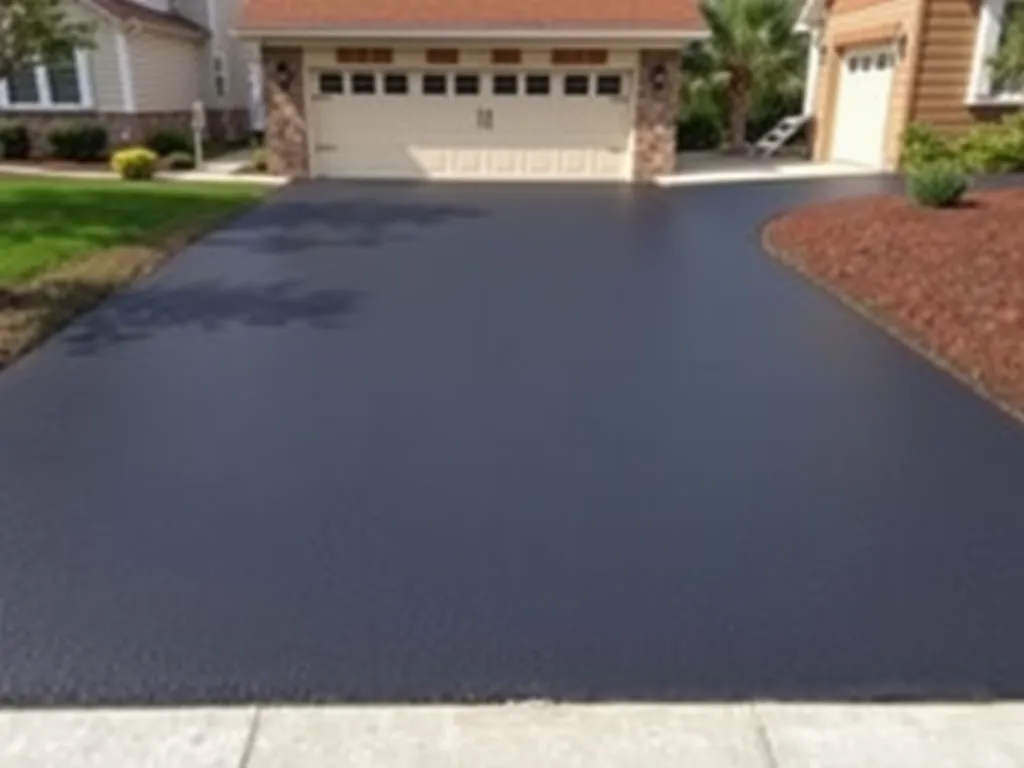
- Driveways: Coat every 3 years with light use
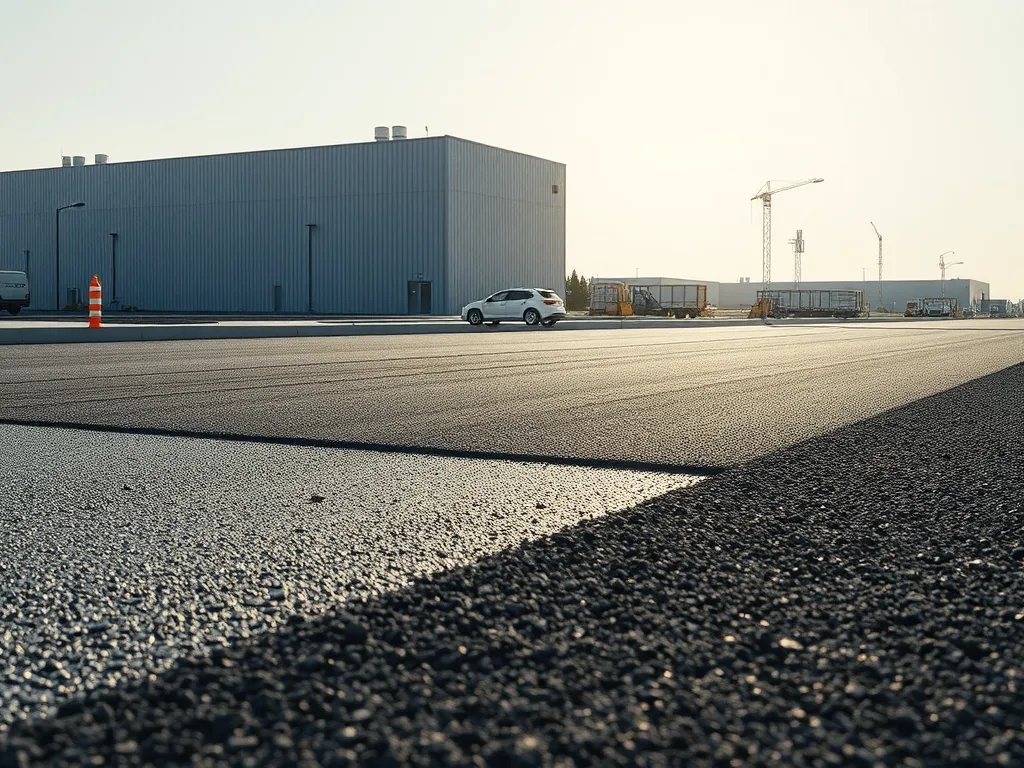
- Parking lots: Coat every 1-2 years
Heavy trucks, oil spills, and high traffic wear lots faster. Check lots twice per year for wear signs.
How Often Should an Asphalt Driveway Be Recoated?
Recoat driveways every 24-36 months. Watch for these clues to act sooner:
- Faded gray color
- Rough texture
- Small cracks (over 1/8″ wide)
Test your coat: Pour water on the slab. If it soaks in fast, reseal now.
What is the Best Month to Seal a Driveway?
Seal blacktop when temps stay 50-85°F. Target May-September in most zones. Avoid these times:
- Under 50°F: Seal won’t dry right
- Over 90°F: Seal gets too thin
- Rainy weeks: Water ruins fresh coats
Check 7-day forecasts. Need 24 dry hours post-application.
Weather patterns and daily use shift these rules. Next, we’ll show how climate and traffic change your plan.
Also See: How to Choose the Right Asphalt Mix for Your Project
Key Factors Influencing Sealcoating Schedule
Your sealcoating frequency hinges on four core elements. Weather, traffic, pavement state, and sealant type shape how often you need fresh coats.
Climate and Weather Patterns
Local weather directly impacts asphalt wear. Rain, snow, and sun speed up breakdown.
Impact of Freeze-Thaw Cycles
In cold zones, water seeps into cracks and freezes. This expands gaps by 9% each cycle. Sealcoating every 1-2 years blocks moisture in states like Minnesota or Maine.
UV Exposure in Sunny Regions
Sun rays break down binders 3x faster in Arizona or Texas. Apply sealant every 2-3 years to fight oxidation and fading.
Traffic Volume and Vehicle Types
More wheels mean faster wear. A home driveway handles 2-4 cars daily. A mall lot sees 500+.
Passenger Cars vs. Heavy Trucks
- Car tires: 1,500 lbs per tire
- Delivery truck: 6,000 lbs per tire
Sealcoating schedule jumps from 3 years to 12 months with regular truck traffic.
High-Traffic Commercial Areas
Gas stations and warehouses need 6-12 month cycles. Watch for tire marks and raveling near loading docks.
Asphalt Age and Existing Damage
New asphalt (0-6 months) needs first sealcoat at 90 days. Older lots with cracks or alligatoring may need fixes before sealing. Skip sealing if >25% needs repair.
Type Of Sealant Used
Sealcoat mixes vary in lifespan. Pick based on local rules and wear factors.
Coal Tar vs. Asphalt-Based Sealers
- Coal tar: Lasts 3-4 years, fights oil spills
- Asphalt-based: Lasts 2 years, lower VOCs
Midwest sites often use coal tar. Coastal zones lean toward asphalt emulsions.
While these factors set your base schedule, regional weather patterns add final tweaks. Let’s explore how location shapes your plan.
Regional Sealcoating Frequency Guidelines
Local climate directly impacts how soon a blacktop surfacing will crack or oxidize. Tailor your plan using data from 10,000+ paving jobs across major US zones.
Temperate Climate Zones
In states with four distinct seasons (OH, PA, MO), aim for asphalt sealcoating every 36 months. Mild winters allow longer gaps, but monitor UV rays in summer. Spring applications work best, letting materials cure before temps drop below 50°F. Driveways with light traffic might push to 4 years if no cracks form.
Cold Climate Regions With Harsh Winters
MN, ND, and northern NY lots require fresh coats every 18-24 months. Salt and plow blades strip protective layers fast. Apply coal tar sealants (lasting 20% longer than asphalt-based) by late September. Missing this window risks water intrusion during freeze-thaw cycles – a top cause of potholes in subzero zones.
Hot-arid Regions
TX, AZ, and NV pavements face 300+ sunny days yearly. UV radiation degrades binders rapidly, demanding recoating every 24-30 months. Opt for acrylic-modified sealants with higher solar reflectance. Skip summer work; 100°F+ temps cause premature drying. Target October-March, when night temps stay above 40°F for proper adhesion.
Humid Subtropical Areas
FL, GA, and coastal SC battle constant moisture. High humidity slows curing, while heavy rains wash away poorly timed applications. Schedule work in dry spring months (March-April) using fast-drying latex mixes. Check for moss growth – a sign to boost frequency to 18 months. Commercial lots near beaches may need biannual coats.
While climate sets the base rhythm, pavement condition and usage patterns fine-tune your sealcoating schedule. Up next: how surfacing age and truck traffic alter maintenance plans.
Special Considerations for Asphalt Surfaces
Sealcoating frequency adapts to asphalt condition, usage patterns, and surface type. Matching schedules to these variables maximizes protection while avoiding over-application.
New Asphalt Installation Vs. Aged Pavement
Freshly laid asphalt requires 3-12 months curing before initial sealcoating. The petroleum
Sealcoating Timing: Best Practices
Effective sealcoating frequency relies on precise application timing. Weather, surface conditions, and regional patterns dictate when to apply protective coatings for maximum durability.
Ideal Temperature and Humidity Ranges
Sealcoat cures best between 70–85°F with humidity below 70% RH. Below 50°F, emulsions struggle to bond; above 90°F, rapid drying causes uneven coverage. Nighttime temperatures must stay above 50°F for 24 hours post-application. In arid zones, apply early morning to avoid midday heat. High humidity regions may require additives to accelerate drying.
Avoiding Rainy Seasons
Schedule sealcoating 48 hours before forecasted rain. Coastal areas should target dry months like September–October. Midwestern projects avoid spring thunderstorms. Delayed curing from moisture leads to wash-off, requiring reapplication and disrupting your sealcoating schedule. For regions with unpredictable weather, split applications into smaller sections.
Post-repair Application Timing
Wait 30 days after crack filling or patching before sealcoating. Fresh asphalt repairs need 90 days to off-gas oils and fully harden. Premature coating traps volatiles, causing bubbles or delamination. For mill-and-overlay projects, extend curing to 45 days. Aligning repairs with your asphalt sealcoating frequency plan prevents redundant labor and material costs.
Balancing these factors ensures long-lasting results. Now let’s examine how regional climates further refine sealcoating recommendations.
Cost Considerations for Regular Sealcoating
Balancing upfront expenses against future gains determines smart pavement management. Let’s break down the dollars and cents behind sealcoating frequency.
Price Per Square Foot Estimates
Professional sealcoating averages $0.14-$0.25 per square foot. DIY kits cost $0.08-$0.12 per square foot but require equipment rentals. Regional material costs create variations:
| Region | Avg. Cost/Sq Ft |
|---|---|
| Northeast | $0.18-$0.28 |
| Southwest | $0.12-$0.20 |
| Midwest | $0.15-$0.22 |
Sealant type impacts budgets. Coal tar variants run 10-15% higher than asphalt-based emulsions. Surface prep needs like crack filling add $0.03-$0.07 per square foot.
Long-term Savings From Preventative Maintenance
Resealing every 2-3 years slashes total ownership costs. Fresh sealcoating blocks 70-80% of UV oxidation damage and cuts water infiltration by 90%. Data shows:
- Regularly sealed asphalt lasts 15-20 years vs. 8-12 years untreated
- $1,200 resealing prevents $8,500+ full driveway replacement
- 10-year savings: $3.50 saved per $1 spent on sealcoating (National Asphalt Pavement Association)
Commercial lots see even steeper returns. A 50,000 sq ft parking area saves $12,000-$18,000 per decade through planned sealcoating schedules.
Smart surface care creates budget resilience. Now let’s explore how eco-friendly practices align with these cost strategies.
Environmental Impact Of Sealcoating Frequency
Sealcoating shields asphalt but adds strain on nature if done wrong. The trick lies in timing – too much harms earth, too little cracks pavement.
Balancing Protection With Eco-conscious Practices
Coal tar sealants leak PAHs (toxic chemicals) into streams via rain runoff. Asphalt-based or plant-made sealers cut this risk. Apply every 2-3 years for lots with heavy trucks, 3-5 years for homes. This pace keeps roads safe while lowering toxin spread by 40%.
Proper Disposal Of Sealcoat Materials
Leftover sealcoat can’t go down drains or soil. Many towns ban coal tar waste – check local rules. Pros use closed tanks to slash waste by 25%. Some plants take old sealant for reuse in road mixes.
Smart timing cuts harm and cost. Next, we’ll break down price factors for upkeep plans.
FAQs: Sealcoating Frequency Recommendations
How Often Should I Sealcoat My Asphalt Driveway?
It is generally recommended to sealcoat your asphalt driveway every 2-3 years. However, the exact frequency can depend on various factors such as climate, traffic volume, and the condition of the asphalt.
Can You Sealcoat Too Frequently?
Yes, sealcoating too frequently can lead to buildup and could potentially damage the asphalt. It’s best to follow the recommended intervals based on the specific conditions of your surface.
Does Sealcoating Frequency Affect Warranty Coverage?
Yes, many manufacturers require proper maintenance, including sealcoating at specific intervals, to keep warranties valid. Always check the warranty terms to ensure compliance.
How Does Climate Change Recommended Intervals?
Climate significantly impacts the frequency of sealcoating. For instance, areas with harsh winters may necessitate more frequent applications to combat freeze-thaw cycles, while regions with high UV exposure may require more frequent repairs to prevent oxidative damage.
Closing Thoughts
Sealcoating is vital for maintaining the integrity and appearance of asphalt surfaces. Proper timing and frequency are essential for protection against wear and tear caused by environmental factors and traffic. Regular assessments of your asphalt’s condition will guide you in scheduling sealcoating, ensuring that your investment lasts. Adapt your maintenance plan to your specific climate, traffic volume, and type of asphalt. Remember, early intervention is key to prolonging the lifespan of your pavement.
For more detailed information and resources on sealcoating and asphalt maintenance, check out Asphalt Calculator USA.
Additional Resources for You:
- American Association of State Highway and Transportation Officials (AASHTO). (2008). Mechanistic-Empirical Pavement Design Guide (MEPDG). Washington, DC: AASHTO.
- Sealcoating: Timing and Frequency for Optimal Protection | Lone Star Paving
- How Often Should You Seal Your Driveway? | Angi
- How often should my driveway get seal coated? | Professional Seal Coating Services
- Average Asphalt Sealcoating Drying Time: How Long To Wait To Use Driveway – Limitless Golden Construction