When to Use Hot Mix Patch: Key Applications &Amp; Guidelines
Published on: May 28, 2026 | Last Updated: April 14, 2025
Written By: George Voss
Hot mix patch works best for permanent asphalt repairs requiring heated application between 275°F and 325°F. Choose it for high-traffic potholes, deep cracks, or structural damage needing heavy-duty fixes. Unlike cold patch (applied at room temperature), hot mix demands professional equipment and binds stronger with existing pavement. Apply only in dry weather with ground temperatures above 50°F—rain or humidity below 40% risks poor adhesion.
This article breaks down when hot mix outperforms other options. Explore temperature limits, project types (driveways vs. highways), and seasonal timing. Get data on cost differences, lifespan comparisons with cold patch, and tools required for durable results.
What is Hot Mix Asphalt Patching?
Hot mix patch uses heated asphalt to fix road flaws. Made of rock, sand, and sticky bitumen, this mix is cooked at 300°F. Heat makes it flow into gaps, forming tight seals when cooled. PG (Performance Grade) binders boost its strength against heat or cold snaps.
This repair type works best where heavy loads hit. Think truck lanes, busy roads, or cracked driveways. Hot patching bonds deeper than cold fixes. It grips old asphalt through thermal fusion, stopping water seepage. Properly set, it lasts 5-8 years with low upkeep.
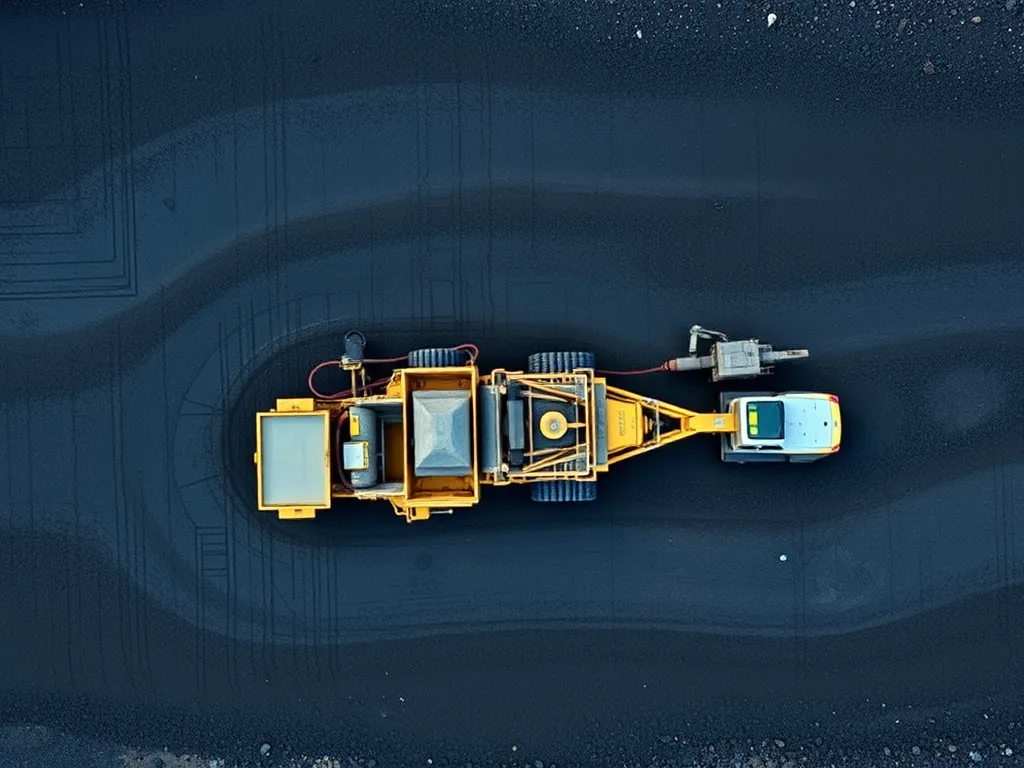
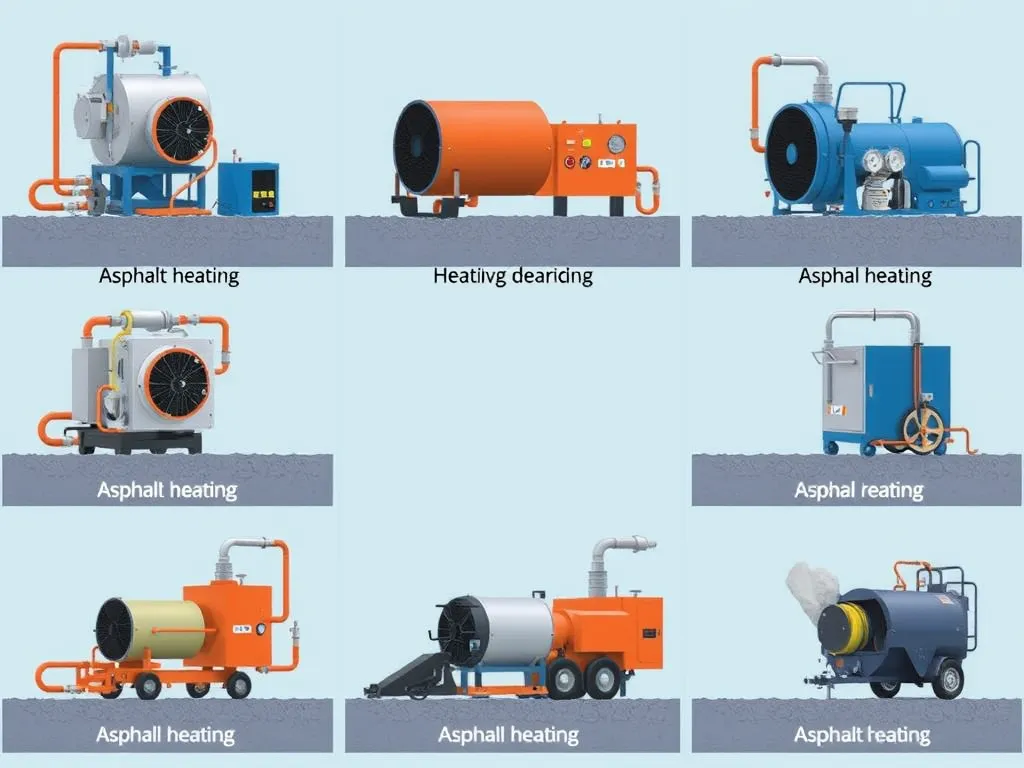
Hotmix needs special gear like hot boxes or infrared heaters. Crews must work fast before temps drop below 225°F. Time matters: delays cause poor compaction. Once placed, rollers press it flat. Cure time? Just 1-2 hours for light traffic.
When to use hot mix asphalt? Pick it for large holes, deep cracks, or high-stress zones. Cold patches suit small, quick fixes. Hot repairs handle SUVs, snow plows, and daily wear. They also block “alligator cracks” from rising back up.
Ready to spot the right jobs for hot mix? Let’s break down the key times to choose this method for lasting fixes.
When to Use Hot Mix Patch: Primary Scenarios
Hot mix patch works best under specific conditions. Learn which scenarios call for this high-strength repair method.
Temperature &Amp; Weather Conditions
Weather directly impacts hot mix performance. Ignoring it risks failed patches.
Ideal Temperature Range for Application
Apply hot mix when air temps stay above 40°F. The mix leaves the plant at 275°F+ and needs heat to bond. Below 40°F, it cools too fast, creating weak spots.
Avoiding Rain or High Humidity
Never apply if rain is forecast within 24 hours. Water weakens the bond. Humidity over 80% slows curing, leaving patches soft.
Impact of Sunlight on Installation
Direct sun helps warm the existing asphalt for better adhesion. But avoid midday heat in summer—surface temps over 100°F may cause rapid cooling gaps.
Types Of Asphalt Repairs
Hot mix solves problems cold patch can’t handle. Match the fix to the damage type.
Potholes in High-Traffic Areas
Use hot mix for potholes on roads, driveways, or lots with heavy cars or trucks. It resists wear from tires better than cold patch.
Large-Scale Surface Damage
Hot mix is cost-effective for areas larger than 10 sq.ft. or deeper than 2 inches. It compacts evenly, preventing dips.
Structural Cracks Needing Durable Fixes
Cracks wider than ½ inch or reaching the base layer need hot mix. It seals gaps and stops water from eroding the subgrade.
Project Scale &Amp; Location
Hot mix suits both small and big jobs but shines in certain settings.
Repairs in Driveways or Parking Lots
Choose hot mix for home driveways if temps allow. For lots with constant traffic, it’s a must—lasts 3-5 years vs. cold patch’s 6-12 months.
Commercial vs. Residential Applications
Businesses favor hot mix for long-term savings. Homes may use cold patch for minor fixes but switch to hot mix when damage grows.
Seasonal Timing
Plan repairs around the calendar for best results.
Best Seasons for Hot Mix Application
Late spring to early fall is ideal. Avoid winter—cold temps ruin compaction. In southern states, hot mix can be used year-round if days stay above 50°F.
Now that we’ve covered timing and use cases, let’s explore how hot mix outperforms other repair methods.

Benefits Of Hot Mix Asphalt Patching
Hot mix patch works best where fixes must hold up for years. It costs 15-30% more than cold patch upfront but lasts 3-5x longer. Use it when repair life and heavy loads matter most.
Superior Durability &Amp; Longevity
Hot mix uses rock, sand, and 5-7% asphalt cement heated to 300°F. This makes dense, tight patches that handle 18-wheel trucks or daily cars. Tests show hot repairs last 8-12 years vs 1-3 years for cold patch in driveways.
Strong Bonding With Existing Asphalt
Heat lets the patch fuse with old pavement. No weak edges. A proper bond needs 175°F base temps during install. This stops water from getting under the patch, a key cause of pothole returns.
Resistance to Reflective Cracking
Hot mix bends with road shifts from heat or cold. It cuts crack rebounds by 60% vs cold patches in joint areas. Best for fixes near cracks in roads or lots that move often.
While hot mix wins for tough jobs, cold patch works for quick cold-weather fixes. Next, see how costs, tools, and seasons shape your choice.
Also See: Tools for Safely Lifting and Moving Hot Asphalt
Hot Mix Vs. Cold Patch: Key Differences
Hot mix and cold patch fill holes but work best in different cases. Hot mix uses heat to bond. Cold patch stays soft until packed. Know which fits your repair job.
Performance Comparison
Hot mix beats cold patch in high-stress zones. Let’s break down why.
Strength & Load-Bearing Capacity
Hot mix hits 300-400 PSI once set. It holds trucks, buses, and heavy gear. Cold patch stays at 50-100 PSI. Use hot mix for roads with daily traffic over 500 cars. Cold works for light drives or temp fixes.
Lifespan & Maintenance Needs
Hot mix lasts 5-8 years with no touch-ups. Cold patch cracks in 1-3 years. Hot resists rutting and weather shifts. Cold needs checks each spring and fall.
Situational Suitability
Pick based on damage size, weather, and traffic. Hot mix costs more but cuts long-term work.
When to Prioritize Hot Mix Over Cold Patch
Choose hot mix for:
- Holes wider than 6 inches
- Roads with over 12-wheel loads per day
- Cracks deeper than 2 inches
- Jobs in temps above 50°F
Cold patch suits small cracks, low traffic, or cold seasons.
Next, let’s explore cost and skill factors that shape your patch choice.
Limitations Of Hot Mix Asphalt Repair
While hot mix patch applications excel at fixing structural cracks or high-traffic potholes, this method carries specific constraints. Assess these factors before choosing hot asphalt repair for your project.
Skill &Amp; Equipment Requirements
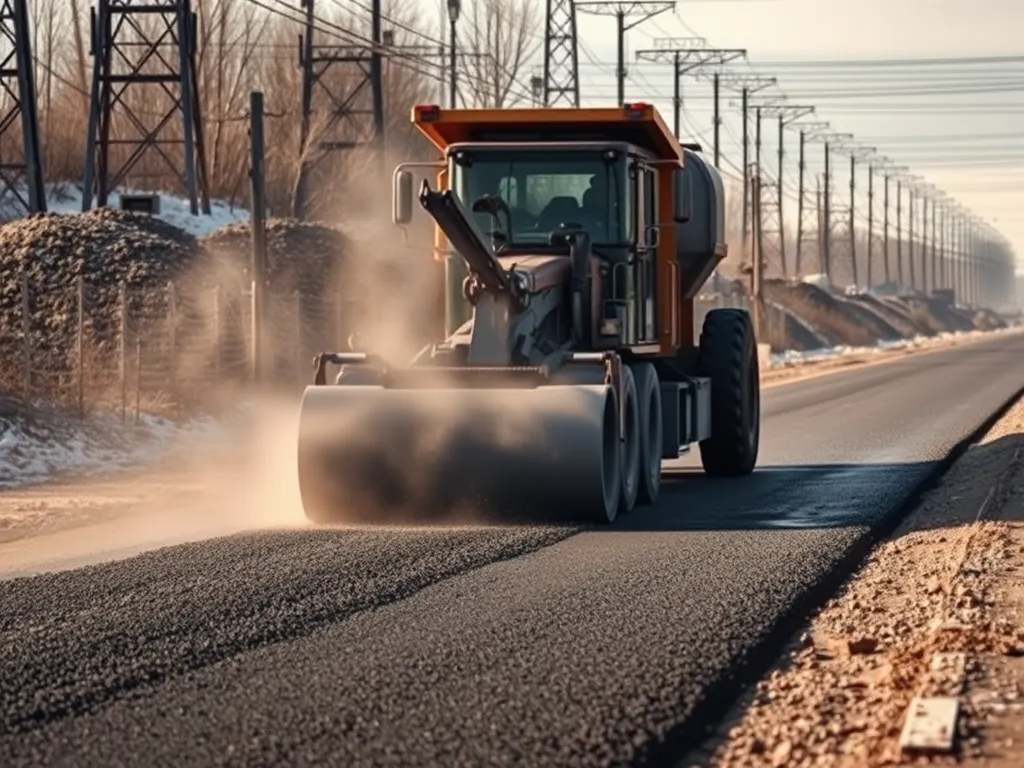
Hot patching asphalt demands professional-grade tools and trained crews. Crews need infrared heaters to maintain material temps above 275°F during transport and laydown. Most projects require heavy rollers for compaction – equipment rarely available to homeowners. Without proper tamping at 280-320°F, patches develop weak spots under vehicle loads.
Weather Dependency
Hot mix asphalt repair performs best with ambient temps above 50°F and dry surfaces. Cold air cools the mix too rapidly, preventing proper bonding. Even light rain creates steam pockets that weaken patches. Projects often get delayed due to weather forecasts – a key reason contractors favor cold patch for emergency winter repairs.
Cost Considerations
Hot mix patch costs 20-35% more than cold alternatives per square foot. Material prices average $120-$200/ton, plus $300-$800/day for roller rentals. For driveway repairs under 10 sq ft, cold patch offers better value. Large parking lots or roadways justify the expense through the repair’s 8-12 year lifespan vs. cold patch’s 2-3 years.
These trade-offs highlight why hot patching asphalt pothole repairs work best for planned, large-scale projects. Next, let’s examine how temperature control during production affects environmental outcomes.
Environmental Impact Of Hot Mix Patching
Hot mix patch applications balance durability with ecological considerations. Production methods and material reuse play critical roles in deciding when to use hotmix for repairs.
Energy Use During Production
Hot asphalt patching requires heating aggregates and bitumen to 300–350°F. This process consumes 20–30% more energy than cold mix methods. Contractors opt for hot repair asphalt in high-traffic zones where long-term performance justifies the energy expenditure. For example, roads handling over 1,000 vehicles daily often need the strength of hotmix asphalt to avoid repeated fixes.
Recyclability &Amp; Sustainability Factors
Hot mix asphalt is 100% recyclable. Reclaimed Asphalt Pavement (RAP) – milled material from old roads – replaces up to 30% of new mixes in hot patch repairs. Benefits include:
- Reduces landfill waste by reusing existing materials
- Cuts material costs by 25% compared to virgin aggregates
- Lowers carbon emissions by 20% through reduced mining
Large-scale projects like parking lots or highways prioritize hotmix asphalt repair for its sustainability. RAP integration aligns with LEED certification goals, making hot patching asphalt potholes a strategic choice for eco-conscious projects.
Balancing energy demands with recyclability helps determine when to use a hot mix patch. Next, we tackle common questions about installation challenges and best practices.

FAQ: Hot Mix Patch Applications
When Should I Use a Hot Mix Patch for My Driveway?
A hot mix patch is ideal for your driveway when there are significant potholes, large cracks, or extensive surface damage. It’s best applied when temperatures are above 50°F and during dry weather to ensure proper adhesion and durability.
How Does Hot Patch Compare to Cold Patch?
Hot patching is more effective for long-lasting repairs, especially in high-traffic areas, as it provides better bonding and durability than cold patch. Cold patch is suitable for quick, temporary fixes in low-traffic situations or colder weather.
Can Hot Mix Patch Be Used in Rainy Conditions?
No, it is not advisable to apply hot mix patch during rainy conditions. Water can weaken the bond and affect the curing process, leading to potential patch failure.
What Tools Are Needed for Hot Asphalt Patching?
Essential tools for hot asphalt patching include a hot box or infrared heater to maintain the temperature of the mix, shovels for application, and heavy rollers for compaction. Professional-grade equipment ensures faster and more effective repairs.
Closing Thoughts
Hot mix asphalt patching is a reliable solution for various road repair needs. Use it for high-traffic potholes, large-scale surface damage, and structural cracks requiring lasting fixes. Optimal weather conditions and project scale also play critical roles in determining when to apply hot mix patch. Always consider the benefits, including durability and strong bonding, against the specific requirements of your project.
For detailed insights and helpful tools to make your asphalt projects easier, check out Asphalt Calculator USA.
Additional Resources for You:
- Federal Highway Administration (FHWA) – Asphalt Pavement Technologies
- Guide to Asphalt Patching Pothole Repairs
- Hot Mix vs. Cold Mix Asphalt for Pothole Repairs | Falcon Asphalt Repair Equipment
- Is Cold Patch or Hot Mix Asphalt Better for Pothole Repair? | Lakeridge Paving
- The Differences Between Cold Patch vs. Hot Mix Asphalt – NAC Supply, Inc.