When to Use Cold Patch: Key Scenarios & Best Practices
Published on: May 25, 2026 | Last Updated: April 14, 2025
Written By: George Voss
Cold patch asphalt is a ready-to-use material designed for repairing potholes, cracks, and pavement damage in cold or wet weather—without heating. Unlike hot mix asphalt requiring specialized equipment and warm temperatures, cold patch works immediately in conditions as low as 20°F. Use it for small to medium potholes (1-2 feet wide), temporary utility cut fixes, shallow cracks under ½ inch deep, or quick edge repairs. Proper application involves cleaning debris, compacting layers with a tamper, and allowing 24-48 hours curing before heavy traffic.
This article explains common scenarios like repairing 1-2 foot potholes, fixing utility cuts, and addressing shallow cracks. We’ll break down application techniques, compare costs ($15-$30 per bag), and explore when professional alternatives like hot mix asphalt make sense. Learn how to maximize durability in high-traffic areas, handle slopes, and decide between DIY repairs versus contractor solutions.
When Should You Use Cold Patch Asphalt?
Cold patch asphalt works best for specific repair scenarios where traditional hot mix isn’t practical. Its unique formula bonds without heat, making it versatile for urgent or weather-limited jobs. Let’s break down the top use cases.
Repairing Potholes in Roads or Driveways
Cold patch excels at fixing potholes quickly, especially when temperatures drop below 50°F or rain complicates hot mix application.
Small to Medium Potholes (1-2 Feet Wide)
Use cold patch for potholes up to 24 inches wide and 3-4 inches deep. Larger voids may require deeper layers or hot mix. Compact the material with a tamper for maximum density. One 50 lb bag typically covers 12-15 square feet at 2-inch depth.
Repairs in Wet or Cold Weather Conditions
Cold patch cures without heat, making it effective even at 20°F or during light rain. Hot mix fails below 40°F as binders harden prematurely.
Temporary Fixes for Utility Cuts or Openings
Utility crews rely on cold patch to seal trenches after pipe or cable work. It provides a drivable surface within 15-30 minutes until permanent restoration. Most municipalities allow 30-90 days of cold patch use before mandating hot mix replacement.
Filling Shallow Cracks and Low Spots
Apply cold patch to cracks wider than 1/4 inch or depressions deeper than 1/2 inch. Use a trowel to press material into voids, creating a smooth transition. Avoid using on cracks narrower than 1/4 inch – liquid crack fillers perform better there.
Repairing Slopes, Edges, or Shoulders
Cold patch’s adhesive properties make it ideal for vertical surfaces like eroded road shoulders. Its putty-like consistency stays in place during application. For slopes steeper than 30 degrees, layer material in 2-inch increments to prevent slumping.
Quick Fixes Before Long-term Repairs
Buy time between seasons or budget cycles by using cold patch as a 3-6 month stopgap. It reduces water infiltration that could worsen damage. Plan hot mix replacements before temperatures exceed 85°F, as heat softens cold patch binders.
Mastering application methods ensures these temporary solutions hold up. Next, we’ll explore proven techniques for working with cold patch asphalt.
Cold Patch Application Techniques
Applying cold patch asphalt correctly impacts its lifespan and performance. Follow these steps to fix potholes, cracks, or low spots in cold or wet weather.
Step-by-step Application Process
Cold patch works best with proper surface prep and compaction. Skip steps, and you risk needing frequent repairs.
Clean and Prepare the Surface
Remove loose debris, dirt, or water from the repair area. Use a stiff broom, air compressor, or pressure washer. For potholes deeper than 2 inches, add 1-2 inches of gravel as a base layer. This improves drainage and stability.
Apply and Compact the Material
Pour cold patch into the hole until it sits ½ inch above the surrounding pavement. Spread it with a shovel or trowel. Compact using a hand tamper or mechanical plate compactor—apply 300-400 psi of pressure for optimal density. Repeat until the patch sits flush with the road surface.
Curing Time and Traffic Management
Cold patch sets via compaction, not drying. Wait at least 24 hours before allowing cars or trucks. In temps below 50°F, wait 48 hours. For heavy traffic zones, use traffic cones or signs to divert vehicles during curing.
Tools Required for Effective Application
Cold patch needs minimal tools, making it ideal for quick fixes. Avoid delays by gathering supplies upfront.
Basic Hand Tools (Trowel, Tamper)
A square-point shovel spreads material quickly. A 10 lb steel tamper compacts layers—rent a plate compactor ($40/day) for repairs wider than 1 foot.
Safety Equipment
Wear nitrile gloves to avoid skin contact with bitumen. Use ANSI-rated goggles if power washing or cutting old asphalt. High-vis vests are mandatory for road repairs.
With tools and timing sorted, it’s vital to weigh cold patch pros against its limits.

Advantages Of Cold Patch Asphalt
Cold patch works best when speed, ease, and low cost matter most. It fits jobs where hot mix can’t be used. Let’s break down why it’s a go-to fix in key cases.
No Heating or Special Gear Needed
Cold mix stays workable right out of the bag. No burners, kettles, or heavy plant gear. Use basic tools like shovels or tampers. This makes it ideal for DIY jobs or sites with no power. Just pour, pack, and go.
Immediate Use in Emergency Repairs
Fix potholes fast in rain, snow, or temps below 50°F. Cold patch bonds to wet surfaces. Once packed, it takes light traffic right away. Key for roads, driveways, or lots that can’t wait for dry days or hot mix crews.
Cost-effective for Small Jobs
Hot mix costs $100-$200 per ton but needs big loads. Cold patch runs $30-$50 per 50lb bag. No waste for small holes or cracks. Save on labor since no pros or big machines are needed. Perfect for fixes under 2 feet wide.
But cold patch isn’t right for every job. Let’s see where it falls short.
Also See: How to Evaluate Resurfacing Options for Your Home
Limitations and Disadvantages
Cold patch works well for quick fixes but has clear limits. Know when to pick other methods for better results.
Not Ideal for Large or Deep Repairs
Cold patch bonds best in small, shallow spots. Fixes wider than 2 feet or deeper than 3 inches often fail. Hot mix binds tighter, handles heavy loads better. Use cold patch for thin layers. Save big jobs for hot asphalt or pros.
Shorter Lifespan Compared to Hot Mix
Cold patch lasts 6-12 months. Hot mix holds 5-10 years. Sun, rain, and freeze-thaw cycles break cold patch down faster. It’s a short-term fix. Plan for full repairs if the area sees daily use.
Sensitivity to Heavy Traffic During Curing
Cold patch needs 24-48 hours to set. Cars or trucks too soon cause cracks, rutting, or loose chunks. Block the area with cones or signs. For high-traffic zones, use hot mix or wait for off-peak times.
Cold patch has limits but shines in the right cases. Next, let’s explore how its eco-friendly traits stack up against other options.

Environmental Considerations
Cold patch asphalt isn’t just practical – it’s greener than many alternatives. Its production and application methods align with modern sustainability goals, making it a smart pick for eco-conscious projects.
Low Energy Consumption During Application
Cold patch skips the energy-intensive heating process used in hot mix asphalt. Traditional hot mix requires temperatures between 300-350°F at plants, consuming 25-35% more energy. Since cold patch binds at ambient temperatures, it cuts fuel use and lowers CO₂ emissions by up to 40% per ton. This makes it ideal for repairs in areas prioritizing carbon reduction.
Recyclability Of Materials
Most cold patch blends contain 30-50% recycled asphalt pavement (RAP), diverting waste from landfills. After serving its purpose, the material can be milled and reused in future repairs or mixed into new pavement layers. Projects using RAP-heavy cold patch may even earn LEED credits for sustainable construction practices.
While cold patch shines in eco-friendly repairs, some situations demand different solutions. Let’s examine alternatives that balance durability with environmental impact.
Alternatives to Cold Patch
Cold patch asphalt works best for temporary fixes or small repairs. But some projects demand stronger materials or advanced methods. Explore three common alternatives below.
Hot Mix Asphalt for Permanent Repairs
Hot mix asphalt (HMA) contains aggregates coated with heated bitumen at 300°F–350°F. Used for roads, driveways, and parking lots, HMA bonds tightly when compacted. This creates a seamless surface that lasts 7–15 years. Choose HMA for potholes deeper than 3 inches or high-traffic areas. Unlike cold patch, HMA requires heavy rollers and skilled crews. It’s cost-prohibitive for minor repairs but adds long-term value for large-scale projects.
Infrared Asphalt Repair
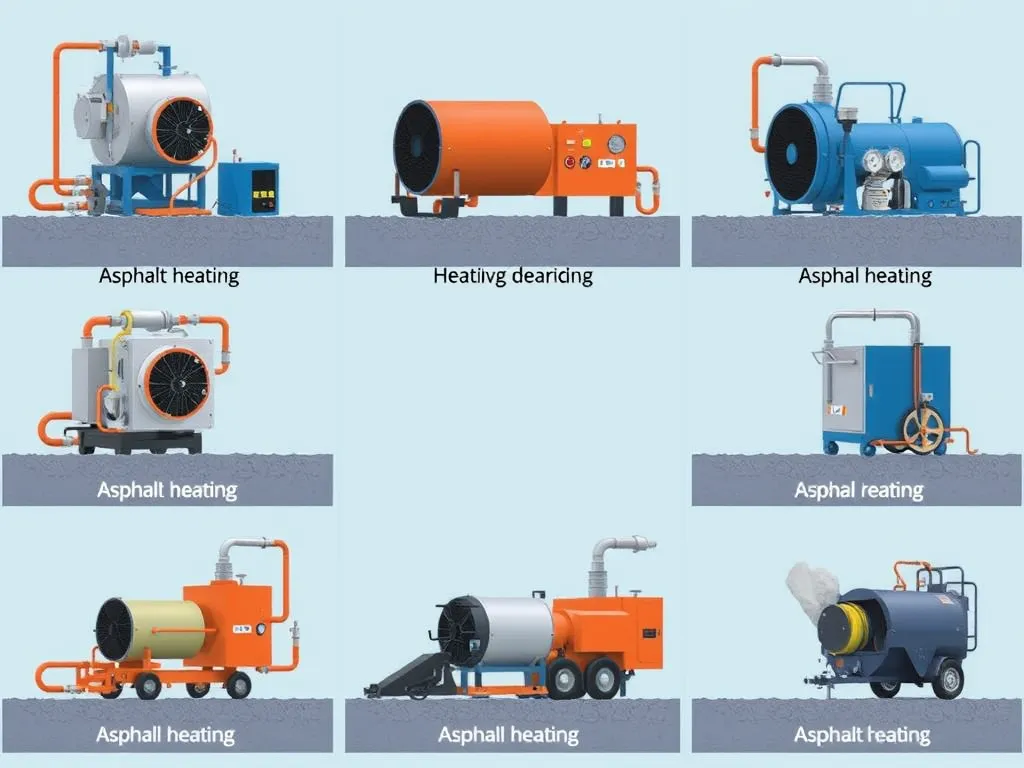
Infrared equipment heats existing pavement to 300°F, softening the asphalt. Fresh material bonds with the old layer, creating a watertight seal. This method prevents edge failures common with cold patch. Opt for infrared on roads with multiple potholes or alligator cracks. Repairs take 20–30 minutes per square yard. The process works best in dry weather above 50°F—making cold patch a better choice for wet or freezing conditions.
Polyurethane-based Solutions
Polyurethane injections fill voids under pavement, stabilizing sinking sections. The material cures in 15–30 minutes, supporting traffic immediately. Use polyurethane for base failures beneath driveways or bridge approaches. Though pricier ($4–$8 per pound), it prevents recurring issues better than cold patch. Avoid this method for surface-level cracks under 0.5 inches wide—cold patch remains more practical for minor gaps.
Each option serves distinct scenarios where cold patch falls short. Next, let’s address common questions about cold patch performance and longevity.

Frequently Asked Questions (FAQ)
Does Cold Patch Asphalt Harden Permanently?
Cold patch asphalt hardens and bonds to the surrounding pavement, but it is not as durable as hot mix asphalt. It is designed for temporary repairs and may need to be replaced after a period of use, typically lasting around 6-12 months.
How Long Does Cold Patch Take to Dry?
While the cold patch sets through compaction rather than traditional drying, it is recommended to wait at least 24 hours before allowing any vehicle traffic. In colder weather or below 50°F, it may take up to 48 hours to fully cure.
Can You Improve Cold Patch Durability?
Yes, you can improve the durability of cold patch by ensuring proper surface preparation and compaction during application. Additionally, minimizing heavy traffic during the curing period can help the patch set more effectively and last longer.
Is Cold Patch Suitable for All Weather Conditions?
Cold patch is particularly effective in wet and cold weather, making it a versatile option. However, while it can cure at low temperatures, extreme weather conditions or heavy rainfall during application can affect its performance and bonding capabilities.
Closing Thoughts
Cold patch asphalt serves as a quick and effective solution for various repair scenarios. It excels in fixing small to medium potholes, temporary utility cuts, and shallow cracks, especially in less-than-ideal weather conditions.
While it’s not a long-term fix and isn’t suitable for major repairs, its cost-effectiveness and ease of application make it a go-to option for immediate needs. Proper surface preparation and application techniques ensure better performance and longevity.
For comprehensive resources and calculation tools, refer to Asphalt Calculator USA. Stay informed and keep your pavement in top shape!