Tools for Safely Lifting and Moving Hot Asphalt
Published on: May 23, 2026 | Last Updated: April 14, 2025
Written By: George Voss
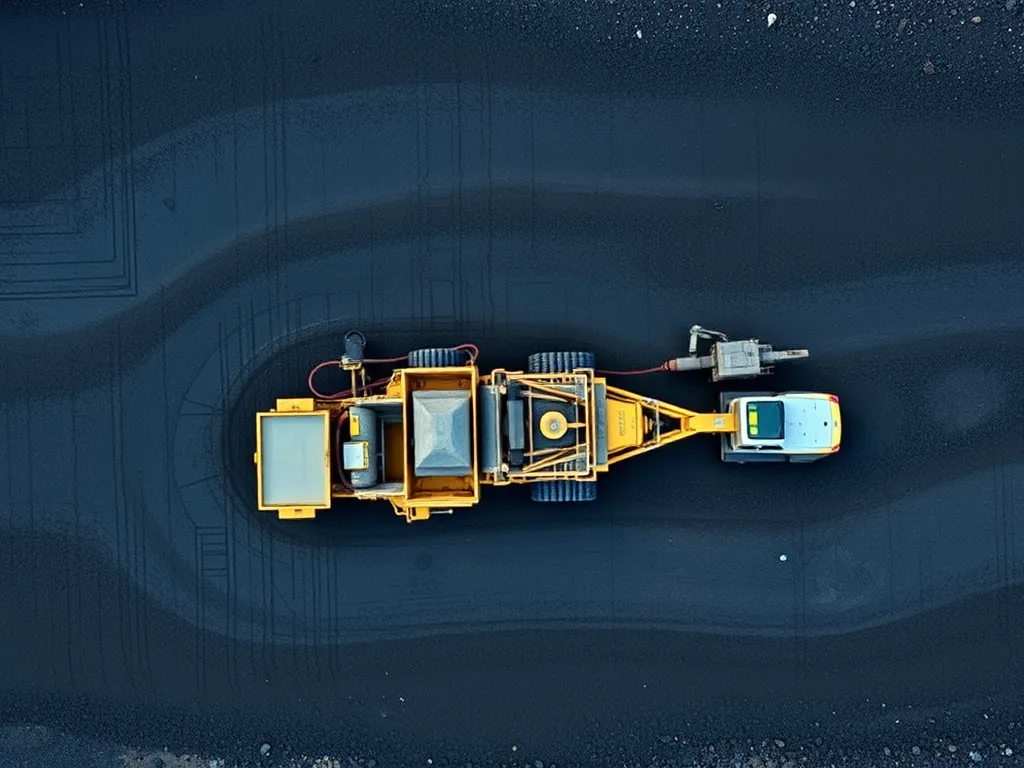
Tools for safely lifting and moving hot asphalt include heat-resistant hooks, spreader boxes, and specialized hoists designed for high-temperature materials. These differ from standard construction tools through reinforced steel construction, thermal insulation layers, and weight capacities exceeding 2,000 lbs for handling asphalt mats. Workers need equipment that maintains structural integrity at 300°F+ while providing secure grip and mobility.
This guide compares asphalt lifting hooks versus forks, explains how spreader boxes distribute hot mix evenly, and reviews movable hoists for large loads. You’ll learn safety protocols like pre-use inspections for wear, proper PPE for 350°F surfaces, and techniques to avoid spills during transport. We cover both handheld tools and heavy machinery used in professional paving operations.
Essential Tools for Lifting Hot Asphalt
Working with hot asphalt demands tools engineered to handle extreme temperatures and heavy loads. The right gear ensures worker safety and material integrity during placement.
Asphalt Lifting Hooks and Forks
Steel hooks and forks form the backbone of asphalt lifting operations. These tools grip asphalt mats (typically 4’x8’ sheets) or loose mix without tearing the material.
Design Features for Heat Resistance
High-grade steel alloys dominate these tools, withstanding surface temps up to 325°F. Many feature tapered tips for clean insertion and textured grips to prevent slippage. Non-conductive fiberglass handles add burn protection.
Weight Capacity for Asphalt Mats and Loads
Standard hooks handle 500-2,000 lbs, matching common asphalt mat weights. Heavy-duty forks rated for 3,500 lbs tackle larger loads. Always verify tool ratings against your asphalt’s density (145-150 lbs/cu ft).
Specialized Asphalt Spreader Boxes
Spreader boxes ensure precise placement of hot mix asphalt (HMA). These containers regulate material flow during road repairs or patchwork.
1-Piece vs. 2-Piece Spreader Boxes
1-piece boxes (6-8 ft long) suit small-scale jobs with fixed widths. 2-piece models adjust from 4’ to 12’, adapting to variable road widths. Both types use steel walls (3/16” thick minimum) to retain heat.
Even Distribution Techniques for Hot Mix Asphalt
Operators control material flow using adjustable rear gates. Vibratory systems in advanced models compact asphalt at 1.5-2” layers. Proper technique maintains 290-330°F temps during placement.
Movable Asphalt Lifting Equipment
Mobile systems streamline large-scale asphalt movement while reducing physical strain on crews.
Adjustable Asphalt Hoists and Jacks
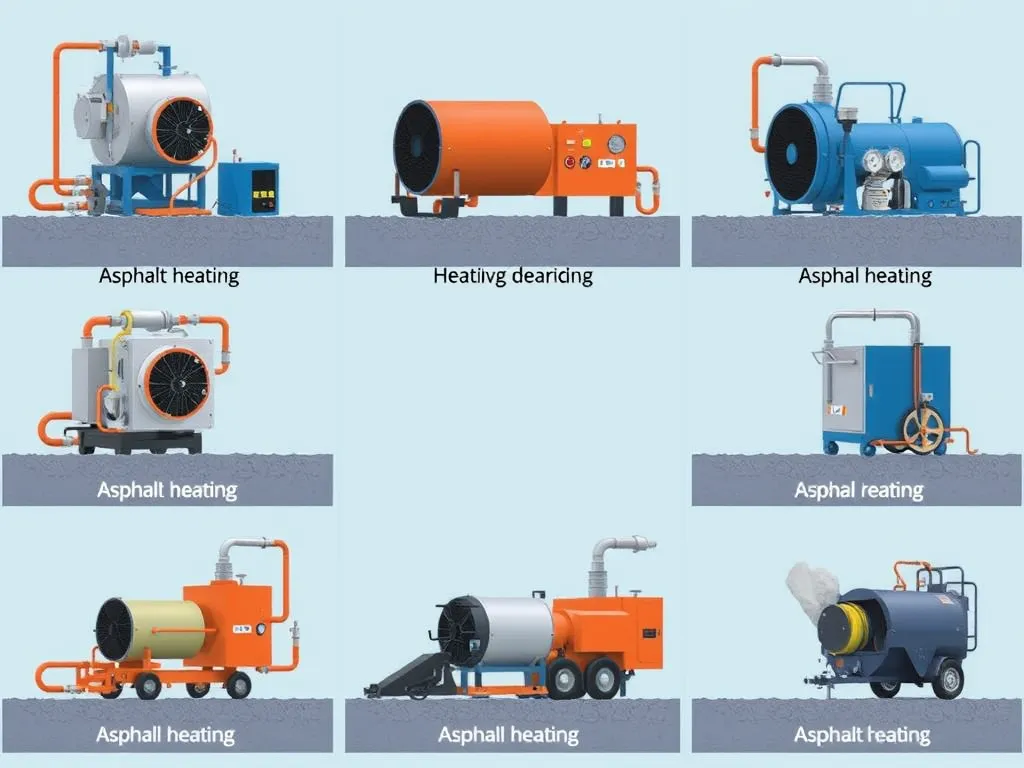
Hydraulic asphalt jacks lift loads up to 5 tons with 24” vertical range. Track-mounted hoists provide 360° rotation for precise positioning. Look for units with heat-shielded hydraulics (operational up to 350°F).
Asphalt-Specific Mover Bars and Rakes
Steel-tined rakes (18-36” widths) redistribute hot mix without sticking. Mover bars with roller tips shift mats up to 1,200 lbs. Both tools feature extended handles (5-6 ft) to keep workers away from heat sources.
Proper tool selection sets the stage for efficient material transport. Next, we’ll examine vehicles and systems designed to maintain asphalt quality during transit.
Equipment for Transporting Hot Asphalt Safely
Moving heated mix demands gear built to preserve material properties while protecting workers. Specialized systems maintain temperature stability during relocation from plant to worksite.
Hot Asphalt Transport Vehicles
Purpose-built trucks keep mixes above 275°F – the minimum compaction threshold for most road mixes. Two dominant designs dominate the industry.
Insulated Dump Trucks and Hot Boxes
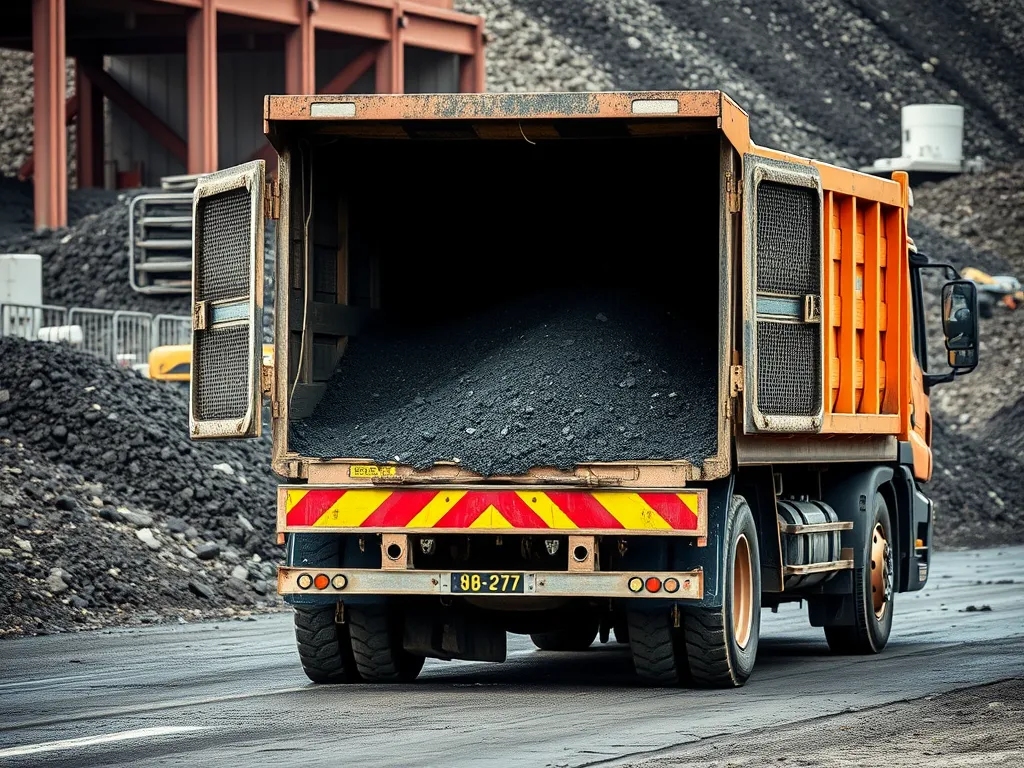
Double-walled steel bodies with ceramic insulation retain heat for 75+ minutes during transit. Hot boxes add propane burners to sustain temperatures up to 350°F. Both carry 8-15 ton loads while reducing thermal loss by 40% compared to standard trucks.
Hopper Vehicles for Precise Material Delivery
Self-propelled units with multiple heated chambers distribute mix within 1/4″ accuracy. Computer-controlled gates sync with paver speeds up to 30 feet per minute. Ideal for bridge decks or confined urban worksites where dump trucks can’t maneuver.
Loading and Unloading Systems
Efficient transfer between equipment prevents temperature drops that cause premature stiffening. Proper design eliminates manual handling of 300°F+ materials.
Asphalt-Specific Ramps and Loading Platforms
Steel-reinforced slopes with 45° angles let wheel loaders deposit mix directly into trucks without lifting. Non-stick coatings prevent material buildup. Rated for 12,000 lb loads, these ramps cut loading times by 35% versus traditional methods.
Heat-Resistant Conveyor Systems
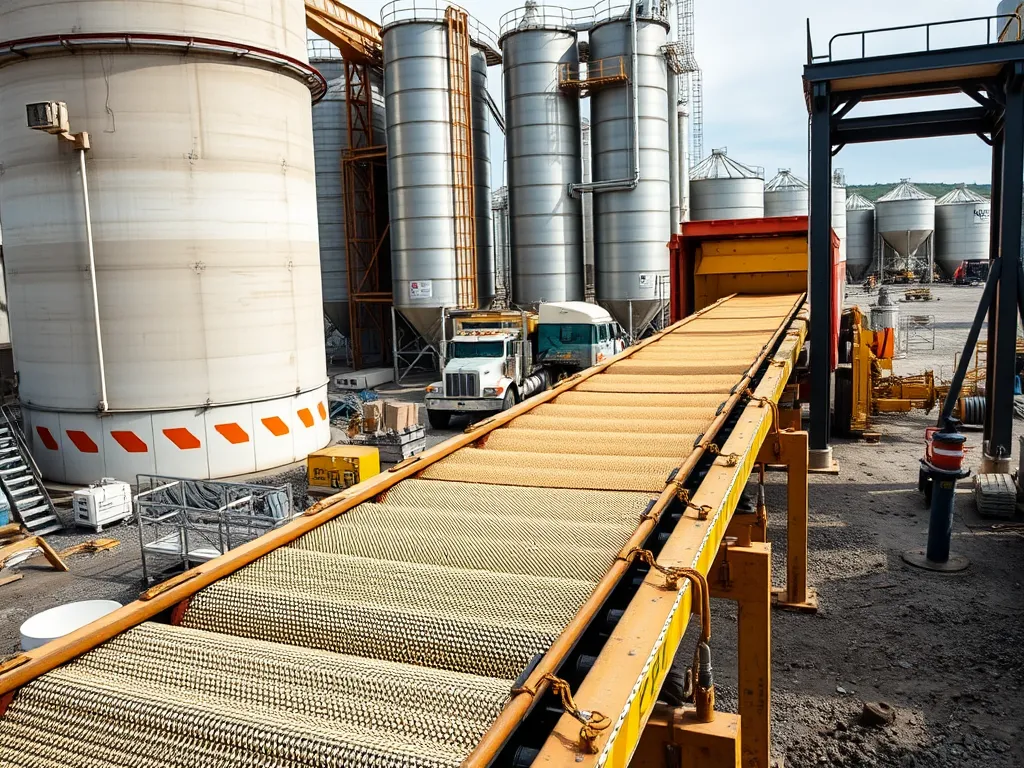
Kevlar belts rated for 400°F move 500 tons/hour from storage silos to trucks. Variable speed controls (3-15 fpm) match plant output. Built-in vibrators ensure complete material discharge, leaving less than 0.5% residual mix.
With proper transport systems in place, focus shifts to worksite execution – specifically, temperature management during final placement.
Safety Protocols for Handling Hot Asphalt
Working with 300-350°F asphalt demands strict adherence to safety measures. Let’s break down critical protocols for equipment checks, material handling, and worker protection.
Pre-use Equipment Inspections
Daily inspections prevent equipment failures during asphalt lifting and moving operations. Focus on two key areas:
Checking for Wear on Asphalt Lifting Tools
Inspect hooks, forks, and bars for cracks, bends, or thinning. Replace tools showing ≥10% thickness reduction. Forged steel lifting devices meeting ASTM A489 standards handle repeated thermal cycling better than welded alternatives.
Verifying Heat Resistance Ratings
Confirm tools withstand temps ≥400°F – 20% higher than typical asphalt discharge temps. Look for stamped ratings from manufacturers like Caterpillar or Komatsu. Alloy steel tools with ≥50 HRC hardness maintain structural integrity under thermal stress.
Proper Lifting and Moving Techniques
Even premium tools fail without correct handling methods. Follow these asphalt-specific practices:
Avoiding Overloading Asphalt Moving Tools
Never exceed 85% of listed capacity. A 5-ton asphalt hoist maxes at 8,500 lbs for hot loads. Overloading accelerates wear on hydraulic systems and increases drop risks.
| Tool Type | Max Temp Rating | Typical Load Limit |
|---|---|---|
| Spreader Box | 450°F | 12 tons/hr |
| Lifting Fork | 500°F | 4,000 lbs |
Team Coordination for Heavy Asphalt Loads
Assign roles: spotter, lift operator, and pathway monitor. Maintain 10 ft clearance zones during transport. For loads >1 ton, employ dual-operator systems with synchronized controls.
Personal Protective Equipment (PPE)
PPE forms the last defense against 300°F+ asphalt exposure. Key gear includes:
Heat-Resistant Gloves and Footwear
Gloves with Kevlar linings and silicone grips withstand 500°F for 15+ seconds. Boots need ASTM F2413-18 metatarsal guards and non-slip soles rated for 600°F surface contact.
Face Shields for Hot Asphalt Splash Protection
Polycarbonate shields with 8-inch neck drapes block splatter during asphalt tool operations. Pair with ANSI Z87.1 goggles for full facial coverage.
Mastering these protocols ensures safe hot asphalt handling. Next, we’ll examine temperature control methods to preserve material quality during transport.
Also See: Challenges in Repairing Asphalt Roads: 5 Key Issues
Best Practices for Hot Asphalt Transportation
Moving hot asphalt at 275-300°F demands precision. Proper material handling prevents temperature drops that cause premature hardening. Use specialized asphalt moving tools to maintain workability during transit.
Temperature Maintenance Strategies
Hot asphalt loses 5-25°F per hour without protection. Equipment designed for thermal retention keeps mixes above minimum paving thresholds.
Insulated Containers to Prevent Premature Curing
Double-walled steel haul trucks with mineral wool insulation reduce heat loss to 2°F per hour. Hot boxes with propane burners maintain temperatures up to 8 hours. These asphalt moving tools prevent mix stiffening that creates uneven pavement layers.
Timing Considerations for Material Delivery
Schedule truck rotations to limit wait times at job sites. Asphalt lifters must transfer loads within 15 minutes of arrival when using standard dump beds. For long hauls exceeding 1 hour, heated belly dump trailers preserve mix integrity at 300°F ±10°F.
Worksite Preparation
Efficient material movement requires pre-planned layouts. Clear access paths let road hot asphalt lifters operate without interruptions.
Clear Pathways for Asphalt Moving Equipment
Maintain 12-foot-wide corridors for spreader boxes and paver feed vehicles. Remove debris that could jam conveyor systems or damage heat-resistant tires. Use laser grading tools to verify slope angles under 3% for stable equipment movement.
Securing Loads During Transit
Install steel side gates on dump trucks to contain 15-ton asphalt loads. Heavy-duty ratchet straps rated for 400°F secure mats during lifting. Check tie-downs every 50 miles when transporting paving materials across uneven terrain.
Proper temperature control and site setup set the stage for safe placement. Next, we’ll examine techniques to protect crews working with 300°F mixes.
Environmental and Worksite Considerations
Managing hot asphalt requires balancing productivity with environmental responsibility. Proper handling of asphalt lifting tools and asphalt moving tools reduces ecological impact while maintaining worksite efficiency.
Spill Containment Measures
Hot asphalt spills create environmental hazards and cleanup costs. Spill berms made from heat-resistant polymers (rated for 300°F+) or steel drip pans under road hot asphalt lifters prevent material from reaching soil or drainage systems.
Secondary Containment for Hot Asphalt Tools
Double-walled systems for movable asphalt lifting equipment add an extra layer of protection. Asphalt-specific hoists with integrated drip trays or spreader boxes with sealed joints meet EPA SPCC rules. These designs keep spilled material contained for reuse, cutting disposal fees by 15-20% per incident.
Minimizing Material Waste
Every pound of hardened asphalt left in tools costs $0.25-$0.50 in lost material. Efficient cleaning preserves mix quality and reduces landfill contributions from contaminated equipment.
Proper Cleaning of Asphalt Moving Equipment
Use diesel or commercial asphalt release agents on tools to lift hot asphalt evenly within 30 minutes after use. For stubborn residue, heat lance torches (1,200°F) soften buildup without damaging steel components. Cleaned tools maintain weight ratings and prevent cross-contamination between batches.
Mastering these practices sets the stage for addressing frequent challenges. Next, we’ll tackle common questions crews face when handling heated pavement materials.
FAQ: Tools for Safely Lifting and Moving Hot Asphalt
What Equipment Compacts Hot Asphalt After Placement?
Compacting hot asphalt typically requires rollers or vibratory compactors, which are designed to exert pressure and vibration to achieve the desired density and smoothness. These machines come in various forms, including static steel drum rollers and pneumatic tire rollers, to ensure optimal compaction of the asphalt surface.
How to Safely Lift 2000 Lb Asphalt Mats?
To safely lift 2000 lb asphalt mats, use hydraulic lifting jacks or heavy-duty lifting forks specifically designed for hot asphalt. Ensure that lifting tools are rated for at least 10% more than the weight being lifted, and follow proper lifting techniques with clear communication among team members to prevent accidents.
What Machines Are Used for Digging Up Old Asphalt?
Machines commonly used for digging up old asphalt include asphalt recyclers, trenchers, and heavy loaders equipped with specialized attachments. These machines break up the existing pavement and can also process the material for reuse in new asphalt mixtures.
Can Regular Forklifts Handle Hot Asphalt Loads?
No, regular forklifts are not recommended for handling hot asphalt loads due to their inability to withstand high temperatures and the lack of appropriate attachments. Specialized asphalt lifting equipment is designed to handle the heat and weight of asphalt safely.
Final Words
Successfully lifting and moving hot asphalt requires specialized tools and safety protocols. Asphalt lifting hooks, spreader boxes, and transport vehicles are all vital in ensuring efficient and safe handling. Proper training and personal protective equipment (PPE) elevate safety standards, protecting workers from potential hazards associated with hot asphalt.
Implementing best practices, such as maintaining temperature and preparing the worksite, further enhances safety and efficiency. When it comes to hot asphalt operations, every detail counts for a successful and safe project.
For more information on the tools and techniques discussed, visit Asphalt Calculator USA.