Solvent Extraction Asphalt: Processes, Solvents, and Applications
Published on: August 18, 2026 | Last Updated: April 14, 2025
Written By: George Voss
Solvent extraction asphalt is a method that uses chemical solvents like toluene or n-hexane to separate asphalt binders from aggregates, contaminants, or recycled pavement. Unlike heat-based methods such as vacuum distillation, it dissolves asphalt at lower temperatures (typically 40–60°C), preserving polymer structures and reducing energy use by up to 35%. This process is critical for recycling roads, testing asphalt quality in labs, and recovering binders with over 95% purity. Key factors include solvent choice, separation equipment like centrifuges, and balancing costs against environmental regulations.
This article breaks down how solvent extraction works, compares it to methods like Soxhlet extraction, and lists common solvents—from traditional chlorinated options to eco-friendly bio-alternatives. You’ll learn about industrial equipment costs ($50,000–$200,000 per system), safety protocols for handling solvents, and real-world uses in road recycling. We’ll also cover pros (high material recovery) and cons (residual solvent disposal challenges) to help you evaluate this technique.
What is Solvent Extraction Asphalt?
Solvent extraction asphalt refers to methods that use chemical solvents to separate bitumen from aggregates in asphalt mixtures. This approach targets the binder (bitumen) for recovery or analysis, enabling reuse of materials in paving projects.
Definition and Core Principles
The method leverages solubility differences between asphalt components. Aggregates like crushed stone resist dissolution, while solvents break down the bitumen binder. Core principles include selective dissolution, phase separation, and solvent recovery. For example, 1 kg of asphalt pavement typically requires 3-5 liters of solvent for effective extraction. The process achieves up to 99% bitumen recovery in controlled lab environments.
Role Of Solvents in Asphalt Extraction
Solvents disrupt molecular bonds between bitumen and mineral aggregates. Hydrocarbon-based options like toluene dissolve binders rapidly but demand explosion-proof equipment due to low flash points (<40°C). Chlorinated solvents like trichloroethylene excel at dissolving aged asphalt but face restrictions under EPA’s Toxic Substances Control Act. Partition coefficients (log P values) dictate solvent performance—higher values correlate with faster separation. Advanced systems now recover 85-95% of solvents via fractional distillation, slashing operational costs by 30%.
Optimizing solvent selection and process parameters directly impacts extraction yields. Next, we’ll break down the workflow stages that make this technique viable for large-scale operations.
The Solvent Extraction Process for Asphalt
Solvent extraction asphalt systems split asphalt mixes into parts using chemicals. This method pulls out bitumen from aggregates or old pavement for reuse. It’s a go-to for labs and recycling plants aiming to salvage high-quality binders.
Step-by-step Workflow
This process has two main phases: dissolving asphalt into parts and splitting those parts for recovery. Each phase impacts how much material you reclaim and its quality.
Mixing Asphalt with Solvent
Crushed asphalt mixes with a solvent like toluene or naphtha in a closed reactor. Agitation at 140-180°F breaks bonds between bitumen and aggregates. Bitumen dissolves into the solvent, forming a thick liquid. Aggregates sink or stay suspended based on size.
Separation and Recovery Stages
Liquid moves to a centrifuge or settling tank. Aggregates drop out first. Remaining slurry goes through distillation to split solvent from bitumen. Up to 95% of solvents get recycled. Bitumen purity hits 98-99% in optimal runs.
Key Variables Affecting Efficiency
- Solvent type: High solubility (K-value >0.8) lifts bitumen yield
- Mix time: 20-40 minutes balances dissolution vs. costs
- Temperature: 160°F is ideal—too low slows work; too high risks vapors
- Solvent-to-asphalt ratio: 3:1 gives full coating without waste
Plant operators track viscosity drops to confirm full dissolution. A 50% drop in 15 minutes signals a strong solvent match.
Getting these factors right cuts costs by up to $12/ton. But solvent choice drives both output and risks—a bridge to our next look at common options in the asphalt world.
Common Solvents Used in Asphalt Extraction
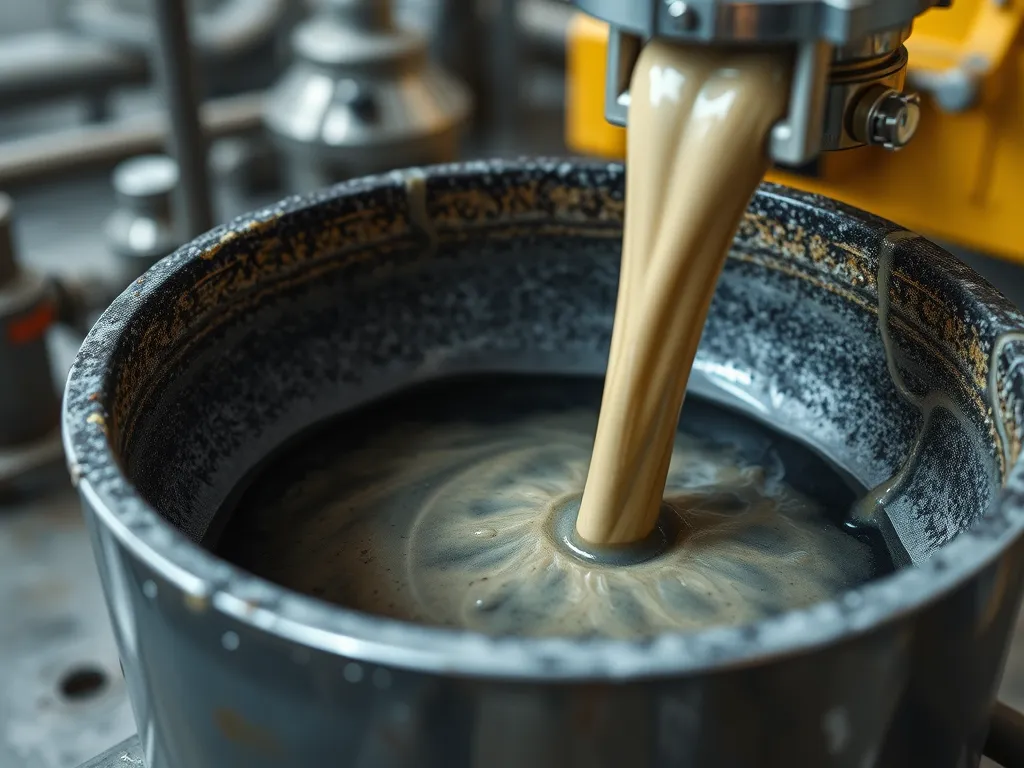
Picking the right solvent shapes the asphalt solvent extraction process. The choice impacts cost, speed, and output quality. Let’s break down how pros pick solvents and what types work best.
Criteria for Selecting Solvents
Not all solvents fit asphalt extraction. Two factors guide the pick: science and safety.
Solubility and Partition Coefficients
Solvents must dissolve asphalt fast but leave fillers like sand intact. Pros check partition coefficients – how much asphalt splits into the solvent vs. staying solid. High values (over 0.9) mean less solvent use. For example, toluene hits 0.95 with asphalt binders at 60°C.
Safety and Environmental Compatibility
Flammable solvents need explosion-proof gear. Chlorinated types may harm soil. The EPA caps VOC emissions at 4.7 lbs per ton of asphalt. Bio-based options cut risks but cost 20-40% more upfront.
Types Of Solvents
Three main groups dominate asphalt extraction using solvent. Each has pros and trade-offs.
Hydrocarbon-Based Solvents
Toluene and naphtha rule here. They strip asphalt fast (15-30 mins per batch) and boil off at 110°C for reuse. But they’re flammable – OSHA demands air monitors if levels hit 500 ppm.
Chlorinated Solvents
Trichloroethylene cuts through thick asphalt in 10 mins flat. Once common in labs, its use now needs EPA Toxics Release permits. Many states ban it due to groundwater risks.
Bio-Based Alternatives
Soy or citrus oils break down asphalt at 80-100°C. They’re non-toxic but slower (45-60 mins). New enzyme-boosted versions claim 25% faster action. Costs run $8-$12 per gallon vs. $4 for toluene.
| Type | Pros | Cons | Best For |
|---|---|---|---|
| Hydrocarbon | Fast, low cost | Fire risk | High-volume plants |
| Chlorinated | Super quick | Toxic, regulated | Lab tests |
| Bio-Based | Eco-safe | Slow, pricey | Green jobs |
Next up: How gear like centrifuges and tanks turn these solvents into asphalt extract. The right kit can slash solvent loss by 70%.
Also See: Average Lifespan Of Sealcoated Asphalt: Key Insights
Gear for Solvent Pulling in Asphalt
Specialized tools form a vital part of asphalt solvent pulling. High-calibration machinery boosts output quality while cutting down on waste. Optimal function of this apparatus allows for full pull of bituminous parts from aggregates or pavement.
Division Systems
Division systems split asphalt binders from solid parts post-solvent mixing. Gravity dividers and spinning hydrocyclones rank as top options. Gravity dividers work by sinking heavy aggregates, allowing lighter asphalt-solvent mixes to float—a basic but slow approach. Hydrocyclones spin mixes at 2,000-4,000 RPM, forcing rapid division. This method can split 95% of binders in under 10 minutes.
| System Type | Throughput (tons/hr) | Binder Pull Rate |
|---|---|---|
| Gravity Divider | 5-15 | 82-88% |
| Hydrocyclone | 20-50 | 93-97% |
Upgrading Units
Upgrading units polish pulled asphalt for industrial use. Thermal stripping drums vaporize residual solvents at 150-200°C, leaving pure binders. Rotary kilns handle bulk amounts, mixing materials while applying heat. A typical kiln processes 30 tons daily, with solvent pull-back hitting 99% in top configurations.
Clarifying Tanks and Spinners
Clarifying tanks allow gravity to split solids from liquid asphalt-solvent blends over 12-48 hours. Spinners accelerate this via centrifugal force, finishing tasks in 20-45 minutes. Industrial spinners run at 3,500 RPM, managing 500-1,000 gallons hourly. Both tools work in tandem to pull up to 99.5% of solvents for recycling.
With strong tools in play, how do asphalt solvent pulling tactics stack against rival methods? Upcoming analysis contrasts this approach with vacuum boiling, Soxhlet pulls, and physical division.
Solvent Extraction Vs. Alternative Asphalt Extraction Methods
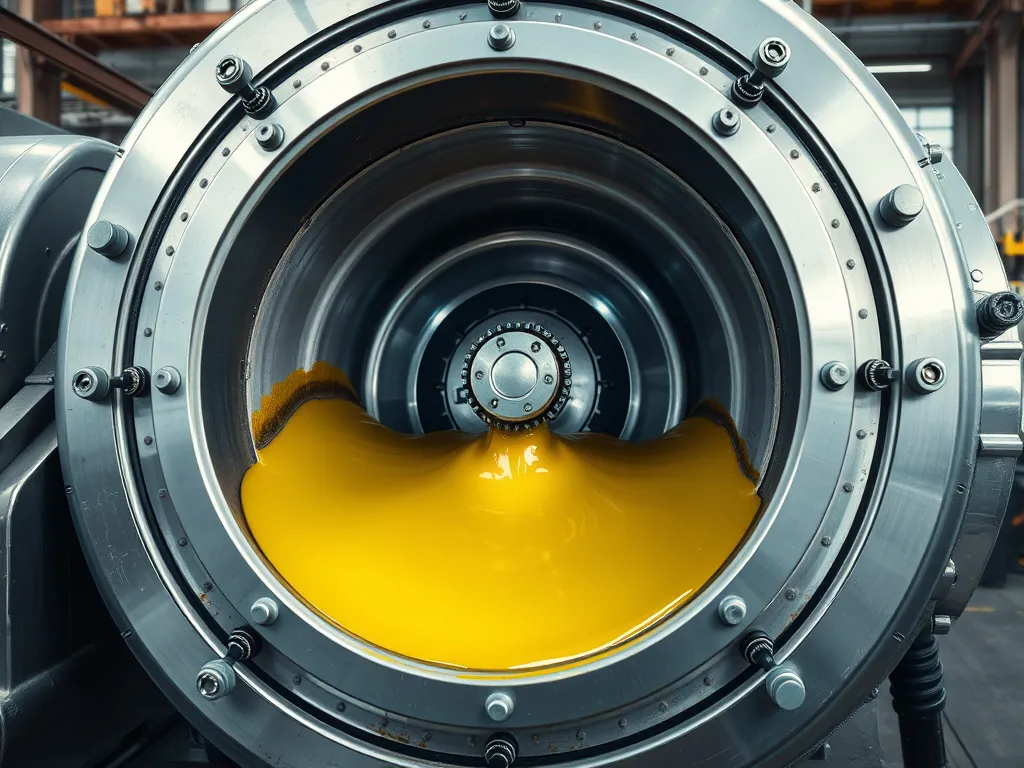
Evaluating solvent extraction against other asphalt recovery techniques highlights unique strengths and limitations. Each method varies in efficiency, cost, and suitability for specific projects.
Comparison With Soxhlet Extraction
Soxhlet extraction uses repeated solvent cycles to dissolve asphalt binders from aggregates, typically in lab settings. This method requires smaller solvent volumes but operates batch-wise, limiting scalability. Solvent extraction asphalt processes run continuously, recovering over 95% of solvents for reuse. Soxhlet suits small samples, while asphalt solvent extraction handles bulk materials like reclaimed pavement at 10-15 tons per hour.
Comparison With Vacuum Distillation
Vacuum distillation heats asphalt mixtures to 300-400°F under reduced pressure to separate binders. Though effective, high temperatures degrade polymer-modified binders, lowering recycled asphalt quality. Solvent extraction works at ambient temperatures, preserving binder integrity. Energy costs for vacuum systems average $8-$12 per ton, versus $5-$9 for solvent-based systems with closed-loop recovery.
Comparison With Mechanical Separation
Mechanical separation relies on screens or centrifuges to divide aggregates and binders. This method struggles with fine particles below 0.075mm, leaving 5-10% residual asphalt on aggregates. Solvent extraction dissolves binders completely, achieving 99% purity. Projects requiring high-grade recycled asphalt, such as airport runways, favor solvent asphalt extraction for consistency.
Each method serves distinct needs, but solvent extraction balances precision with industrial practicality. Up next: how these operational advantages translate into measurable benefits for asphalt production.
Benefits Of Solvent Extraction for Asphalt
Solvent extraction asphalt methods give clear perks. They boost how well we reuse old roads and cut harm to the earth. Let’s break down two key gains.
High Purity Of Recovered Materials
This process pulls out up to 98% pure bitumen from used asphalt. Solvents like toluene or n-hexane split binders from rocks and sand cleanly. No clay, dust, or junk stays in the mix.
- Pure bitumen works like new in roads or roofs
- Clean rocks can go back into fresh pavement mixes
- Labs get spot-on test samples for quality checks
Old ways leave 5-15% waste in reused asphalt. Solvent cuts this to under 2%.
Scalability for Industrial Use
Plants can run 500 tons of old asphalt per day with this method. Batch systems fit small yards. Continuous flow suits big recyclers. Both use the same core steps:
- Crush old pavement to ½-inch bits
- Mix with solvent for 20-30 mins
- Spin in centrifuges at 3,000 RPM
- Dry clean rocks and save used solvent
Big sites save up to 30% vs. buying new asphalt. Less gear is needed than with heat-based systems. Closed loops reuse 90% of solvents, slashing costs.
While these perks shine, solvent methods bring their own hurdles. Let’s see what limits their use.
Drawbacks Of Solvent Extraction for Asphalt
While asphalt solvent extraction boosts purity and scalability, it brings practical challenges that impact both budgets and operations. Two major hurdles stand out: financial/logistical demands and handling leftover solvents.
Cost and Complexity
Setting up a solvent asphalt extraction process requires significant capital. Machinery such as high-speed centrifuges, distillation units, and closed-loop systems can cost $500,000 to $2 million. Operational costs add up fast—solvent recovery alone consumes 30-40% of total energy input. Skilled staff must monitor variables like mix ratios (typically 3:1 solvent-to-asphalt) and thermal conditions (120-180°F). Training labor adds 15-20% to labor budgets, making it pricier than mechanical separation methods.
Residual Solvent Management
Leftover solvents in asphalt pose regulatory and technical risks. Post-extraction asphalt may hold 200-500 ppm of hydrocarbons or chlorinated compounds, triggering VOC limits from groups such as OSHA or EPA. Advanced stripping units or activated carbon filtration can cut residuals below 50 ppm but add $50,000-$200,000 yearly. Projects also face delays—testing and treatment often tack on 2-4 weeks to timelines.
Addressing such challenges grows in priority as industries aim to align output with strict air quality standards and long-term viability goals. Next, looking at how such factors impact surroundings clarifies paths forward.
Environmental Considerations
Solvent extraction asphalt methods face strict rules to limit harm. Safe steps cut risks linked to solvent use. Let’s break down key areas.
Handling and Disposal Of Solvents
Used solvents like toluene or naphtha need care. Wrong disposal harms soil and water. Rules from EPA and RCRA guide storage, transport, and trash steps. Plants often burn waste or clean it for reuse. Distillation recovers 85-90% of solvents but costs $50-$200 per ton. Bio-based options, like citrus blends, break down faster. They cut toxicity by 30% vs. old picks.
Emission Control Strategies
Fumes from solvent asphalt work pose air risks. Closed-loop systems trap vapors in tanks. Vapor recovery units grab 90-95% of leaks. Scrubbers with carbon or water clean gas before release. Plants track fumes with PID sensors for real-time checks. These steps cut emissions by 40-60% in tests. New tech like cold traps also lowers energy use by half.
Smart solvent picks and tight controls let plants meet green goals. Next, see how these steps boost real-world uses in roads and labs.
Applications Of Solvent Extraction in the Asphalt Industry
Solvent extraction asphalt methods serve critical roles across construction, recycling, and research sectors. These applications leverage the precision of chemical separation to enhance material quality, sustainability, and testing accuracy.
Asphalt Binder Recovery
Solvent extraction asphalt processes isolate binders from aged pavement with minimal degradation. Hydrocarbon-based solvents dissolve bitumen trapped in recycled asphalt shingles (RAS) or reclaimed asphalt pavement (RAP). Labs achieve 92-97% binder recovery rates using trichloroethylene or n-propyl bromide, preserving polymer-modified asphalt (PMA) properties like PG 64-22 grades. Recovered binders get reused in new mixes, cutting virgin bitumen needs by 15-30% per project.
Recycling Of Pavement Materials
Asphalt extraction using solvent enables large-scale recycling by separating aggregates from binders in RAP. Centrifuges paired with toluene or bio-solvents split materials into reusable components: aggregates get cleaned for fresh mixes, while extracted bitumen gets blended into new pavements. This process allows 40-50% RAP integration in surface layers, reducing landfill waste and material costs by $8-$12 per ton.
- Recovers 95%+ aggregates for reuse
- Extends pavement life cycles by 7-10 years
- Lowers production temperatures by 20°F vs traditional methods
Laboratory Testing and Analysis
Labs rely on asphalt solvent extraction to verify mix designs and troubleshoot field issues. Following AASHTO T 164 or ASTM D2172 standards, technicians use rotary evaporators with solvents like xylene to measure binder content within ±0.3% accuracy. This data ensures compliance with specifications for skid resistance, rutting thresholds, and fatigue cracking limits.
Testing also identifies contaminants: excess fines or oxidized binders show up as anomalies in extracted samples. Quality teams adjust plant mixes based on these findings, preventing premature pavement failures.
From binder recovery to mix validation, solvent extraction asphalt techniques drive efficiency across the industry. Next, let’s tackle common questions about solvent selection and safety protocols.
Frequently Asked Questions (FAQs)
What is the Best Solvent for Removing Asphalt?
The best solvent for removing asphalt typically includes hydrocarbons such as toluene or n-hexane due to their high effectiveness in dissolving bitumen. However, the choice may depend on specific application needs, environmental considerations, and safety regulations.
What is the Solvent for Asphalt Binder Extraction?
Common solvents used for asphalt binder extraction include trichloroethylene, n-hexane, and bio-based solvents like citrus oils. The selected solvent should efficiently dissolve asphalt without deteriorating the aggregate materials.
What Chemical Dissolves Asphalt?
Asphalt can be effectively dissolved by solvents such as toluene, xylene, or various hydrocarbon-based solutions. These chemicals specifically target the bitumen component, separating it from aggregates and allowing for recovery or analysis.
What is the Solvent Used in the Extraction Of Bitumen?
The extraction of bitumen typically utilizes solvents such as toluene or n-hexane, as they are highly efficient in dissolving bitumen while leaving the solid aggregates intact. The specific choice can also be influenced by health, safety, and environmental regulations.
Are Bio-based Solvents Effective for Asphalt Extraction?
Yes, bio-based solvents like those derived from citrus or soy oils are effective for asphalt extraction. While they are generally slower than traditional hydrocarbon solvents, their lower toxicity and environmental impact make them a favorable option for certain applications.
How Do Regulations Affect the Choice Of Solvents for Asphalt Extraction?
Regulations, particularly concerning VOC (volatile organic compounds) emissions and waste disposal, significantly influence the choice of solvents. For instance, chlorinated solvents may be restricted due to their environmental impact, while bio-based solvents may be preferred for their lower toxicity and compliance with green standards.
What Are the Industrial Applications for Recovered Asphalt?
Recovered asphalt from solvent extraction can be used in various applications such as creating new asphalt mixtures, road repairs, and roofing materials. The high purity of extracted binders ensures compatibility with existing formulations, extending the life of paved surfaces.
Closing Thoughts
Solvent extraction of asphalt represents a pivotal method in modern asphalt processing. This technique facilitates efficient recovery of high-purity materials while addressing environmental concerns when managed properly. By utilizing the right solvents and equipment, this method enhances the scalability of asphalt recovery operations, making it a staple in both recycling and laboratory applications.
Despite some drawbacks, such as cost and complexity, the advantages often outweigh potential issues. Industries seeking sustainability will find solvent extraction a viable option to recycle and repurpose materials effectively.
For more in-depth insights and tools regarding asphalt calculations and applications, check out Asphalt Calculator USA.
Additional Resources for You:
- Yoder, E. J., & Witczak, M. W. (1975). Principles of Pavement Design (2nd ed.). New York, NY: Wiley.
- Asphalt Extraction Solvent Solutions – Enviro Tech International
- Paving and Asphalt
- Asphalt Extraction Solvents – Gilson Co.
- PavePro – Chemtek