Breaking Down the Costs: Which Asphalt Heating Method Saves You Most?
Published on: November 5, 2025 | Last Updated: April 14, 2025
Written By: George Voss
Cost analysis of asphalt heating techniques compares infrared, hot air, gas-fired, and electric methods by upfront costs, fuel efficiency, and project scale. Infrared heaters use $2,000-$8,000 equipment to heat 150-300 sq.ft. per hour at $15-$30/ton. Hot air lancing costs $25-$50/ton with propane burners. Gas-fired systems average $20-$40/ton using natural gas (cheaper than propane). Electric options hit $30-$60/ton but cut emissions. Efficiency depends on heat retention, labor time, and material waste control.
This article breaks down operating costs, equipment lifespans, and hidden fees across heating methods. We compare energy use (BTUs per ton), labor hours, and environmental fees. Learn how project size changes costs: small repairs favor infrared, while large HMA jobs lean on gas-fired systems. Get real data on hot in-place recycling ($40-$80/ton vs. new asphalt’s $150-$250/ton). Find which method fits your budget without skimping on durability.
Introduction to Asphalt Heating Techniques
Asphalt heating techniques maintain workable temperatures during paving or repairs. Common methods include infrared radiation, hot air circulation, gas-fired systems, and electric heaters. Each method uses distinct equipment, energy sources, and operational protocols. Selecting the right approach directly impacts project budgets and asphalt performance.
Importance Of Cost Analysis in Asphalt Heating
Cost analysis for asphalt heating techniques determines budget feasibility across projects. Contractors evaluate fuel prices, equipment rentals, and labor hours to avoid overspending. For example, propane heaters may cost $3.50 per gallon, while electric systems draw 15-30 kWh per ton. Ignoring these variables risks profit margins, especially in large-scale jobs like highway repairs or parking lot installations.
Key Objectives Of Comparing Heating Techniques
The primary goal is identifying the most economical method without compromising quality. Infrared heaters achieve 300°F in 10 minutes but require $15,000+ initial investments. Hot air lancing costs $1,200 daily but demands skilled operators. Comparisons also expose hidden expenses: gas-fired systems lose 20% efficiency in windy conditions, increasing fuel use by 5-8%. Data-driven decisions balance upfront costs with long-term savings.
With cost variables mapped, let’s examine how each heating method operates and consumes resources.
Overview Of Common Asphalt Heating Techniques
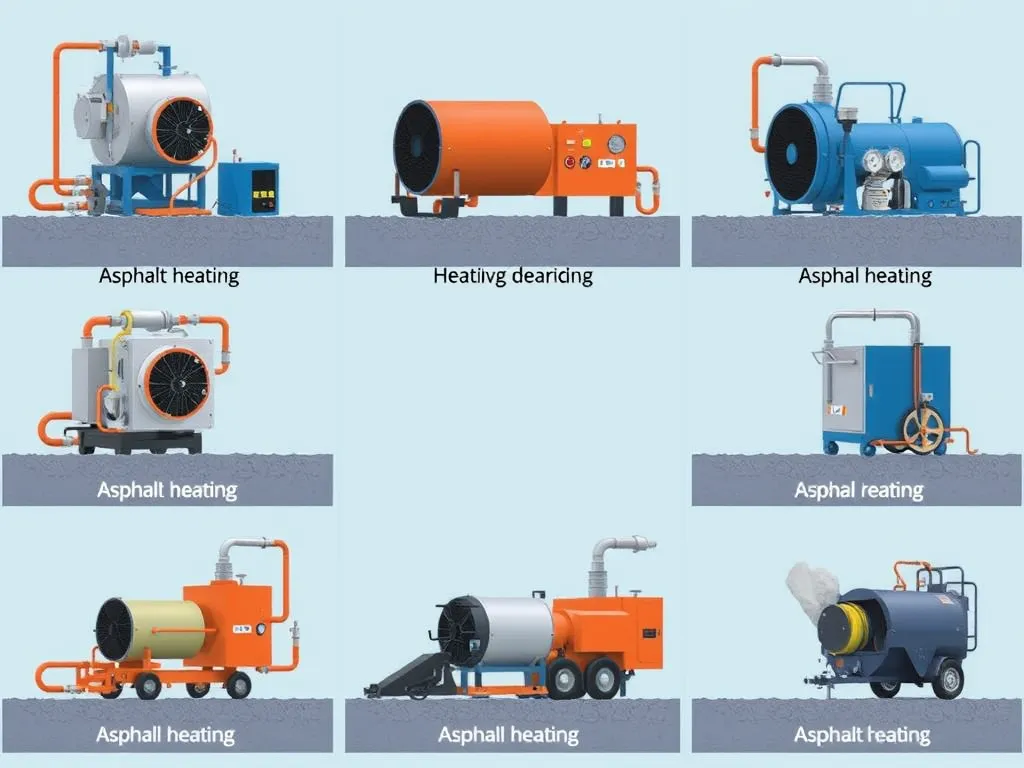
Four primary asphalt warming methods dominate construction: infrared, hot air, gas-fired, and electric systems. Each impacts project budgets through varying fuel demands, labor inputs, and machinery costs. This breakdown clarifies how distinct approaches influence financial planning for asphalt jobs.
Infrared Asphalt Heating
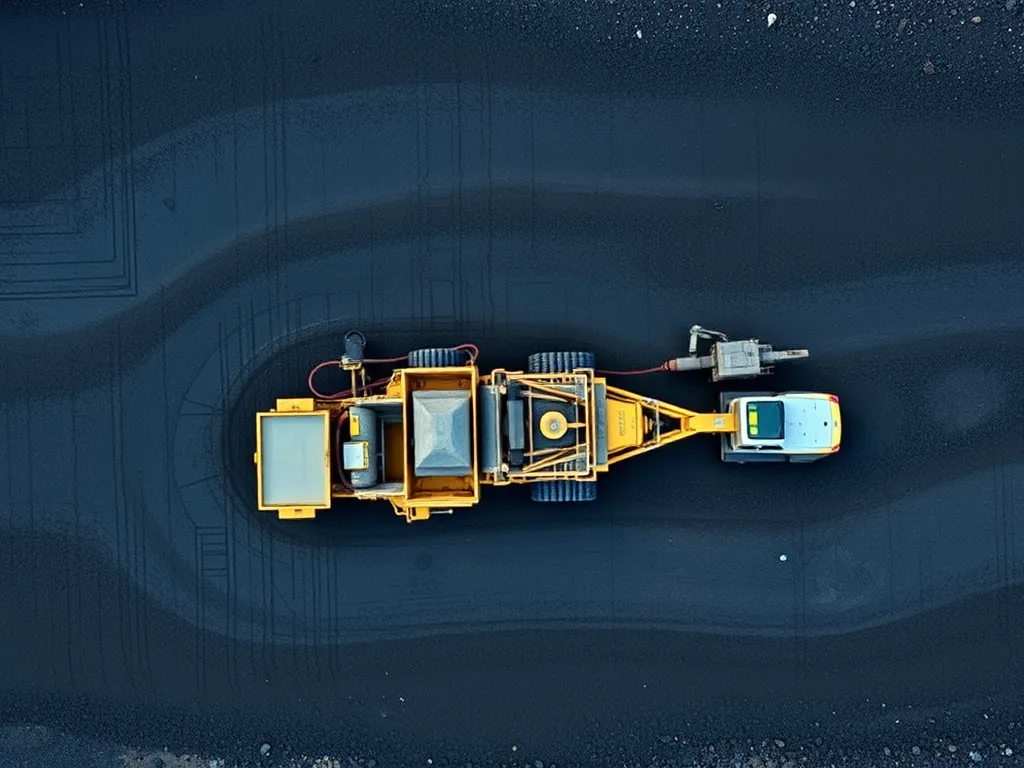
Infrared units apply radiant thermal output to soften asphalt surfaces. This method works for spot repairs or full-depth warming without open flames. Uniform distribution of warmth limits material loss, aiding in cost control.
Process and Equipment Requirements
Portable infrared panels or truck-mounted rigs supply 300–600°F output. Units start at $15,000, with industrial models surpassing $50,000. Fuel consumption runs 2–4 gallons of diesel hourly. Minimal staffing (1–2 operators) cuts labor outlays but demands upfront machinery funding.
Hot Air Heating Methods
High-velocity hot air guns or lancing tools blast 1,000–1,400°F airflow onto asphalt. Ideal for joint warming or crack filling, this technique avoids direct contact but uses more fuel than infrared.
Hot Air Lancing and Equipment
Lancing kits cost $3,000–$8,000, with propane burners consuming 5–10 gallons daily. Labor costs rise due to manual handling—teams of 3–5 workers typically manage airflow direction and temperature checks. Daily fuel bills average $80–$150, fluctuating with asphalt volume.
Gas-fired Asphalt Heating
Direct-flame systems running on propane or natural gas rapidly boost asphalt temps to 400–800°F. Common in large-scale paving, this method suits high-output jobs but faces rising fuel pricing challenges.
Propane and Natural Gas Applications
Propane tanks add $2.50–$4.00 per gallon, while natural gas lines cut fuel costs by 30–40%. Initial setup for dual-fuel burners starts at $20,000. Maintenance runs $1,200–$2,500 annually. Gas price volatility directly impacts long-term affordability.
Electric Asphalt Heating Systems
Electric thermal blankets or induction coils supply steady, low-emission warming. Suited for urban zones with noise restrictions, this approach avoids fuel storage but hinges on local power rates.
Equipment and Energy Sources
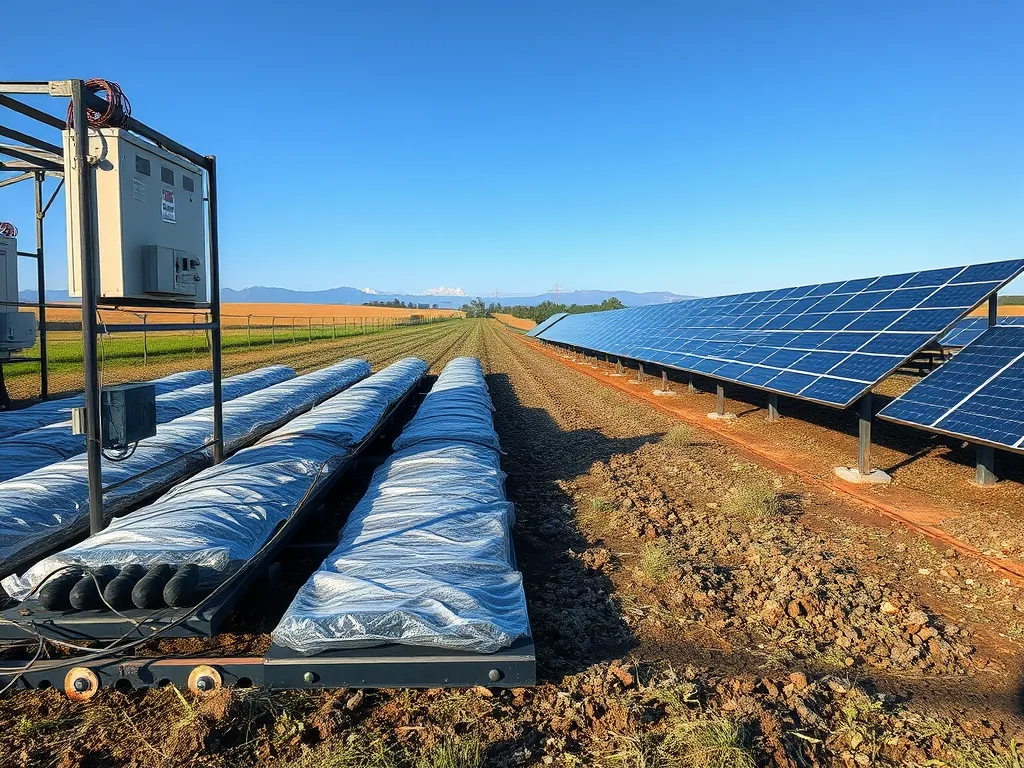
Blanket systems range from $8,000 to $25,000, drawing 20–50 kW per hour. At $0.12–$0.30 per kWh, daily operational costs hit $240–$600. Solar integration slashes bills by 15–25% but requires $10,000+ panel investments.
With warming methods mapped, financial contrasts between fuel types, labor inputs, and machinery demands shape project viability. Upcoming data breaks down dollars per ton across all systems.
Detailed Cost Analysis by Technique
Selecting the right asphalt heating method depends on balancing upfront spending with long-term operational expenses. Each technique carries distinct financial impacts tied to equipment, fuel, labor, and maintenance.
Infrared Heating Cost Breakdown
Infrared systems heat asphalt using radiant energy, minimizing surface damage. This method suits small repairs and patching jobs.
Initial Investment and Operational Costs
Infrared heaters cost $15,000–$35,000, depending on size and automation. Fuel consumption averages 3–5 gallons of diesel per hour. Annual maintenance ranges from $800–$1,200. Labor costs drop by 30% compared to traditional methods due to faster heating cycles.
Hot Air Heating Cost Evaluation
Hot air lancing directs heated air through nozzles to soften asphalt layers. It requires portable blowers ($8,000–$12,000) and hoses.
Labor, Fuel, and Maintenance Expenses
Fuel costs hit $25–$40 per hour using propane. Two-person crews add $45–$60 hourly in labor. Blower repairs average $500 annually. This method consumes 20% more fuel than infrared for similar tasks.
Gas-fired Heating Cost Assessment
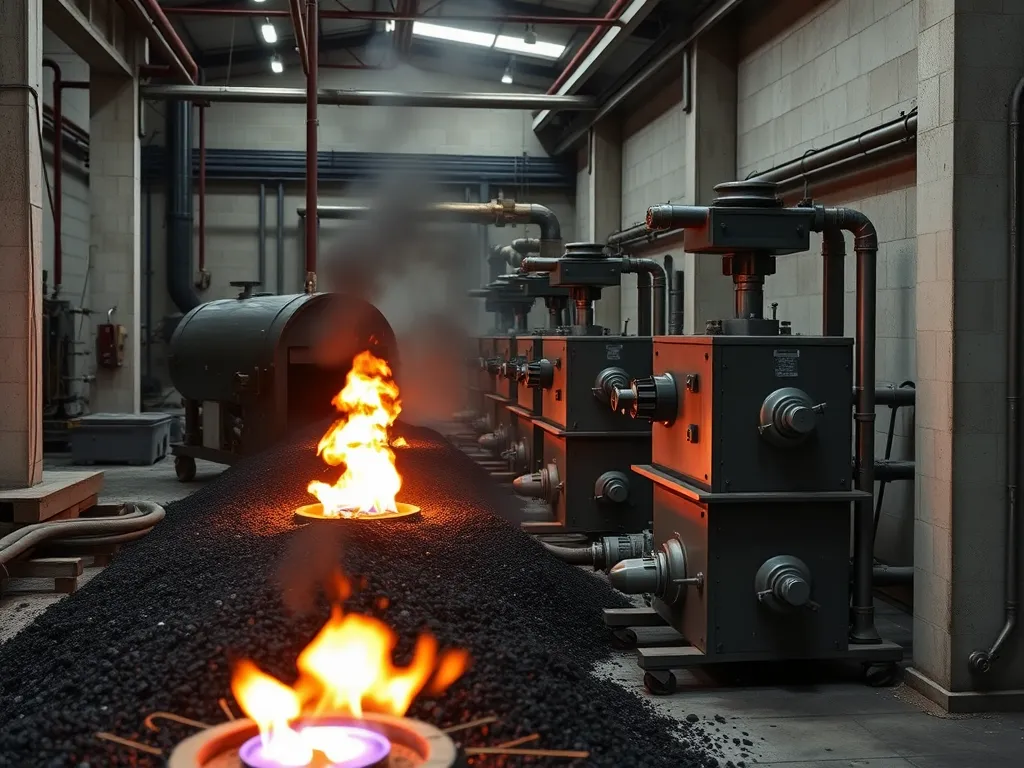
Gas-fired systems heat asphalt via direct flame, ideal for large-scale projects. Units range from $20,000 (portable) to $75,000 (trailer-mounted).
Propane vs. Natural Gas Cost Comparison
Propane costs $3.50 per gallon, burning 7–10 gallons hourly. Natural gas runs cheaper at $1.20 per therm but needs pipeline access. For a 10-hour job, propane adds $245–$350 in fuel, while natural gas stays below $144.
Electric Heating Cost Analysis
Electric heaters use resistive coils, producing zero emissions. Startup costs fall between $12,000 and $22,000.
Energy Consumption and Long-Term Costs
Energy use averages 30–50 kWh per ton of heated asphalt. At $0.13 per kWh, operating costs reach $3.90–$6.50 hourly. Maintenance drops 40% versus gas systems but slower heating speeds may extend project timelines by 15%.
While upfront and operational costs vary widely, other elements like energy efficiency and equipment lifespan further shape total spending. Let’s explore these factors next.
Also See: Techniques for Effective Hand-held Compaction
Factors Influencing Asphalt Heating Costs
Four core factors shape the cost of heating asphalt: energy use, gear upkeep, crew needs, and job size. Each plays a key role in picking the right method for your budget.
Energy Efficiency and Consumption
Heating styles vary in energy use. Infrared tech hits 1,200-1,800°F fast, using 30-50% less fuel than gas burners. Electric systems draw 20-40 kW per hour but cost more in areas with high power rates. Hot air lancing eats 15-25 gallons of diesel daily. Track BTUs per square yard to spot waste.
Equipment Lifespan and Maintenance
Upfront costs don’t tell the full story. Infrared panels last 7-12 years but need $200-$500 yearly for parts. Gas burners wear out in 5-8 years, with $1,000+ per rebuild. Electric coils last 10+ years but cost 2x more to replace. Plan for 3-5% of gear value in annual fixes.
Labor and Operational Complexity
Infrared needs 1-2 workers vs 3-4 for hot air methods. Gas systems demand certified crews ($35-$50/hr wages) for safe runs. Electric setups cut labor by 20% but need $5k-$10k training spend. Complex jobs add 10-15% to labor bills due to slow setup times.
Volume Of Asphalt Processed
Big jobs favor high-output methods. Gas heaters handle 5+ tons hourly at $8-$12/ton. Infrared does 2-3 tons hourly but costs $15/ton. For under 1 ton, electric costs spike to $25/ton. Aim for 70%+ gear use rates to lower cost per ton.
These cost drivers lead directly to per-ton price checks across methods. Up next: head-to-head numbers for each heating style.
Comparative Cost Evaluation Of Techniques
Comparing costs across asphalt heating methods requires evaluating factors like project scale, energy consumption, and equipment specs. Each technique offers distinct price points tied to material waste, labor demands, and operational speed. A thorough asphalt heating techniques cost analysis reveals which options fit budget and performance goals.
Cost Per Ton Analysis
Cost per ton remains a critical metric for comparing heating methods. It accounts for material efficiency, fuel use, and labor hours. Projects exceeding 500 tons often favor high-output systems, while smaller repairs lean toward portable solutions.
Hot Mix Asphalt (HMA) Cost per Ton
HMA averages $80–$120 per ton, including heating, mixing, and transport. Infrared heating reduces this range to $75–$110 by slashing fuel use 15–20% and labor time. Gas-fired systems add $5–$8 per ton due to fluctuating propane prices, now at $2.50–$3.25 per gallon nationwide.
Hot In-place Recycling Costs
Hot in-place recycling costs $40–$70 per ton, reusing 90–100% of existing asphalt. This avoids $25–$40 per ton disposal fees linked to traditional removal. Equipment rentals for this method run $1,200–$2,500 daily, but projects over 1,000 tons drop per-ton rates by 30%.
Cost Comparison with Traditional Methods
Recycling cuts total costs 55% versus full-depth removal ($90–$150 per ton). Traditional methods require new aggregate ($12–$18 per ton) and fresh binder ($60–$85 per ton). Recycling also skips 2–4 days of road closure fees, saving $1,500–$3,000 daily in traffic control.
Cost-effectiveness Of Long-term Applications
Infrared and hot in-place recycling extend pavement life 30–50% over patching. HMA lasts 15–20 years but demands 3–5 resurfacing cycles versus 1–2 for recycled layers. Life-cycle cost analysis shows recycled asphalt spends $0.18–$0.25 per square foot annually, beating HMA’s $0.30–$0.40.
Beyond dollars, environmental factors shape asphalt heating cost analysis. The next section explores how emissions, regulations, and sustainability influence project budgets.
Environmental Impact and Associated Costs
Environmental factors directly affect project budgets when choosing asphalt heating methods. Emissions, energy use, and sustainability standards determine long-term expenses beyond equipment or labor fees.
Emissions and Energy Waste
Gas-fired systems emit 12-18 lbs of CO2 per ton of heated asphalt, while electric models generate 8-10 lbs when powered by coal-heavy grids. Infrared heaters slash emissions by 30-50% through targeted heat application. Energy waste also varies: hot air lancing loses 20-25% of thermal output to wind dispersion, versus 5-8% for enclosed electric units. Higher waste means more fuel purchases—adding $1.50-$3.00 per square foot over multi-day projects.
Regulatory Compliance Costs
The EPA’s Tier 4 standards require $8,000-$15,000 emission filters for diesel-powered heaters in non-attainment zones. States like California mandate CARB-compliant equipment, tacking on 7-12% to project bids. Infrared avoids these fees due to lower NOx outputs. Gas-fired units face $200-$500 daily fines if particulate monitors exceed 150 µg/m³ during operation. Permitting alone adds $1,200-$2,500 for large-scale jobs using propane heaters.
Sustainability Of Heating Techniques
Electric systems using solar or wind energy cut lifecycle costs by 18-22% despite higher upfront rates. Recycled asphalt pavement (RAP) processed via infrared reaches 95% reusability—versus 70-80% with hot air methods—reducing virgin material needs. Tax credits like the 45L Energy Efficiency Incentive offer $1.80 per square foot for projects using low-emission heaters. Hybrid gas-electric units now achieve LEED points, trimming 5-8% from municipal contract bids through green certification bonuses.
Balancing eco-friendly practices with budget demands requires precise data. Next, we’ll address common questions about per-ton rates and scalability.

FAQs: Cost Analysis Of Asphalt Heating
How Much Does 1 Ton Of Hot Asphalt Cost?
The cost of 1 ton of hot asphalt typically ranges from $80 to $120. This price includes various factors like heating, mixing, and transportation costs, which can vary based on location and specific project requirements.
What is the Cost Of Hot In-place Asphalt Recycling?
Hot in-place asphalt recycling generally costs between $40 to $70 per ton. This method reuses existing asphalt, significantly reducing disposal fees and project costs compared to traditional methods.
Is Asphalt Heating Cost-effective for Large Projects?
Yes, asphalt heating techniques become more cost-effective in large projects. High-output methods, such as gas-fired systems, can handle more asphalt per hour, lowering the overall cost per ton when processing large quantities.
How is Hot Mix Asphalt Measured for Cost Calculations?
Hot mix asphalt is measured for cost calculations based on weight (tons) and the associated operational expenses, including heating, mixing, transportation, and labor costs involved within a given project scope.
Closing Thoughts
Evaluating the cost of various asphalt heating techniques reveals distinct advantages and challenges across each method. Infrared heating, with its efficiency and minimal fuel consumption, stands out for projects that prioritize quick results with lower operational costs. Hot air and gas-fired systems offer robust solutions, with gas-fired heating showing promise in both performance and long-term savings.
Electric systems shine in energy efficiency, yet they may present higher initial costs. Assessing factors like equipment lifespan, maintenance needs, and labor complexity is vital in determining overall budget impact.
Asphalt heating involves nuanced decision-making, especially in balancing costs and efficiency for both immediate projects and long-term applications. For comprehensive insights and further assistance, visit Asphalt Calculator USA.
Additional Resources for You:
- American Association of State Highway and Transportation Officials (AASHTO). (2008). Mechanistic-Empirical Pavement Design Guide (MEPDG). Washington, DC: AASHTO.
- Thermal performance of cooling strategies for asphalt pavement: A state-of-the-art review – ScienceDirect
- Lifecycle Cost Analysis of Recycled Asphalt Pavements: Determining Cost of Recycled Materials for an Urban Highway Section
- Asphalt Paving Calculator | Cost Of Asphalt | Morgan Pavement
- AsphaltPro Magazine| AsphaltPro Magazine | Electrify Asphalt Plant Heat Efficiency