Cooling Hot Asphalt Right: Smart Methods for Stronger Roads
Published on: November 5, 2025 | Last Updated: April 14, 2025
Written By: George Voss
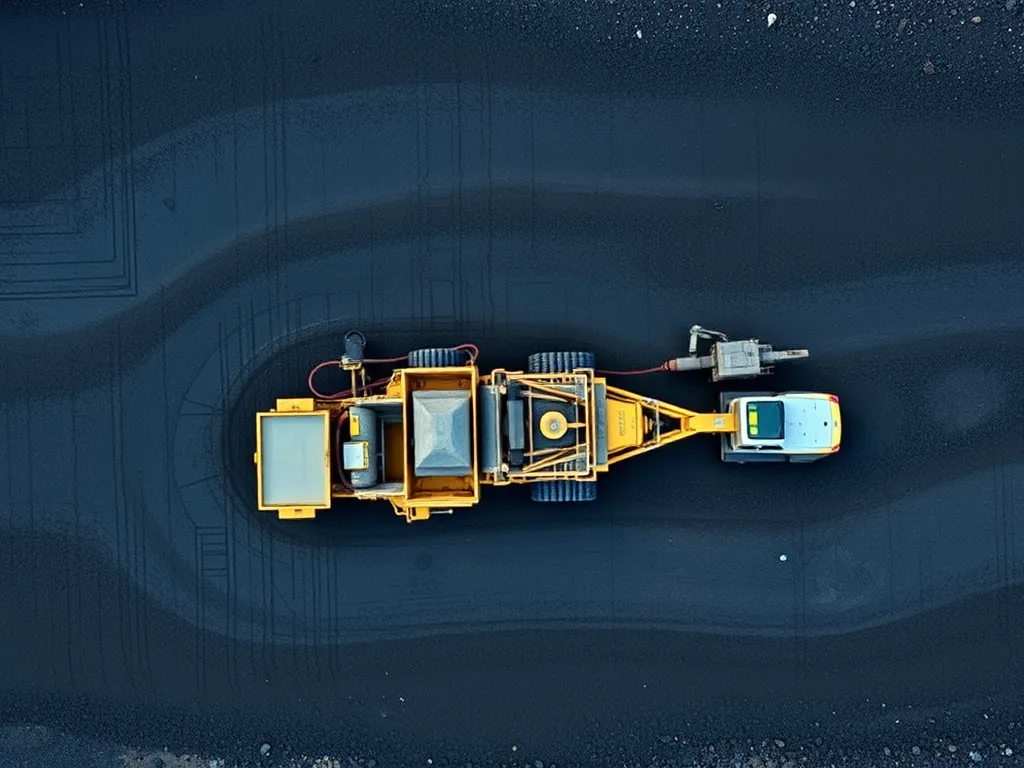
Cooling hot asphalt requires precise temperature control during installation to prevent cracks, uneven surfaces, and weak pavement. Contractors use timed deliveries, shade canopies, and adjusted paving equipment to lower asphalt temperatures from 275-325°F to safe compaction ranges. Proper cooling ensures the asphalt binder bonds correctly with aggregates, creating durable roads that withstand traffic and weather.
This guide covers proven strategies to manage asphalt temperature from plant to pavement. Learn how to schedule deliveries during cooler hours, modify paving machines, and use cooling tools like infrared thermometers. Discover why water spray systems work better at 140°F than 300°F, and how reflective coatings cut surface heat by up to 20°F. We’ll explain industry standards, cost-effective methods, and safety protocols for handling hot mix asphalt (HMA) in summer conditions.
Why Proper Asphalt Cooling is Essential
Effective cooling asphalt techniques directly determine pavement performance. Temperature management affects chemical bonds in bitumen (asphalt binder) and aggregate alignment. Even minor deviations from optimal ranges create weak points that worsen over time.
Impact Of Temperature on Asphalt Durability
Hot asphalt mix requires precise temperatures between 275°F and 325°F during placement. Below 250°F, bitumen loses adhesion, causing incomplete particle coating. Above 350°F, thermal degradation weakens binders. Rapid cooling asphalt down creates thermal contraction cracks, while slow cooling increases rutting risks. Modern PG (Performance-Graded) binders demand strict temperature control – PG 64-22 fails if cooled 18°F below target.
Risks Of Premature Pavement Failure
Improper asphalt cool-down methods cause three common failures: raveling (surface erosion), rutting (wheel-path depressions), and transverse cracking. A 2023 NAPA study found pavements cooled 25°F faster than recommended failed 40% sooner under traffic loads. Repair costs spike 3-5x when addressing subsurface damage from temperature-related failures versus surface repairs.
Mastering temperature control sets the stage for exploring proven cooling asphalt methods. Next, we break down operational strategies for maintaining ideal thermal conditions.
Best Practices for Cooling Hot Asphalt
Effective temperature control during paving operations ensures long-lasting pavement performance. Proper cooling methods preserve structural integrity while meeting project timelines.
Optimal Temperature Management During Delivery
Hot mix asphalt (HMA) begins losing heat the moment it leaves the plant. Managing delivery logistics prevents excessive temperature drops that compromise workability.
Coordinate with Suppliers for Timely Delivery
Work closely with material suppliers to reduce transit time. Trucks should reach the site within 60-90 minutes of loading. Use GPS tracking to optimize routes. Delays exceeding 30 minutes often require remixing to restore lost heat.
Monitor Mix Temperature at Plant and Site
Check HMA temperatures using infrared thermometers at both production and placement stages. Ideal delivery temps range between 275°F and 325°F depending on binder type. Temperatures below 250°F risk incomplete compaction.
Strategic Paving Techniques
Jobsite decisions directly influence cooling rates. Smart paving strategies extend the window for proper compaction.
Schedule Work During Cooler Hours
Plan paving between 5-10 AM when ambient temps stay below 80°F. Night work proves effective in extreme heat, but requires proper lighting. Avoid midday paving when solar radiation peaks.
Use Shade Canopies for Material Storage
Deploy temporary shade structures over stockpiles. Studies show shaded mixes retain workability 20% longer than exposed material. Fabric canopies reduce surface temps by 15-25°F compared to direct sunlight.
Equipment Adjustments
Modern paving equipment offers features to manage thermal loss. Simple modifications improve cooling outcomes.
Disable Paver Heating Systems
Turn off screed heating elements when ambient temps exceed 85°F. Unnecessary heating burns 0.5-1.2 gallons of fuel per hour while raising mix temps 5-10°F. Most newer pavers include eco-modes for heat control.
Maintain Consistent Paving Speed
Operate pavers at 8-12 feet per minute for uniform thickness. Erratic speeds create uneven cooling patterns. Slower speeds below 5 FPM may require thermal blankets to prevent rapid heat loss.
These operational strategies form the core of temperature management. Next, specialized cooling systems take control to the next level.
Effective Asphalt Cooling Techniques
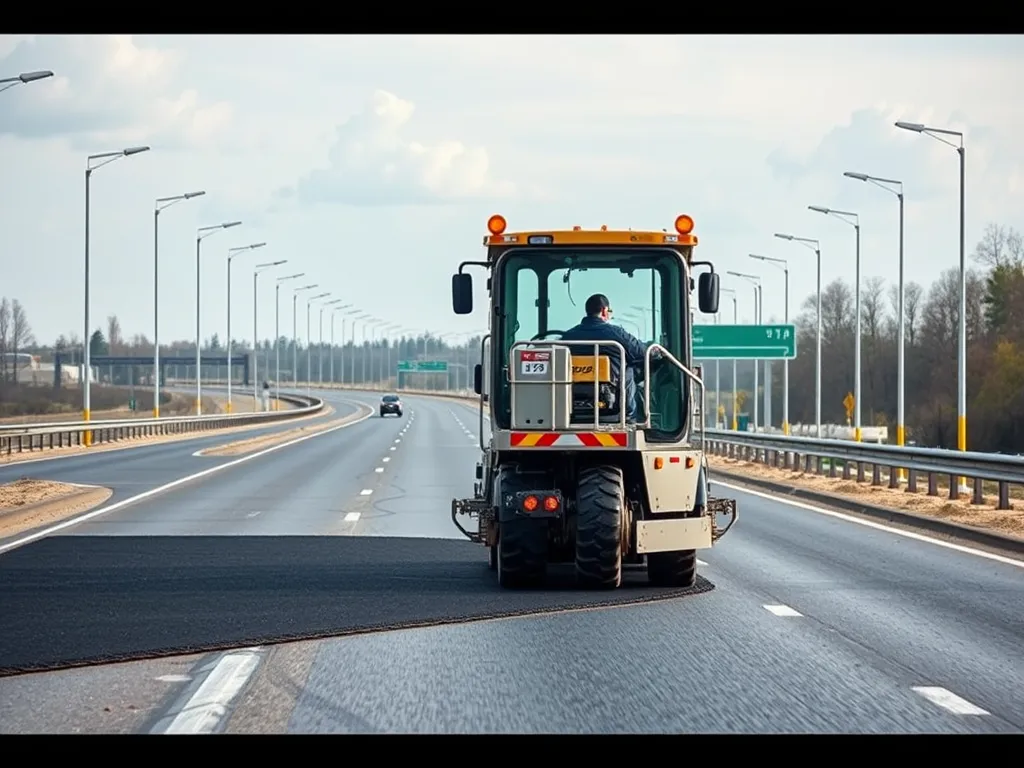
Managing asphalt temperature demands smart strategies balancing efficiency and material integrity. Contractors use passive and active methods to achieve optimal cooling rates without compromising pavement quality.
Passive Cooling Methods
Natural approaches leverage environmental factors to reduce heat buildup. These methods work best when paired with precise timing and site planning.
Natural Air Circulation Strategies
Wind patterns and surface spacing accelerate heat dissipation. Create 6-12 inch gaps between pavement edges and adjacent surfaces to allow airflow. For parking lots, stagger placement of hot mix batches to let air move freely across fresh layers. Thermal imaging shows this technique lowers surface temps by 15-25°F compared to dense clusters.
Strategic Material Placement in Shaded Areas
Store asphalt stockpiles under shade canopies or near tall structures blocking direct sunlight. A 2022 study found shaded mix stays 20°F cooler than exposed material during peak heat. Schedule paving near tree lines or buildings when air temperatures exceed 90°F. Night paving in desert regions can extend working windows by 3-5 hours.
Active Cooling Solutions
Targeted interventions speed up temperature drops in time-sensitive projects. Modern tech blends with traditional practices for faster results.
Controlled Water Spray Applications
Apply 0.03-0.05 gallons per square foot using oscillating nozzles set 18-24 inches above the surface. Time sprays in 5-minute intervals to prevent thermal shock. Paired with steel drum rollers, this method achieves 140°F compaction temps in 25 minutes versus 45 minutes for air cooling alone.
Infrared Reflective Coatings
High-albedo sealants with 85% solar reflectance cut surface temps by 30-50°F. Apply within 2 hours post-compaction using spray trucks at 150 PSI. These coatings reduce heat transfer to lower layers, preventing binder softening in summer. Costs average $0.75-$1.25 per square foot, with 7-10 year lifespans.
Selecting the right tools ensures these techniques deliver maximum impact. Let’s examine essential gear for precise temperature management.
Also See: Challenges in Warm Mix Asphalt Application
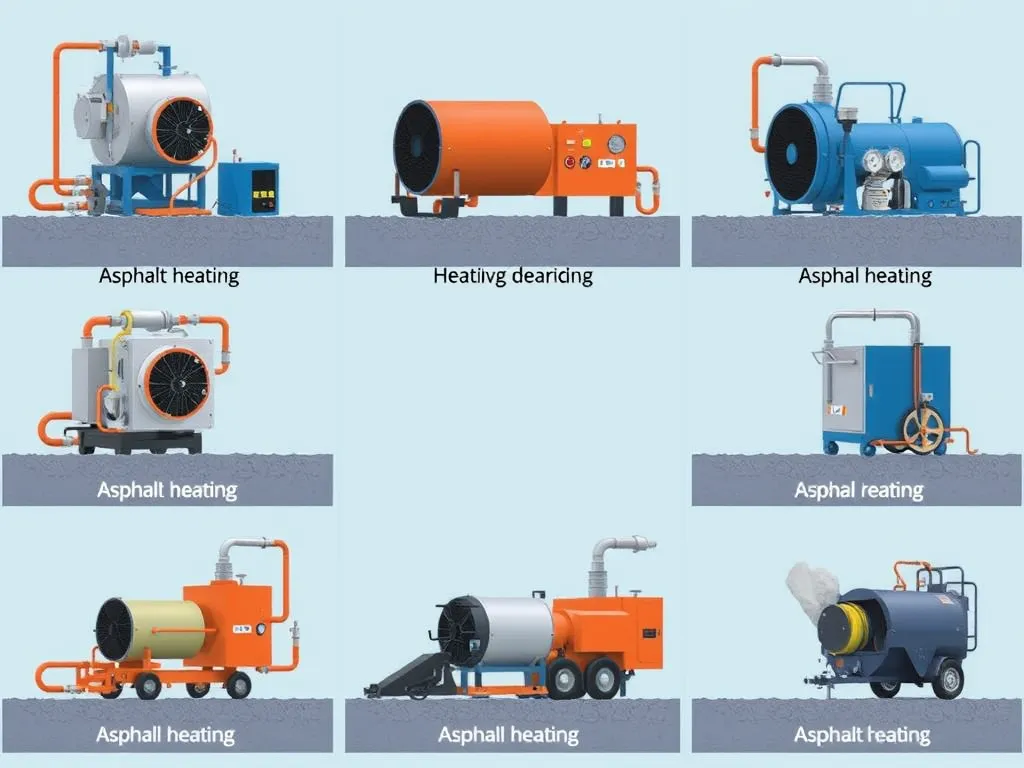
Essential Tools for Asphalt Temperature Control
Precision tools separate adequate cooling from optimized pavement performance. Proper equipment ensures accurate temperature tracking and targeted heat reduction during paving operations.
Temperature Monitoring Equipment
Real-time data drives cooling decisions. These devices identify thermal inconsistencies before they compromise pavement quality.
Infrared Thermometers
Handheld guns measure surface temps from 4-12″ away. High-end models like Fluke 62 Max+ track mix temperatures between -22°F to 1202°F with ±2% accuracy. Ideal for spot-checking truck beds and screed output.
Thermal Imaging Cameras
FLIR T-Series cameras create heat maps showing temperature variations across mat surfaces. Detect cold joints below 225°F or hot spots exceeding 320°F in real time. Some DOTs require thermal imaging for QC on interstate projects.
Cooling Assistance Systems
Active cooling technologies combat heat retention in challenging conditions. These systems integrate directly with paving workflows.
Portable Water Cooling Units
Misting systems apply 0.5-1.5 gallons per square yard through adjustable nozzles. Wirtgen SprayJet units reduce mat temps by 25-40°F within 15 minutes. Recirculation pumps cut water usage by 60% compared to traditional spray bars.
Heat-Resistant Paving Equipment
Vögele Super 1800-3i pavers feature ceramic-coated screeds that reflect radiant heat. Insulated hoppers maintain mix temperature within 5°F of target during extended paving passes. Reduces need for repeated cooling interventions.
While these tools form the foundation of temperature management, operators must also prepare for environmental variables that complicate cooling efforts.

Challenges in Asphalt Cooling Operations
Successful temperature control requires overcoming multiple obstacles. Crews must balance material properties with changing site conditions while maintaining strict timelines.
Environmental Factors
External elements significantly influence cooling rates. Site-specific climate patterns dictate which cooling asphalt methods prove most effective.
High Surrounding Temperature Effects
When thermometers hit 90°F+, hot mix loses heat 40% slower. Extended exposure risks binder degradation, lowering pavement strength by up to 15%. Night paving or reflective blankets become critical in desert regions.
Unpredictable Weather Shifts
Sudden storms or cold fronts create uneven cooling. Just 0.5 inches of rain can drop surface temps by 100°F in minutes, causing thermal shock cracks. Real-time weather tracking systems help crews adjust cool down asphalt road strategies.
Material Handling Difficulties
Proper cooling starts before mix reaches the site. Transport logistics directly impact thermal management success.
Stone Mixture Temperature Control
Exceeding 300°F in storage silos accelerates binder oxidation. Insulated trucks maintain mix between 275-300°F during transit, preserving workability for optimal compaction.
Water Content Regulation
Even 2% excess moisture generates steam pockets under freshly laid mats. Dehumidified storage facilities keep stone mixtures below 0.5% water content, preventing structural voids during cool hot asphalt processes.
Mastering these variables determines whether crews achieve specified 290-320°F compaction ranges. Next, we’ll examine what happens when temperature control falls short.
Consequences Of Improper Asphalt Cooling
Ignoring proper cooling methods for hot asphalt leads to immediate and long-term pavement damage. These defects compromise performance, safety, and project budgets.
Structural Integrity Concerns
When asphalt cools too quickly or unevenly, internal stresses build. This weakens the pavement matrix before traffic ever touches it.
Premature Cracking Development
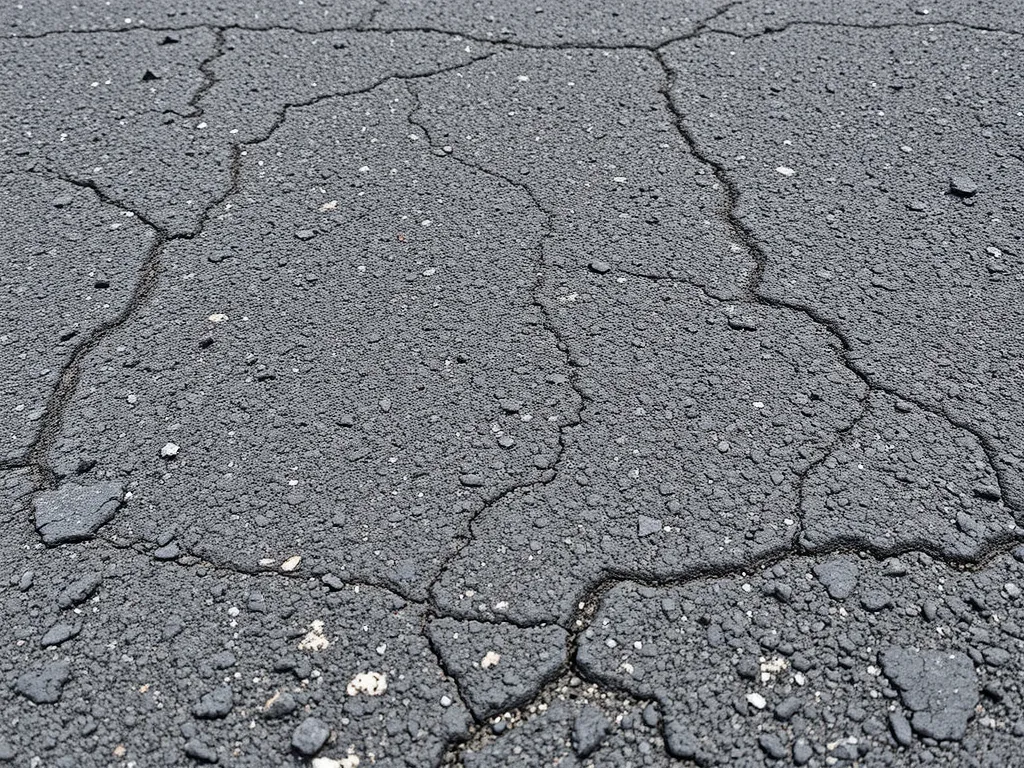
Thermal contraction from rapid cooling creates transverse cracks within weeks of installation. A 2023 FHWA study found improperly cooled pavements develop cracks 3x faster than properly treated surfaces. Block cracks also form when temperature differentials exceed 25°F between layers.
Reduced Load-Bearing Capacity
Incomplete binder hardening lowers stability. A 4-inch base course losing just 15°F during placement can reduce load capacity by 18%, accelerating rutting under heavy trucks. This forces premature repairs at $18-$32 per square yard.
Surface Quality Issues
Cooling errors leave visible scars that degrade ride quality and safety. These defects often require full-depth patching within 2-3 years.
Aggregate Displacement Problems
Fast-cooled surfaces trap less binder between stones. Loose aggregates scatter under traffic, creating hazardous debris. Projects needing 95% compaction often drop to 88-90% with poor cooling – a 1% drop raises displacement risk by 7%.
Uneven Surface Texture
Temperature swings during curing cause erratic binder distribution. This creates rough patches that reduce skid resistance. IRI ratings below 120 inches/mile indicate problematic surfaces needing corrective milling.
These challenges highlight why advanced cooling asphalt methods matter. Next, we explore emerging technologies that combat heat while enhancing pavement performance.
Cool Pavement Technologies
Innovative materials and designs now tackle asphalt heat retention. These methods lower surface temperatures while maintaining structural performance. Three approaches lead the industry in thermal management.
High-albedo Surface Treatments
Reflective surfaces slash heat absorption using light-colored aggregates or specialized coatings. A 0.7+ Solar Reflectance Index (SRI) rating marks effective treatments – standard asphalt scores 0.05-0.15. These surfaces stay 15-25°F cooler than traditional blacktop during peak sun. Texas DOT reports 22% less nighttime heat radiation from albedo-enhanced roads. Integrate these when planning cool asphalt roads in urban zones.
Permeable Asphalt Systems
Open-graded layers allow water infiltration, using evaporation to cool down asphalt. A 12-18 inch stone reservoir beneath the surface stores stormwater. As moisture rises, it absorbs 970 BTUs per pound evaporated. Permeable systems maintain temperatures 10-15°F below conventional pavements. Installation runs $3-$5 per square foot but cuts long-term maintenance by 30%.
Phase-change Material Additives
PCMs absorb heat during liquid-solid transitions. Paraffin-based additives activate at 90-110°F, storing 150-200 kJ/kg thermal energy. When mixed into asphalt binder at 5-7% concentration, they reduce peak surface temps by 18°F. Arizona trials show PCM-enhanced roads last 40% longer before thermal cracking appears. Initial costs rise 8-12%, but lifecycle savings exceed $8 per square yard.
These technologies reshape how crews cool hot asphalt while addressing broader climate impacts. Their temperature control benefits pair with environmental advantages – a perfect lead-in to our next focus on sustainability gains.
Environmental Benefits Of Proper Asphalt Cooling
Implementing effective asphalt cooling methods extends beyond pavement performance. These techniques create measurable environmental improvements in cities and industrial zones.
Urban Heat Island Mitigation
Hot asphalt surfaces can elevate local temperatures by 7-10°F in metropolitan regions. Strategic cooling practices like infrared-reflective coatings and permeable systems increase surface albedo, reflecting solar radiation instead of absorbing it. A study by the Heat Island Group found cool asphalt roads can lower peak summer ambient temperatures by 4-6°F. Pairing these methods with shade placement of stored materials reduces thermal transfer to surrounding air.
Energy Consumption Reduction
Properly cooled asphalt requires 18% less energy during production, according to National Asphalt Pavement Association data. Efficient temperature management minimizes mix reheating needs and lowers fuel use in paving equipment. Cooler pavements also decrease adjacent building cooling loads—Lawrence Berkeley Lab estimates 12-15% HVAC energy savings for structures near high-albedo roads.
Mastering these methods prepares crews to address common operational questions. Next, we examine solutions for frequent challenges in field applications.
FAQ: Asphalt Cooling Solutions
How to Cool Down Asphalt Quickly and Safely?
Quick and safe cooling of asphalt can be achieved through several methods, including using controlled water spray applications, maintaining consistent mix temperatures during transport, and scheduling paving during cooler hours of the day. Monitoring temperatures with accurate equipment is also crucial to avoid thermal shock risks.
Best Methods for Cooling Asphalt Roads in Summer
In summer, the best methods for cooling asphalt roads include using passive cooling techniques such as placing materials in shaded areas, employing high-albedo surface treatments, and active solutions like water misting systems to lower surface temperatures effectively.
Optimal Curing Temperatures for Durable Pavement
For durable pavement, optimal curing temperatures for asphalt range between 290°F and 320°F. Cooling the asphalt mix too quickly can lead to structural issues. Monitoring temperatures using infrared thermometers ensures that the mix cures correctly, maintaining its integrity.
Cost Comparison Of Different Cooling Techniques
The cost of cooling techniques can vary significantly. For instance, water spray systems may reduce mat temperatures efficiently for about $0.75-$1.25 per square foot for reflective coatings, whereas high-albedo treatments can cost around $3-$5 per square foot for installation. Evaluating the long-term savings from reduced maintenance and extended pavement life is essential in making cost-effective decisions.
Material Selection for Heat-resistant Asphalt
When selecting materials for heat-resistant asphalt, look for additives like phase-change materials that improve thermal management. Also, utilizing high-performance graded binders that are designed for improved durability under high temperatures can help maintain the quality and longevity of the pavement.
Closing Thoughts
Effective cooling methods for hot asphalt are vital to ensure durability and quality in pavement construction. Proper temperature management prevents premature failure, extending the lifespan of roads and driveways. Techniques such as passive cooling and active solutions offer strategic ways to maintain temperature control throughout the paving process.
Utilizing the right tools, including infrared thermometers and portable water cooling units, enhances temperature monitoring and cooling. By implementing best practices and overcoming challenges, you can achieve a robust asphalt surface that stands the test of time. Remember, prioritizing asphalt cooling not only benefits the immediate project but also contributes to environmental sustainability.
For more detailed information and resources, visit Asphalt Calculator USA.
Additional Resources for You:
- Kett, I. (1999). Asphalt Materials and Mix Design Manual. Oxford: Elsevier Science.
- Asphalt Paving: Temperature & Timing | Alpha Paving
- Finding Ways to Cool the Temperature of Asphalt | For Construction Pros
- Why Tracking Temperatures is Key to Successful Asphalt Paving | For Construction Pros
- Ageing and Cooling of Hot-Mix-Asphalt during Hauling and Paving—A Laboratory and Site Study