Techniques for Clearing Debris in Asphalt Paving
Published on: April 21, 2026 | Last Updated: April 14, 2025
Written By: George Voss
Debris clearance in asphalt paving removes unwanted materials like leaves, dirt, concrete spills, or metal scraps before laying new pavement. Proper techniques vary by debris type—sticky gum needs scraping, while loose dirt requires sweeping or blowing. Skipping this step risks uneven surfaces, cracks, or bond failures that cut pavement lifespan by up to 40%.
This article breaks down debris removal methods for driveways, roads, and parking lots. Learn how to handle natural debris like mud, construction waste like paint spills, and equipment scraps. We’ll cover manual tools (brooms, scrapers), power equipment (street sweepers, pressure washers), and eco-safe chemical treatments. Find safety tips, cost-effective strategies, and answers to common cleanup challenges.
Why Debris Removal is Critical for Asphalt Paving
Debris clearing in asphalt paving directly affects pavement performance and safety. Even small particles compromise structural integrity and increase long-term costs.
Impact Of Debris on Asphalt Longevity
Foreign materials like soil or concrete scraps prevent proper bonding between asphalt layers. A 1/8″ gap from trapped debris reduces load-bearing capacity by 35%, accelerating cracks and potholes. PG 64-22 binder – common in U.S. pavements – fails to adhere to contaminated surfaces, shortening lifespan by 2-4 years. Superpave mixes (performance-graded asphalt) require clean aggregate contact for optimal compaction at 280°F-320°F lay temperatures.
Moisture retention under debris triggers freeze-thaw damage. Michigan DOT studies show uncleared sites needing 40% more maintenance within 5 years. Proper asphalt paving debris removal techniques prevent premature raveling and edge deterioration.
Safety Risks Of Uncleared Asphalt Surfaces
Debris transforms pavements into hazard zones. Wet leaves drop skid resistance below 35 SN (standard ASTM E274 testing), increasing stopping distances by 22%. Loose aggregates become projectiles at 55 mph – 83% of windshield cracks in construction zones trace to flying debris. OSHA reports 14% of paving-site injuries involve slips on grease or metal scraps.
Sticky substances like chewing gum lower friction coefficients from 0.7 to 0.4, equivalent to driving on wet ice. Unremoved paint lines confuse autonomous vehicle sensors, a growing concern with smart road tech. Clearing asphalt paving waste eliminates trip hazards and reduces liability claims by contractors.
Different debris types demand specific removal strategies – let’s examine what you’ll encounter on typical sites.
Common Debris Types in Asphalt Paving Projects
Debris clearing in asphalt paving starts with knowing what you’re dealing with. Each material demands specific removal strategies to protect pavement integrity. Let’s break down the four primary categories.
Natural Debris (Leaves, Soil, Mud)
Organic matter like leaves traps moisture, accelerating asphalt oxidation. Soil and mud reduce aggregate-binder bonding, leading to raveling. A 1/8-inch layer of dirt can weaken surface adhesion by 30%. Use stiff brooms or air compressors for dry removal. For wet mud, wait for partial drying to avoid smearing.
Construction Debris (Concrete Spills, Paint Residue)
Fresh concrete spills bond with asphalt within 2 hours, creating permanent ridges. Paint residue blocks sealcoating penetration. Scrape spills immediately with steel scrapers. For cured concrete, grind surfaces to a 3mm tolerance. Solvents like mineral spirits dissolve latex paint without damaging PG 64-22 binders.
Sticky Substances (Gum, Tar, Adhesives)
Gum and tar melt into pavement pores at 140°F, requiring 2,500 PSI pressure washing. Silicone-based adhesives need citrus solvents to avoid damaging asphalt’s elastic recovery. Avoid abrasive tools—wire brushes scratch surfaces, increasing water infiltration risks by 15%.
Equipment-generated Waste (Metal Shavings, Aggregate Scraps)
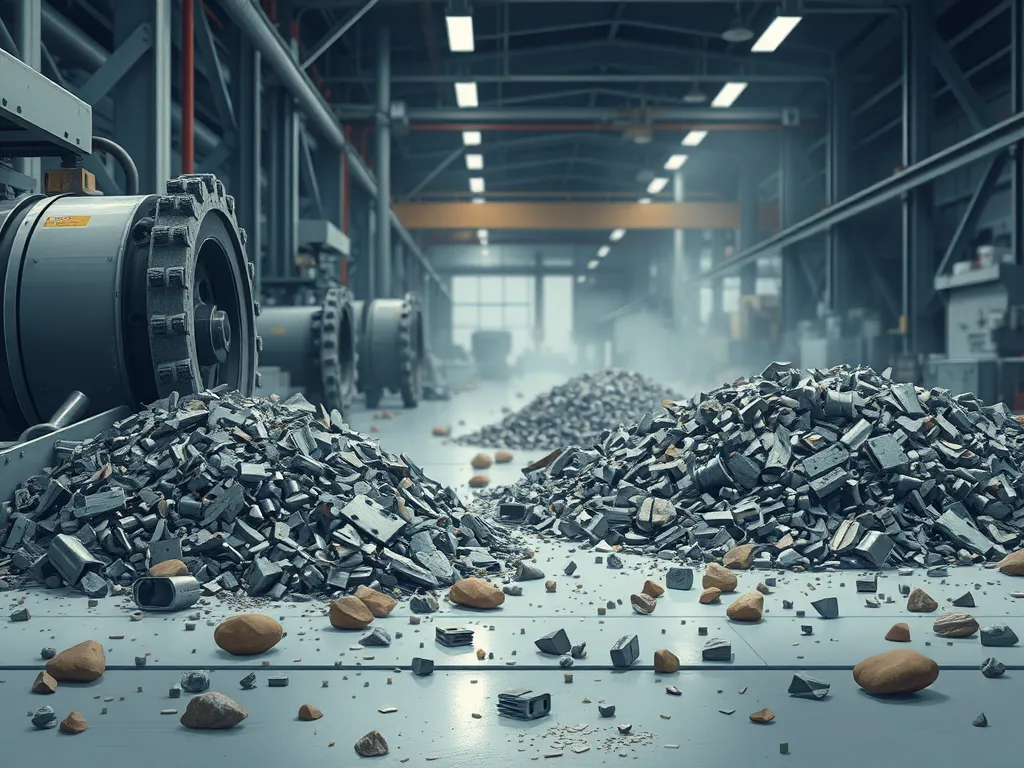
Metal fragments from milling machines puncture rollers during compaction. Aggregate scraps left behind create uneven density zones. Magnetic sweepers collect 95% of ferrous debris in one pass. Rotary sweepers with 360° brushes clear 8-ton loads of loose stone per hour.
With debris types identified, the next step is matching them to removal methods that balance efficiency and surface preservation.
Effective Techniques for Asphalt Debris Removal
Clean roads need the right steps. Use these ways to clear mess from asphalt jobs.
Manual Cleaning Methods
Hand tools work best for small spots or tight areas.
Stiff-Bristle Brooms and Litter Pickers
Push brooms sweep leaves, dirt, and grit. Use pickers to grab trash like nails or glass. This works for spots under 500 sq. ft.
Hand Scraping for Stubborn Materials
Scrape off dried paint, tar, or cement with putty knives. Heat gum or glue first with a torch (low flame) to soften. Wear thick gloves.
Mechanical Solutions
Big jobs need power tools to save time and labor costs.
Industrial-Grade Leaf Blowers
Gas blowers clear leaves and dust fast. Models with 200-400 CFM (cubic feet per minute) clean 1,000 sq. ft. in 10-15 mins. Watch for flying rocks.
Vacuum Trucks for Fine Particles
Vacs suck up sand, ash, or tiny bits. Trucks hold 5-10 tons and filter air to 99.7% clean. Use near curbs or drains.
Street Sweepers for Large-Scale Projects
Ride-on sweepers clean roads or lots. Rotating brushes lift debris while water sprays cut dust. Cleans 30-50 miles per day.
High-pressure Cleaning
Water jets strip stuck-on grime without harm to asphalt.
Cold Water Pressure Washing
2,000-3,000 PSI jets wash dirt, moss, or salt. Keep nozzle 12-18 inches up to prevent surface damage. Dries in 1-2 hours.
Hot Water Pressure Washing for Oil Stains
180°F water breaks down oil or grease. Add soap for deep clean. Use 1,500 PSI to avoid stripping asphalt binder (PG 64-22 grade).
Chemical Treatments
Target stains that water can’t fix. Test chemicals on small areas first.
Baking Soda for Mild Stain Neutralization
Mix 1 cup soda with 1 gal water. Scrub rust or tire marks. Rinse in 10 mins. Safe for plants and pets.
Acetone for Adhesive/Paint Removal
Soak rags in pure acetone. Rub glue or spray paint spots. Wear masks—fumes are strong. Rinse with water after.
Each method fits specific needs. Now let’s review the gear that makes these steps work best.
Also See: Comprehensive Guide to Asphalt Maintenance Strategies
Essential Gear for Asphalt Debris Clearance
Clearing debris from asphalt paving needs the right tools. Each tool serves a role based on job size, debris type, and surface needs. Let’s break down the gear that gets the job done.
Hand Tools (Shovels, Scrapers, Wire Brushes)
Small jobs need hand tools. Flat-edge shovels scrape off mud or wet leaves. Steel scrapers chip away gum or tar spots. Wire brushes scrub oil stains or paint spills. These tools cost $15-$50 each and work best for spots under 500 sq. ft. Keep blades sharp to avoid tearing asphalt surfaces.
Power Gear (Rotary Sweepers, Air Compressors)
For bigger tasks, power gear speeds up work. Rotary sweepers spin at 1,200 RPM to clear rocks and dirt from lots over 1 acre. Air compressors (90-120 PSI) blow dust from cracks before sealing. Rentals run $200-$400 per day. Use sweepers on dry surfaces to stop debris from sticking.
| Gear Type | Best For | Output |
|---|---|---|
| Rotary Sweeper | Large lots | 2 acres/hour |
| Air Compressor | Joint cleaning | 120 CFM |
Big Rigs (Debris Loaders, Sweeper Trucks)
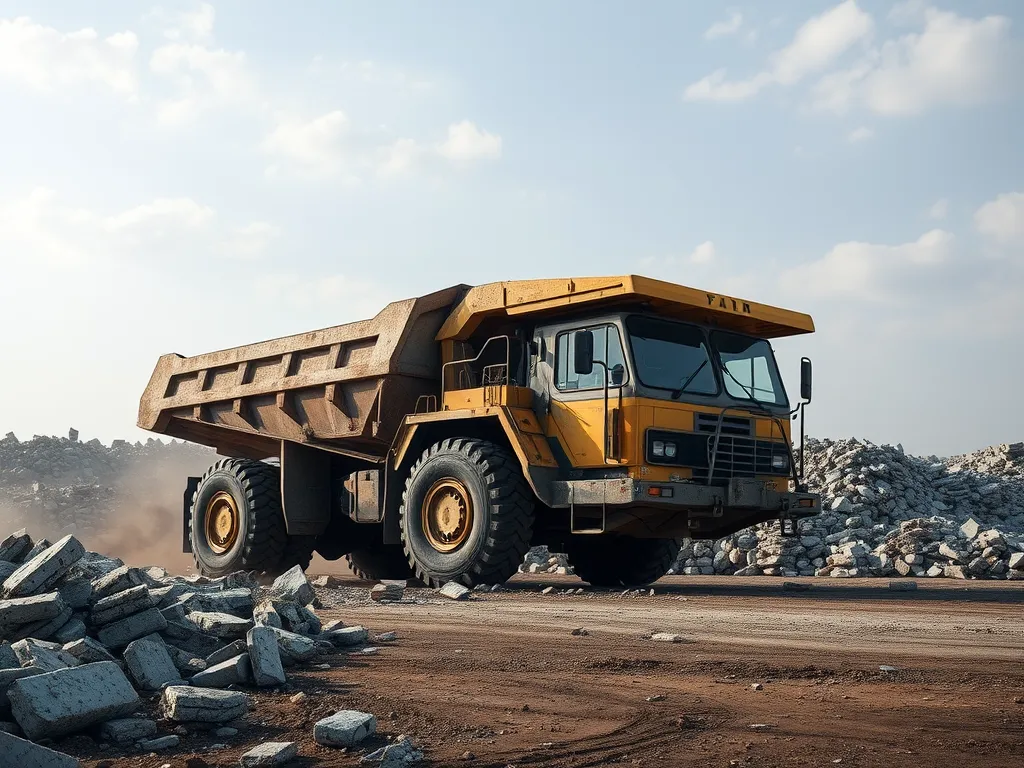
Big sites need heavy rigs. Debris loaders haul 5-10 tons of concrete scraps or metal waste per trip. Sweeper trucks clean 30-50 lane miles nightly using water spray and rotating brooms. Models like Bucher CityCat 2020 cost $180,000 but cut labor costs by 60% on highway jobs.
Picking the right gear keeps projects on time and asphalt free of flaws. Next, let’s cover how to stay safe while using these tools at work sites.
Safety Measures During Asphalt Debris Removal
Debris clearing in asphalt paving demands strict safety protocols to protect workers and maintain project integrity. From PPE to traffic management, each step requires precision.
Personal Protective Equipment (PPE) Requirements
Workers handling debris removal must wear ANSI-certified gear. Heavy-duty gloves shield against sharp metal shavings or aggregate scraps. Respirators with P100 filters block airborne particles during sweeping or pressure washing. Safety goggles prevent chemical splashes when using acetone or solvents. Steel-toe boots meeting ASTM F2413 standards reduce foot injuries from falling debris. High-visibility vests improve visibility in active work zones.
Traffic Control for Roadway Projects
Roadway debris clearance requires MUTCD-compliant setups. Use Type III barricades with retroreflective sheeting for nighttime projects. Flaggers certified through ATSSA training manage traffic flow in temporary work zones. Portable changeable message signs placed 50 feet before the site alert drivers. For highway projects, maintain a 10-foot buffer between workers and live traffic lanes. Speed limits drop to 25 mph within 500 feet of the debris removal area.
Chemical Handling Protocols
Solvents like acetone or paint strippers require SDS documentation on-site. Store chemicals in UN-approved containers with secondary spill containment. Apply neutralizing agents (e.g., baking soda) to acidic spills before sweeping. Dispose of contaminated debris per EPA 40 CFR Part 261 guidelines. Workers handling chemicals need nitrile gloves with a 6-mil thickness and vapor-resistant goggles. Spill kits with 30-50 lb absorbent capacity must be accessible within 25 feet of chemical use areas.
Following these protocols ensures safer debris clearing in asphalt paving. Next, we’ll examine how these practices intersect with environmental regulations for sustainable project outcomes.
Environmental Considerations in Debris Management
Maintaining eco-conscious practices during debris clearing in asphalt paving protects ecosystems while meeting regulatory standards. Prioritizing sustainability reduces long-term costs by up to 30% through material reuse.
Proper Disposal Of Contaminated Materials
Materials like oil-stained rubble or chemically treated surfaces require specialized handling. Test using TCLP (Toxicity Characteristic Leaching Procedure) to determine if debris meets RCRA (Resource Conservation Recovery Act) thresholds for hazardous waste.
| Contaminant | Disposal Method |
|---|---|
| Petroleum-based residues | High-temperature incineration |
| Lead-containing debris | Secure landfills |
| Recyclable concrete | Crushing for aggregate reuse |
Local facilities often charge $120-$250 per ton for processing contaminated paving waste.
Eco-friendly Cleaning Agents for Asphalt
Traditional solvents like methyl ethyl ketone emit 4.8 lbs of VOCs per gallon. Bio-based options with d-limonene or soy extracts cut VOC emissions by 73% while maintaining cleaning efficiency.
Certified products under Green Seal GS-37 standards remove gum or paint without degrading bitumen binders. Citrus-derived degreasers costing $22-$35 per gallon work best below 50°F to prevent rapid evaporation.
Preventing Runoff Pollution
Install silt fences with 3.5 oz/sq yd fabric to trap particles exceeding 0.02 inches. Use polypropylene absorbent booms for oil spills—each linear foot soaks up 1.2 gallons. Schedule debris clearing in asphalt paving during dry periods to minimize water contamination risks.
Monitor runoff pH levels using test strips, keeping them between 6.0-9.0 per EPA guidelines. Non-compliant sites face fines up to $55,000 per violation under the Clean Water Act.
These strategies ensure debris clearance in asphalt paving meets both performance goals and ecological requirements. Next, let’s explore frequently raised questions about maintaining pristine paved surfaces.
Asphalt Debris Removal FAQs
How Do You Clean Dirt Off Asphalt Effectively?
To effectively clean dirt off asphalt, use a combination of stiff-bristle brooms and water pressure. For loose dirt, sweeping is key, while stubborn mud may require a pressure washer set to a lower PSI to avoid damaging the surface.
Can You Clean an Asphalt Driveway Without a Pressure Washer?
Yes, an asphalt driveway can be cleaned without a pressure washer. Manual methods with stiff brooms or hand scrapers can effectively remove debris. Using a mixture of warm water and a mild detergent can help loosen stubborn materials if needed.
What Does Baking Soda Do to Asphalt Surfaces?
Baking soda acts as a mild abrasive and can neutralize certain stains on asphalt surfaces. It is safe for use on asphalt and can help remove light stains by mixing it with water and scrubbing the affected areas.
Is Acetone Safe for Removing Stains From Asphalt?
Acetone can be used for removing certain stains, such as adhesives and paint, but it should be used with caution. Always test on a small, inconspicuous area first, and ensure proper ventilation and personal protective equipment are used, as acetone can emit strong fumes.
What Types Of Debris Are Most Challenging to Remove From Asphalt?
The most challenging types of debris to remove from asphalt include sticky substances like tar and chewing gum, as they adhere tightly to the surface. Additionally, cured concrete spills and dried paint can pose significant challenges requiring specialized equipment or treatments.
How Often Should Debris Be Cleared From Asphalt Surfaces?
Debris should be cleared whenever maintenance is performed, ideally at least once every six months. However, this frequency may increase depending on environmental conditions, surrounding vegetation, and the amount of vehicular and foot traffic.
Can Heavy Machinery Cause Damage During Debris Removal?
Yes, heavy machinery can damage asphalt surfaces if not properly managed. Equipment should be used with care to avoid excessive weight and pressure that can lead to cracking or surface raveling. It’s essential to choose the right machinery based on the size and condition of the project area.
How Can Eco-friendly Practices Be Integrated Into Debris Clearance?
Eco-friendly practices can be integrated by using biodegradable cleaning agents, recycling debris when possible, and ensuring that any materials used do not harm the environment. Employing proper disposal techniques for contaminated materials also supports sustainable practices.
What Are the Signs That Asphalt Needs Immediate Debris Removal?
Signs that asphalt needs immediate debris removal include visible surface staining, accumulation of organic matter like leaves, or materials that pose slipping hazards. Immediate attention is required to prevent damage to the asphalt and to ensure safety for users.
Closing Thoughts
Effective debris removal is vital for any asphalt paving project. It ensures longevity, safety, and a polished appearance. Utilizing combination techniques—ranging from manual cleaning methods to mechanical solutions—expedites the clearing process. High-pressure washing and eco-friendly chemicals further enhance your ability to maintain pristine asphalt surfaces.
Equip yourself with the right tools, from hand tools to specialized vehicles, to tackle debris efficiently. Always prioritize safety measures to protect workers and the environment. By implementing best practices in debris management, you enhance not just the paving outcome but also the lifespan of asphalt installations.
For more information and resources on asphalt paving, check out Asphalt Calculator USA.