Concrete Vs Asphalt: Key Differences in Material and Application
Published on: May 14, 2026 | Last Updated: April 14, 2025
Written By: George Voss
Concrete and asphalt differ primarily in their binding materials—concrete uses cement, while asphalt relies on bitumen, a sticky petroleum binder. Both create durable surfaces for roads and driveways, but concrete lasts 40-50 years compared to asphalt’s 30-40 years. Asphalt costs $2-$5 per square foot initially, while concrete ranges from $4-$10. Asphalt flexes under temperature shifts but requires sealing every 3-5 years; concrete resists oil stains but cracks in freeze-thaw cycles.
This article breaks down how these materials perform in real-world scenarios. We’ll examine their ingredients, climate resilience, installation costs, and maintenance demands. Compare their noise levels, repair methods, and environmental impacts like recyclability (asphalt: 99% reusable, concrete: 80-95%). Learn why highways often use asphalt, while airports favor concrete—and how to pick the right option for your project.
Understanding Concrete and Asphalt
Both materials dominate modern construction but serve distinct roles. Their compositions, performance traits, and uses vary widely despite surface similarities.
What is Concrete?
Concrete combines cement, water, sand, gravel, or crushed stone. Cement binds the mix through hydration, forming rigid structures with compressive strengths reaching 4,000-7,000 PSI. Common in slabs, sidewalks, or bridges, it cures over 28 days to full strength. Steel reinforcement often counters its low tensile strength.
What is Asphalt?
Asphalt blends bitumen (petroleum-derived binder) with 90-95% stone, sand, or gravel. The viscous bitumen coats aggregates when heated to 280-325°F, forming flexible pavements. Performance-graded (PG) binders tailor mixes to local climates. Used primarily for roads or parking lots, it gains full stability within 24 hours of compaction.
Asphalt Concrete: Definition and Role in Pavement
Often confused with standard asphalt, “asphalt concrete” refers to the engineered mix used in pavement layers. This material combines precisely graded aggregates with bitumen, meeting Superpave specifications for traffic loads and temperatures. It forms the top wearing course on highways, offering skid resistance and noise reduction. Unlike Portland cement concrete, it flexes under weight without cracking.
Next, we’ll break down how these material differences impact performance in roads, driveways, and extreme weather.
Concrete Vs Asphalt: Material Composition
Material makeup defines how asphalt and concrete perform under stress, weather, and time. Both use stone aggregates but bind them differently.
Core Ingredients Of Asphalt
Asphalt mixes 95% aggregates (crushed stone, sand, gravel) with 5% asphalt binder. The binder—a black petroleum byproduct—acts as glue. Modern mixes use PG (Performance Graded) binders like PG 64-22, rated for specific temperature ranges. Superpave systems optimize aggregate size and binder grade based on traffic loads and climate.
Core Ingredients Of Concrete
Concrete combines 60-75% aggregates with 15% cement and 10-20% water. Cement—typically Portland Type I/II—reacts with water to form a rigid matrix. Air-entraining agents (0.5-8% by volume) add freeze-thaw resilience. Standard mixes reach 3,000-4,000 PSI compressive strength, while heavy-duty pavements use 5,000+ PSI blends.
Difference Between Concrete and Cement
Cement serves as concrete’s active binding agent, not the final product. Mixing cement with water triggers hydration, creating calcium silicate hydrate crystals. Adding aggregates transforms this paste into structural concrete. Asphalt skips cement entirely, relying on viscous bitumen for adhesion. This distinction explains why concrete pavements cure rigidly, while asphalt remains slightly flexible.
With material properties established, performance differences in real-world applications become clearer. Next, let’s examine how these compositions affect road durability, noise levels, and installation costs.
Asphalt Vs Concrete in Key Applications
Choosing between asphalt and concrete depends heavily on project requirements. Roads and driveways demand distinct performance traits, making material selection critical for longevity and functionality.
Which is Better for Roads: Asphalt or Concrete?
Highway agencies and engineers prioritize durability, noise control, and adaptability when selecting pavement materials. Both options have distinct advantages in heavy-use scenarios.
Durability in Heavy Traffic
Asphalt handles heavy traffic through flexible pavement design. Its bitumen binder allows slight bending under loads up to 40,000 lbs per axle, reducing surface cracking. Concrete’s rigid structure (4,000-5,000 PSI compressive strength) resists deformation but requires expansion joints. These joints often need repairs in high-traffic zones, increasing long-term maintenance costs by 15-25% compared to asphalt.
Noise Reduction and Surface Flexibility
Open-graded asphalt mixes reduce tire-pavement noise by 3-5 decibels versus concrete. The material’s flexibility also minimizes frost heave damage in freeze-thaw cycles. Concrete roads generate more noise but stay smoother longer—lasting 30-40 years versus asphalt’s 15-20-year lifespan before resurfacing.
Asphalt Vs Concrete for Driveways
Homeowners weigh cost, aesthetics, and climate when selecting driveway materials. Asphalt costs less initially but demands more upkeep. Concrete offers design versatility but higher upfront investment.
Initial Cost Comparison
Asphalt driveways average $2-$5 per square foot installed, while concrete ranges from $4-$10. The price gap stems from material complexity—asphalt requires fewer layers and cures faster (24-48 hours versus 7 days for concrete).
Resale Value: Asphalt vs Concrete Driveways
Concrete driveways boost curb appeal with stamped patterns or exposed aggregates, potentially increasing home value by 5-7%. Asphalt’s lower resale impact is offset by affordability—72% of homeowners prioritize initial savings over long-term ROI.
Aesthetic Flexibility and Curb Appeal
Concrete accepts stains, dyes, and textures to mimic stone or brick. Asphalt stays limited to black surfaces but regains a like-new appearance with bi-annual sealcoating. Colored asphalt options exist but fade faster under UV exposure.
Material performance varies under temperature extremes—a key factor we’ll explore next when analyzing climate resilience.
Also See: What is Oxidized Asphalt? Key Benefits and Uses
How to Identify Concrete Vs Asphalt Surfaces
Spotting the gap between these two pavements needs a sharp eye and some basic know-how. Use sight, touch, and local weather patterns to tell them apart.
Visual and Textural Differences
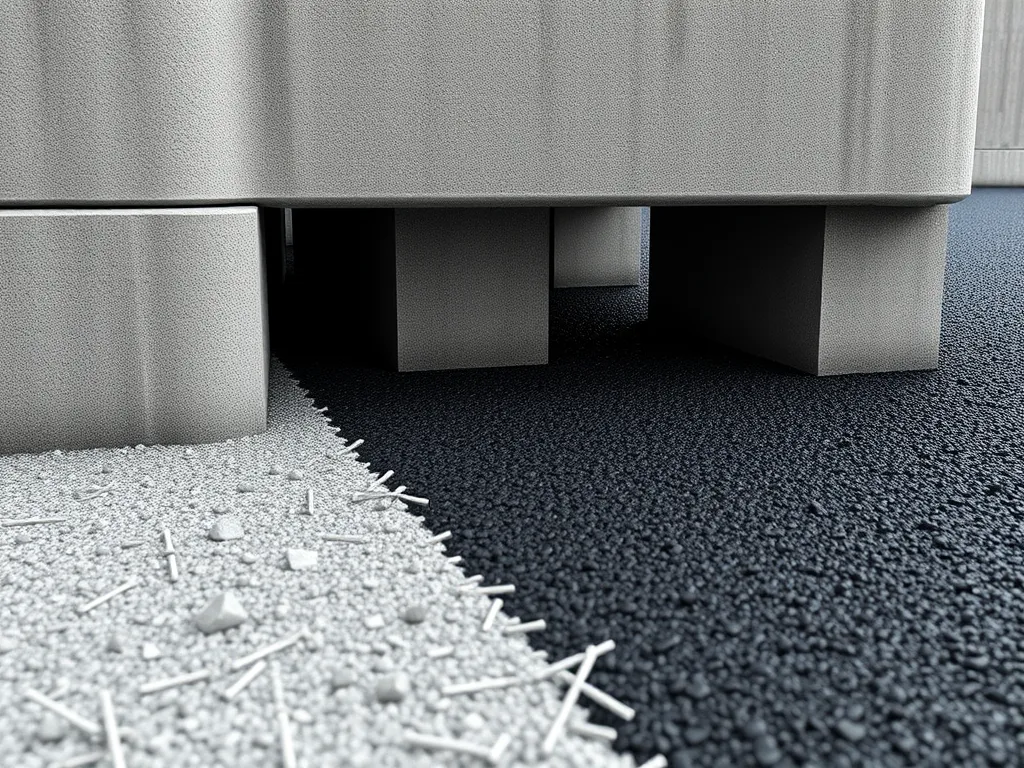
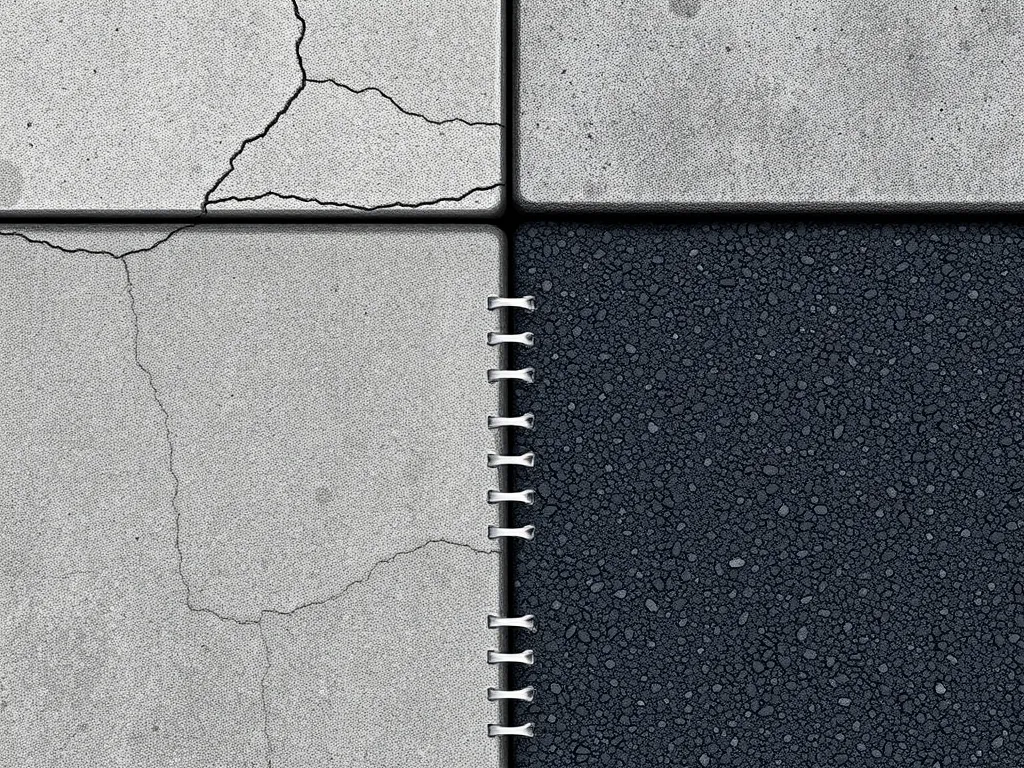
Concrete shows up light gray with a flat, smooth face. It often has lines cut into it (called control joints) to handle cracks. Asphalt starts jet-black but fades to charcoal gray over time. Its surface feels rough with tiny stones pressed into tar. Look for rake marks on fresh asphalt or a slight oily sheen in sunlight.
- Color shift: New asphalt = black. Aged asphalt = gray. Concrete stays pale.
- Edges: Asphalt crumbles slightly at sides. Concrete has crisp edges.
- Patches: Asphalt repairs blend in with dark tar. Concrete fixes stand out as lighter spots.
Weather Response As a Clue
Heat makes asphalt soft. Heavy trucks leave dents or grooves in hot zones. Concrete stays hard but may crack if the ground shifts. After rain, water soaks into concrete but beads up on asphalt for hours. In winter, salt stains concrete white but doesn’t harm asphalt.
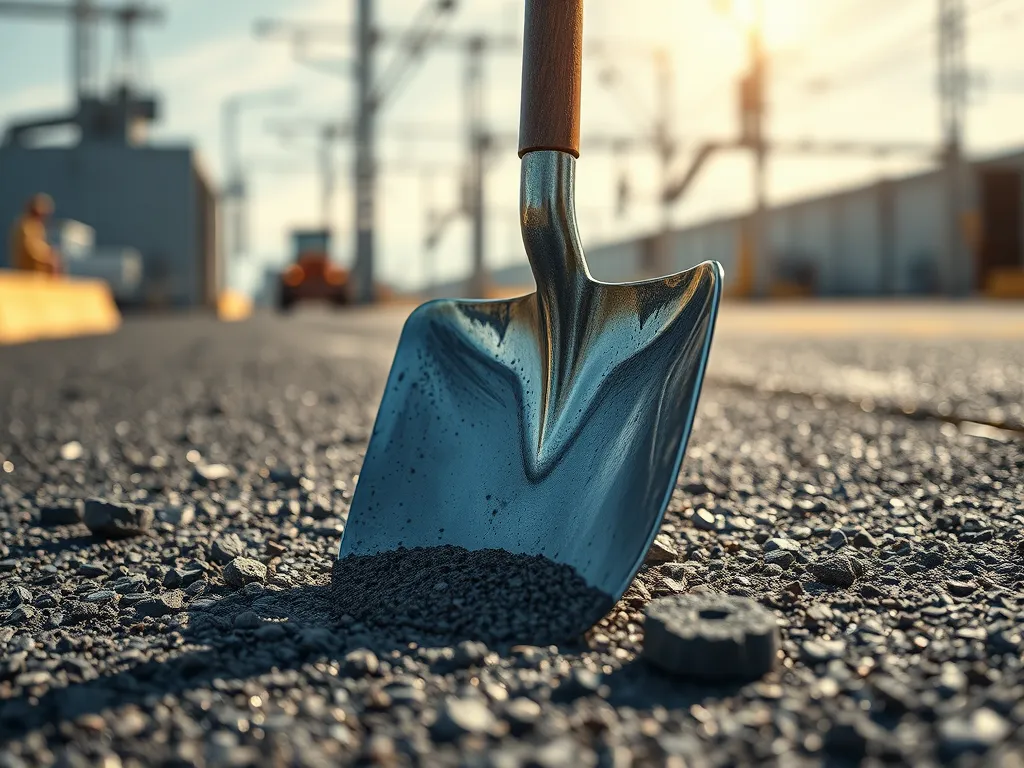
- Summer test: Press a shovel edge into the pavement on a 90°F day. Asphalt dents easier.
- Winter test: Salt-stained paths = concrete. Unmarked dark paths = asphalt.
How these materials handle heat and cold ties to their build. Next, we’ll break down why climate swings hit each pavement differently.
Asphalt Vs Concrete: Climate Performance
Weather extremes test pavement materials differently. Asphalt and concrete react uniquely to temperature shifts, moisture, and seasonal cycles. These responses determine which material performs better in specific climates.
Cold Climate Resilience
Subzero temperatures and freeze-thaw cycles challenge both materials. Flexibility becomes critical when water penetrates surfaces and expands during freezing.
Freeze-Thaw Resistance in Asphalt
Asphalt’s bitumen binder stays pliable down to -30°F, letting pavement flex without cracking. PG 64-22 binders (common in northern states) handle rapid temperature drops. Air voids in asphalt mixes (4-8% range) allow trapped water to expand harmlessly. This minimizes surface spalling or potholes during winter thaws.
Concrete’s Susceptibility to Cracking
Concrete’s rigid structure cracks when frozen water exerts 30,000 PSI of pressure. Control joints help manage fractures but create weak points for ice wedging. Deicing salts worsen scaling by lowering water’s freezing point inside pores. Concrete pavements in snowy regions typically need crack repairs every 3-5 years.
Heat Tolerance and Surface Degradation
High temperatures alter pavement behavior. Asphalt softens, while concrete expands – both leading to distinct failure modes.
At 90°F+, asphalt surfaces can rut under heavy loads. Polymer-modified mixes (like PG 76-22) resist deformation up to 165°F. Dark asphalt absorbs 85-95% of solar radiation, raising surface temps 20-40°F above ambient air. Concrete reflects more light, staying 10-15°F cooler but prone to thermal expansion. Unchecked, this causes blowups at joints or curl/warp defects.
UV exposure affects both materials differently. Asphalt oxidizes, losing volatiles and becoming brittle over 7-15 years. Concrete suffers surface erosion as UV breaks down calcium silicate hydrate bonds, leading to raveling or pop-outs.
While climate performance shapes material choices, financial factors also steer decisions. Upfront costs and long-term upkeep create another layer of comparison…
Cost and Maintenance Comparison
Budget decisions between concrete vs asphalt require weighing immediate expenses against future upkeep. Both materials present trade-offs in initial investment versus recurring care needs.
Short-term Vs Long-term Costs
Asphalt typically costs $2-$5 per square foot installed, while concrete runs $4-$10. The lower upfront price makes asphalt popular for roads needing quick fixes. Concrete’s higher initial cost offsets its 30-40 year lifespan versus asphalt’s 15-20 years. Budget $0.50-$1.00 annually per square foot for asphalt maintenance – nearly triple concrete’s $0.15-$0.30 average yearly upkeep.
Asphalt Maintenance: Sealing and Repairs
Blacktop demands sealcoating every 3-5 years at $0.15-$0.25 per sq ft to prevent oxidation. Minor cracks under ¼” width cost $1-$3 per linear foot to fill. Full-depth pothole repairs run $50-$200 each. These frequent interventions keep surfaces functional but add cumulative expenses. Hot mix asphalt permits same-day repairs using infrared technology – critical for high-traffic routes.
Concrete Maintenance: Crack Prevention
Portland cement slabs focus on preemptive measures. Control joints cut every 8-12 feet cost $1-$3 per linear foot but reduce random cracking. Silane-siloxane sealers applied every 2-3 years ($0.20-$0.75/sq ft) block freeze-thaw damage. While less frequent than asphalt care, concrete repairs prove costlier – slabjacking for sunken sections costs $5-$15 per sq ft, while full replacement hits $8-$18.
While weighing these fiscal factors, material selection also impacts ecological footprints. The next section examines recycling rates and production emissions in the concrete vs asphalt debate.
Environmental Impact Of Asphalt Vs Concrete
The choice between concrete vs asphalt extends beyond surface performance. Ecological consequences play rising roles in modern construction decisions. Let’s break down two critical factors.
Recyclability Of Asphalt Materials
Asphalt dominates recycling efforts in pavement. Over 95% of removed asphalt gets reused in new roads or repairs through Reclaimed Asphalt Pavement (RAP) processes. This closed-loop system slashes material waste. Contractors mill old surfaces, blend RAP with fresh bitumen, and relay mix – often meeting the same specs as virgin material.
Concrete recycling exists but trails behind. Only 30-50% of demolished concrete becomes aggregate for new projects. Crushed concrete works for base layers but rarely replaces structural-grade mixes. Downcycling limits its reuse potential compared to asphalt’s near-full recyclability.
Energy Consumption in Production
Production methods reveal stark contrasts. Asphalt plants operate at 300°F (149°C) to heat bitumen-bonded mixes. Modern plants use recycled materials and warm-mix tech, cutting fuel use by 20% versus traditional hot-mix methods.
Concrete’s environmental cost spikes during cement creation. Firing limestone in kilns demands 2500°F (1371°C), consuming 4-7 million BTUs per ton. Cement production alone contributes 8% of global CO₂ emissions – 0.9 tons per ton of cement. Concrete also emits CO₂ during curing through carbonation, adding to its footprint over decades.
These ecological factors tie directly to long-term costs. Up next: How upfront expenses and maintenance shape the concrete vs asphalt decision.
FAQs: Concrete Vs Asphalt Differences
Is Asphalt Cheaper Than Concrete for Driveways?
Yes, asphalt is generally cheaper than concrete for driveways, typically costing between $2 to $5 per square foot installed, compared to concrete which ranges from $4 to $10 per square foot. This makes asphalt a budget-friendly option for homeowners looking to pave their driveways.
Can Asphalt Be Recycled More Efficiently Than Concrete?
Yes, asphalt is much more recyclable than concrete. Over 95% of removed asphalt is reused in new road constructions or repairs through Reclaimed Asphalt Pavement (RAP) processes. In contrast, concrete recycling is less efficient, with only about 30-50% of demolished concrete being repurposed for new projects. This gives asphalt a significant environmental advantage when it comes to recyclability.
How Long Does Asphalt Last Compared to Concrete?
Asphalt typically lasts between 15 to 20 years, while concrete can last between 30 to 40 years, depending on conditions and maintenance. This makes concrete a more durable option in the long run, despite its higher initial cost.
Closing Thoughts
The debate over concrete and asphalt is pivotal for any paving project. Each material has distinct advantages tailored to specific applications. Concrete’s durability and aesthetic options make it ideal for driveways and decorative surfaces. In contrast, asphalt shines in heavy traffic situations due to its flexibility and lower initial costs.
Ultimately, your choice between asphalt and concrete should consider factors like climate, intended use, and budget. For instance, asphalt performs better in cold climates, while concrete endures heat effectively. The recycling potential of asphalt also aligns well with sustainable practices in construction.
For more insights on asphalt calculations and comparisons, check out Asphalt Calculator USA. Ensuring you make an informed decision will lead to long-lasting results in your paving projects.
Additional Resources for You:
- Kett, I. (1999). Asphalt Materials and Mix Design Manual. Oxford: Elsevier Science.
- Asphalt Pavement vs. Concrete – Which One Should You Choose?
- Asphalt vs. Concrete Driveways: What Are the Differences and Which Is Right for You? | UNIQUE Paving Materials
- Concrete vs. Asphalt
- r/explainlikeimfive on Reddit: ELI5: What’s the difference between concrete, cement, and asphalt?