Must-have Tools for Successful Asphalt Resurfacing
Published on: May 14, 2026 | Last Updated: April 14, 2025
Written By: George Voss
Tools for asphalt resurfacing projects include hand tools and heavy-duty equipment designed for repairing and renewing paved surfaces. Hand tools like asphalt lutes (long-handled rakes) and squeegees handle precise tasks like spreading hot mix. Heavy equipment like vibratory rollers (3-5 ton machines) tackle large-scale compaction. Costs range from $50 for basic rakes to $300/day for roller rentals. Contractors and DIYers use these tools to level cracks, apply fresh asphalt layers, and seal surfaces for 8-12 years of extended life.
This guide breaks down asphalt resurfacing tools by type, use, and project size. Learn which hand tools smooth edges or fill potholes. Compare equipment like infrared heaters (reaching 320°F) versus skid steers (1,500-2,500 lb capacity). Get tips on renting versus buying, safety gear like heat-resistant gloves, and eco-friendly recycling methods that reuse 95% of old asphalt. We’ll also answer common questions about sealer sprayers and surface prep.
Understanding Asphalt Resurfacing
Resurfacing adds a fresh layer of asphalt mix over worn pavement. This method restores smooth rides and fixes minor flaws like cracks or dips. It uses tools like tack coat sprayers, asphalt rakes, and rollers to bond new layers to old surfaces. Costs run $1.50-$3.50 per square foot, saving up to 60% versus full rebuilds.
What is Asphalt Resurfacing?
Asphalt resurfacing tools lay 1.5-2 inches of hot mix over existing pavement. Infrared asphalt heaters soften old surfaces for better bonding. Squeegees spread sealant into cracks, while vibratory rollers press layers tight. This skips tearing out old slabs, cutting labor hours by half in most cases.
When to Choose Resurfacing Over Replacement
Pick resurfacing when base layers stay solid but top coats show wear. Surface cracks under 0.5 inches wide, shallow potholes, or faded color signal good fits. Tools for asphalt repairs like lutes and tampers fix these without heavy gear. Full replacement needs excavators and graders—costing 2-3x more—if base soil shifts or deep cracks split the slab.
Ready to dive into the gear that makes these jobs work? Let’s break down core tools for small fixes and big paving tasks.
Core Tools for Asphalt Resurfacing
Quality work demands the right asphalt resurfacing tools. From hand tools to heavy machinery, each piece serves specific roles in surface restoration.
Hand Tools for Precision Work
Small-scale repairs and edge work need manual control. These five resurfacing asphalt tools handle detailed tasks under 500 sq ft.
Asphalt Squeegee
A steel or poly blade (18″-36″ wide) spreads sealant at 0.25 gal/sq yd. Creates smooth surfaces while eliminating water pockets.
Asphalt Lute
Tempered steel tines rake and level hot mix. The 48″ width removes air gaps for uniform compaction.
Pothole Tamper
Manual tampers (10-15 lbs) compact patches to 95% density. Gas-powered models handle 3’x3’ areas per cycle.
Crack Filling Tools
Pour pots apply hot rubberized sealant at 350°F. Melters heat 5-gallon batches for wands that fill gaps up to 2” wide.
Edge Trims
Stainless steel blades cut clean perimeters. Maintain 3-5mm expansion gaps between asphalt and adjacent surfaces.
Heavy-duty Equipment for Large-scale Jobs
Commercial projects over 1,000 sq ft need resurfacing asphalt equipment. These machines tackle volume and structural needs.
Asphalt Rollers
1-20 ton rollers make 8-12 passes for 92% compaction. Static models smooth surfaces; vibratory units compress base layers.
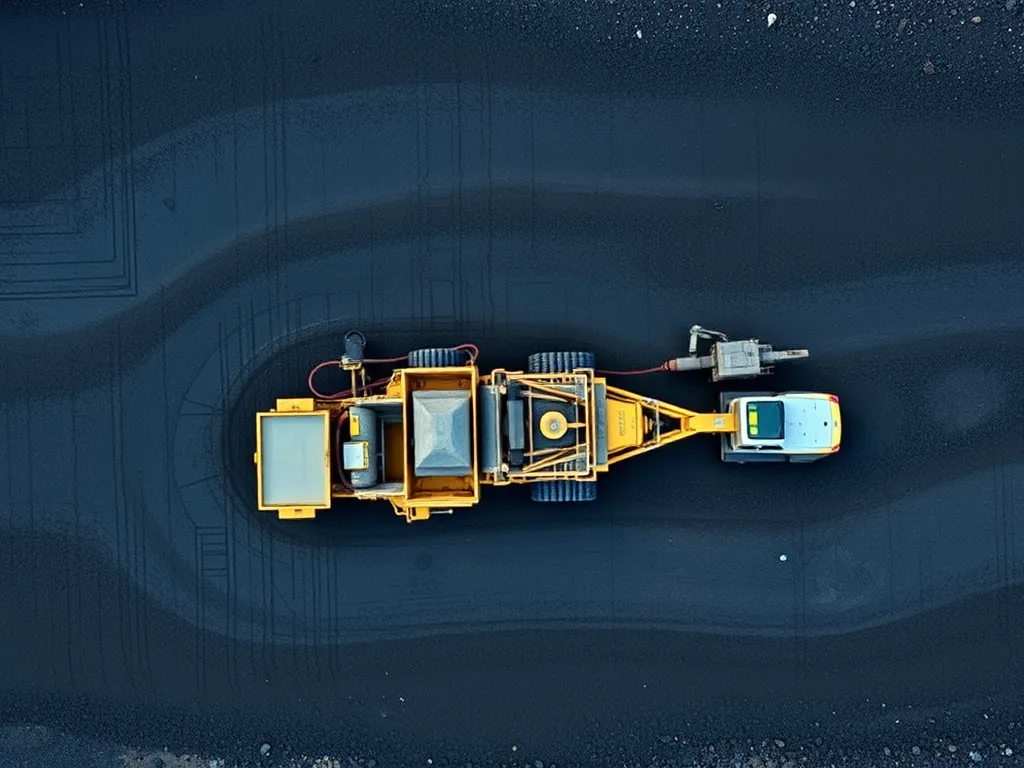
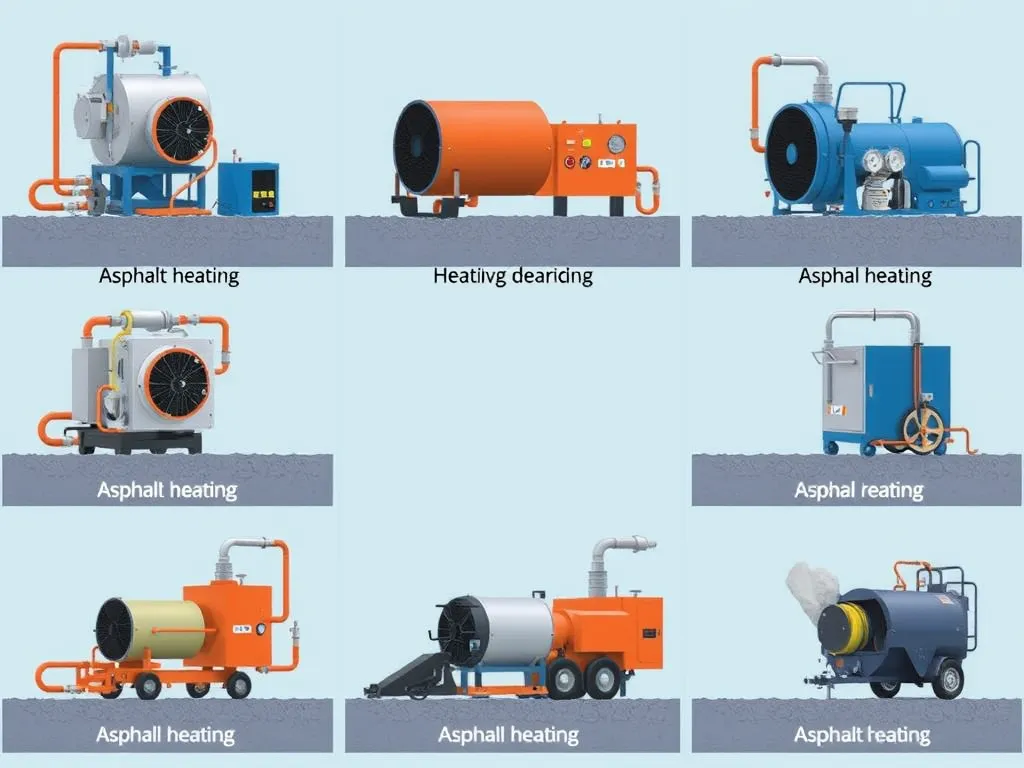
Infrared Asphalt Heaters
Thermal units repair 500-1,000 sq ft daily. Heat existing pavement to 300°F for seamless bonding with new layers.
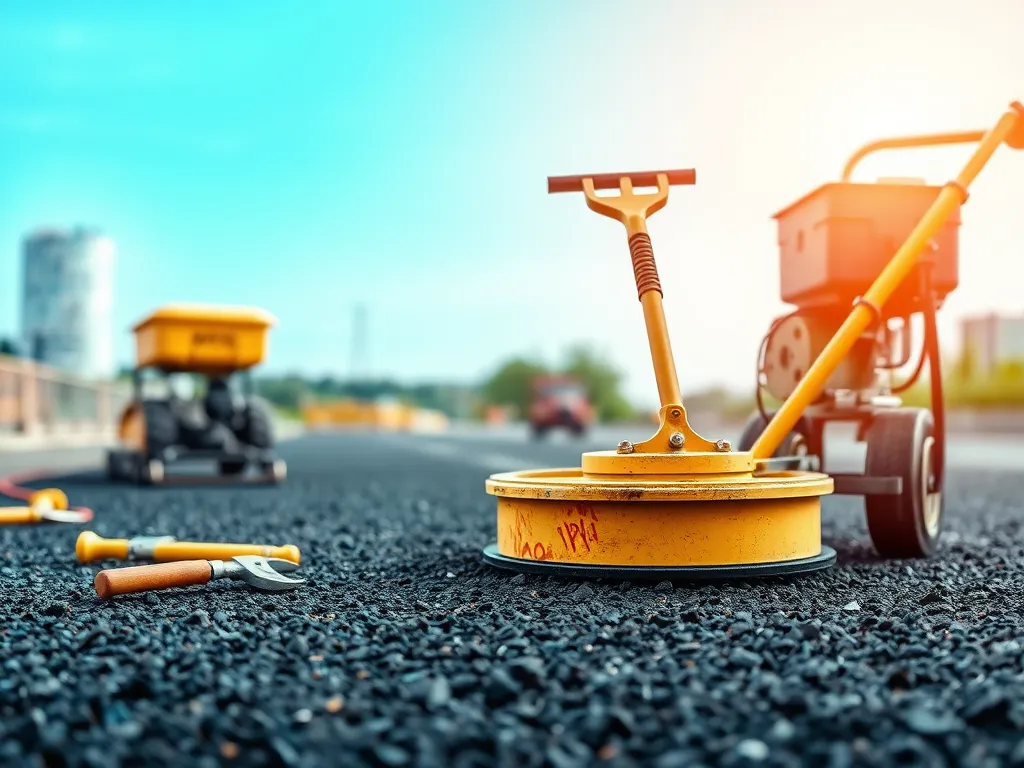
Plate Compactors
18”x20” plates generate 3,000-6,000 lbs of force. Ideal for compacting patches near curbs or utility cuts.
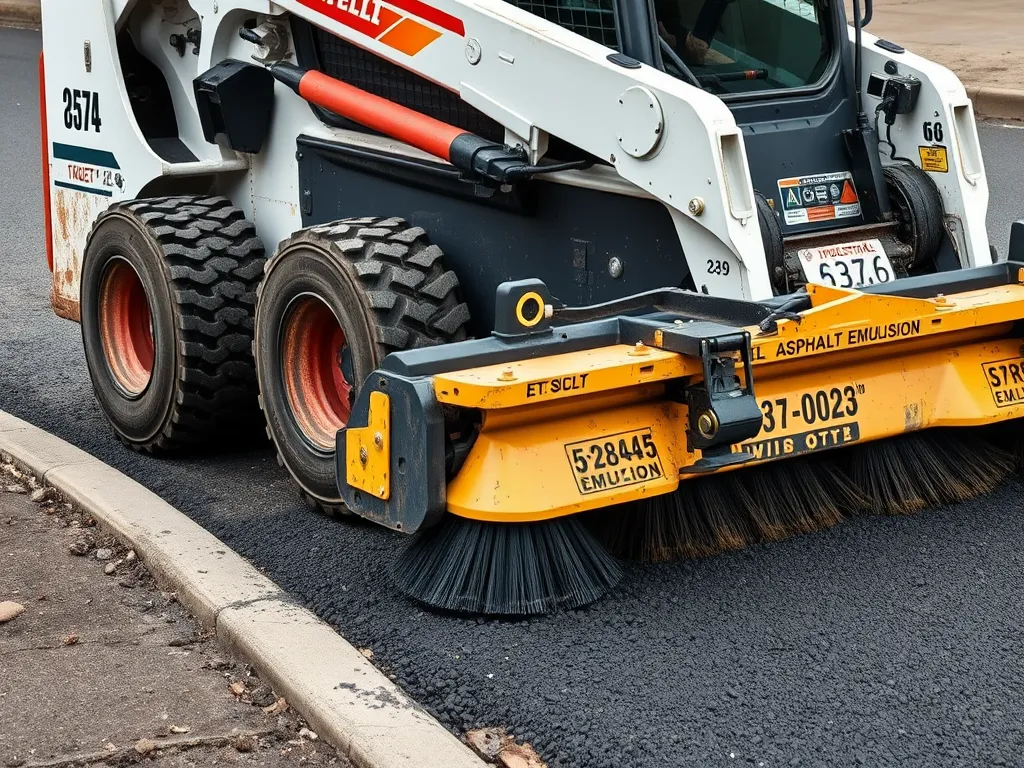
Skid Steer Loaders
75 HP engines move 3-5 tons of material hourly. Attach brooms, augers, or cold planers for surface prep.
Tack Coat Sprayers
50-200 gallon tanks apply asphalt emulsion at 0.05 gal/sq yd. Ensures 100% adhesion between old and new layers.
Choosing proper tools for asphalt resurfacing sets the stage for success. Next, explore techniques to perfect surface smoothness and density.
Leveling and Compaction Tools
Proper surface preparation determines asphalt longevity. Leveling tools spread material evenly, while compaction gear removes air pockets. These steps create durable surfaces able to withstand traffic loads up to 20 tons.
Tools for Smooth Surface Application
Surface irregularities cause water pooling and premature cracking. Specialized tools ensure uniform thickness across the asphalt layer.
Asphalt Rakes
Heat-treated steel rakes handle temperatures reaching 300°F. With 36-48″ widths and angled teeth, they distribute hot mix around edges and repair zones. Contractors use rakes for quick adjustments before material cools below 225°F.
Asphalt Paving Screeds
Attached to pavers or operated manually, screeds level fresh asphalt layers. Vibratory models compact material during spreading. Common widths range from 8-16 feet for driveways to 30+ feet for roads. Adjustable strike-off plates control layer depth within ±1/8 inch tolerances.
Compaction Equipment
Density matters. Insufficient compaction leads to 40% faster deterioration. Equipment choices depend on project size and mix type.
Walk-Behind Asphalt Patchers
These 200-400 lb units tackle potholes and small patches. Dual vibratory plates deliver 3,500-5,000 lbf for targeted compaction. Adjustable skid shoes prevent surface scuffing. Ideal for areas under 100 sq ft.
Vibratory Rollers
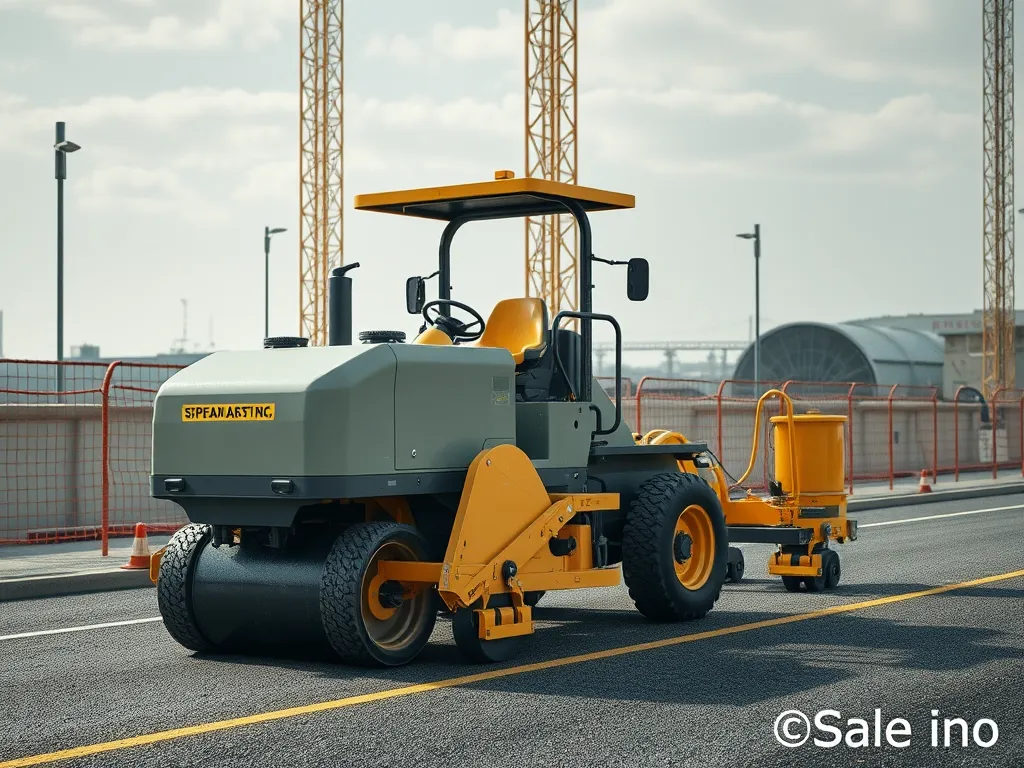
Drum rollers weighing 1-15 tons handle large-scale jobs. Operating at 3,000-6,000 VPM (vibrations per minute), they achieve 92-98% density on base layers. Water spray systems prevent asphalt sticking. Dual-drum models compact 12-foot widths per pass.
With leveling and compaction complete, focus shifts to material choices and cost planning for optimal results.
Also See: Best Practices for Excavation Techniques for Asphalt Driveway
Project Planning &Amp; Preparation
Effective asphalt resurfacing starts with strategic planning. Selecting materials, estimating costs, and deciding between DIY or professional work directly impact tool requirements and project success.
Material Selection for Resurfacing
Choose between hot mix asphalt (HMA), cold mix, or recycled asphalt pavement (RAP). HMA requires heated application tools like infrared asphalt heaters (350–400°F) for proper bonding. RAP demands milling machines to grind old surfaces before applying new layers. PG (Performance-Graded) binders like PG 64-22 ensure durability in specific climates. Your material choice dictates whether you’ll need tack coat sprayers ($1,500–$3,000) or specialized rakes for precise aggregate distribution.
Cost Estimation and Budgeting
Resurfacing costs $3–$7 per square foot. DIY budgets must include tool rentals: plate compactors ($100/day), asphalt rollers ($250/day), and crack filling kits ($50–$150). Contractor fees cover equipment like skid steer loaders ($85/hour) and vibratory rollers. Factor in 10–15% extra for material waste and unexpected repairs.
| Item | DIY Cost Range | Pro Cost Range |
|---|---|---|
| Materials | $2.50–$4.50/sq ft | $3–$7/sq ft |
| Equipment | $200–$600/day | Included |
| Labor | N/A | $40–$80/hour |
DIY Vs. Professional Contractor Considerations
DIY projects suit small areas (under 500 sq ft) using hand tools: asphalt lutes ($80–$150) for spreading and edge trims ($20–$50) for clean borders. Professionals handle infrared heaters, pavers, and rollers for large driveways or roads. Rental limitations—like 8-hour minimums for plate compactors—can stretch timelines. Contractors bring OSHA-compliant PPE and warranties (5–10 years), reducing long-term risks.
Proper planning ensures efficiency and safety—key when preparing for the next phase of your project.
Safety Guidelines for Asphalt Resurfacing
Working with asphalt resurfacing tools demands strict safety protocols. Temperatures exceeding 300°F, heavy machinery, and chemical binders create hazards requiring proactive measures. Proper safety practices prevent injuries while ensuring efficient use of resurfacing asphalt equipment.
Personal Protective Equipment (PPE)
Operators must wear ANSI-approved goggles (impact-resistant eyewear meeting federal safety standards) and heat-resistant gloves rated for 500°F. ASTM-rated steel-toe boots with slip-resistant soles ($120-$200/pair) protect against falling tools and hot material spills. NIOSH-approved N95 respirators filter asphalt fumes during milling or infrared heating. Flame-retardant coveralls ($45-$80) shield skin from burns when handling tools for asphalt repairs.
Safe Handling Of Hot Asphalt Tools
Infrared heaters and tack coat sprayers require 15-minute cooldown cycles before storage. Keep asphalt rakes and lutes 18″ away from open flames to prevent bitumen ignition. Store hot-applied crack sealants below 400°F using digital temperature gauges (±5°F accuracy). Thermal imaging guns ($200-$500) verify surface temps before applying new layers with resurfacing equipment. For burns, rinse affected areas with 60-75°F water for 20 minutes—never use ice or ointments.
Mastering these protocols ensures safer operation of tools for resurfacing asphalt. Next, we’ll explore how eco-conscious practices align with modern equipment standards.
Environmental Considerations
Modern asphalt resurfacing projects demand tools and practices that minimize ecological impact. Equipment choices directly affect material reuse, emissions, and site cleanup efficiency.
Recycling Asphalt Materials
Cold planers and milling machines grind old pavement into reusable RAP (Reclaimed Asphalt Pavement). RAP mixes with fresh binder at 20-35% ratios in asphalt recycling plants. Infrared asphalt heaters revive degraded surfaces at 300-350°F, allowing 95% material reuse without hauling waste. Paired with vibratory rollers, these tools cut virgin aggregate use by 15 tons per 100 sq.yd. and reduce project costs by 18-30%.
| Tool | Recycling Role | Efficiency Gain |
|---|---|---|
| Cold Planer | Produces RAP | 1,000 sq.ft/hr removal rate |
| Infrared Heater | Reactivates binder | 90% emission reduction vs. new mix |
| RAP Crusher | Grades recycled aggregate | 25% lower material costs |
Eco-friendly Sealers and Cleanup Practices
Low-VOC asphalt sealers (<100 g/L) applied via electrostatic sprayers reduce solvent emissions by 40%. Bio-based sealants derived from soybean oil or pine tar replace coal tar variants. After application, industrial sweepers with HEPA filters capture 99.7% of particulate matter. Pressure washers using 60-80°F recycled water remove excess sealer without chemical runoff.
Contractors now prioritize closed-loop systems: Tack coat sprayers with 98% transfer efficiency minimize overspray, while vacuums recover 85% of debris during crack filling. Proper tool maintenance extends equipment lifespan, reducing landfill contributions from worn parts by 22% annually.
Next, let’s address common queries about selecting asphalt resurfacing tools for specific project needs.
Frequently Asked Questions (FAQs)
What Tools Are Essential for Asphalt Resurfacing Projects?
Essential tools for asphalt resurfacing projects include hand tools like asphalt lutes, squeegees, and crack filling tools, as well as heavy-duty equipment such as asphalt rollers and infrared asphalt heaters. Each tool serves a specific purpose in ensuring a successful resurfacing process.
Can New Asphalt Be Applied Over Old Cracked Surfaces?
Yes, new asphalt can generally be applied over old cracked surfaces, provided the cracks are not too deep and the underlying structure is sound. Resurfacing can help to seal minor imperfections, but extensive damage may require more comprehensive repairs first.
What Tool is Used to Level Asphalt?
The primary tool used to level asphalt is an asphalt paving screed, which can be attached to pavers. Manual options like asphalt rakes are also effective for smaller jobs where precise leveling is necessary.
How Does a Driveway Sealer Preserve Asphalt?
A driveway sealer protects asphalt by providing a waterproof barrier against weather elements, oils, and UV damage. This sealant helps to prevent cracking and deterioration, extending the life of the pavement.
Where Can I Source Professional-grade Resurfacing Tools?
Professional-grade resurfacing tools can be sourced from specialized construction equipment suppliers, rental stores, or online retailers that focus on paving and asphalt materials. Local hardware stores may also carry some essential hand tools for small projects.
Closing Thoughts
Successfully completing an asphalt resurfacing project hinges on using the right tools. From precision hand tools like asphalt squeegees and crack filling tools to heavy-duty equipment such as asphalt rollers and infrared heaters, each tool plays a vital role in delivering a smooth, durable surface.
Planning is equally crucial. Assessing material options, estimating costs, and weighing DIY versus professional help impacts the total outcome. Prioritize safety with proper personal protective equipment and safe handling of materials to ensure a smooth project without accidents.
For further insights, detailed resources, and tools for your asphalt projects, check out Asphalt Calculator USA. Equip yourself with knowledge and the right tools to achieve long-lasting asphalt solutions.