Types Of Sealcoating Products for Asphalt Surfaces
Published on: June 30, 2026 | Last Updated: April 14, 2025
Written By: George Voss
Sealcoating products come in five main types: coal tar-based, asphalt emulsion, acrylic, oil-based, and polymer-modified. These differ in chemical composition, durability (3-8 years), environmental impact, and cost ($0.15-$0.35 per sq ft). Coal tar offers maximum water resistance but contains polycyclic aromatic hydrocarbons (PAHs). Asphalt emulsions use recycled materials, while acrylics provide UV protection. Oil-based formulas handle cracks better but release volatile organic compounds (VOCs). Your choice depends on climate, traffic volume, budget, and environmental priorities.
This guide breaks down each sealcoating product’s pros, cons, and best uses. You’ll learn how coal tar outperforms in rainy regions, why polymer-modified sealers last 50% longer in freeze-thaw zones, and which options meet EPA regulations. We’ll compare spray-on versus squeegee application methods, curing times (6-48 hours), and eco-friendly alternatives like soy-based sealants. Whether sealing a residential driveway or commercial parking lot, find the right match here.
Primary Types Of Asphalt Sealcoating Products
Pick the right sealcoating products to shield your asphalt. Five main types exist, each with pros and cons based on use, cost, and green impact.
Coal Tar-based Sealcoat
Made from coal tar pitch, these seal coat products block UV rays and harsh chems. Common in states with hot temps or heavy snow.
Benefits of Coal Tar Sealers
Fight oil spills and water harm. Last up to 5 years in tough spots like busy lots. Costs $0.15-$0.25 per sq ft.
Drawbacks of Coal Tar Sealers
Hold PAHs (toxic stuff) that can wash off. Banned in 10+ states. Strong fumes need masks during spray jobs.
Asphalt Emulsion Sealers
Water-based sealcoating types mix asphalt, clay, and glue. Dry in 4-8 hours. Best for DIY jobs with low gear.
Composition and Performance
60% solids, 40% water. Forms a matte coat that hides scrapes. Lasts 2-3 years but cracks in cold snaps below 20°F.
Ideal Applications for Asphalt Emulsions
Home drives, paths, and lots with light cars. Safe for kids/pets post-dry (8-12 hours).
Acrylic Sealers
High-end seal coat types with plastic resins. Give a wet-look shine. Used on show lots or high-vis sites.
Advantages of Acrylic Sealcoating
No fade in sun. Bend with asphalt moves. Slip-proof when wet. Lasts 4+ years with two coats.
Limitations of Acrylic Sealers
Costs 2x more than coal tar. Needs pro tools to spray even. Not for fresh asphalt (wait 6 months).
Oil-based Sealers
Old-school sealcoating made with kerosene or diesel. Sinks deep but leaves a thin film. Rare now due to EPA rules.
Key Features of Oil-Based Sealcoating
Dry in 2 hours. Work in cold (40°F+). Fix hairline cracks. Costs $0.10-$0.18 per sq ft.
Environmental Concerns with Oil-Based Products
High VOCs (over 500 g/L) pollute air. Banned in CA, NY, TX. Spills hurt plants and streams.
Polymer-modified Sealers
New tech sealcoating with rubber or latex. Mixes with coal tar or asphalt emul. For heavy rigs or rough winters.
Enhanced Durability and Flexibility
Adds 30% more wear life. Stretch 300% vs. basic seals. Bonds to cracks up to 1/4 inch wide.
Cost vs. Performance Analysis
Priced at $0.35-$0.50 per sq ft. Worth it for truck hubs or steep drives. Cuts long-term repair bills by half.
Now let’s break down how to match these sealcoating types to your needs based on weather, traffic, and skill level.
Choosing the Best Sealcoating Product for Asphalt Driveways
Selecting the right sealcoating product requires balancing performance needs with practical constraints. Let’s break down critical decision points.
Factors Influencing Product Selection
Not all sealcoating materials perform identically under varying conditions. Three factors dictate suitability for specific projects.
Climate and Weather Resistance
Coal tar-based sealcoat excels in wet climates due to superior water resistance. Asphalt emulsion sealers handle UV exposure better, making them ideal for sun-drenched regions. Polymer-modified types withstand freeze-thaw cycles in northern states. Match the product to local weather patterns for optimal protection.
Traffic Volume and Surface Wear
High-traffic driveways need durable sealcoating chemicals like commercial-grade asphalt seal coat products with 35-45% solids. Light residential areas can use standard oil-based or acrylic sealers. For heavy vehicles, prioritize polymer-enhanced formulas that resist cracking under pressure.
Curing Time and Application Complexity
Fast-curing sealcoat types (4-6 hours) like spray-applied coal tar suit time-sensitive jobs. Slow-drying options (24-48 hours), including some asphalt emulsion blends, demand longer road closures. DIYers should avoid products requiring specialized spray equipment or temperature-controlled storage.
Professional Vs. DIY Sealcoating Products
Sealcoating products divide sharply into contractor-grade and consumer-ready categories. Know the differences before purchasing.
Concentrations and Commercial-Grade Formulas
Pro-grade seal coat materials contain higher solids (40-50%) for thicker protective layers. These often come unmodified – contractors add sand or polymers onsite. Industrial spray systems apply these efficiently, but improper mixing causes clogs or uneven coverage. Common in municipal projects and high-traffic parking lots.
Consumer-Ready Sealcoat Options
Retail seal coating products feature pre-mixed formulas with lower solids (18-25%). Squeegee-applied blends dominate this category, requiring minimal tools. Brands like SealMaster’s Driveway Sealer or Rust-Oleum’s EZ Street offer water-based options drying in 12 hours. While convenient, these need reapplication every 1-2 years versus 3-5 years for professional treatments.
With product selection clarified, the next step involves mastering application methods for lasting results. Proper technique maximizes the value of any sealcoat type.
Application Methods for Asphalt Sealcoating
Selecting the right sealcoating products requires matching material properties to application techniques. Proper methods ensure even coverage, adhesion, and long-term performance across asphalt sealcoat types.
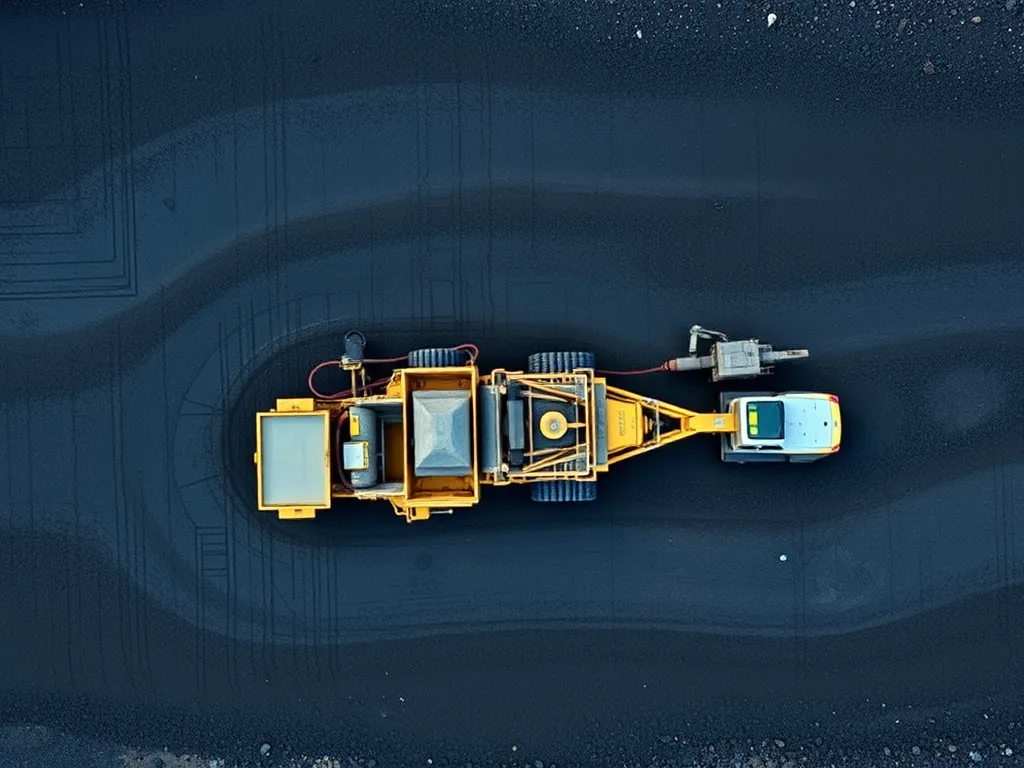
Spray-on Sealcoating Systems
Spray systems dominate commercial projects due to speed and efficiency. These sealcoating materials—like asphalt emulsions or polymer-modified blends—require specialized equipment such as diaphragm pumps and dual-axis spray wands. A typical spray unit applies 55-65 sq ft per gallon at 100-150 PSI. Coal tar-based sealers and water-based formulas work well with this method, delivering thin, uniform layers that cure within 4-8 hours.
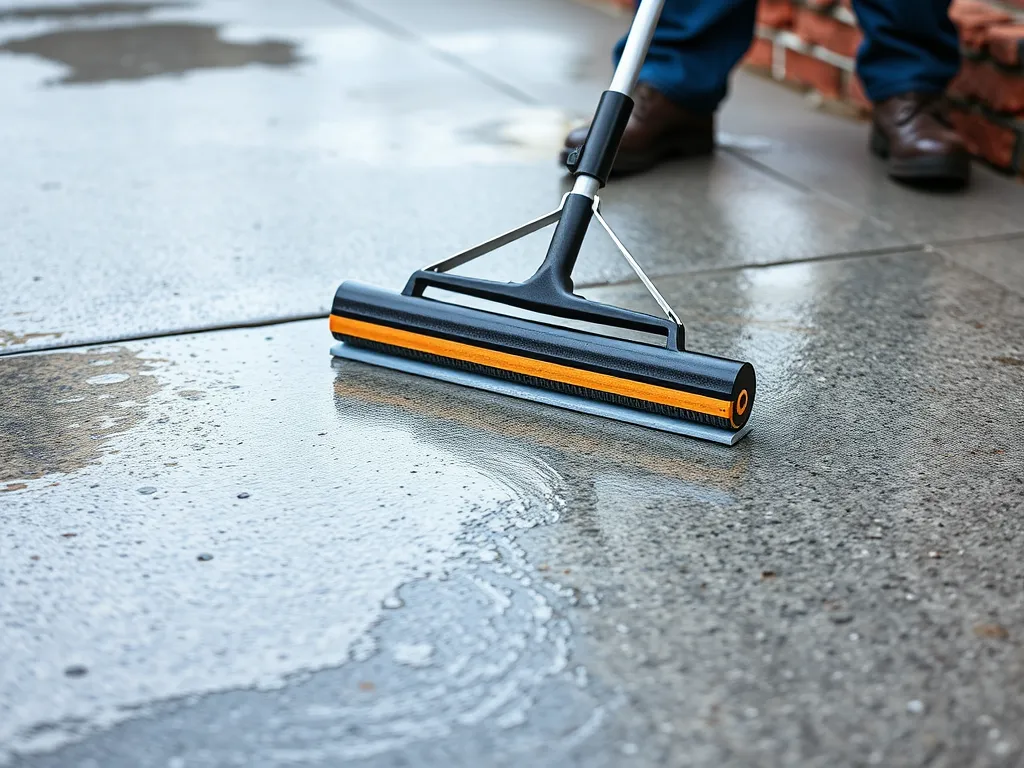
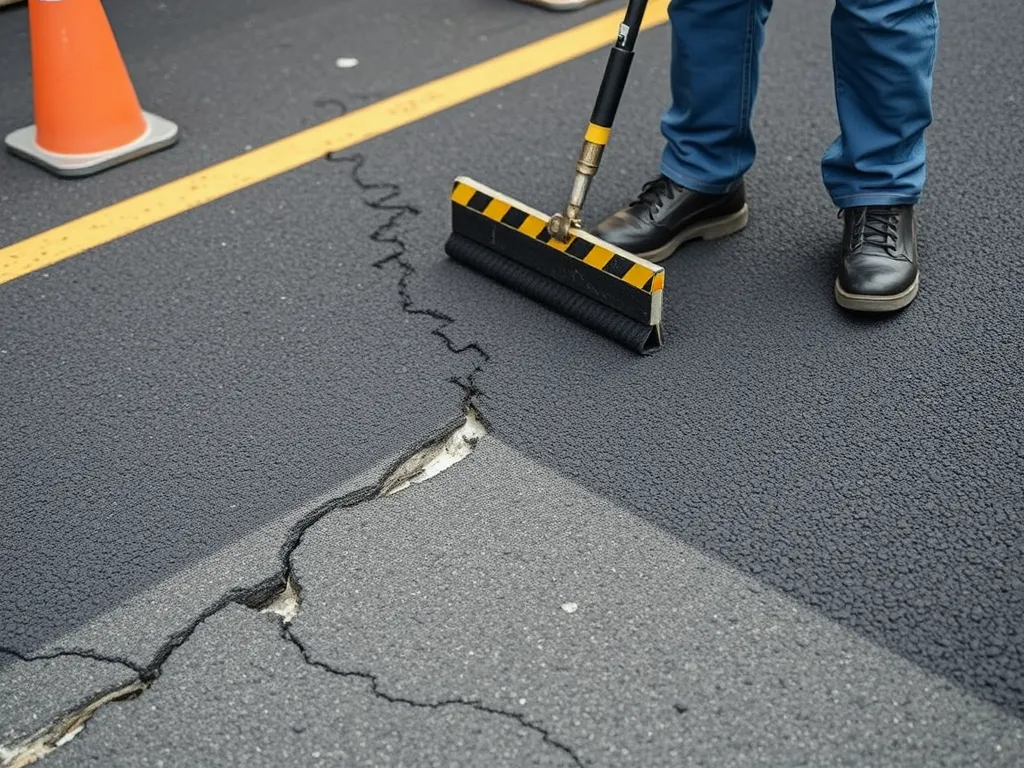
Squeegee and Brush Application
Thicker seal coat products like oil-based sealers or acrylic blends often use manual application. Squeegees create a ⅛” layer ideal for filling minor cracks, while brushes handle edges and irregular surfaces. This method suits small driveways or repairs, consuming 35-45% more material than spray systems. High-solids sealcoating chemicals (over 40% solids) perform best here, reducing the need for multiple coats.
Preparing Asphalt for Sealcoat
Surface prep varies by seal coating types. Oil-based products demand thorough drying (48+ hours post-rain), while water-based sealers tolerate dampness after 24 hours. Steps include:
- Pressure washing (2000-3000 PSI) to remove oxidation
- Filling cracks wider than ¼” with rubberized filler
- Degreasing oil stains with trisodium phosphate solutions
Polymer-modified sealcoat materials often require tack coats for adhesion on aged asphalt.
With proper application and prep, sealcoating products can extend pavement life by 3-5 years. Next, we’ll examine how these materials affect ecosystems and regulatory standards.
Also See: Benefits Of Crack Sealing for Asphalt Lifespan
Environmental Impact Of Sealcoating Products
Sealcoating materials differ widely in their ecological effects. While boosting surface longevity, certain formulas contain chemicals linked to soil contamination or water pollution. Product selection now weighs performance against ecological responsibility.
Eco-friendly Sealcoating Alternatives
Bio-based sealers made from plant resins or recycled tire rubber offer lower VOC levels—under 150 g/L versus 300+ g/L in conventional products. Water-based emulsions with high solids content minimize runoff risks. Soybean-oil-modified binders and lignin-derived additives provide comparable durability to coal tar without polycyclic aromatic hydrocarbons (PAHs), which the EPA classifies as probable carcinogens. Third-party certifications like Green Seal GS-37 verify eco-claims.
Regulatory Compliance for Sealcoat Chemicals
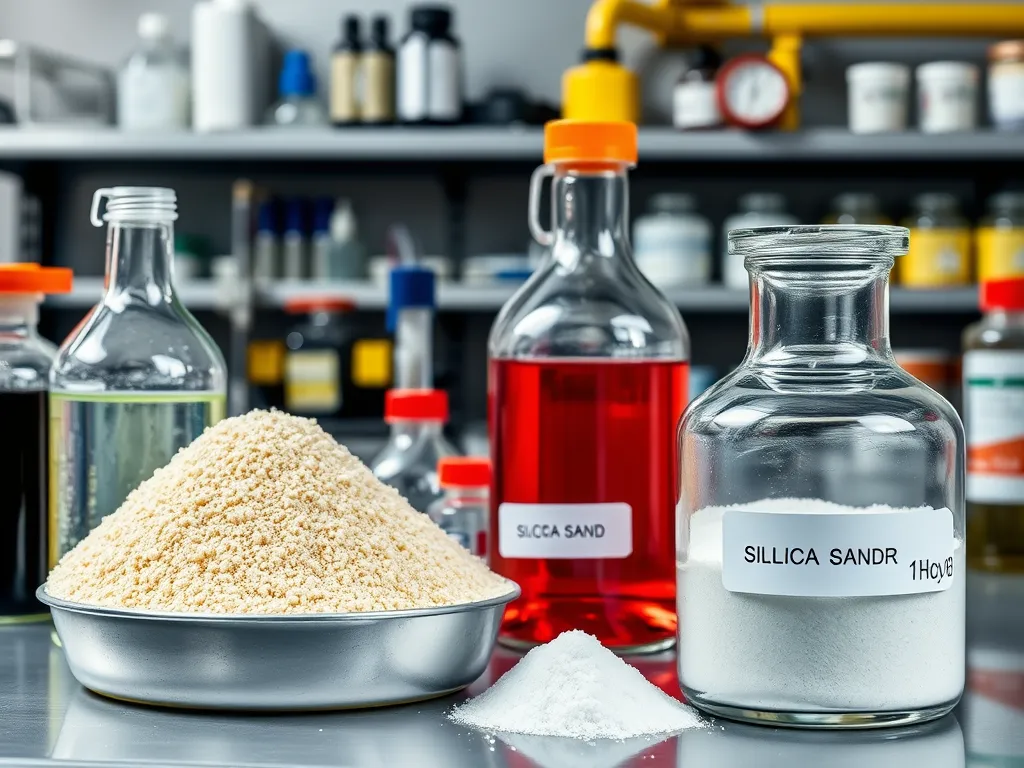
Sixteen states restrict coal tar sealer use due to PAH limits under 0.1% by weight. Minnesota bans retail sales entirely, while Washington mandates stormwater permits for commercial applicators. Federal guidelines under 40 CFR Part 122 require Material Safety Data Sheets (MSDS) listing components like silica sand or refined coal tar. Non-compliant products risk fines up to $37,500 per violation under the Clean Water Act. Testing via GC-MS ensures formulations meet local toxicity thresholds.
With ecological standards tightening, product innovation focuses on balancing regulatory needs with surface performance. Next, we’ll explore how application methods impact the effectiveness of these solutions.
FAQs: Common Questions About Asphalt Sealcoating Products
What Are the Differences Between Water-based and Oil-based Sealers?
Water-based sealers are eco-friendlier, containing lower VOCs and drying quickly, while oil-based sealers tend to provide better penetration and durability but have higher VOC levels and longer drying times. Water-based options are more suitable for residential applications, while oil-based formulations are often used in commercial settings.
How Often Should Asphalt Be Sealcoated?
Asphalt surfaces typically require sealcoating every 1-3 years, depending on factors such as traffic volume, climate conditions, and the type of sealcoating product used. High-traffic areas and severe weather conditions may necessitate more frequent applications.
Are Acrylic Sealers Suitable for High-traffic Areas?
Acrylic sealers can be suitable for high-traffic areas, especially when multiple coats are applied to enhance durability. However, for extremely high traffic or heavy load conditions, a more robust sealcoating solution like polymer-modified or coal tar-based products might be more effective.
What is the Cost Difference Between Sealcoating Products?
Costs can vary significantly based on the type of sealcoating product. Generally, coal tar-based sealers range from $0.15 to $0.25 per sq ft, asphalt emulsions from $0.10 to $0.20 per sq ft, and acrylic products can be between $0.25 and $0.50 per sq ft. Polymer-modified sealers tend to be on the higher end, costing $0.35 to $0.50 per sq ft due to their enhanced properties.
Can Sealcoating Be Done in Cold Weather?
Most sealcoating products require a minimum temperature for proper application. Oil-based products can typically be applied in colder temperatures (above 40°F), while water-based and certain emulsions are best applied when temperatures are warmer to ensure optimal curing.
What Preparation is Needed Before Sealcoating?
Before applying sealcoat, it’s essential to prepare the surface adequately. This includes cleaning the asphalt to remove debris, oil stains, and loose materials, filling any cracks larger than ¼ inch, and ensuring the surface is dry and free from moisture.
Can Sealcoating Fix Cracks in Asphalt?
While sealcoating can enhance the surface’s protection and appearance, it is not designed to fix significant structural issues. Minor cracks can be filled before sealing, but deeper or wider cracks often require more extensive repair techniques, such as patching with hot mix asphalt or using crack filler products.
Closing Thoughts
Understanding the various types of sealcoating products is vital for maintaining the longevity and aesthetics of your asphalt surfaces. Whether you opt for coal tar, asphalt emulsions, acrylics, oil-based, or polymer-modified sealers, each product has unique benefits and drawbacks. This knowledge aids in selecting the right solution tailored to your specific needs.
Consider factors such as climate, surface traffic, and your project’s complexity when deciding on a sealcoat. Moreover, weighing the environmental impacts and compliance with regulations will help you make an informed choice. Whether you’re a DIY enthusiast or prefer professional-grade products, you’ve got plenty of options at your disposal.
For more information on asphalt sealcoating and related topics, visit Asphalt Calculator USA.
Additional Resources for You:
- Kett, I. (1999). Asphalt Materials and Mix Design Manual. Oxford: Elsevier Science.
- Sealcoating Products
- Asphalt Sealcoating Materials: What is Sealcoating Made of?
- What are the Different Types of Asphalt Sealer for Sealcoating? – Dennis Piper
- What Type Of Sealcoat Is Right For My Property’s Asphalt Surfaces?