
How Asphalt Recycling Transforms Transportation Infrastructure
Published on: June 5, 2026 | Last Updated: April 14, 2025
Written By: George Voss
Transportation infrastructure and asphalt recycling involve reusing old pavement materials to build and repair roads, highways, and driveways. Unlike traditional methods that discard worn asphalt, recycling processes crush and reprocess it into Recycled Asphalt Pavement (RAP) for new projects. This cuts landfill waste by 21 million tons yearly and reduces road construction costs by up to 30%. Modern techniques like cold in-place recycling and thermal reprocessing also lower CO2 emissions by 20% compared to virgin asphalt production.
This article breaks down how asphalt recycling strengthens transportation systems while protecting the environment. You’ll learn how recycling works through milling machines and asphalt plants, see real-world uses in highway repairs and residential driveways, and explore technologies like infrared heaters that restore aged pavement. We’ll also compare costs, share case studies from U.S. highway upgrades, and answer common questions about RAP durability and savings.
The Fundamentals Of Asphalt Recycling
Asphalt recycling turns old roads into new ones. It reuses 95% of pavement waste. This method supports strong transport systems while cutting costs.
What is Asphalt Pavement Recycling?
Asphalt pavement recycling (RAP) reuses crushed road material. RAP blends old asphalt with fresh binders like PG 64-22. This mix rebuilds roads faster and slashes raw material use by 30-50%. Transport agencies save $2-5 per ton with RAP in projects.
How Asphalt Recycling Works
Recycling starts with milling old roads. Machines grind asphalt into gravel-sized chunks. This material gets tested for quality before reuse.
Steps in Recycling Asphalt Pavement
1. Milling: Remove top 3-6 inches of worn pavement. 2. Crushing: Break chunks into 0.5-1.5-inch pieces. 3. Screening: Sort debris by size for mix designs. 4. Mixing: Combine RAP with virgin aggregates and binders at 300°F. This process takes 4-8 hours per batch.
Role of Asphalt Recycling Machines and Plants
Cold planers mill roads without heat. Crushers reduce RAP to specs. Batch plants blend RAP at 15-30% rates for highways. Drum plants handle 50% RAP for local roads. Mobile units recycle on-site, cutting truck trips by 40%.
With recycled asphalt in play, let’s explore how it boosts road quality and cuts project bills.
Benefits Of Asphalt Recycling in Transportation Infrastructure
Integrating recycled asphalt pavement (RAP) into transportation infrastructure projects creates resilient roads while aligning with eco-friendly goals. The process tackles challenges like material costs, environmental strain, and pavement longevity head-on.
Enhanced Pavement Performance and Durability
Recycled asphalt mixes often outperform virgin materials. RAP contains aged asphalt cement that binds aggregates more effectively, boosting resistance to rutting and cracking. PG (Performance Grade) binders in modern mixes enhance temperature tolerance. A 2023 study found highways with 30% RAP last 15% longer than traditional pavements. Superpave designs—tailored to regional climates—optimize recycled content for load-bearing capacity.
Cost Savings for Transportation Infrastructure Projects
Using RAP slashes material costs by 30-50% per ton. Agencies save $8-$15 per square foot on road asphalt recycling by cutting virgin aggregate and bitumen needs. Recycling asphalt pavement on-site reduces trucking fees—transporting materials accounts for 25% of road construction budgets. Minnesota’s I-35W project saved $2.7 million through 40% RAP integration.
Conservation Of Natural Resources
Every ton of recycled asphalt preserves 0.03 barrels of oil and 1,600 lbs of aggregates. Over 90 million tons of RAP replace virgin materials annually in U.S. road projects. This reduces quarrying by 60 million cubic yards yearly, protecting ecosystems. Asphalt infrastructure built with RAP also lowers water use—1.5 gallons saved per square foot during production.
Reduced Emissions and Environmental Footprint
Hot mix asphalt recycling cuts CO2 emissions by 20% versus new mixes. Plants using RAP require 30% less energy, lowering NOx and SO2 output. Recycling asphalt pavement diverts 82 million tons from landfills each year. Warm-mix technologies in asphalt recycling plants further trim fuel use, achieving a 275°F production temperature instead of 320°F.
Improved Safety for Asphalt Roads
Recycled asphalt surfaces provide 10-15% higher skid resistance, reducing wet-weather accidents. RAP’s compacted structure minimizes potholes—a leading cause of roadside repairs. Rejuvenators added during asphalt cement recycling restore flexibility, preventing brittle surfaces. Texas DOT reported 22% fewer maintenance-related crashes on RAP-treated highways since 2020.
These advancements position asphalt road recycling as a cornerstone of modern transportation systems. Next, let’s explore how agencies deploy recycled materials in specific projects—from interstates to driveways.
Applications Of Recycled Asphalt Pavement (RAP)
Recycled asphalt pavement (RAP) reshapes how transportation infrastructure projects approach road building. From interstate highways to suburban driveways, RAP offers versatile solutions that merge performance with sustainability.
Recycled Asphalt in Road Construction
RAP plays a critical role in modern road construction. States like Texas and California now integrate 20-30% RAP into highway projects, backed by performance-graded (PG) binders for temperature resistance. Superpave mix designs ensure recycled materials meet strict load-bearing standards.
Hot Mix Asphalt Recycling for Major Highways
Hot mix asphalt (HMA) recycling combines 95% reclaimed pavement with 5% virgin binder. Plants heat materials to 300°F, restoring flexibility for high-traffic routes. The Federal Highway Administration reports HMA roads with RAP last 15+ years—matching virgin asphalt performance at $12-$18 per ton savings.
Asphalt Surface Recycling for Local Roads
Local agencies use cold milling machines to remove 3-5 inches of damaged asphalt. The material is reprocessed into aggregate for patching or base layers. Full-depth reclamation stabilizes roads for 20% less cost than full rebuilds. Minnesota saved $4.2 million in 2022 by recycling 45 miles of county roads.
Residential and Commercial Uses
Beyond highways, RAP strengthens driveways, parking lots, and bike paths. Contractors stockpile millings for small-scale jobs, reducing wait times for fresh asphalt delivery.
Is a Recycled Asphalt Driveway Worth It?
Homeowners save 30-40% choosing recycled asphalt driveways. Properly compacted RAP withstands freeze-thaw cycles and heavy vehicles. A 600-square-foot driveway costs $1,800-$2,500 versus $3,000-$4,500 for traditional paving. Key tips: Use 4-6 inch base layers, seal edges, and top with chip seal for weatherproofing.
From interstate overhauls to residential upgrades, recycled asphalt proves its adaptability. Next, we’ll explore the machinery and tech making these applications possible.
Also See: What is Bitumen? Definition, Uses, and Why It Matters
Technologies Driving Asphalt Recycling
Innovations in tools and tactics push asphalt recycling forward. From high-output plants to advanced mixing systems, these solutions boost how much old pavement gets a second life in roads.
Asphalt Recycling Machines and Equipment
Milling machines form the frontline of asphalt road recycling. Wirtgen W 200 Fi cold planers, for instance, can strip 1.3 million sq ft of pavement daily. Crushers like Eagle Crusher’s UltraMax line turn chunks into 1.5-inch minus RAP. Batch plants such as Astec’s Double Barrel® mix up to 525 tons hourly, blending 30-50% RAP with virgin aggregates. This kit cuts project timelines by 15% while slashing material hauling by 40%.
Processing Methods for Recycled Asphalt Pavement
Turning old roads into new ones demands precise steps. Screening, crushing, heating, and adding rejuvenators bring RAP up to DOT specs. These tactics let agencies reuse 95% of asphalt pavements in highway jobs.
Screening and Crushing Techniques
Deck screens sort RAP by size—#4 sieve (4.75mm) for surface layers, 1-inch screens for base courses. Impact crushers like Rubble Master RM120X break slabs without over-pulverizing binder. Gradation control keeps air voids under 7%, hitting Superpave standards for interstate work.
Heating and Rejuvenation Systems
Infrared heaters like KM International’s HT-12 warm RAP to 300°F, reactivating 85% of original bitumen. Rejuvenators—bio-based oils or tallow—restore PG 64-22 binder grades. Plants using warm mix tech (foaming nozzles, chemical additives) trim fuel use by 35% during mixing.
With these tools in play, cities now rebuild roads using 100% RAP in lower layers. Up next: how funding and smart budgeting make these upgrades fiscally viable.
Cost Implications Of Asphalt Recycling Projects
Balancing costs in asphalt recycling needs smart planning. Upfront spending meets big future gains. Let’s break down the numbers.
Initial Investment Vs. Long-term Savings
Starting an asphalt recycling project costs money. Machines like asphalt plants or milling gear run $150,000 to $2 million. Heating systems add $50,000 or more. But these tools cut long-term bills. Using recycled asphalt pavement (RAP) slashes material costs by 30-50%. Hauling fees drop 60% when reusing old roads on-site. Over 10 years, states save $3 billion yearly by mixing RAP into new pavements.
| Cost Factor | New Asphalt | Recycled Asphalt |
|---|---|---|
| Material (per ton) | $70-$100 | $35-$50 |
| Disposal Fees | $20/ton | $0 |
| Road Life | 12-15 years | 15-20 years |
Funding Opportunities for Sustainable Asphalt Projects
States and groups offer cash for green road jobs. The U.S. DOT gives grants through the INFRA program, with $1.5 billion set for 2024. EPA’s Brownfield grants fund cleanups using RAP. Some states match 25% of recycling costs. Tax breaks up to $5 per ton boost RAP use in hot mix asphalt recycling.
- Federal Aid: FHWA grants cover 80% of eco-road projects.
- State Plans: Texas offers $12 million yearly for asphalt surface recycling.
- Private Deals: Firms like Waste Management partner on recycling plants.
Smart funds turn old roads into new gains. Up next: how real teams made it work.
Case Studies in Asphalt Recycling
Real-world projects prove asphalt recycling transforms transportation infrastructure. Let’s examine how agencies apply recycled asphalt pavement (RAP) to highways and local roads.
Highway Rehabilitation Using Recycled Asphalt
The Minnesota Department of Transportation saved $2.1 million on a 2022 I-35 rehab by blending 25% RAP into hot mix asphalt. Crews milled 4.2 miles of deteriorated surface, processed 18,000 tons through an Astec Double Barrel asphalt recycling plant, and relaid it with PG 58-34 binder. The recycled mix met Superpave PG 64-22 specs while reducing virgin aggregate use by 30%. Post-construction testing showed 98% density and 4.5% air voids – matching virgin material performance.
Local Road Upgrades With RAP Technology
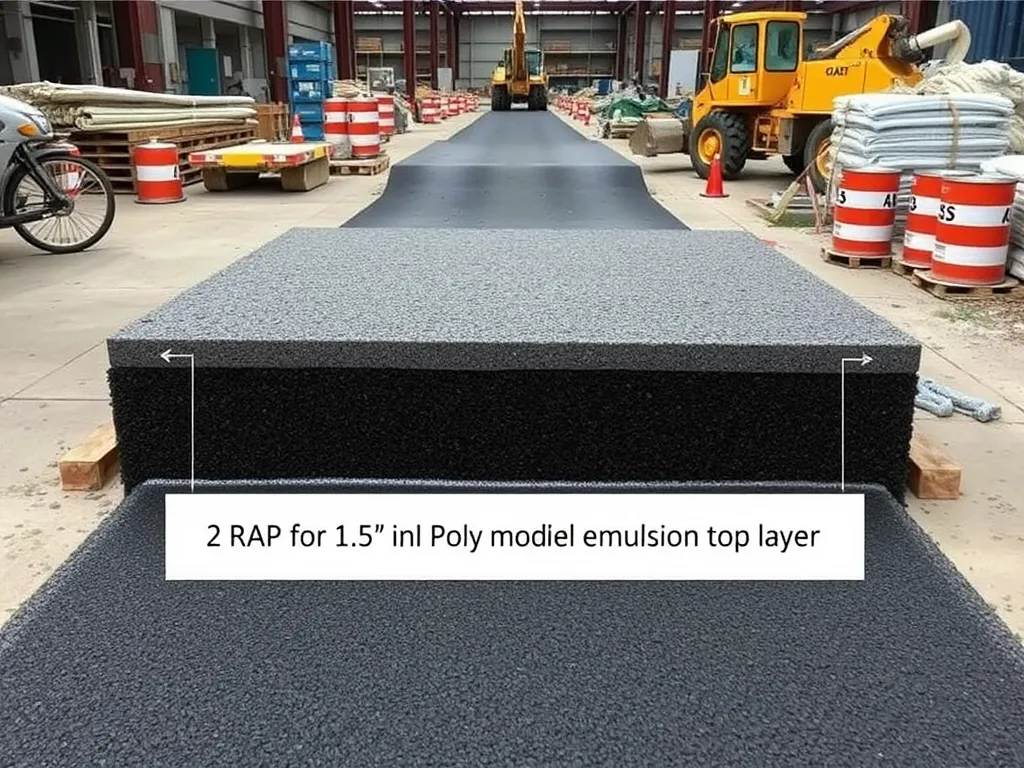
San Diego County repaved 14 miles of rural roads using cold-in-place recycling (CIR) with 40% RAP content. The $3.7 million project eliminated 6,200 truck trips by reusing existing asphalt pavement onsite. Contractors applied a 2-inch RAP base layer with foamed asphalt stabilization, topped with a 1.5-inch polymer-modified emulsion tack coat. Traffic reopened within 72 hours – 60% faster than traditional methods. Five-year monitoring shows 83% fewer potholes compared to adjacent conventionally paved roads.
These projects demonstrate RAP’s scalability across transportation infrastructure types. Now let’s quantify their environmental and economic ripple effects.
Environmental and Economic Impact Of Asphalt Recycling
Asphalt recycling reshapes how we build and maintain transportation infrastructure. It balances ecological responsibility with fiscal efficiency, creating ripple effects across road networks.
Sustainability in Asphalt Infrastructure
Recycled asphalt pavement (RAP) slashes reliance on virgin materials. Every ton of RAP used preserves 0.03 barrels of oil and cuts 0.06 tons of CO2 emissions. Agencies like FHWA report that 95% of asphalt pavements get recycled – higher than aluminum cans or glass.
Modern mixes blend RAP with additives like polymer-modified binders to meet Superpave specifications. These sustainable asphalt designs extend road life by 25-30% compared to conventional methods. States like California and Texas now mandate 20-40% RAP in highway projects, driving nationwide adoption.
Reducing Waste in Road Construction
Transportation infrastructure projects generate 100 million tons of asphalt waste yearly. Recycling asphalt diverts 80 million tons from landfills annually. A single lane-mile rebuilt with RAP repurposes 35,000 tons of old pavement.
| Waste Reduction Metric | Impact |
|---|---|
| Landfill diversion rate | 80% |
| Material cost savings | Up to 50% |
| Energy saved per ton of RAP | 588,000 BTUs |
Cold-in-place recycling (CIR) and full-depth reclamation (FDR) methods reuse 100% of existing asphalt roads. These techniques eliminate hauling costs for removal and reduce truck traffic by 60%, lowering urban construction emissions.
Next, we’ll examine the machinery and processing methods that make these innovations possible. From asphalt recycling plants to infrared heaters, technology drives the industry’s green transformation.
FAQs About Asphalt Recycling
How Do They Recycle Asphalt?
Asphalt is recycled through a multi-step process involving milling, crushing, screening, and mixing with virgin materials. This method allows for the repurposing of old pavement into new asphalt mixes suitable for road construction.
What Percentage Of Asphalt Pavement is Recyclable?
Approximately 95% of asphalt pavement is recyclable. This high percentage is due to the materials’ durable nature, which allows them to be reprocessed and used in new asphalt applications without significant quality loss.
What is the Recycling Rate for Asphalt?
The recycling rate for asphalt in the United States is over 90%. This means the vast majority of asphalt removed during road repairs and upgrades is repurposed rather than discarded, making it a key component of sustainable construction practices.
Is a Recycled Asphalt Driveway Worth It?
Yes, a recycled asphalt driveway can be a cost-effective option. Homeowners can save 30-40% compared to traditional asphalt paving. Proper installation and maintenance can provide longevity and resilience, making it a practical choice for driveways.
Closing Thoughts
Asphalt recycling is a pivotal component in modern transportation infrastructure. It not only enhances pavement performance but also delivers significant cost savings, conserves natural resources, and minimizes environmental impact. With advanced technologies driving this process, recycled asphalt pavement (RAP) has become an integral solution for both highways and local roads.
Investing in asphalt recycling promotes sustainability while simultaneously improving road safety. As municipalities and government agencies recognize these benefits, the shift towards recycled materials is gaining momentum.
For further information and resources on asphalt recycling and its impact on transportation infrastructure, visit Asphalt Calculator USA.
Additional Resources for You:
- Yoder, E. J., & Witczak, M. W. (1975). Principles of Pavement Design (2nd ed.). New York, NY: Wiley.
- In-place pavement recycling – Asphalt magazine
- Recycled Asphalt Pavement Materials in Transport Pavement Infrastructure: Sustainability Analysis & Metrics
- Reclaiming, Reusing, and Recycling Asphalt Pavement
- Recycling – Sustainability – Pavements – Federal Highway Administration

