Weather Resistance Of Asphalt and Concrete: Key Factors and Comparisons
Published on: April 14, 2026 | Last Updated: April 14, 2025
Written By: George Voss
Weather resistance measures how well asphalt and concrete pavements endure temperature swings, moisture, and UV rays. Asphalt’s flexible design absorbs stress from freeze-thaw cycles better than rigid concrete, which cracks without steel reinforcement. Concrete resists warping in heat but needs expansion joints to prevent buckling. Performance varies by climate: asphalt lasts 15-20 years with sealcoating every 2-3 years, while concrete can survive 30+ years but demands frequent joint maintenance.
This article breaks down how both materials handle extreme heat, ice, and storms. We’ll compare thermal resistance data, analyze moisture risks like potholes vs. scaling, and explore UV protection methods. Learn why asphalt dominates in snowy Northeast states, while concrete thrives in Texas heat. Get maintenance tips for each material and cost comparisons for different climates.
Understanding Weather Resistance in Asphalt and Concrete
Weather resistance measures how pavement holds up to sun, rain, snow, and heat. Both asphalt and concrete face tests from nature, but their make-up decides their fight.
Defining Weather Resistance for Pavement Materials
Weatherproof asphalt and concrete keep shape and strength through seasons. This means no cracks from ice, no melt in heat, and no wear from UV rays.
Core Principles of Weatherproof Asphalt and Concrete
Strong mixes form the base. Asphalt uses bitumen (a sticky oil glue) and stone. Concrete blends cement, sand, and gravel. Both need smart design: slopes drain water, joints allow swell, and dense layers block moisture.
How Weather Impacts Pavement Longevity
Heat, cold, water, and sun team up to break down roads. Asphalt bends but can rut. Concrete stays stiff but may crack. Each year, U.S. highways lose $5 billion to weather harm.
Critical Weather Factors: Temperature, Moisture, and UV Exposure
Heat above 75°F softens asphalt, causing ruts. Cold below 32°F makes concrete crack as water freezes inside. Rain seeps into tiny holes, eroding base layers. UV rays dry out asphalt binders, turning surfaces gray and brittle.
Next, we see how these materials handle specific weather extremes head-on.
Asphalt Weather Resistance: Performance Across Conditions
Asphalt’s ability to adapt to varying climates makes it a top pick for roads globally. Its mix of bitumen and aggregates forms a dynamic system that reacts to thermal shifts without losing structural integrity.
Hot Weather Durability Of Asphalt
In high-heat zones, asphalt maintains functionality through smart material design. Properly formulated mixes resist deformation even when solar radiation pushes surface temps past 140°F.
How Asphalt Withstands High Temperatures (Above 75°F)
Bitumen, asphalt’s binding agent, softens gradually as temps rise. Performance-graded (PG) binders like PG 76-22 are formulated to stay stable up to 76°F. Adding polymers boosts viscosity, letting pavements bear heavy loads without rutting. Texas DOT specs require PG 82-22 binders for interstate highways to combat intense summer heat.
Mitigating Rutting and Softening in Dry Weather Asphalt
Stone matrix asphalt (SMA) mixes cut rutting by 40% versus standard hot-mix asphalt. These blends use gap-graded aggregates locked in place by cellulose fibers. Compaction at 290-320°F achieves 92% density, creating a tight surface that resists traffic-induced deformation. Annual sealcoating adds UV protection, prolonging service life by 3-5 years.
Cold Weather Performance Of Asphalt
Northern states rely on asphalt’s flexibility to survive harsh winters. Cold-weather formulations focus on maintaining crack resistance down to -30°F while managing freeze-thaw cycles.
Freeze-Thaw Resistance in Asphalt Pavements
Air voids (3.5-4.5%) allow water expansion during freezing without damaging pavement structure. Open-graded friction courses drain 5,000 gallons per hour per lane, preventing ice formation. Minnesota DOT uses polymer-modified mixes with PG 58-34 binders for interstates, cutting freeze-thaw damage by 60%.
Preventing Cracking in Subzero Temperatures (Below 32°F)
Thermal cracks form when asphalt contracts faster than its stress-relaxation capacity. Low-temp PG binders (e.g., PG 58-34) remain flexible at -34°F. Crack sealing before winter reduces moisture intrusion by 80%, while infrared repairs blend new and old material for seamless patching. Wisconsin’s I-94 repairs show 7-year crack-free performance using these methods.
Asphalt’s thermal adaptability contrasts with rigid materials’ limitations. Up next: how concrete handles similar climate challenges.
Concrete Weather Resistance: Strengths and Limitations
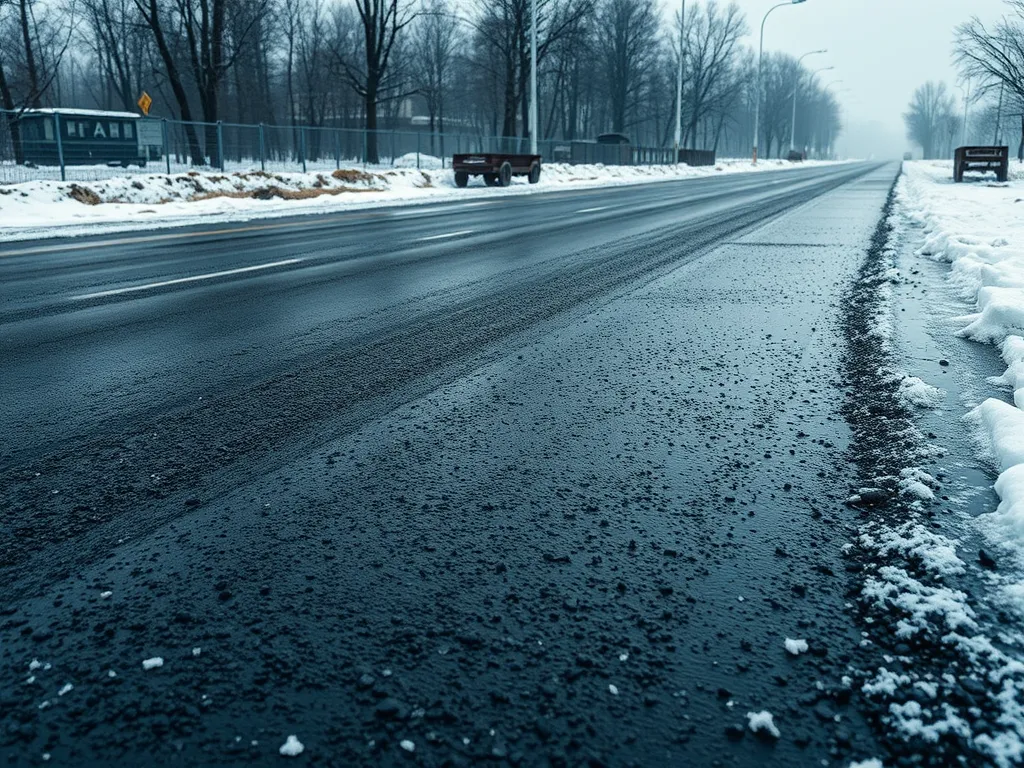
Concrete offers reliable performance in many climates but faces specific weather-related stresses. Its rigid structure resists deformation under heavy loads yet struggles with temperature shifts exceeding 50°F daily swings.
Hot Weather Challenges for Concrete
When temperatures rise above 90°F, fresh concrete cures too rapidly. This speeds up moisture loss, weakening the surface bond between cement paste and aggregates.
Thermal Expansion and Surface Scaling Risks
Existing concrete expands roughly 0.0000055 inches per inch per degree Fahrenheit. Repeated heating cycles create internal stresses leading to surface scaling – flaking layers up to 1/8 inch deep. Proper joint spacing (15 feet for 4-inch slabs) minimizes buckling on highways.
Cold Weather Vulnerabilities in Concrete
Sub-32°F conditions pose dual threats: delayed curing for new pours and freeze-thaw cycles damaging set slabs. Unprotected concrete loses 50% strength gain if frozen within 24 hours of placement.
Freeze-Thaw Damage in Non-Reinforced Concrete
Water infiltrates pores, expanding 9% when frozen. This generates 150-500 psi pressure – enough to fracture untreated concrete within 5-10 winters. Air-entrained mixes (6% microscopic bubbles) let ice crystals form without spalling, doubling freeze-thaw resistance.
While concrete withstands UV degradation better than bitumen-based materials, its rigid nature demands precise engineering for climate resilience. Up next: how thermal properties differ between these pavement giants under extreme conditions.
Also See: Sealcoating Color and Design Trends for Driveways
Key Factors Influencing Weather Resistance
Material choice shapes how pavements handle sun, rain, and frost. Key traits like heat tolerance, water control, and UV defense determine long-term performance.
Thermal Resistance Of Asphalt Vs. Concrete
Asphalt bends with heat shifts due to its bitumen base. Concrete slabs may crack under similar stress from rigid joints. PG-rated binders in asphalt (like PG 64-22) boost heat tolerance up to 150°F.
How Asphalt Withstands Extreme Temperature Fluctuations
Asphalt stays intact from -40°F to 150°F. Its dark hue absorbs heat but resists cracks through elastic recovery. Polymer-modified mixes prevent rutting in desert heat and curb cold-weather splits.
Moisture Management in Pavement Materials
Water harms roads through frost heave or erosion. Asphalt sheds rain with tight seams, while concrete uses drainage gaps. Poor drainage cuts asphalt life by 50% in wet zones.
Asphalt’s Flexibility vs. Concrete’s Permeability
Asphalt flexes under ice push without breaking. Concrete’s open pores let water seep, needing air gaps to avoid frost cracks. Pervious concrete (15% voids) drains faster but risks freeze-thaw damage below 20°F.
UV Degradation and Surface Protection
Sun rays dry out binders, causing brittle roads. Asphalt needs seal coats every 2-3 years. Concrete faces color fade but resists UV better due to mineral content.
Asphalt Oxidation Prevention Strategies
Coal-tar seals block UV rays at $0.15-$0.25 per sq.ft. Rubberized asphalt (15% recycled tires) slows sun damage. Reflective chip seals cut surface temps by 12°F in sunny states.
To keep roads intact, proactive care bridges material strengths and climate demands. Next, we’ll explore maintenance tactics that boost weatherproof asphalt and concrete life spans.
Protecting Asphalt From Weather Damage
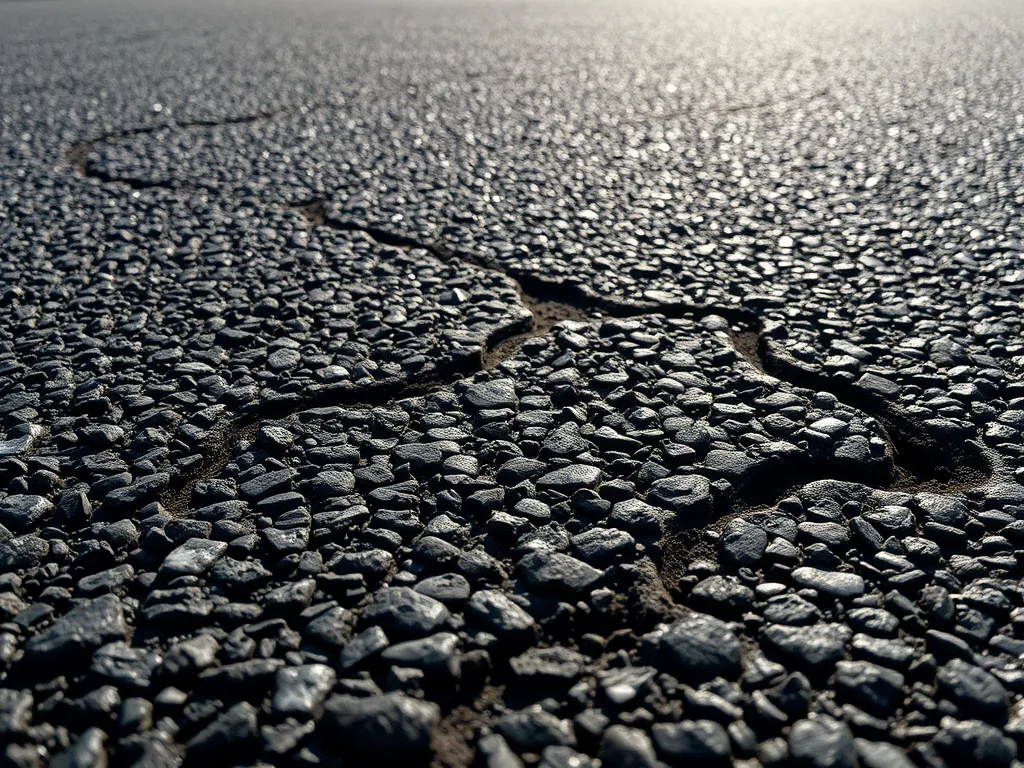
Weather-resistant asphalt roads demand strategic care to combat seasonal challenges. Proper maintenance extends pavement life by 30-50% in regions with temperature swings from -20°F to 120°F.
Proactive Maintenance for Weather-resistant Asphalt Roads
Annual inspections catch early signs of wear. Focus on drainage systems and surface integrity to prevent water infiltration – the top cause of asphalt damage in freeze-thaw cycles.
Sealcoating to Enhance Weatherproof Asphalt Surfaces
Apply coal tar or asphalt emulsion sealants every 2-3 years. This 3mm protective layer blocks UV rays, reduces oxidation by 85%, and repels water. Costs average $0.15-$0.25 per square foot.
Crack Sealing Before Cold Weather Sets In
Fill cracks wider than 1/4″ using rubberized asphalt compounds when temperatures stay above 45°F. Proper sealing prevents 90% of winter moisture penetration that leads to potholes.
Winter Maintenance Best Practices
Balance ice removal with pavement protection. Over 40% of asphalt deterioration stems from improper winter care in northern states.
Safe Use of De-icers on Asphalt Pavements
Choose calcium chloride or magnesium chloride over sodium chloride. These melt ice at -15°F vs. salt’s 20°F limit while causing 60% less asphalt erosion. Limit applications to 1.5 lbs per 100 sq ft.
These preservation methods directly impact pavement performance. Next, we examine how material choices affect environmental outcomes in extreme climates.
Environmental Considerations for Weather-resistant Pavements
Weatherproof asphalt and concrete require eco-conscious strategies to balance durability with environmental impact. Production methods and material choices directly affect long-term climate resistance.
Recyclability Of Asphalt in Sustainable Practices
Asphalt leads in circular economy practices with 95% recyclability rates. Reclaimed asphalt pavement (RAP) retains bitumen content, reducing virgin binder needs by 20-30% in new mixes. Recycled weather resistant asphalt roads maintain freeze-thaw performance when blended with polymer-modified PG 76-22 binders. Closed-loop systems reuse millings for patching potholes caused by thermal stress, cutting landfill waste by 1.8 million tons annually.
Carbon Footprint Comparison: Asphalt Vs. Concrete Production
Asphalt plants emit 50% less CO₂ per ton than concrete production – 90kg vs 120kg. Warm-mix asphalt technologies lower temperatures to 275°F (vs 320°F conventional), slashing energy use by 35%. Concrete’s cement manufacturing accounts for 8% of global CO₂ emissions, though permeable concrete variants improve stormwater management in wet climates. Asphalt’s flexibility from petroleum-based binders outperforms rigid concrete in regions with >50°F daily temperature swings.
These ecological factors shape pavement selection as cities face intensifying weather extremes. Next, we examine proactive maintenance techniques that extend service life in specific climate zones.

FAQs: Weather Resistance Of Asphalt and Concrete
Is Asphalt or Concrete Better for Cold Weather?
Asphalt generally outperforms concrete in cold weather due to its flexibility, which allows it to absorb stresses from freeze-thaw cycles without cracking. Properly formulated asphalt mixes can withstand much lower temperatures than concrete, making it a preferred choice in regions with harsh winters.
How Weather Resistant is Concrete Compared to Asphalt?
Concrete is more rigid than asphalt and offers good resistance to compression, but it is more susceptible to cracking under thermal stress or freeze-thaw cycles. While concrete can last longer than asphalt overall, it requires more careful engineering and maintenance to ensure it withstands various weather conditions effectively.
What is the Thermal Resistance Of Asphalt?
Asphalt exhibits high thermal resistance, capable of maintaining its integrity from as low as -40°F to as high as 150°F. Its ability to flex helps it adapt to temperature changes, whereas concrete can crack under similar conditions without proper expansion joints.
Why Does Texas Prioritize Concrete for Highway Pavements?
In Texas, the extreme heat often requires materials that can resist deformation and uphold performance under high temperatures. Concrete is favored for its durability and longevity in warm climates where asphalt may soften or rut under intense sun exposure.
Closing Thoughts
Weather resistance is a vital consideration for both asphalt and concrete pavements. Each material offers unique strengths and challenges under different climatic conditions. Asphalt excels in flexibility, adapting well to temperature fluctuations, while concrete can fall victim to freeze-thaw cycles and thermal expansion issues.
From hot summers to cold winters, the ability of both materials to withstand environmental stressors can significantly impact their longevity and performance. Regular maintenance practices, such as sealcoating for asphalt and protective measures for concrete, enhance their durability and service life.
With a deeper understanding of these materials and their weather resistance capabilities, you can make informed decisions for your paving projects. For more insights, tips, and tools related to asphalt and concrete, check out Asphalt Calculator USA.