Smart Asphalt Technologies: Enhancing Road Efficiency and Durability
Published on: April 14, 2026 | Last Updated: April 14, 2025
Written By: George Voss
Smart asphalt technologies integrate sensors, advanced materials, and Internet of Things (IoT) connectivity into pavement systems to create roads that monitor conditions, adapt to traffic, and repair themselves. Unlike traditional asphalt, these systems use real-time data collection, self-healing polymers, and energy-transferring surfaces to boost performance. Benefits include 30-50% longer lifespan, improved safety through instant hazard detection, and reduced environmental impact via recycled materials. Innovations like solar roads and temperature-responsive mixes redefine how infrastructure interacts with vehicles and weather.
This article explains how smart asphalt works, from sensor-embedded pavement layers to cloud-based analytics. Learn about self-healing cracks using steel wool additives, electric roadways that charge EVs, and mobile plants producing asphalt on-site. We’ll compare costs, explore durability tests for embedded sensors, and review how cities like Los Angeles use smart asphalt to cut maintenance budgets by 22%. Challenges like upfront installation expenses and data security risks are also addressed.
Introduction to Smart Asphalt Technologies
Smart asphalt mixes tech into road builds. It uses sensors, data tools, and smart parts to make roads work better. This shift changes how we build and fix streets.
Defining Smart Asphalt and Intelligent Road Systems
Smart asphalt has built-in tech like sensors or heat wires. These parts let roads talk to cars, traffic lights, or repair crews. For example, ice sensors can trigger heat strips to melt snow. Roads become active tools, not just static surfaces.
Role Of Smart Pavement in Modern Infrastructure
Smart roads cut traffic jams and crash risks. They spot potholes before they form and send alerts to crews. Some types charge electric cars as they drive, using tech like eRoads. This cuts fuel use and keeps traffic flowing smooth.
Next, we’ll explore the core parts that power these high-tech roads.
Core Components Of Smart Asphalt Technologies
Smart asphalt technologies rely on three key elements to transform traditional roads into responsive, data-driven systems. These components work together to boost performance, extend pavement life, and enable real-time decision-making.
Sensor-embedded Pavement Systems
Fiber-optic cables, piezoelectric sensors, and wireless strain gauges are embedded directly into asphalt layers during construction. These devices track temperature fluctuations (from -40°F to 212°F), load stress (up to 20,000 lbs per axle), and moisture levels at 2-inch depth intervals. The Netherlands’ SolaRoad uses solar-collecting sensors to generate 70 kWh/m² annually while monitoring surface wear. Conductive asphalt mixtures with carbon fibers detect cracks as small as 0.04 inches, alerting crews before potholes form.
Intelligent Asphalt Mix Designs
Modified binders and nano-additives create self-regulating mixes. Polymer-modified PG 76-22 binders withstand rutting at 140°F temperatures, while graphene-enhanced asphalt reduces oxidation by 35%. Warm-mix technologies cut production temps to 250-275°F, lowering CO₂ emissions by 30% versus traditional 300-350°F hot-mix. Michigan DOT’s 2023 pilot used 40% recycled asphalt pavement (RAP) blended with steel slag aggregates, achieving a 92% density rating during compaction tests.
Iot and Cloud-based Monitoring Solutions
LoRaWAN gateways transmit pavement data to cloud platforms like Azure IoT Hub at 15-minute intervals. Machine learning models analyze 50+ parameters, from deflection rates to traffic patterns, predicting maintenance needs with 89% accuracy. Colorado’s DOT saved $17 per square foot using AWS-powered analytics to prioritize repairs on I-70. Automated alerts notify crews when friction coefficients drop below 0.40 skid resistance – the threshold for safe wet-weather driving.
These systems form the backbone of modern smart asphalt road technology. Next, we’ll explore how they interact to optimize road networks.

How Smart Asphalt Technologies Work
Smart asphalt transforms roads into dynamic systems that adapt to conditions. Combining physical materials with digital tools, this approach boosts functionality and lifespan.
Integration Of Sensors for Real-time Data Collection
Smart pavement systems embed microsensors during installation. Strain gauges track traffic loads, while humidity sensors monitor water infiltration. In Arizona, pilot projects using intelligent asphalt roads found that fiber-optic sensors can flag structural flaws within 0.1-inch accuracy. Solar Roadways in Idaho pairs photovoltaic cells with road surfaces to harvest sunlight, showing how data collection pairs with multi-functional design.
Automated Performance Monitoring and Feedback Loops
Cloud platforms analyze sensor data to predict issues like cracking or rutting. Michigan’s IoT-linked highways automatically alert crews when pavement temps drop below 45°F, triggering anti-icing protocols. This closed-loop system cuts winter maintenance costs by up to 27%. Projects in Texas now link intelligent asphalt pavement data to traffic lights, adjusting signal timing based on real-time road stress metrics.
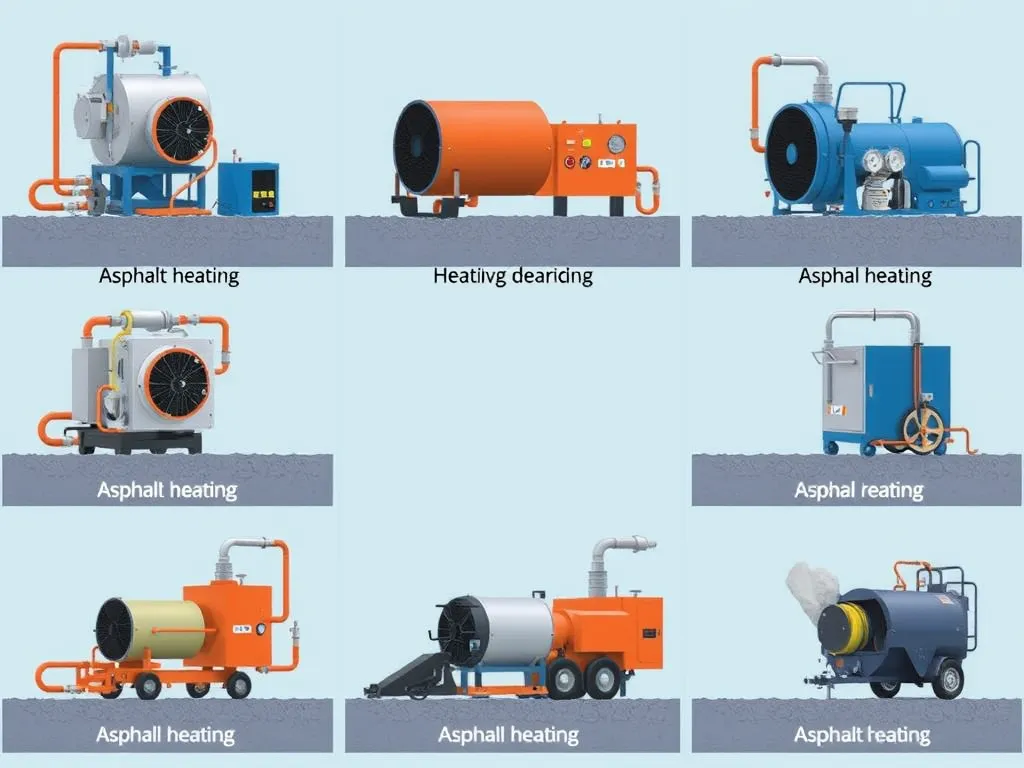
Recycling and Heating Mechanisms in Asphalt Production
Intelligent asphalt technology incorporates 30-40% recycled material (RAP) without compromising quality. Warm-mix additives lower production temps to 250°F, slashing CO₂ output by 15%. Induction heating coils in Dutch smart asphalt roads melt snow and repair minor cracks. Minnesota’s TH 61 uses self-healing binders activated by passing vehicles, boosting longevity by 8-12 years.
With these innovations laying groundwork, upcoming solutions push boundaries further. Next, we’ll unpack specific smart asphalt types shaping tomorrow’s infrastructure.
Also See: Is Warm Mix Asphalt Cost-effective?
Types Of Smart Asphalt Solutions
Smart road technologies use advanced materials and systems to tackle traditional infrastructure challenges. Three solutions stand out for their transformative potential.
Self-healing Asphalt Materials
Self-healing asphalt uses steel fibers or polymer capsules mixed into bitumen. When cracks form, induction heating (applied via specialized equipment) melts the bitumen to seal gaps. Tests show this reduces road repairs by 30-50%, cutting lifecycle costs by up to $15 per square yard. The Dutch A58 highway and UK’s M4 motorway have successfully trialed this intelligent asphalt technology.
Electric Roadways (Eroads) for Energy Transfer
Electric roadways embed inductive charging coils beneath asphalt surfaces. These smart pavement systems transfer energy to electric vehicles while in motion. Sweden’s eRoad Arlanda project powers trucks using 1.2-mile electrified stretches, achieving 85% energy transfer efficiency. Installation costs average $1.2 million per kilometer but slash EV battery needs by 70%, accelerating adoption of intelligent roads.
Full-depth Reclamation Techniques
Full-depth reclamation (FDR) recycles existing asphalt layers into new bases. Machines grind old pavement, mix it with stabilizing agents like foamed asphalt or cement, and recompact layers. This advanced asphalt technology reduces material waste by 95% and cuts project costs by 50% versus traditional removal. States like Texas and California use FDR for highway upgrades, aligning with smart asphalt road sustainability goals.
These innovations set the stage for deeper exploration of emerging tools reshaping infrastructure. Next, we examine breakthroughs in materials and IoT integration driving the latest wave of smart asphalt technology.

Latest Innovations in Smart Asphalt Technology
Cutting-edge advancements are reshaping how roads get built and maintained. From stronger materials to real-time tracking, these breakthroughs tackle durability, efficiency, and environmental impact head-on.
Advanced Synthetic Aggregates for Enhanced Durability
Engineers now blend recycled materials with lab-made components to create aggregates that outlast traditional mixes. Polymer-coated gravel and graphene-enhanced binders resist cracking under extreme loads. Tests show roads built with these materials withstand 40% more traffic stress before showing wear. A 2023 study found synthetic aggregates cut pothole formation by 62% compared to conventional asphalt.
| Material | Key Benefit | Cost Per Ton |
|---|---|---|
| Plastic-infused aggregate | 30% lighter weight | $18.50 |
| Carbon-fiber modified mix | 65% faster curing | $24.90 |
| Nano-silica binder | UV resistance | $32.75 |
Iot-enabled Asphalt Performance Monitoring Systems
Embedded sensors track road health metrics like temperature shifts, moisture levels, and structural stress. These systems transmit data to cloud platforms, alerting crews about needed repairs before visible damage occurs. Phoenix, Arizona, reported a 55% drop in emergency road fixes after deploying strain gauges and thermal cameras across 120 miles of smart pavement systems.
Key components include:
- MEMS-based pressure sensors (accuracy: ±0.5 PSI)
- Wireless mesh networks (range: 1.2 miles)
- Predictive analytics software
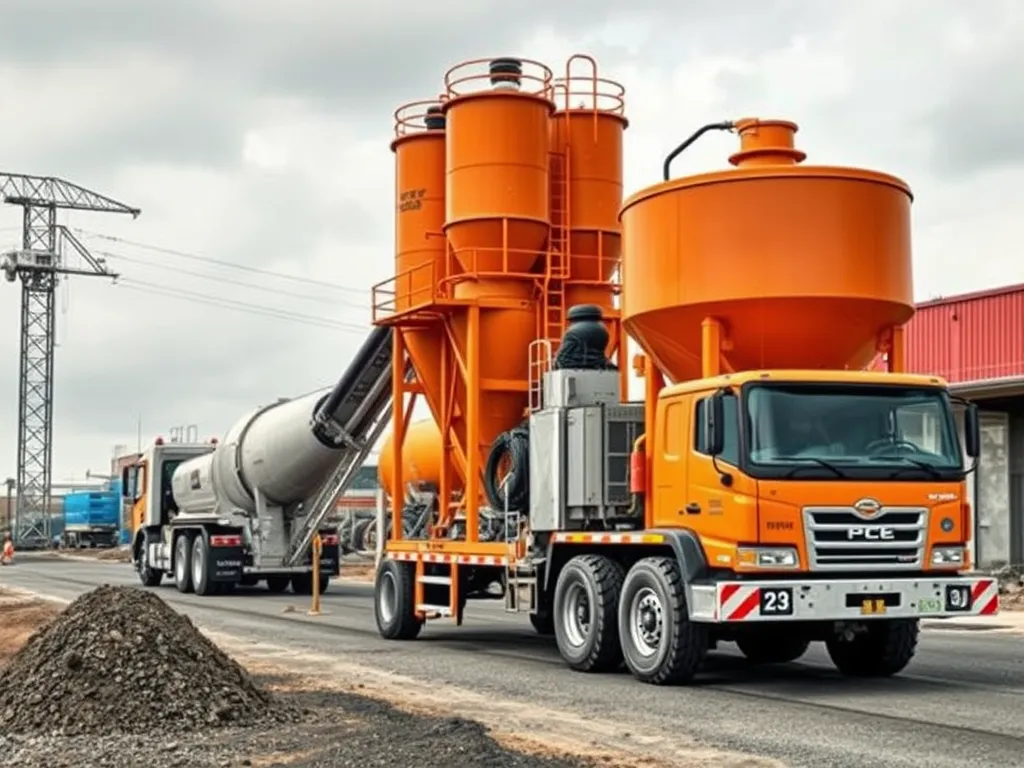
Mobile Asphalt Plants for On-demand Production
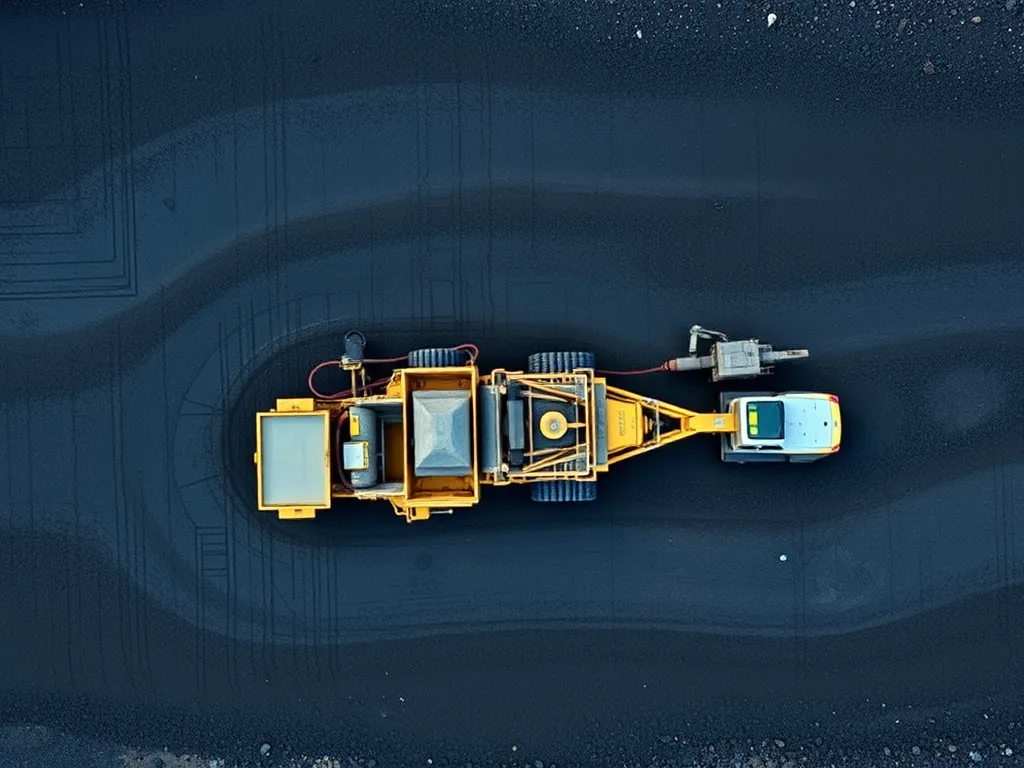
Compact, trailer-mounted units now produce hot-mix asphalt at job sites within 90 minutes of setup. These plants slash transport emissions by 75% and reduce material waste to under 2%. The latest models feature automated mix calibration and emission scrubbers meeting EPA Tier 4 standards.
A typical mobile unit includes:
- Drum mixer (capacity: 160-240 tons/hour)
- Aggregate dryer (fuel efficiency: 8.2 gal/ton)
- Control system with GPS tracking
These advancements set the stage for exploring how smart road pavement systems create safer, longer-lasting thoroughfares. Next, we’ll examine the measurable benefits transforming infrastructure economics.
Benefits Of Smart Asphalt and Pavement Systems
Smart road tech brings gains in safety, lifespan, and cost control. These systems mix data, new mix designs, and real-time tracking to fix common road issues.
Improved Road Safety and Accident Prevention
Sensor-embedded smart asphalt roads spot risks fast. They track ice build-up, send alerts for slick spots, and light up lane marks in fog. In Sweden, eRoads with heated lanes cut winter crashes by 35%. Built-in strain gauges flag potholes before they form, letting crews patch weak zones fast.
Enhanced Longevity and Reduced Maintenance Needs
Self-healing asphalt with steel fibers or polymers seals cracks on its own. Tests show roads last 50% longer vs. standard blacktop. Iowa’s smart pavement systems use IoT sensors to track wear, slashing repair trips by 60%. Full-depth reclamation tech recycles old layers into fresh base, saving 40% on rebuild costs.
Cost Savings Through Efficient Resource Utilization
Mobile asphalt plants cut haul fees by making mix onsite. Cloud tools plan paving routes to trim fuel use by 18%. Smart road tech reuses 95% of old pavement in recycling jobs. Ohio saved $12 per ton using GPS-tracked rollers that cut over-compaction waste.
While these gains are clear, cities face hurdles when shifting to smart asphalt road tech. Up next: the key challenges teams meet during installs.
Challenges in Implementing Smart Asphalt Technologies
While smart road technologies promise transformative benefits, adoption faces significant hurdles. These challenges range from technical constraints to financial barriers, requiring innovative solutions for widespread use.
Technical Limitations in Sensor Durability
Smart pavement systems rely on embedded sensors like piezoelectric devices or fiber-optic networks to monitor traffic, temperature, and stress. These components must endure extreme conditions: 300°F asphalt layering temperatures, 40-ton truck loads, and freeze-thaw cycles. Current models degrade after 3-5 years, far shorter than asphalt’s 15-20 year lifespan. Premature sensor failure creates data gaps, compromising real-time monitoring of intelligent asphalt roads.
High Initial Implementation Costs
Intelligent asphalt paving costs $15-$30 per square foot—triple traditional asphalt’s $5-$10 range. A 1-mile smart asphalt road with IoT monitoring requires $500,000+ in sensors alone. Energy-transfer eRoads add inductive charging coils at $1.2M per lane-mile. Municipalities often lack budgets for these upgrades without federal grants or private partnerships. Workforce training adds $50-$75/hour per technician for smart pavement technology operations.
Complexity in Maintenance and Data Management
A single smart asphalt road generates 2TB of daily data on traffic patterns, surface defects, and weather impacts. Legacy municipal systems struggle to process this volume. Wyoming’s 2023 pilot project revealed a 40% data loss due to incompatible software. Maintenance crews need dual expertise in pavement repair and cloud-based analytics—a rare skillset. Cybersecurity risks also escalate: 68% of transportation agencies report attempted breaches on intelligent pavement technology networks.
As cities weigh these obstacles against smart asphalt technology’s long-term gains, new strategies are emerging to bridge the gap.
Environmental and Economic Benefits
Smart road technologies cut waste and costs while boosting eco-friendliness. These systems blend recycled parts, data tools, and energy-smart methods to reshape how roads get built and kept.
Reduced Carbon Footprint Via Recycling Technologies
Reclaimed Asphalt Pavement (RAP) reuses 90-100% of old roads in new mixes. Smart plants track RAP use in real-time, hitting 30% less CO2 per mile. Warm-mix tech drops paving temps by 50°F, slashing fuel burn by 20%. Cold recycling skips heat, saving 40% in energy vs hot methods.
Lower Lifecycle Costs Through Predictive Maintenance
Sensor-embedded roads spot cracks before they spread. Fixing 6-inch flaws costs $50; waiting hikes it to $500. Cloud tools map wear patterns, trimming repair trips by 35%. Cities using smart asphalt tech report 15-25% budget savings over 10 years.
Energy Efficiency in Production and Application
Mobile plants mix asphalt onsite, cutting truck hauls by 60%. Solar-heated tanks store binder at 300°F using 70% less power. E-Roads with inductive coils charge EVs as they drive, offsetting 5% of grid load per lane mile.
These gains set the stage for tackling real-world roadblocks. Up next: the hurdles teams face when rolling out smart pavement systems.
Frequently Asked Questions (FAQs)
What is Smart Pavement?
Smart pavement refers to road systems integrated with advanced technologies, such as sensors and communication networks, that provide real-time monitoring and adapt to conditions. These technologies enhance the functionality of roads by improving safety, longevity, and maintenance efficiency.
What is the Latest Technology in Asphalt?
The latest technologies in asphalt include self-healing materials, advanced synthetic aggregates, and IoT-enabled monitoring systems that enable real-time data collection and predictive maintenance. These innovations improve the durability, efficiency, and environmental impact of roadways.
How Do Mobile Asphalt Plants Work?
Mobile asphalt plants are compact units that can produce hot-mix asphalt on-site within a short setup time. These plants minimize transport emissions by manufacturing asphalt close to the job location, utilizing automated mix calibration and adhering to strict environmental standards.
Where Can I Find Reviews on Smart Asphalt Technologies?
You can find reviews and insights on smart asphalt technologies through industry journals, research papers, investment reports, and specialized websites dedicated to civil engineering and infrastructure development. Additionally, conferences and expos in the transportation sector often showcase advancements and vendor solutions.
Closing Thoughts
Smart asphalt technologies are revolutionizing road construction and maintenance. By integrating sensors and data monitoring, these innovations not only enhance road efficiency but also prolong the lifespan of pavements. Solutions like self-healing materials and electric roadways offer exciting ways to address sustainability and energy needs.
While challenges exist, such as initial costs and technical limitations, the long-term benefits make smart asphalt a compelling choice for modern infrastructure. With advantages ranging from reduced maintenance costs to improved safety, these technologies are essential for future development.
For more insights on asphalt technologies and calculators to optimize your projects, visit Asphalt Calculator USA.
Useful References for You:
- Lavin, P. (2003). Asphalt Pavements: A Practical Guide to Design, Production, and Maintenance for Engineers and Architects. London: Taylor & Francis.
- Smart road technology could turn highways into crash-sensing ‘touchpads’
- The possibilities are endless with smarter pavements – Asphalt magazine
- Intelligent paving and compaction technologies for asphalt pavement – ScienceDirect
- Integrated Roadways