
Urban Heat Island Effect and Asphalt Solutions
Published on: July 8, 2026 | Last Updated: April 14, 2025
Written By: George Voss
Urban heat islands occur when cities experience higher temperatures than nearby rural areas, primarily due to human-made surfaces like asphalt absorbing and retaining heat. Asphalt pavements can reach 150°F on summer days, creating surface temperatures up to 30°F hotter than natural landscapes. This effect strains energy grids, raises air conditioning costs, and increases heat-related health risks. Solutions include cool asphalt pavements with high albedo (reflectivity ratings), light-colored mixes, reflective coatings, and permeable designs that allow water evaporation to cool surfaces.
This article explains why cities get hotter, how asphalt contributes to rising temperatures, and proven ways to reduce urban heat. You’ll learn about solar-reflective materials, coating durability tests, cost comparisons for permeable pavements, and real-world results from cities using these strategies. We’ll also analyze challenges like maintenance needs and long-term environmental impacts.
Understanding the Urban Heat Island Effect
Urban heat islands form when cities hit temps 5-7°F higher than nearby rural zones. This spike strains energy grids, air quality, and public health. Built-up areas trap heat through materials, lack of green space, and human activity.
What Causes Urban Heat Islands?
Three main factors drive urban heat: dark surfaces (roads, roofs), scarce vegetation, and waste heat from cars or AC units. Traditional asphalt plays a big role due to its heat traits.
Role of Asphalt in Heat Absorption
Asphalt absorbs up to 95% of sunlight, hitting 120-150°F on hot days. Its low albedo (0.05-0.10) means it reflects little heat. High thermal conductivity (0.75 W/m·K) lets it store and radiate warmth for hours. With asphalt covering 35-40% of cities, its impact grows.
| Material | Albedo | Surface Temp Range (°F) |
|---|---|---|
| Asphalt | 0.05-0.10 | 120-150 |
| Concrete | 0.20-0.35 | 100-115 |
| Grass | 0.25 | 75-85 |
These traits make asphalt a key factor in rising city temps. Next, we break down how paved surfaces trap heat.
Asphalt’s Contribution to Urban Heat Islands
Urban asphalt surfaces act like giant heat sponges. Covering 35-50% of city spaces, pavements trap solar energy. Dark asphalt absorbs up to 95% of sunlight due to low albedo (solar reflectance), converting it into thermal energy. This creates a feedback loop where cities grow hotter each day.
How Asphalt Pavements Intensify Heat
Traditional asphalt reaches surface temperatures of 150°F on summer days. It stores heat in its dense structure, releasing it slowly at night. This delays urban cooling, keeping air temperatures 5-10°F higher than rural areas. Heat radiates from pavements into buildings and stormwater systems, raising energy demands.
Asphalt Thermal Conductivity and Surface Temperatures
Asphalt’s thermal conductivity measures 0.75 W/m·K—higher than concrete (0.5 W/m·K). This lets heat penetrate 4-6 inches deep, creating a thermal mass effect. At peak sun, urban asphalt can warm nearby air by 7°F. Blacktop surfaces also heat stormwater runoff to 100°F, harming aquatic ecosystems.
New materials and design strategies aim to break this cycle. Next, we’ll explore how cities are flipping asphalt from a heat source to a cooling tool.
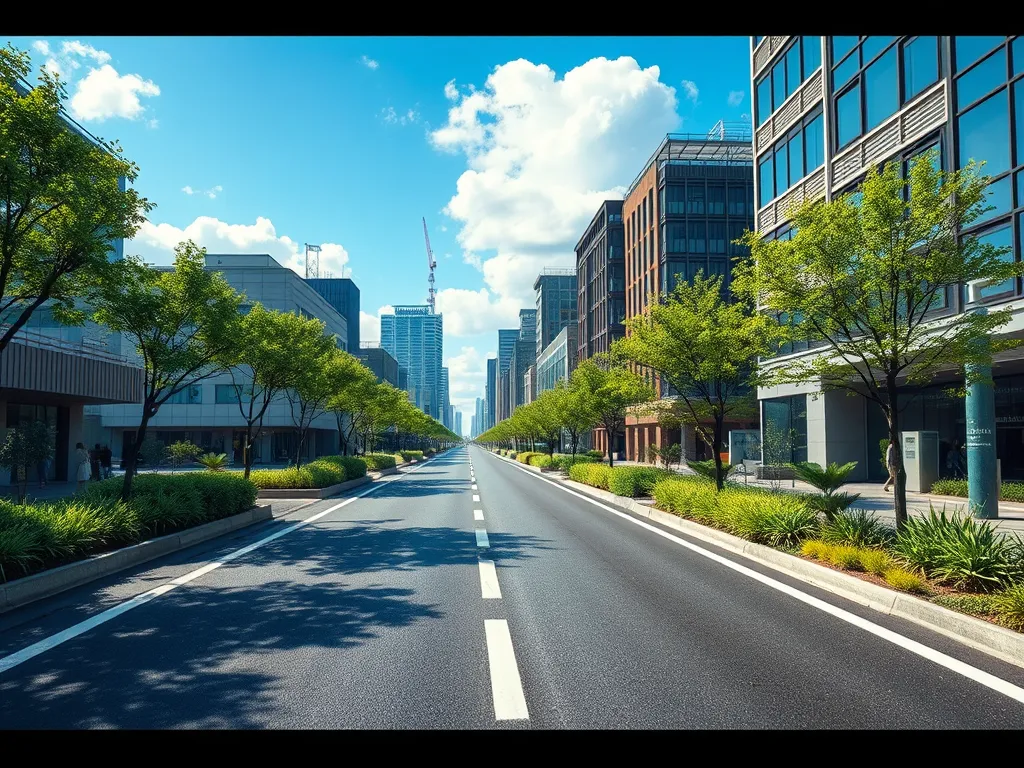
Asphalt Solutions to Mitigate Urban Heat Islands
Modern asphalt technologies tackle rising urban temperatures head-on. Three primary strategies—cool pavements, reflective coatings, and permeable designs—slash surface heat while maintaining structural integrity.
Cool Asphalt Pavements
Cool asphalt pavements lower surface heat through advanced material science. These mixes cut thermal absorption while meeting load-bearing demands for roads and parking lots.
Solar-Reflective Asphalt Materials
Solar-reflective asphalt uses aggregates like quartzite or synthetic binders with high albedo ratings. Modified bitumen infused with SBS polymers or glass beads reflects 30-40% more sunlight than standard blacktop. Phoenix trials show these surfaces run 10-15°F cooler at peak daylight.
Light-Colored Asphalt Mixes
Light-gray asphalt mixes replace traditional dark aggregates with limestone, granite, or recycled concrete. Blended with clear polymer binders, they achieve solar reflectance indexes (SRI) up to 35. While costing 15-20% more than conventional mixes, they reduce ambient air temperatures by 2-5°F in dense urban corridors.
Cool Pavement Coatings for Heat Reduction
Surface treatments offer a retrofit solution for existing asphalt infrastructure. Applied as liquid layers, these coatings turn heat-absorbing surfaces into reflective shields.
How Reflective Coatings Work
Reflective coatings contain titanium dioxide, acrylic resins, or ceramic microspheres that bounce solar radiation back into the atmosphere. A 40-mil thickness can slash surface temps by 20°F. Los Angeles’ Cool Streets initiative uses these coatings to cool 150+ lane miles since 2020.
Durability of Asphalt Coatings
High-performance coatings last 3-7 years under traffic loads. Abrasion-resistant formulas maintain 85% reflectivity after 5 years. Maintenance crews reapply coatings during routine sealcoating cycles, keeping costs under $1.25 per square foot.
Permeable Asphalt Pavements
Permeable asphalt combats heat through evaporation. Its open-graded structure lets water infiltrate, cooling surfaces via the heat-of-vaporization effect.
Reducing Heat Through Water Evaporation
With 16-20% void spaces, permeable asphalt allows 5-7 gallons of water per minute to drain through each square foot. As moisture evaporates, surface temps drop 20-30°F compared to impervious pavements. Seattle’s SEA Street Project recorded 4°F lower nighttime temps using this design.
These innovations set the stage for analyzing real-world performance data. Next, we’ll examine measurable impacts from cities implementing these asphalt heat solutions.
Also See: Is Asphalt Better Than Concrete? Key Differences
Evaluating the Effectiveness Of Asphalt Solutions
Measuring the impact of cool asphalt pavements requires analyzing field performance, cost efficiency, and long-term durability. These solutions target the asphalt heat island effect by altering surface properties or improving thermal management.
Does Cool Pavement Really Work?
Cool pavements reduce surface temperatures through two mechanisms: solar reflectance (albedo) and thermal emittance. High-albedo materials reflect 30-50% of sunlight compared to traditional asphalt’s 5-10%. A 2021 study in Phoenix showed reflective coatings lowered asphalt surface temps by 12°F during peak afternoon heat. Modified mixes with light-colored aggregates or synthetic binders can achieve albedo values above 0.25, cutting heat absorption by 40%.
Case Studies on Temperature Reduction
Los Angeles tested a solar-reflective coating (CoolSeal) on 14 miles of roads in 2019. Infrared scans recorded surface temp drops of 10-15°F, with ambient air cooling up to 2.3°F at night. Tokyo’s permeable asphalt trial reduced pavement temps by 9°F while managing 1.2 inches of stormwater per hour. Singapore’s light-colored asphalt mixes on arterial roads lowered surface heat retention by 18%, though maintenance costs rose 22% due to faster wear in tropical rains.
Field data confirms cool asphalt pavements can combat heat island effects, but performance varies with climate, traffic loads, and material specs. Up next: weighing the pros and cons of these asphalt solutions for informed decision-making.
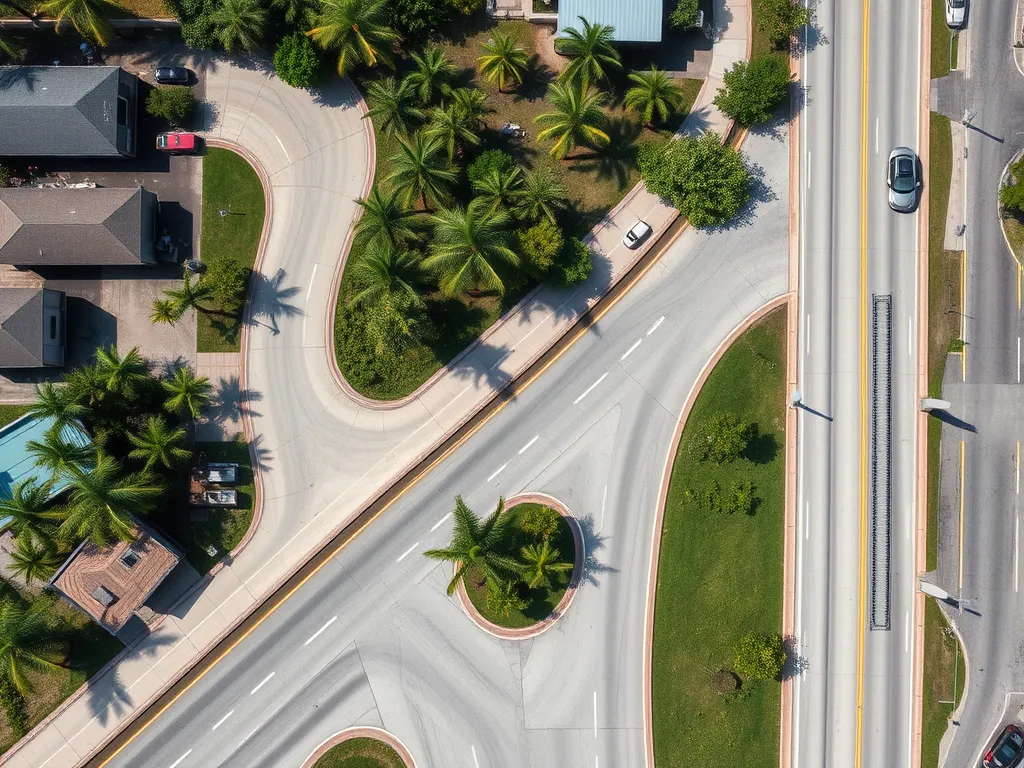
Advantages and Disadvantages Of Cool Asphalt
Cool asphalt technologies provide innovative ways to combat rising temperatures in cities. While these solutions show promise, they come with trade-offs needing careful evaluation.
Pros Of Solar-reflective Asphalt
Solar-reflective asphalt lowers surface temperatures by reflecting more sunlight. These pavements use specialized coatings or light-colored mixes to boost albedo—the measure of surface reflectivity. Studies show such treatments reduce pavement temperatures by 10-15°F, cutting surrounding air temperatures by up to 3°F in urban zones. Lower heat retention translates to reduced energy demands for cooling nearby buildings, potentially saving 15-20% on summer energy costs. Cool pavements resist thermal cracking, extending service life by 30-50% versus traditional blacktop.
Materials like titanium dioxide or recycled glass beads enhance reflectivity without sacrificing structural integrity. Reflective coatings with high thermal emittance release stored heat faster, preventing nighttime heat retention. Cities like Los Angeles reported 1.5°F drops in neighborhood temperatures after installing solar-reflective pavements.
Challenges in Implementation
Despite benefits, solar-reflective pavements face hurdles in widespread use. Installation costs run $2-5 more per square foot versus conventional asphalt, mainly due to additives. Maintenance requires recoating every 3-5 years to sustain reflectivity, adding long-term expenses.
Increased glare from reflective surfaces creates visibility issues for drivers, needing careful planning in high-traffic zones. Cool pavements perform best in sunny climates; cloudier regions see diminished returns. Light-colored surfaces show stains from oil or tire marks, impacting curb appeal in residential areas. Limited recycling options for coated pavements complicate disposal compared to standard mixes.
Balancing these factors becomes key when considering the broader ecological footprint of cool pavements.
Environmental Impact Of Asphalt Heat Solutions
Cool asphalt pavements cut city warmth but carry hidden impacts. Production processes, material sourcing, and long-term upkeep shape their total planetary footprint. Life-cycle assessments show trade-offs: reflective coatings might slash air conditioning use by 15% but demand high-fuel manufacturing for additives like titanium dioxide or glass beads.
Long-term Sustainability Considerations
Urban islands heat solutions must balance immediate cooling with multi-decade viability. Three factors dictate success:
- Material sourcing: Mixes with 30-50% reclaimed asphalt pavement (RAP) trim mining needs. Phoenix’s 2022 I-10 project cut costs by 28% using post-industrial slag.
- Lifespan: Solar-reflective asphalt materials last 18-22 years vs. standard pavements’ 12-15. Los Angeles reports 40% less cracking in light-colored asphalt lanes after 8 years.
- Recycling potential: High RAP cool pavements can undergo 4-6 reuse cycles before aggregate breakdown. Bitumen modification with soy oils boosts binding for repeated milling.
Maintenance intervals matter. Reflective coatings require reapplication every 7-12 years, adding $0.80-$1.20 per square foot. Permeable asphalt pavements need quarterly vacuum sweeping to maintain 95% water drainage capacity. Cities like Chicago track albedo decay rates, noting a 0.15 annual drop without upkeep.
What happens when cool asphalt reaches its limit? Most now go into road base layers or parking lot filler. New York’s 2023 pilot crushed worn pavements into 3/4-inch aggregate for seawall construction, diverting 82 tons from landfills.
Next: Tackling frequent questions about installation costs and real-world results shapes how cities prioritize asphalt heat island effect fixes.
FAQ: Urban Heat Island Effect and Asphalt
What Solutions Reduce Urban Heat Islands?
Several solutions can mitigate the urban heat island effect, including cool asphalt pavements, reflective coatings, and permeable designs that allow water to evaporate and cool surfaces. Light-colored asphalt mixtures and solar-reflective materials also play a significant role in lowering temperatures in urban areas.
Can Cool Asphalt Coatings Mitigate Heat Effectively?
Yes, cool asphalt coatings have been shown to effectively reduce surface temperatures. By applying reflective coatings that contain materials like titanium dioxide, cities can lower asphalt temperatures by up to 20°F. Studies suggest that these coatings maintain their effectiveness for several years with proper maintenance.
What Are the Best Asphalt Materials for Urban Areas?
The best asphalt materials for urban settings include solar-reflective asphalt, light-colored asphalt mixes, and permeable asphalt. These materials help reflect sunlight, reduce thermal absorption, and allow for better water drainage, contributing to lower ambient temperatures and improved urban ecology.
Closing Thoughts
The urban heat island effect poses significant challenges to cities worldwide. Asphalt plays a notable role in this phenomenon, contributing to increased temperatures in urban settings. However, innovative asphalt solutions, such as cool pavements and permeable materials, offer effective strategies for mitigation.
Solar-reflective asphalt and light-colored mixes can reduce surface temperatures significantly. Active measures, including reflective coatings and permeable designs, enhance heat management by promoting evaporation and lowering thermal absorption.
As cities adopt these sustainable asphalt solutions, they can anticipate improved urban living conditions. Not only will these strategies combat heat, but they will also promote long-term environmental benefits. For further insights on asphalt and its impact, visit Asphalt Calculator USA.
Additional Resources for You:
- American Association of State Highway and Transportation Officials (AASHTO). (2008). Mechanistic-Empirical Pavement Design Guide (MEPDG). Washington, DC: AASHTO.
- (PDF) The urban heat island effect, its causes, and mitigation, with reference to the thermal properties of asphalt concrete
- The urban heat island effect, its causes, and mitigation, with reference to the thermal properties of asphalt concrete – ScienceDirect
- Combating Urban Heat Island Effect—A Review of Reflective Pavements and Tree Shading Strategies
- Causes and Solutions for the Urban Heat Island Effect – Topos Magazine

