
Waterproofing Asphalt: Proven Methods, Products, and Best Practices
Published on: July 11, 2026 | Last Updated: April 14, 2025
Written By: George Voss
Waterproofing asphalt involves applying protective treatments like sealants, membranes, or liquid coatings to prevent water damage. Unlike basic asphalt maintenance, this process creates a barrier against moisture, extending pavement life by 10-15 years. Homeowners can tackle DIY projects with water-based sealers or hire professionals for complex jobs like installing bituminous membranes. Key products include polymer-modified sealants, self-adhesive sheets, and acrylic coatings. Proper waterproofing cuts repair costs by up to 40% while preventing cracks and potholes.
This guide covers how to choose between oil-based and water-based sealants, apply coatings correctly, and install roof membranes. You’ll learn surface prep steps, cost comparisons (sealants: $0.15-$0.35 per sq ft vs. membranes: $2-$5 per sq ft), and maintenance tips. We’ll also explore eco-friendly options and when to call a certified contractor.
Why Waterproof Asphalt?
Water harms asphalt fast. Rain, snow, and ice seep into tiny cracks. This weakens the base, leading to bigger issues. Waterproof asphalt stops this damage before it starts.
Importance Of Protecting Asphalt Surfaces
Asphalt needs shields to last. A waterproof asphalt coating blocks water, UV rays, and chemicals. Seal asphalt waterproof to keep the top smooth and strong. Without it, sun dries the binder, making surfaces brittle. Proper asphalt waterproofing adds 5-10 years to driveways and roofs.
Consequences Of Neglecting Waterproofing
Skip sealing, pay more later. Unsealed asphalt cracks within 1-2 years. Water softens the base, causing potholes and dips. Freeze-thaw cycles split open gaps. Fixing these costs 3x more than basic asphalt seal waterproof care.
| Neglect Issue | Repair Cost (per sq.ft.) |
|---|---|
| Potholes | $3-$7 |
| Base erosion | $5-$10 |
| Alligator cracks | $2-$4 |
| Seal coating | $0.15-$0.25 |
Oil-based asphalt waterproofing lasts longer but needs care. Water-based dries fast but wears sooner. Choose based on traffic, weather, and budget.
Next, let’s break down the top ways to shield your asphalt.
Types Of Asphalt Waterproofing Solutions
Three primary methods dominate asphalt waterproofing: sealers, membranes, and liquid coatings. Each offers distinct protection levels, application methods, and lifespans.
Waterproof Asphalt Sealers
Sealers create a protective layer against water infiltration and UV damage. They penetrate surface pores while sealing minor cracks. Most last 2–4 years before reapplication.
Oil-Based vs. Water-Based Sealants
Oil-based asphalt waterproofing uses coal tar or asphalt emulsion. It resists heavy traffic and chemicals better, drying in 24–48 hours. Water-based sealants (acrylic or polymer blends) cure faster (4–8 hours) and emit fewer fumes. Oil-based costs $0.15–$0.25 per sq ft; water-based averages $0.10–$0.20.
Asphalt Waterproofing Membranes
Membranes provide heavy-duty protection for flat roofs or parking decks. These sheets bond to asphalt surfaces, blocking water through rubberized asphalt or polymer layers. Installed in rolls, they last 15–30 years.
Self-Adhesive vs. Torch-Applied Membranes
Self-adhesive membranes have peel-and-stick backing, ideal for DIY projects. Torch-applied versions need propane torches to melt the adhesive layer, creating stronger bonds. Torch-down systems cost 20% more but handle extreme weather better.
Liquid-applied Waterproof Coatings
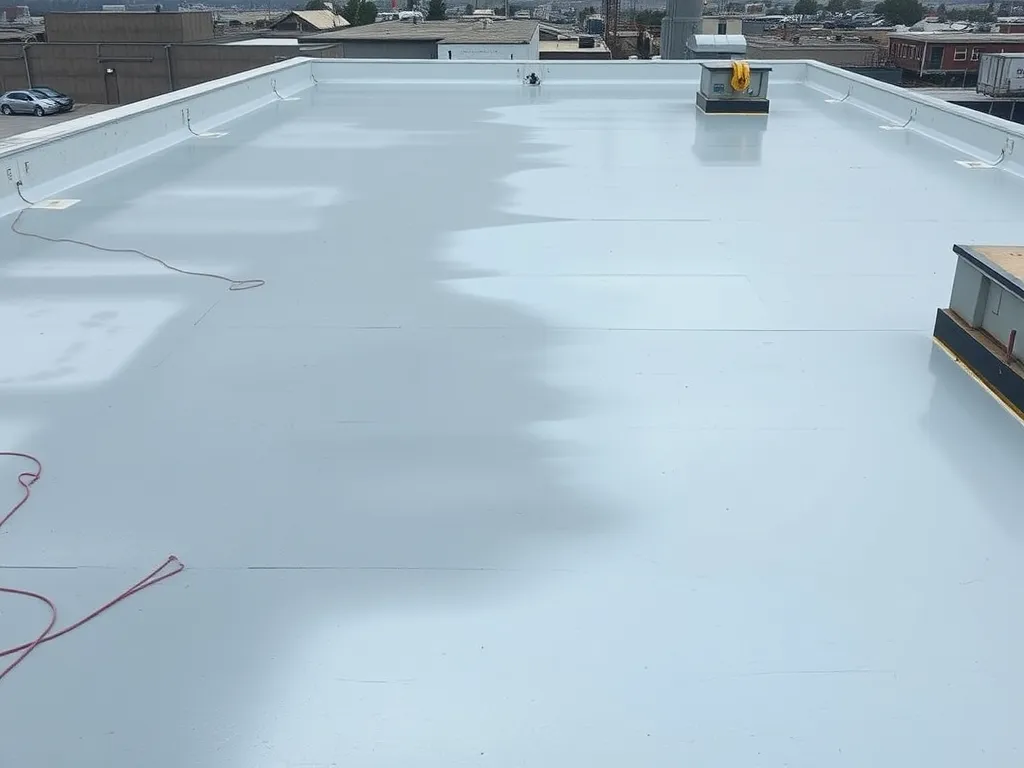
Liquid asphalt waterproof coatings (like acrylic, polyurethane, or silicone) spray or roll onto surfaces. They form seamless barriers, ideal for irregular shapes. High-build coatings (60–100 mils thick) resist ponding water and last 10+ years on roofs.
Choosing the right solution depends on surface type, budget, and climate. Next, we’ll break down how to apply these methods correctly—from prep work to final sealing.
Step-by-step Waterproofing Processes
Proper waterproofing requires methodical preparation and precise application. Let’s break down the critical stages for different asphalt surfaces.
Preparing Asphalt for Waterproofing
Surface preparation determines 80% of waterproofing success. Begin by removing dirt, oil stains, and vegetation with a stiff broom or power washer (2,500-3,000 PSI recommended). Let the asphalt dry completely – typically 24-48 hours in dry weather.
Cleaning and Repairing Cracks
Inspect for cracks wider than 1/8 inch. Clean debris using wire brushes or compressed air. Fill cracks with rubberized asphalt emulsion ($15-$25 per gallon) or hot-pour crack sealants. For alligator cracks exceeding 3 square feet, cut out damaged areas and patch with cold-mix asphalt compacted at 90% density.
Applying Waterproof Sealant to Driveways
Use a squeegee or spray system to apply waterproof asphalt sealer. Coal-tar emulsions ($18-$25 per 5-gallon pail) provide superior chemical resistance, while asphalt-based sealants ($15-$20 per pail) offer faster curing (4-6 hours). Maintain a uniform thickness of 1/8 inch – coverage averages 50-75 sq ft per gallon. Seal pavement edges first, working inward in overlapping strokes.
Installing Asphalt Waterproofing Membranes on Roofs
For flat roofs, install self-adhesive SBS-modified bitumen membranes ($1.50-$3 per sq ft) starting from roof edges. Overlap seams by 2 inches, rolling out air bubbles with 50-lb rollers. Torch-applied membranes require propane torches ($200-$400 units) to melt the underside – maintain 12-inch flame distance to prevent scorching. Slope membranes 1/4 inch per foot toward drains.
These techniques lay the foundation for durable protection. Next, we’ll examine how bituminous systems take waterproofing to industrial-grade performance levels.
Also See: Where Does Asphalt Come From? Discover Its Origins
Bituminous Waterproofing Explained
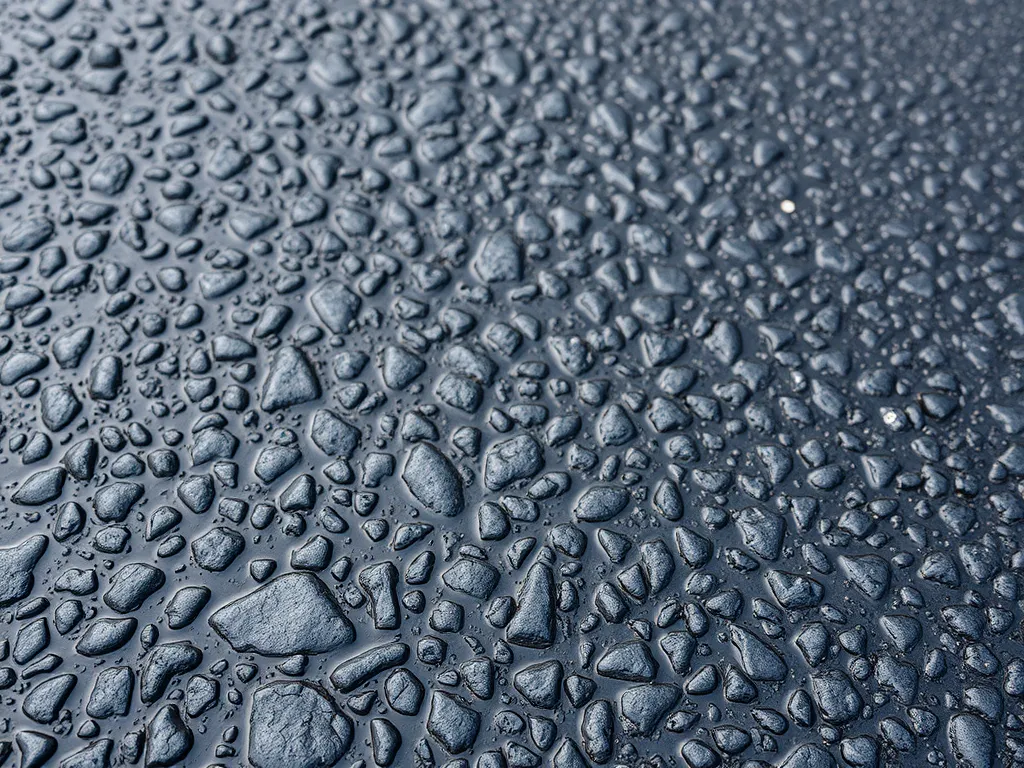
Bitumen-based systems form the backbone of asphalt waterproofing. This method uses thick layers of bitumen—a sticky, black mix from crude oil—to block water. Combined with polymer modifiers like APP or SBS, bitumen gains flexibility. Common in roofs and parking decks, these systems meet ASTM standards for heavy use.
How Bitumen Membranes Work
Bitumen membranes act as tough shields. Applied in rolls (3mm thick), they bond to asphalt through heat or self-adhesive backs. Once set, these sheets block water, resist UV rays, and handle temps from -20°F to 220°F. The key? Polymer additives boost stretch by 300%, letting the membrane flex without cracks. Installers torch-seal seams or press self-stick edges, creating a seamless 40-mil barrier.
Advantages and Limitations Of Bituminous Systems
Pros:
- Lasts 40+ years with proper asphalt prep
- Handles ponding water (up to 72 hours)
- Costs $2-$4 per sq ft—cheaper than PVC or TPO
Cons:
- Needs skilled labor (torch work risks fires)
- Emits VOCs during install
- Repairs require cutting out sections
For long-term asphalt waterproofing, bitumen works—but weigh labor costs against savings. Up next: top products to pair with these membranes for max defense.
Key Products for Effective Waterproofing
Choosing the right materials determines success in asphalt waterproofing. Three product categories dominate the market for lasting results.
Waterproof Asphalt Sealers and Coatings
High-performance sealers block moisture while resisting UV damage. Oil-based formulas like coal-tar emulsions last 3-5 years, covering 50-75 sq ft per gallon. Water-based acrylics cure faster (4-6 hours) with lower VOC levels. Hybrid options combine polymers like SBS rubber for crack-bridging up to 1/4″.
| Type | Coverage | Cure Time | Best For |
|---|---|---|---|
| Oil-Based | 60-80 sq ft/gal | 24-48 hrs | High-traffic driveways |
| Water-Based | 80-100 sq ft/gal | 4-6 hrs | Residential paths |
Reinforcement Fabrics for Enhanced Protection
Polyester or fiberglass grids add tensile strength when embedded in sealant layers. Products like ArmorPave 300XT handle 400% elongation, preventing crack reflection. Install during sealcoating: apply fabric over cracks, saturate with asphalt emulsion, then topcoat. Reduces repair frequency by 60% compared to sealant-only methods.
Specialized Repair Compounds
Cold-applied mastics fill cracks 1/8″ to 1″ wide without heating. Look for ASTM D6690 compliance. For potholes, fast-set patching mixes like RoadBond SB reach 300 PSI in 30 minutes. Always pair repairs with sealants – unsealed fixes fail 3x faster in freeze-thaw cycles.
Proper product selection sets the stage for maintenance strategies. Let’s explore how to keep waterproofed surfaces performing year after year.
Maintenance Of Waterproofed Asphalt
Keeping waterproofed surfaces in top shape requires consistent care. Regular checks paired with timely interventions prevent minor issues from escalating into costly repairs.
Inspecting for Damage
Examine surfaces every six months for cracks exceeding 1/8 inch, potholes, or pooled water. Use chalk to mark problem zones. Look for faded sealant layers or exposed aggregate—these signal weakened protection. Infrared patching works well for fixing subsurface voids without disturbing intact areas. Ignoring these signs risks water seeping into the base layer, leading to structural failure.
Reapplying Sealants and Coatings
Sealcoating should occur every 2-3 years, depending on traffic volume. Oil-based options like coal-tar emulsions provide robust resistance but require proper ventilation during use. Water-based sealants dry faster (3-4 hours) but may need more frequent touch-ups. For best results, apply using squeegee or spray systems at 50-75 sq ft per gallon. Temperatures below 50°F? Postpone—cold reduces bonding strength. Costs range from $0.15-$0.30 per sq ft for DIY projects.
Proactive upkeep preserves waterproofing performance while minimizing resource waste. Next, let’s explore how eco-conscious choices fit into long-term surface protection strategies.
Environmental Considerations
Selecting sustainable waterproofing methods protects both asphalt surfaces and surrounding ecosystems. Modern solutions balance performance with reduced ecological impact.
Eco-friendly Sealant Options
Bio-based and low-VOC (volatile organic compounds) sealants now rival traditional oil-based products. Soy-modified asphalt waterproofing coatings and recycled rubberized sealants emit 50-70% fewer harmful vapors. These options maintain 85-90% of the durability of conventional seal asphalt waterproofing treatments, lasting 3-5 years with proper asphalt preparation.
Water-based acrylic sealants dominate the green market. They dry faster (2-4 hours) than oil-based alternatives and meet EPA standards for stormwater runoff control. Costs run $0.15-$0.25 per square foot—10-20% higher than standard waterproof asphalt sealer, but many municipalities offer rebates for eco-friendly choices.
Proper Disposal Of Waterproofing Materials
Leftover waterproof sealant for asphalt requires careful handling. Oil-based products fall under hazardous waste regulations in 38 states. Never pour excess material into drains or soil—one gallon of spilled sealant can contaminate 250,000 gallons of groundwater.
Follow local guidelines for disposal:
- Take sealed containers to designated recycling centers
- Solidified waste (cured sealant) may go to landfills with approval
- Professional contractors often handle disposal for $50-$150 per project
Responsible material management keeps projects green from start to finish. Let’s explore common questions about maintaining waterproofed asphalt surfaces.
Frequently Asked Questions (FAQs)
Can You Waterproof Existing Asphalt Surfaces?
Yes, you can waterproof existing asphalt surfaces. The process involves cleaning and preparing the asphalt before applying sealants or coatings. Ensure that any cracks are filled and the surface is clean for optimal adhesion.
What Type Of Waterproofing is Most Durable for Asphalt Driveways?
For asphalt driveways, oil-based sealants are generally considered more durable due to their resistance to chemicals and heavy traffic. However, water-based sealants can also be effective for residential use, particularly when a quicker drying time is needed.
What Are the Drawbacks Of Oil-based Asphalt Sealants?
Oil-based asphalt sealants can emit harmful volatile organic compounds (VOCs) during application, necessitating good ventilation. They also require longer curing times compared to water-based options and may not be suitable for use in extremely hot temperatures.
When Should I Reapply Waterproof Sealant to My Asphalt Roof?
It is recommended to reapply waterproof sealant to asphalt roofs every 2-3 years, depending on weather conditions and exposure to UV rays. You should inspect the roof regularly for signs of wear and tear, such as fading or cracking in the sealant, and address these issues promptly.
Closing Thoughts
Waterproofing asphalt is a vital step in extending the lifespan of your surfaces. By employing the right methods and products, you can effectively guard against water damage, reducing the risk of cracks and decay. Regular maintenance enhances this protection, ensuring your asphalt remains durable and functional.
With options ranging from sealants to membranes, there’s a solution suitable for every need. Implementing eco-friendly choices contributes positively to the environment while preserving the integrity of your asphalt.
For more resources and detailed information about waterproofing asphalt, visit Asphalt Calculator USA.
Useful References for You:
- Roberts, F. L., Kandhal, P. S., Brown, E. R., Lee, D. Y., & Kennedy, T. W. (1996). Hot Mix Asphalt Materials, Mixture Design, and Construction (2nd ed.). National Asphalt Pavement Association (NAPA).
- Polyguard | Pavement Waterproofing: Here’s What You Should Know
- Waterproofing | Protection at All Critical Locations
- Everything You Need to Know About Hot Fluid-Applied Rubberized Asphalt Waterproofing | EPRO
- Bituminous Membrane

