Dense-grade Asphalt Mastic: The Complete Guide
Published on: July 14, 2026 | Last Updated: April 14, 2025
Written By: George Voss
Dense-grade asphalt mastic is a high-density paving material made from aggregates, bitumen (a sticky petroleum binder), and mineral fillers like limestone dust. Unlike open-grade asphalt with visible gaps, it has a tightly packed structure with less than 5% air voids, creating a smooth, waterproof surface. This mix handles heavy truck traffic, lasts 20+ years with proper care, and installs faster than concrete at $3-$7 per square foot. Regular sealcoating every 3-5 years prevents cracks and extends its lifespan.
This guide breaks down how dense-grade asphalt mastic works, where it’s used, and why it outperforms alternatives. You’ll learn its science-backed benefits, step-by-step installation methods, cost comparisons against materials like concrete, and proven maintenance strategies. We’ll also explore its role in bridges, factories, and eco-friendly projects.
What is Dense-grade Asphalt Mastic?
Dense-grade asphalt mastic is a high-performance paving material designed for heavy-duty surfaces. It combines fine aggregates, asphalt binder mastic, and mineral fillers to form a tightly packed matrix. This mix resists deformation under pressure while maintaining flexibility.
Composition and Key Properties
The asphalt mastic mixture contains three core components: crushed stone aggregates (90-95% by weight), asphalt binder (5-8%), and additives like polymers or fibers. Aggregates range from 0.075mm to 4.75mm, creating minimal air voids (2-5%). PG 64-22 or PG 76-16 binders are common, meeting AASHTO M 320 standards. Key properties include:
- Marshall Stability values of 3,500-5,000 lbs
- Indirect tensile strength of 150-300 psi
- Penetration grades of 60-70 dmm at 77°F
Modified asphaltic concrete mastic often includes styrene-butadiene-styrene (SBS) polymers, boosting elasticity by 40% compared to conventional mixes.
Density Of Mastic Asphalt
Density directly impacts performance in dense asphalt mastic pavement. Typical densities range from 145-155 lb/ft³ (2,320-2,480 kg/m³), measured via ASTM D2726. Higher density correlates with:
| Density Range | Application |
|---|---|
| 145-148 lb/ft³ | Pedestrian walkways |
| 149-152 lb/ft³ | Urban roads |
| 153-155 lb/ft³ | Highways/industrial zones |
At 152 lb/ft³, water absorption drops below 1.5%, reducing freeze-thaw damage. The compact structure also increases load-bearing capacity to 10,000-15,000 ESALs (Equivalent Single Axle Loads).
Density defines structural strength, but how does dense-grade compare to other asphalt types? The next section breaks down critical differences.
Dense-grade Vs. Open-grade Asphalt: Key Differences
Dense-grade asphalt mastic and open-grade asphalt serve distinct roles in construction. The primary difference lies in their structural design. Dense-grade mixes use tightly packed aggregates with minimal air voids (3-7%), creating an impermeable layer. Open-grade mixes contain larger aggregates with 15-25% air voids, allowing water to drain through.
| Feature | Dense-grade Asphalt Mastic | Open-grade Asphalt |
|---|---|---|
| Aggregate Size | Fine to medium (≤ ½ inch) | Large (¾ inch to 1½ inch) |
| Air Voids | 3-7% | 15-25% |
| Permeability | Low (≤ 100 cm/hr) | High (≥ 500 cm/hr) |
| Typical Use | High-traffic roads, waterproofing | Drainage layers, parking lots |
Dense asphalt mastic pavement excels in load-bearing applications. Its asphalt mastic mixture combines bitumen, limestone filler, and sand for a seamless finish. Open-grade relies on stone-on-stone contact for stability but requires additional layers to prevent water damage.
For weather resistance, dense-grade asphalt mastic dense grade outperforms open-grade. Its low void content blocks moisture infiltration, reducing freeze-thaw damage. Open-grade’s porous structure needs frequent maintenance in climates with heavy rain or snow.
Cost also varies. Dense-grade asphalt mastic installation averages $3-$5 per square foot due to material density. Open-grade costs $2-$4 per square foot but may require added drainage systems, increasing long-term expenses.
Beyond surface comparisons, the distinction between dense-grade and other asphalt types extends to composition. Next, we’ll break down how dense-grade asphalt mastic differs from traditional mastic asphalt.
Dense-grade Asphalt Vs. Mastic Asphalt: Understanding the Distinction
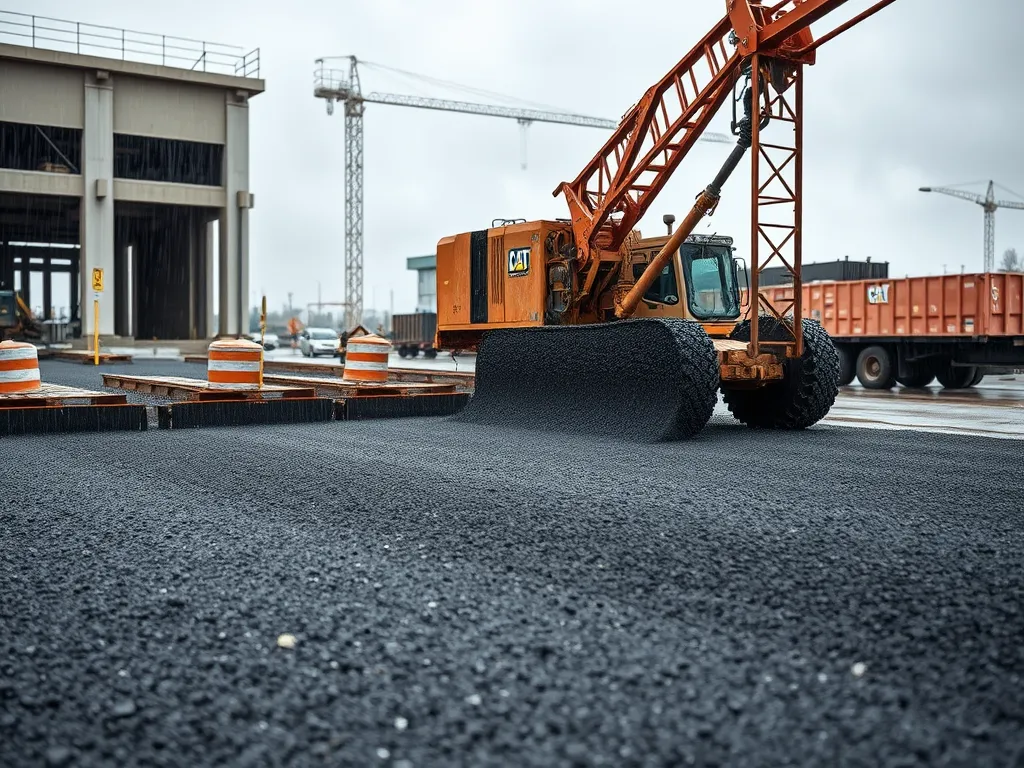
Dense-grade asphalt mastic and mastic asphalt share similarities but serve distinct roles. Both use bitumen-based binders combined with aggregates. The key differences lie in mix design, performance traits, and application methods.
Composition Breakdown
Dense-grade asphalt mastic blends fine aggregates (≤ ⅜”) with asphalt binder at 6-8% content. This creates a void content below 5%, forming a tight matrix. Mastic asphalt uses higher-grade bitumen (often modified with polymers) and filler materials like limestone dust, achieving near-zero voids. It requires heating to 392°F-428°F during installation versus 280°F-320°F for dense-grade mixes.
Functional Applications
Dense-grade asphalt mastic excels in heavy-traffic roadways needing rut resistance. Mastic asphalt prioritizes waterproofing, used for bridge decks or roof layers. While both handle loads, mastic asphalt’s flexibility makes it better for structural movement areas.
| Feature | Dense-grade Asphalt Mastic | Mastic Asphalt |
|---|---|---|
| Primary Components | Fine aggregates, PG 64-22 binder | Bitumen + 30% limestone filler |
| Aggregate Size | ≤ 9.5mm | ≤ 2.36mm |
| Binder Content | 6-8% | 18-22% |
| Typical Uses | Highways, airport runways | Waterproofing, pedestrian zones |
| Installation Temp | 280°F-320°F | 392°F-428°F |
| Cost per sq.ft | $2.50-$4.00 | $8.00-$12.00 |
These material differences impact longevity. Dense-grade asphalt mastic lasts 15-20 years under traffic, while mastic asphalt can exceed 25 years with minimal upkeep.
Selecting between these materials depends on load demands, weather exposure, and budget. Up next: how dense-grade asphalt mastic outperforms alternatives in durability and cost savings.
Also See: Techniques for Asphalt Pavement Preservation
Primary Benefits Of Dense-grade Asphalt Mastic
Dense-grade asphalt mastic brings perks that make it stand out in road and build jobs. Its thick mix of stones, sand, and binder (asphalt mortar) forms a tight, strong layer. Let’s break down its top gains.
Enhanced Durability for Heavy Traffic
This mix holds up under heavy use. Its dense blend (asphalt mastic mixture) packs tight, which stops wear from trucks, buses, or high car flow. The binder (asphaltic mastic) sticks well to rocks, so the slab stays whole even with loads up to 40 tons per day. Rutting drops by 60% vs. open-grade types. Roads last 20+ years with less patch work.
Superior Water Resistance and Weather Adaptability
Rain and snow don’t seep in. The tight gaps in dense mastic asphalt block water, which stops cracks from freeze-thaw cycles. Tests show it handles temps from -20°F to 140°F. A mastic asphalt/acrylic blend can boost UV guard for hot zones. This cuts flood risks and keeps roads safe in storms.
Long-term Cost Efficiency
Upfront costs run $3-$5 per sq.ft., but life span slashes long-term spends. Less fixes mean towns save up to 30% over 15 years. Reuse of old paved asphalt mastic (up to 25% recycled) trims new material buys. Its slow wear rate delays full re-dos by 5-8 years vs. thin layers.
These perks make dense-grade asphalt mastic fit for roads, paths, and more. Next, let’s see where this tough material works best.

Common Applications Of Dense-grade Asphalt Mastic
Dense-grade asphalt mastic serves as a versatile material across multiple construction scenarios. Its unique blend of aggregates, asphalt binder mastic, and polymer modifiers creates a durable matrix for demanding environments.
Roadways and Highways
Dense asphalt mastic pavement dominates high-traffic roadways due to its 3,500-4,000 PSI compressive strength. State DOTs specify it for interstate highways where rutting resistance matters. The asphalt mastic mixture resists deformation under semi-truck loads exceeding 18,000 lbs per axle. A 4-inch layer typically lasts 12-15 years before resurfacing, outperforming standard asphalt by 30%.
Pavement Surfaces and Walkways
Parks, campuses, and urban plazas use dense graded mastic asphalt for slip-resistant surfaces. Contractors apply a 2.5-inch compacted layer with 1-3% slope for drainage. The material’s 0.5-1.5 mm texture depth meets ADA requirements while minimizing tripping hazards. Its low void content (<5%) prevents water infiltration that cracks traditional concrete walkways.
Industrial Flooring and Infrastructure
Warehouses with 10-ton forklifts rely on 6-inch asphalt dense mastic floors. The material withstands hydraulic oil spills and -20°F to 140°F thermal swings without brittleness. Ports use mastic asphalt/acrylic blend coatings for corrosion protection on steel-reinforced loading docks. A 2019 study showed 22% lower lifecycle costs versus epoxy floors in manufacturing plants.
Waterproofing Layers in Construction
Architects specify asphaltic mastic for below-grade waterproofing at 0.25 gallons per square foot. The self-sealing properties bridge cracks up to 1/8” in concrete substrates. Tunnel projects use spray-applied asphalt mortar layers at 3/8” thickness, achieving 0.0015 perm ratings. This outperforms PVC membranes in seismic zones by 60% elongation capacity.
With these applications in mind, proper installation techniques determine how well dense-grade asphalt mastic performs. Let’s examine the critical steps for preparing surfaces and applying the material correctly.
Installation Process for Dense-grade Asphalt Mastic
Proper install of dense-grade asphalt mastic needs strict steps. Each phase impacts how long the pavement lasts and how well it works.
Surface Preparation Requirements
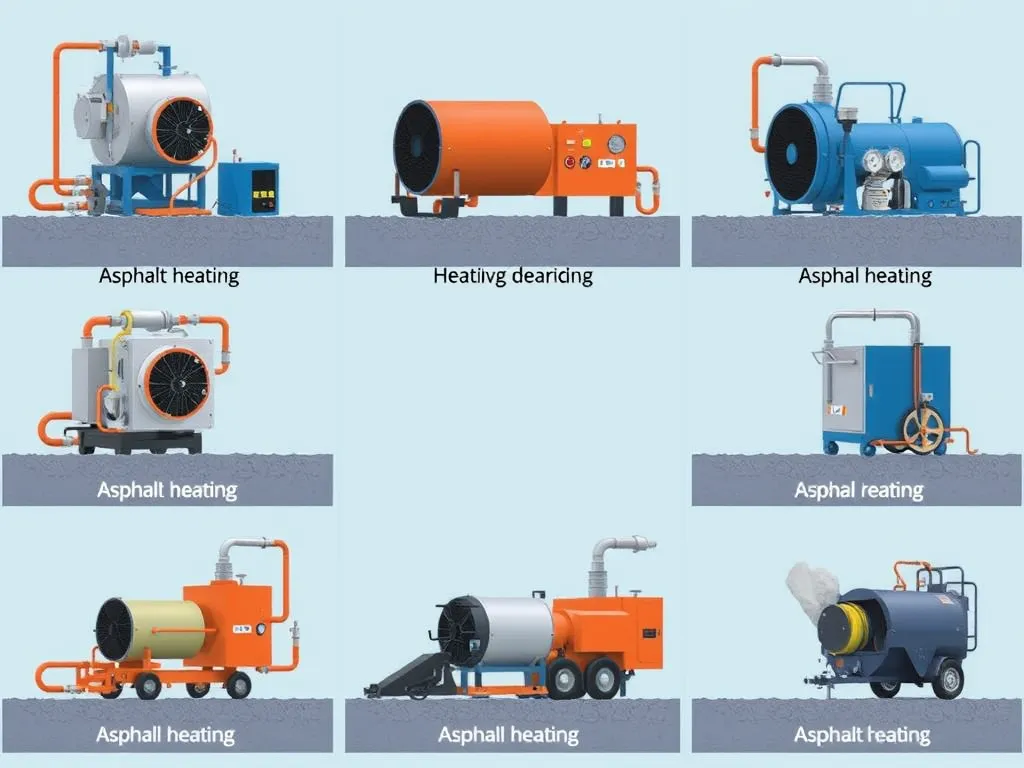
Clean the base first. Remove dirt, oil, or loose bits. Check for cracks over 1/8 inch wide. Fill gaps with asphalt mortar. Apply tack coat at 0.05 gal/yd² to help bonding. Keep base dry. Heat base to 50-85°F before pouring. Use brooms, blowers, or infrared heaters for prep.
Mixing and Application Techniques
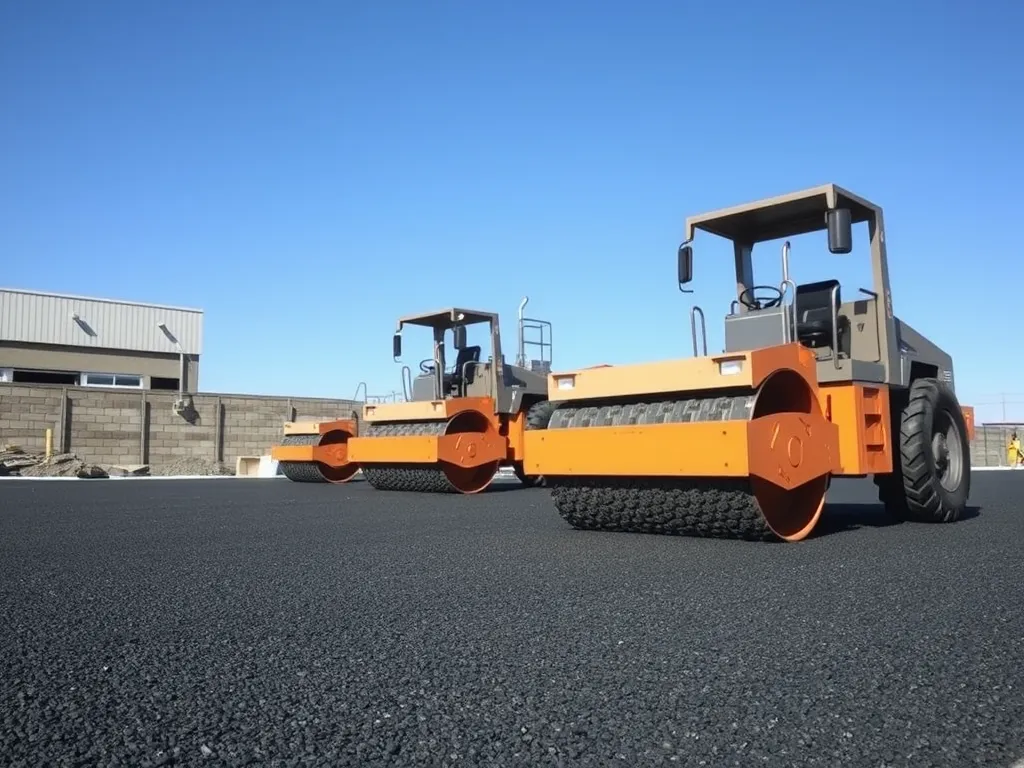
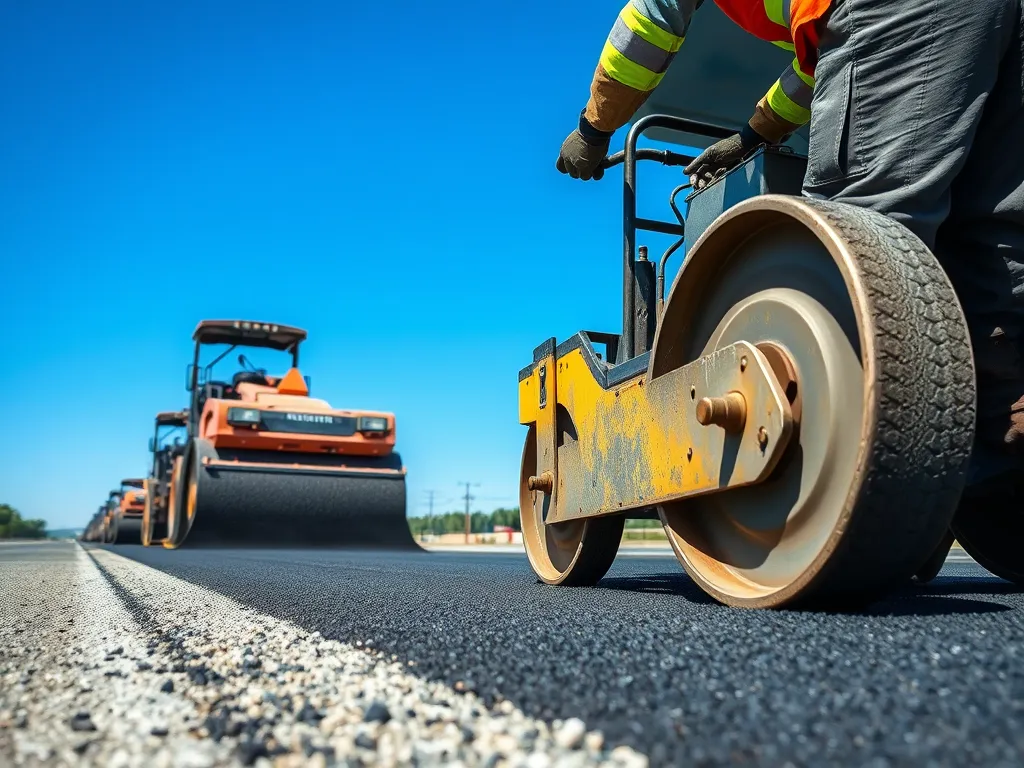
Mix asphalt binder mastic at 275-325°F. Blend 6-7% PG 64-22 binder with crushed stone (3/8 inch max size). Stir for 45-60 seconds in drum mixer. Lay asphalt mastic mixture in 1.5-3 inch lifts. Use paver set to 150°F. Compact with 10-ton rollers at 290°F. Hit 95% density per AASHTO T 166 specs.
Curing Time and Traffic Readiness
Let dense mastic asphalt cool to 140°F. Wait 6 hours in 70°F air. Add 2 hours per 10°F drop below 60°F. Test hardness with a pen knife. No marks mean it’s set. Open light traffic at 24 hours. Allow 48 hours for trucks over 10 tons. Keep temps above 40°F during cure.
With install steps nailed, let’s break down how costs stack up against other paving options.
Cost Comparison: Dense-grade Asphalt Mastic Vs Alternative Materials
Dense-grade asphalt mastic competes with materials like poured concrete, open-graded asphalt, and polymer-modified asphalt. Pricing depends on project size, regional material availability, and labor rates. Let’s break down key cost factors.
| Material | Initial Cost (per sq.ft.) | Lifespan | Maintenance Cycle | Total Cost (20 yrs) |
|---|---|---|---|---|
| Dense-grade Asphalt Mastic | $3.50–$5.00 | 15–25 yrs | 7–10 yrs | $4.80–$7.20 |
| Poured Concrete | $6.00–$8.50 | 20–30 yrs | 3–5 yrs | $9.20–$14.50 |
| Open-Graded Asphalt | $2.80–$4.20 | 8–12 yrs | 4–6 yrs | $6.10–$9.80 |
| Polymer-Modified Asphalt | $4.80–$6.50 | 12–18 yrs | 5–8 yrs | $7.50–$11.30 |
Dense asphalt mastic’s higher initial cost compared to open-graded asphalt stems from its asphalt mastic mixture, which uses 6–8% asphalt binder content. This creates a denser matrix, reducing long-term repairs. Concrete’s frequent joint sealing and cracking add 40–60% to lifetime expenses.
Regional Price Variations
Bitumen prices fluctuate based on crude oil markets, impacting asphalt binder mastic costs. In 2023, Midwest U.S. projects averaged $85–$110 per ton for dense-grade asphalt mastic, while coastal regions hit $120–$140. Labor adds $2–$4 per sq.ft. for screeding and compacting.
Rebates and Recycling Savings
Many states offer 10–15% tax credits for using recycled asphalt pavement (RAP) in dense mastic asphalt. Incorporating 20–30% RAP cuts material costs by $12–$18 per ton. Thermal imaging scans during installation reduce waste by 7–12%.
While cost is a key factor, proper maintenance ensures dense-grade asphalt mastic performs at peak levels for decades. Let’s explore strategies to extend its service life.
Maintenance Best Practices for Longevity
Proper care extends the service life of dense-grade asphalt mastic surfaces by up to 35% compared to neglected ones. Focus on proactive strategies to combat wear from traffic loads, thermal shifts, or moisture intrusion.
Routine Inspection Protocols
Conduct visual checks every six months for early signs of distress. Look for hairline fractures (under 3mm wide), raveling, or localized depressions holding water. Use infrared thermography to detect subsurface voids in high-traffic zones like intersections. Document findings using standardized rating systems such as the Pavement Condition Index (PCI) to track degradation trends. Prioritize zones with cracking exceeding 10% of the surface area or rutting deeper than 6mm.
Repair Methods for Cracks and Damage
Seal minor cracks (1-5mm) with polymer-modified fillers containing 15-20% crumb rubber for flexibility. Clean joints using compressed air blowers set to 100-120 psi before filler placement. For potholes, mill edges vertically, apply tack coat at 0.15 gal/yd², then compact hot-mix mastic at 300°F using vibratory rollers. Allow 48 hours curing before reopening to traffic. Resurface worn sections (>25mm rutting) with 1.5-inch overlay using mastic mixtures meeting PG 76-22 binder specifications.
Proactive maintenance not only preserves structural integrity but also sets the stage for evaluating ecological impacts tied to material choices. Next, we’ll explore how sustainability factors into dense-grade asphalt mastic projects.
Environmental Considerations in Dense-grade Asphalt Mastic Usage
As infrastructure demands grow, balancing performance with planetary impacts is vital. Dense-grade asphalt mastic stands out for its capacity to align durability with sustainability goals.
Recyclability and Material Sustainability
Dense-grade asphalt mastic supports circular construction practices. Up to 30% RAP (Reclaimed Asphalt Pavement) integrates into new mixes without sacrificing structural integrity. This diverts 75 million tons of asphalt from landfills annually in the U.S. alone. PG (Performance Grade) binders optimize compatibility with recycled aggregates, maintaining rut resistance above 60°C.
Longevity also drives sustainability. Surfaces built with this mastic last 20-25 years, reducing replacement frequency. Innovations like bio-based additives derived from lignin or vegetable oils further cut reliance on petroleum-based bitumen.
Energy Consumption During Production
Traditional hot-mix asphalt requires temps of 300-350°F, consuming 6-7 gallons of fuel per ton. Dense-grade mastic mixed with WMA (Warm Mix Asphalt) tech lowers temps to 250-275°F. This cuts fuel use by up to 35% and lowers carbon output by 15-20%.
New plants now pair WMA with solar-powered heating units, trimming grid dependency. A 2023 study showed that pairing RAP with WMA in dense-grade mastic projects slashes total energy demand by 40% versus virgin mixes.
While sustainability marks a priority, functionality remains key. Up next: how to install this material for optimal results.
Frequently Asked Questions (FAQ)
What is the Typical Lifespan Of Dense-grade Asphalt Mastic?
The lifespan of dense-grade asphalt mastic typically ranges from 15 to 25 years, depending on factors such as traffic loads, weather conditions, and maintenance practices.
How Does Weather Affect Dense-grade Asphalt Mastic?
Dense-grade asphalt mastic is designed to withstand extreme temperature variations, handling conditions from -20°F to 140°F effectively. Its low air void content provides excellent moisture resistance, helping to prevent freeze-thaw damage.
Can Dense-grade Asphalt Mastic Be Recycled?
Yes, dense-grade asphalt mastic can incorporate up to 30% reclaimed asphalt pavement (RAP) without compromising its structural integrity, making it an environmentally friendly choice.
What Are the Common Challenges Faced During Installation?
Common challenges include ensuring the right surface preparation, maintaining the correct mixing temperatures, and achieving proper compaction. Any issues in these areas can affect the overall performance and durability of the pavement.
What is the Recommended Maintenance Frequency for Dense-grade Asphalt Mastic?
It is recommended to conduct visual inspections every six months and perform routine maintenance every 3 to 5 years, including sealcoating to extend its lifespan and maintain its integrity.
Is Dense-grade Asphalt Mastic Suitable for All Climates?
Dense-grade asphalt mastic is suitable for a wide range of climates due to its robust structure and waterproof properties. It performs well across various conditions, but specific local weather factors should always be considered in the planning process.
How Does Dense-grade Asphalt Mastic Compare to Other Paving Materials in Terms Of Cost?
While the initial cost of dense-grade asphalt mastic ranges from $3.50 to $5.00 per square foot, its longevity and reduced maintenance needs can lead to lower overall lifecycle costs compared to other paving materials like concrete and open-graded asphalt.
Can Dense-grade Asphalt Mastic Be Used for Areas With High Traffic Loads?
Yes, dense-grade asphalt mastic is specifically designed to handle high traffic loads and is commonly used for roadways, highways, and industrial flooring due to its enhanced durability and rut resistance.
What Should Be Done if Cracks or Damage Occur on the Dense-grade Asphalt Mastic Surface?
Minor cracks can be sealed with polymer-modified fillers. For more significant damage such as potholes, it is necessary to mill the edges, fill with hot-mix mastic, and allow proper curing before reopening to traffic.
How Does Dense-grade Asphalt Mastic Contribute to Sustainable Construction Practices?
Dense-grade asphalt mastic contributes to sustainability by allowing for the incorporation of recycled materials, reducing waste, and utilizing warm mix asphalt technology that consumes less energy during production.
Closing Thoughts
Dense-grade asphalt mastic offers a robust solution for various paving needs. Its composition ensures durability and superior resistance to weather, making it a reliable choice for heavy traffic areas.
Understanding the key differences between dense-grade and other asphalt types helps in selecting the right material for your project. Its applications range from roadways to industrial flooring, demonstrating versatility across various environments.
For ongoing maintenance, following best practices can extend the lifespan of your asphalt mastic installations. Regular inspections and timely repairs safeguard your investment and enhance longevity.
Explore more about dense-grade asphalt mastic and related topics on our site, Asphalt Calculator USA.
Additional Resources for You:
- Huang, Y. H. (2004). Pavement Analysis and Design (2nd ed.). Upper Saddle River, NJ: Pearson/Prentice Hall.
- Stone Mastic Asphalt – Civil Engineering Portal
- The Importance of Stone Mastic Asphalt in Construction
- Mastic Asphalt in the Road Network.
- Mastic Asphalt – an overview | ScienceDirect Topics