Upcoming Regulations Affecting Asphalt Production
Published on: July 5, 2026 | Last Updated: April 14, 2025
Written By: George Voss
New federal and state regulations will transform asphalt production in 2023 through tighter emission limits and mandatory recycling rules. Agencies like the EPA and state environmental departments aim to cut sulfur oxides (SOx) by 30%, nitrogen oxides (NOx) by 25%, and volatile organic compounds (VOCs) by 15% compared to 2022 standards. Operators must also use at least 25% recycled asphalt pavement (RAP) in mixes. These changes could raise production costs by 15-20% but offer long-term savings through efficient material reuse and reduced fines.
This article explains revised air quality rules for asphalt plants, updated material sourcing requirements, and cost-effective compliance methods. Learn how low-temperature asphalt production cuts fuel use by 40%, why baghouse filters now require 99.9% particulate capture, and how switching from diesel to natural gas reduces CO2 emissions by 22%. We’ll also cover RAP blending techniques, bitumen storage upgrades, and strategies to offset compliance costs without sacrificing pavement quality.
Overview Of Asphalt Production Processes
Asphalt production combines aggregates, binder, and filler materials at high temps to create pavement mixtures. Plants must balance efficiency with strict quality controls, a task growing more complex with shifting rules.
What is an Asphalt Production Plant?
An asphalt production plant heats and mixes raw materials into hot-mix asphalt (HMA). These facilities range from portable batch plants to large drum-mix operations producing 800 tons per hour. New regulations affecting asphalt production target emission points like dryer drums and storage silos, pushing plants toward cleaner combustion systems and real-time monitoring.
Key Components in Asphalt Manufacturing
Three elements face direct impacts from asphalt regulations changes:
Aggregates: Sourced from quarries, these rocks now require tighter dust control during handling to meet 2023 PM2.5 limits. Some states mandate covered conveyor belts.
Binder: Bitumen storage tanks must maintain temps below 325°F under revised asphalt production requirements to cut VOC emissions. Low-temperature binders like WMA (warm-mix asphalt) gain traction.
RAP: Recycled Asphalt Pavement usage thresholds jump to 30-50% in 2023 asphalt production regulations. Plants need upgraded crushers and fractionating screens to process aged material effectively.
These core elements now face scrutiny under evolving standards for emissions, recycling rates, and worker safety. Next, we examine specific 2023 benchmarks reshaping daily operations.
2023 Asphalt Production Regulations and Changes
New rules reshaping the sector focus on two core priorities: cutting emissions during production cycles and boosting sustainable material use. These shifts directly influence how plants operate, from fuel choices to recycled content percentages.
Updated Emission Standards for Asphalt Plants
The Environmental Protection Agency (EPA) now enforces stricter thresholds for three pollutants linked to mixing processes. Plants must invest in upgraded filtration systems or face penalties up to $15,000 per violation.
Sulfur Oxides (SOx) Limits in Asphalt Production
SOx emissions from heated bitumen storage tanks now cap at 5 ppm (parts per million), down from 9 ppm. Facilities using high-sulfur fuels like coke must install wet scrubbers, which trap up to 95% of sulfur particles before release.
Nitrogen Oxides (NOx) Reduction Requirements
Dryer drums, critical for removing moisture from aggregates, must cut NOx output by 30% under the 2023 rules. Solutions include low-NOx burners or injecting urea into combustion zones, lowering temperatures to prevent nitrogen gas conversion.
Volatile Organic Compounds (VOCs) Controls
VOCs—carbon-based chemicals released during mixing—now require enclosed systems with carbon adsorption units. Plants in ozone nonattainment zones face tighter limits: 50 tons/year versus the national 100-ton standard.
Revised Material Sourcing and Recycling Mandates
Beyond emissions, regulators push for circular economies in pavement projects. Specific targets for reclaimed materials and bitumen handling protocols aim to shrink reliance on virgin resources.
Incorporating Recycled Asphalt Pavement (RAP)
Federal highway projects now mandate minimum 25% RAP in mixes, up from 15%. Plants not meeting this must document sourcing constraints or pay $2–$5 per ton in noncompliance fees. RAP stockpiles exceeding 500 tons need covered storage to prevent moisture contamination.
Restrictions on Bitumen Usage and Storage
Modified bitumen tanks must maintain temperatures below 320°F (160°C) to minimize fuming. Facilities storing over 1,000 barrels require secondary containment walls + vapor recovery systems, adding $75,000–$200,000 in upfront costs per site.
Meeting these rules demands both tech upgrades and operational shifts. Next, we’ll explore proven methods plants use to stay compliant without sacrificing output quality.
Compliance Strategies for Asphalt Manufacturers
Following asphalt production regulations in 2023 will call for smart planning. Factories must adopt tactics that cut pollution without slowing work. Three main paths stand out.
Adopting Low-temperature Asphalt Production Methods
Warm-mix asphalt (WMA) allows mixing at 30-50°F lower than normal hot-mix asphalt. This cuts fuel consumption by 20-35% and lowers CO2 output. Additives like Sasobit or Advera let plants hit target viscosity without high heat. Using WMA also trims nitrogen oxides (NOx) by 15-30%, aiding compliance with asphalt regulations changes.
Implementing Advanced Emission Control Technologies
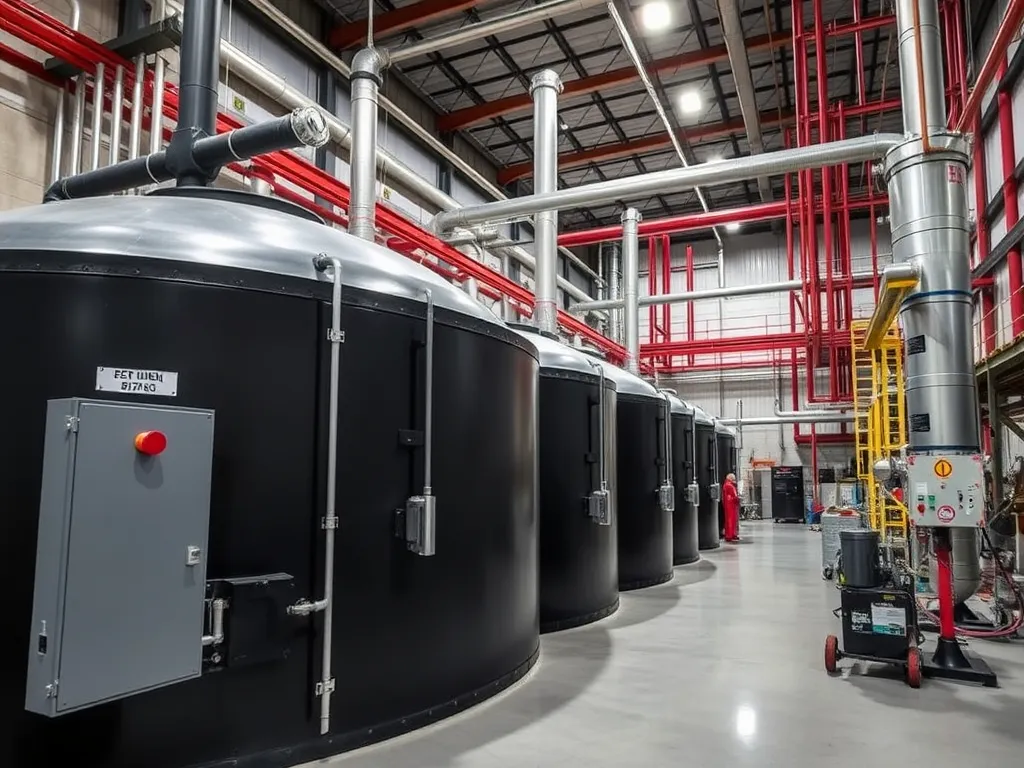
New asphalt production requirements push factories to upgrade filtration systems. Baghouse filters with PTFE membranes now trap 99.9% of PM2.5 particulates. Wet scrubbers using limestone slurry cut sulfur oxides (SOx) by up to 80%. For nitrogen control, catalytic reduction units inject ammonia to transform NOx into harmless nitrogen gas. Initial costs range from $250,000 to $1.2 million, but avoid fines up to $37,500 per violation under asphalt laws.
Fuel Switching in Asphalt Plant Operations
Shifting from coal or oil to natural gas slashes SOx by 90% and CO2 by 25%. Biofuels like tall oil pitch show promise, cutting black carbon output by 40% in trials. Hybrid systems combining solar thermal with gas burners trim fossil fuel use by 18-22%. Plants in California now pay $0.12-$0.18 per kWh for on-site solar, down 34% since 2020.
Adapting to upcoming regulations asphalt plants face will impact daily workflows. Factories must now weigh both short-term costs and long-term gains from sustainable shifts.
Also See: Recommended Cleaning Products for Asphalt
Operational Impacts Of New Asphalt Regulations
Strict rules for making asphalt will transform daily work at plants. From shifting budgets to modifying mixing timings, firms must adapt to stay compliant without losing output quality.
Cost Implications for Asphalt Production Facilities
Plants now face a 12-18% jump in initial costs to align with 2023 asphalt production regulations. Upgrading pollution controls like baghouses (fabric filter systems) or adding sulfur scrubbers can hit $250,000-$1.2M per facility. Yearly costs will climb too—maintaining RAP (Recycled Asphalt Pavement) processing gear adds $45-$75 per ton of mix.
| Cost Factor | Impact Range |
|---|---|
| Baghouse retrofits | $180k-$850k |
| Low-NOx burners | $32k-$120k |
| RAP sorting systems | $75k-$300k |
Fuel switching to natural gas or biomass may trim long-term bills but needs $500k+ upfront. Plants in California and Texas report 8-15% higher bids on paving contracts to offset these asphalt regulatory costs.
Adjustments in Production Scheduling and Workflows
New asphalt laws force plants to slow output by 10-25% during transitions. Mixing RAP at 30-40% rates (up from 15-20%) adds 12-18 minutes per batch for sorting and heating. Night shifts might shrink due to noise limits in urban zones under asphalt industry regulations.
Batch plants now test aggregates 3x more often to hit revised gradation specs. Continuous plants face downtime installing real-time VOC monitors—up to 14 days for calibration. Staff training on updated OSHA protocols for bitumen storage adds 16-24 hours annually per worker.
Adapting to asphalt production requirements isn’t just about buying gear. It’s a full rework of how plants function daily. Firms balancing these shifts position to last in a tight market.
As financial and logistical impacts take hold, sustainability gains from these rules start showing. Next, we’ll look at how green goals align with compliance.
Environmental and Sustainability Considerations
New regulations affecting asphalt production prioritize environmental protection without compromising pavement quality. These rules drive innovation in material science and plant operations.
Reducing Carbon Footprint in Asphalt Manufacturing
The 2023 asphalt regulations mandate a 15-20% reduction in CO₂ emissions per ton produced by 2025. Plants now adopt Warm Mix Asphalt (WMA) technologies, lowering mixing temperatures from 300-330°F to 230-260°F. This cuts fuel use by 18% and slashes greenhouse gases. Carbon capture systems like BlueBlend™ are gaining traction, trapping up to 40% of stack emissions.
- Bio-based binders replacing 5-10% of petroleum bitumen
- PG (Performance Graded) binders meeting Superpave specifications at lower energy inputs
- RAP (Recycled Asphalt Pavement) integration exceeding 30% in mix designs
Balancing Regulatory Compliance With Eco-friendly Practices
Asphalt production regulations now tie permit renewals to sustainability metrics. Plants must track embodied carbon using tools like the Asphalt Pavement Alliance’s Carbon Calculator. Six states require Environmental Product Declarations (EPDs) for public projects.
Strategies merging compliance and ecology include:
- Drum mixers with double-barrel insulation cutting heat loss by 22%
- Solar-powered aggregate dryers reducing grid dependence by 35%
- Closed-loop water systems recycling 90% of process H₂O
A 2023 NAPA study shows plants combining RAP with WMA save $4.80/ton in material costs while meeting new asphalt production requirements.
These sustainability shifts set the stage for examining how operational workflows adapt under tightened asphalt industry regulations. Next, we analyze real-world impacts on production timelines and budgets.
Frequently Asked Questions (FAQs)
What is the Impact Of Regulations on Asphalt Production?
The new regulations are expected to significantly affect asphalt production by introducing stricter emission limits and recycling mandates. These changes will likely increase production costs but promote sustainability and efficiency in the long term.
How Will the Changes in Emission Standards Affect Asphalt Producers?
Asphalt producers must invest in advanced emission control technologies to comply with updated standards, leading to potential increases in operational costs. However, these investments can also improve air quality and contribute to a cleaner environment.
What Should Asphalt Manufacturers Consider for Compliance?
Manufacturers should consider adopting low-temperature asphalt production methods, implementing advanced emission control technologies, and potentially switching fuels to meet compliance requirements and reduce costs over time.
What Are the Long-term Benefits Of Meeting New Asphalt Regulations?
While there are upfront costs associated with compliance, the long-term benefits include reduced operational costs through improved efficiencies, decreased environmental impact, and enhanced public perception, potentially leading to more business opportunities.
How Do New Regulations Promote Sustainability in Asphalt Production?
The regulations encourage the use of recycled materials, such as Recycled Asphalt Pavement (RAP), and sustainable practices, helping to create a circular economy in asphalt production. This not only mitigates environmental impact but also promotes resource conservation.
What Challenges Might Asphalt Plants Face in Adapting to New Standards?
Challenges include high initial costs for upgrading equipment, potential disruptions to production schedules, and the need for employee training on new protocols and technologies. Additionally, increased compliance costs may affect contract bidding and profitability in the short term.
Closing Thoughts
Upcoming regulations are reshaping the asphalt production landscape. Updated emission standards and revised material sourcing requirements are vital for manufacturers to address. Adapting to these changes is not just about compliance; it’s also about seizing the opportunity to innovate and enhance sustainability.
Implementing advanced technologies and new production methods can mitigate costs while improving environmental performance. As the industry shifts toward eco-friendly practices, the focus on reducing carbon footprints and recycling will play an increasingly important role in defining successful operations.
Stay informed about these developments and their implications for the asphalt industry. For comprehensive information, visit Asphalt Calculator USA. Together, we can drive the future of asphalt production.
Additional Resources for You:
- Transportation Research Board (TRB, Peer-Reviewed Research & Circulars)
- Asphalt Processing and Asphalt Roofing Manufacturing: National Emission Standards for Hazardous Air Pollutants (NESHAP) for Major Sources | US EPA
- Asphalt Market Size, Industry Share, Growth Rate, Forecast, 2032
- Asphalt (Bitumen) Fumes – Standards | Occupational Safety and Health Administration
- Hot Mix Asphalt Facilities: New Source Performance Standards (NSPS) | US EPA